By Nanci Cole | Project Leader
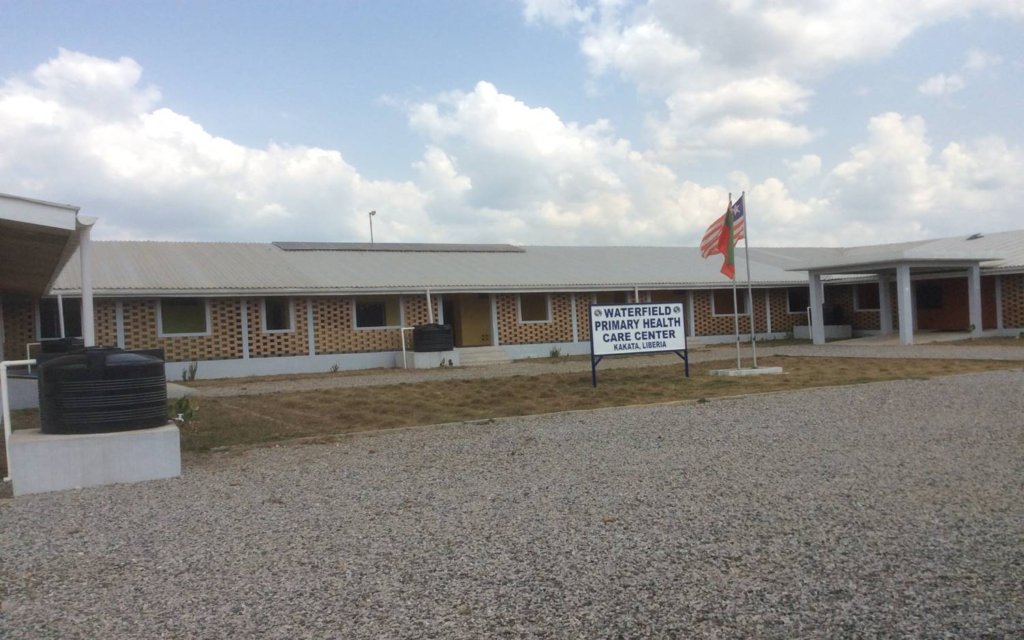
The ebola crisis exposed the significant lack of properly equipped, staffed and supplied laboratory resources, which are critical for proper diagnosis and treatment. Last year we worked extensively with Partners in Health and others to secure donation of laboratory equipment and training resources for our clinic. We raised the funding for our share of the shipping costs last year. Unfortunately, at year end we were advised that due to budgetary restraints, the decision on this donation has been pushed out to the spring of 2018 at the earliest with shipment no sooner than year-end, leading us to seek another source.
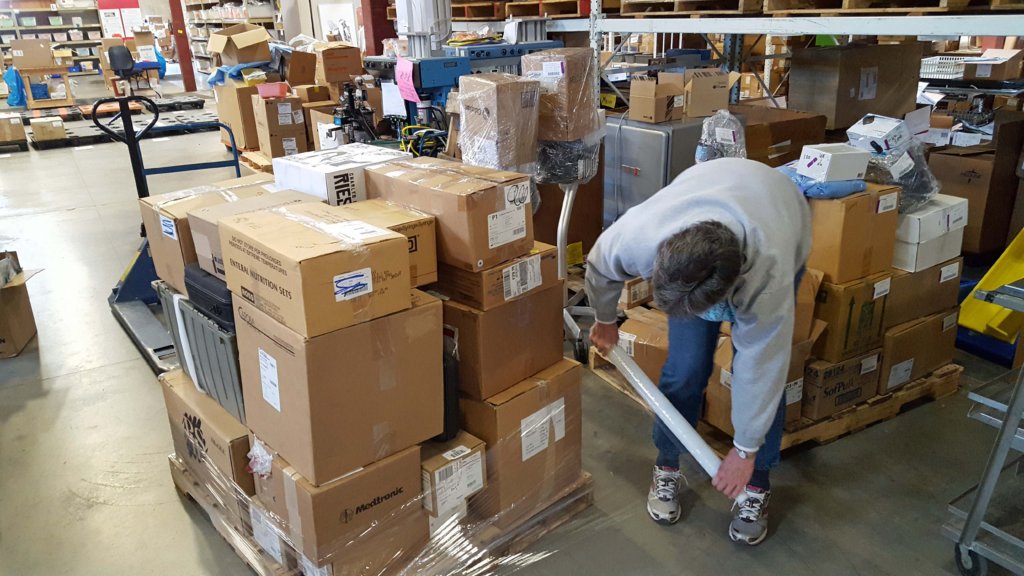
We are happy to report that the first shipment of laboratory equipment and supplies is being prepared for shipment to Liberia this month from Project C.U.R.E., who identifies, solicits, collects, sorts and distributes medical supplies and services to organizations around the world. The Project C.U.R.E. warehouse operation in Denver, Colorado is providing the basic lab set up, as well as other medical equipment and supplies filling a standard shipping pallet. Our pallet will be shipped in a container with equipment and supplies destined for several organizations in West Africa, significantly reducing our shipping expense. We expect delivery within 60 days, which means the lab will be operational by mid-summer.
There are still a few critical items needed, some of which can be purchased in Liberia or secured from other medical equipment and suppliers donors, but this first shipment will fill a big need in our daily operations at the clinic. A new class of Laboratory Technicians will be graduating this month filling some of the critical demand for experienced lab technicians. Dr. Chris is actively recruiting the best candidates for our health center.
Links:
By Nanci Cole | Project Leader
By Nanci Cole | Project Leader
Project reports on GlobalGiving are posted directly to globalgiving.org by Project Leaders as they are completed, generally every 3-4 months. To protect the integrity of these documents, GlobalGiving does not alter them; therefore you may find some language or formatting issues.
If you donate to this project or have donated to this project, you can receive an email when this project posts a report. You can also subscribe for reports without donating.



Support this important cause by creating a personalized fundraising page.
Start a Fundraiser