Project Report
| Jul 2, 2024
QUARTERLY REPORT APRIL TO JUNE 2024
By Samson Namwoyo | Project Leader
![]()
Summary
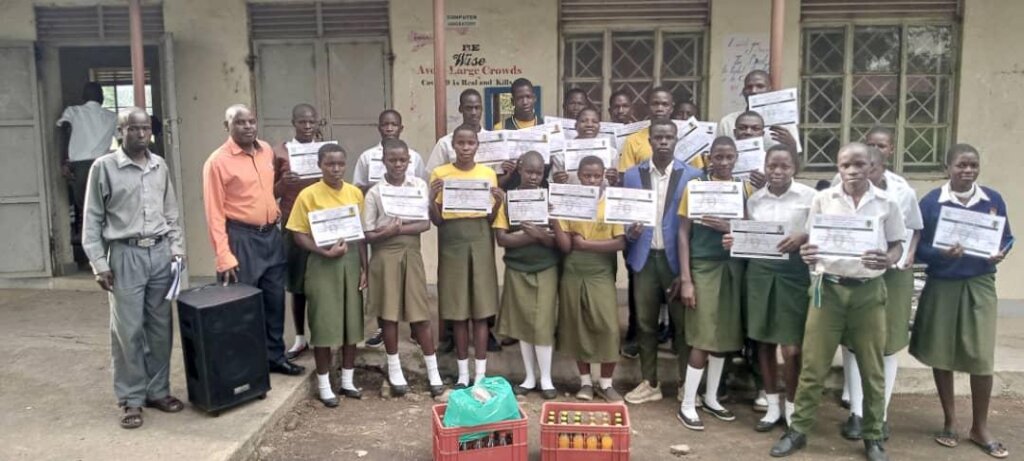
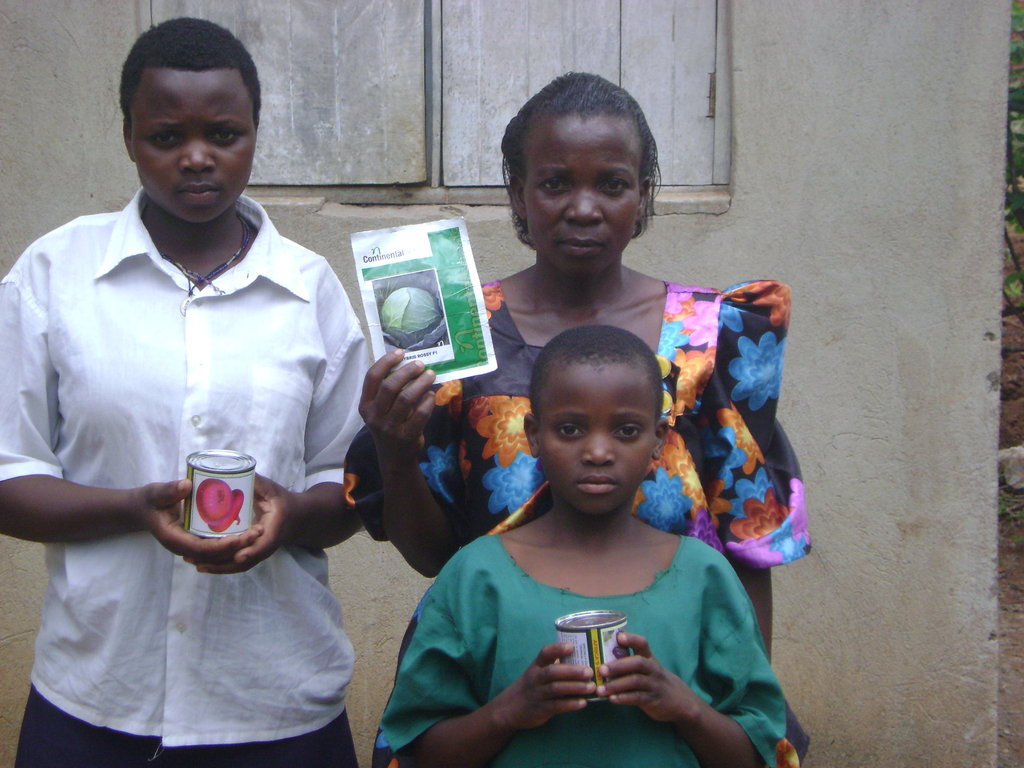
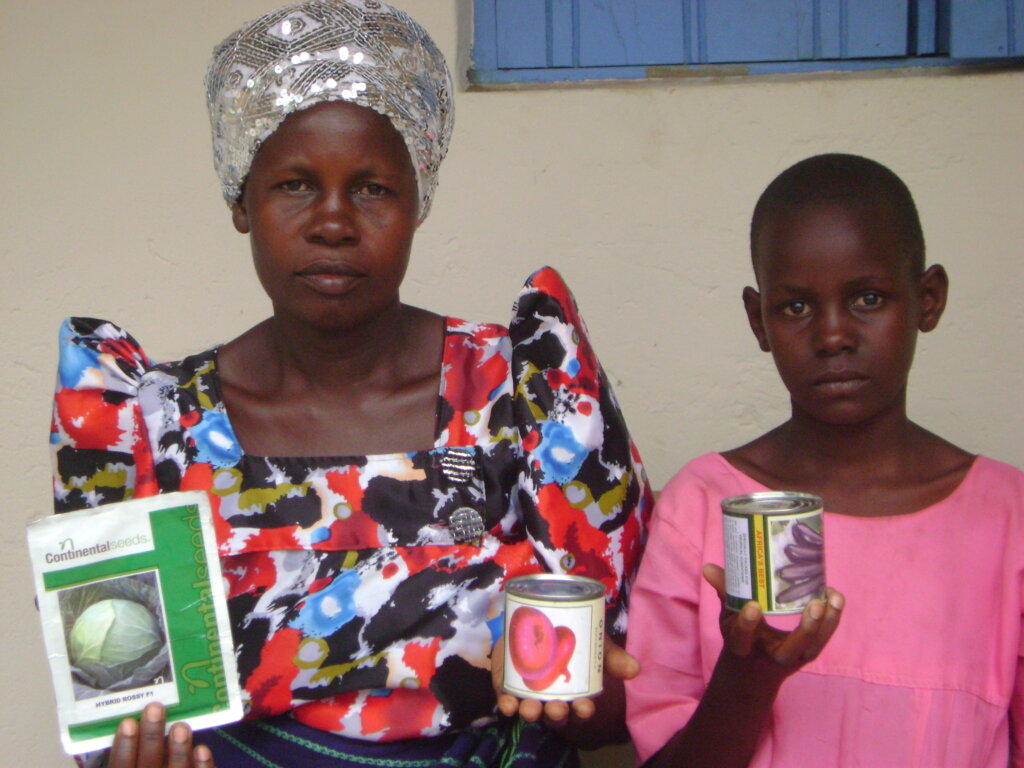
KADO acknowledges all partners/donors who have made their contribution to support the project. This is a quarterly report of April to June 2024 on the retention of Orphan girl children in schools in Uganda: Supported child caretakers with agricultural inputs, trained adolescent orphans in reusable sanitary pads making, distributed re-usable sanitary pads to adolescent orphan school girls, provided meal fees child mothers and pregnant orphan girls at school.
Achievements;
- 30 mobilized and trained in reusable sanitary pads making.
- 500 reusable Distributed to targeted school girls
- Visited 30 orphans in schools.
- Provided 50 caretakers with vegetable seeds
Challenges:
- Limited funding and support to maintain the high number of orphans in schools.
- Difficulty in meeting school requirements for orphan girl children
- The number of pregnant girls in schools is increasing in schools and lack support
- The number of child mothers is increasing in schools and lack support
Recommendations:
Retaining orphan girls in schools in Uganda requires collective effort of the community, donors. There is high early pregnancies, child marriages and school dropout among these girls. KADO therefore, request for support of all stakeholders tom enhance education of girl children in Uganda which is still very low.
Links:
![Share on Twitter]()
![Share on Facebook]()
Oct 5, 2023
QUARTERLY REPORT JUNE-SEPTEMBER
By Samon Namwoyo | Project Leader
![]()
Summary
KADO acknowledges all partners/donors who have made their contribution to support the project. This is a quarterly report of June to September on the retention of Orphan girl children in Uganda: Supported child caretakers with agricultural inputs, trained adolescent orphans in reusable sanitary pads making, distributed re-usable sanitary pads to adolescent orphan school girls, provided meal fees child mothers and pregnant orphan girls at school.
Achievements;
- 60 mobilized and trained in reusable sanitary pads making.
- 300 reusable Distributed to targeted school girls
- Provided Uganda shillings 25,000 to 12 girls with children to facilitate buying food for babysitters when at school
- Paid for meals of 7 pregnant girls at school
- Visited 30 orphans in schools.
Challenges:
- Limited funding and support to maintain the high number of orphans in schools.
- Difficulty in meeting school requirements for orphan girl children
- The number of pregnant girls in schools is increasing in schools and lack support
- The number of child mothers is increasing in schools and lack support
Recommendations:
Retaining orphan girls in schools in Uganda requires collective effort of the community, donors. There is high early pregnancies, child marriages and school dropout. KADO therefore, request for support of all stakeholders tom enhance education of girl children in Uganda which is still very low.
![]()
![Share on Twitter]()
![Share on Facebook]()
May 29, 2023
QUARTERLY REPORT JANARY-APRIL 2023
By Samson Namwoyo | Project Leader
![Orphan girl children]()
Orphan girl children
- Summary:
Uganda is still experiencing increasing school dropout cases and early marriages to a tune of over 34%, the most affected are the young adolescent and teenage girls of 15-19 years, especially the orphans who are poorly supported to stay in school. In eastern Uganda, the district of Kibuku is the worst hit by the challenge of girl school dropout, teenage pregnancies and early marriages standing up to 38 percent among the girls of 14-19 years. Other causes of school dropout include failure to manage menstrual hygiene management, poor attitude to girl child education by the parents and orphan care givers, also girls are seen as sources of wealth to the parents especially in the rural settings of Kibuku district and these reasons have contributed to a rise in prostitution practices, un wanted pregnancies child parents and poverty in the district. This project is therefore supports the retention of orphan girl children in schools in Kibuku district, eastern Uganda. The project mobilized and sensitized child caretakers-givers on child rights, provided agricultural inputs to child caretakers-givers, provided scholastic materials to ongoing orphan girl children and reusable sanitary pads.
Achievements;
- 215 Childcare takers sensitized on girl child rights to education
- 6 girls enrolled for vocational skills training i.e. 3 tailoring and 2 computer
- 20 mobilized and trained in reusable sanitary pads making.
- 120 reusable Distributed to targeted school girls
- provided some money to 8 targeted girls to facilitate buying their food and and babysitters babysitters during examinations
Challenges:
- Limited funding and support to maintain the high number of orphans in schools.
- Difficulty in meeting school requirements for orphan girl children
- Trucker drivers continue to defile the younger girls.
Recommendations:
Retaining orphan girls in schools in Uganda requires collective effort, donor support and a lot of attention as the high dropout rate undermines the governments to educating the girl child.
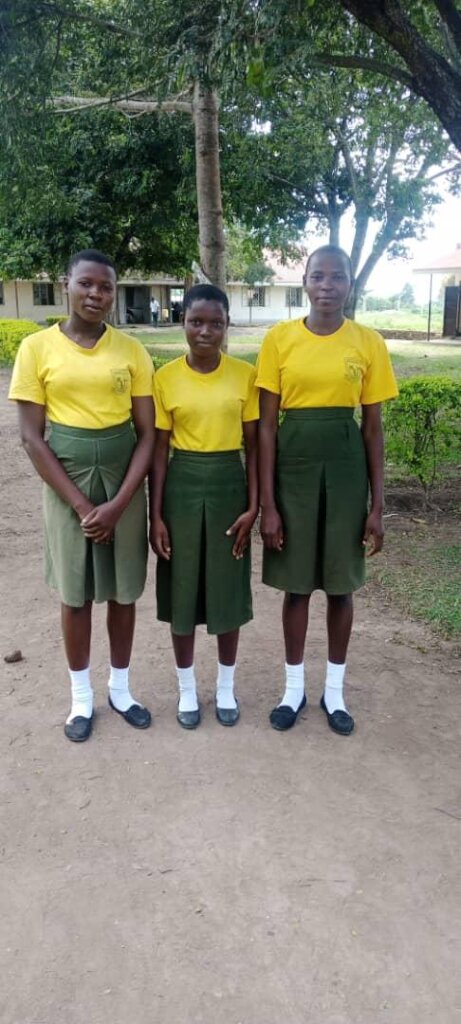
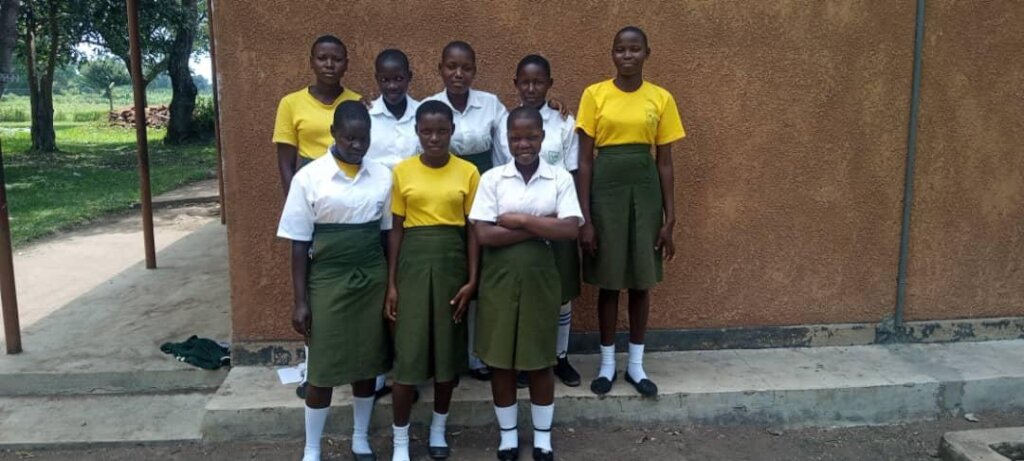
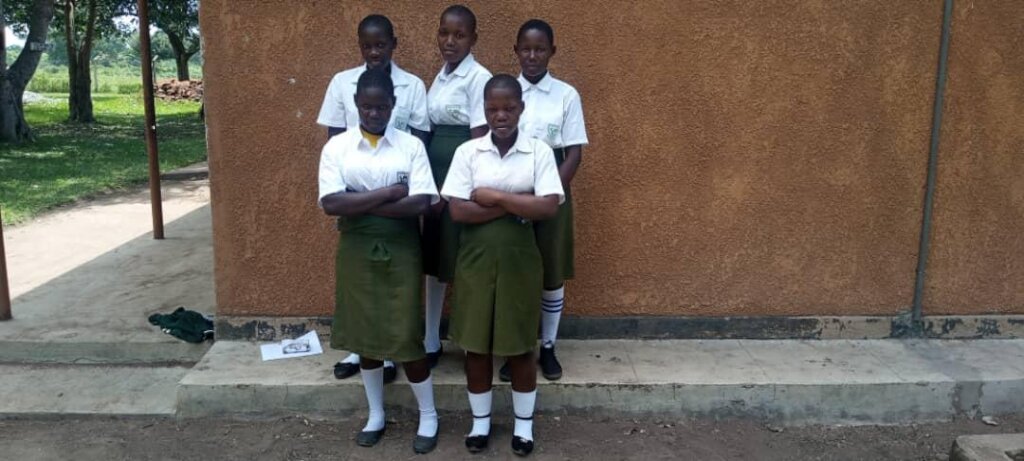
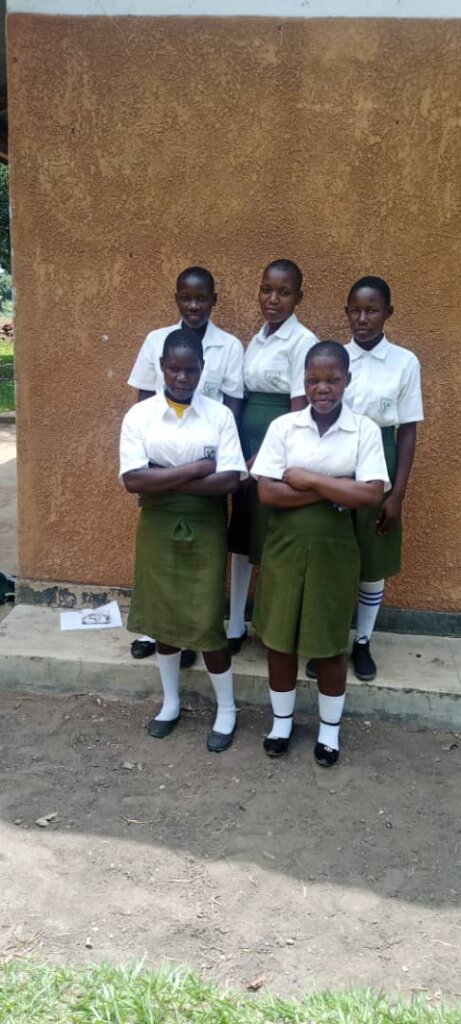
![Girls at school]()
Girls at school
Links:
![Share on Twitter]()
![Share on Facebook]()