By Sebastian De los Heros | Alianza Arkana team
The progressive increase in accessibility to the various media has generated both positive and negative impacts on the world's population. Television, internet, mobile telephone, local or national newspapers and radio are some of the most remarkable in recent decades. And perhaps the increase in Internet coverage, under various forms and with social networks as a great revolutionary attraction, is the most striking in this area. But perhaps the difference with radio is not so abysmal, when the target audience of a media is the indigenous peoples or, beyond niches, when we want to break the dominant discourse of the groups in power, which we know well control many of the mass media.
Without fear of being mistaken, the radio continues to be an excellent tool of mass communication when it comes to populated areas far from urban centers or capitals. The lack of telephone coverage and the impossibility for newspapers to reach some communities makes radio even a necessity to stay connected to the world.
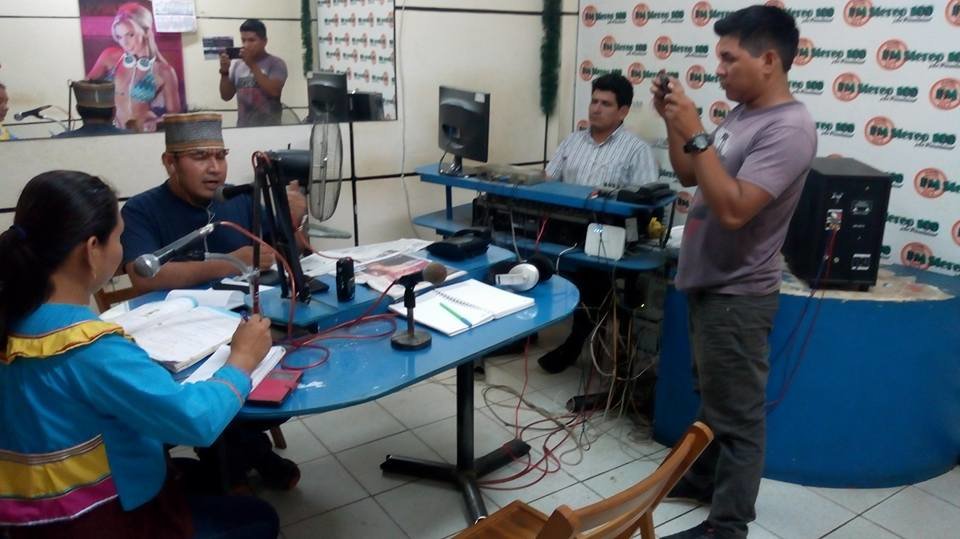
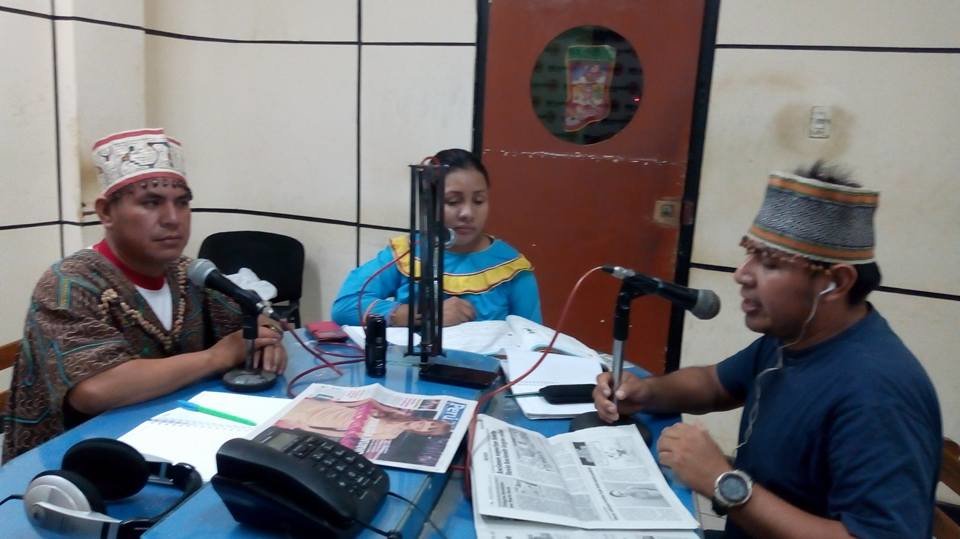
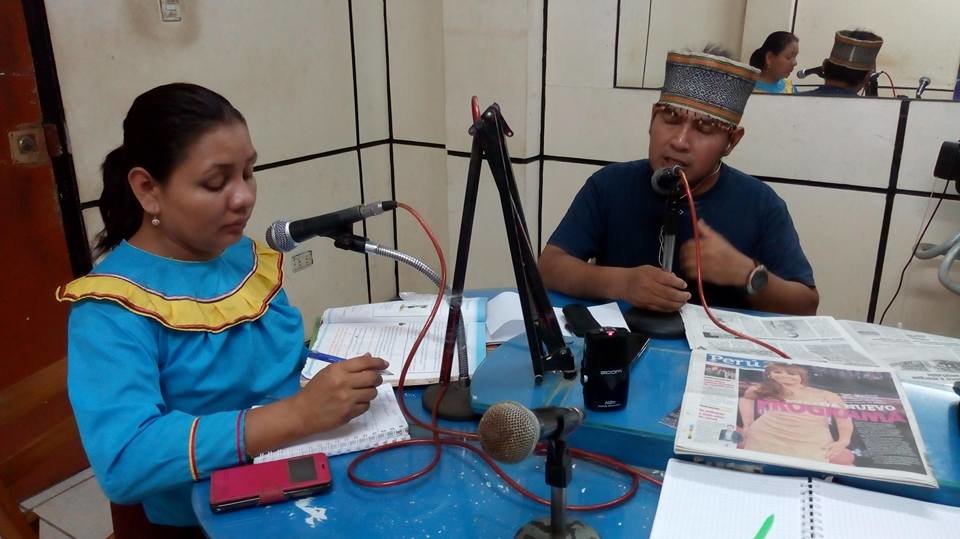
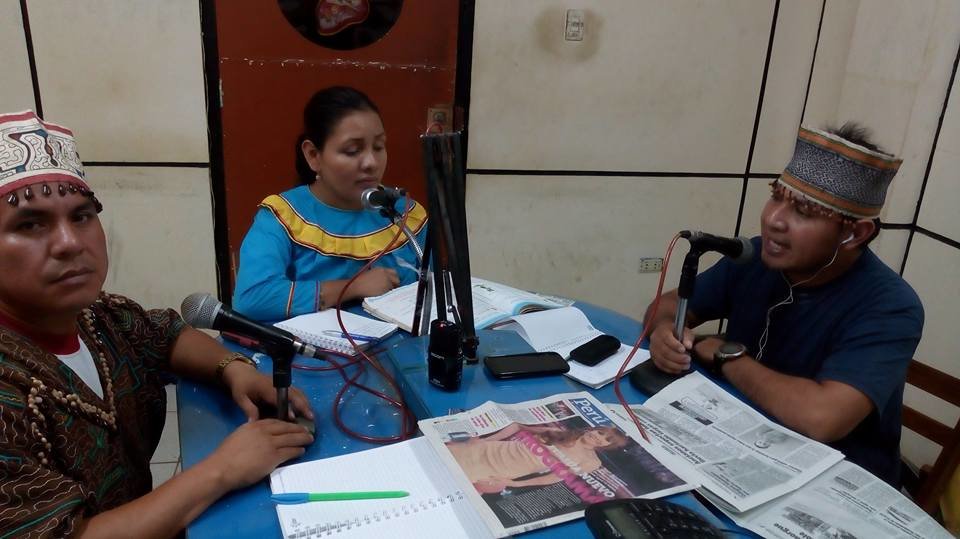
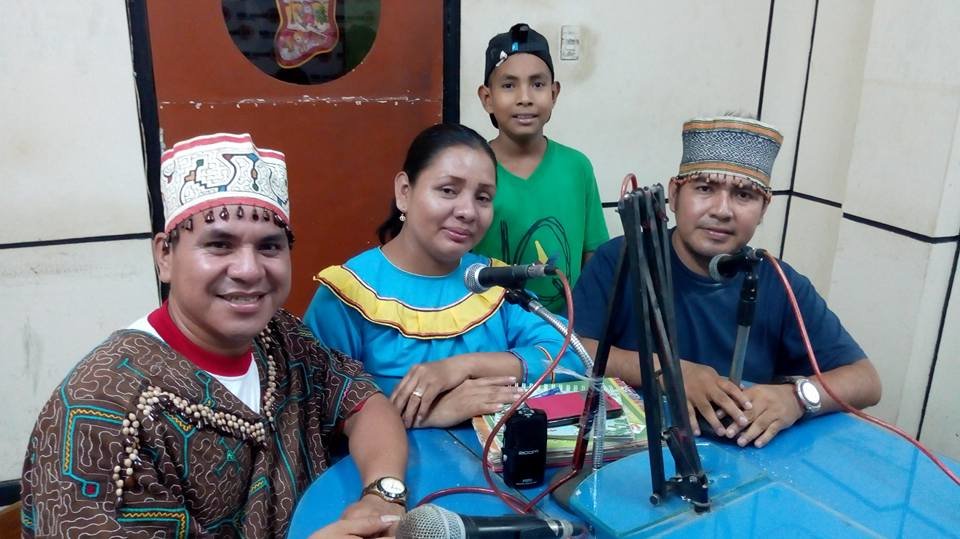
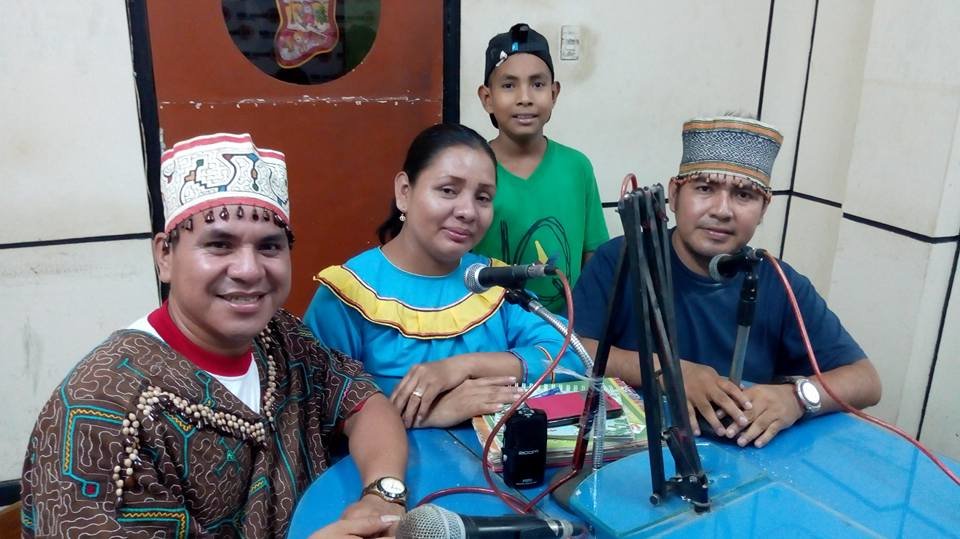
In Latin America, the radio is a powerful tool for the dissemination and recovery of the cultural and historical identity of indigenous peoples. It has opened many doors for political and social debate about what each community, organization, or the population as a whole needs and demands from the State. It maintains closeness with the people, as Alianza Arkana has well corroborated through the successful radio program "Axenon Ikanwe", directed by Shipibo-Konibo opinion leaders.
In Peru, after opening the eyes in front of the great mass media that for decades centralized the information from the problems or needs of the capital Lima, the advances in this field are very positive, but not enough. Perhaps one of the most notable achievements of the progress of radio broadcasting in indigenous peoples is the strengthening of the mother tongue. The simple fact of having a space where we listen to news, debates, current events, sports, etc. in our native language, is already a solid political and cultural symbol that shows the resistance to the standardization of languages, many times promoted by the neoliberal schemes of globalization.
However, the road is still very long. If we look closely at our Bolivian countrymen, who already have more than 200 community radio stations broadcasting 24 hours a day in native languages such as Aymara, we have to understand that it is not enough to simply broadcast programs, but to debate in the public and political sphere of the State about this need, and above all, this right. The path has already been opened by many indigenous opinion leaders for decades. Let us not lose the way, but step up!
Project reports on GlobalGiving are posted directly to globalgiving.org by Project Leaders as they are completed, generally every 3-4 months. To protect the integrity of these documents, GlobalGiving does not alter them; therefore you may find some language or formatting issues.
If you donate to this project or have donated to this project, you can receive an email when this project posts a report. You can also subscribe for reports without donating.