By R.BALU | DIRECTOR
RURAL WOMEN HEALTH STATUS ANALYSIS AND EDUCATION IN 25 VILLAGES .
----------------------------------------------------------------------------------------------------------------------
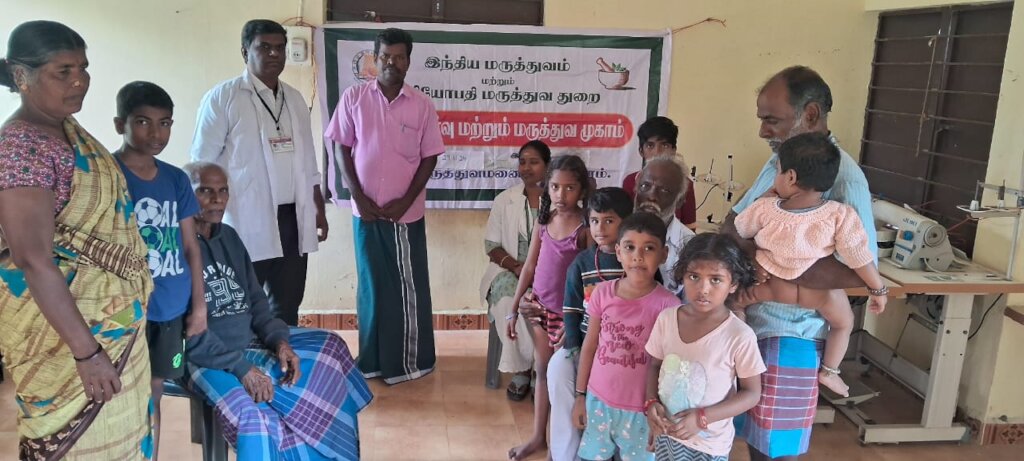
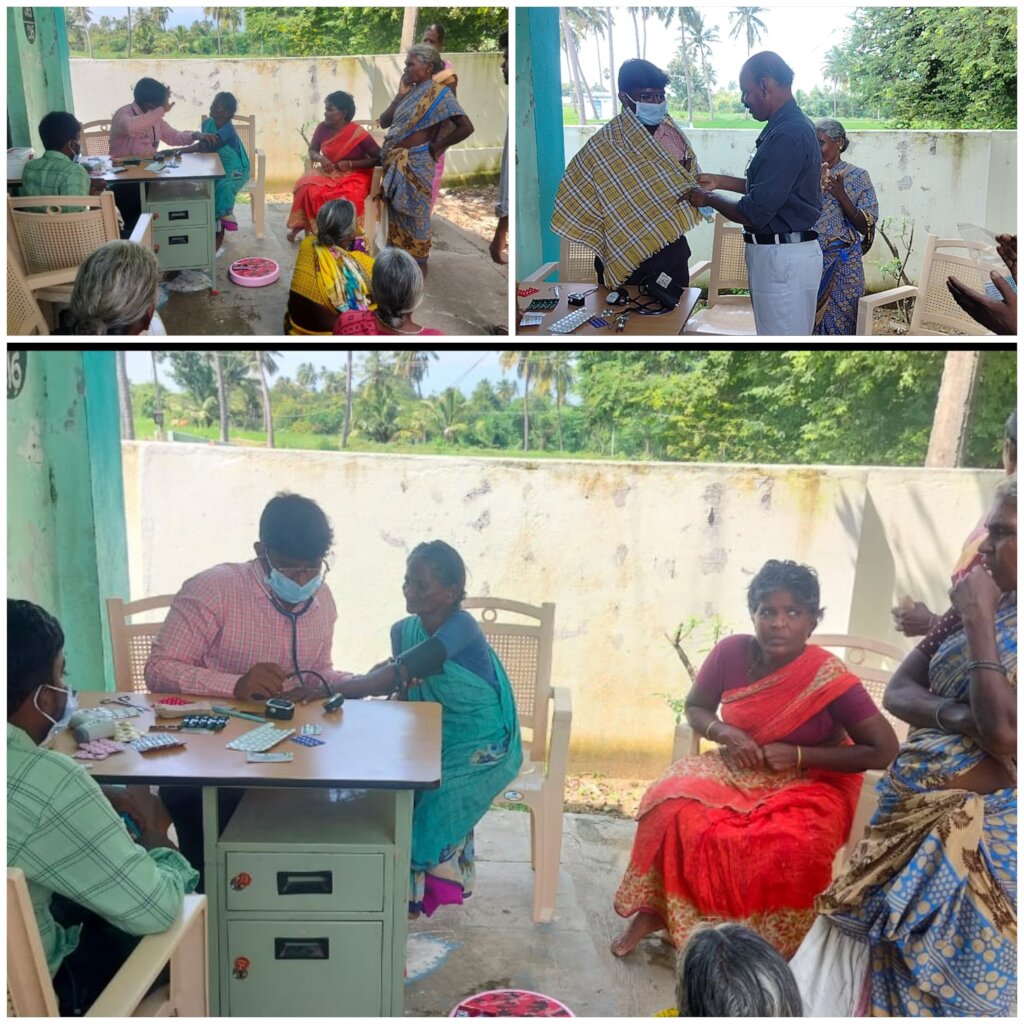
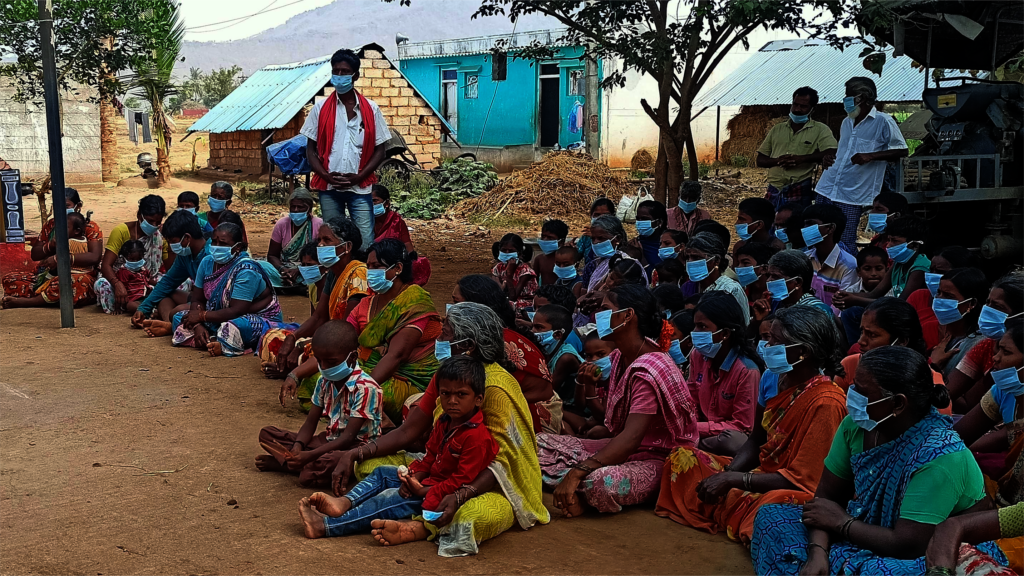
One of the main aims of this project is promotion of physical and mental health of women and children in the rural villages in the service area of BOSS and this has been stated.
Goal of the project:
- To effect improvement in the health status of women in the reproductive age group and of adolescent girls
Objectives
o To improve the reproductive health of 1500 women in the 25 project villages;
o To enhance the health status of 1000 adolescent girls in the 25 project villages;
o To organize consultations with 20 formal and informal tribal leaders in each project village in safeguarding the health of women in the reproductive age group and of adolescent girls;
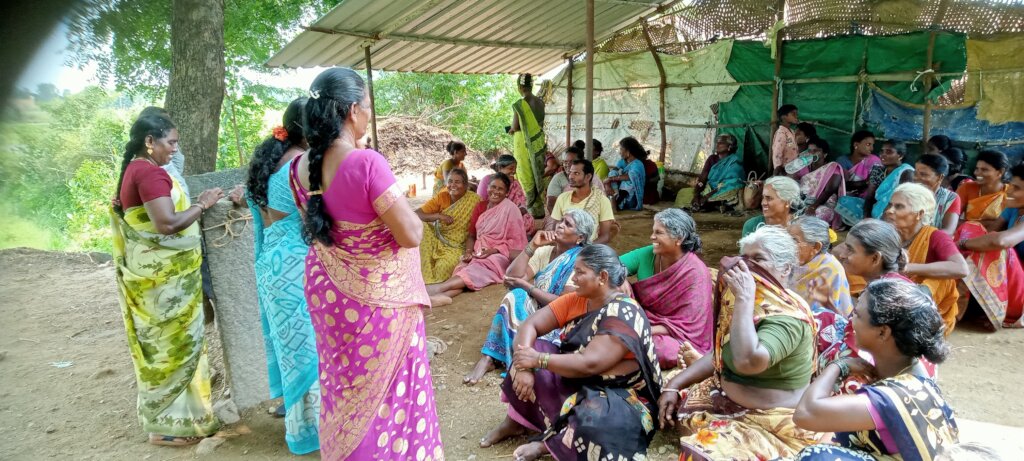
o To involve the women self-help groups @ 20 women per village and providing essential knowledge to them in aspects relating to prevention of common communicable diseases;
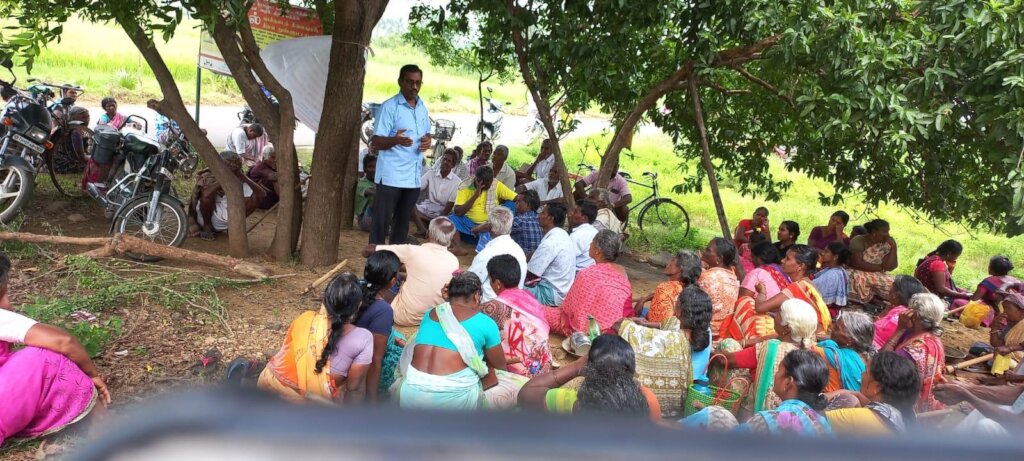
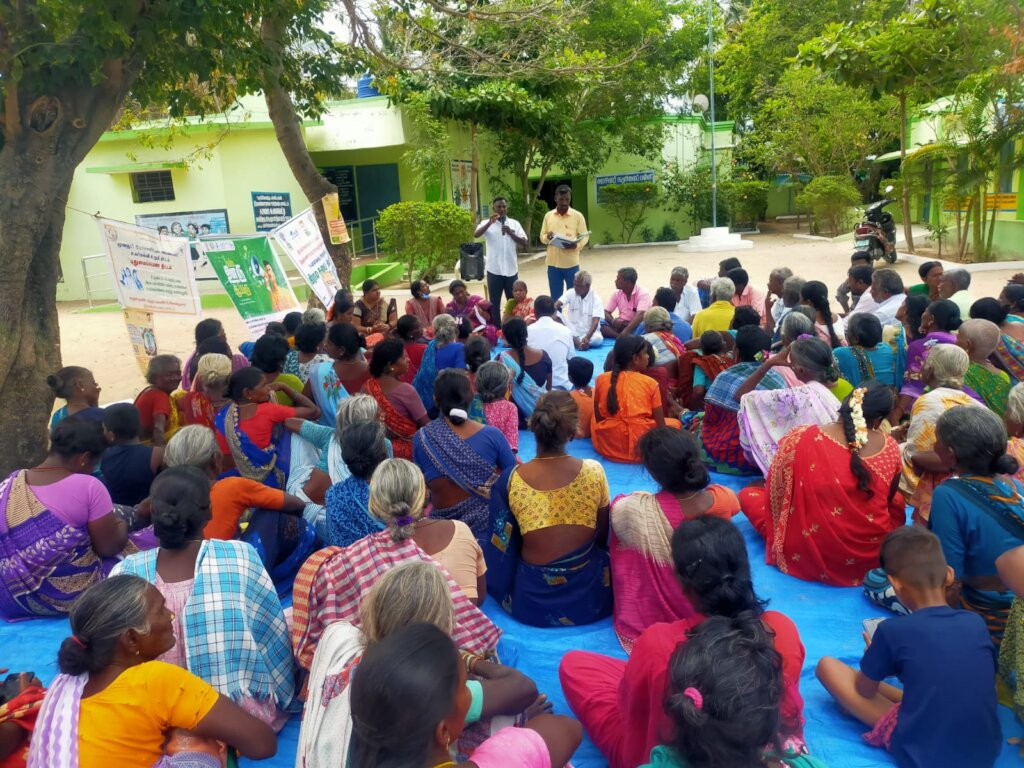
o To organize health education programs for 20 adult women per village on all aspects of common communicable diseases that include HIV/AIDS/STDs and Covid 19 / Corona.
General health
- The health of the people in the project villages is very poor.
- Children suffer from many preventable illnesses like diarrhoeas and dysenteries. There are many false and harmful beliefs that prevent people from undertaking proper health actions. For example when there is diarrhoea in children, parents don’t give water or fluids that could prevent the child from dehydration. This practice is based on the belief that water and liquid food would aggravate diarrhoea.
Health problems of women & adolescent girls
- Malnutrition is common among the women in the villages. Many women are found to be suffering from anaemia.
- Many deliveries take place in the home situation and in the hands of untrained traditional birth attendants or by relatives.
- The health seeking behaviour of women is so poor that they postpone seeking qualified medical help until they become seriously ill and are bedridden.
- There is presence of delayed introduction of breast feeding and delayed introduction of complementary feeds.
- Their faith in supernatural causes makes them believe and practice magical- religious practices.
Reproductive tract infections and sexually transmitted diseases
- Women are found to be suffering from reproductive tract infections. Many of them have complained about the presence of white discharge for which they don’t do anything and live with the infection.
- Men and women also suffer from sexually transmitted infections as the sexual habits and practices are conducive to the spread of these diseases.
Adolescent health
- Premarital sexual activity has been found to be on the increase among the adolescent girls and boys. Unwed and unintended pregnancies and unsafe abortions are present in the villages.
- Adolescent girls have reported having urinary tract infections that include white discharge. Presence of sexually transmitted diseases in the adolescent girls cannot be ruled out.
- With HIV/AIDS spreading fast also in interior areas of the target population is at definite risk for the infection.
- Adolescent boys and girls lack essential knowledge about adolescent health issues, as elucidated from the conduct of informal group discussions organized with representatives of both groups.
- The biggest challenge for mothers is to cope up with the mothers-in-law who cherish many unscientific beliefs, attitudes and practices. For example pregnant girls are asked to eat less food, as this will result in small babies and hence delivery will be easy. Do hard work & delivery will be easy.
- With child rearing practices – do not give water and fluids to a child passing loose motion as this will aggravate diarrhoea.
- The young mothers are confronted in making choices of health personnel and elderly women in families and in communities.
By R.BALU | DIRECTOR
By R.BALU | DIRECTOR
Project reports on GlobalGiving are posted directly to globalgiving.org by Project Leaders as they are completed, generally every 3-4 months. To protect the integrity of these documents, GlobalGiving does not alter them; therefore you may find some language or formatting issues.
If you donate to this project or have donated to this project, you can receive an email when this project posts a report. You can also subscribe for reports without donating.



Support this important cause by creating a personalized fundraising page.
Start a Fundraiser