By Binta Koffa | Executive Director and Development Planner
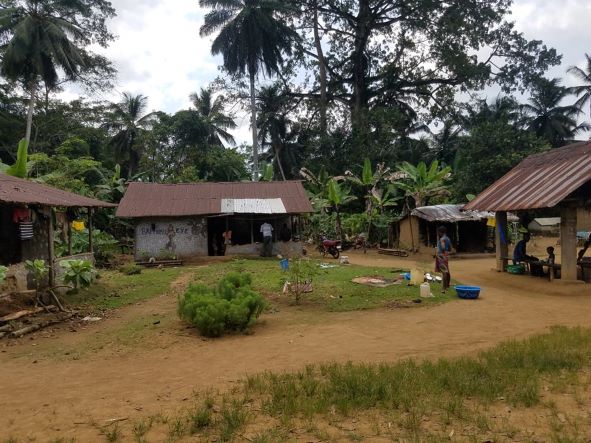
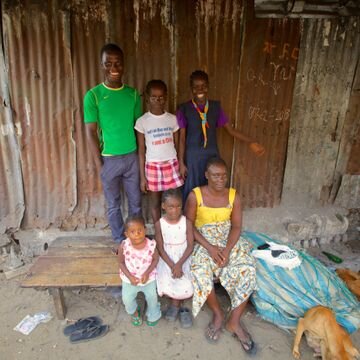
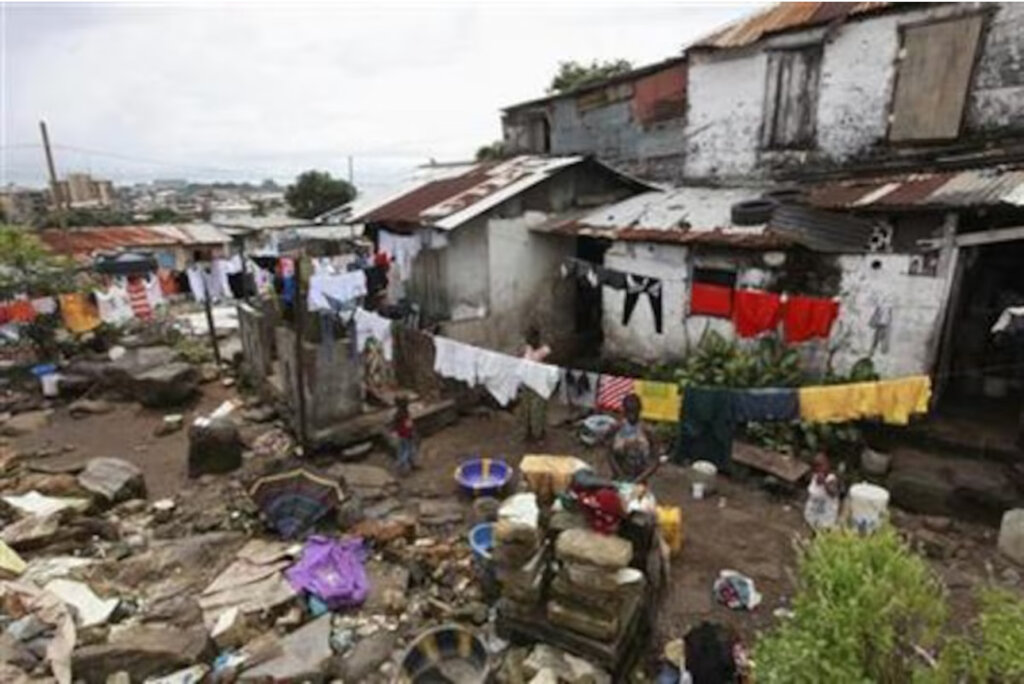
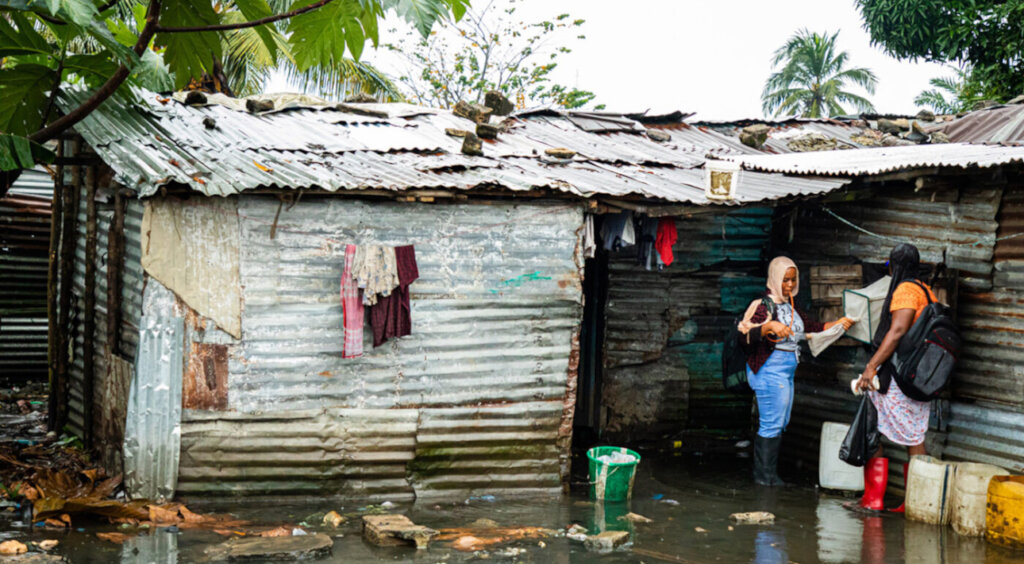
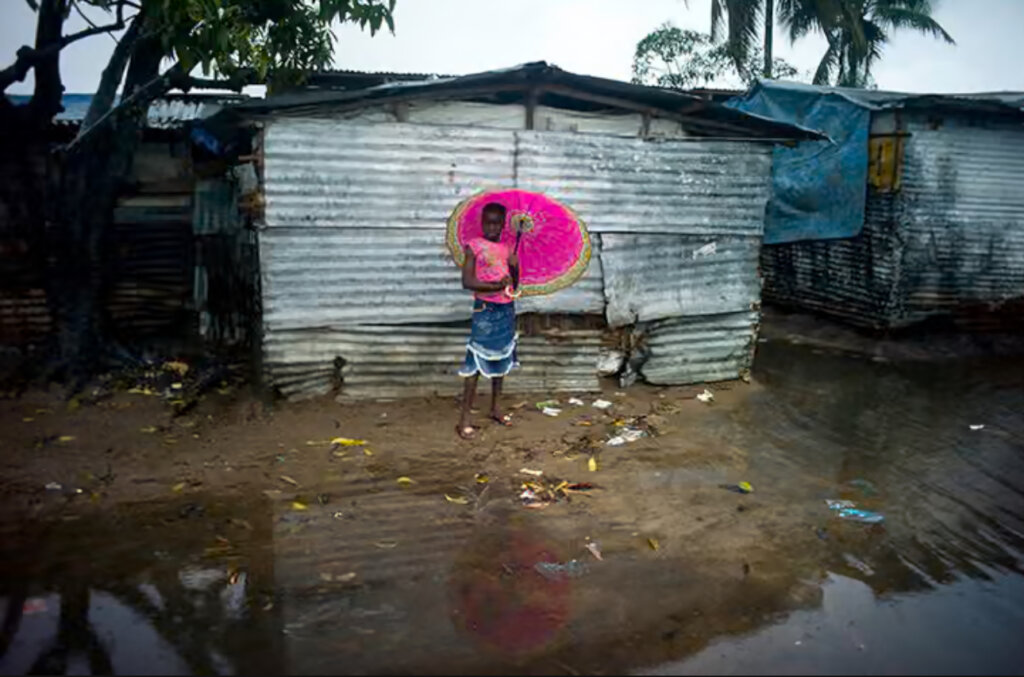
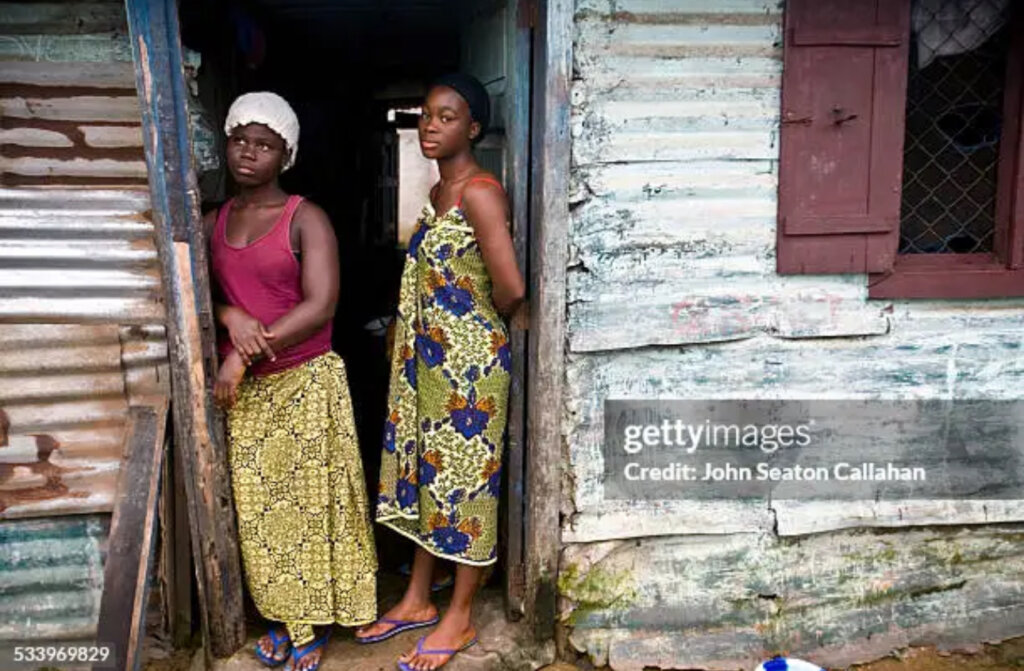
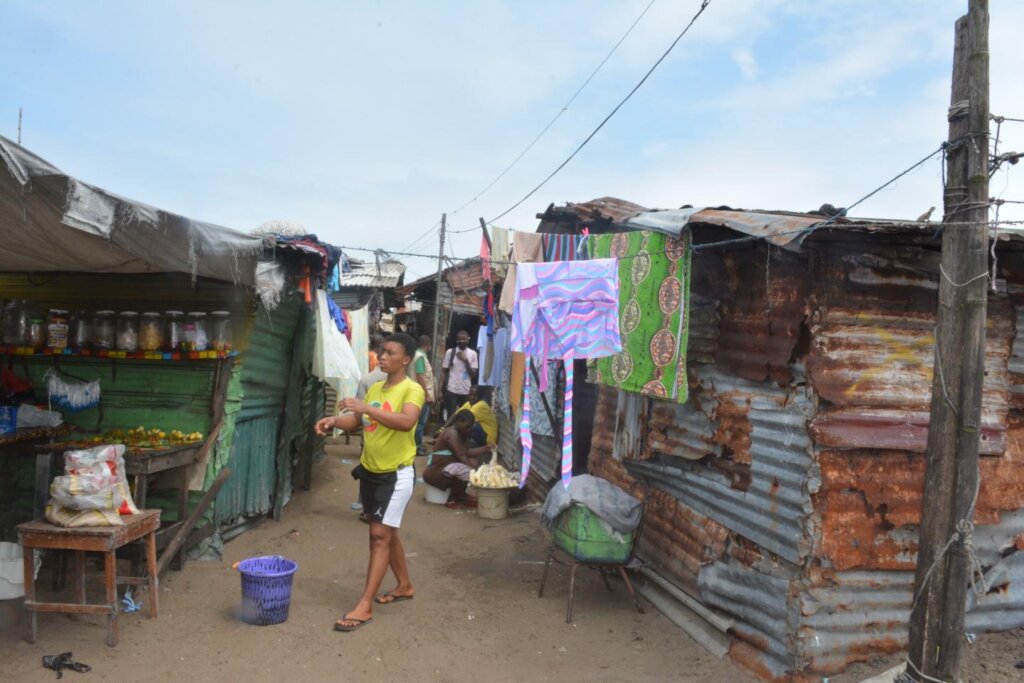
During this quarter, our organization focused on identifying and documenting the communities most in need of safe, affordable, and climate-resilient housing. Field assessments and community consultations were conducted in Barconnie and surrounding villages, where families have historically faced repeated storm damage due to weak housing structures, low household incomes, and long-term environmental degradation.
Community leaders explained that before forest protection efforts were established, heavy storms regularly blew roofs off homes, forcing families into cycles of loss and recovery they could not afford. Each storm often meant replacing roofing sheets, borrowing money, or living for extended periods without proper shelter. According to local forest officer Opa Peters, widespread deforestation had removed natural wind barriers, directly increasing housing vulnerability and exposure to extreme weather.
This community was recognized as the first priority for the sustainable, climate-smart housing program because housing insecurity, poverty, and environmental degradation are deeply interconnected here. Most households depend on subsistence farming and informal livelihoods, leaving little capacity to invest in durable construction. At the same time, the loss of surrounding trees intensified storm impacts, increasing repair costs and further straining already limited incomes.
Climate-smart, affordable housing offers a pathway out of this cycle. By combining stronger construction methods with sustainable, local building materials and built environment, such as preserving trees and natural wind buffers, homes become more durable, safer during storms, and significantly cheaper to maintain over time. This approach reduces recurring repair costs, stabilizes household finances, and supports broader community resilience.
Through housing condition assessments and environmental mapping, the organization identified where homes are most at risk and how conservation practices strengthen housing outcomes. This groundwork ensures that future construction efforts are targeted, equitable, and aligned with long-term environmental stewardship.
As a result, the organization now has a verified understanding of housing vulnerability in this rural community, positioning Barconnie as the first site for implementing affordable, climate-smart homes that address both poverty reduction and conservation goals.
By Binta Koffa | Project Leader and Resource Planner
By Binta Koffa | Director and Project Leader
Project reports on GlobalGiving are posted directly to globalgiving.org by Project Leaders as they are completed, generally every 3-4 months. To protect the integrity of these documents, GlobalGiving does not alter them; therefore you may find some language or formatting issues.
If you donate to this project or have donated to this project, you can receive an email when this project posts a report. You can also subscribe for reports without donating.



Support this important cause by creating a personalized fundraising page.
Start a Fundraiser