By Ciara Baumgartner | Development Manager
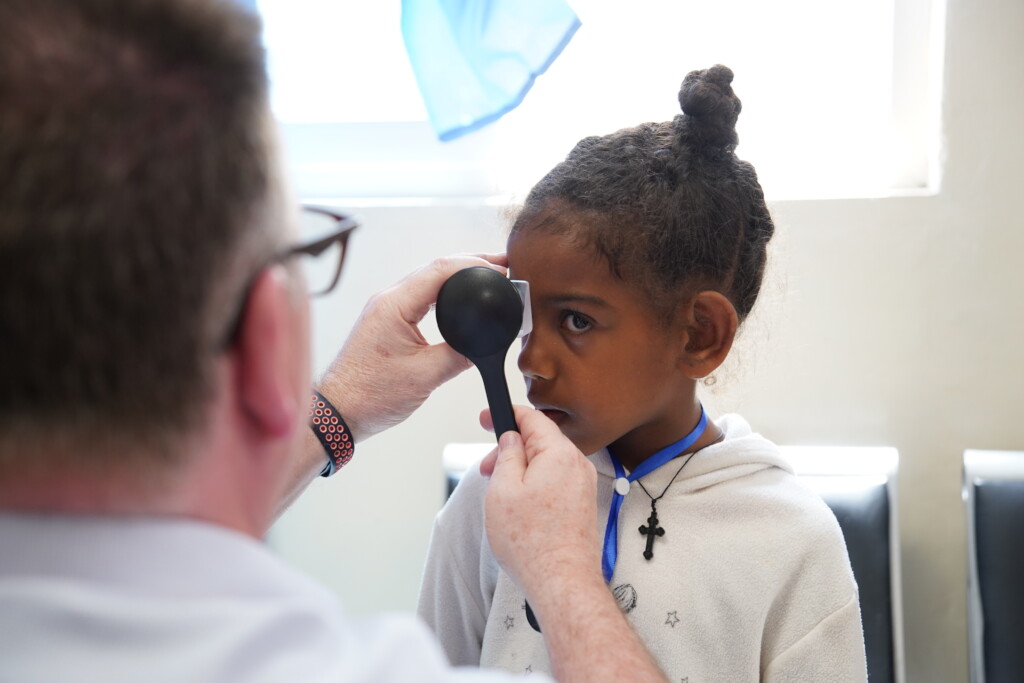
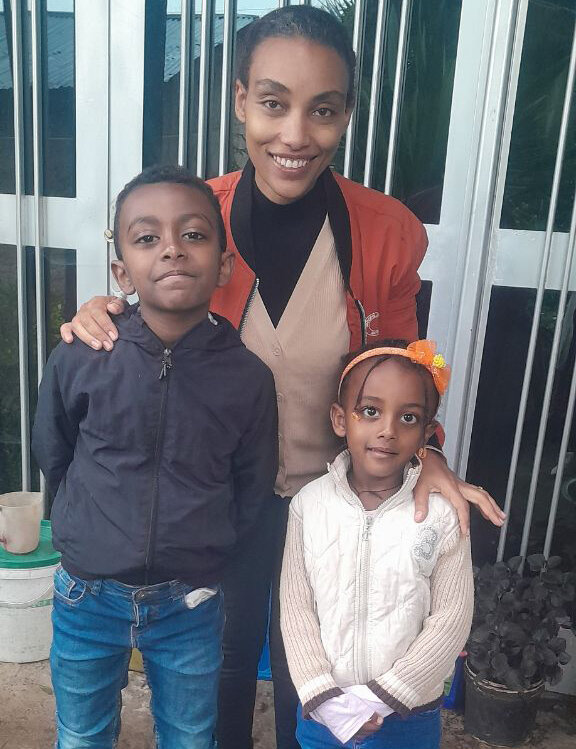
Six-year-old Nuhamin and her family had been waiting for the specialist care she needed. Thanks to a recent hospital-based training programme in Hawassa, southern Ethiopia, she was finally able to receive treatment. Her family is incredibly grateful, and Nuhamin's story is just one example of the lasting impact your support makes possible.
During the training, Orbis volunteer eye care specialists worked alongside local ophthalmologists, sharing advanced skills in the treatment of strabismus (crossed eyes) in children. Left untreated, strabismus can affect how a child's vision develops and, in some cases, lead to permanent sight loss. Early diagnosis and specialist treatment are essential.
By working side by side with local eye care teams, Orbis helps strengthen the skills and confidence of ophthalmologists and eye care workers so they can continue providing specialist care long after the training has finished. Every eye care worker trained can go on to care for thousands of children throughout their career, helping make quality eye care more accessible within their own communities.
Nuhamin's treatment is one of many stories made possible through this approach. It reflects the power of investing not only in individual patients, but also in the people and health systems that make lasting access to eye care possible.
Thank you for your continued support. Together, you are helping build stronger eye care services so that more children like Nuhamin can receive the care they need, now and in the years to come.
By Ciara Baumgartner | Development Manager
By Ciara Baumgartner | Development Manager
Project reports on GlobalGiving are posted directly to globalgiving.org by Project Leaders as they are completed, generally every 3-4 months. To protect the integrity of these documents, GlobalGiving does not alter them; therefore you may find some language or formatting issues.
If you donate to this project or have donated to this project, you can receive an email when this project posts a report. You can also subscribe for reports without donating.



Support this important cause by creating a personalized fundraising page.
Start a Fundraiser