Project Report
| Nov 22, 2024
Bio-Monitoring Efforts in the Tofala Hill Wildlife
![]()
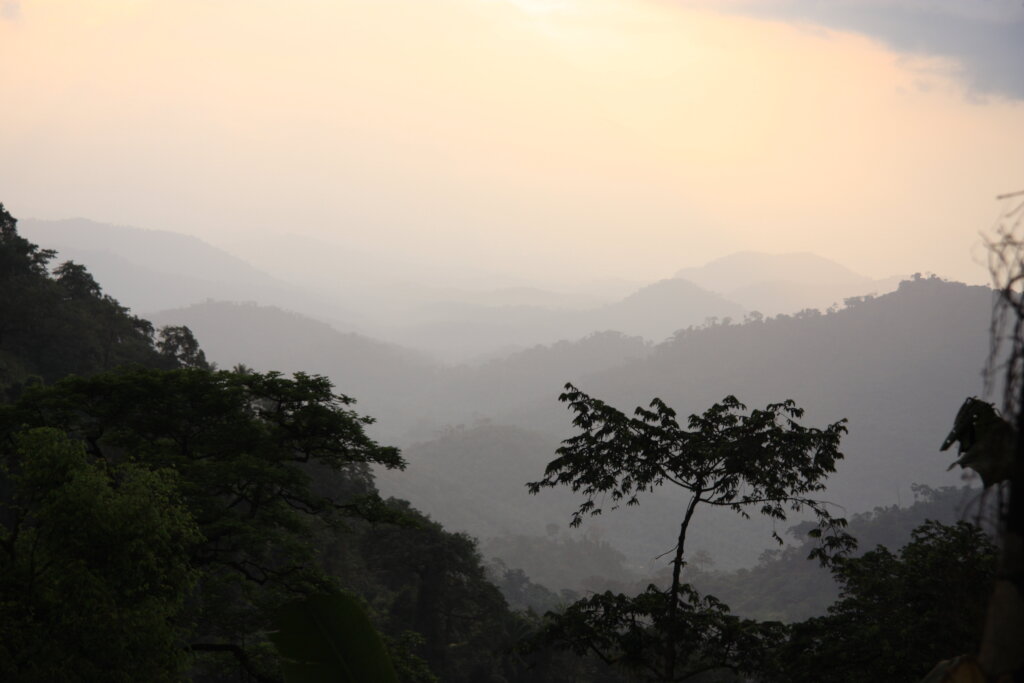
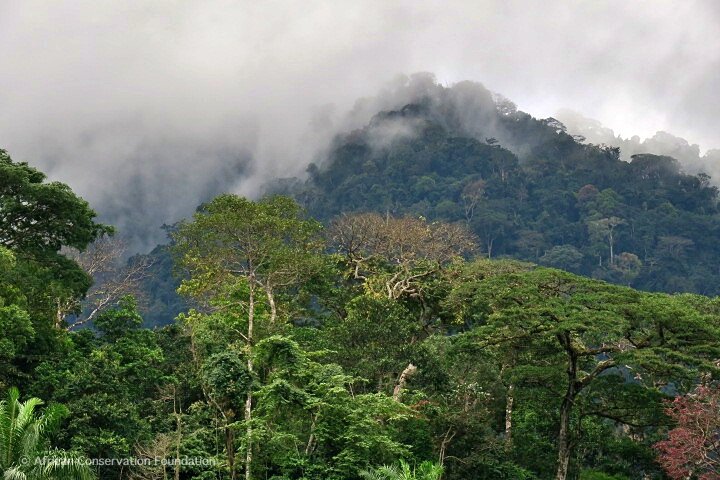
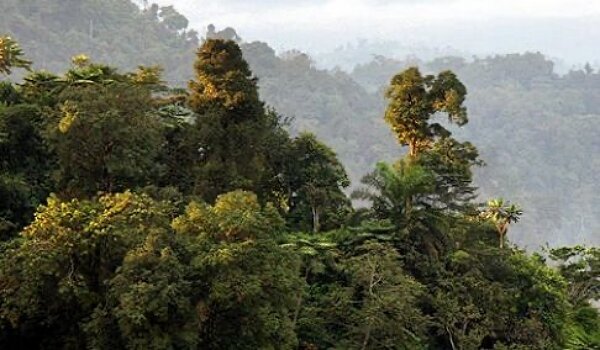
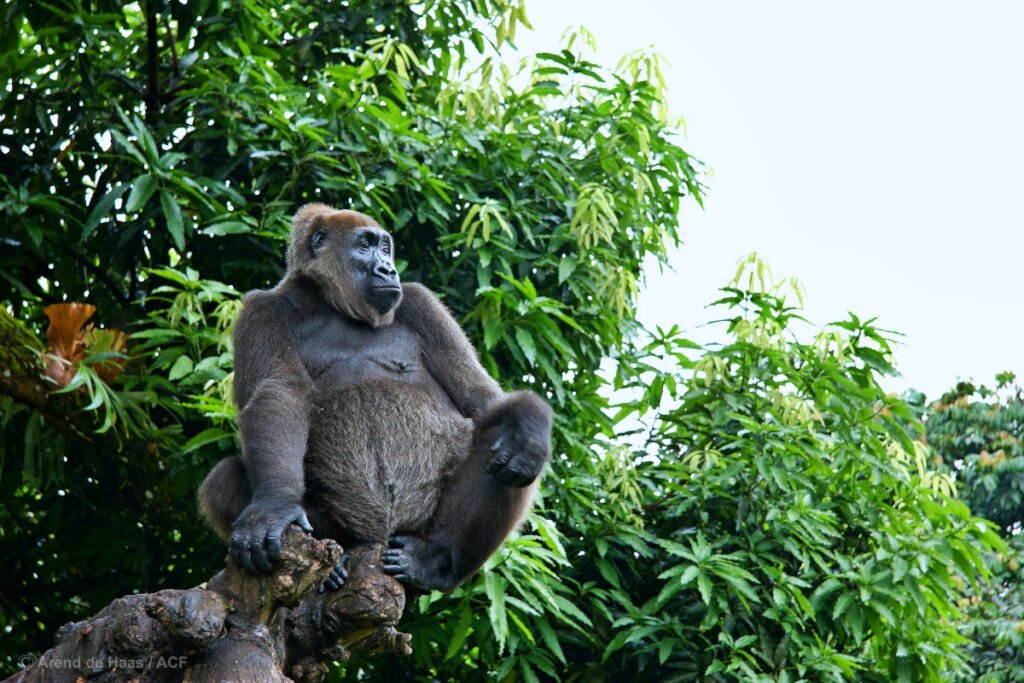
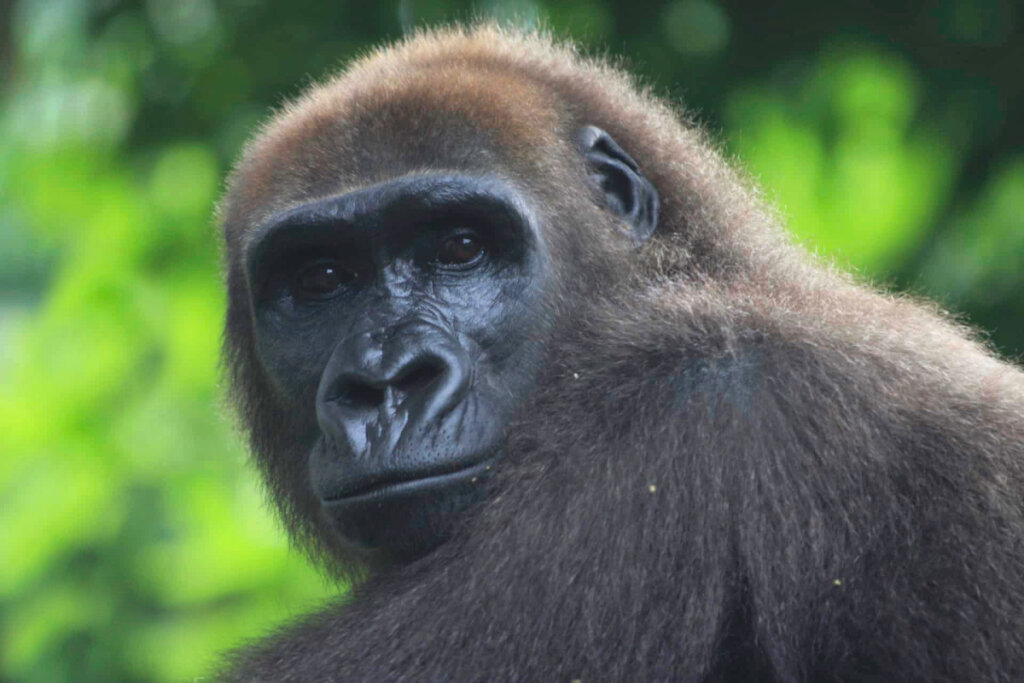
The Tofala Hill Wildlife Sanctuary (THWS) in Cameroon is a critical biodiversity hotspot and home to endangered species like the Nigeria-Cameroon chimpanzees and Cross River gorillas. Between April and September 2024, the prject team conducted bio-monitoring to assess population dynamics, habitat quality, and threats to wildlife. The findings offer critical insights into conservation priorities and challenges in this protected area.
Objectives and Methodology
The bio-monitoring program aimed to:
- 1.Assess population densities and distributions of great apes and other species.
- 2.Evaluate habitat quality and connectivity.
- 3.Identify and monitor threats such as poaching, habitat encroachment, and human-wildlife conflict.
- 4.Inform conservation strategies and promote community involvement.
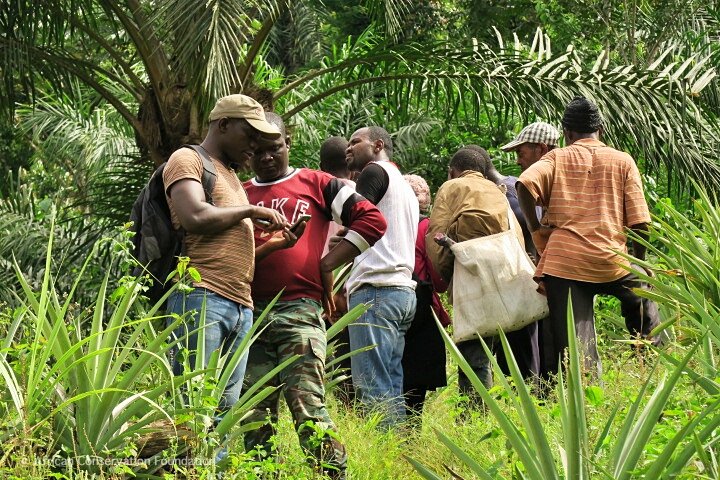
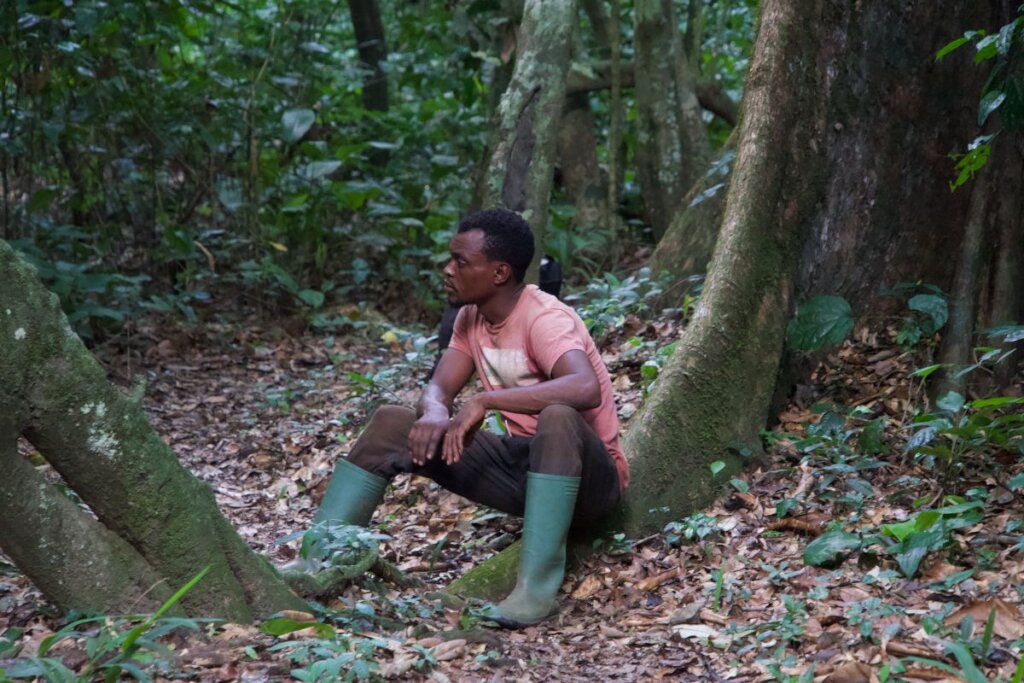
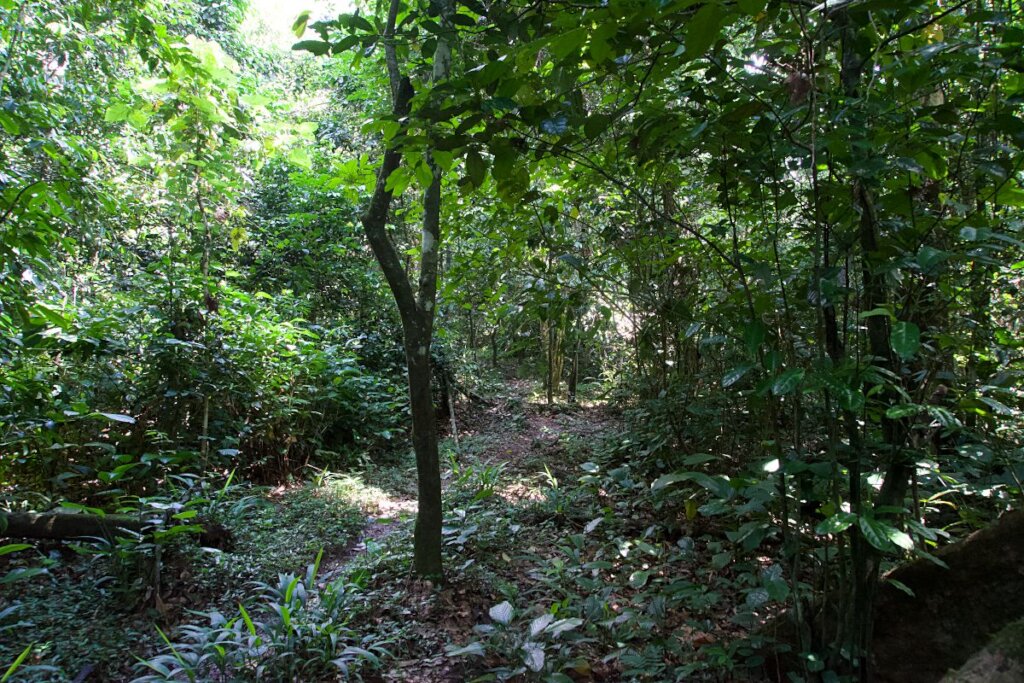
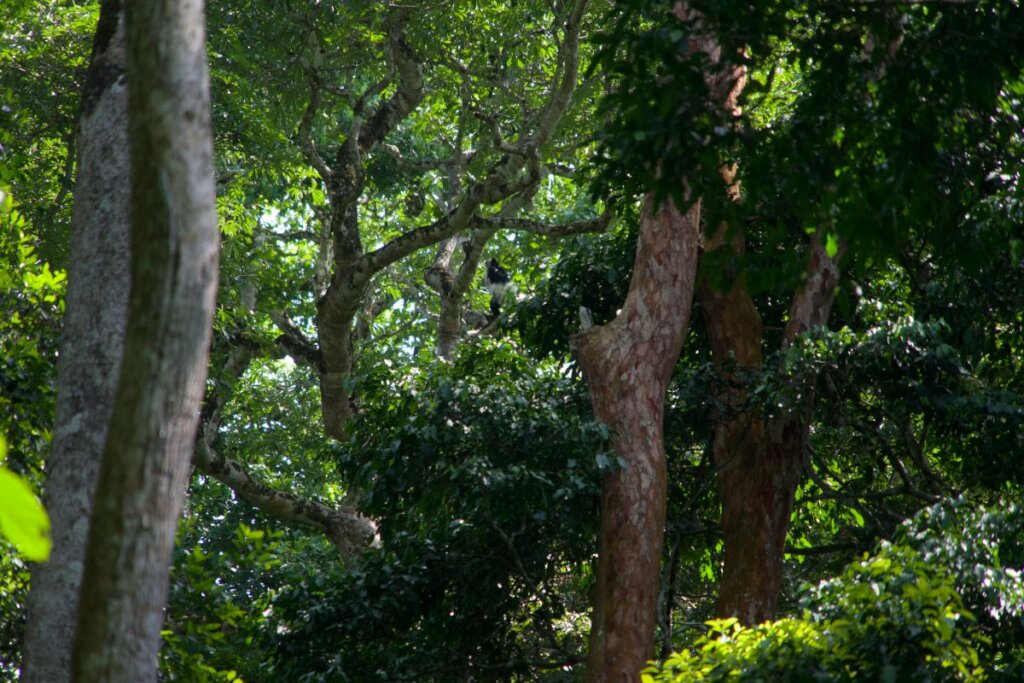
The team employed recce surveys and camera trapping. Recce walks systematically documented direct (sightings) and indirect (nests, feeding signs, vocalizations) evidence of species presence. Camera traps captured photographic data, providing insights into population structure and behavior.
Key Findings
Great Ape Populations
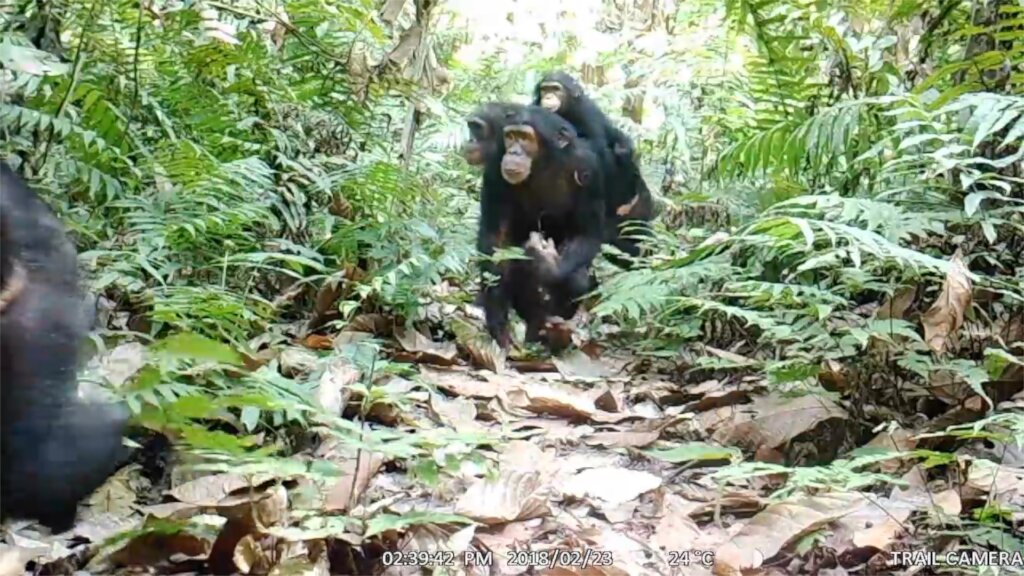
- Chimpanzees: Across the surveyed period, data indicated increasing chimpanzee activity. Camera traps captured significant evidence, including mother-infant pairs, highlighting reproduction and a healthy population dynamic. A total of 71 chimpanzee nests were recorded in April, 46 in June, and 18 in September. Vocalizations and feeding signs were also prevalent, affirming their reliance on the sanctuary’s resources.
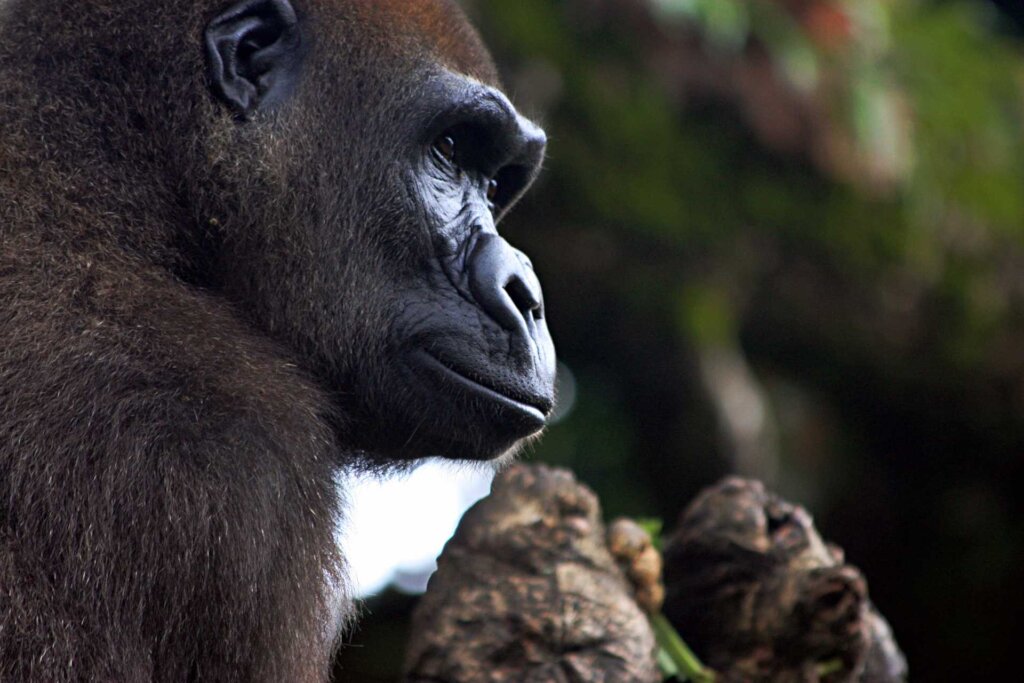
- Cross River Gorillas: Fewer signs of gorilla presence were noted compared to chimpanzees. Observations included limited feeding signs and a single footprint, reflecting a smaller, more elusive population.
Other Wildlife
The sanctuary hosts diverse species critical to ecosystem health, including:
- Birds: Bannerman’s Turaco, hornbills, and other avian species enrich the sanctuary’s biodiversity.
- Mammals: Duikers, pangolins, bush pigs, monkeys, porcupines, and squirrels were recorded through camera traps and field observations. Pangolins, targeted in illegal wildlife trade, require urgent protection.
- Reptiles and Amphibians: Snakes and frogs were also documented, contributing to the sanctuary’s ecological complexity.
Habitat Quality
The sanctuary’s natural habitat is increasingly degraded due to human activities and natural threats. Farming, illegal settlements, and forest exploitation reduce habitat quality, forcing animals into human-dominated areas, increasing conflict risks.
Threats Identified
- Human Pressure: Encroachment, farming, and poaching remain the primary threats. Between 2006 and 2017, illegal settlements in the sanctuary surged from 18,000 to 50,000. Evidence of gun shells, bush huts, and wire snares underscore ongoing human-wildlife conflict.
- 2.Climate and Natural Hazards: Excessive rainfall, erosion, and landslides have further degraded habitats, impacting food availability for wildlife.
- 3.Human-Wildlife Conflict: Crop raiding by wildlife and retaliatory killings escalate tensions, with several elephant deaths reported in 2020 due to such incidents.
Conservation Recommendations
- 1.Anti-Poaching and Law Enforcement: Strengthen surveillance and law enforcement to curb poaching and habitat encroachment. Engage community rangers to bolster patrolling efforts.
- 2.Habitat Restoration: Rehabilitate degraded areas and ensure habitat connectivity to support wildlife movement and population growth.
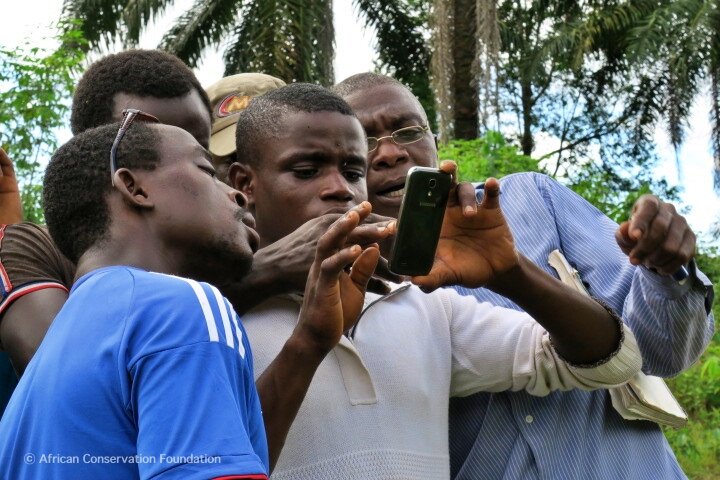
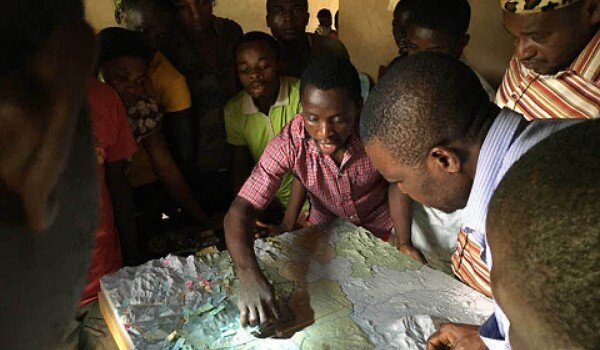
- 3.Community Engagement: Foster education and awareness campaigns to build local support for conservation. Promote sustainable livelihoods, including ecotourism and alternative energy sources, to reduce forest dependence.
- 4.Research and Monitoring: Continue collaborations with local and international researchers to deepen understanding of population trends and ecological dynamics.
- 5.Livelihood Programs: Address community grievances by providing resources like mills, poultry, fish ponds, and water systems, as requested during community assessments.
The Tofala Hill Wildlife Sanctuary remains a vital refuge for endangered species and a critical component of Cameroon’s natural heritage. Bio-monitoring efforts have highlighted its significance in conserving great apes and other wildlife while underscoring urgent conservation needs. Sustained efforts, community collaboration, and strategic planning are essential to ensure the sanctuary continues to support biodiversity and coexistence between humans and wildlife.
![]()