By Arend de Haas | Director
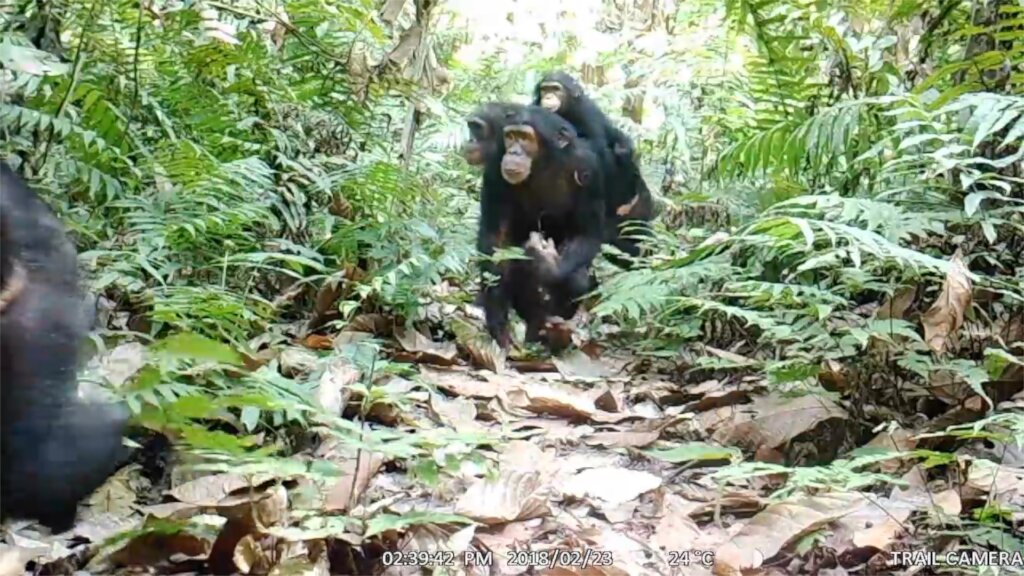
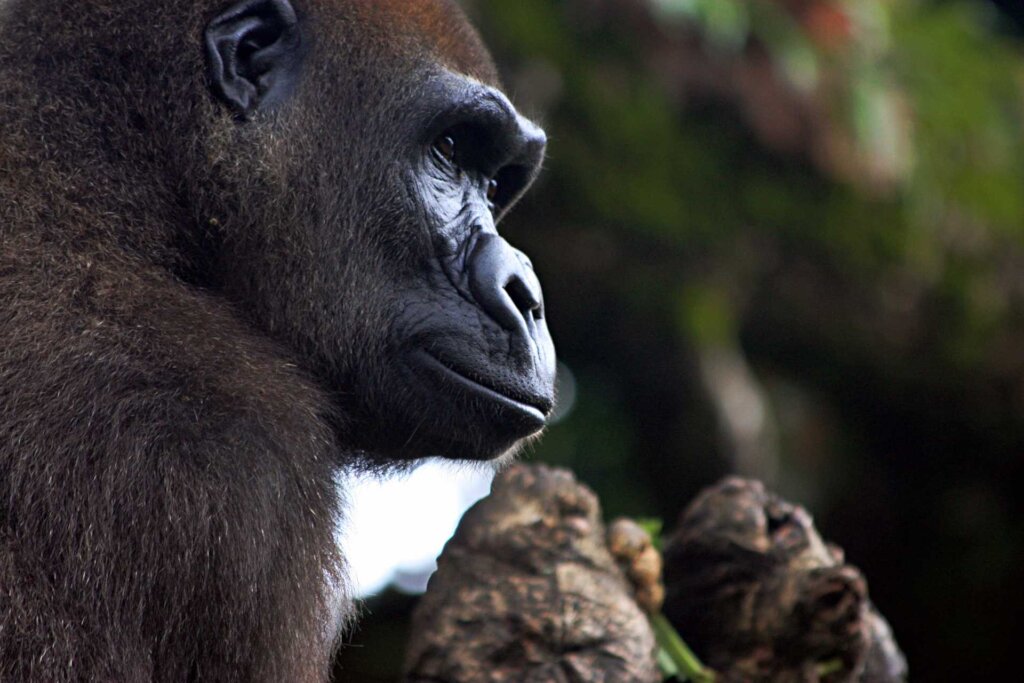
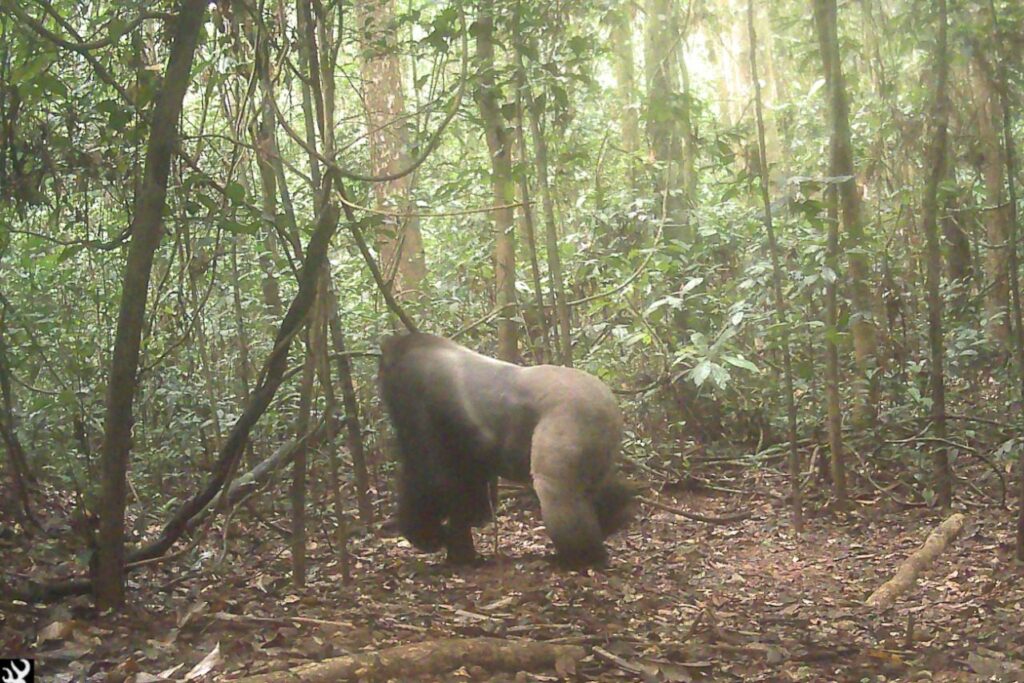
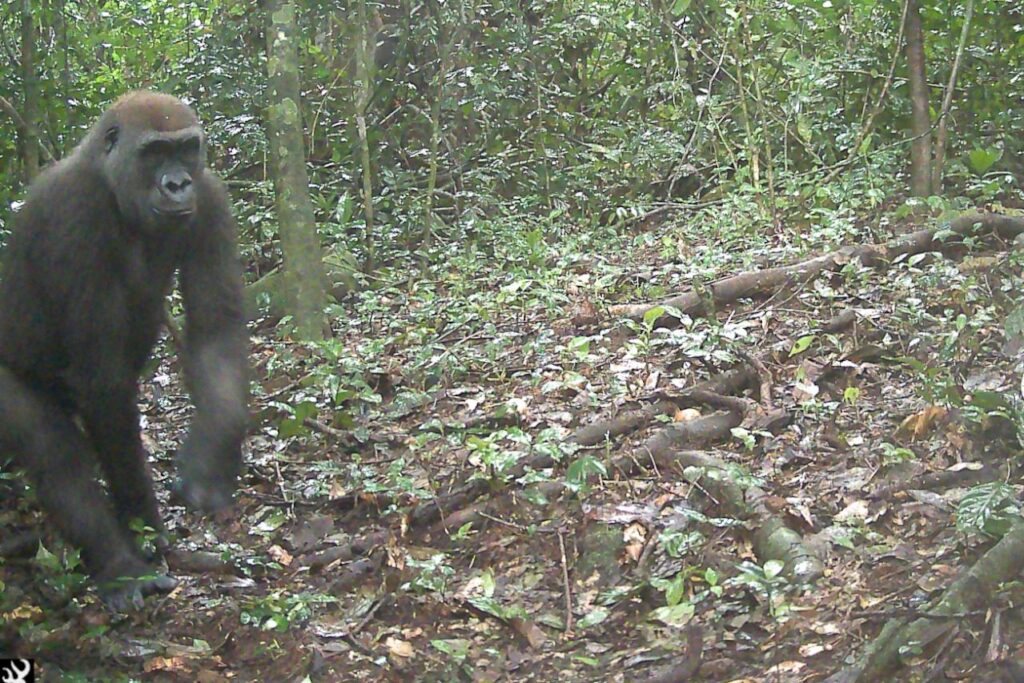
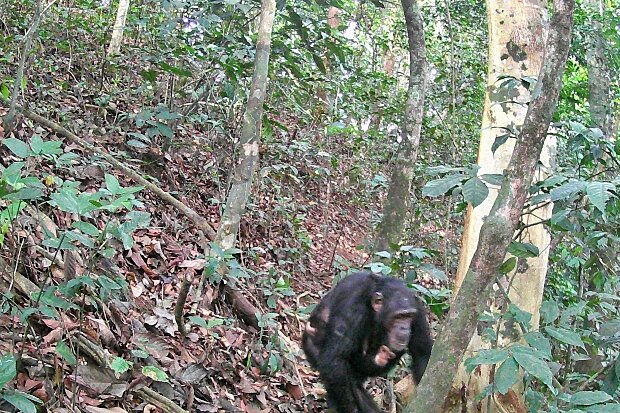
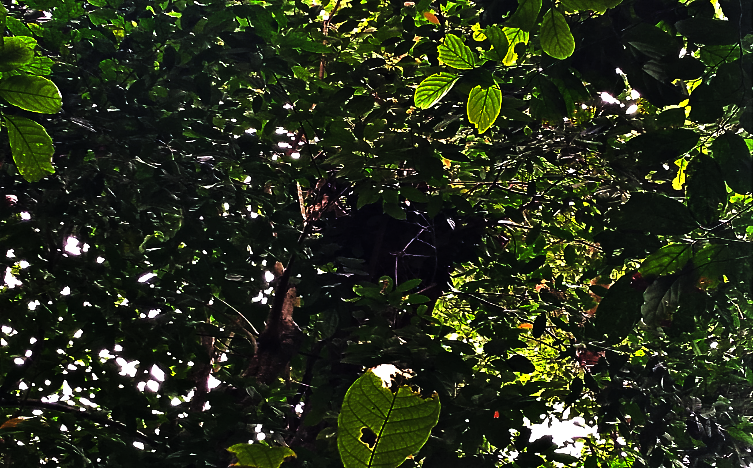
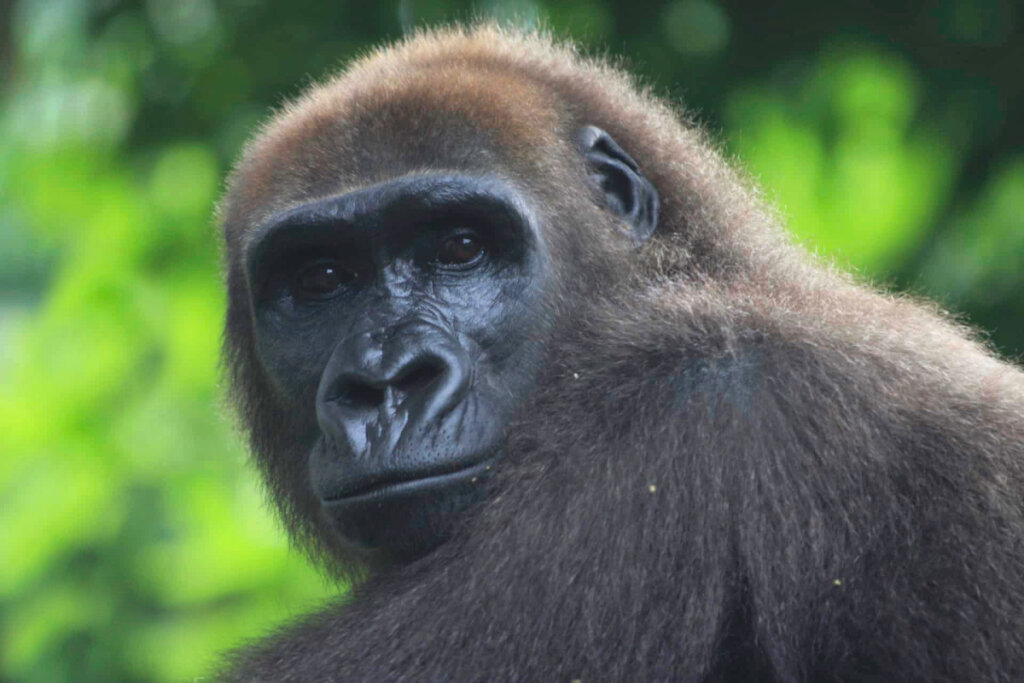
Field Report Update: During a recent survey in Tofala Hill Wildlife Sanctuary, remote camera traps achieved a major milestone by capturing two separate photographs - one showing a dominant silverback and another revealing an adult female - confirming the presence of an active breeding group in the area.
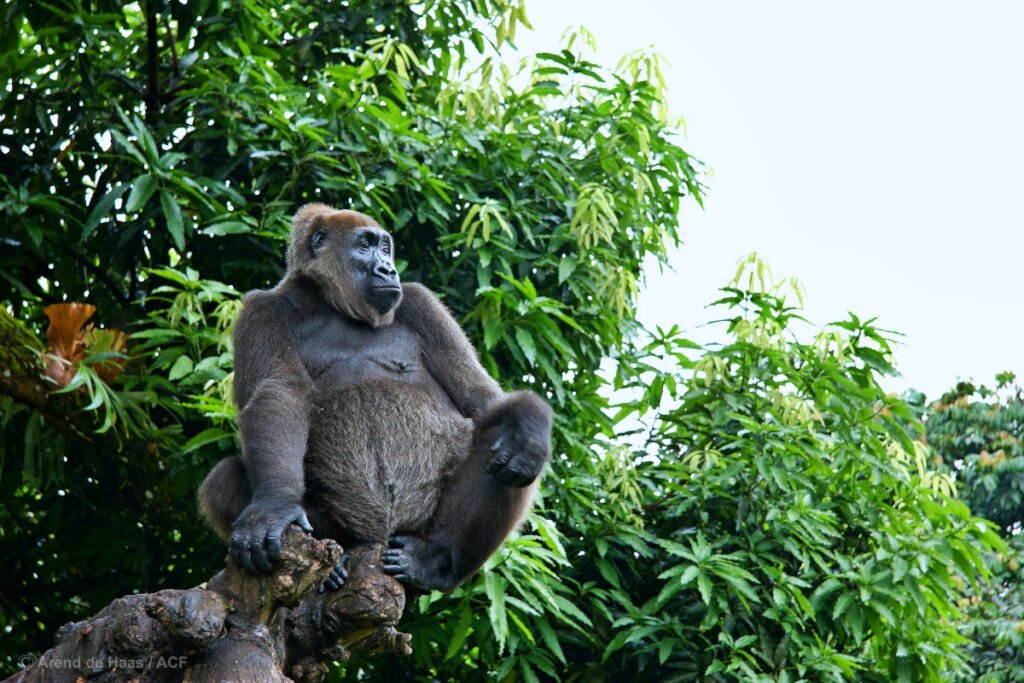
Capturing photographs of wild Cross River gorillas (Gorilla gorilla diehli) in the rugged canopy of the Lebialem Highlands is widely considered one of the most formidable challenges in modern wildlife photography and conservation biology.
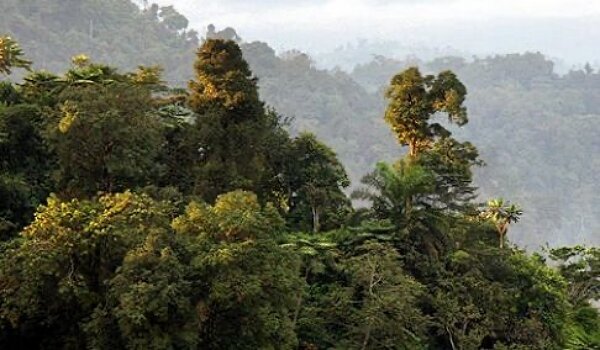
The Landscape: Tofala Hill Wildlife Sanctuary
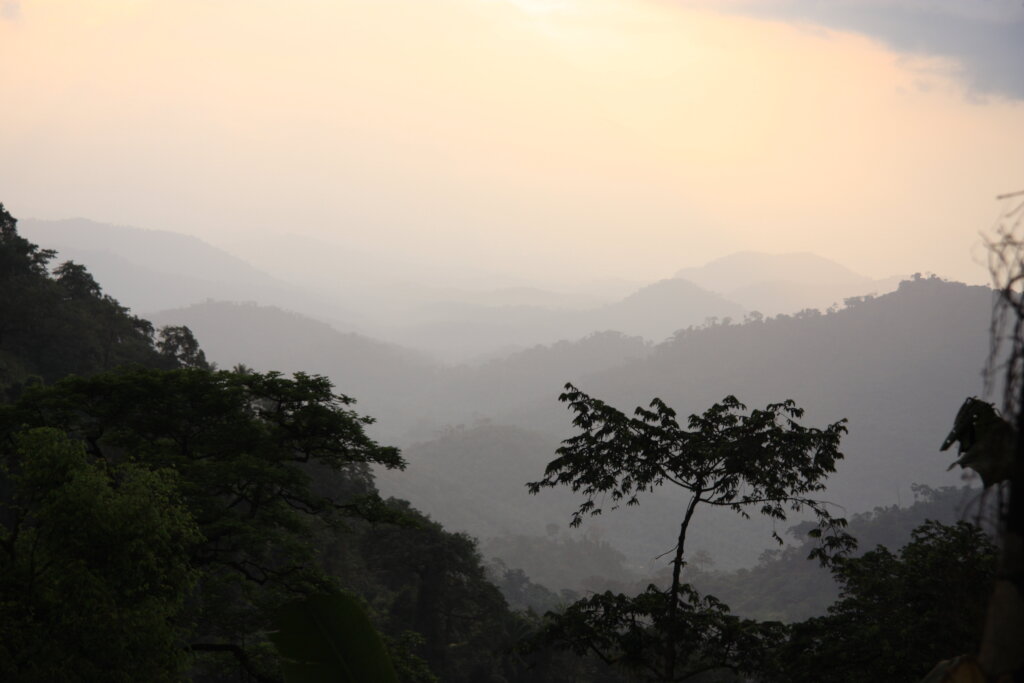
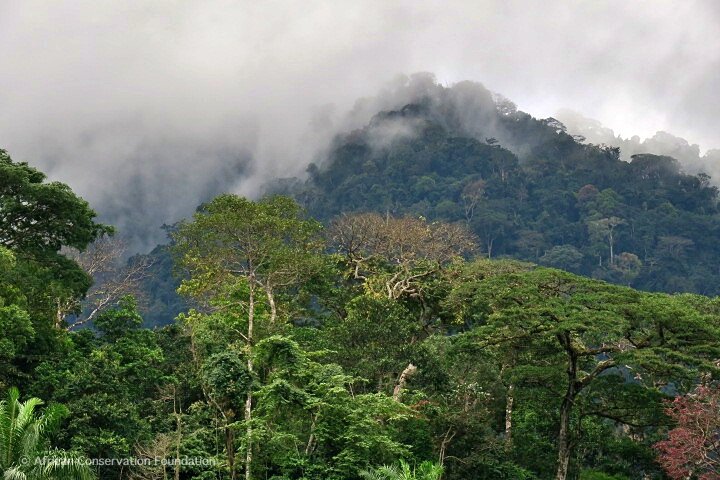
Located in the Lebialem Highlands of South West Cameroon, Tofala Hill Wildlife Sanctuary encompasses a mist-shrouded mosaic of sub-montane forest and steep, jagged ridges.
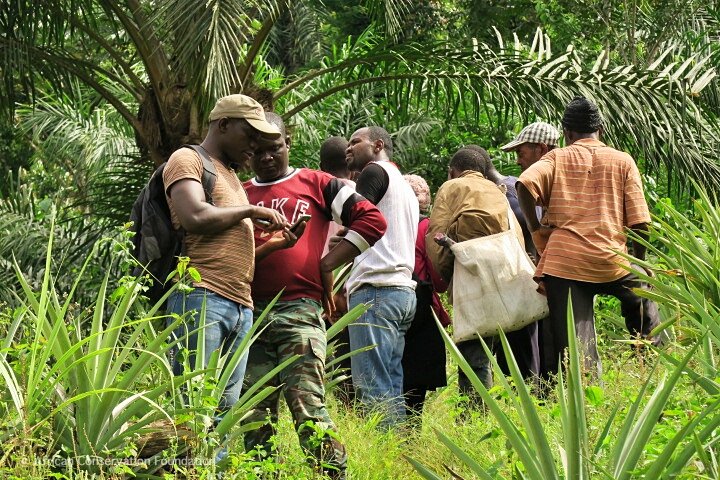
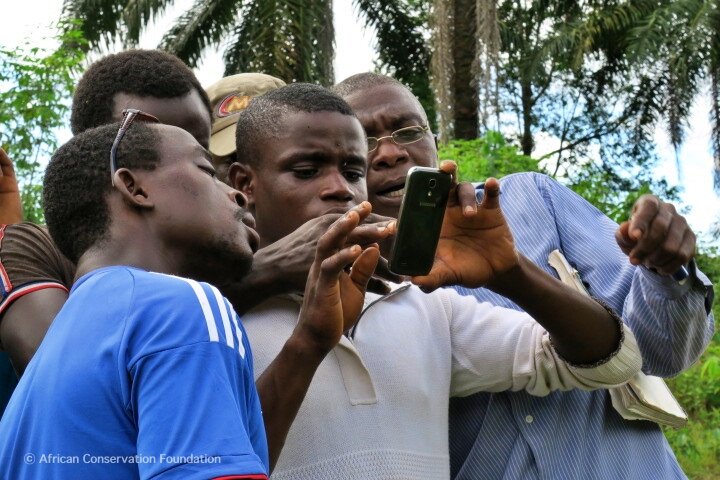
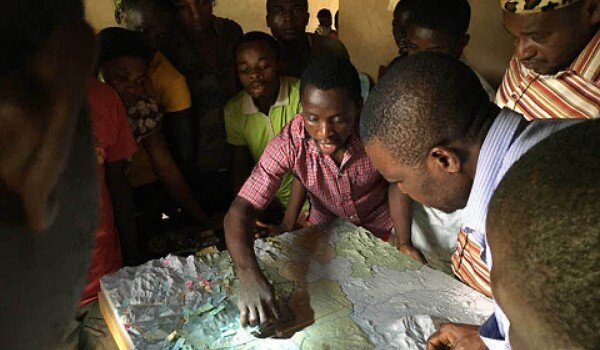
Navigating Tofala requires trekking through dense, tangled undergrowth, steep ravines, and high humidity. Because these apes inhabit terrain that is virtually impassable to humans, researchers and conservation teams (such as ACF and ERuDeF) rely heavily on remote camera traps and expert local trackers to document their presence.
Why Glimpsing a Cross River Gorilla Is Extremely Rare
1. Ultra-Low Population Density
With fewer than 250 to 300 individuals remaining across their entire transboundary range between Cameroon and Nigeria, the Cross River gorilla is Africa’s most endangered great ape. Within the boundaries of Tofala Hill, only a few small, scattered family groups exist. Finding one in thousands of hectares of wilderness is akin to finding a needle in a vast, mountainous haystack.
2. High Shyness and Persecution Memory
Unlike habituated mountain gorillas in East Africa, Cross River gorillas have suffered decades of intense hunting pressure and habitat fragmentation. They possess an acute fear of humans. At the slightest sound of a snapping twig or human scent on the wind, a family group will slip silently into the dense forest understory long before an observer can spot them.
3. Hyper-Vigilant Social Structure
In the dense evergreen forest, a lead silverback maintains extraordinary vigilance over his group. When alerted, the group uses covert movement strategies - often abandoning their nests and traversing steep, rocky slopes where humans cannot follow without heavy climbing gear.
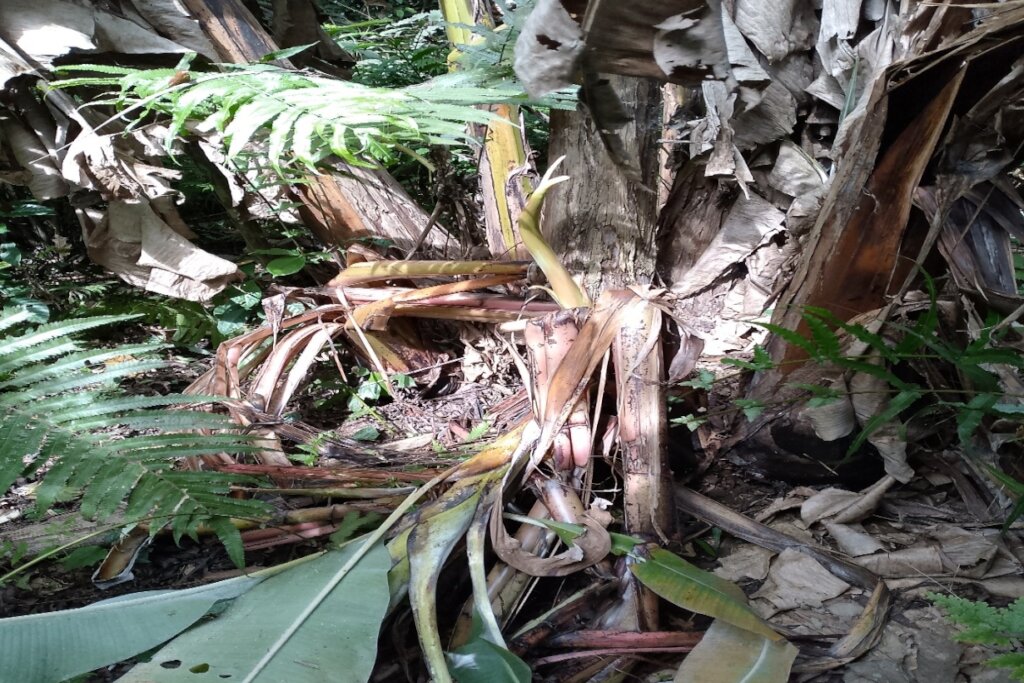
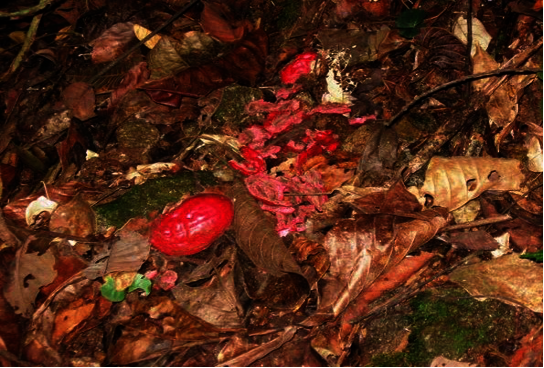
4. Relying on Indirect Field Signs
Because direct visual encounters are so infrequent, field biologists rarely see the animals with the naked eye. Field evidence of their existence primarily consists of:
Breakthrough: Capturing a Silverback and Female on camera
Documenting two distinct camera trap photos - one of a dominant silverback and another of an adult female - represents a monumental success for conservation monitoring in the Lebialem Highlands.
Recording both a mature male and female in the same core habitat provides crucial, living proof of an active family structure within Tofala. For field teams and conservationists, these images offer far more than a visual victory: they deliver vital proof of life, confirm that reproductive pairs are actively utilizing these forest corridors, and bolster vital community-led protection efforts across the sanctuary.
You can help save these critically endangered animals, please donate to equip Community Rangers and to create corridors between protected areas.
By Arend de Haas | Director
By Arend de de Haas | Director
Project reports on GlobalGiving are posted directly to globalgiving.org by Project Leaders as they are completed, generally every 3-4 months. To protect the integrity of these documents, GlobalGiving does not alter them; therefore you may find some language or formatting issues.
If you donate to this project or have donated to this project, you can receive an email when this project posts a report. You can also subscribe for reports without donating.



Support this important cause by creating a personalized fundraising page.
Start a Fundraiser