By Rachael Risby Raz | International Relations Manager
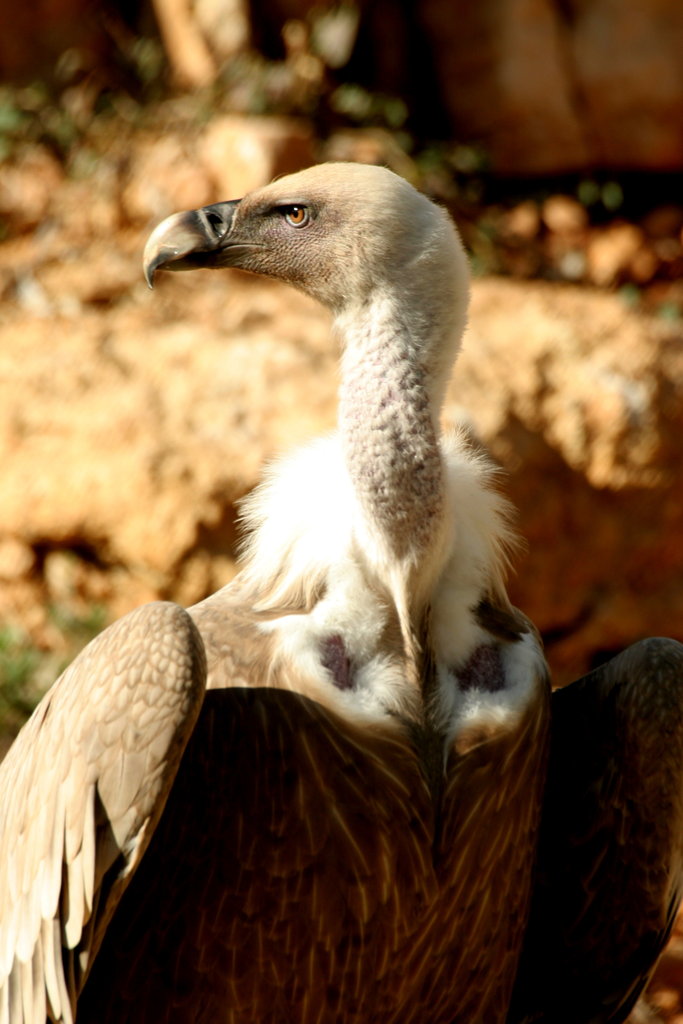
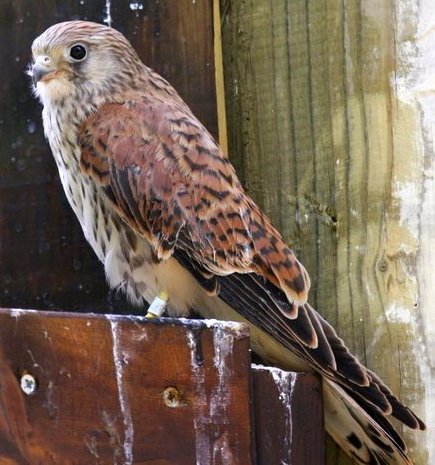
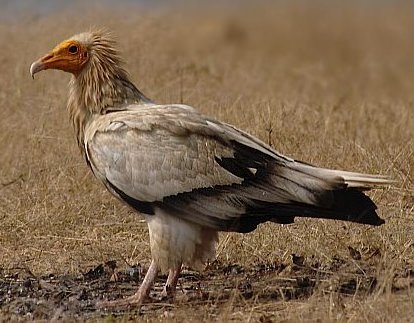
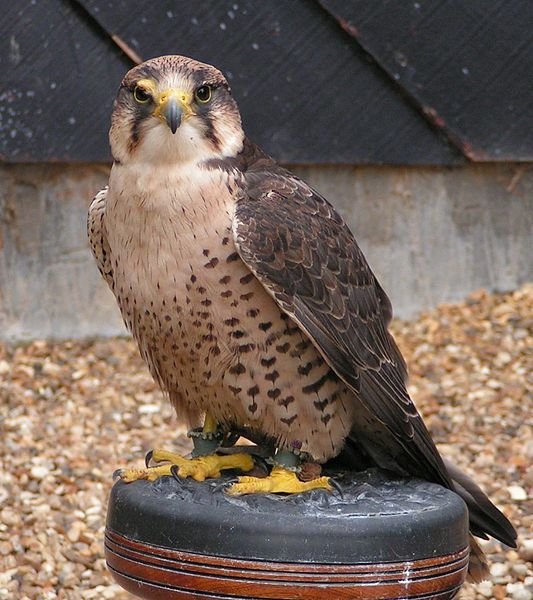
In the Zoo’s Raptor Aviary, there are several species of raptors, or birds of prey, apart from our (famous) Griffon vultures.
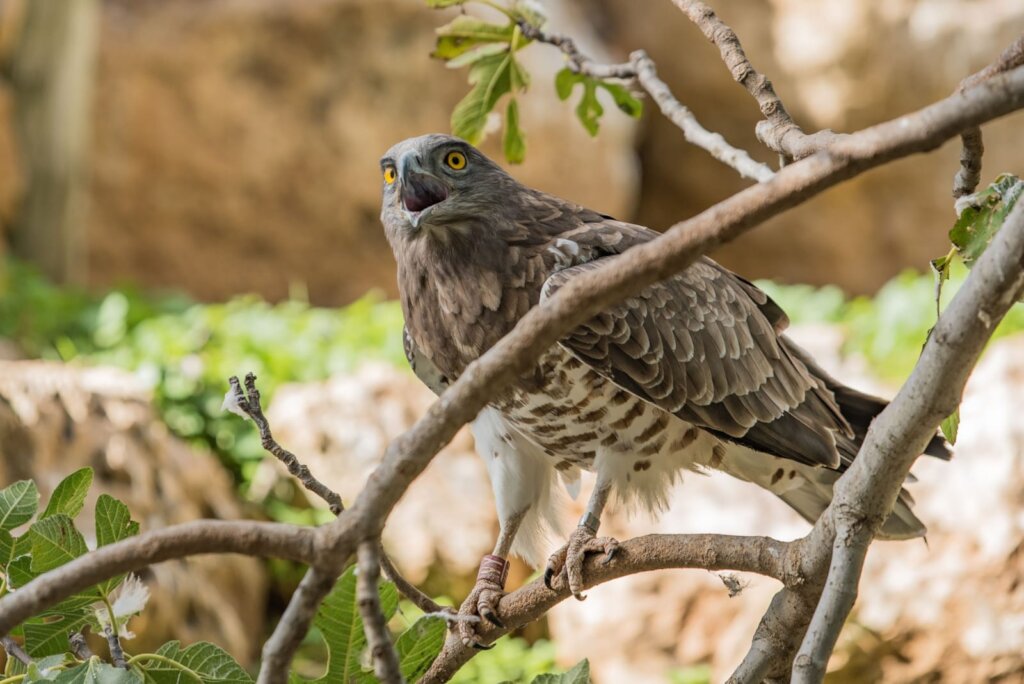
One of them is the short-toed eagle (Circaetus gallicus).
This eagle lives in a territory of around seven square kilometers which it diligently scans in search of food. It often freezes in place in the air and only the tips of its wings move in order to maintain balance. A pair of these eagles can eliminate hundreds of snakes in a season!
Due to their unique diet, this type of eagle was hardly harmed during the great poisonings of the 1950s and 1960s, which severely affected the population of raptors in Israel.
In the years that followed, this eagle became one of the most common birds in the country.
Today in Europe, the short-toed eagle is rarer due to the expansion of agriculture into their habitats.
Birds of prey are of great importance in maintaining biological equilibrium. They are the main enemies of field pests: rodents, songbirds, partridges, and others. The species that feed on carcasses serve a sanitation role.
Despite their many benefits, it seems that no other group of birds suffers and is harmed as birds of prey are by modern civilization. They are hunted for sport or because of their harm to agricultural livestock. High voltage lines cause death from electric shocks, and since the 1950’s, they have been facing the worst danger of all: indirect poisoning from pesticides used in agriculture.
Of the 31 species of raptor populations that were once stable in Israel, either summering or wintering here, 23 species have been severely affected.
Project reports on GlobalGiving are posted directly to globalgiving.org by Project Leaders as they are completed, generally every 3-4 months. To protect the integrity of these documents, GlobalGiving does not alter them; therefore you may find some language or formatting issues.
If you donate to this project or have donated to this project, you can receive an email when this project posts a report. You can also subscribe for reports without donating.



Support this important cause by creating a personalized fundraising page.
Start a Fundraiser