By Petronel Nieuwoudt | Founder & CEO
Since the start of this fundraiser, we have received five new rhino rescues, including a critically endangered black rhino and a white rhino calf who was severely injured by hyenas.
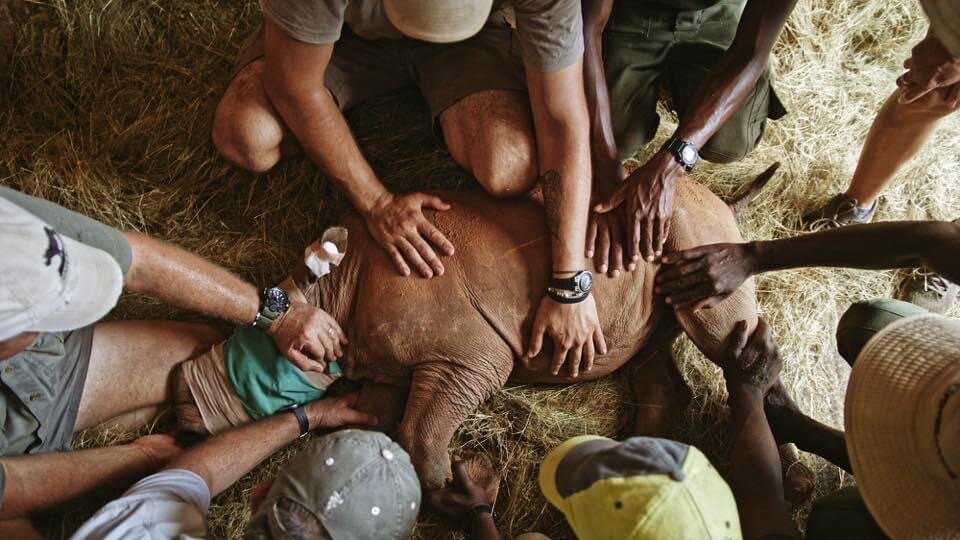
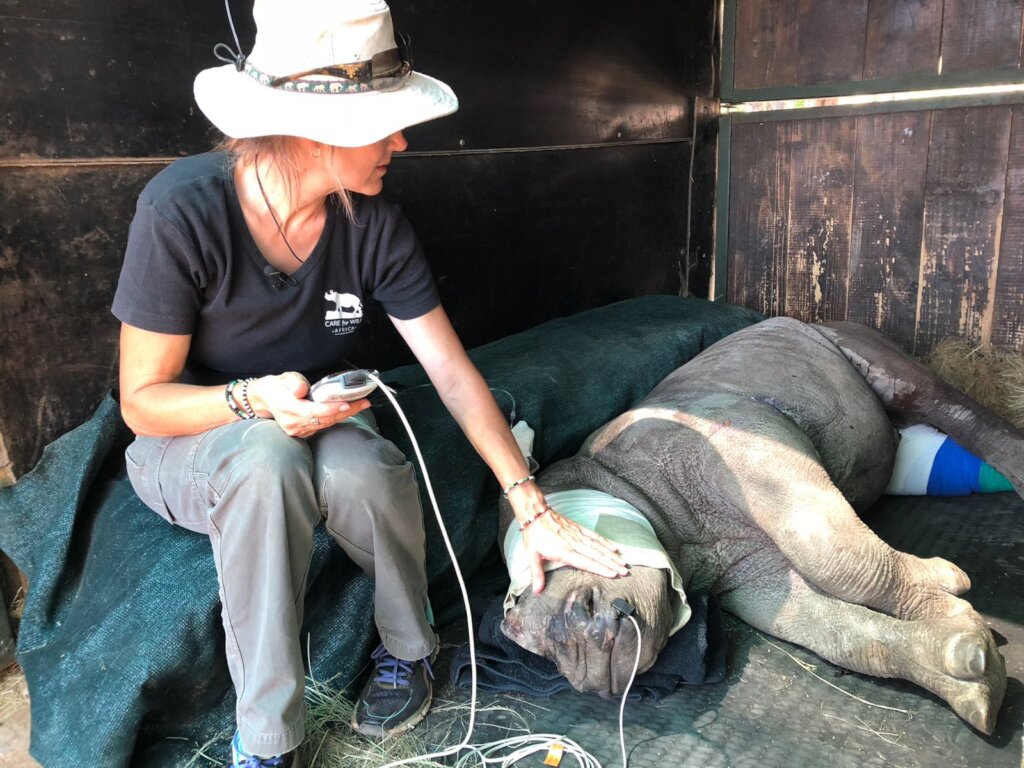
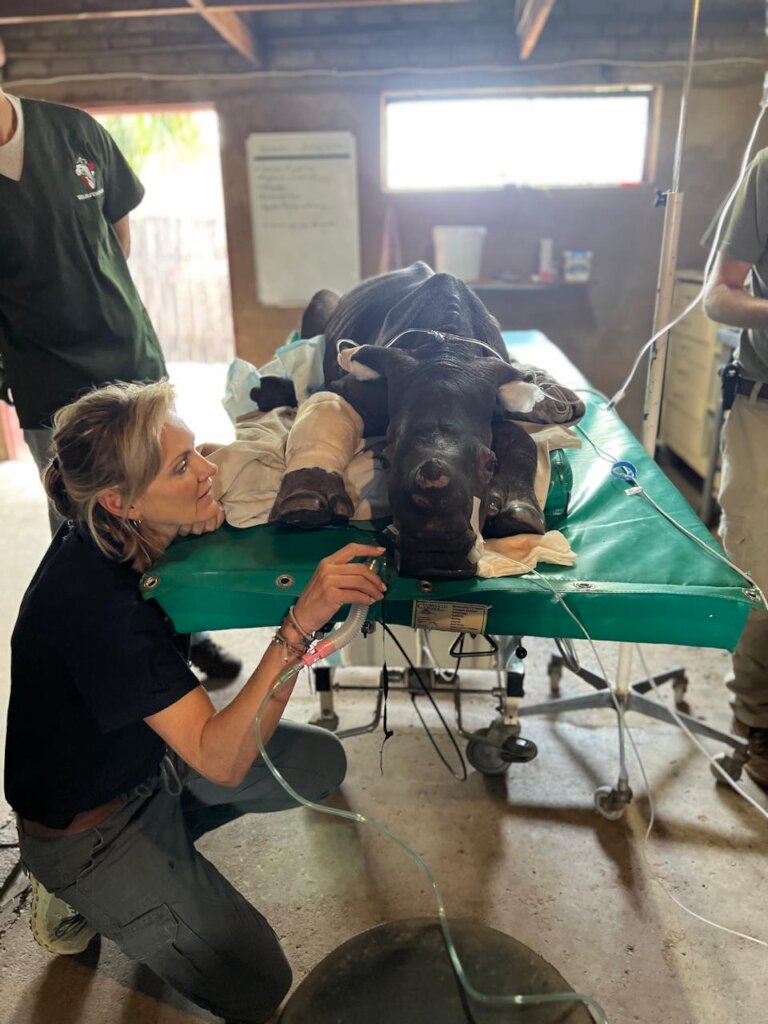
On the afternoon of August 13th, 2024, Care for Wild received an urgent call from Kruger National Park about a tiny black rhino orphan, estimated to be just three months old. Thanks to the quick response of the SANParks team, the baby rhino was flown to our sanctuary by helicopter in under an hour.
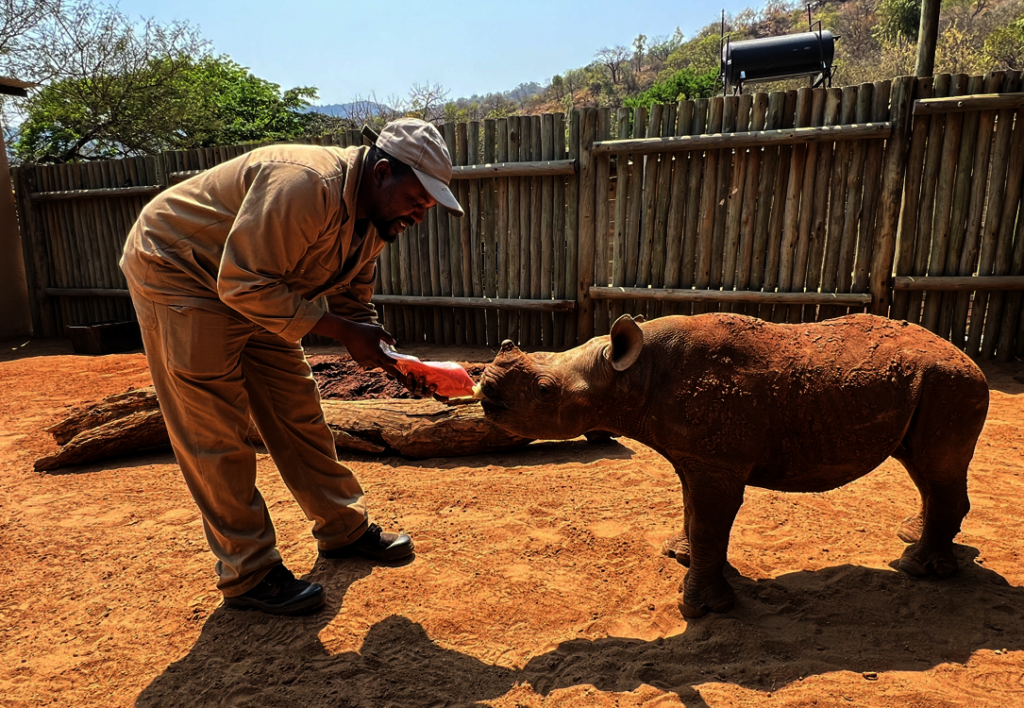
Black rhinos are known for their unique personalities and temperaments, which differ significantly from those of white rhinos. These differences are especially evident in young calves, who require specialised care during the ICU phase and throughout rehabilitation. For this reason, our resident black rhino calf expert, Lucas, was called in to assist in the Intensive Care Unit. Lucas has years of experience working with black rhinos, he played a key role in the successful rewilding of Swazi, a black rhino calf previously in our care. His connection with these calves is remarkable, and we are grateful to have his expertise on hand.
Black rhino calves are highly perceptive, intelligent, and form close bonds with their primary caregiver. They require intensive support, particularly in learning how to browse and develop survival skills for the wild. This new little one is in excellent hands with Petronel, Lucas, and our team, and we are committed to doing everything we can to support her journey.
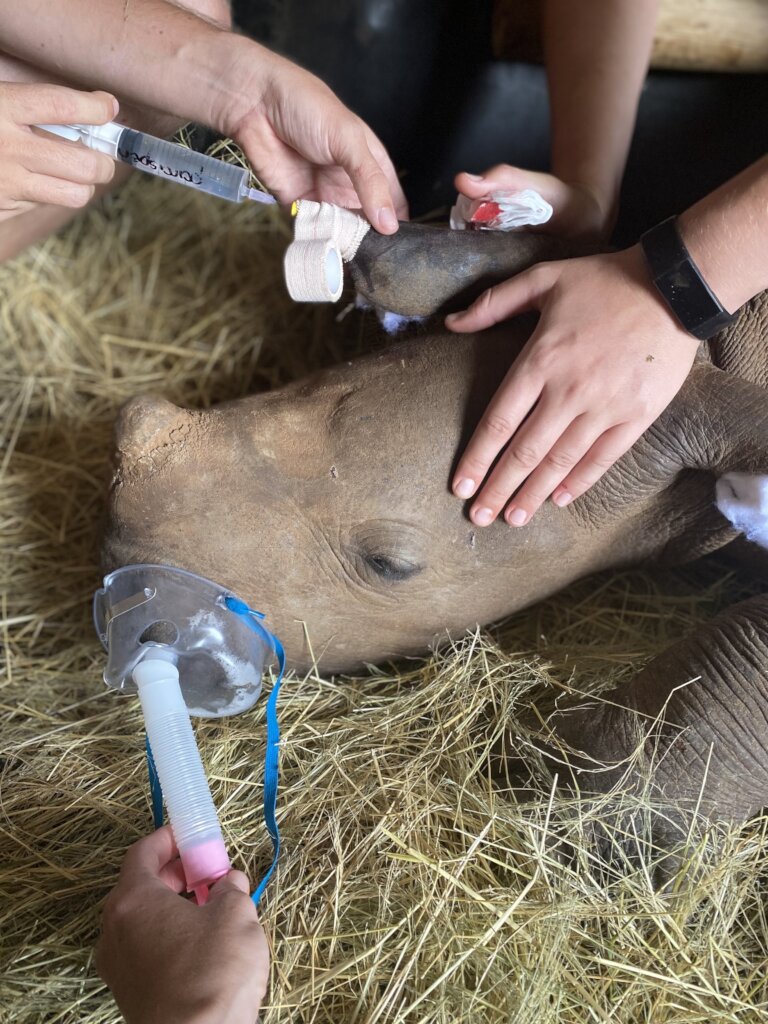
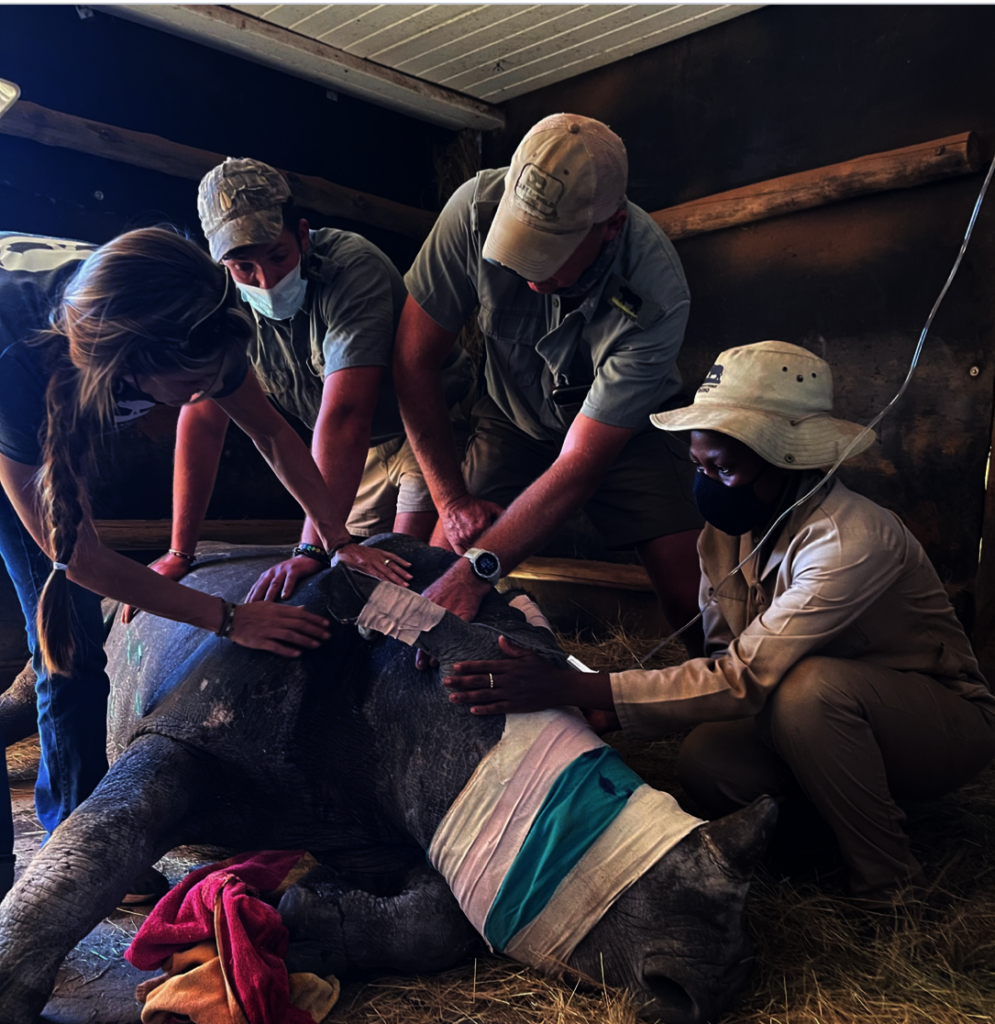
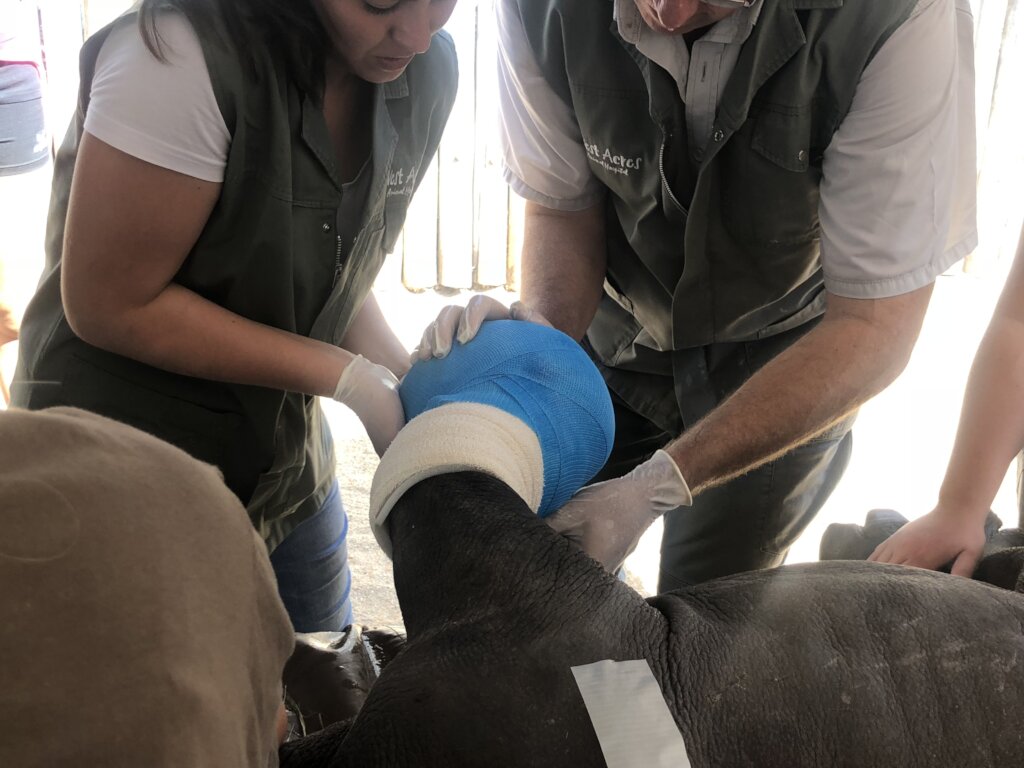
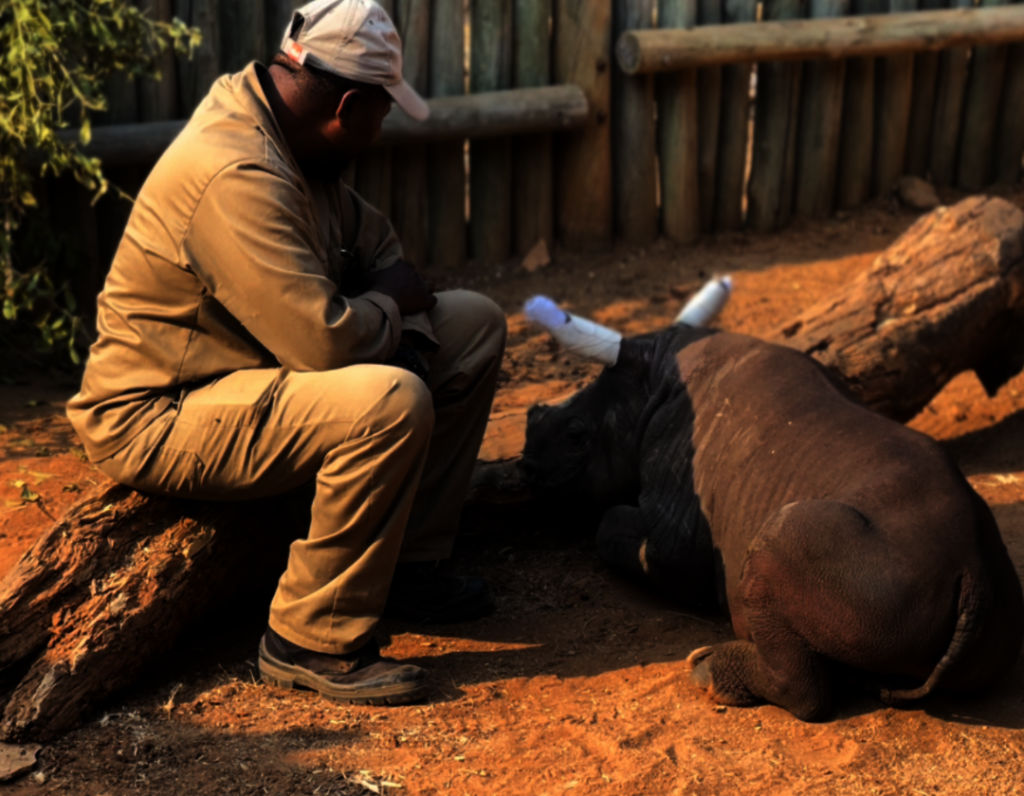
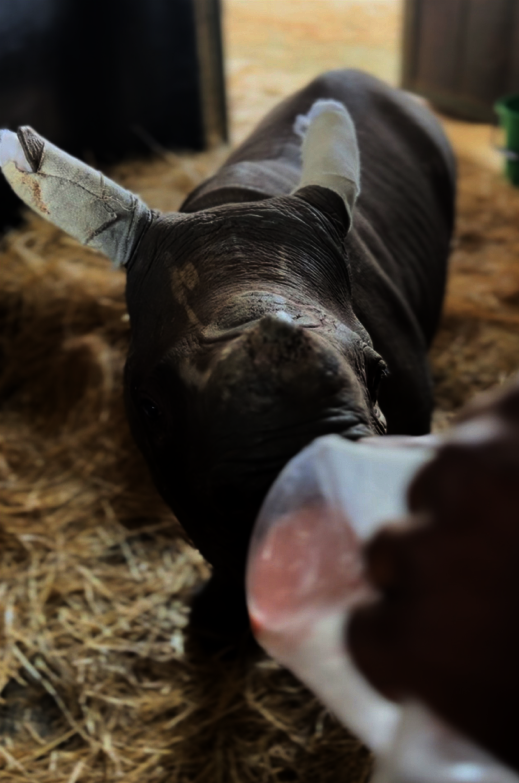
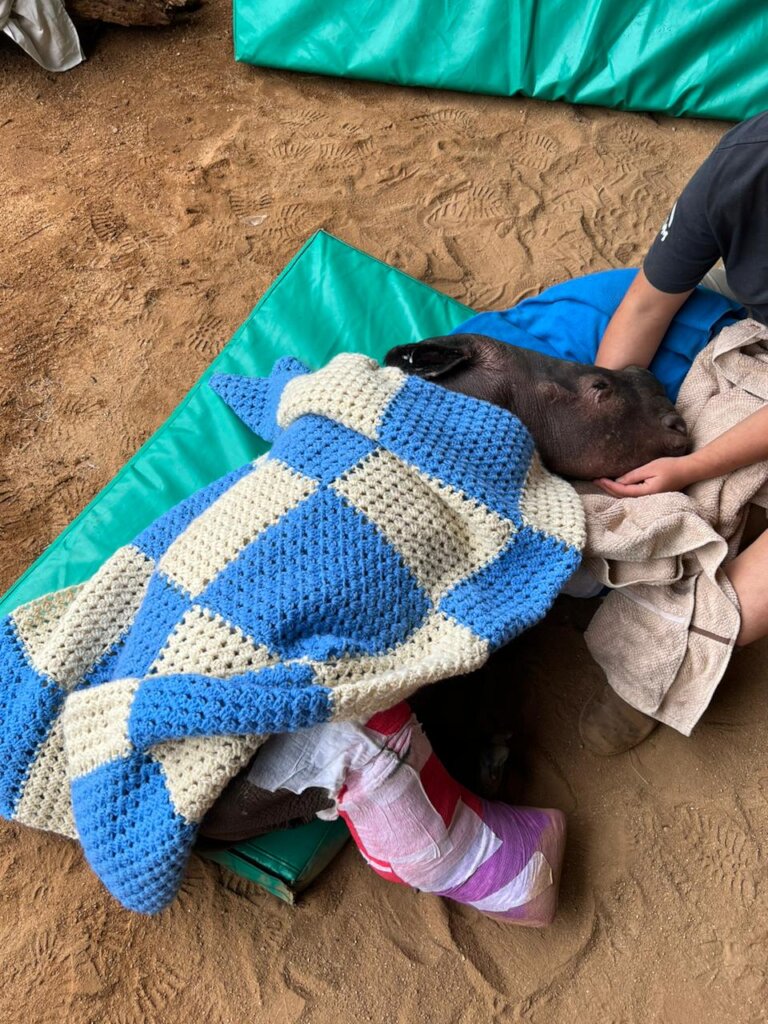
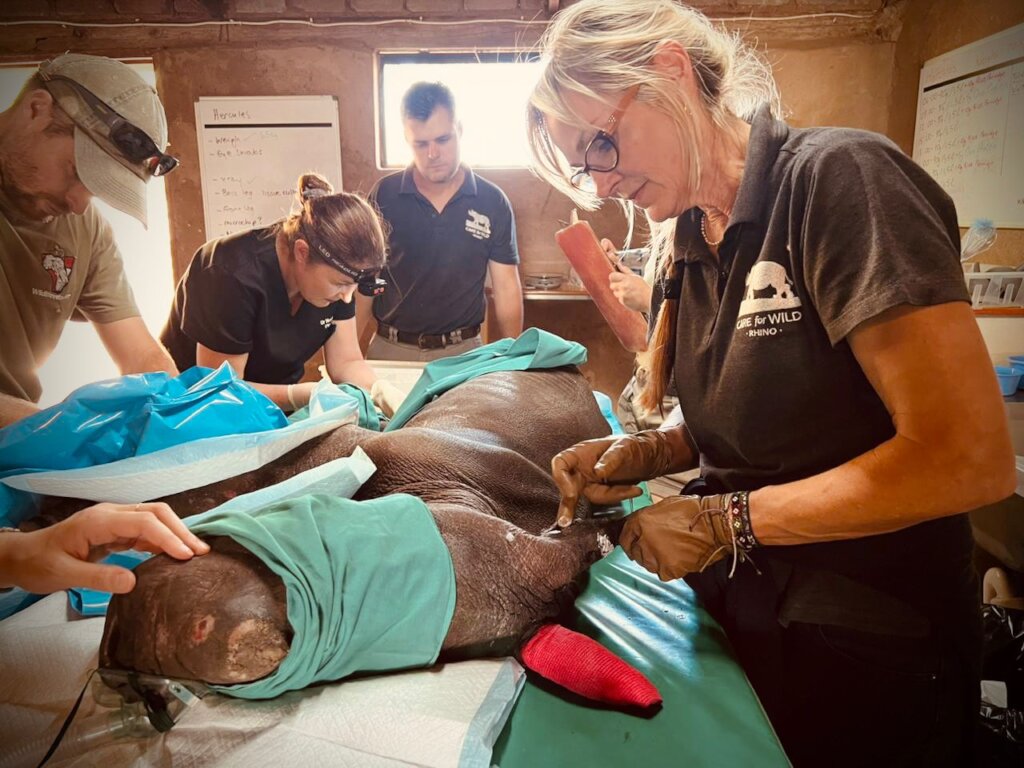
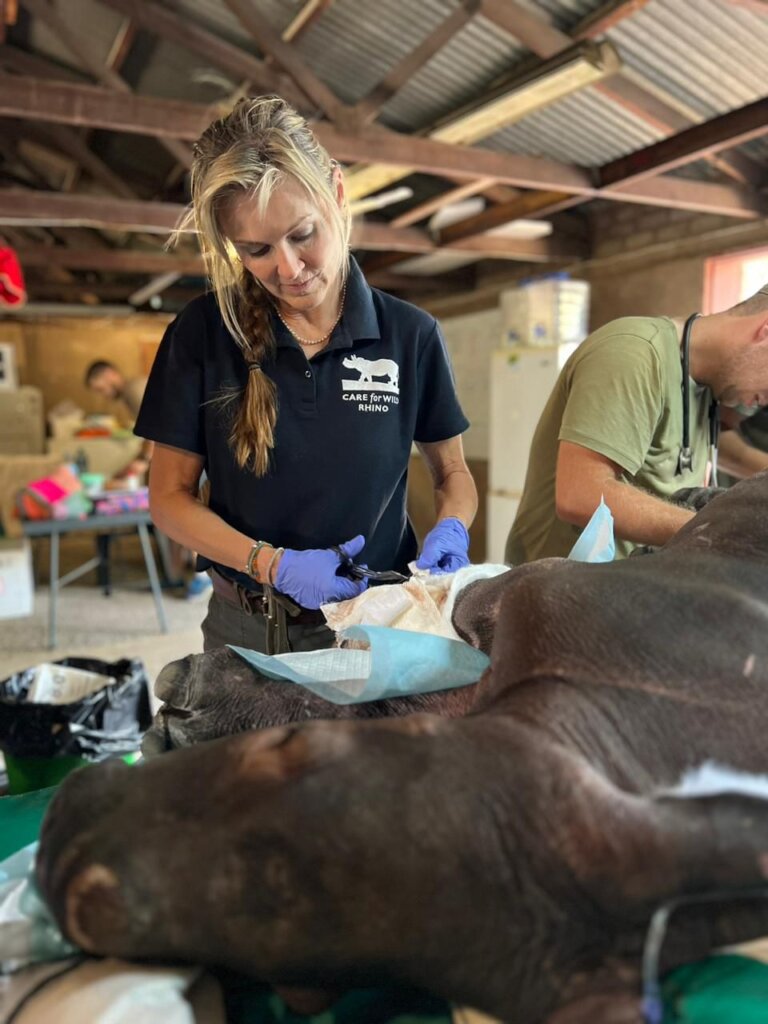
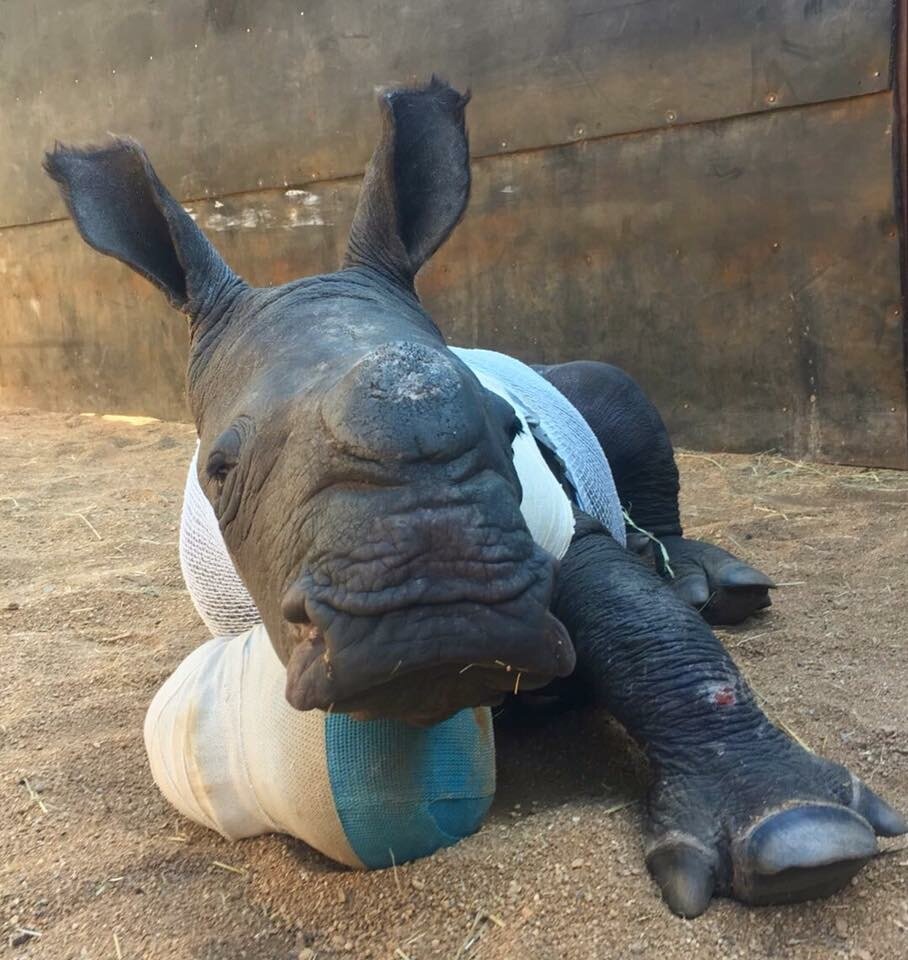
Just over six weeks ago, we received a three-week-old white rhino calf who had suffered severe injuries from a hyena attack. He sustained multiple fractures and had deep, infected wounds on his legs, face, and ears. This calf has been in our Intensive Care Unit, bravely fighting a challenging battle.
A team of specialised vets and medical professionals are working with the Care for Wild team to give this calf every possible chance at survival. His care requires constant attention, including wound care, pain and stress management, infection control, and developmental support. Recent X-rays, blood tests, and wound cultures have been conducted to track his healing progress and assess the effectiveness of his treatment. Caregivers are by his side around the clock, working in shifts to provide the intense focus his recovery demands.
Injuries of this severity take time to heal, and the dedication and commitment of our team cannot waver, even for a moment. We have named him Hercules in honor of his incredible strength and courage—a fitting name for a calf with a tremendous will to survive.
Your donations and support make it possible for us to carry out rescue operations and provide continued treatment and care once rhinos arrive at the sanctuary. Food, housing, 24/7 care, medical supplies, bandages, dressings, and milk are costly, and we couldn’t continue to save these rhino orphans without your support. Thank you.
Links:
Project reports on GlobalGiving are posted directly to globalgiving.org by Project Leaders as they are completed, generally every 3-4 months. To protect the integrity of these documents, GlobalGiving does not alter them; therefore you may find some language or formatting issues.
If you donate to this project or have donated to this project, you can receive an email when this project posts a report. You can also subscribe for reports without donating.



Support this important cause by creating a personalized fundraising page.
Start a Fundraiser