By Radhika Bhagat | Head - Wild Aid
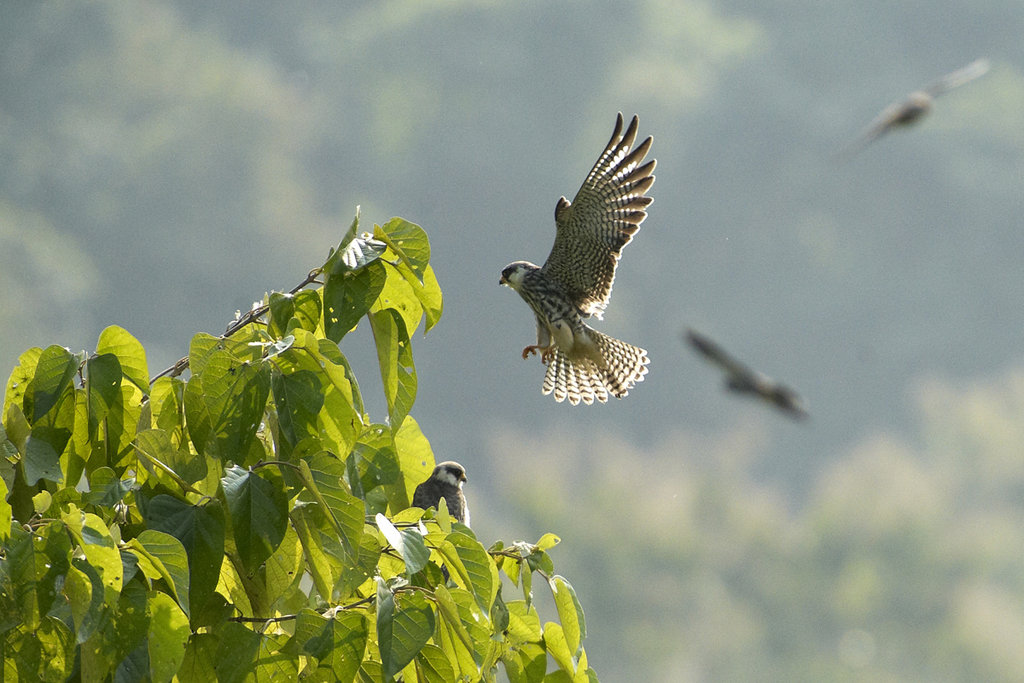
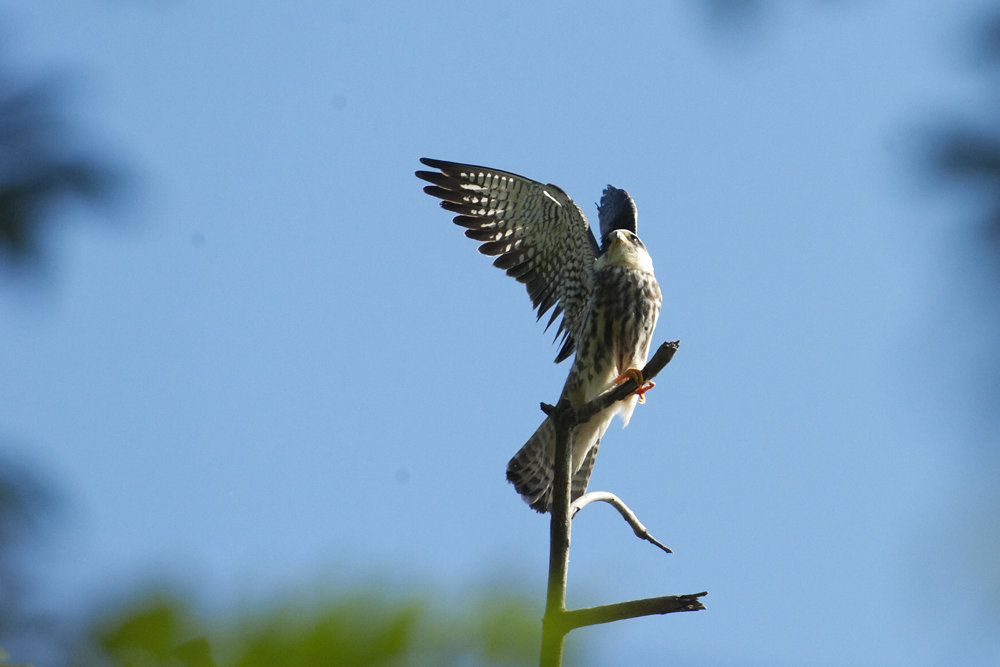
The Amur falcon (Falco amurensis) is a small raptor belonging to the falcon family. It breeds in south eastern Siberia and northern China and migrates in large numbers over India-Arabian Sea to southern Africa. In India they pass through north-eastern India, particularly Nagaland, on their way to Arabian Sea islands. Amur Falcons are protected under Wildlife Protection Act (1972), it is also listed in Appendix II of CITES. India is also a signatory to the Convention on Migratory Species (CMS) for the protection of migratory species which pass through the country.
Every year, the falcons migrate in large numbers from Eastern Russia and Northern China to Nagaland during October and stay on till December, as a part of their 22,000 km long annual migration to Southern Africa. In Nagaland, most of the birds visit the Doyang Reservoir; additionally they have been spotted in smaller numbers from other districts of Nagaland - Peren, Longleng; Senapati district of Manipur and Umrangso in Assam. In Doyang area they visit and roost mainly in Pangti, Asha and Sungro villages of Wokha district.
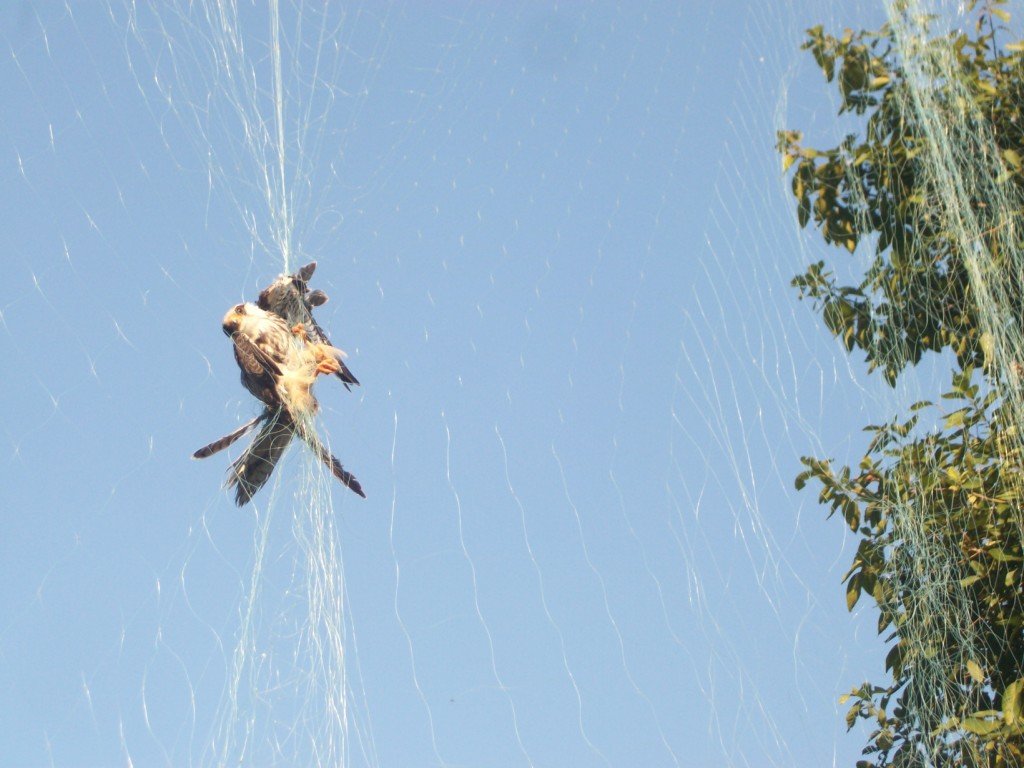
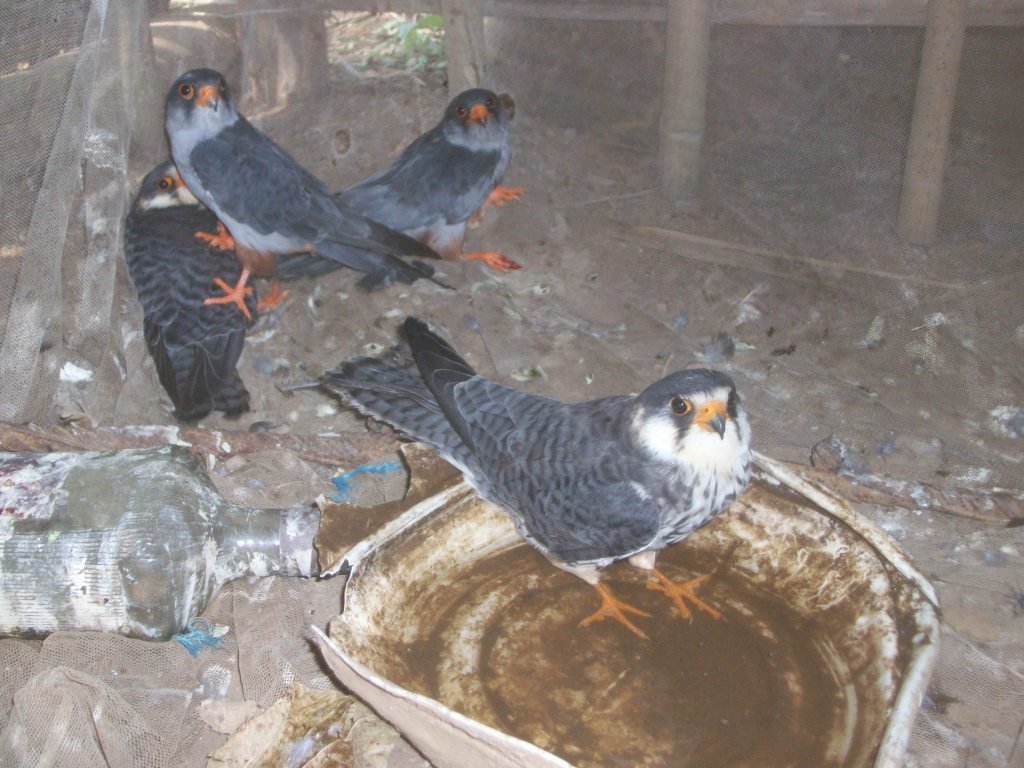
In Nagaland, traditionally, hunters would kill this species to provide for food and to sell in local markets. Thus, large numbers of Amur falcon were killed each year. Being a protected species under various National and International laws such killing of the species had to be addressed and the need of the day was to protect these falcons whilst they were migrating through the country. Our strategy was to reduce and finally totally stop Amur falcon killing through community participation and alternative green livelihood options. The birds were also traded live along with their meat. In 2012, lakhs of birds were illegally killed in three villages of Wokha district alone, causing widespread alarm all over the world regarding endangerment of the species and the blatant violation of national and international laws.
The major site of hunting was the Doyang hydro-electric project reservoir in Wokha district, which hosts the raptors in tens of thousands and is believed to be the single largest aggregation of Amur falcons recorded in India. The seasonal mass slaughter of the birds involved people living in about 30 villages, predominantly belonging to a Naga ethnic group, a Scheduled Tribe (ST) whose main livelihood comes from jhum farming and fishing. The hunters would hoist their fishing nets high above the ground, close to the trees where the birds roosted; the birds entangled in the nets, and would then be collected by the hunters, who sold them dead or alive, to fetch amounts lucrative enough for the village youth to stray into the wrong side of the law.
In the month of November 2015, the Union Minister of Forests, Environment and Climate Change visited the roosting site of Amur falcons in the district of Wokha, Nagaland. Representatives from the Wildlife Trust of India (WTI) interacted with the minister and briefed him about the conservation action plan carried out by WTI for last three years to conserve the falcons in the region.
Actions taken-
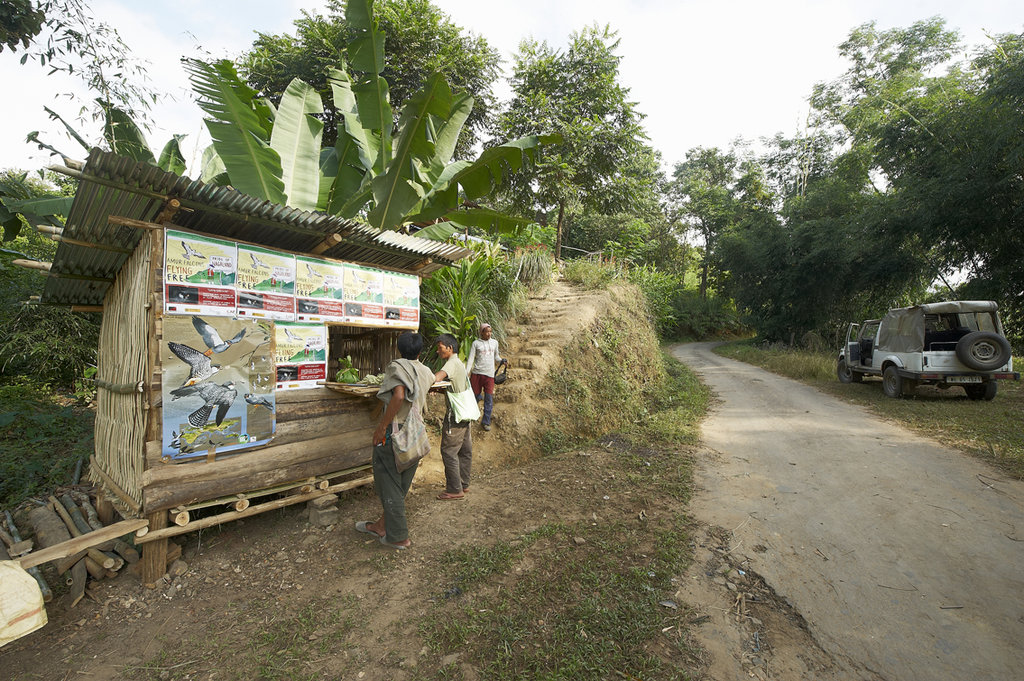
A socio-economic survey of Pangti, Ashaa and Sungro villages was conducted. This survey identified the requirements of the three villages and Micro-Plans were prepared for the three villages based on them. These micro –plans are currently being discussed with the PI of ‘Communities for Conservation’ department to finalize them. Based on these micro-plans, alternative livelihood/enhancement of livelihood schemes will be planned and implemented in the three villages.
2. Constitution of 3 Amur protection groups/squads in Pangti, Ashaa & Sungro villages
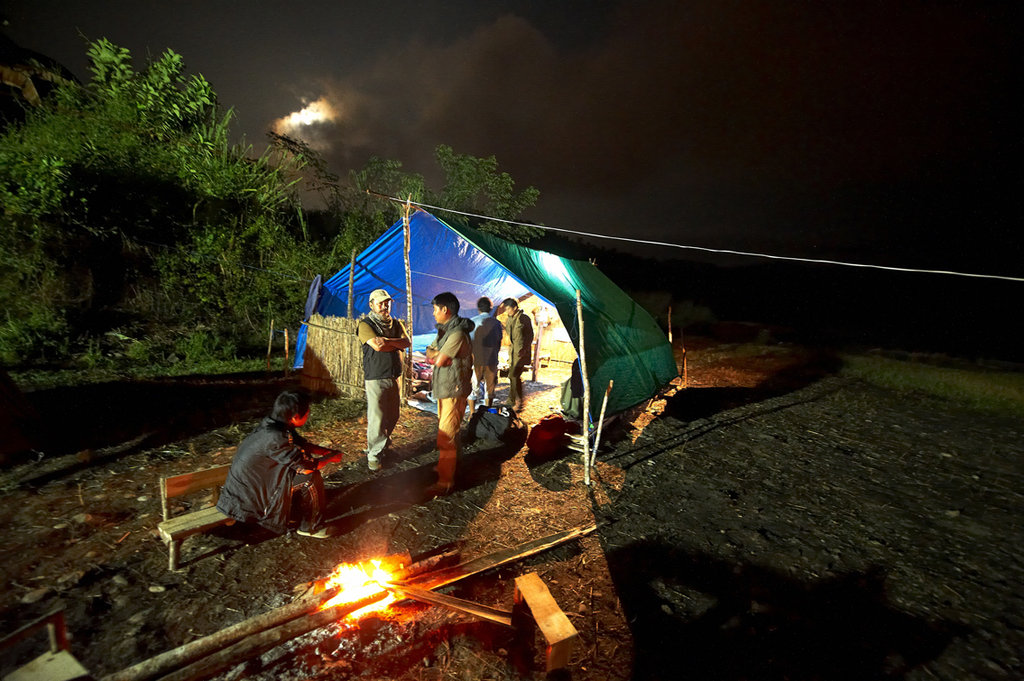
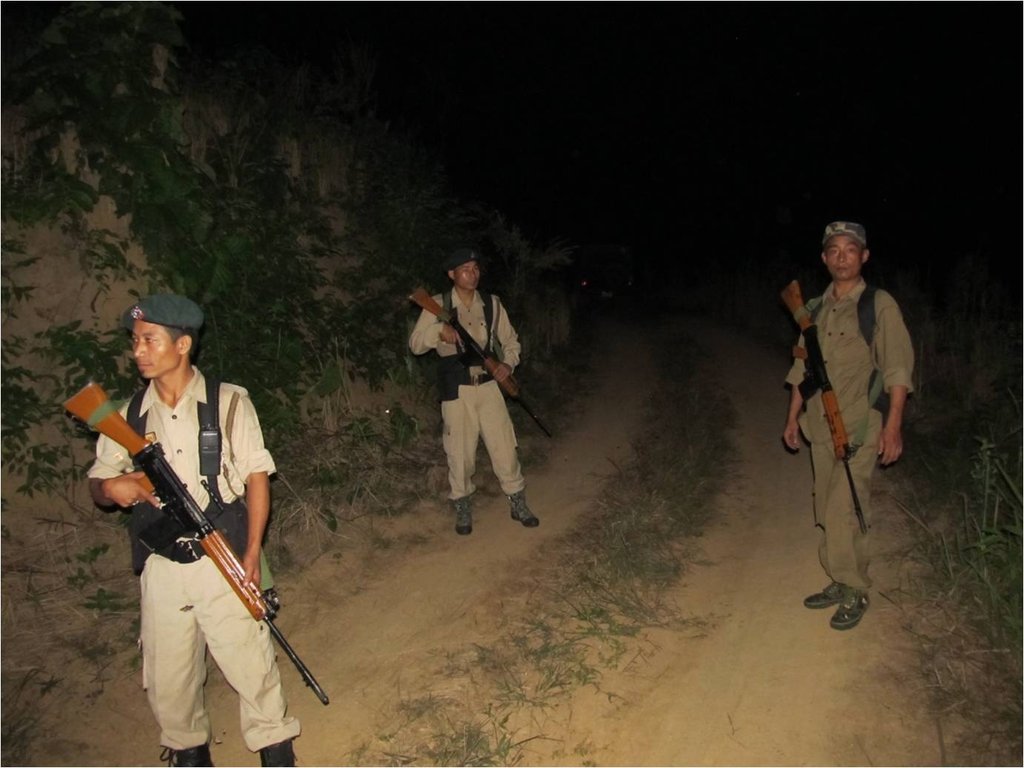
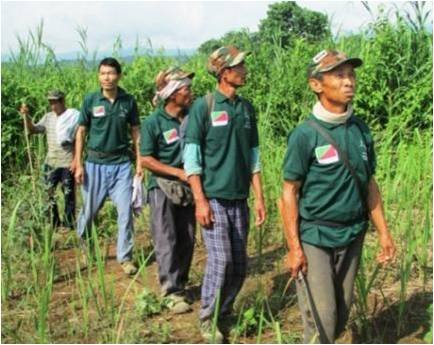
As in 2012-13, a protection squad was again formed at the three villages in 2014 - 15. This protection squad patrolled the area for any possible killing of Amur falcons. The protection squads were given wages for two months which also contributed in their livelihood for the above mentioned months.
3. Torches, T-Shirts, Caps, Shoes etc were provided to the Amur falcon protection squads to aid them in their patrolling duties.
We hope that these activities will ensure the sustained conservation of Amur falcons in Nagaland in the years to come.
Links:
Project reports on GlobalGiving are posted directly to globalgiving.org by Project Leaders as they are completed, generally every 3-4 months. To protect the integrity of these documents, GlobalGiving does not alter them; therefore you may find some language or formatting issues.
If you donate to this project or have donated to this project, you can receive an email when this project posts a report. You can also subscribe for reports without donating.