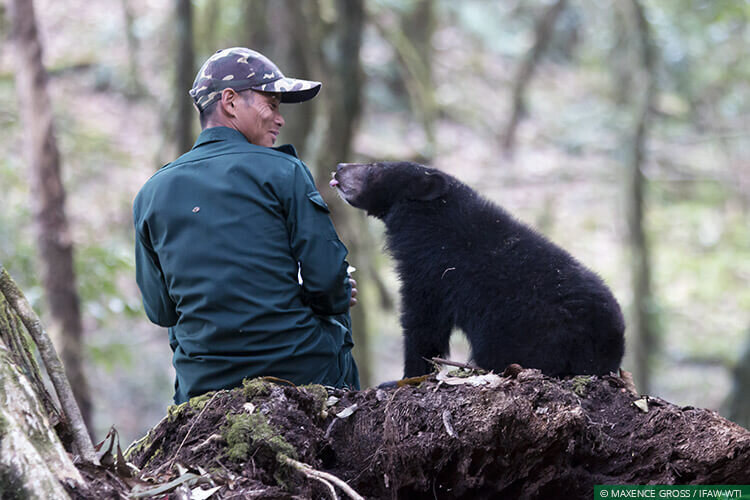
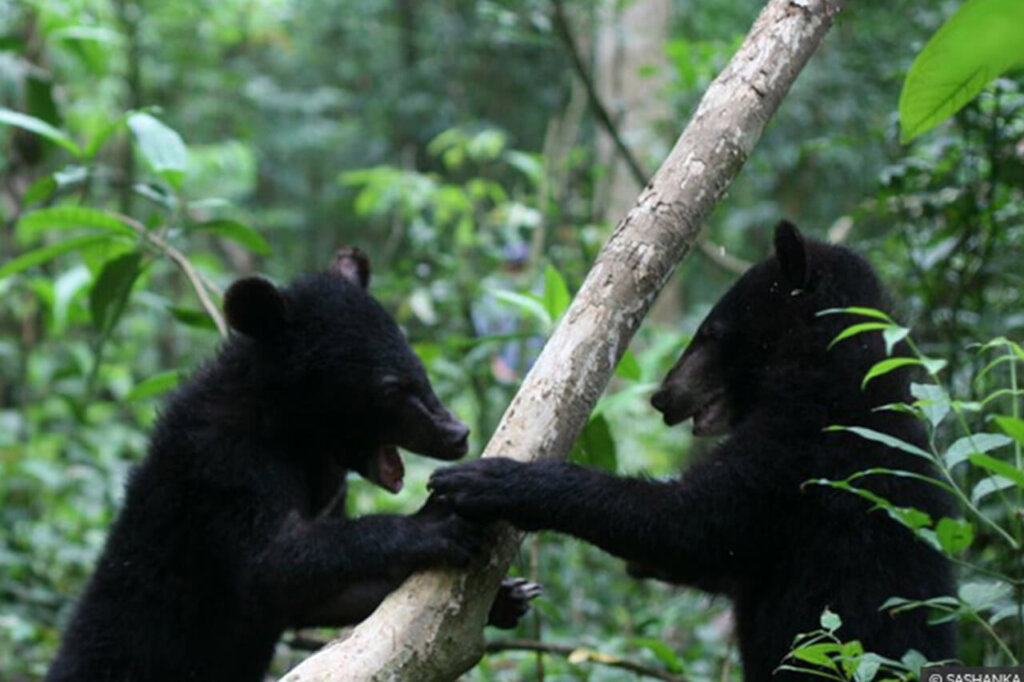
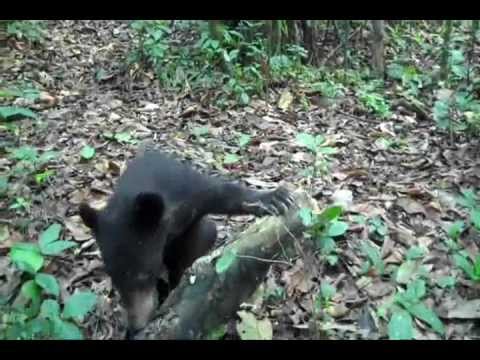
THE CENTRE FOR BEAR REHABILITATION AND CONSERVATION (CBRC) is the first specialized rehabilitation centre for Asiatic black bears in India. Supported by the Ministry of Environment and Forests (MoEF), the centre was established jointly by the Arunachal Pradesh Forest Department, International Fund for Animal Welfare (IFAW) and Wildlife Trust of India (WTI) in 2002, with the aim of rehabilitating displaced cubs back into the wild.
The Asiatic black bear is one of four bear species in India, mainly found in the Himalayan region from Jammu and Kashmir to Arunachal Pradesh and in the hills of northeast India (1200-3000 m). Protected under Schedule I of the Wild Life (Protection) Act, 1972, it faces major threats from poaching for body parts, habitat loss, and human-wildlife conflict. In Arunachal Pradesh, the species is heavily hunted for meat, often leaving cubs orphaned; these cubs are frequently sold, kept as pets.
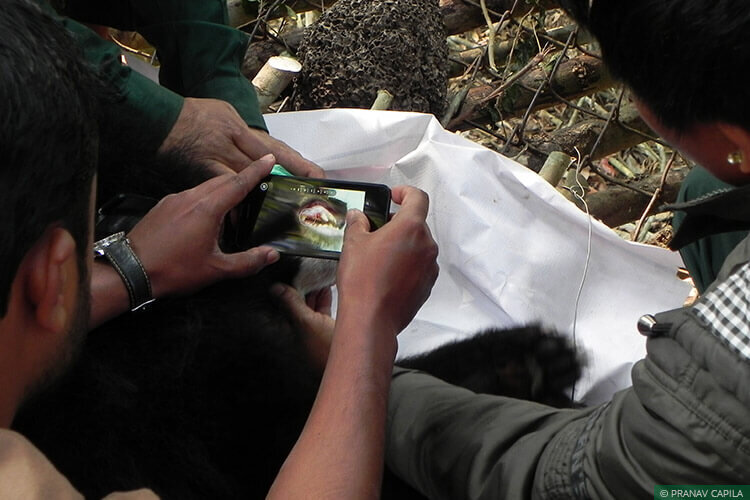
Located on the banks of the Pakke River within the Pakke Wildlife Sanctuary and Tiger Reserve, the Centre for Bear Rehabilitation and Conservation(CBRC) rescues and rehabilitates orphaned bear cubs by providing shelter, food, and veterinary care. A team comprising a field biologist, veterinarian, and trained keepers-including support from the IFAW-WTI Mobile Veterinary Service-cares for the cubs.
Following stabilization at the centre, they are relocated into a forest rehabilitation site, for an 'assisted release'. These rehabilitation sites are selected following extensive scientific deliberations to evaluate their suitability for the cubs' release. Eventually, the cubs are let off on their own to fend for themselves. They are remotely monitored for six to eight months, by which time the radio collars automatically drop off and the cubs' ability to survive in the wild is established.



Support this important cause by creating a personalized fundraising page.
Start a Fundraiser