By Victor Castelazo Calva | Project Leader
Thanks to your continued support, we continue with our efforts protecting one of the most important strongholds for wildlife in the Yucatán Peninsula. Every monitoring season provides new evidence that long-term conservation actions are making a difference, and this reporting period brought particularly encouraging news.
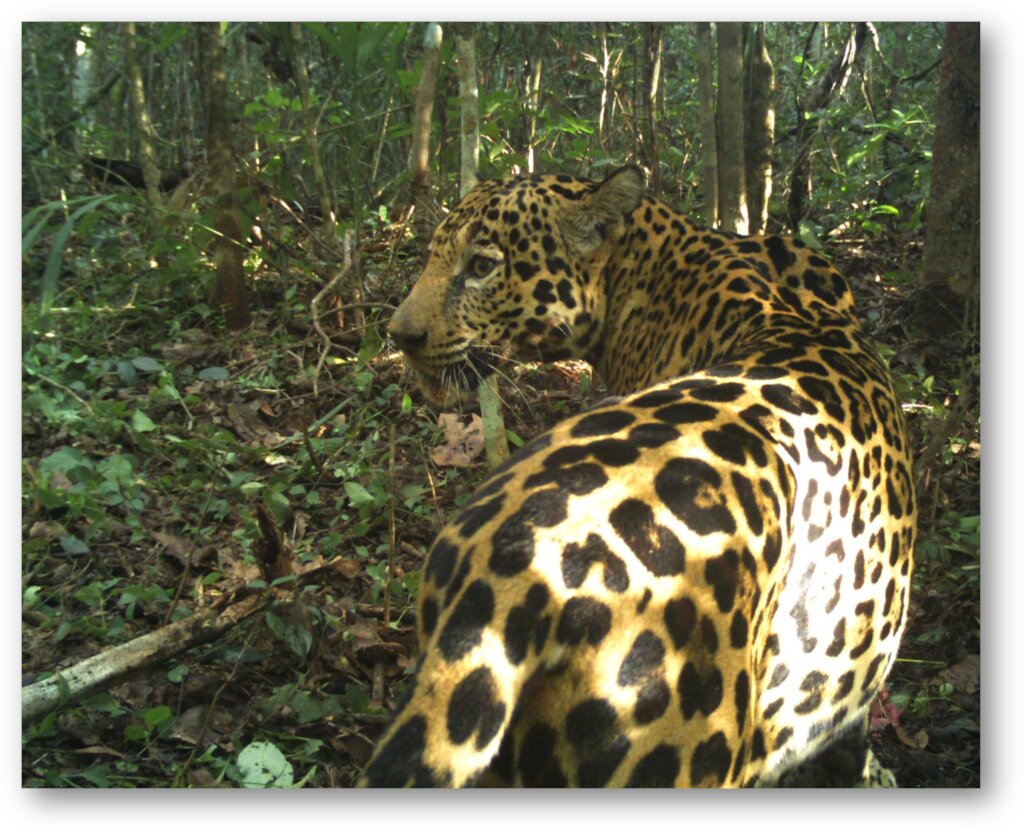
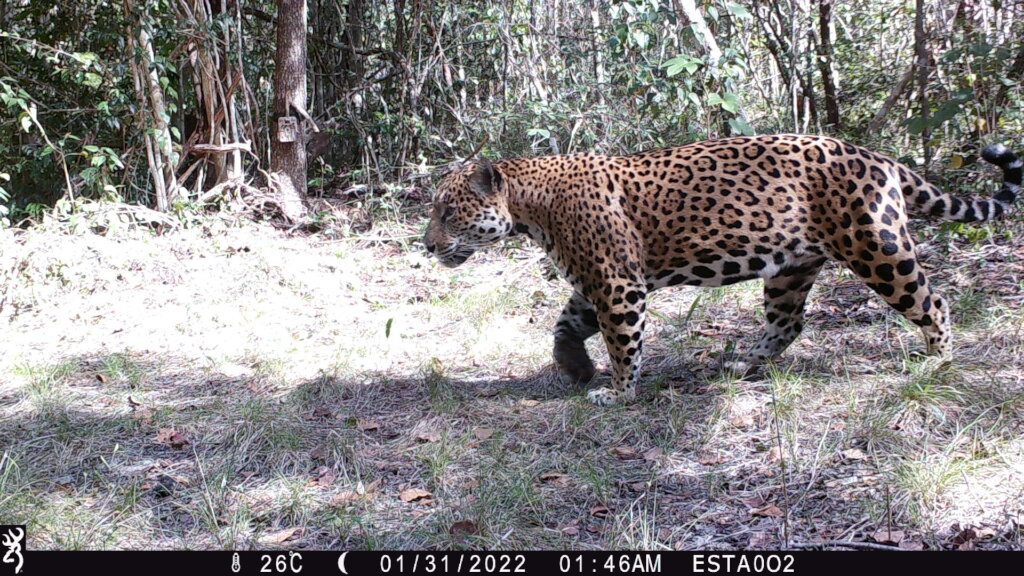
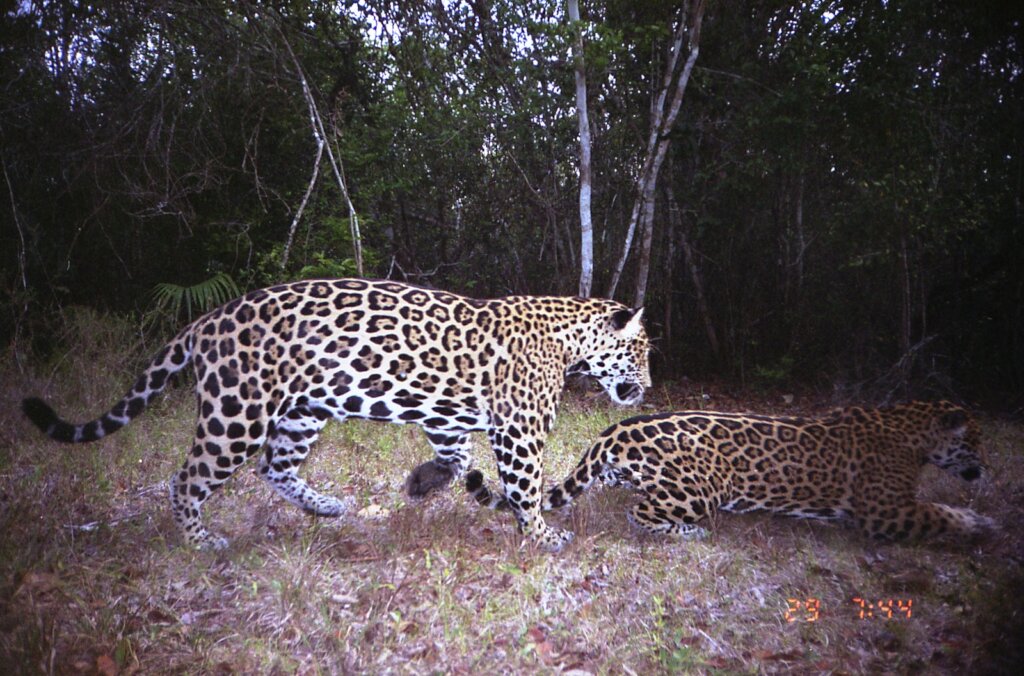
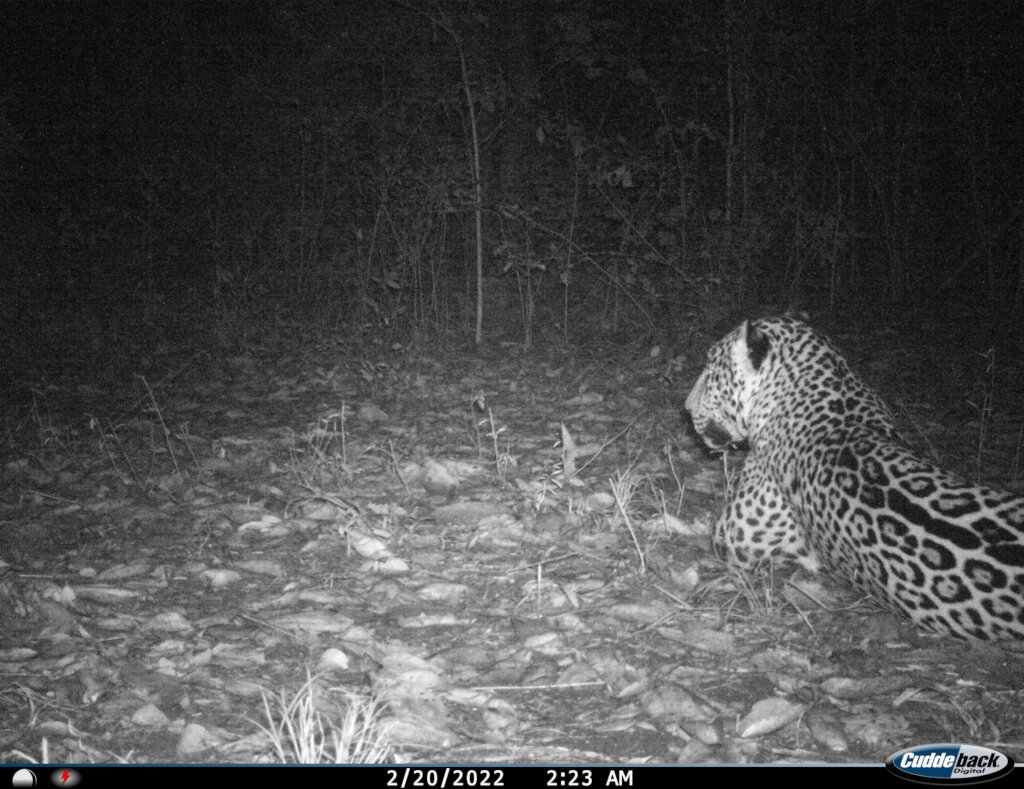
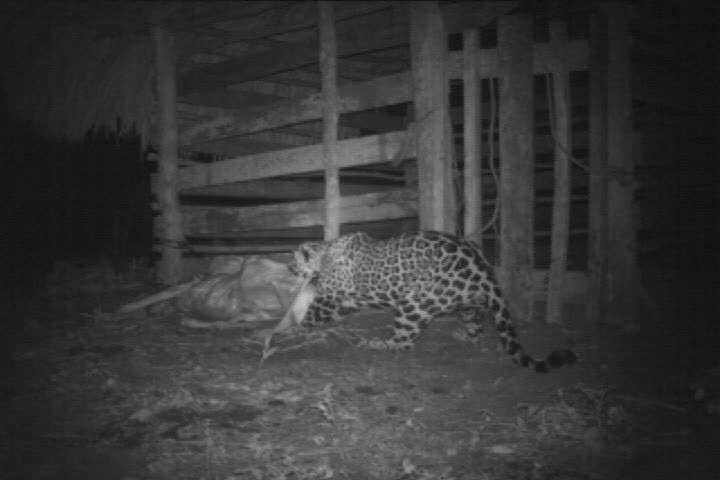
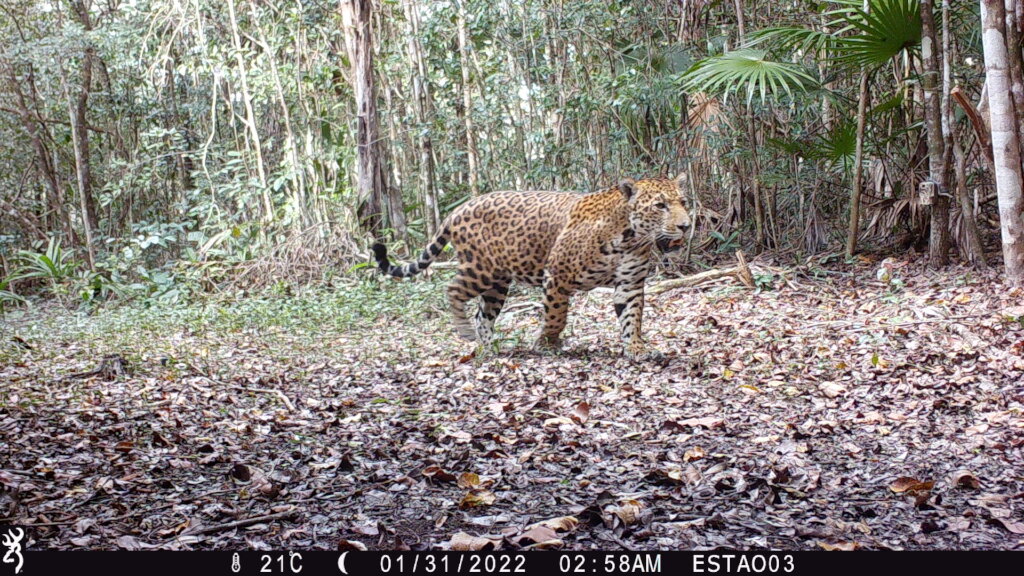
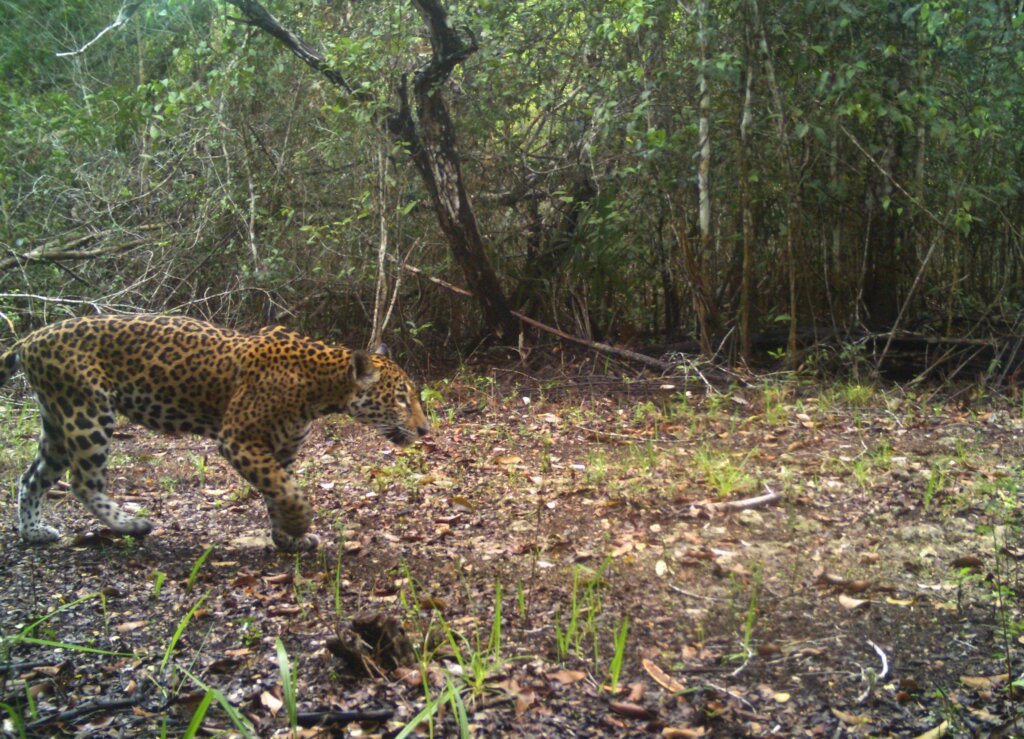
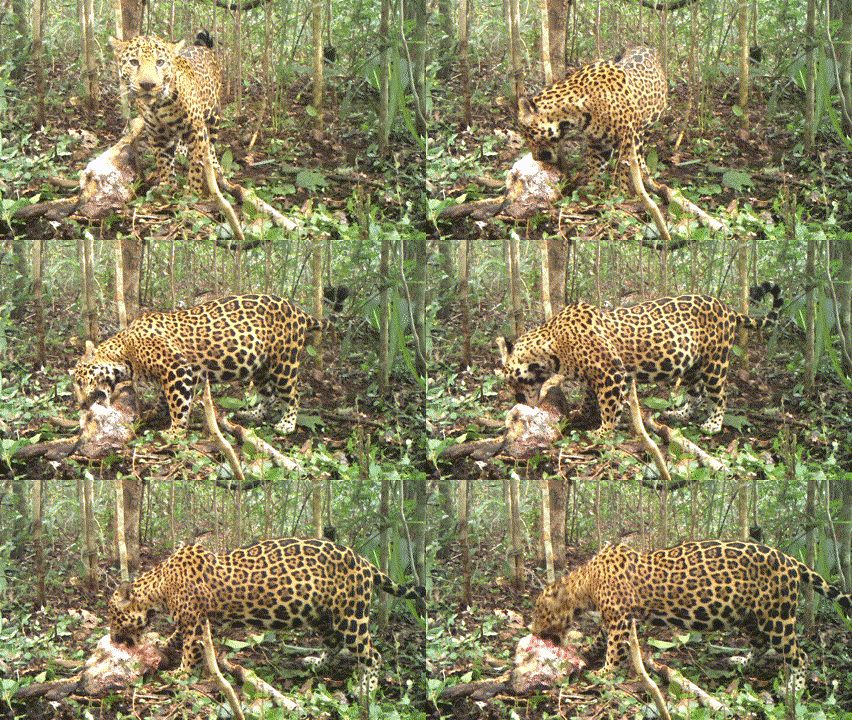
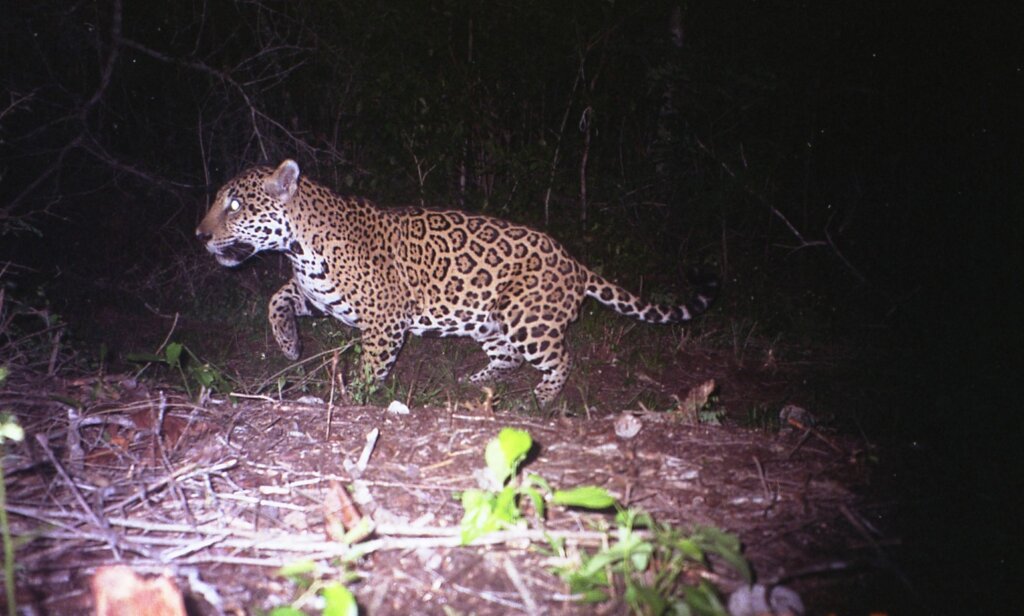
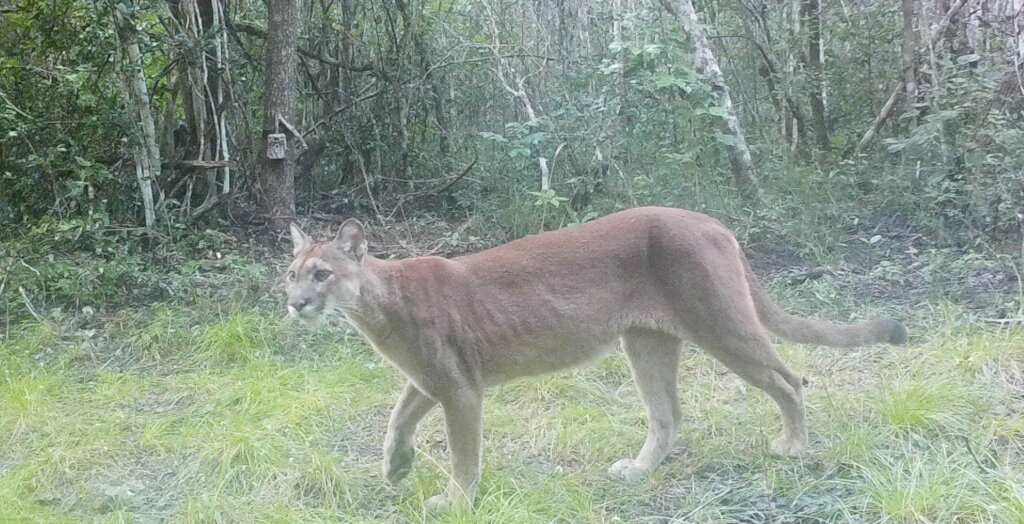
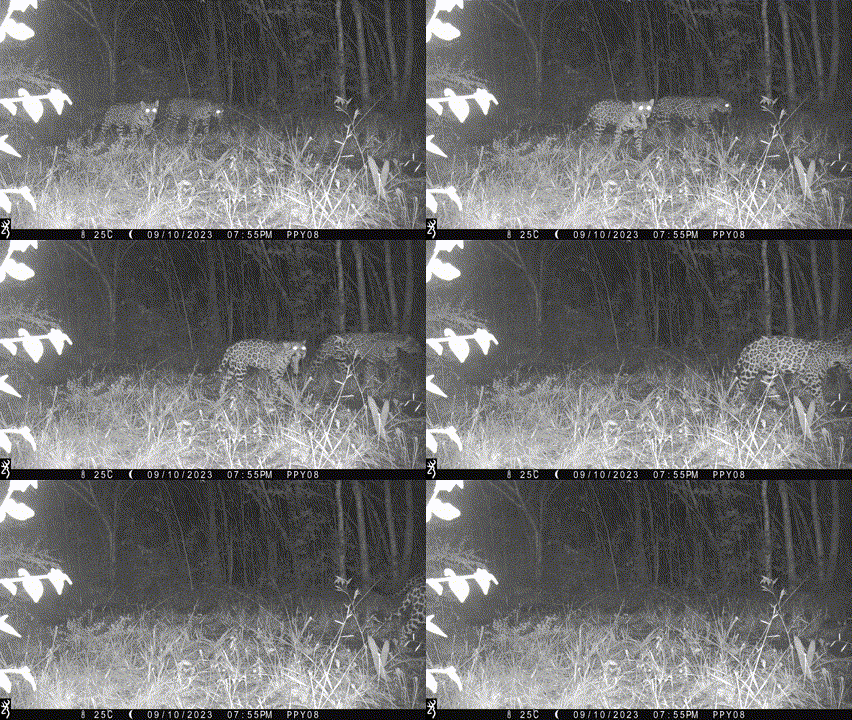
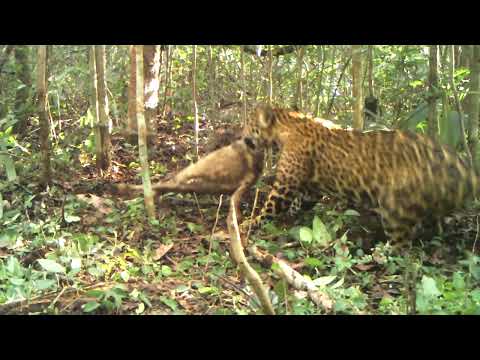
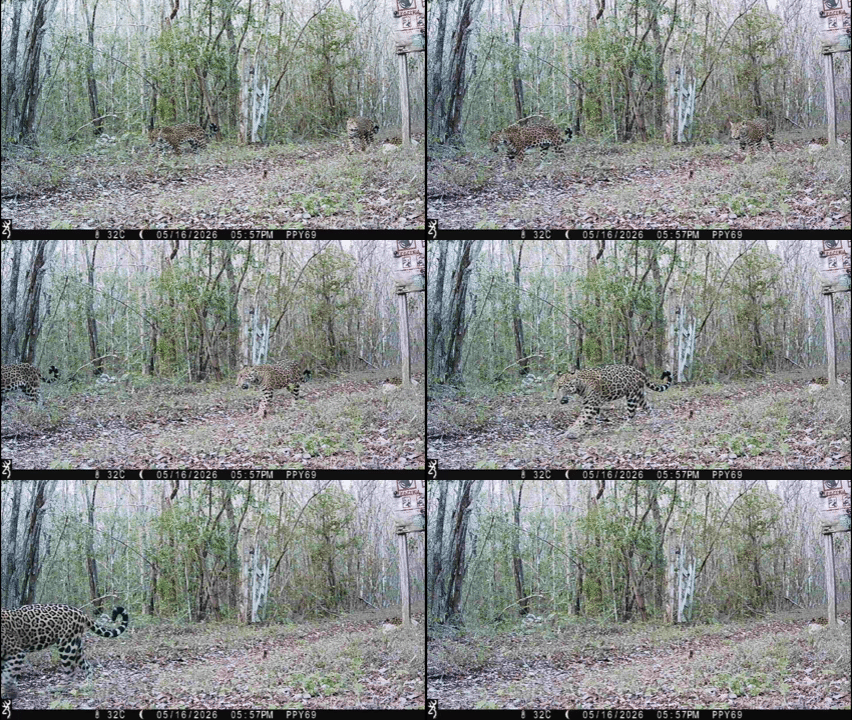
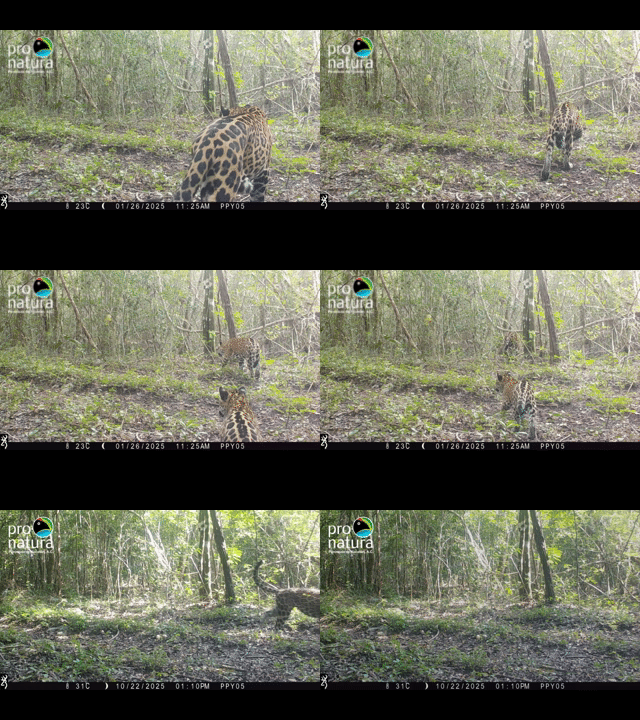
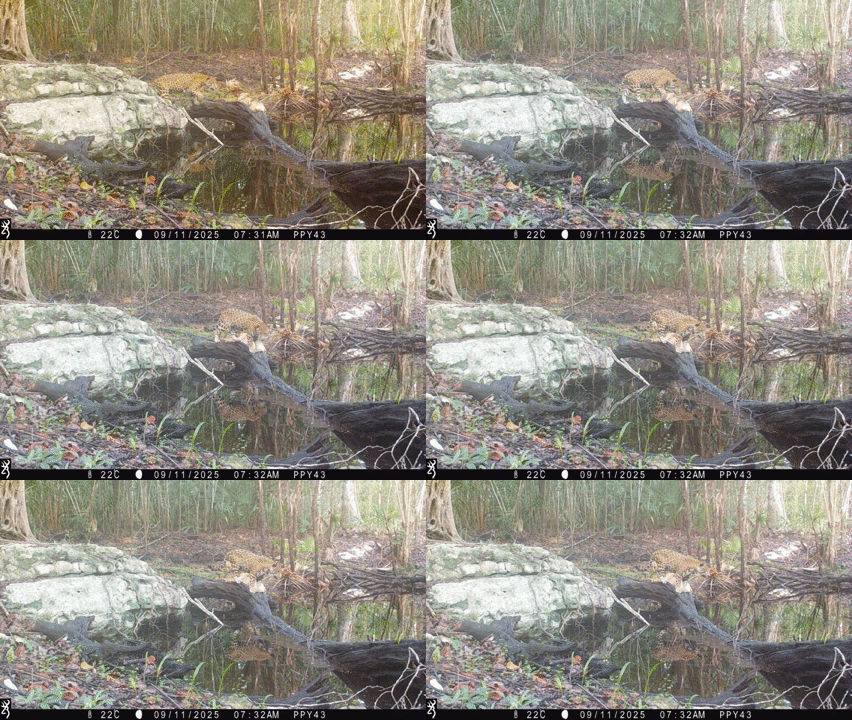
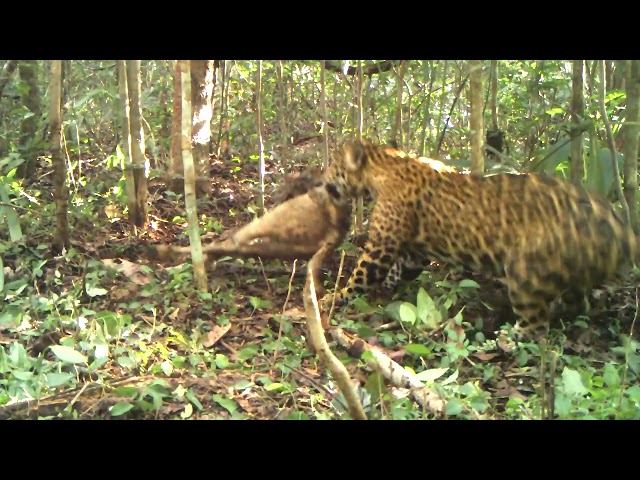
One of the most exciting achievents is the confirmation of the presence of a new male jaguar with a partner. At the beginning of last year, we shared the registration of a new jaguar cub in the area and through the whole year we captured videos and images of him with his mother. This time, our cameras documented the same individual once again, now accompanied by a known female jaguar (JH013), confirming he has a partner now. This remarkable finding demonstrates that the protected forest continues to provide the habitat, conectivity, and resources necessary for one of the region's most iconic and endangered predators. The presence of multiple jaguars is a strong indicator of a healthy ecosystem and reflects the success of more than two decades of habitat conservation and management.
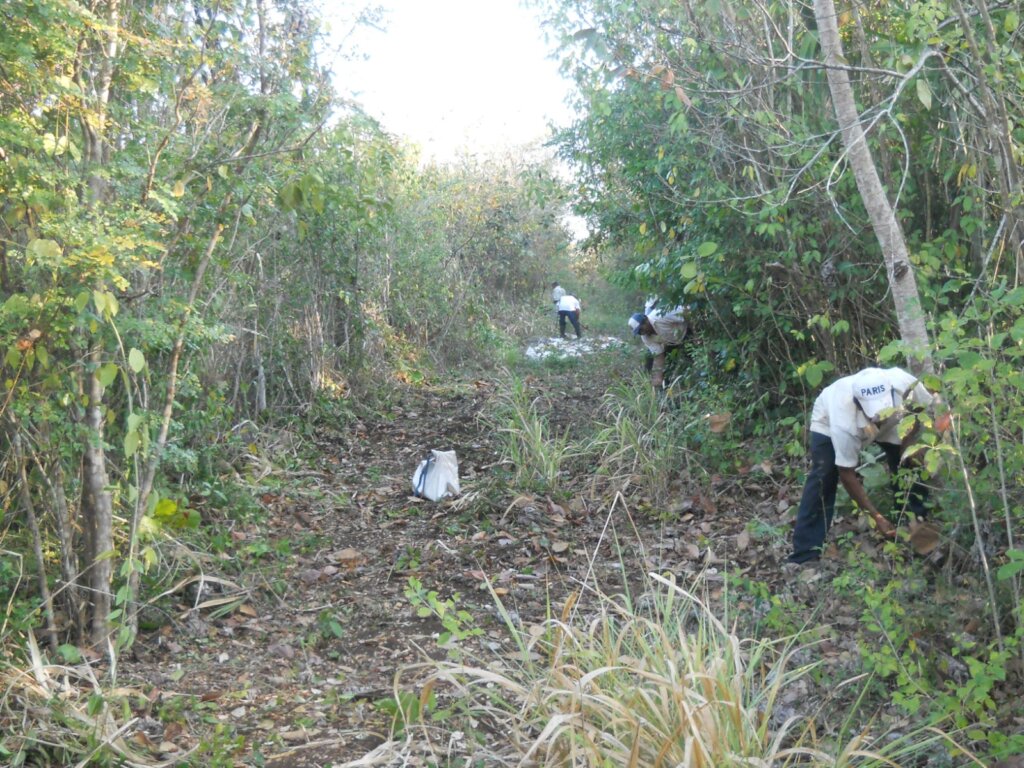
Protecting this habitat also requires reducing the threats tthat could quickly reverse these conservation gains. During this period, our field team carried out maintenance of firebreaks throughout strategic sections of te reserve. These preventive actions strenghten our capacity to reduce the risk of catastrophic wildfires, helping safeguard thousands of hectares of tropical forest that support jaguars, their prey, and countless other species. Maintaining these firebreaks is an essential investment in the long-term resilience of the protected area, particularly as increasingky unpredictable weather conditions elevate wildfire risks.
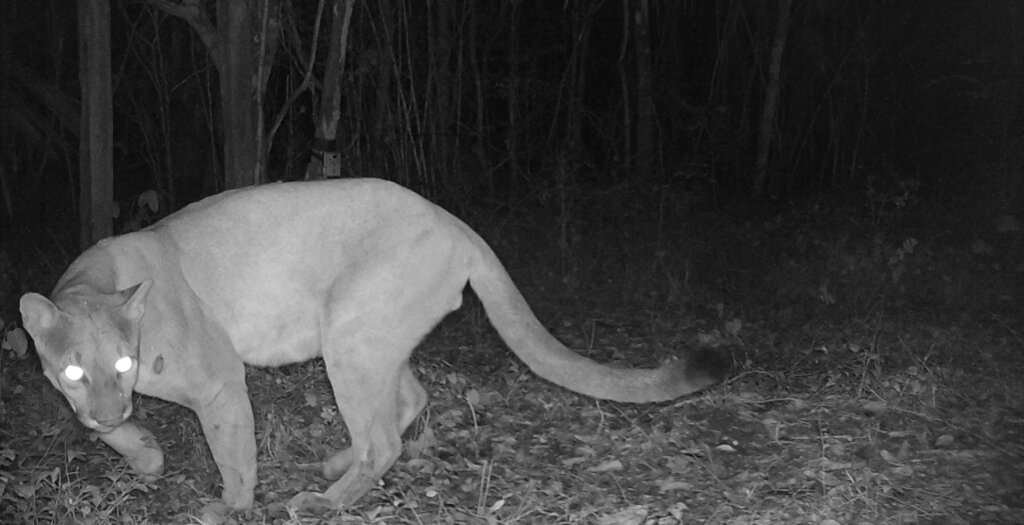
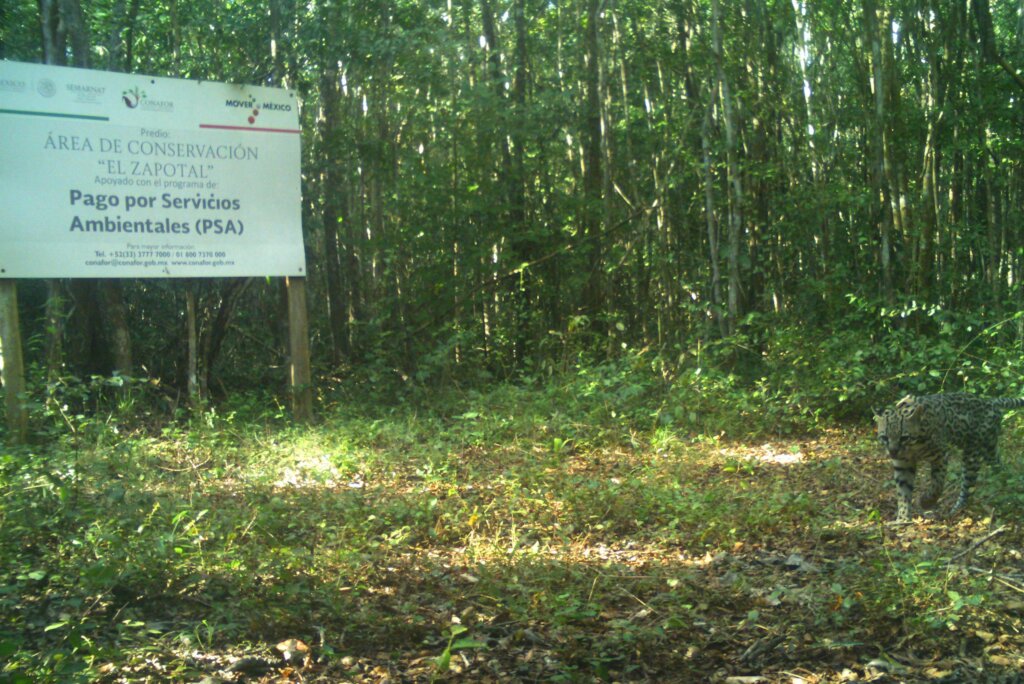
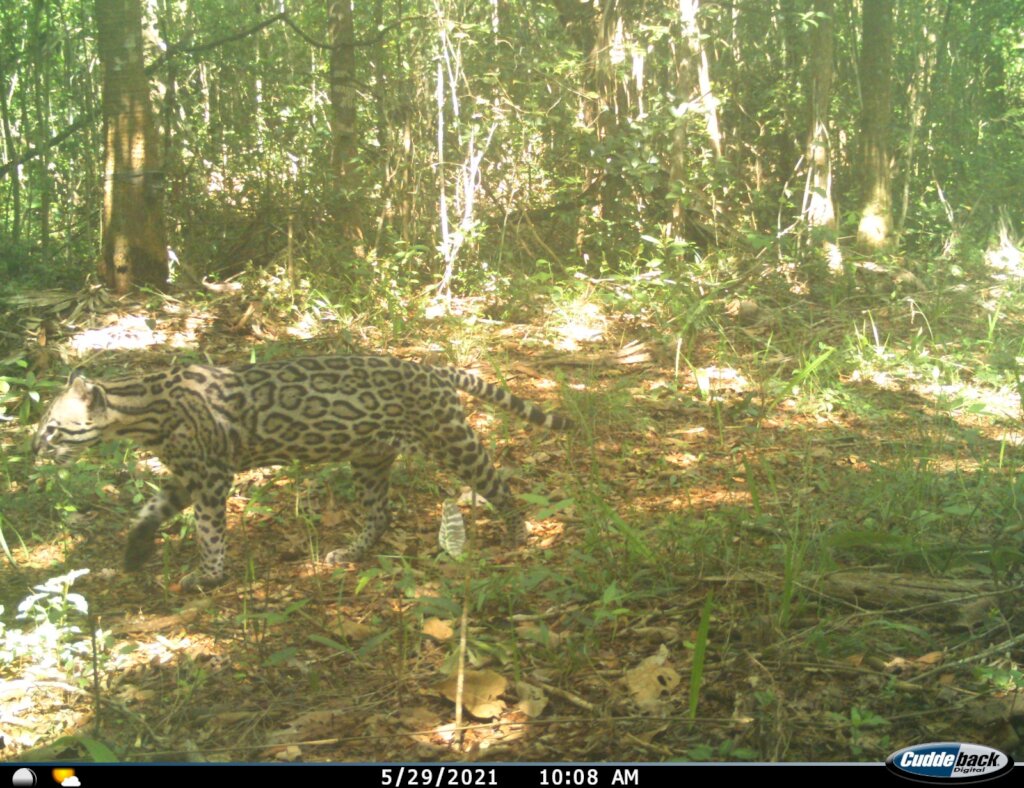
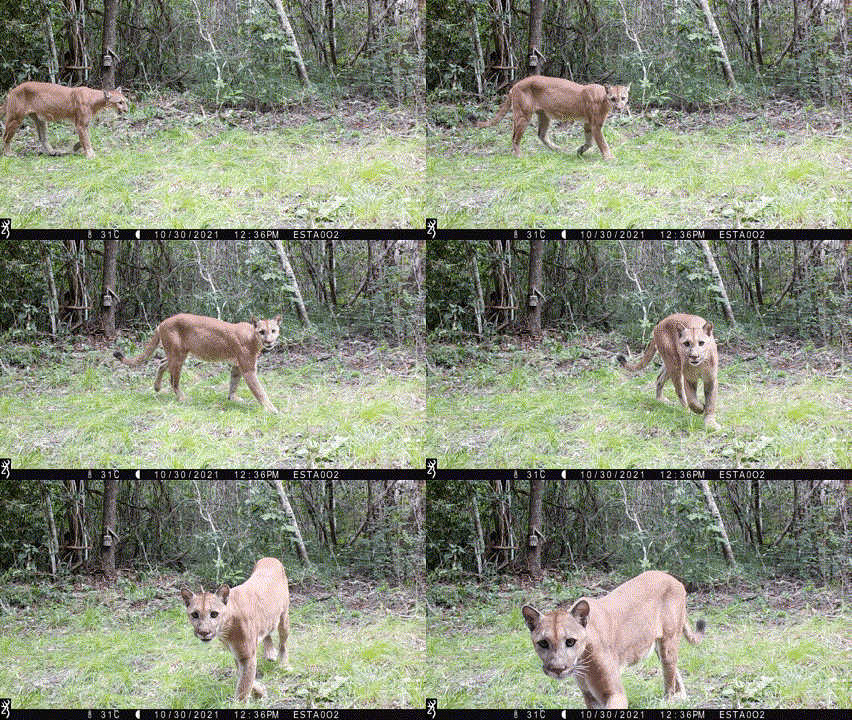
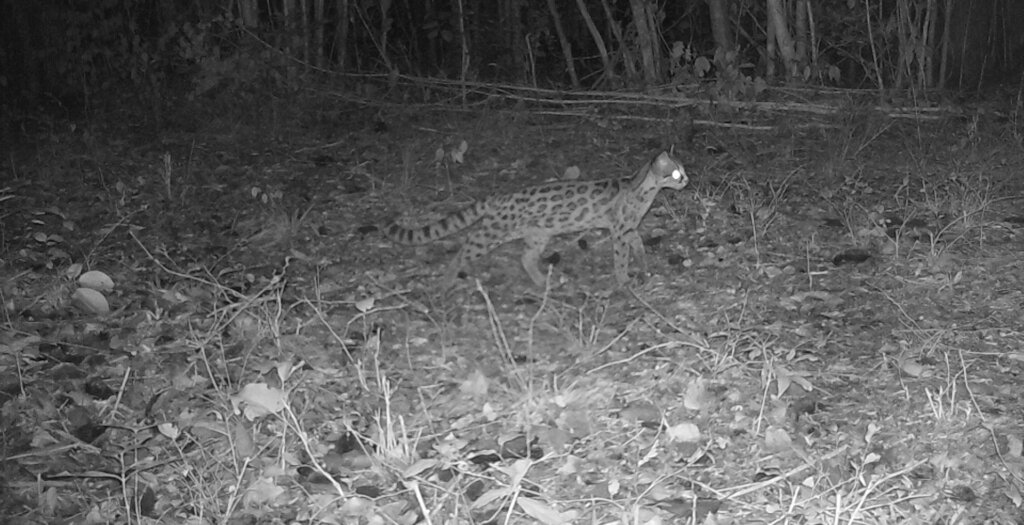
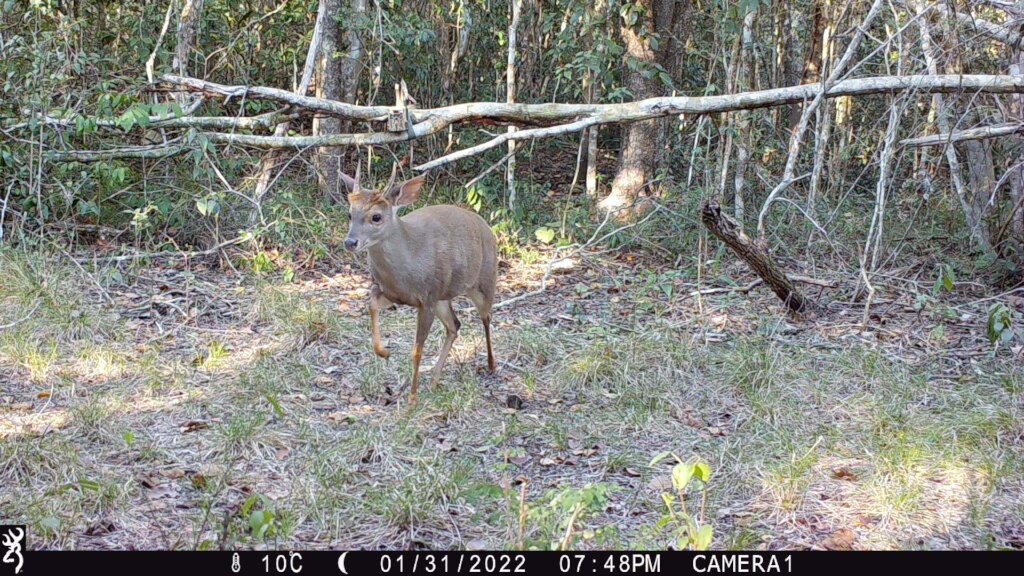
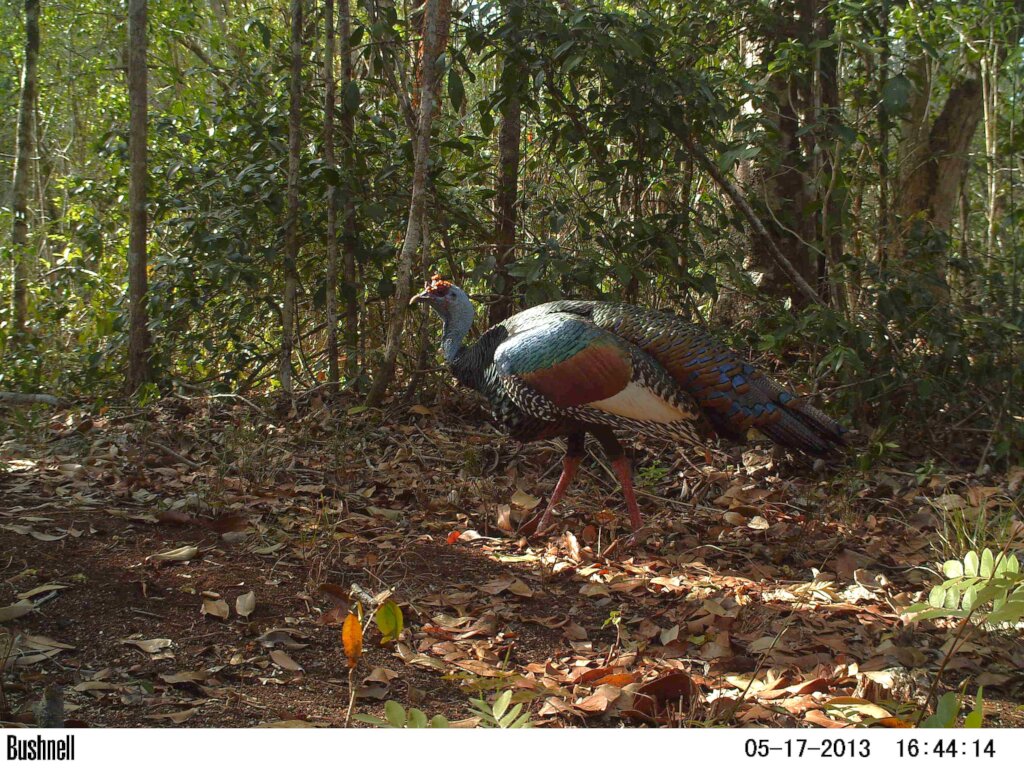
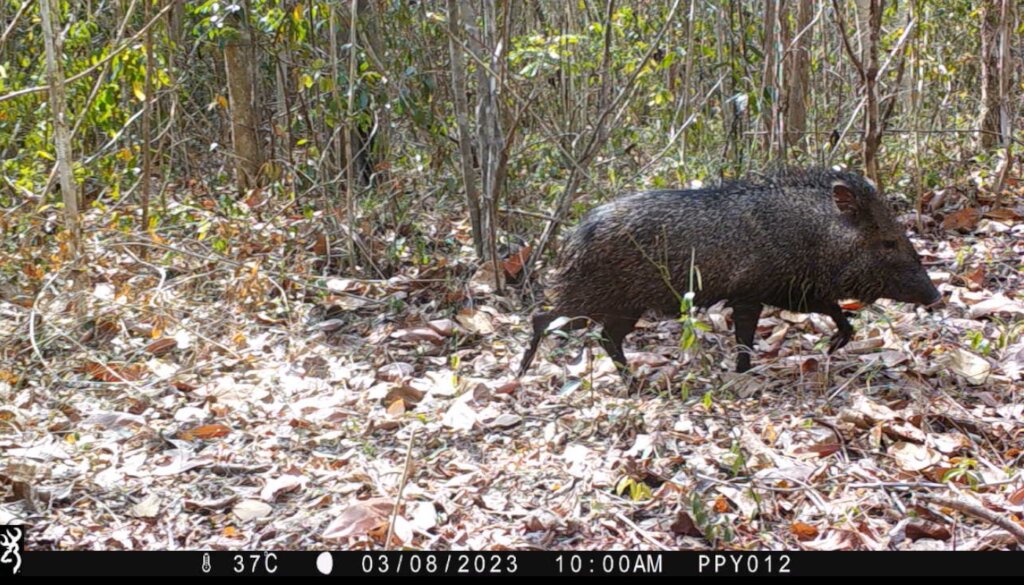
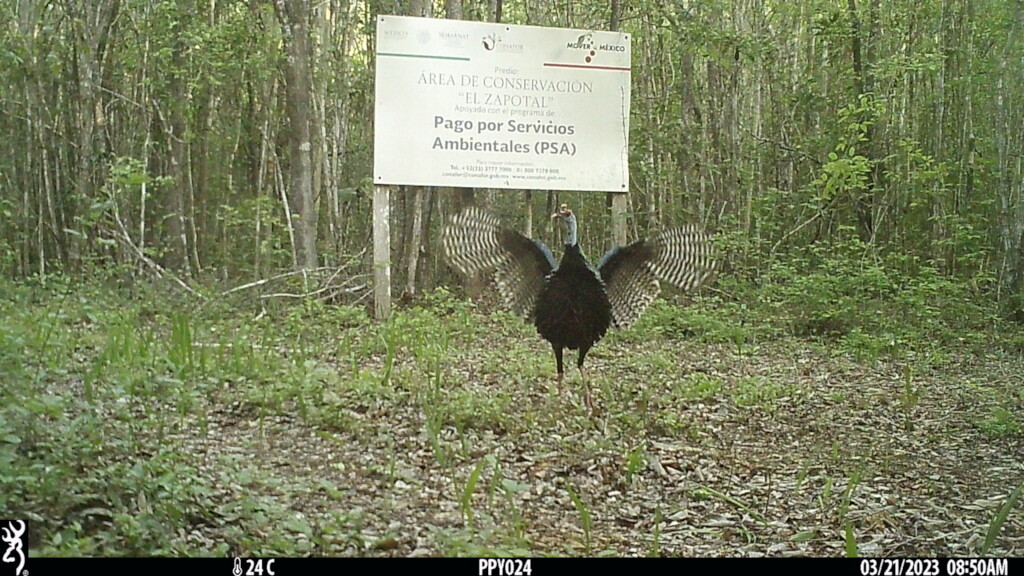
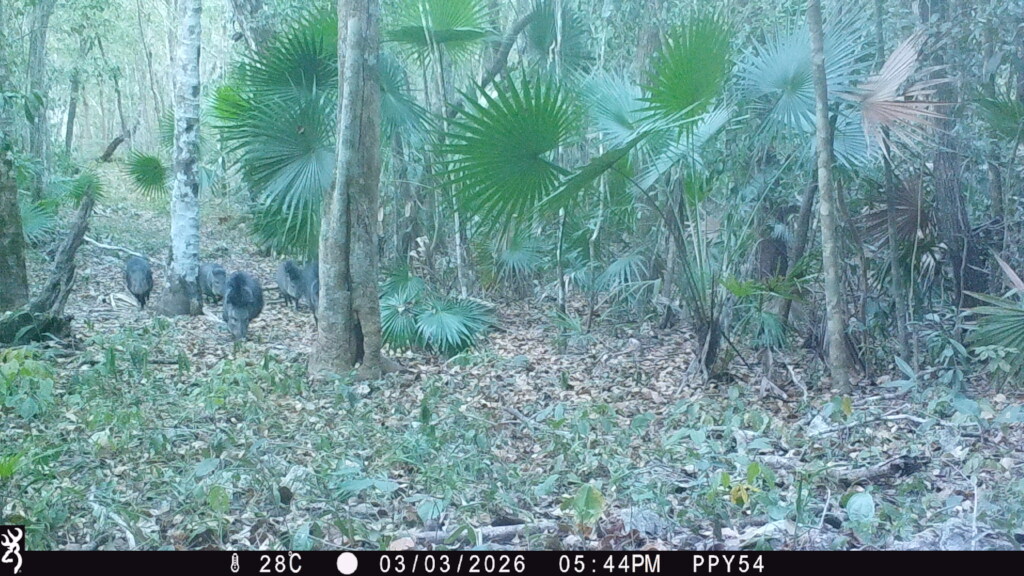
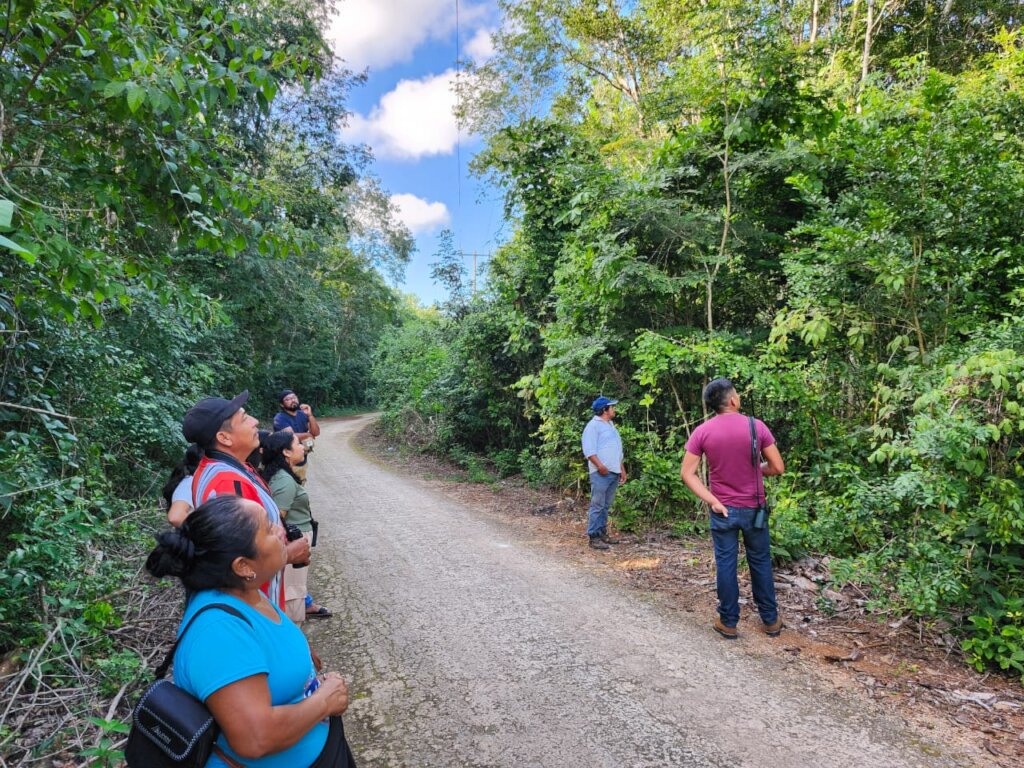
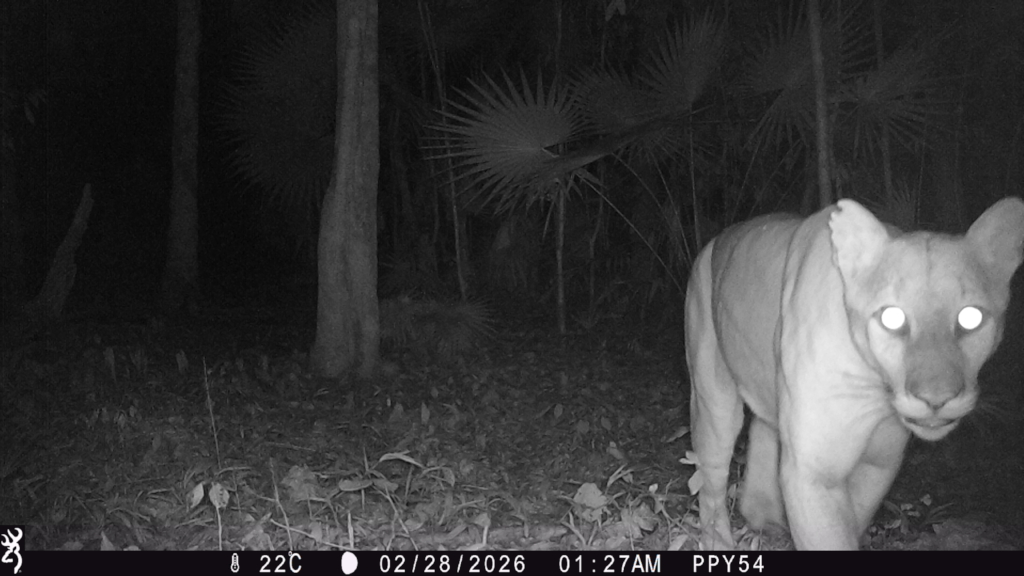
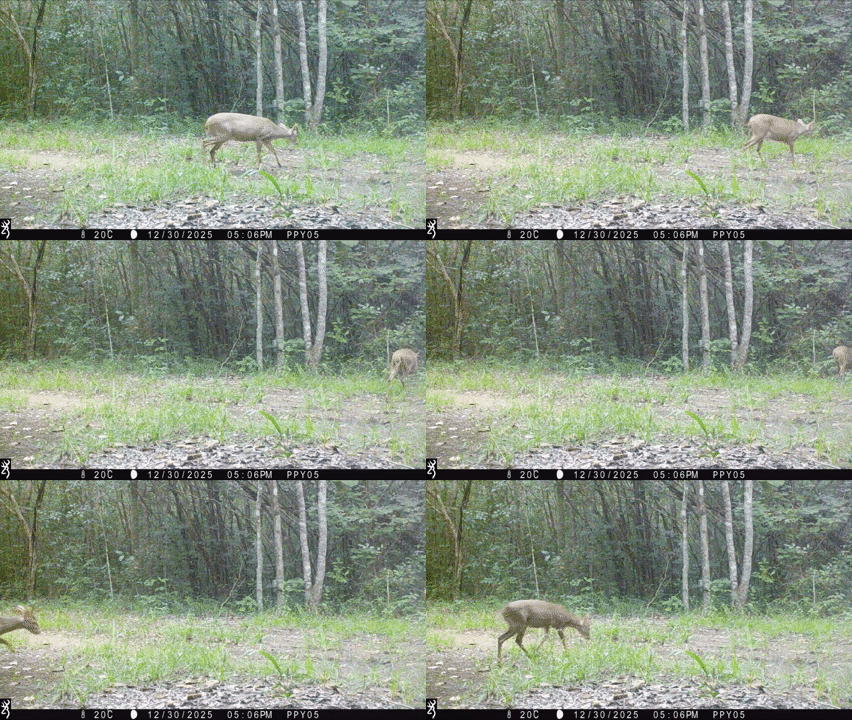
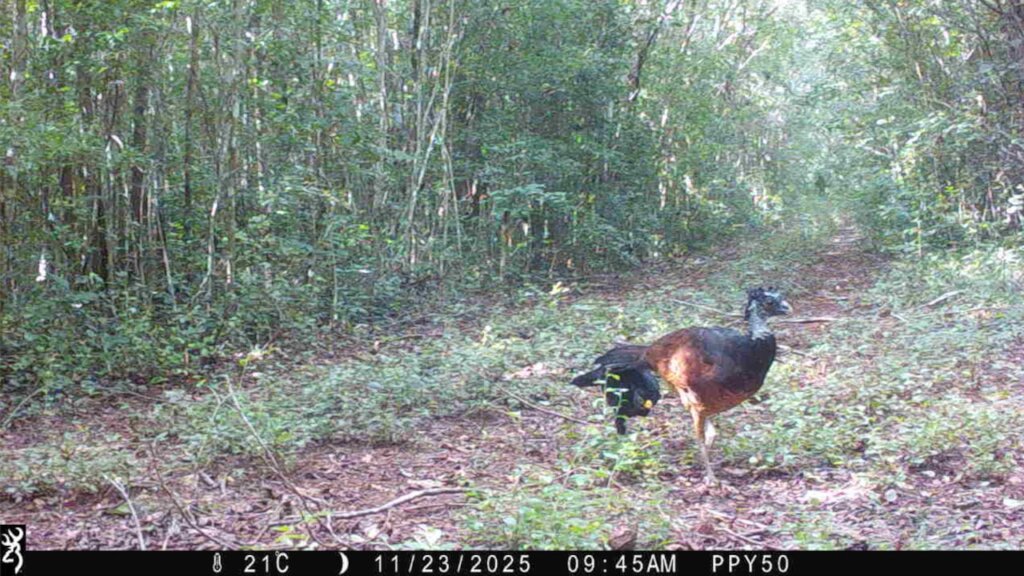
At the same time, biological monitoring continues as a cornerstone of our conservation work. Through systematic bird surveys, we continue to evaluate the health of forest habitat and monitor populations of resident and migratory species. Birds serve as excellent ecological indicators, allowing us to detect environmental changes and assess the efectiveness of our conservation actions over time. Simultaneously, our wildlife monitoring program with camera traps continues strategically distributed across the reserve. These sirveys not only documented jagurs but also recorded many other mammal species that depend on preserved tropical forests. Within this records we identify many species with cubs and younglings that serve as proof of a healthy ecosystem, enabling us to make science-based management decisions that improve conservation outcomes.
These achievements would not be possible without your generosity. Every contribution supports field monitoring, habitat management, wildfire prevention, and the protection of one of Mexico's most important jaguar landscapes. Together, we are ensuring that jaguars and the rich biodiversity of the Yucatán Peninsula continue to thrive for generations to come.
Thank you for standing with us and making this conservation success possible.
By Victor Castelazo Calva | Project Leader
By Victor Castelazo | Project Leader
Project reports on GlobalGiving are posted directly to globalgiving.org by Project Leaders as they are completed, generally every 3-4 months. To protect the integrity of these documents, GlobalGiving does not alter them; therefore you may find some language or formatting issues.
If you donate to this project or have donated to this project, you can receive an email when this project posts a report. You can also subscribe for reports without donating.



Support this important cause by creating a personalized fundraising page.
Start a Fundraiser