By Nicole Wexler | Director of Development
Hello Otter Supporters,
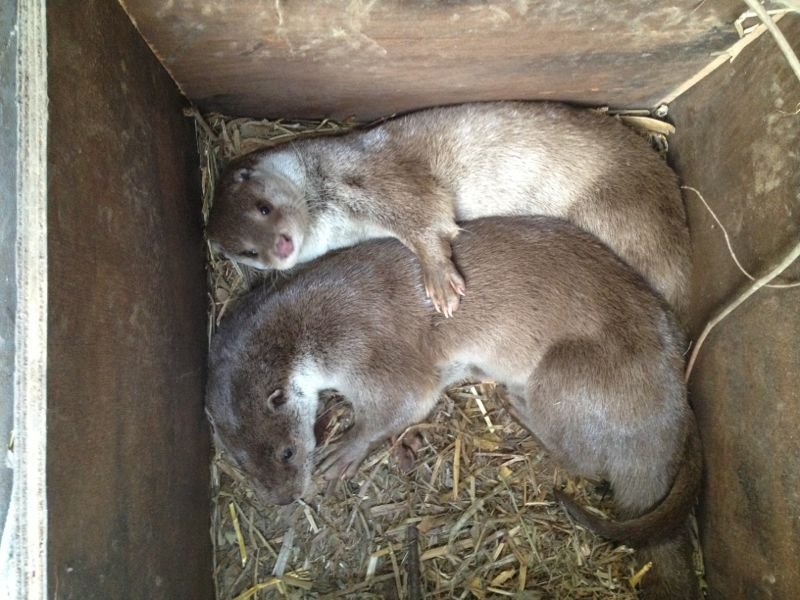
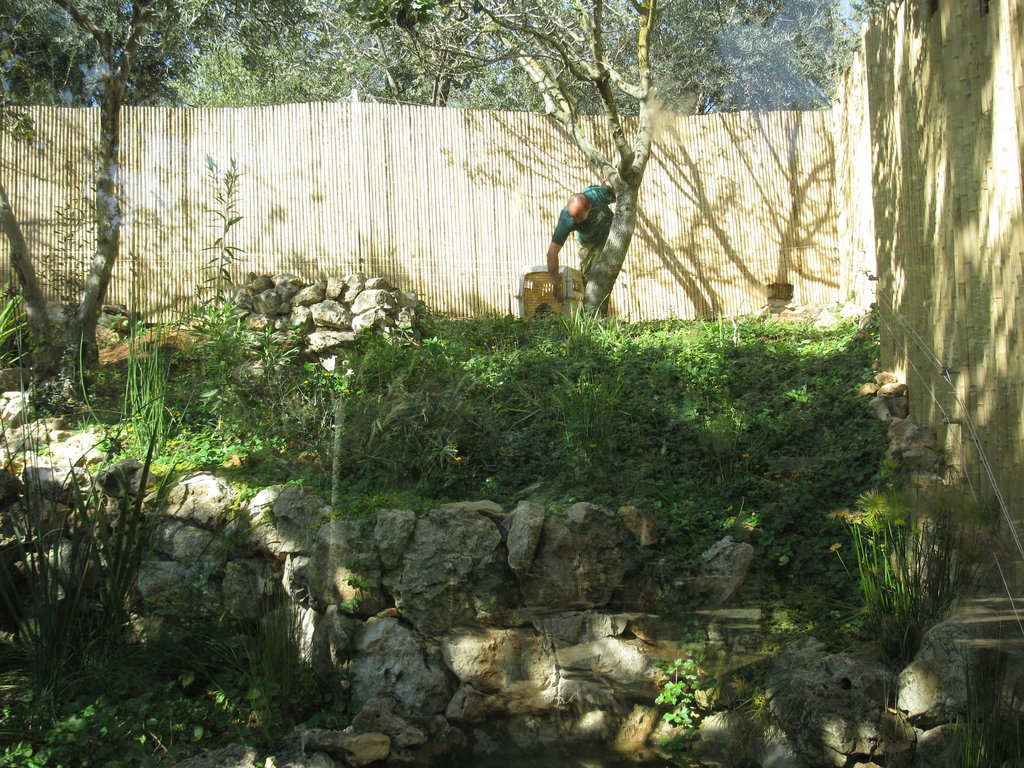
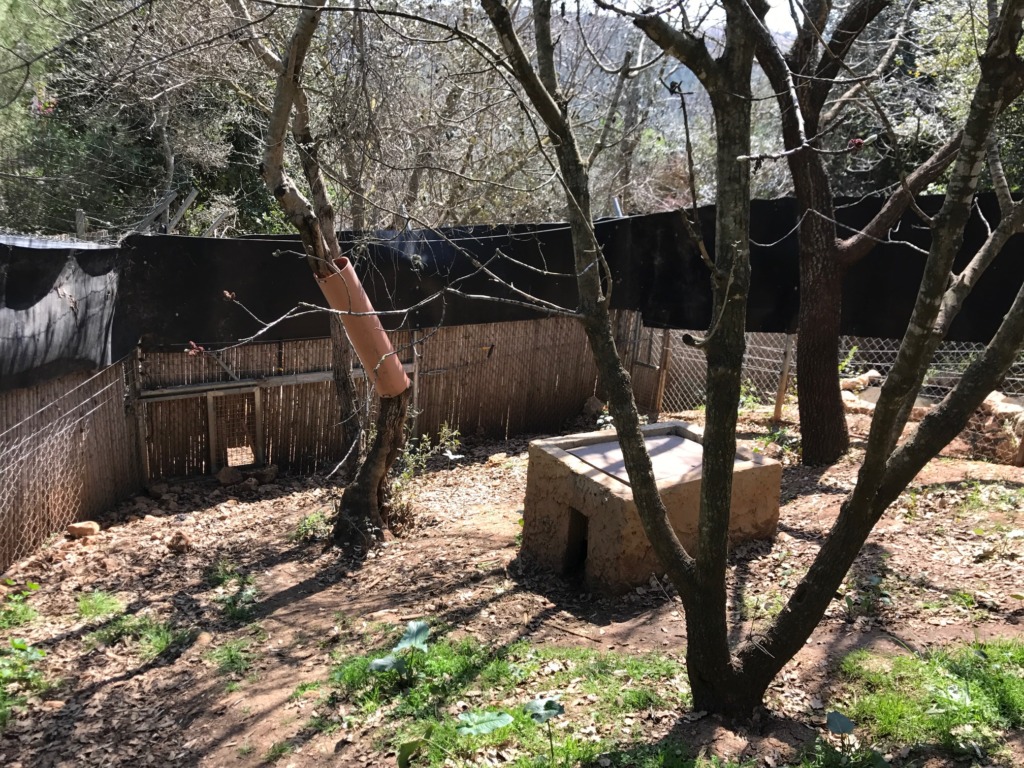
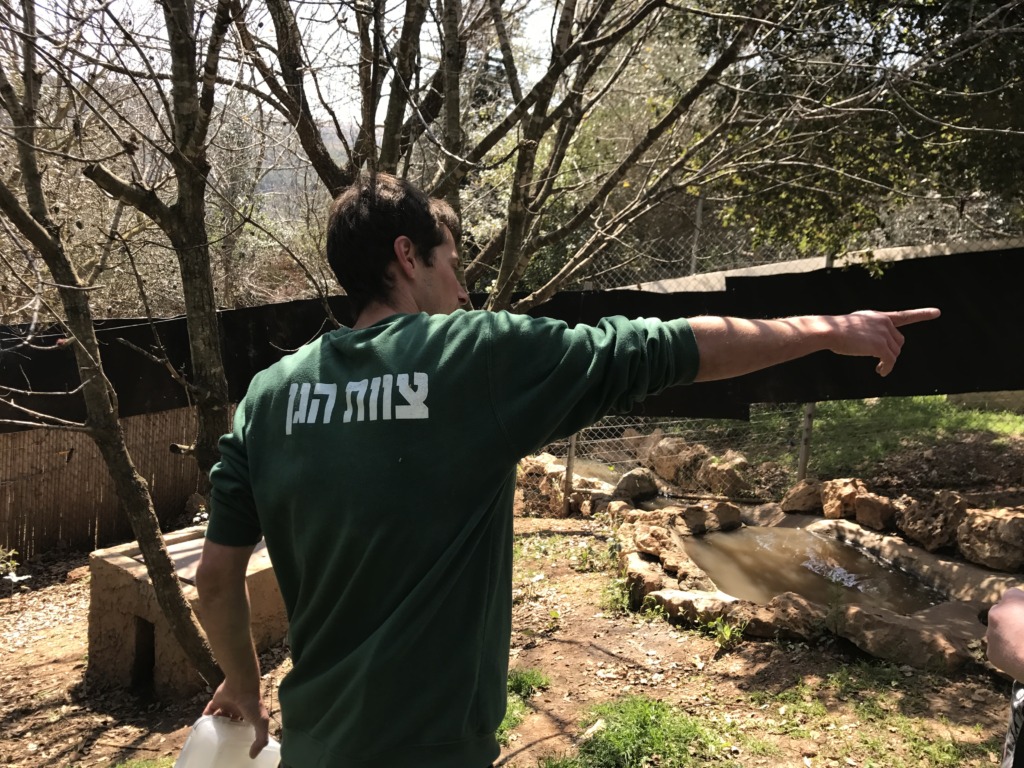
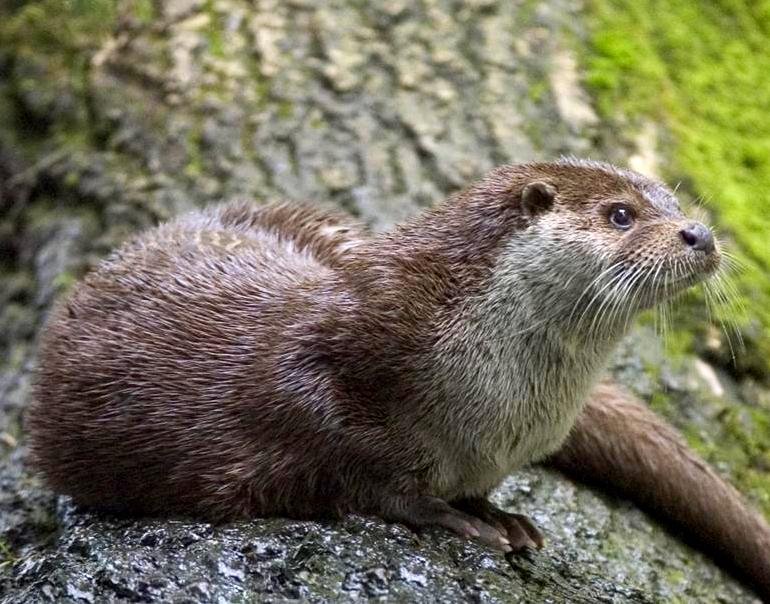
In this report, sadly, we have no good news. At the Zoo, our team has been monitoring our breeding core of otters and has not been able to report any breeding activity.
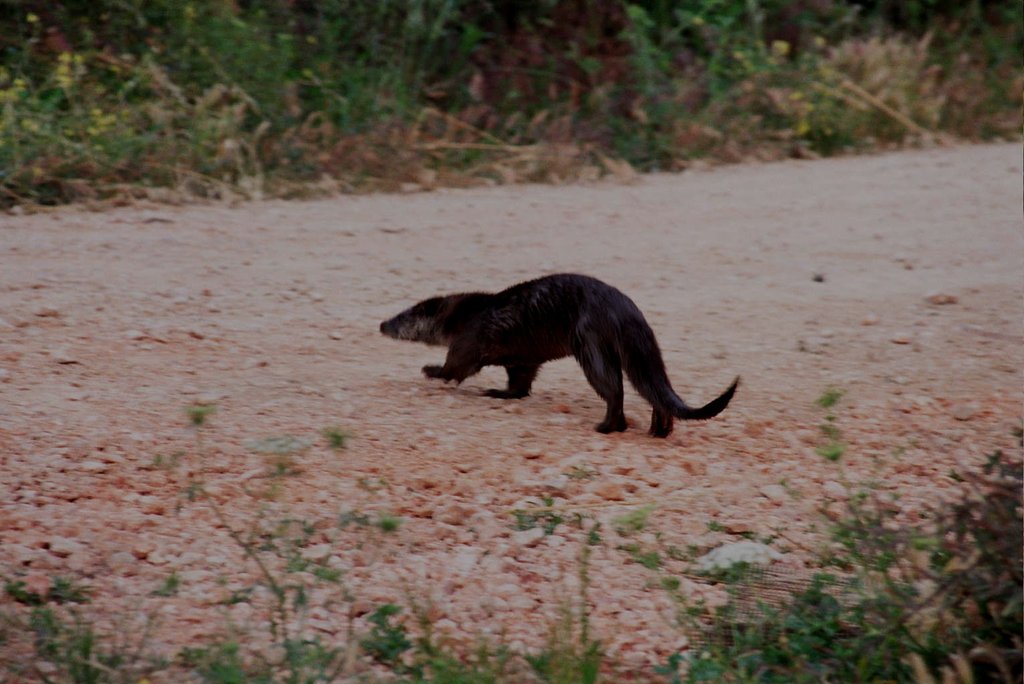
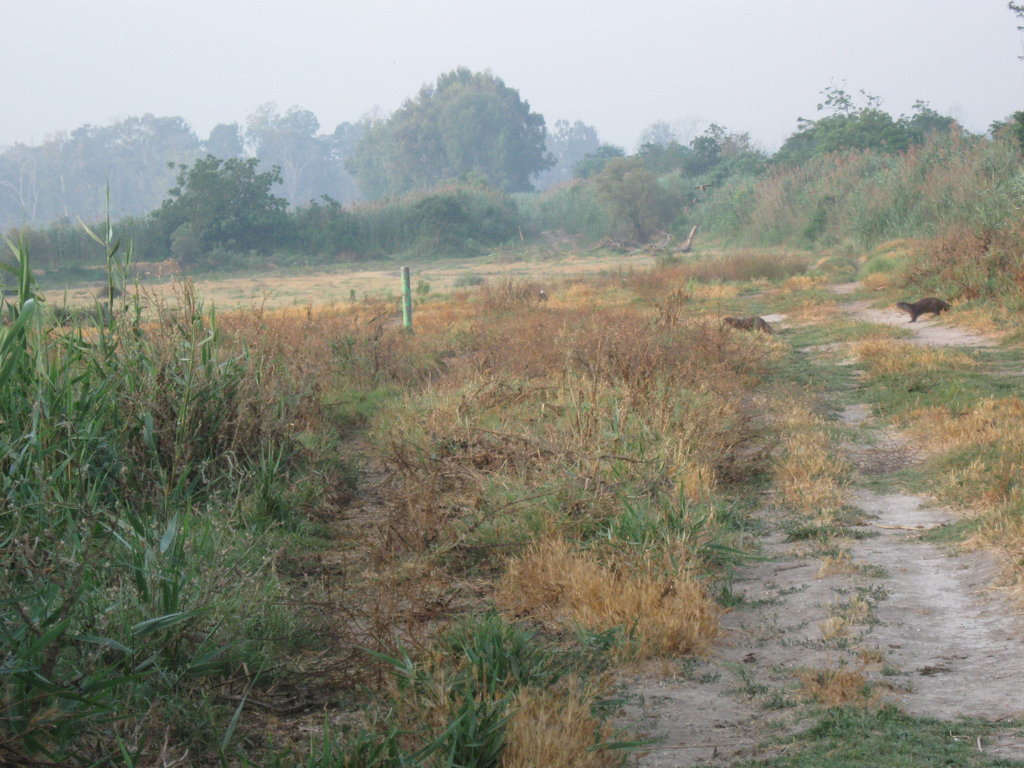
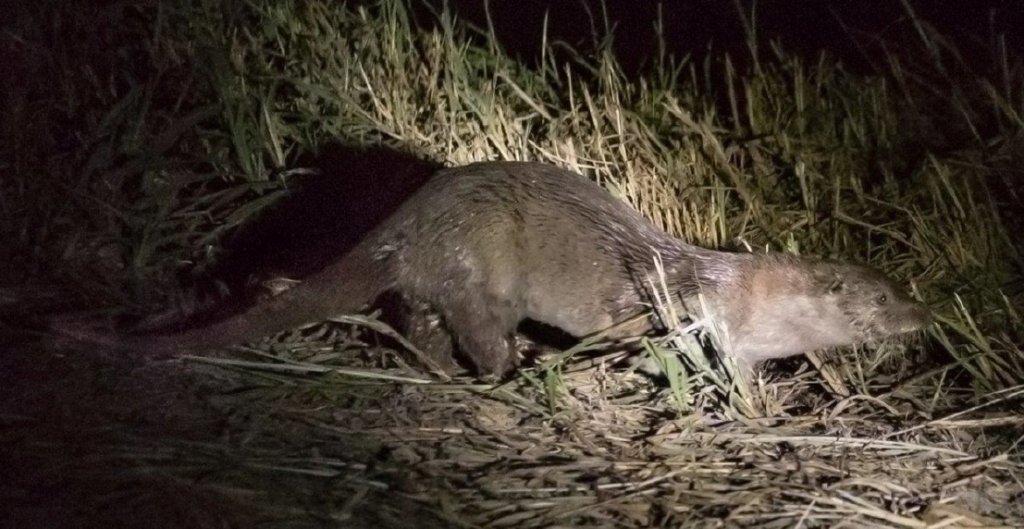
In addition, we have received the Israel Nature and Parks Authority’s annual survey of Eurasian otters in the wild in Israel. During the survey conducted in 2016, results show a decrease in the presence of otters in all distribution areas today, both relative to the previous year and relative to the average for the entire survey years 2000-2015. It should be noted that this year was particularly dry in terms of precipitation, which could have an adverse effect on the water sources. Moreover, some of the sites were completely dry.
The results of this year's survey, compared to last year, indicate a decrease in each area of distribution. The Hula Valley continues to maintain a stable and permanent habitat for this species, whose centers are located in the Jordan Valley, the Hula Nature Reserve and the Hula Valley, the Jordan River, and the streams that spill into the north of the Sea of Galilee. There is a decline in occupancy in the western part of the Sea of Galilee, but since the Kinneret maintains its stability in terms of the quality of the habitat (water cleanliness and fishing), this may be due to the difficulty of finding sites in this area. The area of Beit She'an Valley and the Harod Valley, where there was a permanent population in the past, has not been populated for the past five years, and likewise the reservoirs of the northern Golan Heights, which have disappeared from the last two years of activity. It is not possible to know when and whether the temporary populations in the Jezreel Valley, the Zevulun Valley, and the southern Golan Heights, which have shown a pattern of local extinctions and populated areas once every few years, will naturally return to normalization. The results of the population model confirm the results of the surveys: survival of the Israeli population is at increased risk as year go by. In the past 16 years, when populated sites have been declining, the chances of extinction of habitats are increasing and there is almost no re-occupancy in previously populated habitats. The combination of connectivity and home quality is critical to the survival of species. It is evident that birds survive in the country thanks to the well-preserved wetlands and habitats: Hahula, Tel Dan, Snir, Banias (Lower). However, the Hula Valley is currently threatened because the reserves alone are insufficient to maintain a standing population. The link between wet habitats is the most limiting factor for the resettlement of extinct species by migrating otters to them, so it is important to promote the restoration of the ecological corridors that lead between the habitats, the main corridor being the southern Jordan River, which links the northern populations (the Hula and the Sea of Galilee) to the southern population of the She'an and Harod valleys, westward to Kishon and Naaman, and the Degania dam, which creates a significant barrier between the Sea of Galilee and the Jordan River. Rehabilitating water bodies, such as abandoned fish ponds, and turning them into habitats should be considered. Restoration of habitats along the corridor may be "stepping stones" to help spread the ridges of areas that have disappeared. Reducing overrides and preventing ecological traps: recent years' results indicate that dry leaves under bridges are soon used by otters and other wild animals, thereby significantly reducing the risk of road deaths.
We hope to be able to report positive news in our next report. We will not give up.
Yours in hope,
Team Otter at the Jerusalem Zoo
By Nicole Wexler | Director of Development
By Nicole Wexler | Director of Development
Project reports on GlobalGiving are posted directly to globalgiving.org by Project Leaders as they are completed, generally every 3-4 months. To protect the integrity of these documents, GlobalGiving does not alter them; therefore you may find some language or formatting issues.
If you donate to this project or have donated to this project, you can receive an email when this project posts a report. You can also subscribe for reports without donating.