By Godfred Ahlijah | project lead
This past quarter, we successfully implemented a comprehensive vacation program and school resumption initiative, designed to engage and educate students during their break and transition back to academic life. Our initiative provided a structured learning environment, fostering both academic and personal growth among participants.
Program Overview
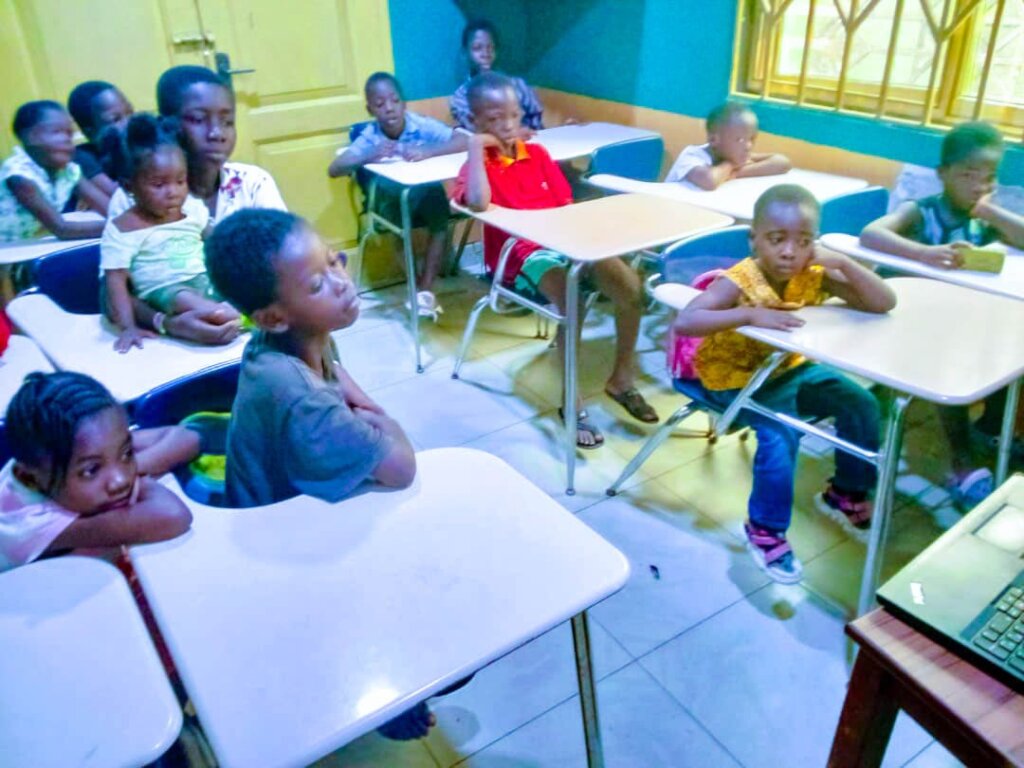
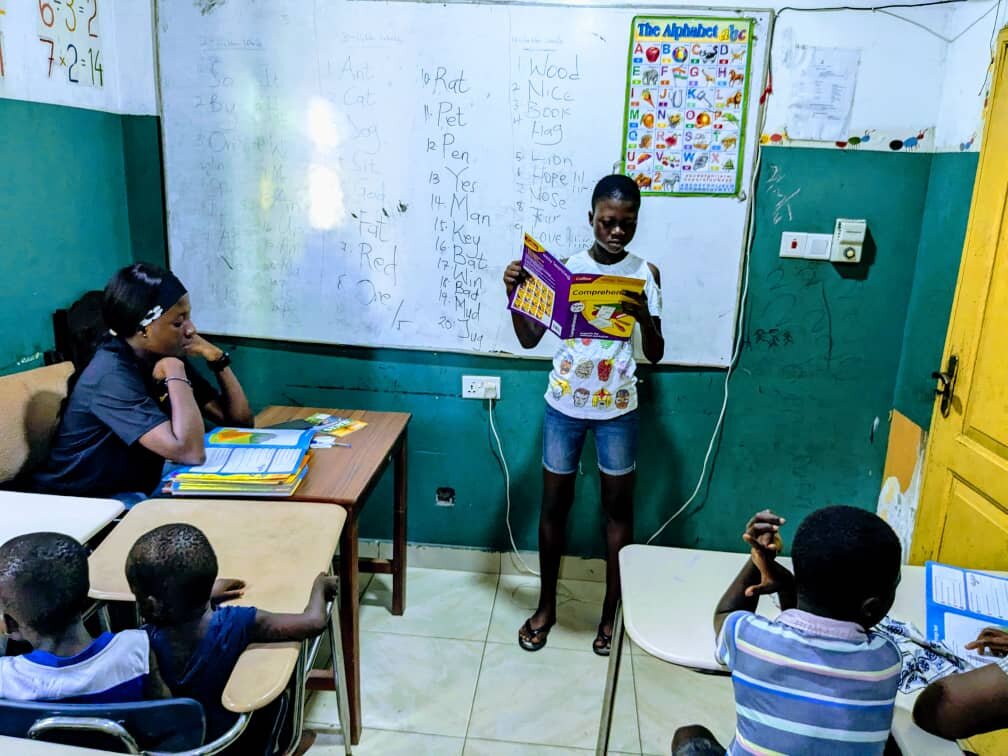
The vacation and school resumption programs catered to the diverse needs and interests of our students, focusing on imparting valuable knowledge and skills. Seventeen children (8 boys and 9 girls) actively participated in the program. The curriculum was carefully crafted to ensure an engaging and interactive learning experience, addressing school resumption challenges and preparing students for the upcoming academic session.
Key Program Components
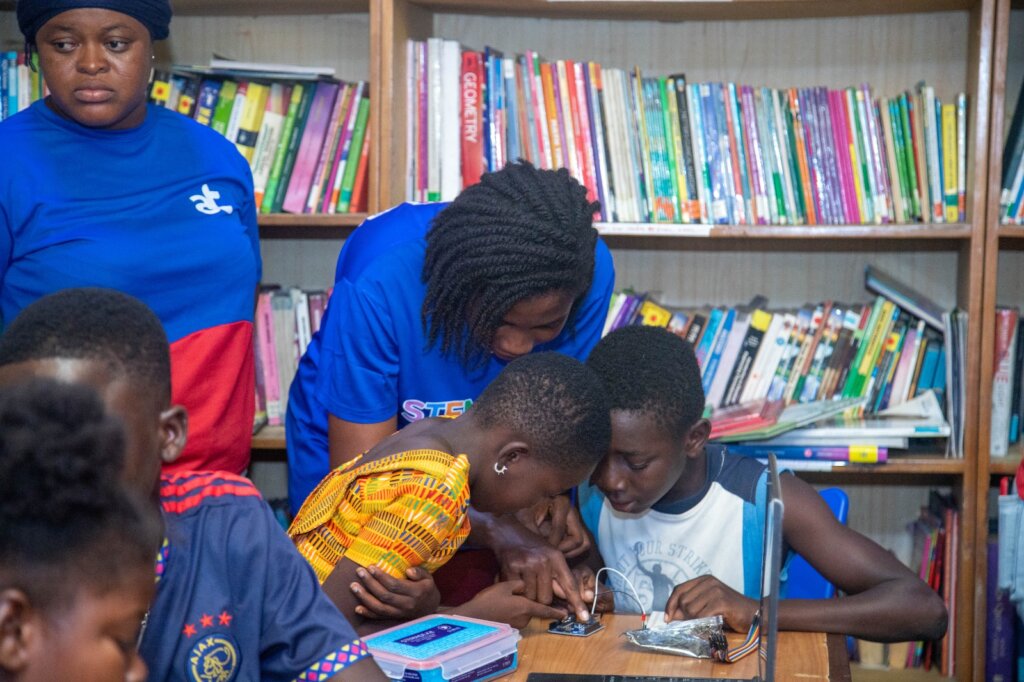
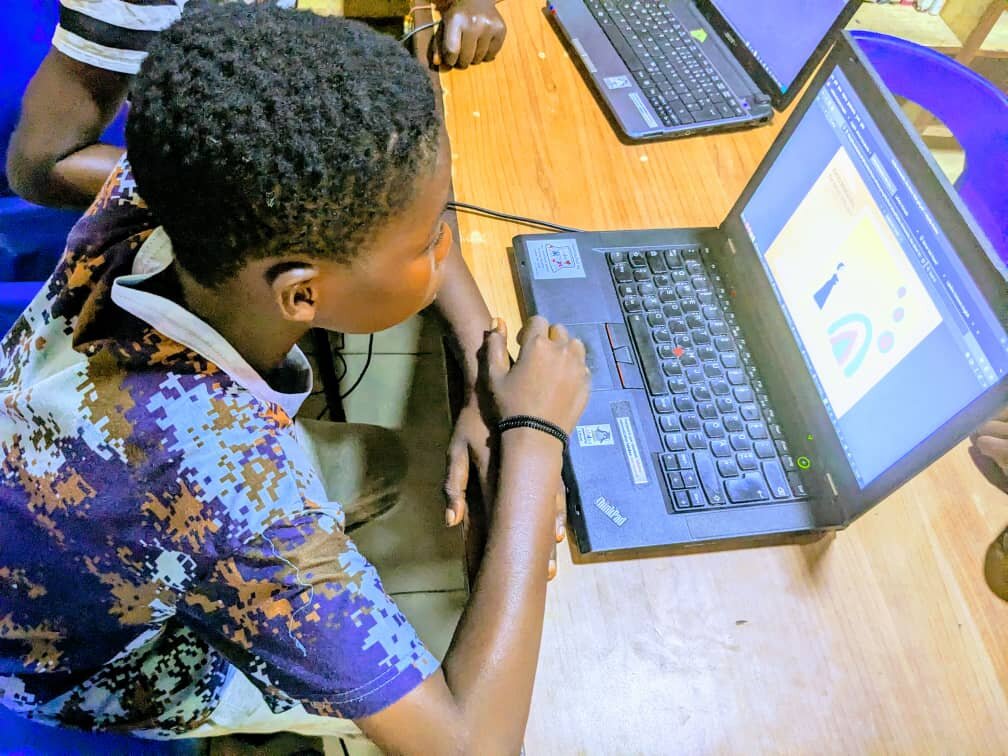
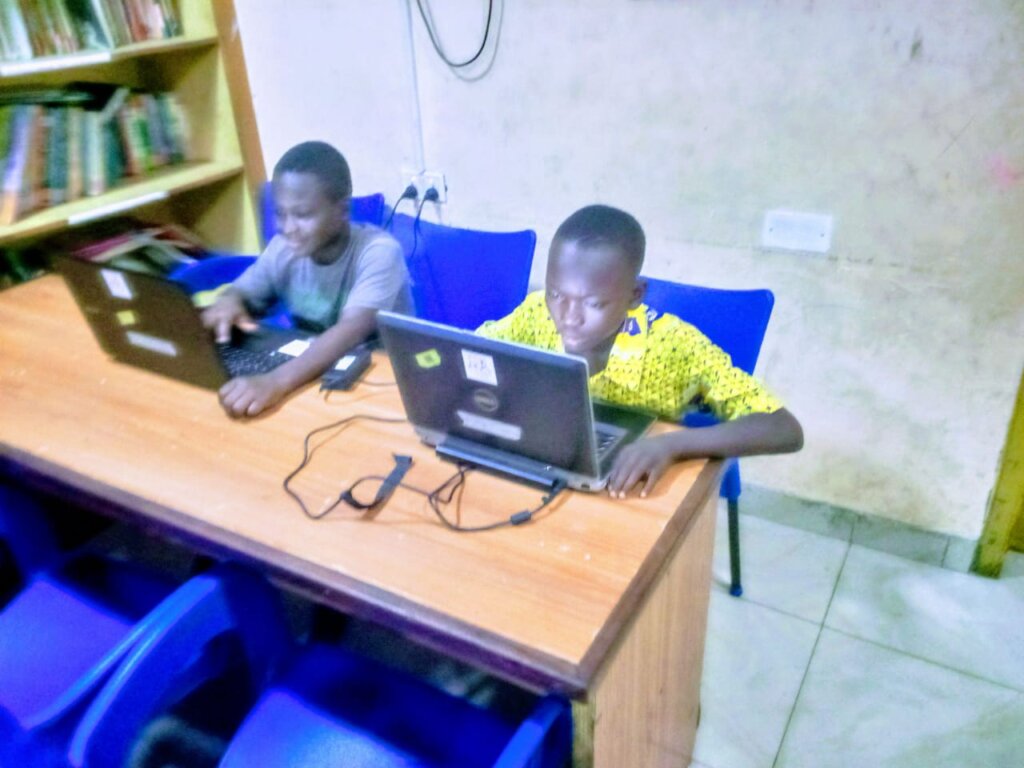
1. IT Lessons: Utilizing Labdoo laptops, students developed computer skills and explored technology, enhancing technical abilities and creative expression.
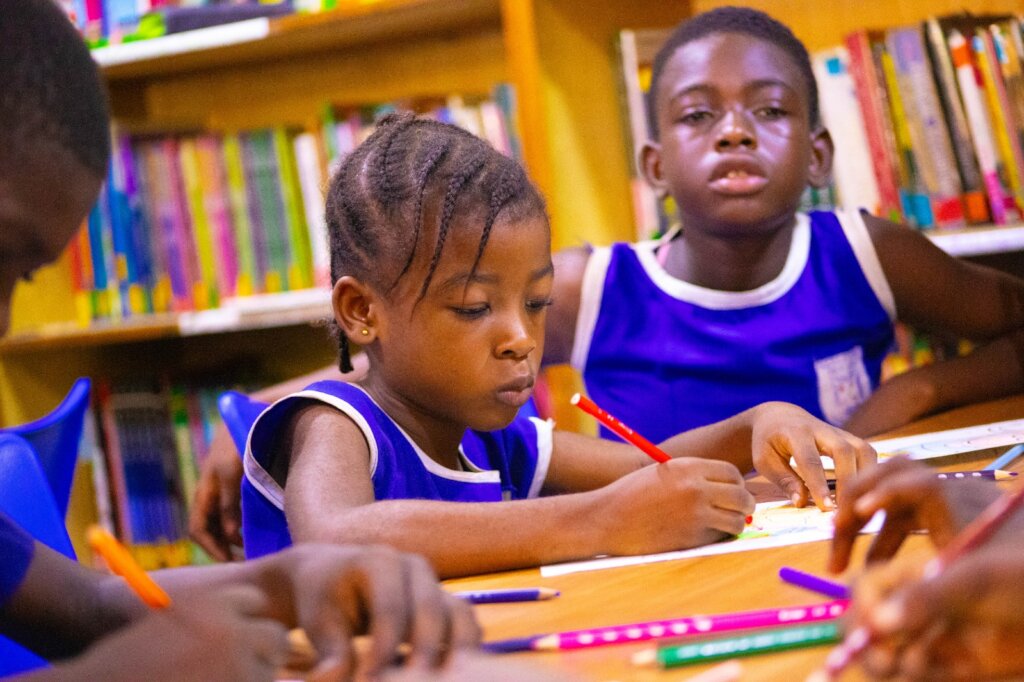
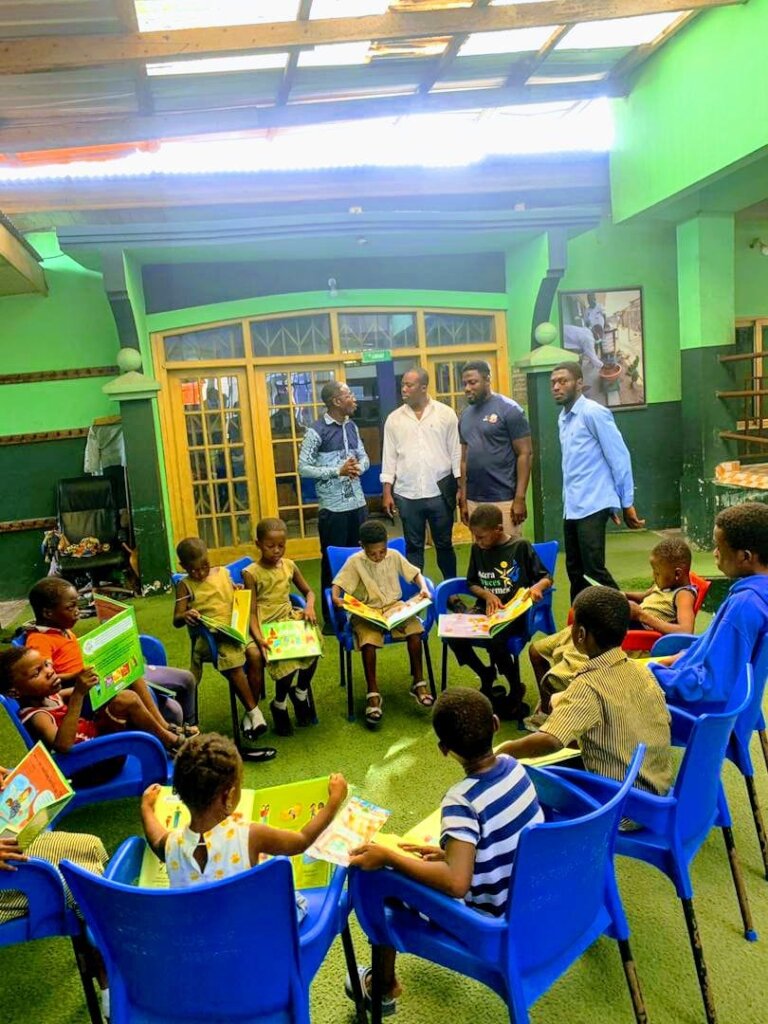
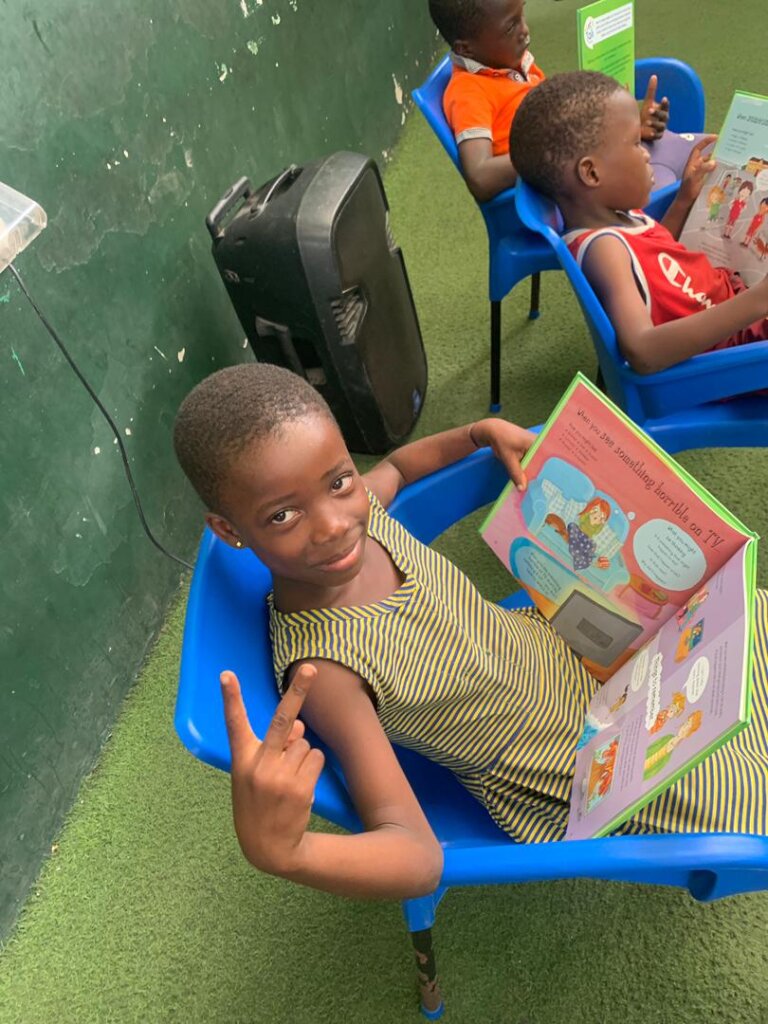
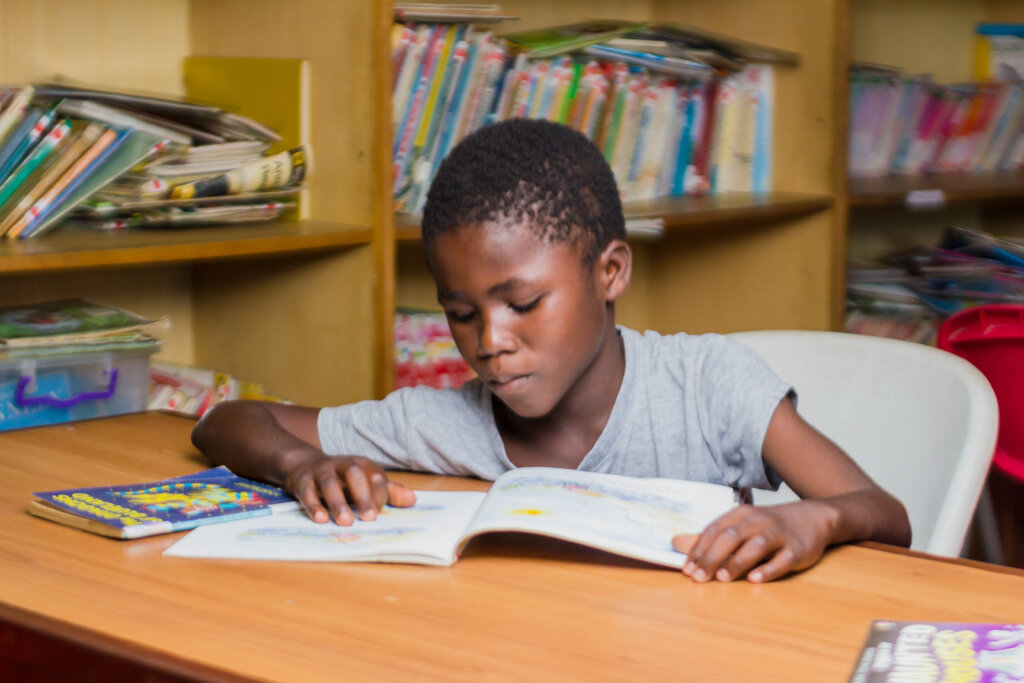
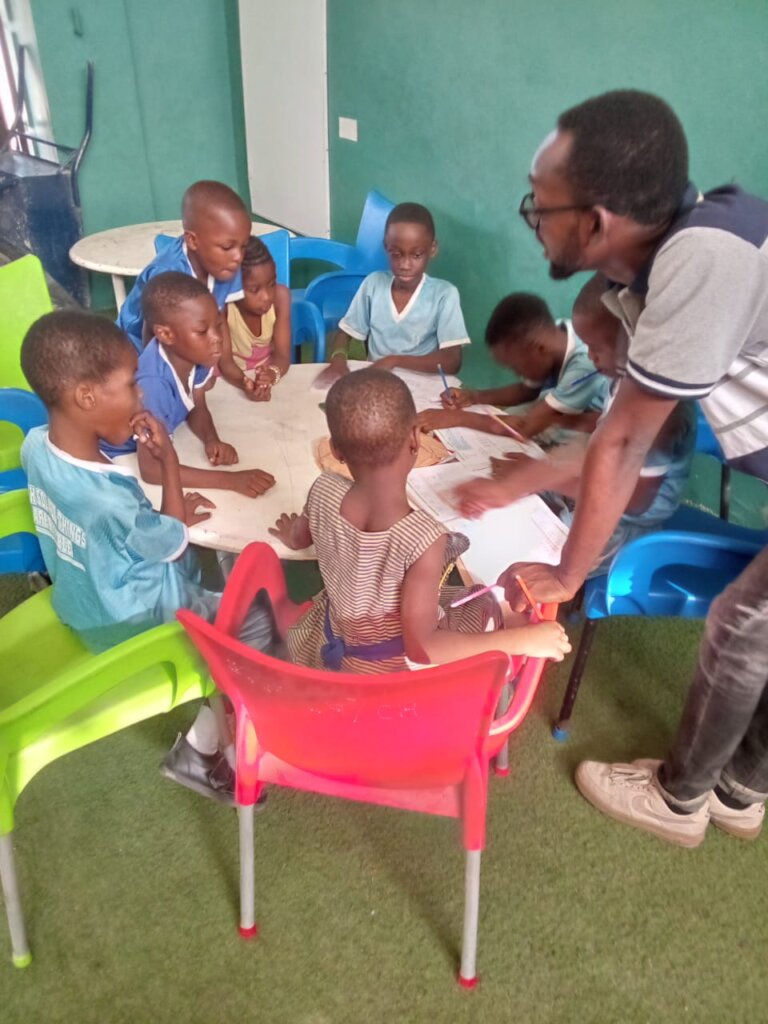
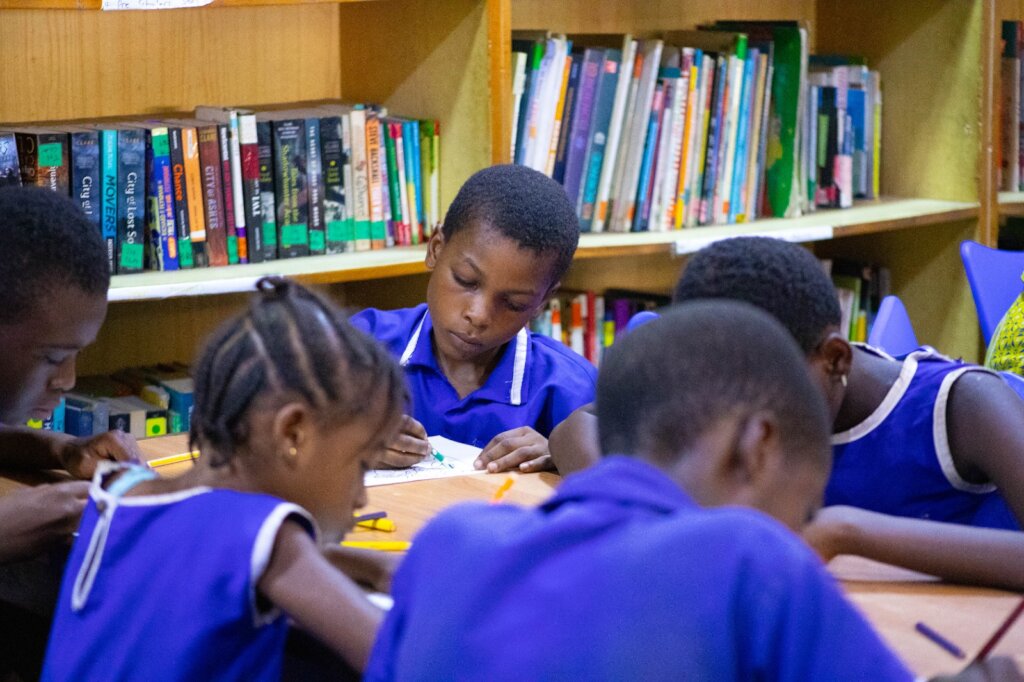
2. Reading Lessons: Our reading program emphasized African-themed books, broadening literary horizons and instilling cultural pride and identity.
3. SCEF Reads: This initiative improved reading and speaking skills through text engagement and discussions, developing critical thinking and communication skills.
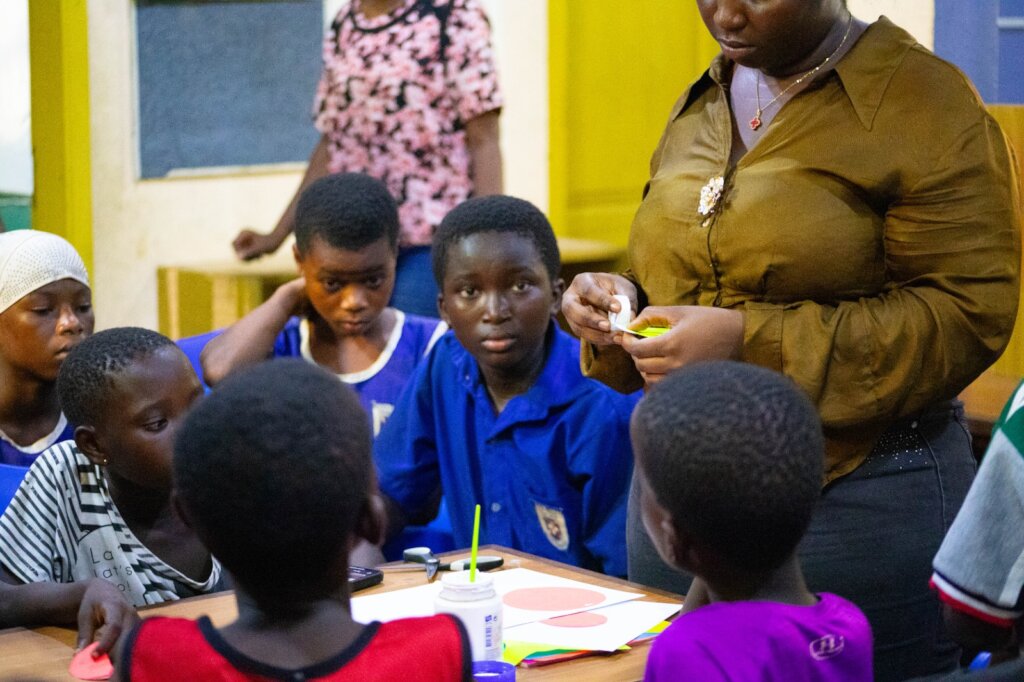
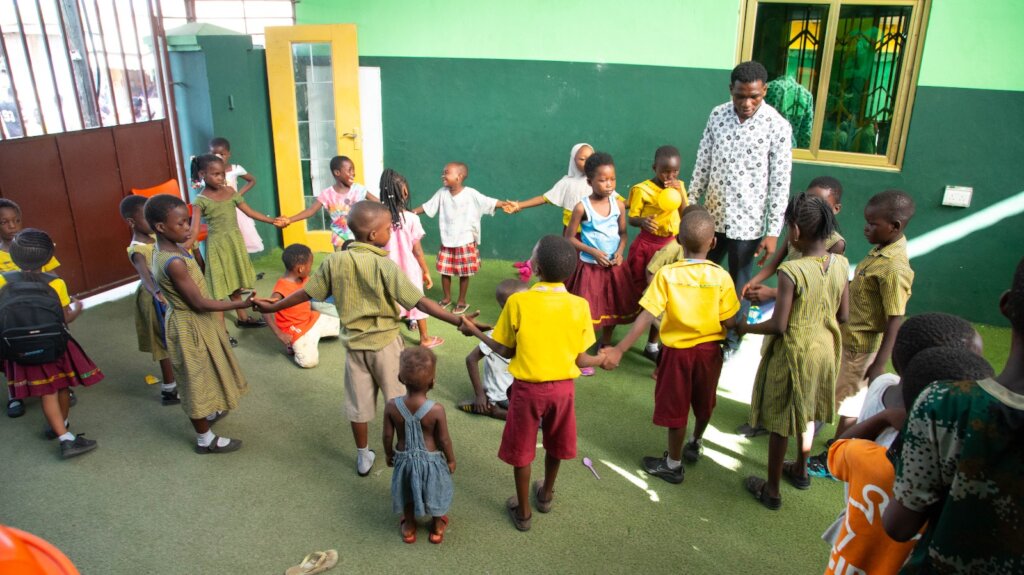
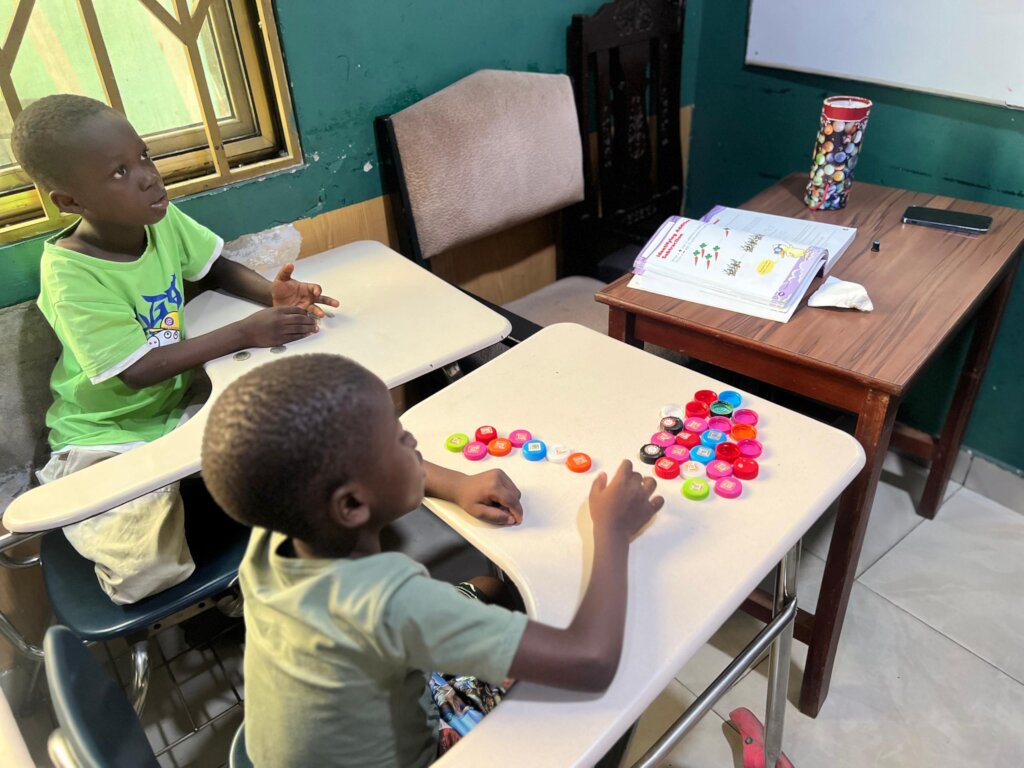
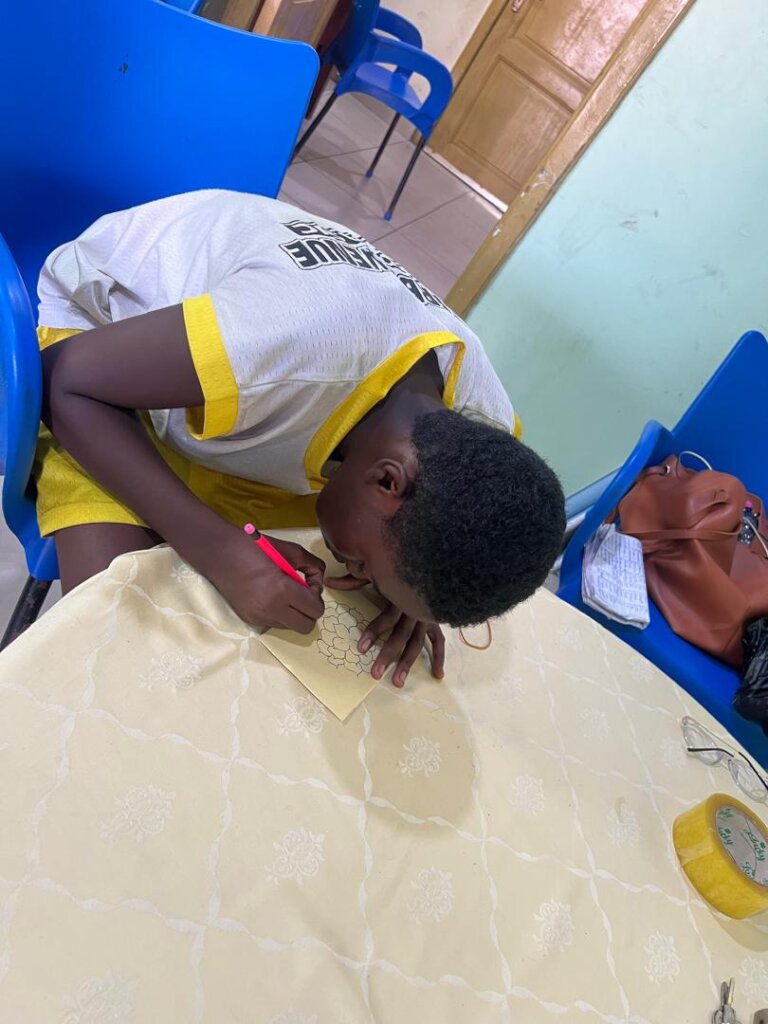
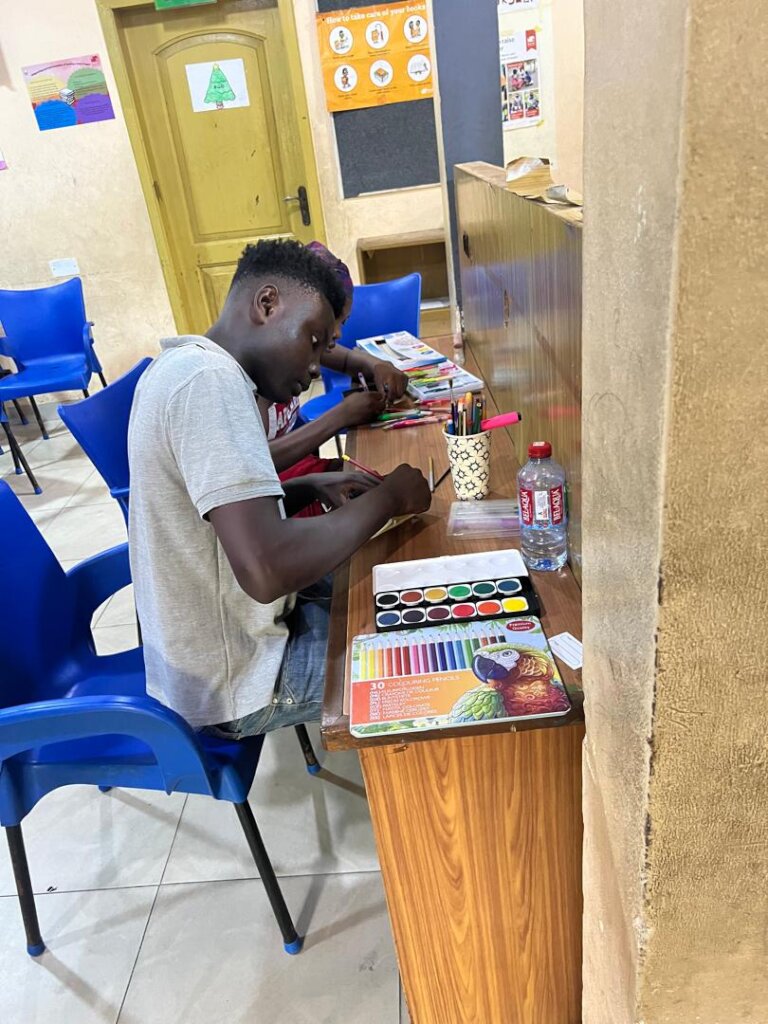
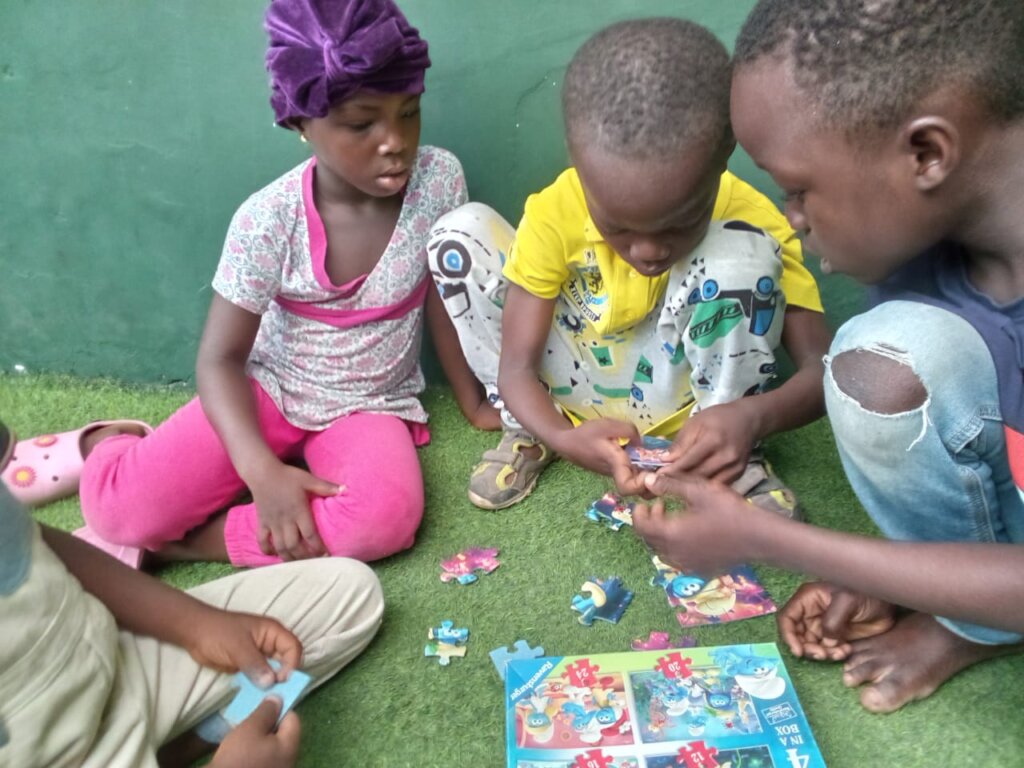
4. Sporks Activities: Participants engaged in creative, teamwork-oriented activities, promoting problem-solving and collaboration.
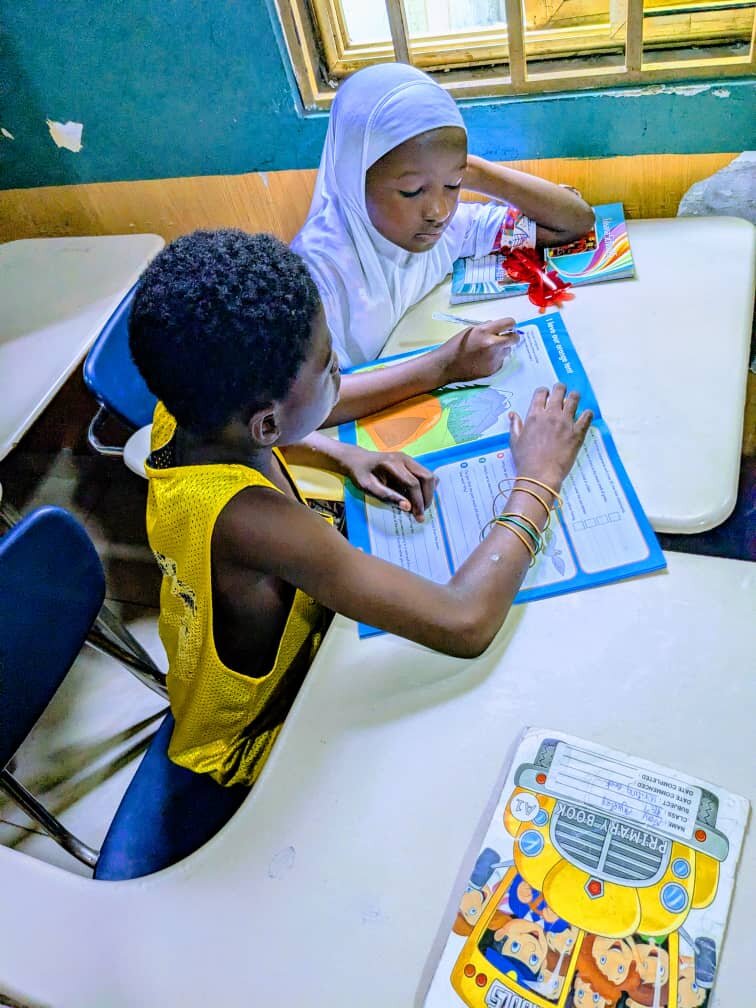
5. School Resumption Support: Additional support helped students transition back to academic life, including goal-setting, time management, and study skills development.
Program Impact
The program had a profound impact on students, with 10 consistent participants demonstrating significant improvements in reading and IT skills. The success can be attributed to the dedication and enthusiasm of both students and staff.
Conclusion
Our vacation and school resumption programs were a resounding success, providing a valuable learning experience. By equipping students with essential skills and knowledge, we're confident they'll excel academically and beyond. We'll build on this momentum, continuing to support young learners' growth and development.
By Solomon Abbey | Child Rights Advocate
By Solomon Abbey | Child Rights Advocate
Project reports on GlobalGiving are posted directly to globalgiving.org by Project Leaders as they are completed, generally every 3-4 months. To protect the integrity of these documents, GlobalGiving does not alter them; therefore you may find some language or formatting issues.
If you donate to this project or have donated to this project, you can receive an email when this project posts a report. You can also subscribe for reports without donating.



Support this important cause by creating a personalized fundraising page.
Start a Fundraiser