By Cheyenne Samson | Project lead
Hello turtle friends,
It’s been a while since our last update, but that’s because we’ve been very busy behind the scenes!
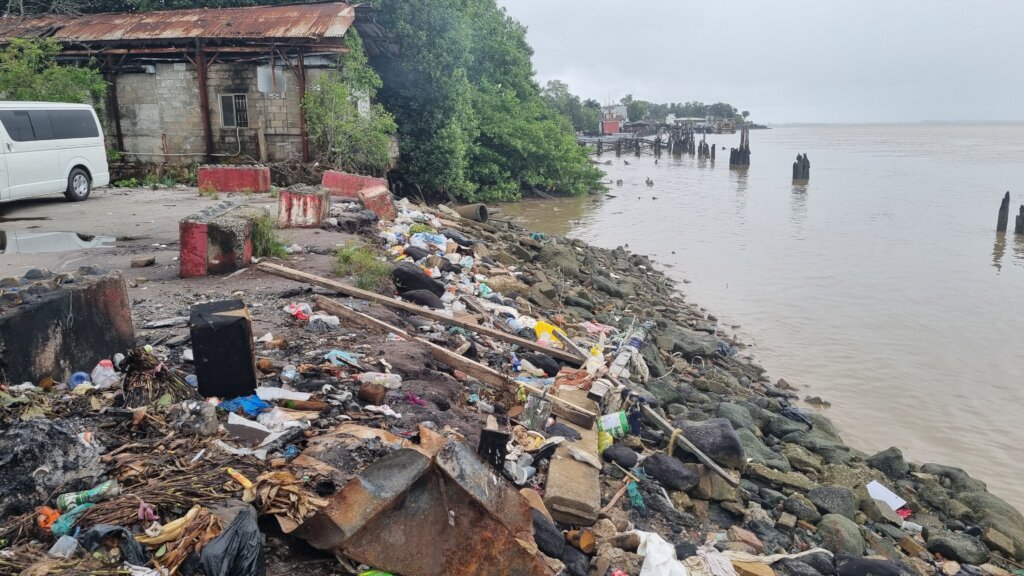
We are still hard at work on our plastic prevention project and are getting close to the implementation phase. This includes placing waste bins at key locations within our pilot sites, providing awareness about proper waste management, and educating communities about the impact of plastic pollution on the environment and animals such as our beloved sea turtles. Unfortunately, during this period, more than half of our team came down with chikungunya, a mosquito-borne illness that causes severe joint pain that can last anywhere from three months to up to a year. Thankfully, everyone has now recovered, although some are still experiencing lingering joint pain.
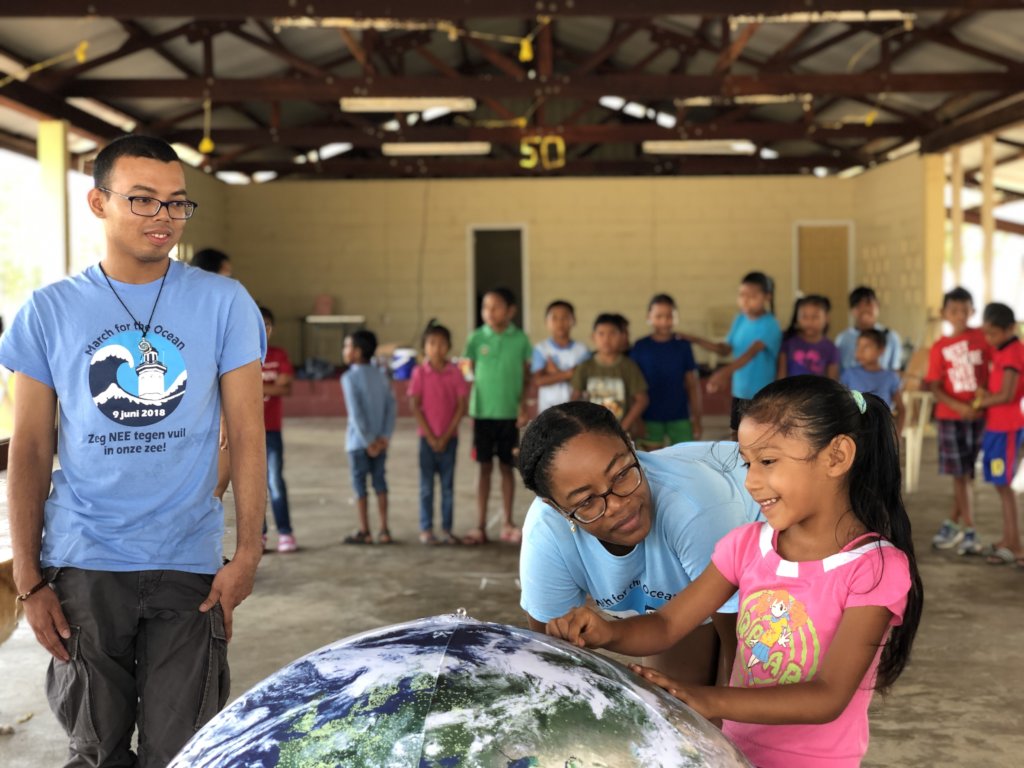
At the same time, we have already started planning for World Ocean Day in June. We have some exciting ideas in mind, and because of that, the preparations need to start early. One of our plans is to organize a movie day for more than 50 students, where they will watch a film about the ocean, followed by a panel discussion. Around the same time, we are also planning a recycling fair, where organizations and companies working in recycling will have the opportunity to showcase their work. We will also host mini-workshops to teach people about recycling, how to do it properly, and why it matters.
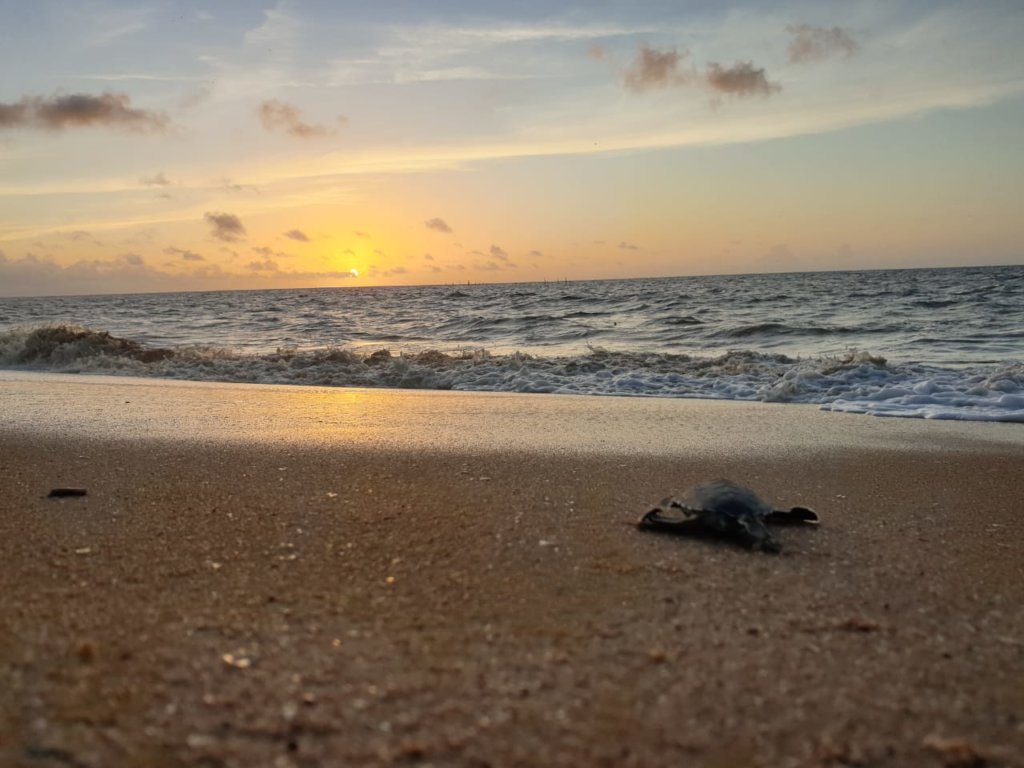
You may be wondering what all of this has to do with sea turtles and creating sea turtle heroes. The connection is, unfortunately, very clear. Research suggests that 52% of the world’s sea turtles have eaten plastic waste, and for 22% of turtles, ingesting plastic can be a death sentence. Even when turtles survive, consuming plastic can make them unnaturally buoyant, which can stunt their growth and slow their reproduction rates.
If we want to protect these amazing animals, we all have a role to play in reducing plastic pollution by recycling more and using less single-use plastic. As an organization, we are also working toward policy solutions, including Extended Producer Responsibility (EPR) schemes that place greater responsibility for plastic waste on the companies that produce or import these materials.
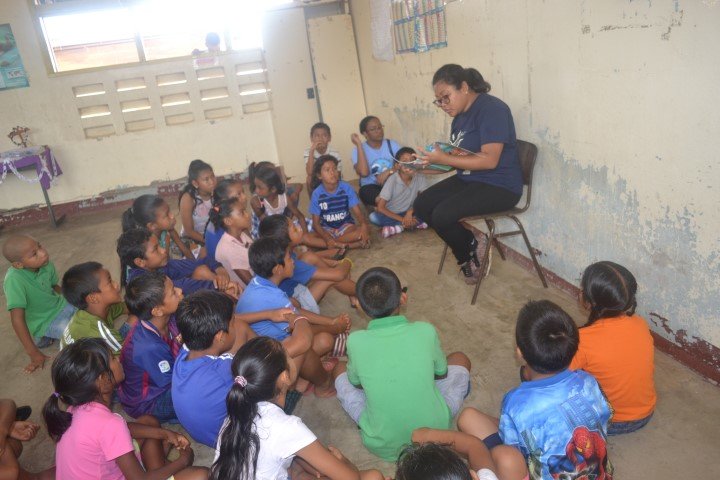
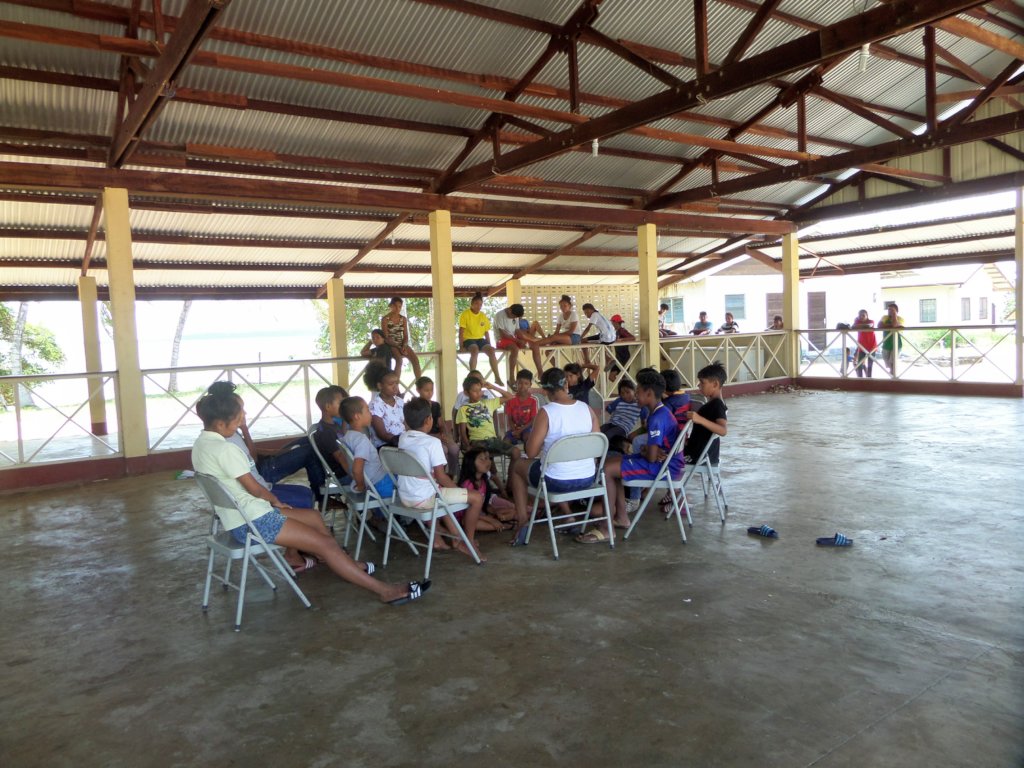
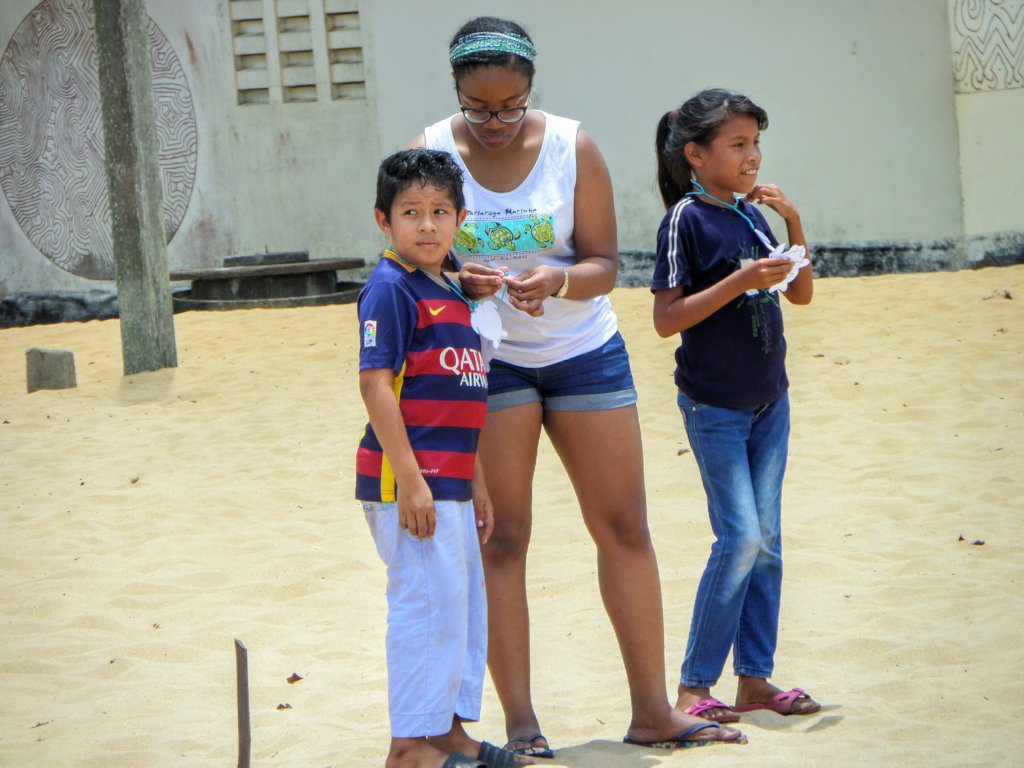
Of course, we are also planning our vacation activities with the children of Galibi. If you remember (and if you don’t, go back and read our last blog post ), during our previous activities, we tried something new by using theatre to talk about the conservation challenges affecting sea turtles. It was a huge success, and the children really enjoyed it! Since then, we’ve been thinking about other creative ways to share information and encourage broader participation. It’s an ongoing process, but we’re excited to see what new ideas will come to life.
Through it all, working in sickness and in health, our commitment remains the same: protecting sea turtles and inspiring the next generation of sea turtle heroes who will continue this important work for years to come. As always, thank you for following our journey and for supporting the work we do to protect sea turtles and their habitats.
Project reports on GlobalGiving are posted directly to globalgiving.org by Project Leaders as they are completed, generally every 3-4 months. To protect the integrity of these documents, GlobalGiving does not alter them; therefore you may find some language or formatting issues.
If you donate to this project or have donated to this project, you can receive an email when this project posts a report. You can also subscribe for reports without donating.



Support this important cause by creating a personalized fundraising page.
Start a Fundraiser