By Zachery Onyango | Project Leader
Executive Summary
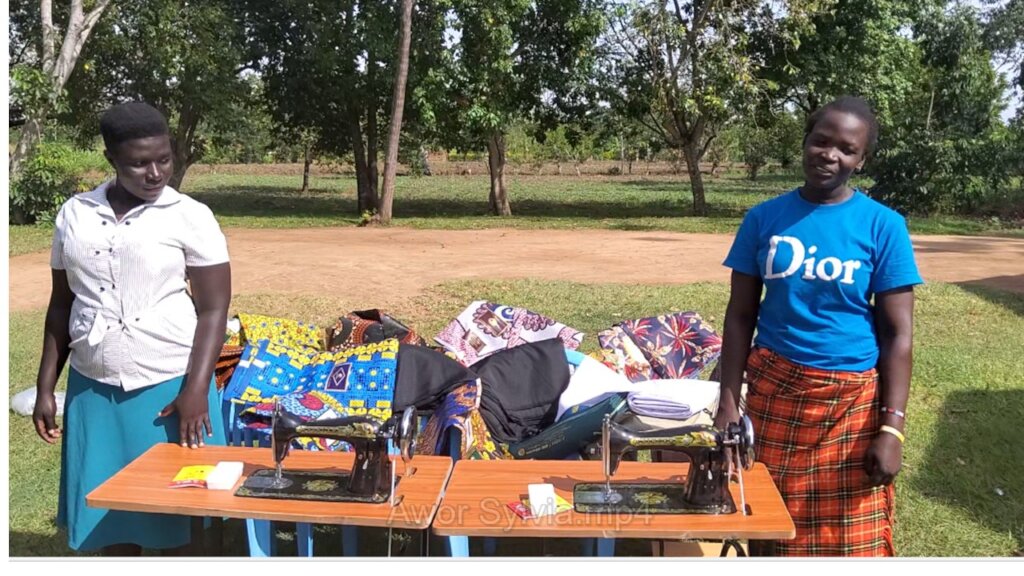
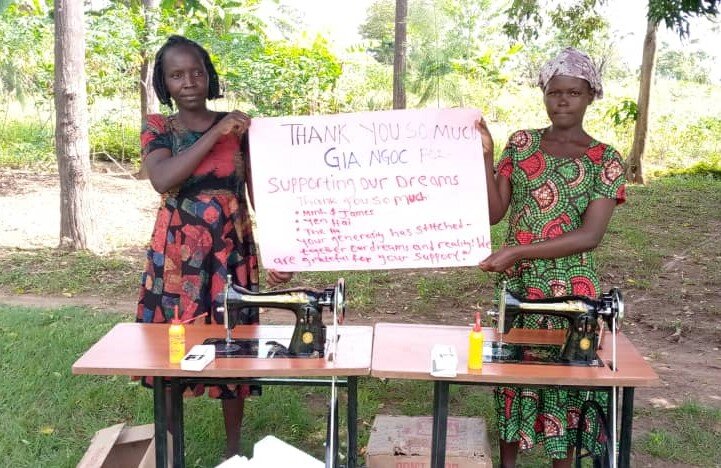
This report highlights the progress of young female tailors in rural Uganda who have significantly grown their tailoring businesses and increased their fabric stock. Through a combination of skill development, access to microfinance, community support, and entrepreneurship training, these women have overcome economic challenges to become self-reliant business owners. Their success stories serve as examples of rural economic transformation driven by women-led enterprises.
1. Introduction
Tailoring has become a promising source of income for many young women in rural Uganda. Traditionally hindered by limited resources, low capital, and gender-based economic barriers, female tailors are now tapping into new opportunities for business growth. This report examines the strategies and support systems that have enabled their success.
2. Methods of Business Growth 2.1. Vocational Training and Skill Enhancement
Tailoring workshops and vocational schools (e.g., those supported by NGOs or local government programs) have empowered young women with advanced sewing techniques, fashion design, and business management skills.
Peer-to-peer mentorship has increased confidence and innovation.
2.2. Access to Microfinance and Village Savings Groups
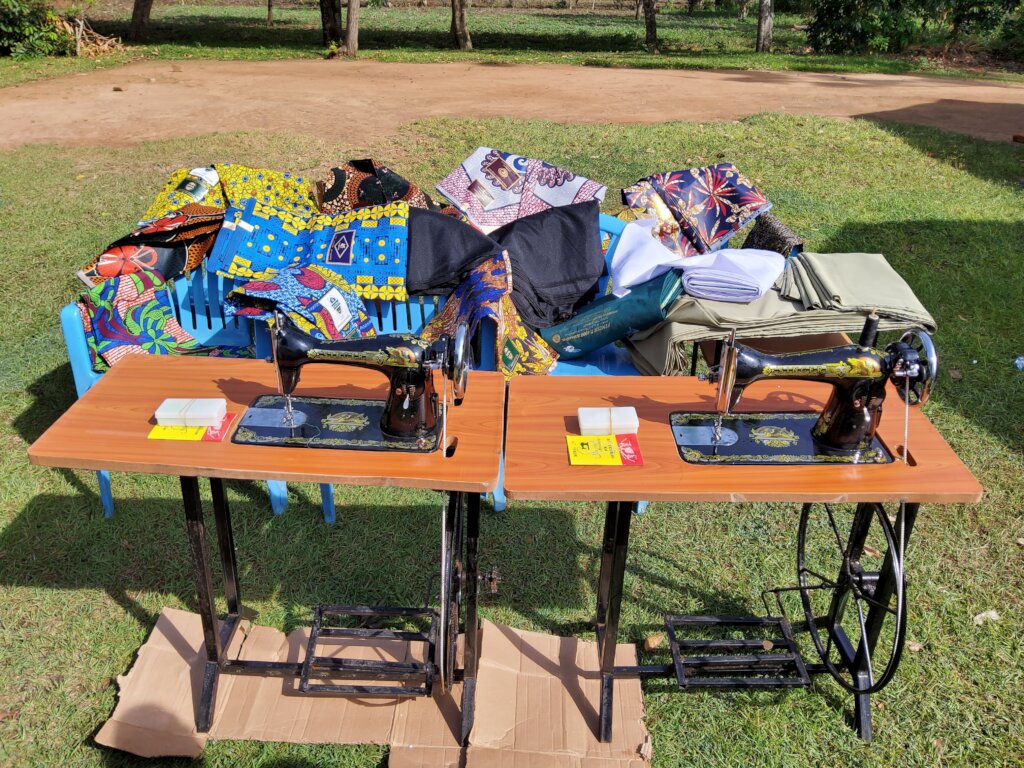
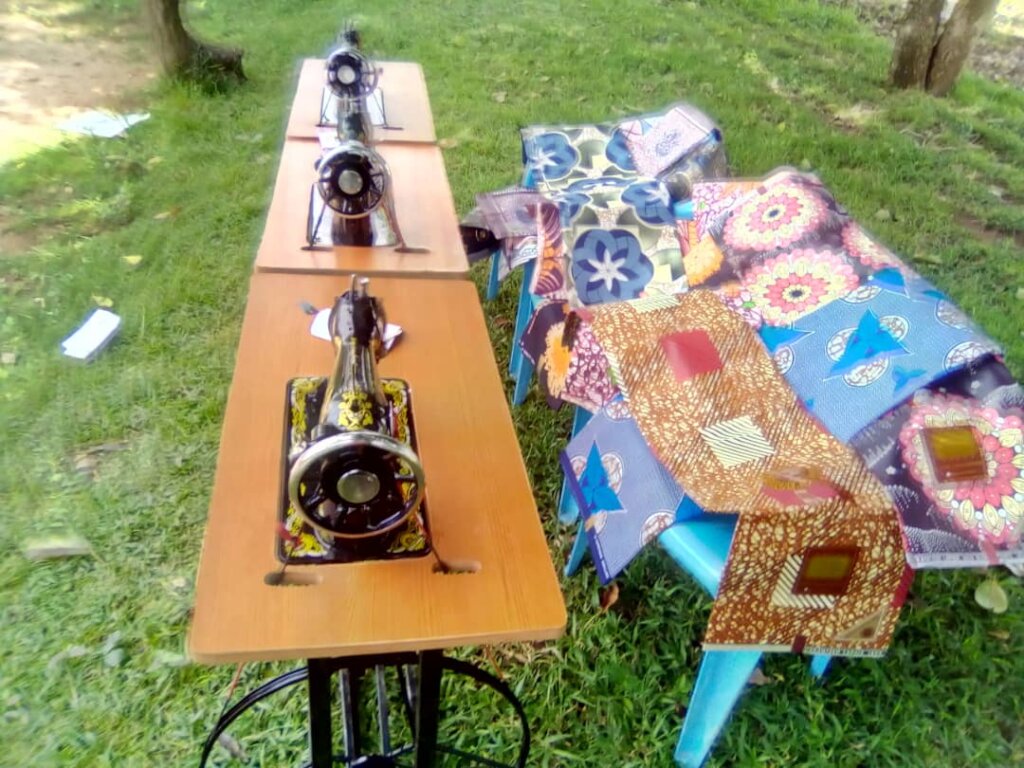
Many women have joined Village Savings and Loan Associations (VSLAs), enabling them to save and access loans for purchasing sewing machines, fabrics, and renting workspace.
Partnerships with microfinance institutions like BRAC Uganda and FINCA have facilitated access to low-interest loans.
2.3. Market Expansion and Digital Platforms
Use of mobile phones and social media (like WhatsApp and Facebook) to market designs and attract customers beyond their villages.
Participation in community markets and local trade fairs to showcase work and build clientele.
3. Increase in Fabric Stock 3.1. Reinvestment of Profits
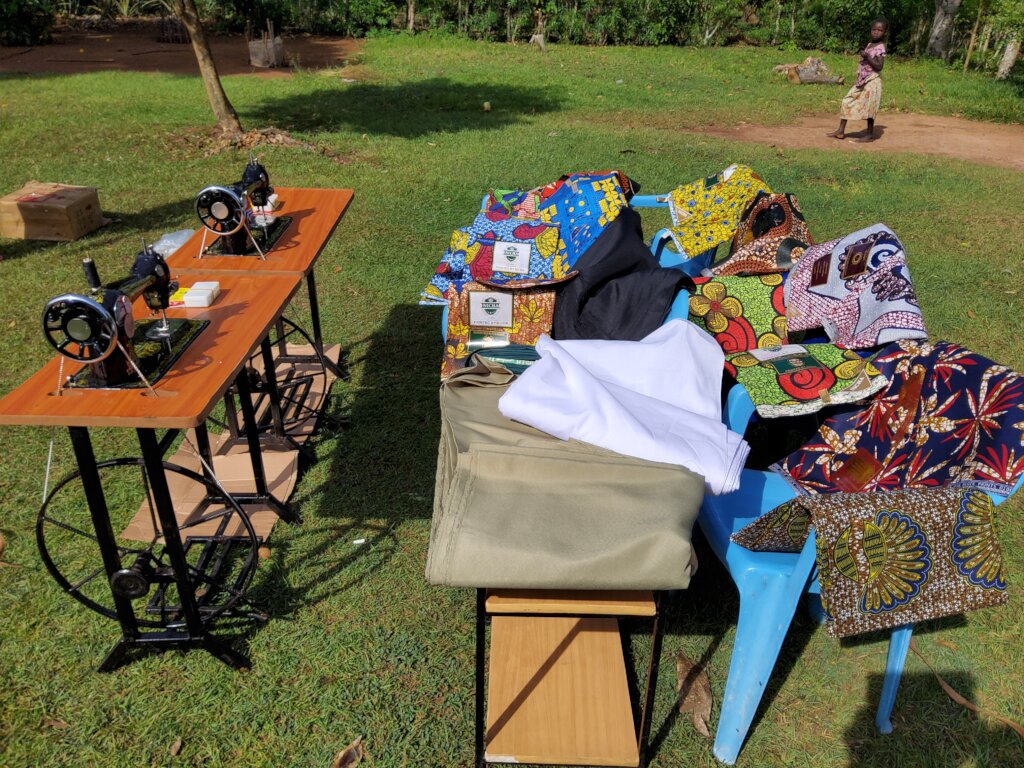
Profits from dressmaking, school uniforms, and event attire (e.g., weddings) are reinvested into purchasing fabric in bulk, allowing tailors to meet high demand during peak seasons.
3.2. Partnerships with Urban Suppliers
Tailors have established direct relationships with fabric wholesalers in urban centers like Kampala and Masaka, resulting in better prices and a more diverse fabric inventory.
3.3. Collective Buying
In some communities, tailors have formed cooperatives to pool resources and buy fabrics in bulk, reducing transportation costs and increasing bargaining power.
4. Impact on Livelihoods
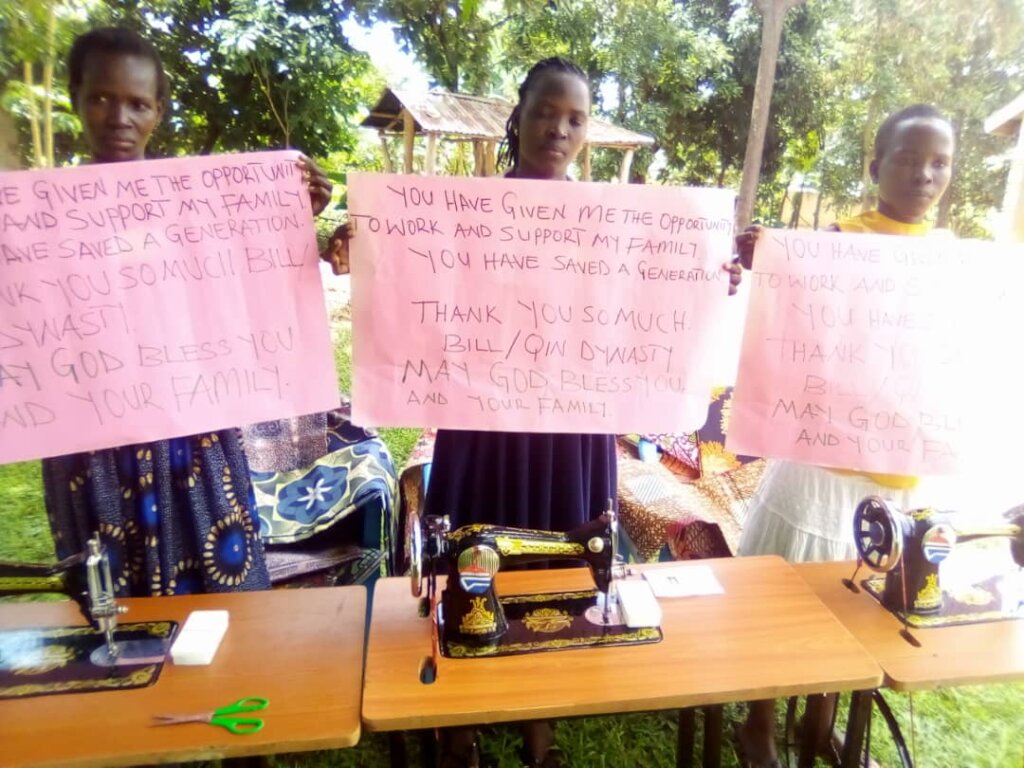
Increased income has led to improved household well-being, including better access to education for children and healthcare.
Women report greater financial independence and decision-making power within their homes.
Some tailors have begun training others, creating a ripple effect of skill-building and employment in their communities.
5. Challenges
Limited access to electricity and reliable workspace still hinders some businesses.
Seasonal income fluctuations and fabric price volatility pose financial risks.
Some tailors face cultural resistance in more conservative regions regarding women in business.
6. Recommendations
Scale up vocational training with a focus on digital literacy and advanced design skills.
Improve rural infrastructure, especially electricity and transport access.
Expand financial inclusion by increasing access to youth-friendly microfinance options.
Support formation of rural tailoring cooperatives and associations for collective bargaining and training.
7. Conclusion
Young female tailors in rural Uganda are a testament to the transformative power of skill, resilience, and opportunity. With continued support and investment, they can further scale their businesses, contribute to local economies, and inspire a new generation of women entrepreneurs.
Project reports on GlobalGiving are posted directly to globalgiving.org by Project Leaders as they are completed, generally every 3-4 months. To protect the integrity of these documents, GlobalGiving does not alter them; therefore you may find some language or formatting issues.
If you donate to this project or have donated to this project, you can receive an email when this project posts a report. You can also subscribe for reports without donating.



Support this important cause by creating a personalized fundraising page.
Start a Fundraiser