By Erin Hale | Development Associate
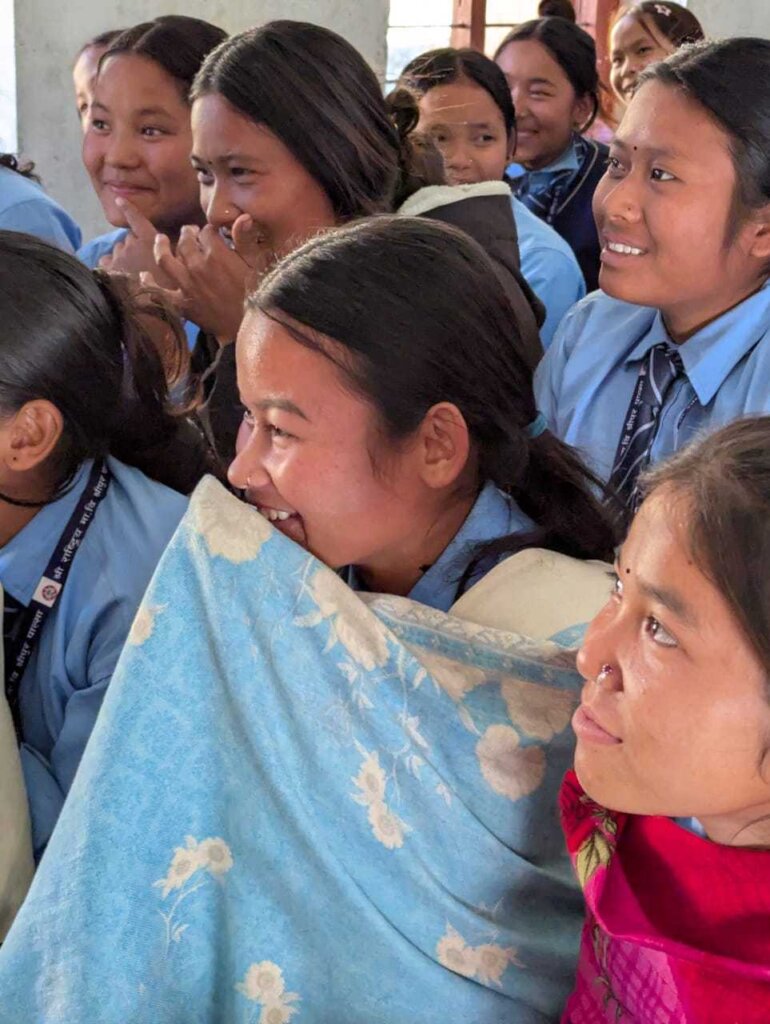
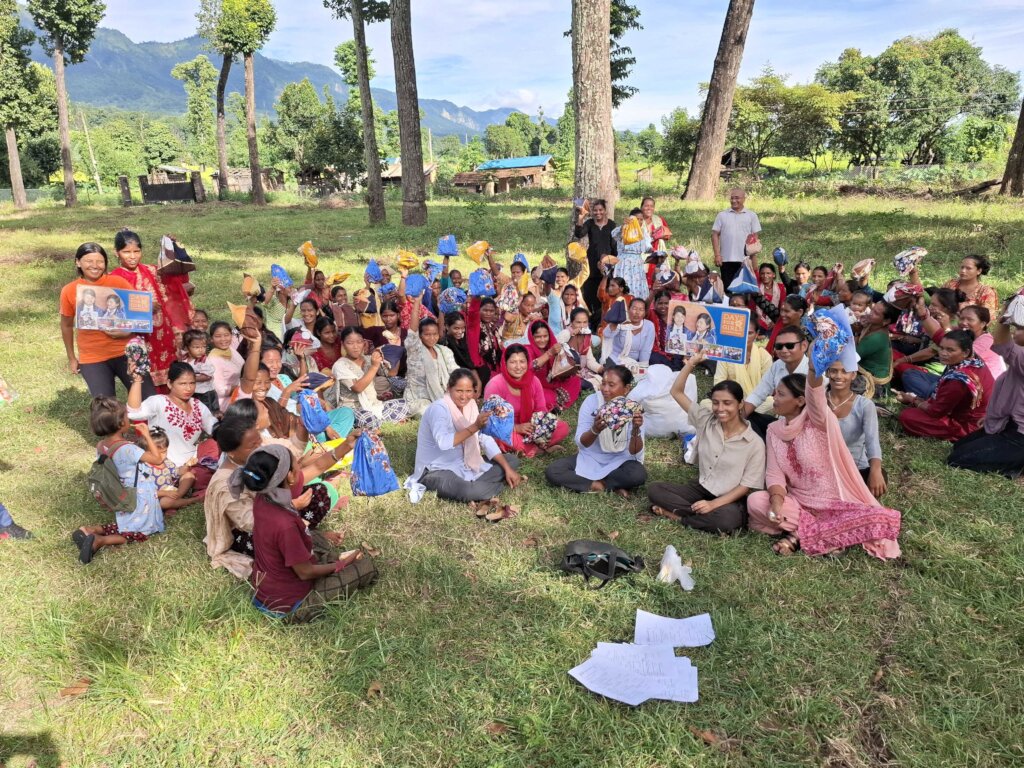
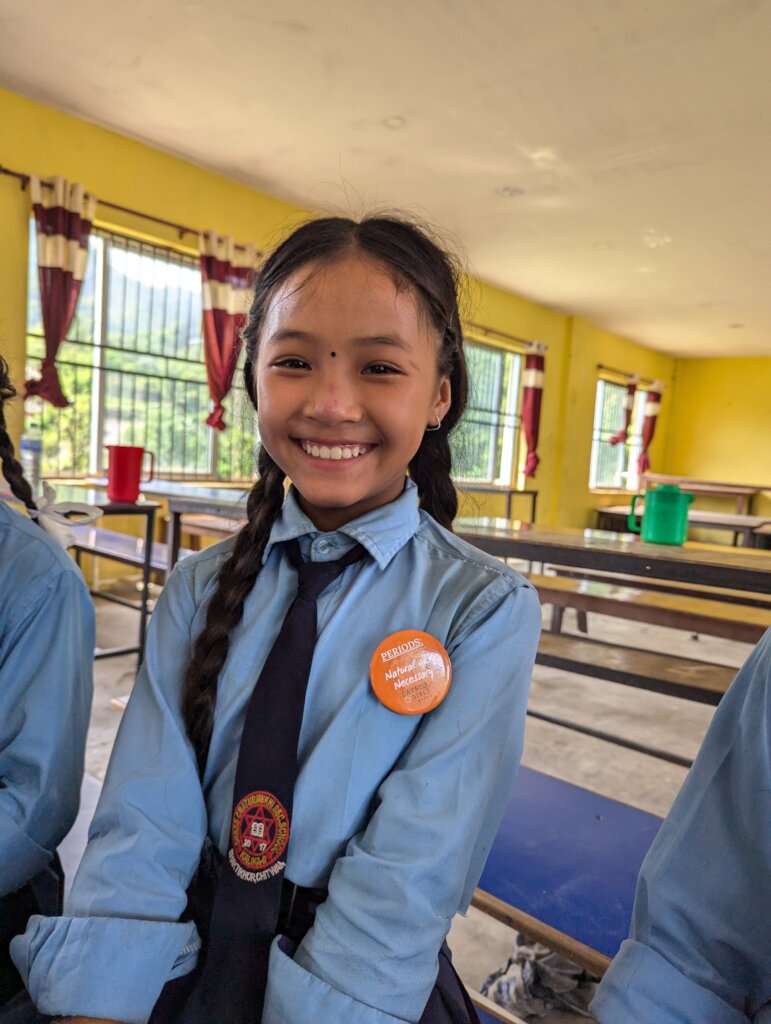
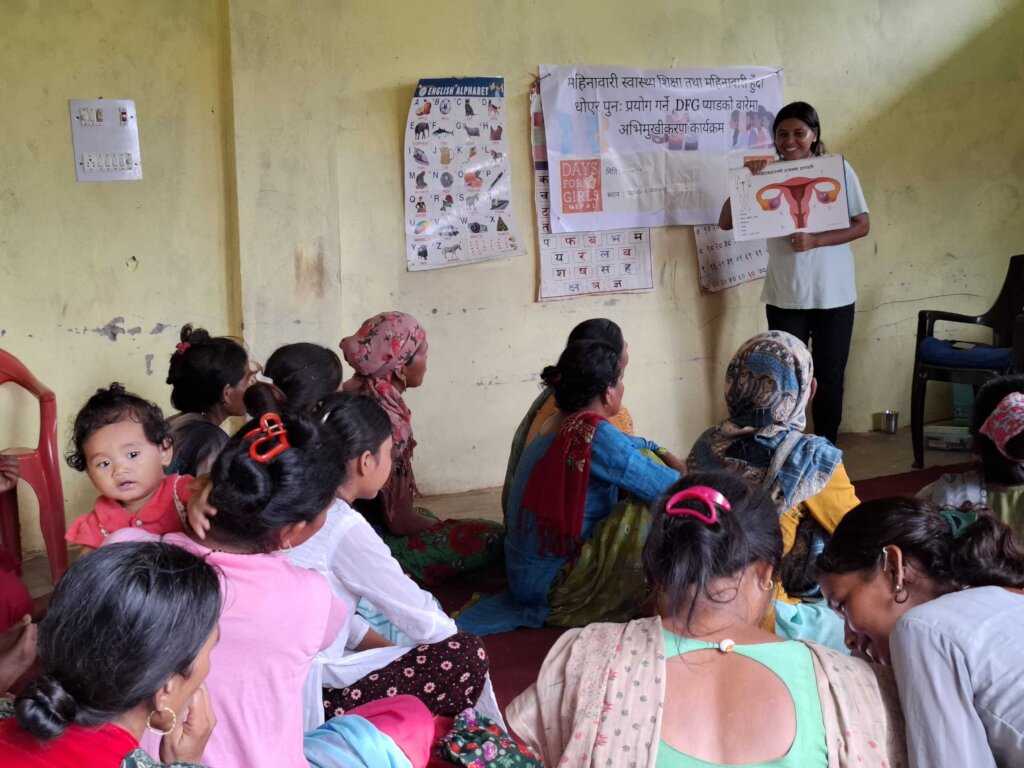
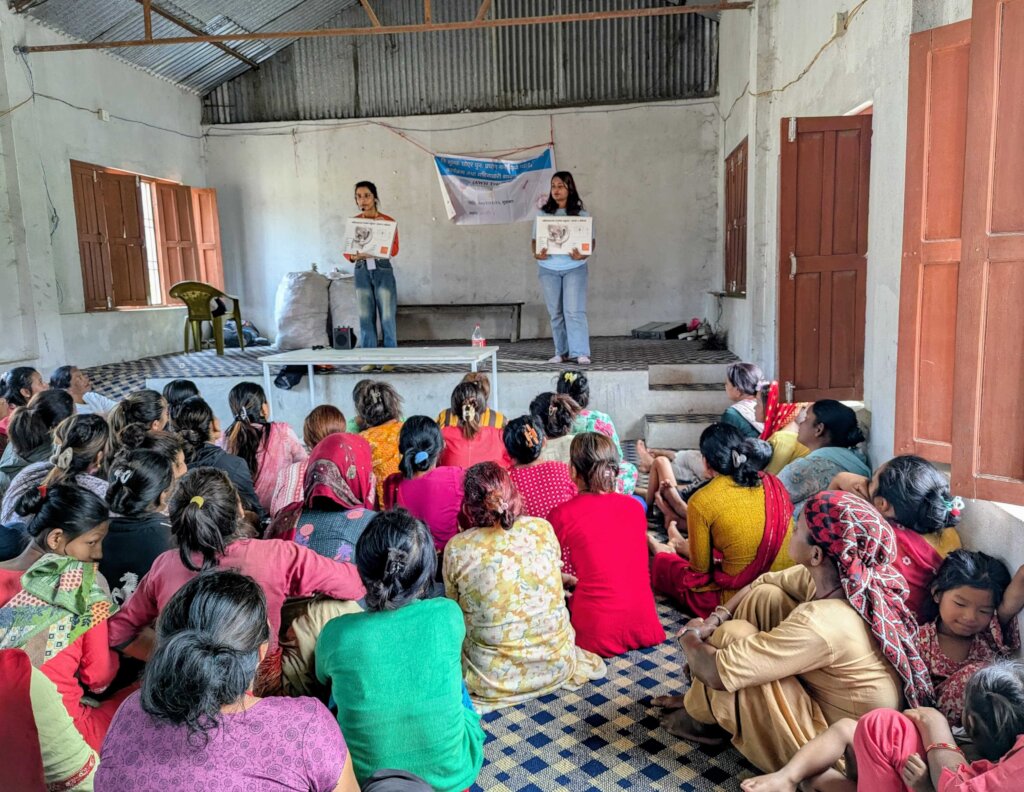
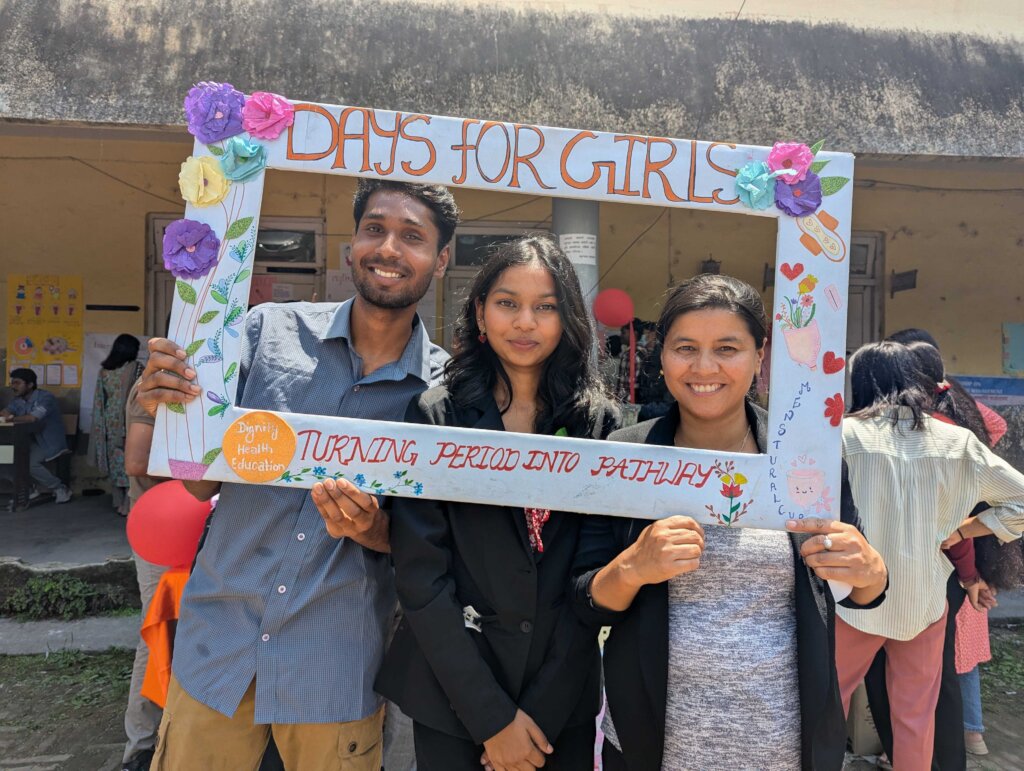
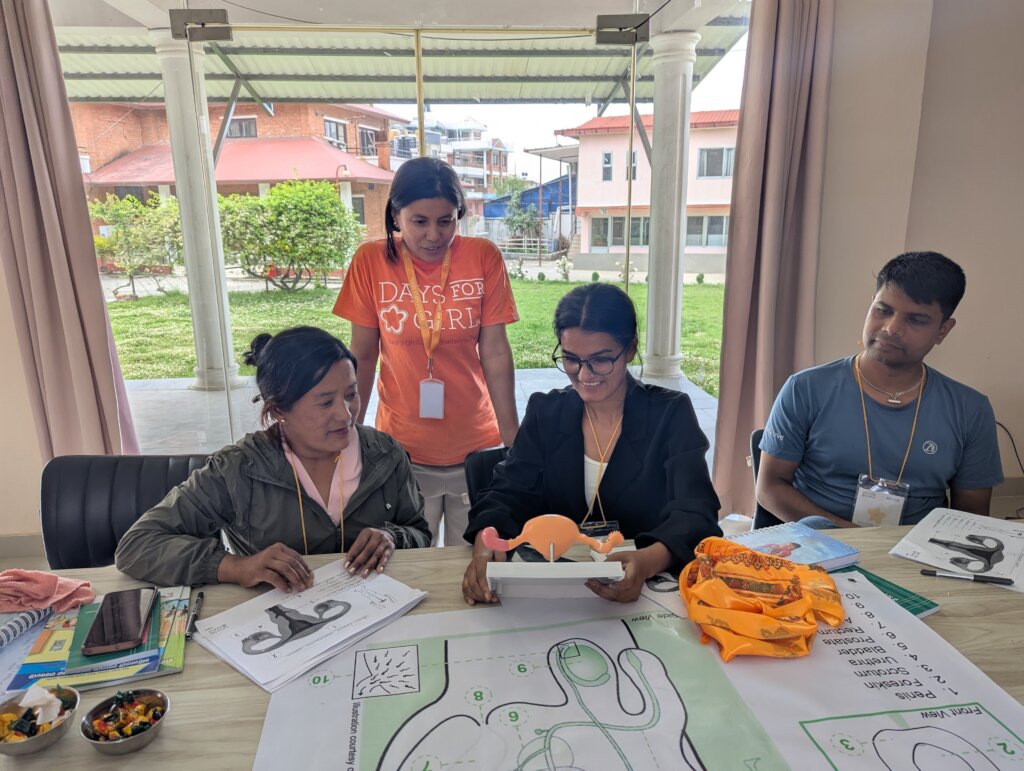
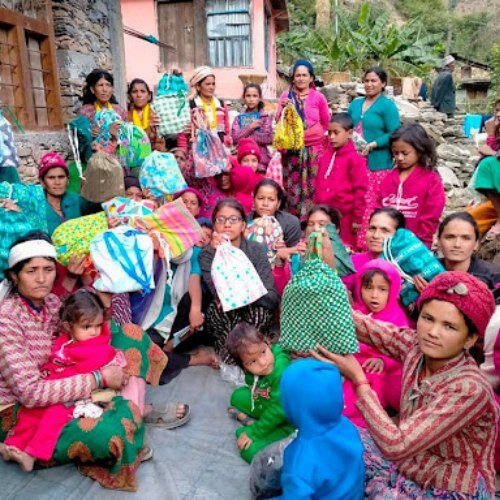
Recently, our Days for Girls Nepal office (DfGN) partnered with Rural Senses, a monitoring and evaluation company, to evaluate the cultural beliefs and menstruation practices in the Kolikot region in Nepal. Their findings are fascinating!
In short, Rural Senses found that women and girls who participated in DfG menstruation kit and health education distribution sessions were more likely to experience positive outcomes related to empowerment, reductions in menstrual stigma, and overall MH knowledge and practices when compared to the control group that received no DfG programming.
The following are some of the key findings provided by the study:
Key Conclusion #1: In communities that engaged in Days for Girls’ services, 60% fewer women say they practiced Chhaupadi (the dangerous practice of relegating menstruating women and girls to cowsheds) compared to non-DfG participating women, which demonstrates success in destigmatizing menstruation and overall shifts in community attitudes surrounding this harmful practice.
Supporting Findings: More than 80% of DfG women participants reported feeling safer during menstruation now than they did before receiving DfG programming.
Key Conclusion #2: Days for Girls programming efforts demonstrate that access to timely and accurate health information improves menstrual health knowledge and practices.
Supporting Findings: DfG women appeared to prioritize menstrual health more than other groups as DfG women reported being more aware of the importance of using pads, panties and soap to maintain cleanliness during menstruation. Additionally, 41% of DfG women started using menstrual pads following the training sessions.
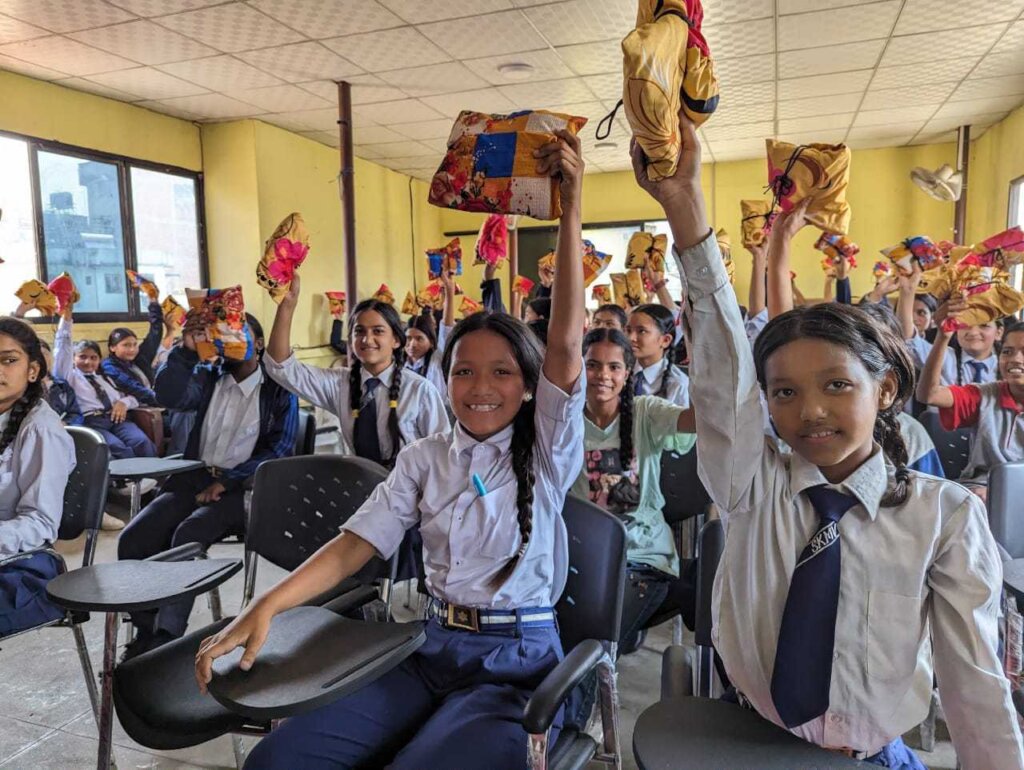
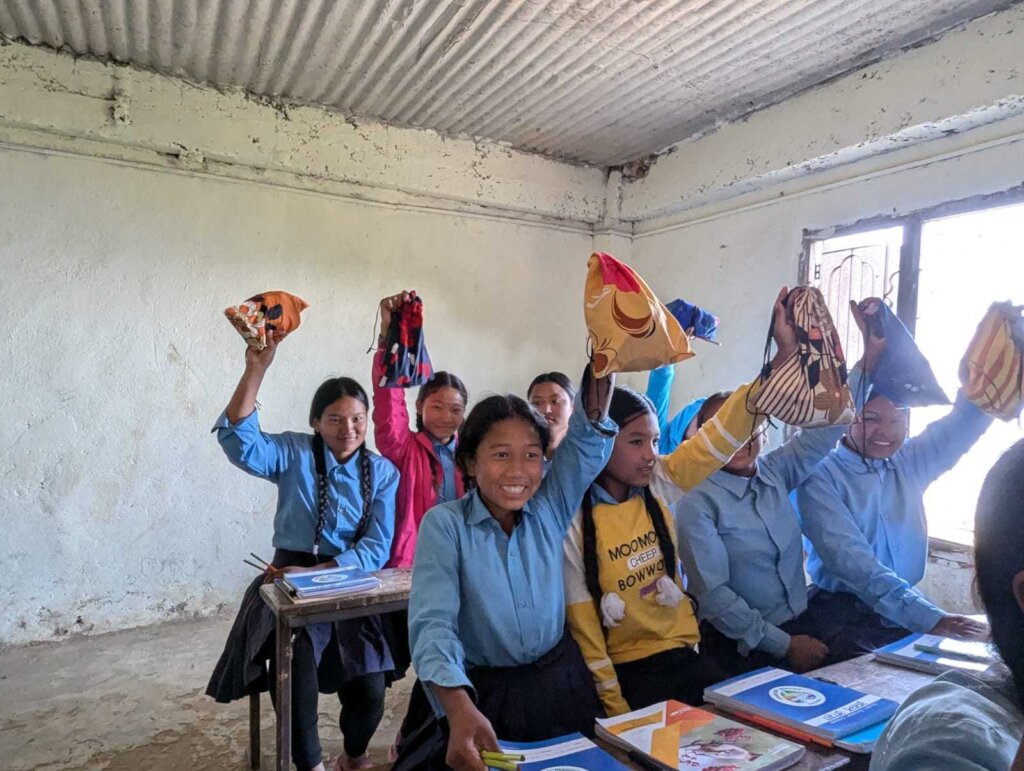
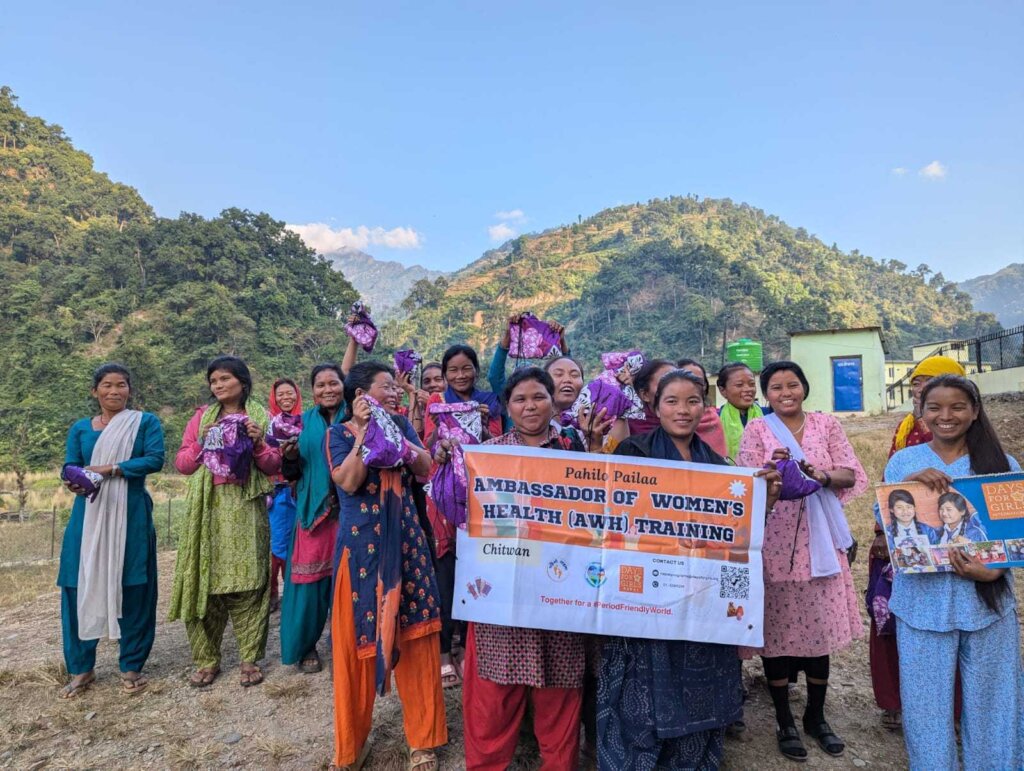
Supporting Findings: 70% of DfG women still use their DfG kit today, and value this as it provides privacy, cleanliness and enables girls to attend school during menstruation.
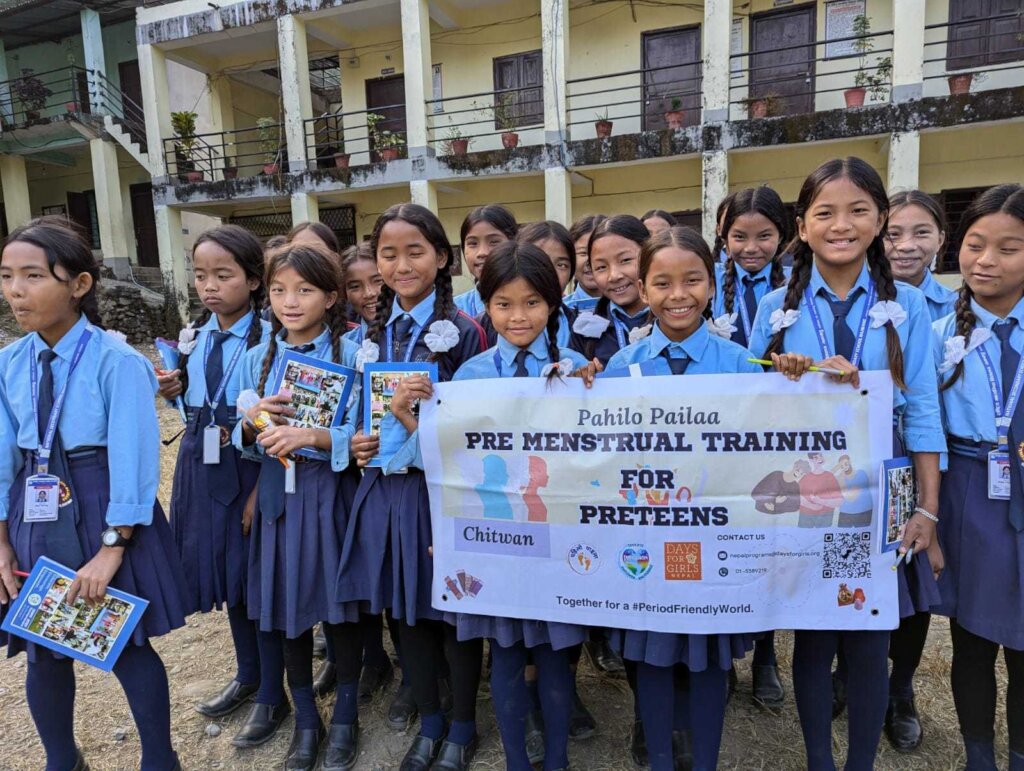
Supporting Findings: Compared to those who had not attended DfG programs, DfG women put more importance on attending school during menstruation, linking this to the use of reusable pads.
Supporting Findings: DfG programming improves understanding of menstruation and reproductive health, since approximately 70% of DfG women reported that they understand menstruation is a natural process that allows women to birth children.
Key Conclusion #3: Days for Girls program intervention increases women’s self-esteem and empowers them to be decision-makers in their families and communities.
Supporting Findings: DfG women show higher self-worth and understanding of the value of women and menstruation. In response to the statement, “yes, women are as valuable as men in society,” there was a 16-point differential between those women who had not received DfG education and those who had: only 56% of the former affirmed the statement, compared to 70% of the latter.
Supporting Findings: Compared to 2% of DfG participants, 60% of non-DfG participants were unaware of household income, which, one can assume, would mean that they would be less likely to influence expenditure. Alternatively, as DfG women are more aware of household finances, one may assume that this knowledge is indicative of the women’s potential for financial decision making.
While we are pleased and encouraged by these findings, we acknowledge that none of these advancements would be possible without the support of our generous donors. Days for Girls programming depends exclusively on donated funds and even small donations go a long way in providing peace of mind, security, opportunities, education, safety and respect for women and girls. Thank you for your part in our goal of shattering menstrual shame in Nepal.
Namaste!
Links:
Project reports on GlobalGiving are posted directly to globalgiving.org by Project Leaders as they are completed, generally every 3-4 months. To protect the integrity of these documents, GlobalGiving does not alter them; therefore you may find some language or formatting issues.
If you donate to this project or have donated to this project, you can receive an email when this project posts a report. You can also subscribe for reports without donating.



Support this important cause by creating a personalized fundraising page.
Start a Fundraiser