SHI: Safe Drinking Water for 20,000 Rural Families

by Self-Help International
Play Video
SHI: Safe Drinking Water for 20,000 Rural Families

Project Report | Jan 22, 2026
The Fight to Keep Water Safe is Our Legacy

By Orlando Montiel | Clean Water Program Officer

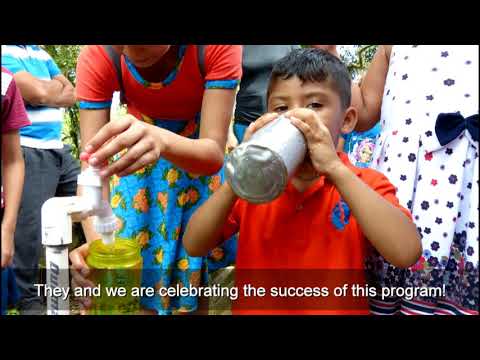
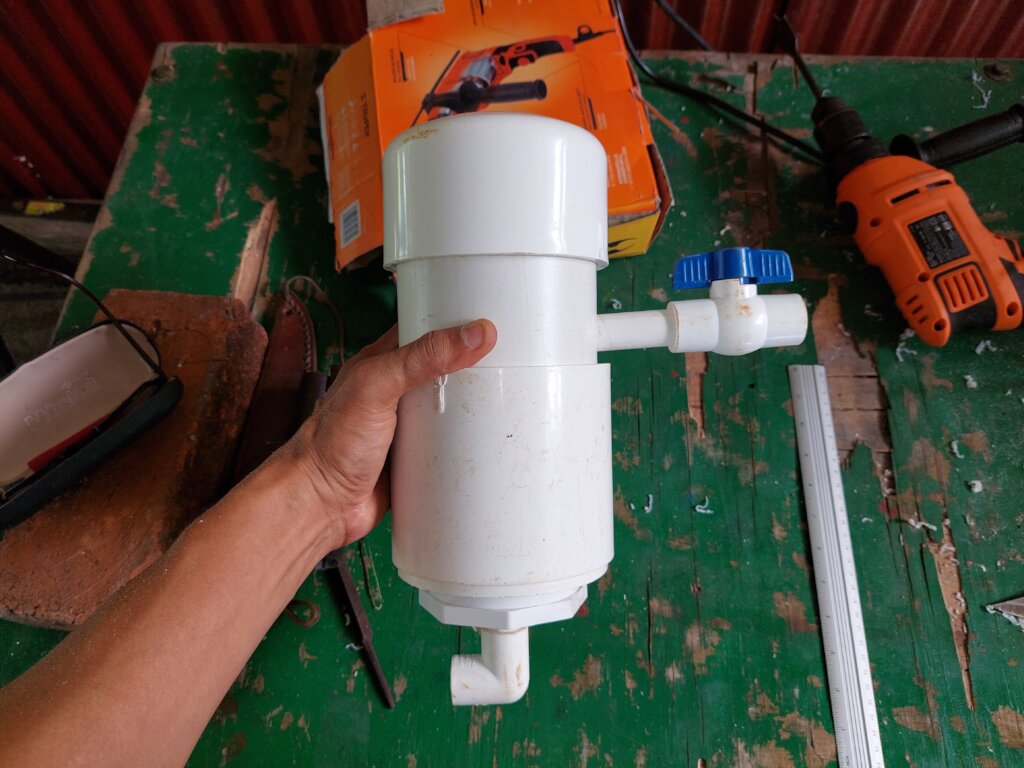
Self-Help International's (SHI) Clean Water Program in Nicaragua began in 2012 with the promotion and installation of CTI-8 manual chlorinators to disinfect water intended for human consumption in rural communities.  

Training Local Leaders

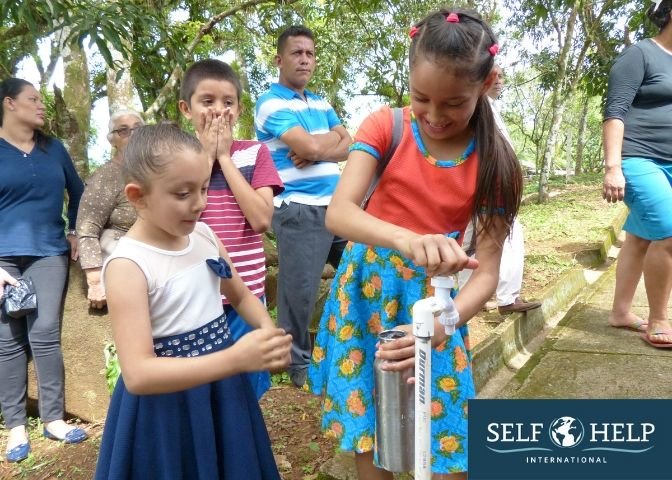
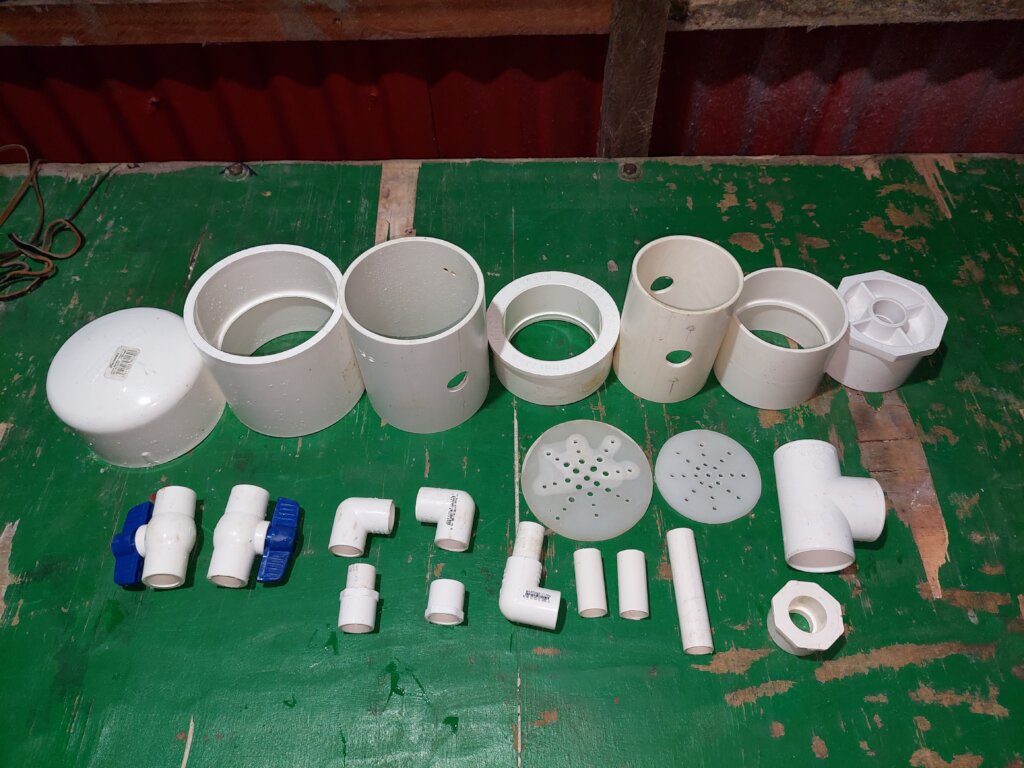
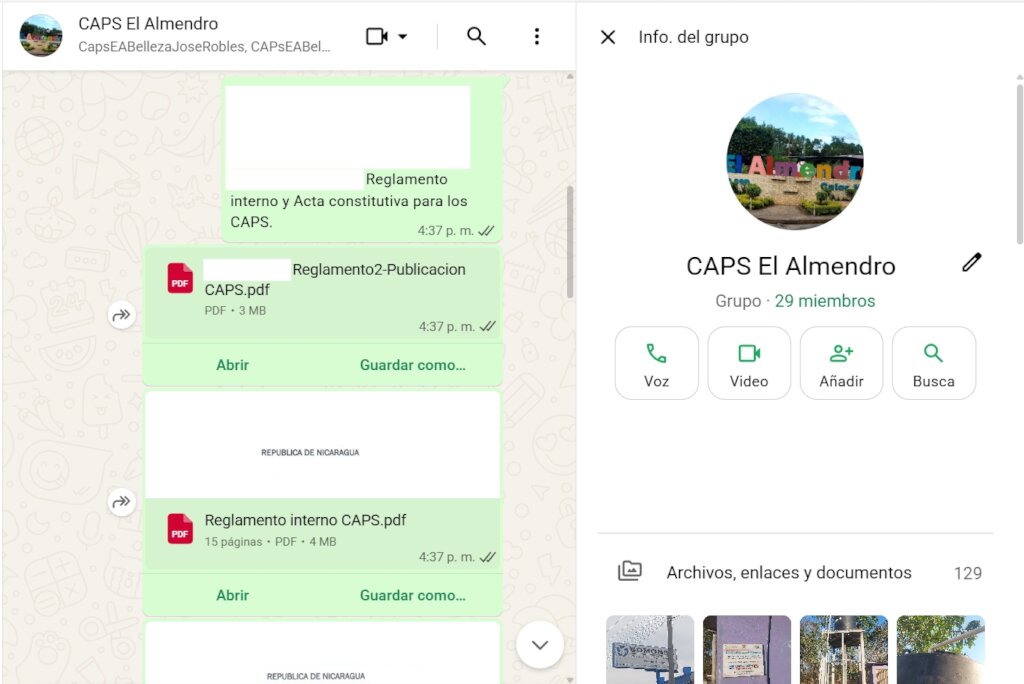
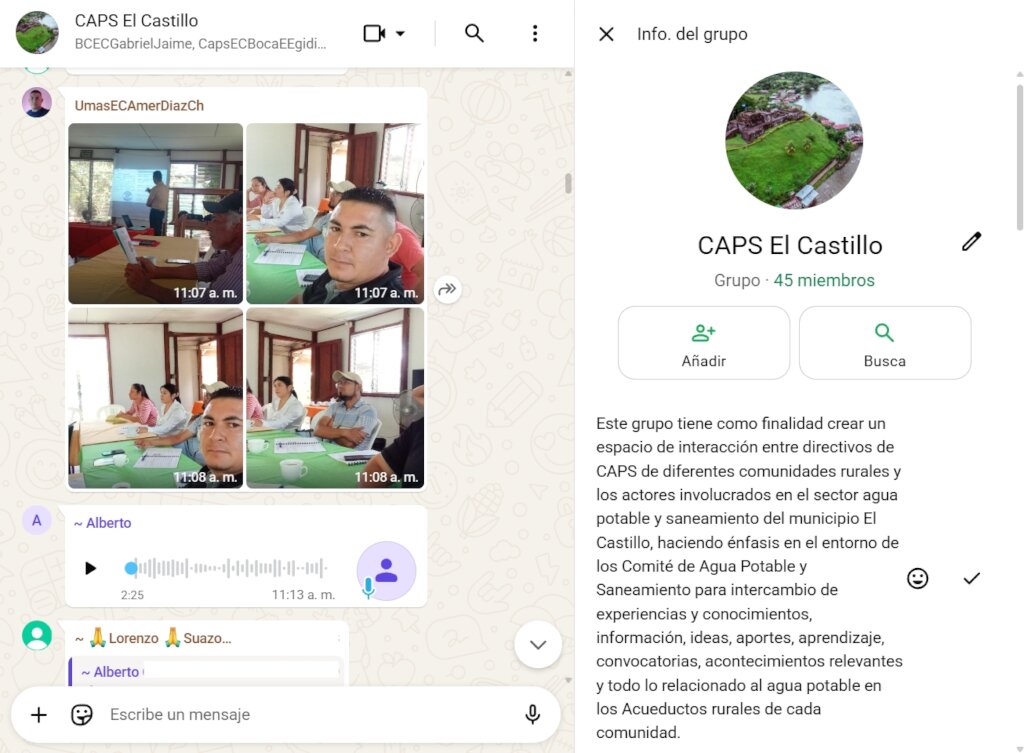
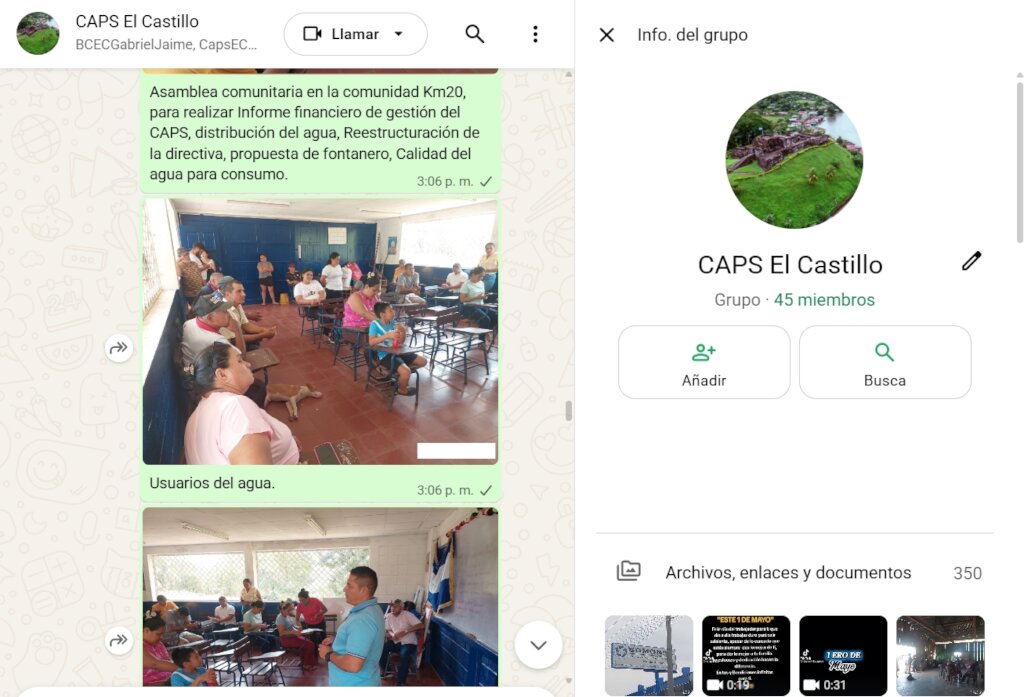
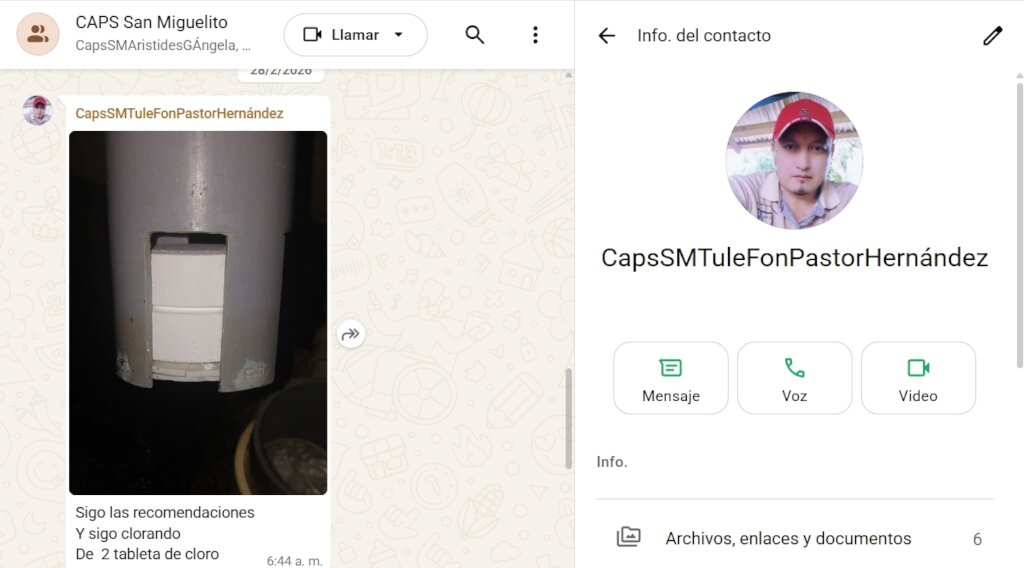
Since then SHI has been providing advice to the Drinking Water and Sanitation Committees (CAPS) in each community and training their leaders and managers. In workshops, the objectives of the program are presented, the advantages of installing chlorinators made of PVC pipes that use chlorine tablets to purify the water are discussed, and details about how to operate the chlorinators and calibrate them when loading the chlorine tablets are explained. Advanced sessions showing how to calculate the costs of operating the water systems and set fair rates for water users are offered, as well.

Visiting Communities

Following the training sessions, the SHI Clean Water technician, Orlando Montiel, visits the rural communities to monitor the operation of their chlorination systems. Each day two or three communities are visited, which can involve trips of 20 minutes up to 2 hours and distances of 20 to 110 kilometers. 

During the visits Orlando meets with the CAPS directors, inspects the water catchment structures, wells and basins, checks the operation of the chlorinator, and samples the water in the homes. Geographical coordinates are recorded to help the CAPS in the hydraulic analysis of their water systems. 

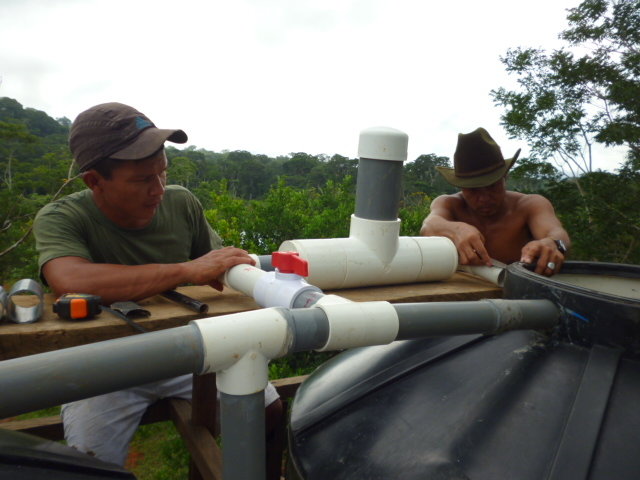
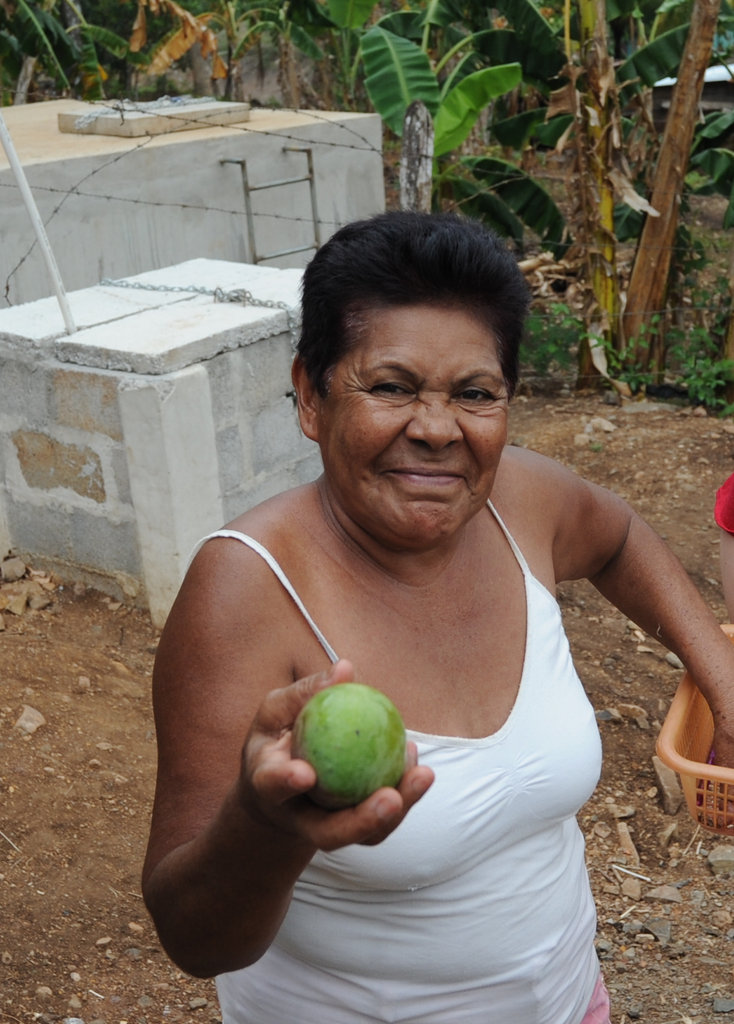
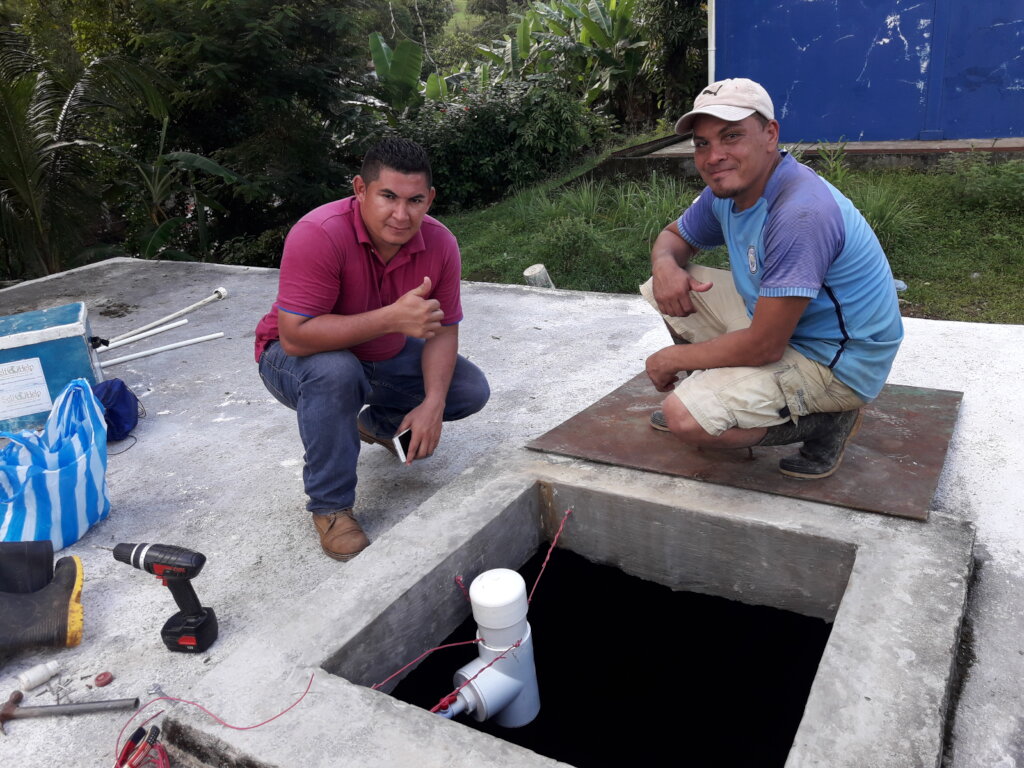
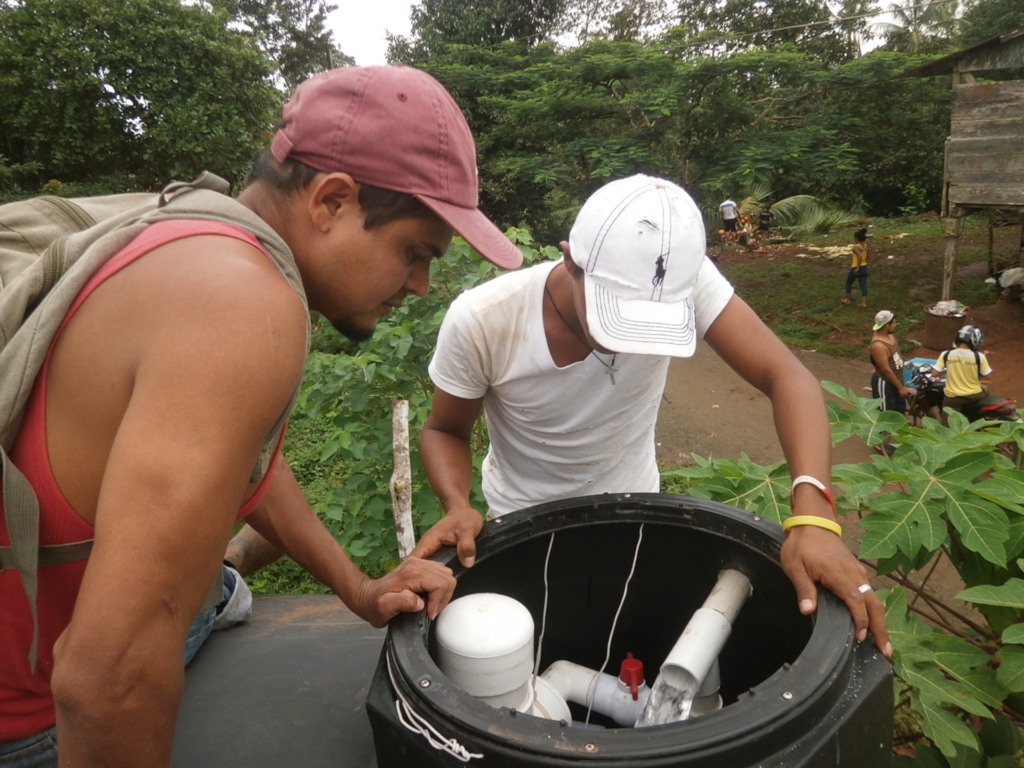
The accompanying photos from the community of Las Maravillas, in the municipality of El Castillo, show Orlando inspecting the installation of a CTI-8 chlorinator. The poor access to the water reservoir tank is evident. The president of the local CAPS is seen building a water catchment box, for which he received technical recommendations from the technician. Communities reimburse SHI for all materials provided through a six-month installment loan.

Testing for Water Purity

Water samples from both drilled wells and gravity springs are tested for microbiological content using reagents such as PathosScreen and ReadyCult. If contamination is shown to be present, the correction is immediately made by adding chlorine; afterward, constant chlorination is carried out with the tablet chlorinators. 

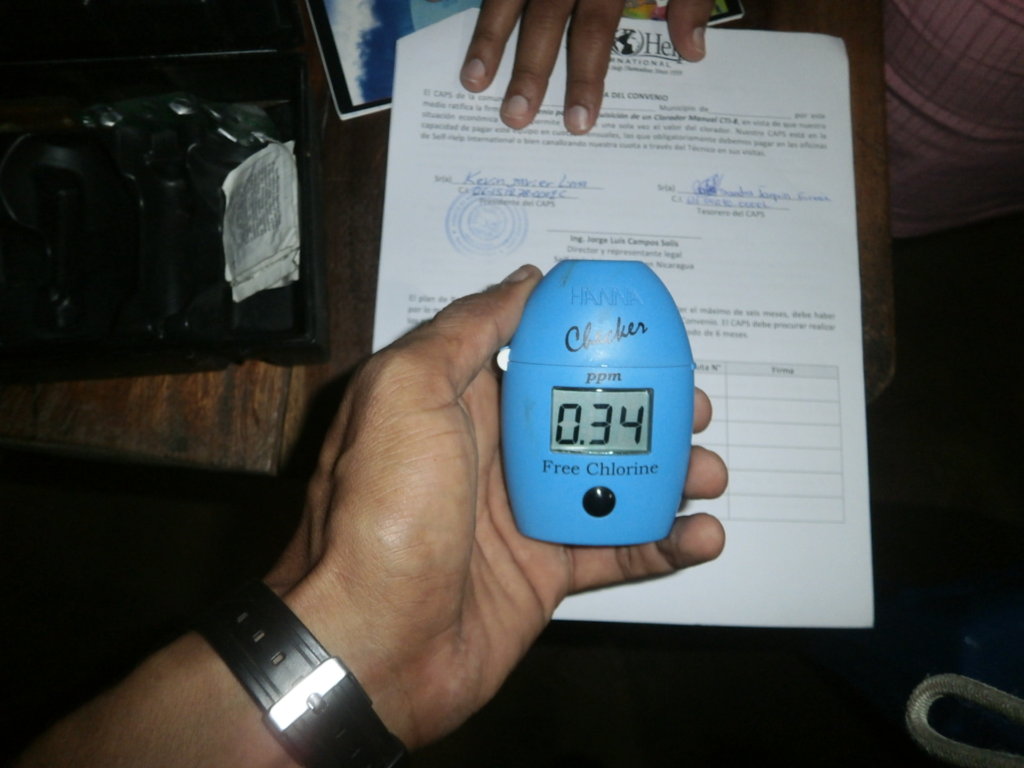
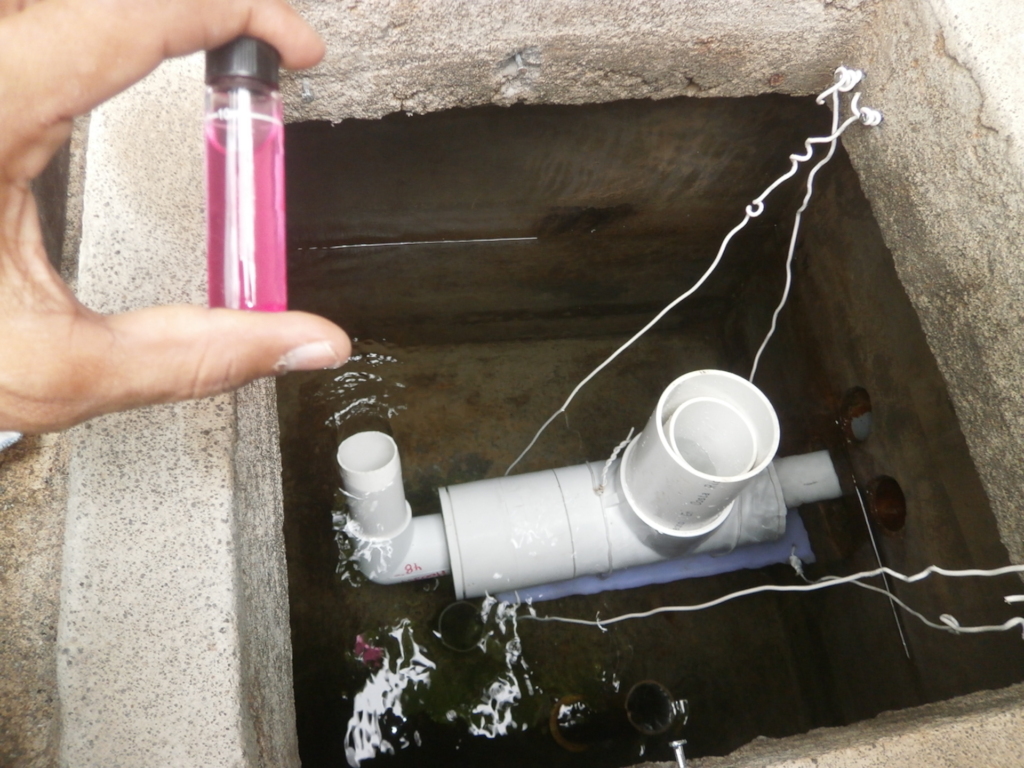
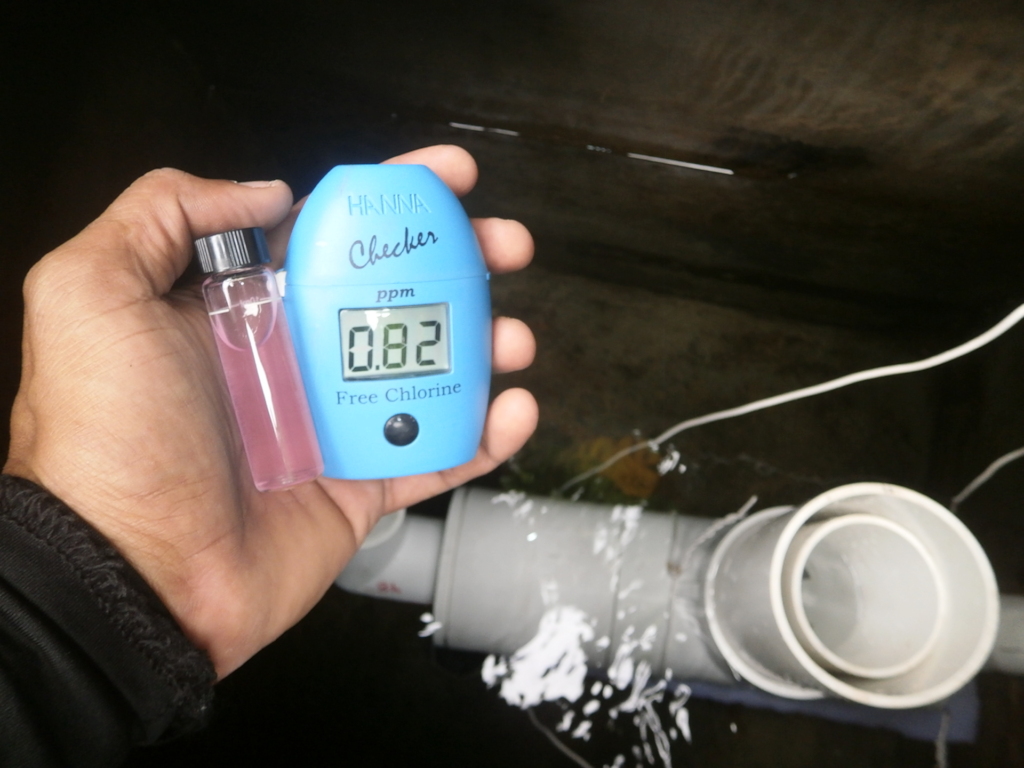
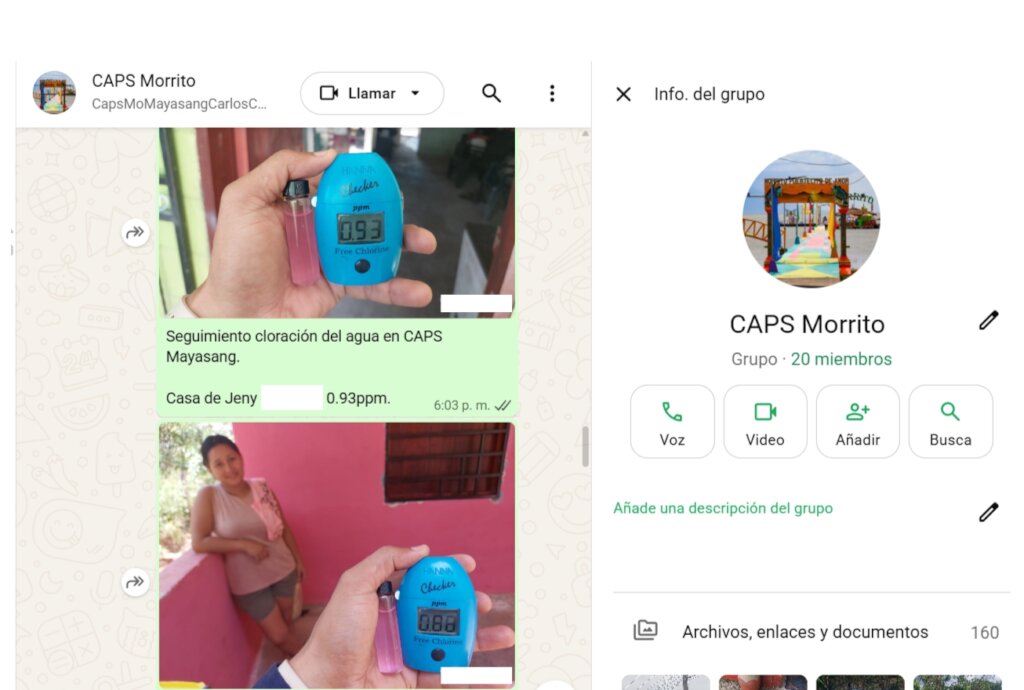
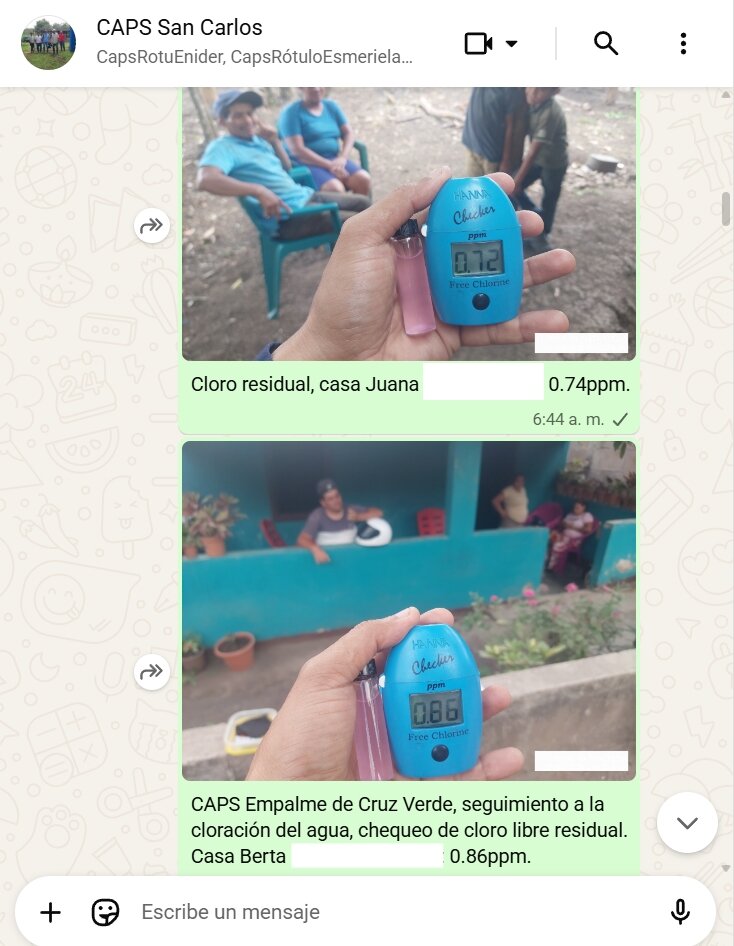
The “free residual” chlorine check in the homes of the beneficiaries measures the quality of the water they consume. Samples are collected in small vials, to which reagent is added. If it shows a pink color, the water is known to contain sufficient chlorine to make it safe for consumption by the family. 

The rainy season is the most difficult time for maintaining water quality in rural communities with gravity water systems, due to runoff from heavy rains. It is important that these communities are always supplied with sufficient chlorine tablets. SHI facilitates the delivery of supplies of tablets to “chlorine banks” located in each municipality. Local communities can obtain tablets from these banks instead of travelling to a larger city to buy them. They reimburse SHI for the cost of the tablets through monthly payments.

Some communities are distant and difficult to access. In the rainy season it can take a whole day for the technician to get to and return from that community, traversing stretches of muddy roads and crossing bridges and rivers by barge. At the end of the day the technician can return to the Self-Help International office with the satisfaction that each community that was served on that day will have safe water for its residents.

Links:

Share on Twitter Share on Facebook

Sep 24, 2025
Education Is Needed to Maintain an Efficient Water System

By Orlando Jose Montiel Salas | Clean Water Program Officer

May 28, 2025
SELF-HELP INTERNATIONAL IS BRINGING CLEAN WATER TO A COMPANY'S WORKERS

By Orlando Jose Montiel Salas | Clean Water Program Officer

About Project Reports

Project reports on GlobalGiving are posted directly to globalgiving.org by Project Leaders as they are completed, generally every 3-4 months. To protect the integrity of these documents, GlobalGiving does not alter them; therefore you may find some language or formatting issues.

If you donate to this project or have donated to this project, you can receive an email when this project posts a report. You can also subscribe for reports without donating.


Sign up for updates

Organization Information

Self-Help International

Location: Waverly, IA - USA
Website:
Facebook: Facebook Page
X / Twitter: Profile
Project Leader:
Lucia Vega
Rio San Juan , Nicaragua
$27,326 raised of $34,620 goal
 
340 donations
$7,294 to go
Donate Now
lock
Donating through GlobalGiving is safe, secure, and easy with many payment options to choose from. View other ways to donate

Self-Help International has earned this recognition on GlobalGiving:

Help raise money!

Support this important cause by creating a personalized fundraising page.

Start a Fundraiser

Learn more about GlobalGiving

Teenage Science Students
Vetting +
Due Diligence

Snorkeler

Our
Impact

Woman Holding a Gift Card
Give
Gift Cards

Young Girl with a Bicycle
GlobalGiving
Guarantee

Get incredible stories, promotions, and matching offers in your inbox

WARNING: Javascript is currently disabled or is not available in your browser. GlobalGiving makes extensive use of Javascript and will not function properly with Javascript disabled. Please enable Javascript and refresh this page.