By Orlando Montiel Salas | Clean Water Program Officer
For many years, Nueva Armenia was a rural, agricultural community that was a 10 kilometer distance by horse (or by foot for the less fortunate) from the Los Chiles community where they would go to sell their harvests of corn and beans to make just enough money to subsist. Recently, Nueva Armenia has become a concentrated rural community, with homes grouped on both sides of three main streets. People visit from surrounding communities to sell products from their farms and buy necessities for their homes.
The town is known today as El Rótulo. In 2015, the government constructed a gravity aqueduct that works with the help of an electric pump to fill the water tank. FISE, the “Emergency Social Investment Fund,” is the government organization that constructed the aqueduct which by July 2017 had benefited 600 people living in 120 homes. To date, 5 more houses have been built, and 625 people now receive clean water through their household pipe connections.
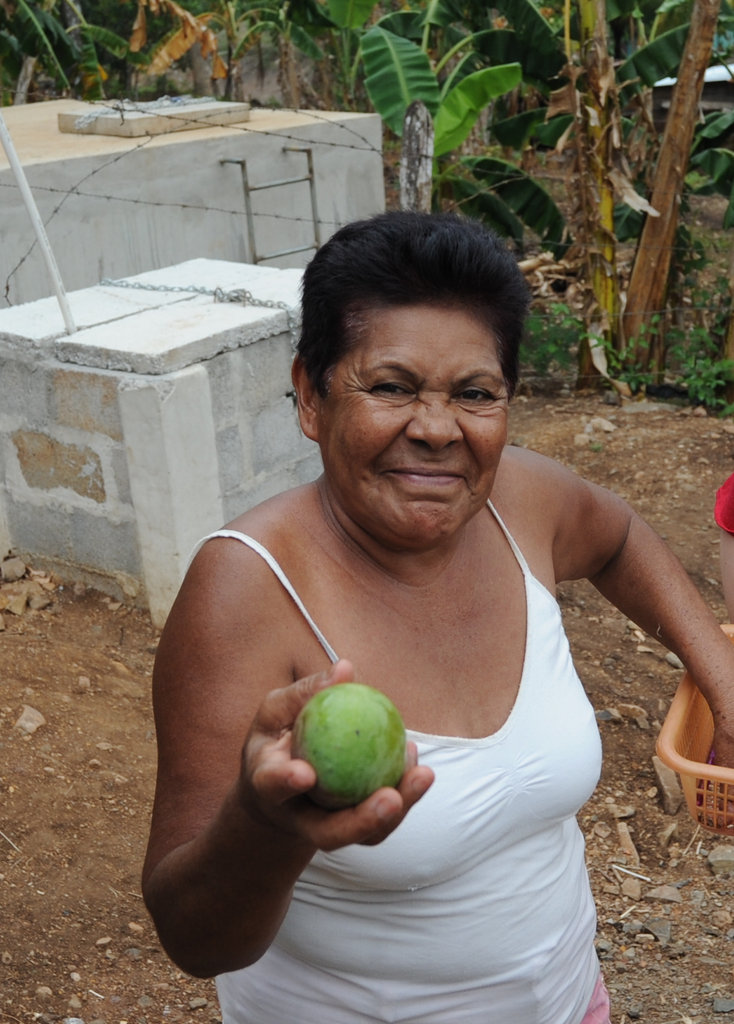
However, the project left one weakness in the water system: the water tank is unprotected and therefore very vulnerable to stormwater runoff and animal activity. This source of surface water is exposed to the elements and highly susceptible to fecal contamination.
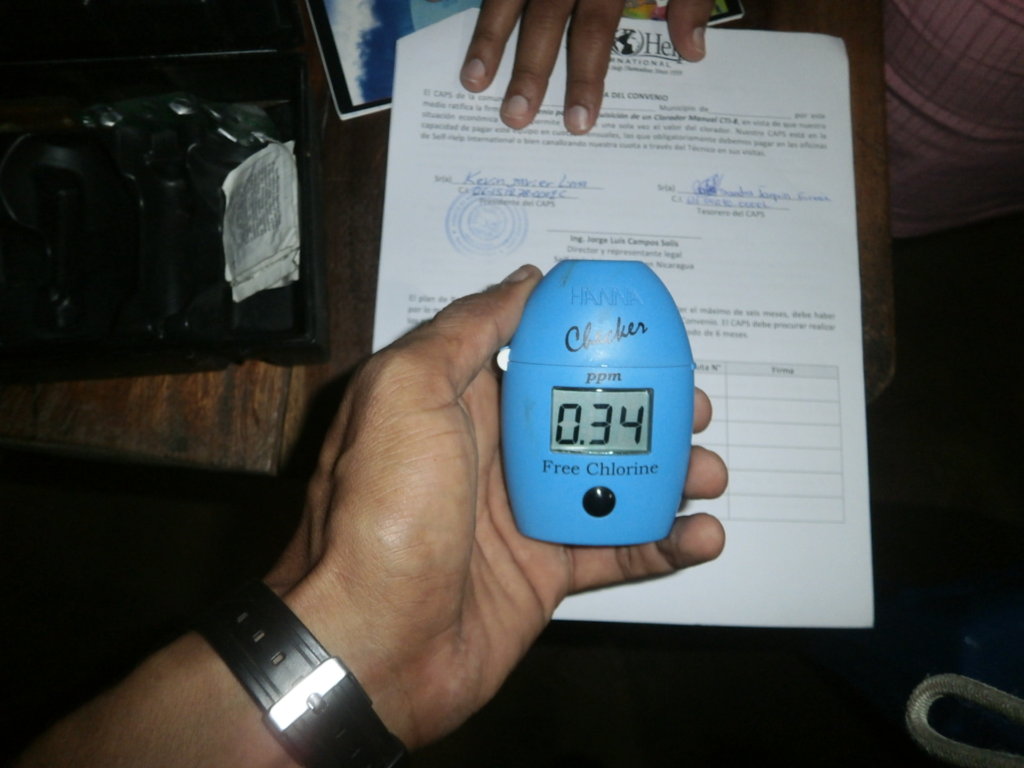
Working in coordination with Uriel, an engineer and local government water technician, we were able to make a visit to El Rótulo possible in February of 2017. We also contacted CAPS (the Water Sanitation Committee) and they sent Marcial and Ernesto who completed a Pathoscreen water quality test. The test came up positive for contamination after just 24 hours of incubation. The water turned dark and had a foul odor, two characteristics of fecal contamination.
When CAPS President Harvin found out about the contaminated water, his primary concern was for the health of the citizens, as it is the responsibility of CAPS to ensure that the public receives good quality water. The water in El Rótulo was not compliant with the legal health standards for water meant for human consumption as written by the Nicaragua Ministry of Health (MINSA), so Harvin called us and asked us to visit to his community and explain the importance of chlorinated water as well as the functions of the CTI-8.
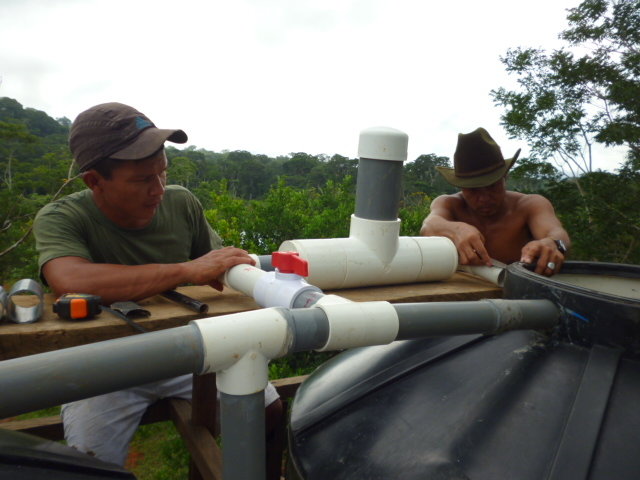
After the community visit, Harvin commented: “I’ve been living in this community for more than 10 years. I’ve witnessed the struggles to get water. I have two children, a son and a daughter. Together with my wife there are four of us living in my house. Now that we have a system of pipes that brings water directly to our house, we should be getting water that we can drink, that is pure, and free of contamination, and to achieve that we need your support disinfecting the water and helping us avoid illness.” In June of of 2017, the CTI-8 manual chlorinator was installed in the water tank in El Rótulo.
Gilma, the secretary of El Rótulo’s CAPS committee, who told us, “I have been working as a secretary at CAPS for six months and I am already familiar with the CTI-8 chlorinator. Our priority is to provide high quality water, free from contamination, so that the population of El Rótulo can be healthy. Some of our residents have commented that they can taste the chlorine in the water but we’ve explained that that is normal and will soon dissipate, but it is better now than before because we are avoiding many water-borne illnesses.”
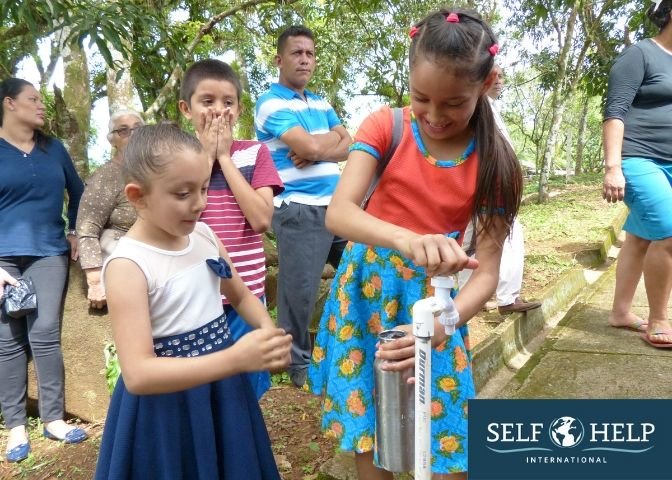
We went to speak with Martha, a preschool teacher, who expressed her satisfaction with the CTI-8, “Now we know the water is safe to drink because it tastes a bit like chlorine - and this is great because the children no longer get sick. When there were problems with the water distribution system, we had to collect water in containers and save it for the next day because the children play, they get dirty, and they get thirsty, they need to drink and wash their hands to eat. We need this chlorinated water to care for schoolchildren.”
Marta, the El Rótulo CAPS treasurer, has approximately six months in her position, and she wanted to share these words, “In my house, there are four of us, two children and two adults. I’ve been living here for eight years. Before, we really struggled with illnesses from water we drank from the river and wells, both without chlorination. Now we don’t have to suffer from diseases because we have the CTI-8 chlorinator. As the treasurer I am in charge of buying the chlorine tablets and explaining to the users the importance of paying the water tax.”
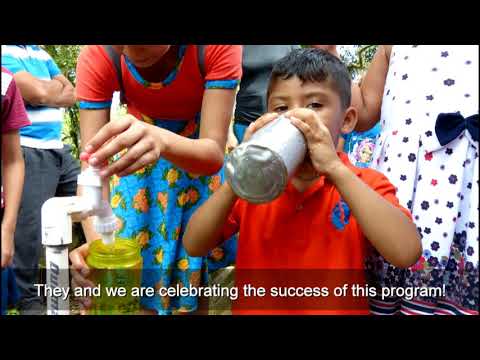
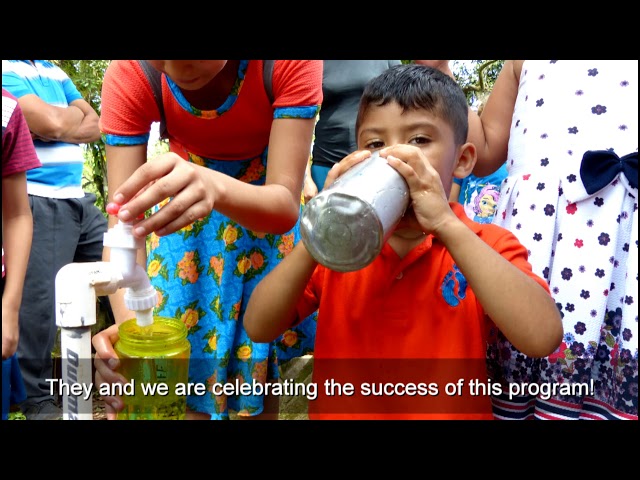
Currently, the aqueduct in El Rótulo that uses a CTI-8 chlorinator distributes clean water to 125 homes in which 625 people live who we consider direct beneficiaries; but there are also many others who benefit from the chlorinated water including those who come from different regions to sell their harvests as well as those who come from Los Chiles and San Carlos to purchase from them and sell their own wares. They all make use of the water to eat and drink in El Rótulo.
Project reports on GlobalGiving are posted directly to globalgiving.org by Project Leaders as they are completed, generally every 3-4 months. To protect the integrity of these documents, GlobalGiving does not alter them; therefore you may find some language or formatting issues.
If you donate to this project or have donated to this project, you can receive an email when this project posts a report. You can also subscribe for reports without donating.



Support this important cause by creating a personalized fundraising page.
Start a Fundraiser