By Orlando Montiel Salas | Clean Water Program Officer
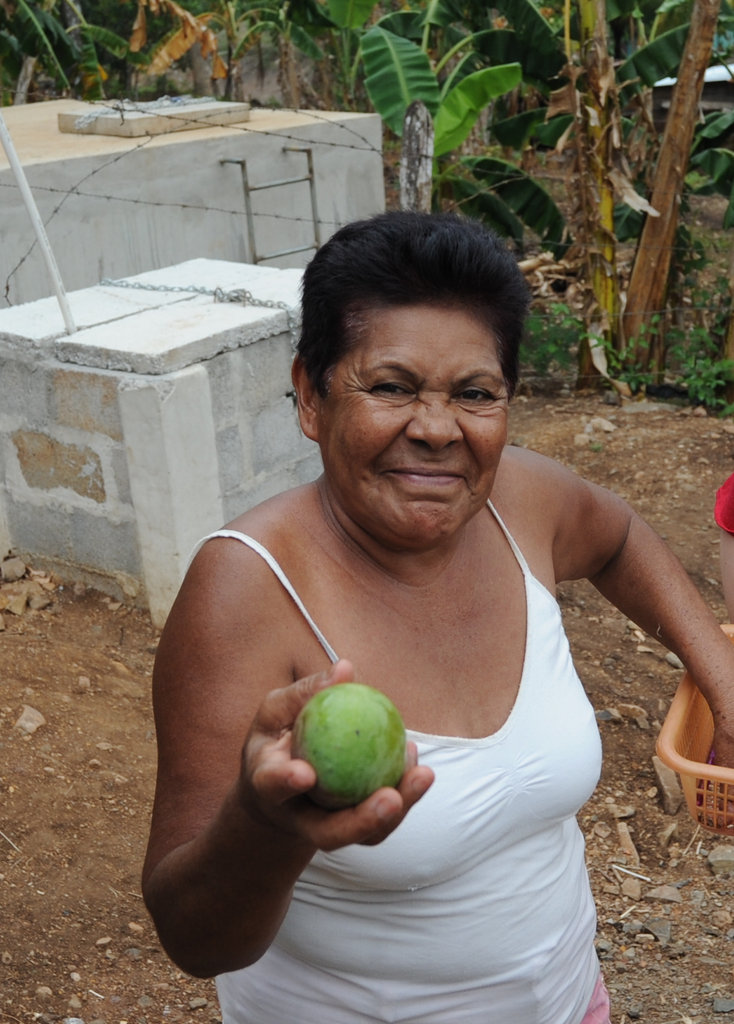
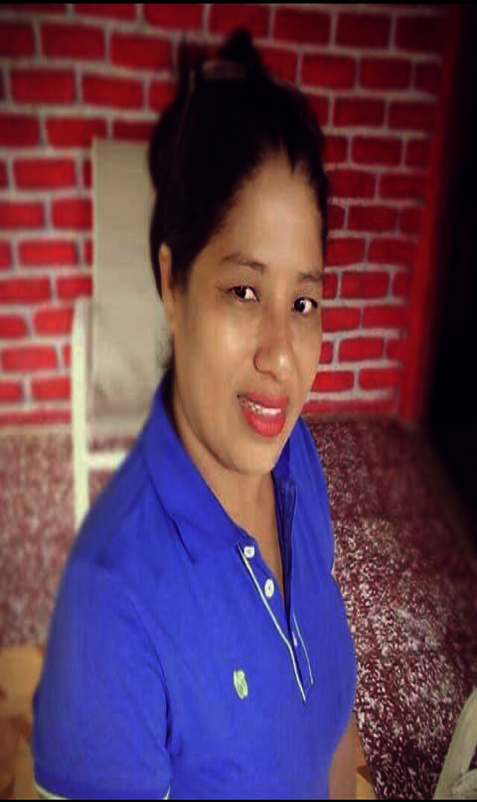
Obdulia has lived in the La Vainilla community in Chontales, Nicaragua her entire life. She has an 11-year-old daughter and a 15 year-old-son, and she manages the household while her husband is away in Costa Rica looking for work.
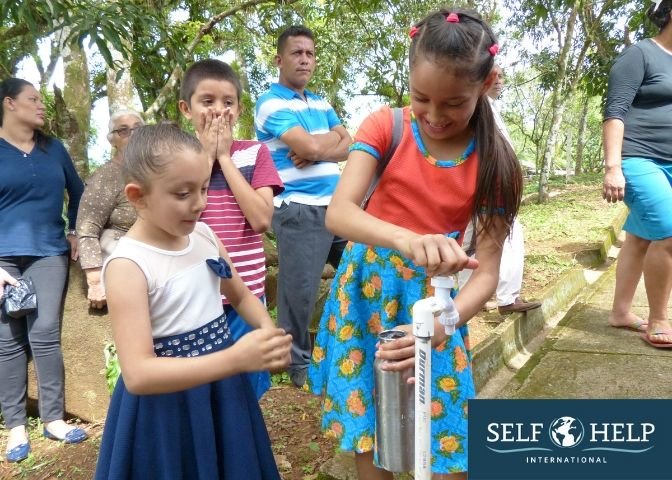
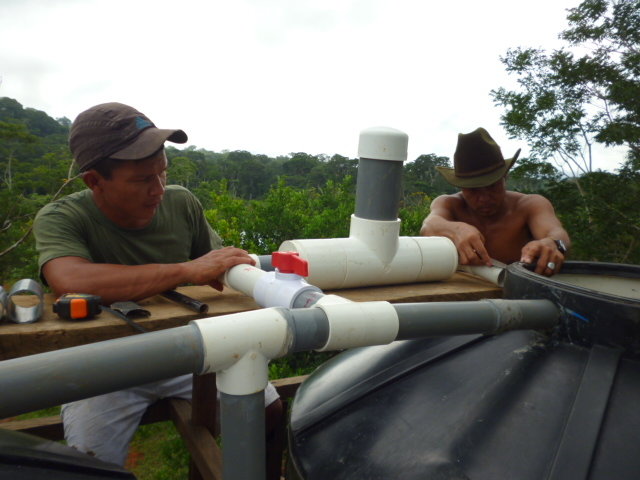
Obdulia is one of 270 people in La Vainilla with safe drinking water thanks to the CTI-8 chlorinator that Self-Help International’s Clean Water Program Officer, Orlando, helped install in the community.
Living Without Clean Water for a Long Time
La Vainilla has had a gravity aqueduct for over 20 years, but it wasn’t very good. The water came out dirty, so individuals in the community would strain it and add a few drops of bleach. The Water and Sanitation Committee (CAPS) before Obdulia’s tenure as treasurer didn’t chlorinate the main water source. Obdulia has been the CAPS treasurer of her community for seven months and since the new CAPS members took over, they’ve been adding commercial bleach to the water basin before the water is distributed into the houses.
La Vainilla doesn’t have a great source of water. In the summer, the water is scarce; in the winter, the water source can mix with the animal pastures. There aren’t many trees in the area to protect the water due to the livestock grazing. An engineer from San Pedro City Hall, Humberto, learned about La Vainilla’s water problem and told the CAPS about Self-Help International and its clean water program.
“We decided that chlorination would be good for our community because we’d have water to drink and better hygiene,” Obdulia said.
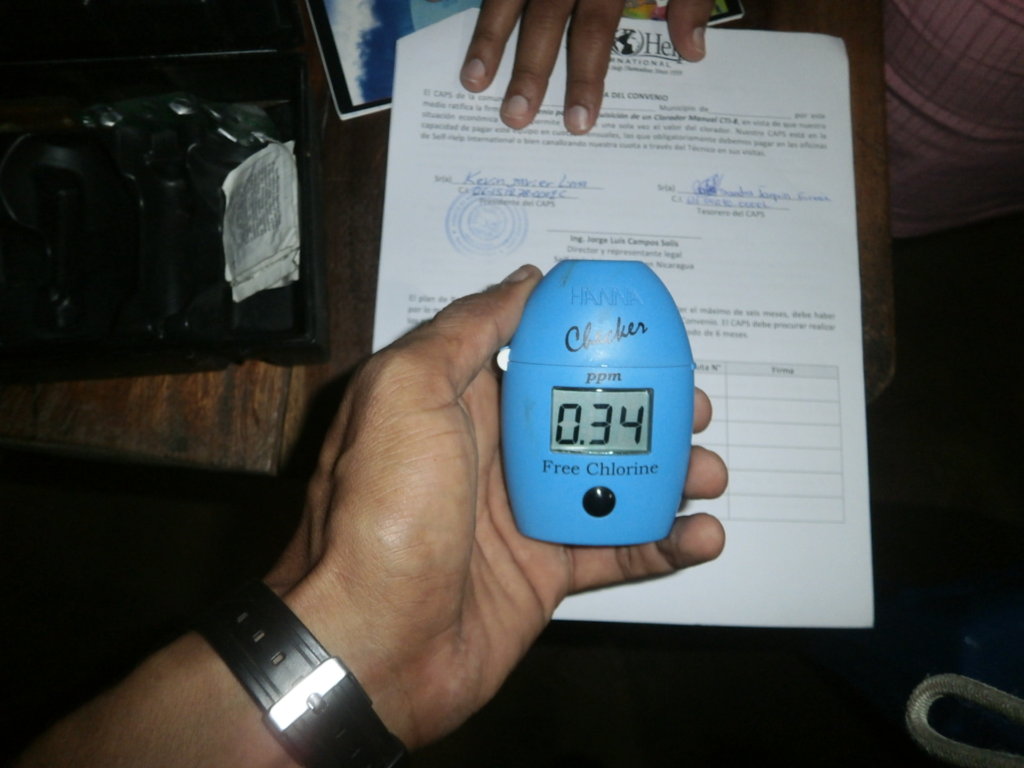
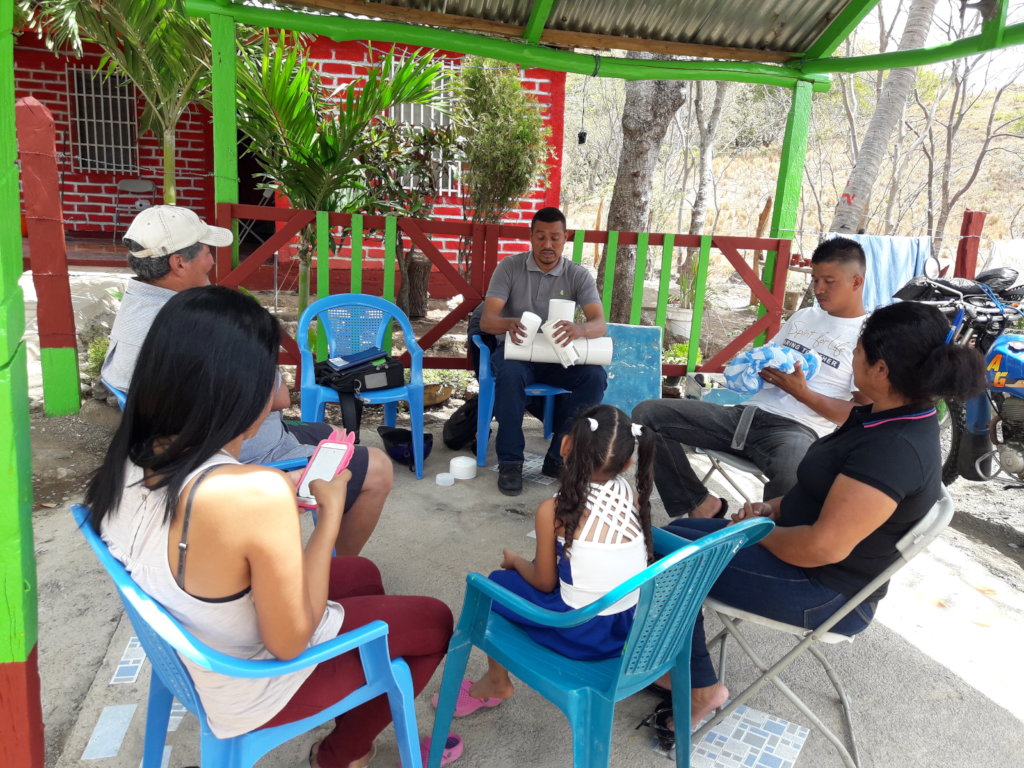
Self-Help’s Clean Water Program Officer, Orlando, went to Obdulia’s home and showed the CAPS members the chlorinator system and explained how the chlorine tablets work to remove contaminants in the water.
“We always used to doubt if the water was okay to drink, and we didn’t even know that the water was contaminated until Orlando came to do the water contamination test for us,” Obdulia said.
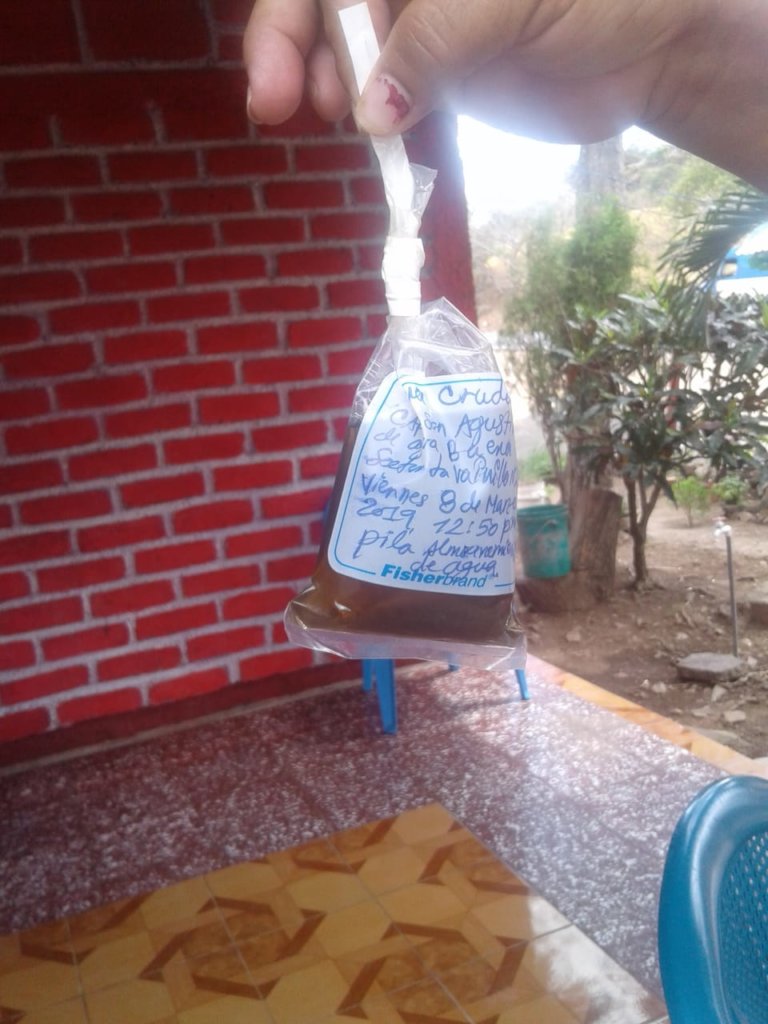
The water sample for the test was taken at the water basin where the community members get their water.
“I watched the change in the water in the little bag that Orlando left at my house, and I inspected it every 12 hours. When we saw the change in color, we immediately told everyone who used that water not to drink it until we’d installed the chlorinator,” Obdulia said. “We showed the little bag of contaminated water to different community members so that they would see the kind of water we were drinking!”
Time for a Change
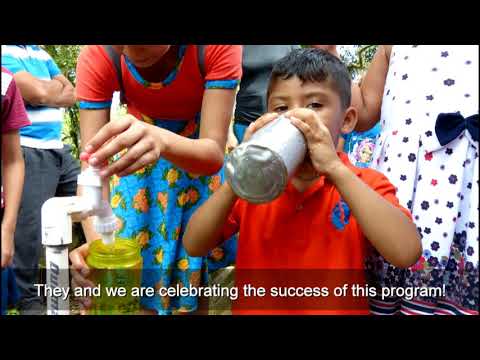
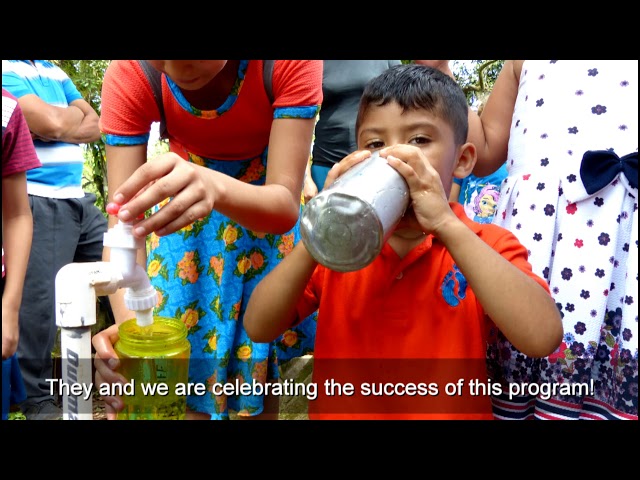
Once the La Vainilla CAPS and Self-Help installed the chlorinator, there was a change in the community when the CAPS explained that the chlorinator was working. The community began drinking the water again with confidence, and people told the CAPS that they could taste the chlorine in the water (which helped community members know that the chlorinator was working).
“As the water committee of La Vainilla, we made the decision to install the chlorinator,” Obdulia said. “We explained to the community that they’d have to continue maintaining it and get chlorine tablets every month to keep the water sanitized.”
“Today, we drink chlorinated water. We drink it confidently, and all of our community drinks it with plenty of security,” Obdulia said. “The community says they’re drinking quality water. They see that the water comes out clear and chlorinated. This is why we CAPS members say that we have improved the water quality in our community even though we’ve only been managing the CAPS for a little while.”
Thanks to the determination of La Vainilla’s CAPS members and Self-Help’s clean water program, La Vainilla has joined countless other Nicaraguan communities that now have access to safe drinking water. With clean water, more people are living healthier, more productive lives.
Project reports on GlobalGiving are posted directly to globalgiving.org by Project Leaders as they are completed, generally every 3-4 months. To protect the integrity of these documents, GlobalGiving does not alter them; therefore you may find some language or formatting issues.
If you donate to this project or have donated to this project, you can receive an email when this project posts a report. You can also subscribe for reports without donating.



Support this important cause by creating a personalized fundraising page.
Start a Fundraiser