By Orlando Montiel Salas | Self-Help International
Empalme de Los Sánchez is a small roadside community of 45 households and 230 water users. It is situated in San Miguelito, Rio San Juan. Five years ago, the community installed a chlorinator on its water system, so that its water could be purified and thus potable, so that locals’ health and well-being would improve. But, community water systems are maintained by volunteer organizations called ‘CAPS’ (Potable Water and Sanitation Committee), and Empalme de los Sanchez’s CAPS lacked good management due to local culture, community characteristics and other issues.
The community’s water users have had problems with water supply, availability and quality for the past few years. Families have complained about poor service and lack of sanitation of the vital liquid that until now they have received irregularly. The members of the previous board of directors of CAPS did not hold community assemblies (to discuss water); did not report what they did; and did not account for the money collected as water tariffs. The CAPS left the chlorinator unmaintained, without chlorine tablets and disconnected from the pipe.
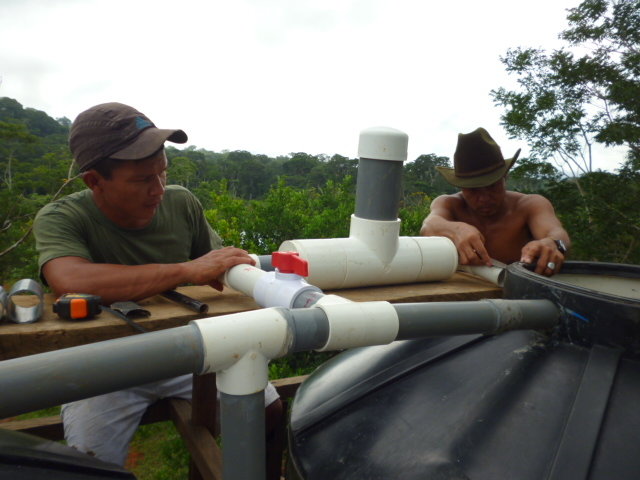
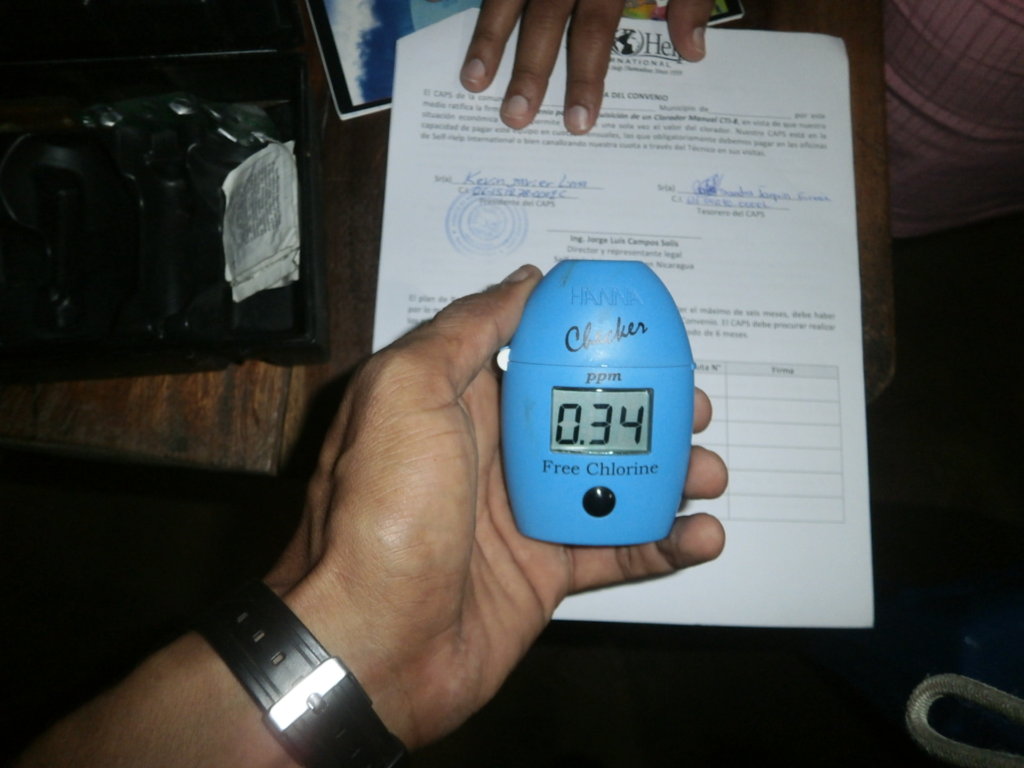
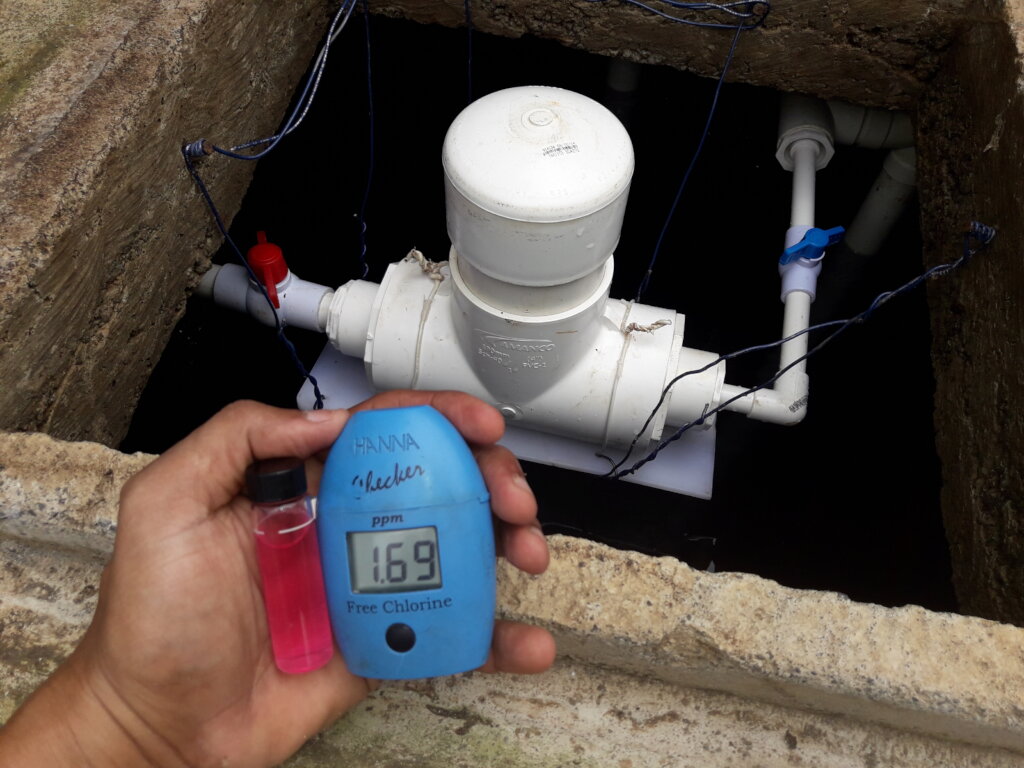
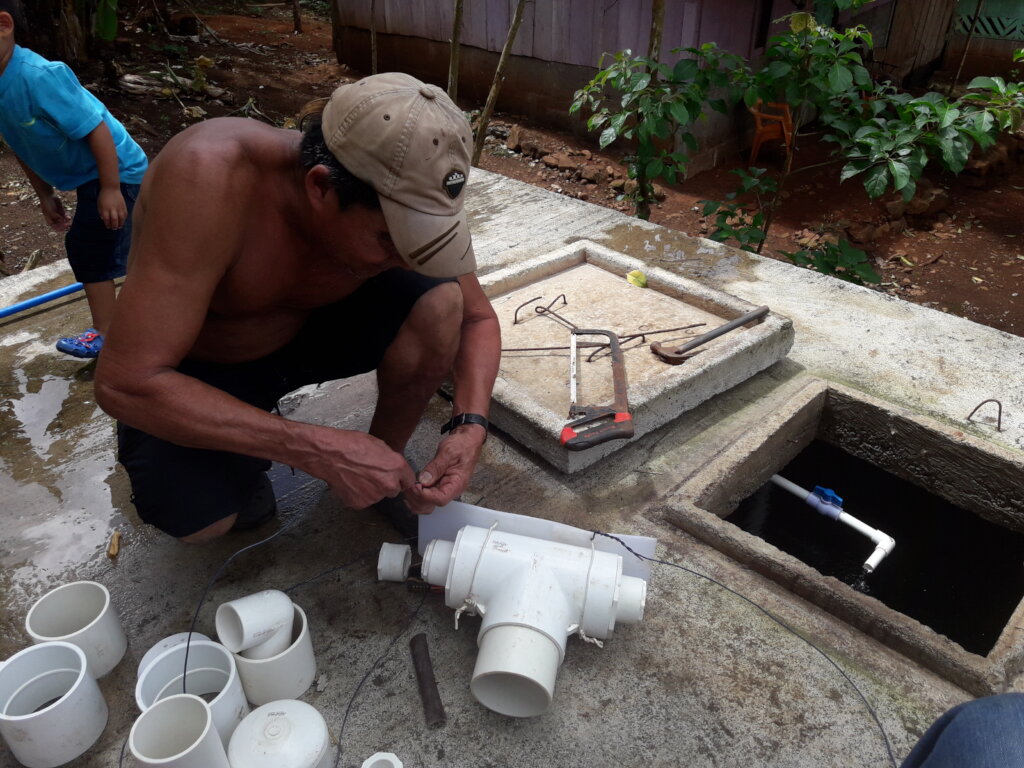
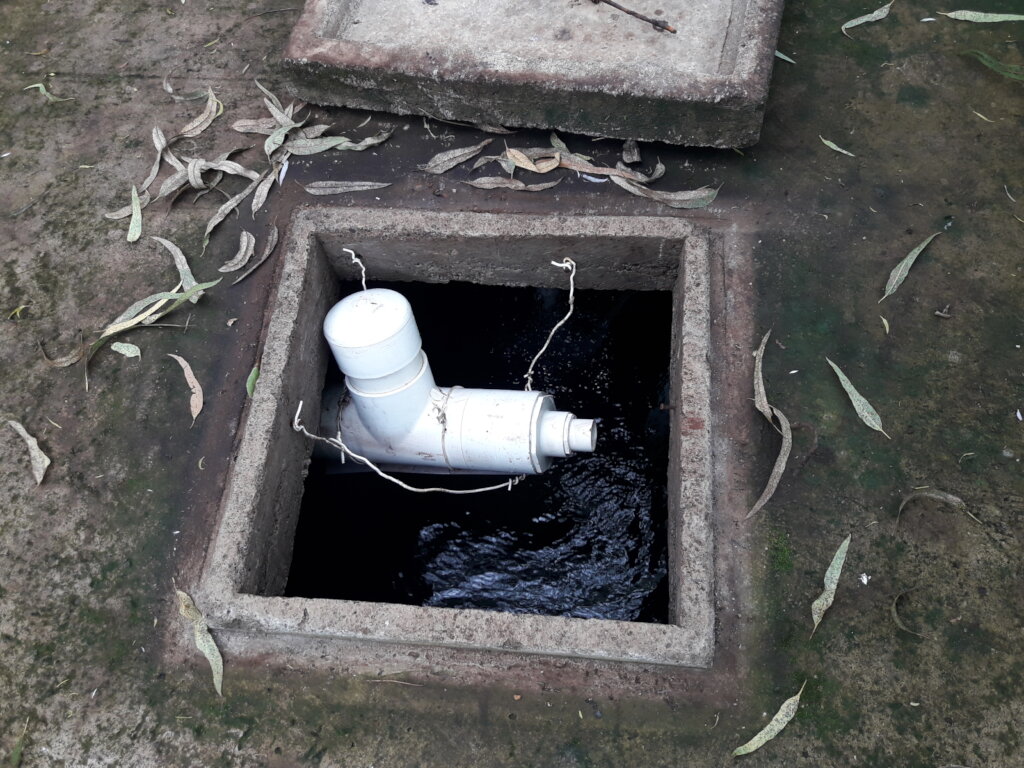
Marcelino Brenes Guzmán is the new president of CAPS, along with Yeiner Aguilar as treasurer. Marcelino has been concerned about the well-being of community members who consume the water. He regularly maintains the water intake filters and ensures that the water distribution basin from which water is distributed to individual houses, is clean. The community’s situation has been resolved, and the new CAPS leaders have improved the community work by modifying and rehabilitating the water chlorinator which is purifying water in the distribution basin. Today, Marcelino says that he feels good. He explained, “All of us who consume water, we are not going to contract a disease from dirty water with microbes, since it is being chlorinated and we are going to maintain chlorination while we are working for the community’s CAPS.”
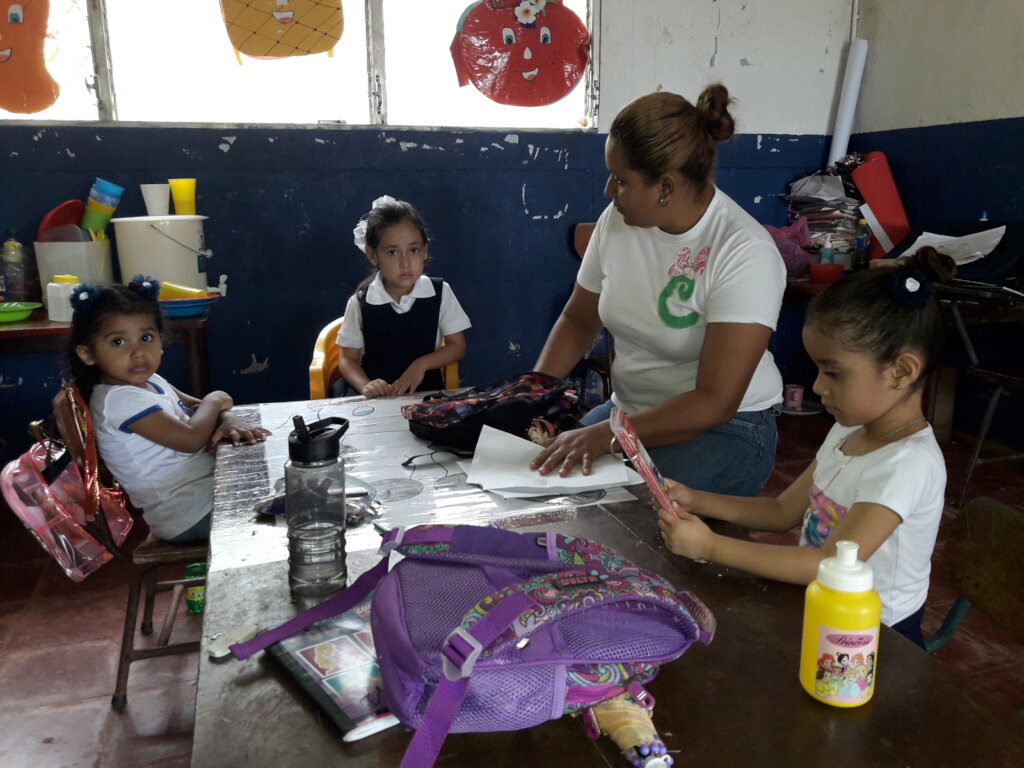
Meydi Sirias Espinoteaches at the Andrés Castro school in the Empalme Los Sánchez community commented on the water program. Each day she travels from San Miguelito to Empalme Los Sanchez to work with 37 students from first to sixth grade. She says when she first arrived in the community she noted the dirty water and terrible water service, and says there was practically no water in the school. She said this affected the children who studied there, and that she would bring them water from San Miguelito to drink and give to the children when they were thirsty.
Teacher Meydi explained that under the previous CAPS leadership, the school lacked consistent water and only had it occasionally and briefly, at which point they would collect it and store it in containers for the following days. But, since the water they collected wasn’t being purified with chlorine, it stank and the children were uncomfortable and refused to drink it.
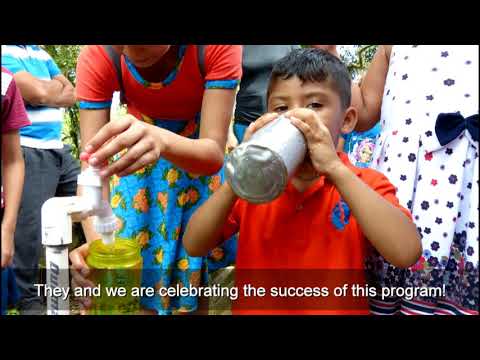
The children had to go outside the school to fetch water in many water jugs just to have a reserve. But, this water was dirty, because the water fountain wasn’t clean. Now that there are new CAPS directors, though, the water service has improved and the water is clean. Unlike the CAPS’ former director, who neither cleaned the drinking fountain nor chlorinated the water, Marcelino has been concerned about the cleanliness of the water. Once chlorinated water began reaching the school, Marcelino ensured that the drinking fountain would be clean and that there is water every day.
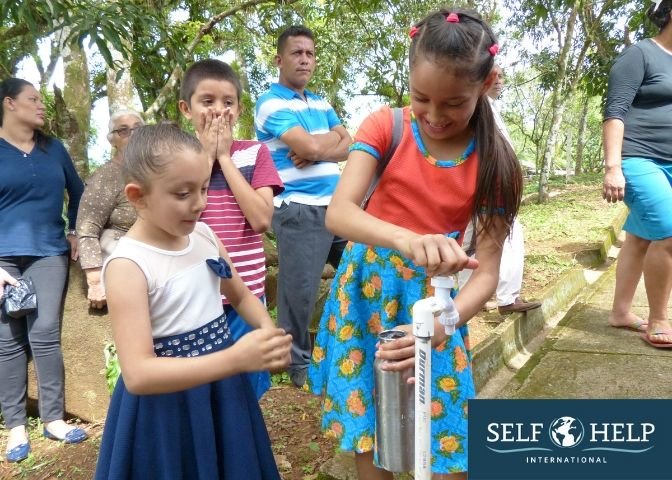
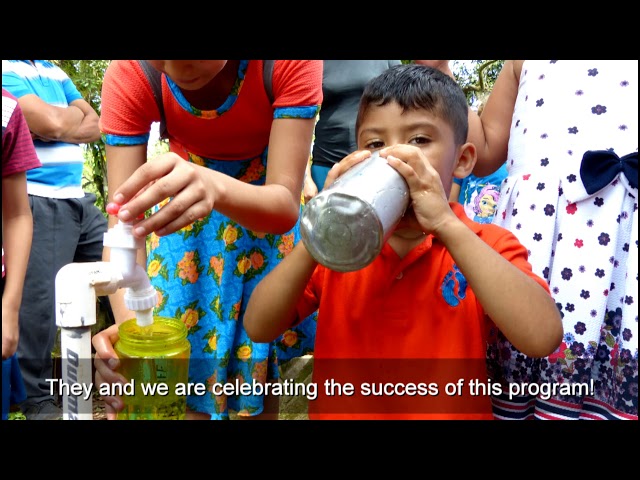
Nicaragua’s Ministry of Education (MINED) has provided communities with containers with taps in which water can be collected and from which children can serve themselves in glasses to drink it. The school now reports that it has better communication and coordination with the CAPS for the school’s water supply and for the cleaning of the water distribution tanks that are inside the school grounds.
The teacher reported, “We noticed the change in the water’s taste once it was being chlorinated, and now we feel safe drinking the water. Today, the children are healthier and happier and we explain to them the importance of chlorinating water for our health. We currently have the power to change the water daily.”
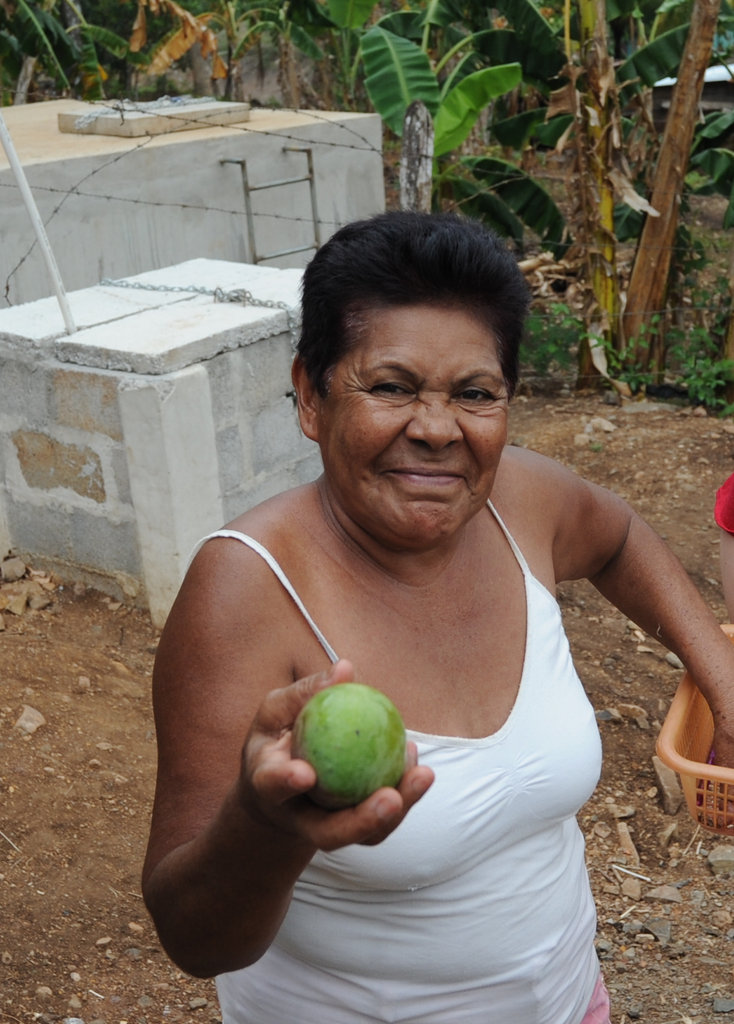
School children are not the only beneficiaries of this cleaner drinking water. The entire community now benefits from chlorination, including Félix Camila Dávila Obregón, who lives in a humble wooden house with her 18-year-old son, Franklin Daniel Dávila. She explained that her son had a kidney infection, and that this caused economic expenses and lost time, because she had to buy pills for her son's treatment and this affected them, because Franklin is the one who sows and harvests the crops .
Felix says, “Now that CAPS has new directors like Don Marcelino who cares, we have water every day and they are chlorinating it, something that I see as very important for our health, because we know that chlorine kills the microbes in the water.”
Self-Help International’s Clean Water Program is proud to support CAPS like that of Empalme de los Sanchez. It is committed to helping, educating and generating self-sufficiency in communities and CAPS with aqueducts, and the program provides comprehensive technical advice to maintain water purification in rural communities.
Clean water not only improves the health of people in rural communities, but also allows children to have healthy access to schools, avoiding diseases that cause delays in education and economic losses for families.
Project reports on GlobalGiving are posted directly to globalgiving.org by Project Leaders as they are completed, generally every 3-4 months. To protect the integrity of these documents, GlobalGiving does not alter them; therefore you may find some language or formatting issues.
If you donate to this project or have donated to this project, you can receive an email when this project posts a report. You can also subscribe for reports without donating.



Support this important cause by creating a personalized fundraising page.
Start a Fundraiser