By Orlando Montiel Salas | Clean Water Program Officer
Mexico is a rural community, considered a semi-urban settlement by the city hall of the municipality of San Carlos, located about 31 kilometers from the city—22 km of road that is paved, and 9 kilometers that is muddy, bumpy, and hard to access. According to the register of the Household Distribution Network of Drinking Water, Mexico is estimated to have a 180 homes and a population of 1,200 (averaging 7 family members per home).
The Mayor’s office along with other agencies, installed a gravity water system in 2005 that used an electric pump to fill the water storage tank. The system used a drip chlorination system that worked first with a granulated chlorine solution, and then moved to using a chlorine produced by hydrolysis, but it did not completely purify the water and eventually stopped working. Below is the story of how Self-Help International brought a sustainable answer to the community of Mexico.
Stories from the President of the CAPS of México
Juan is a 28-year-old who has lived in the community of México for most of his life. Two years ago, he became the CAPS (Drinking Water and Sanitation) President in his community. In an interview with his family, he said, “Before we had this project, there were only communal wells that supplied water to the population of Mexico. The wells were not treated, so many stomach diseases and diarrhea caused by cholera affected the entire health of the community."
When the project began in 2005 through the efforts of Teófilo and Wilfredo (two recognized leaders in the community), the CAPS for México was also formed to manage the water system, but at that time, the water was being treated with the granulated chlorine drops, using the electric chlorinator that broke down. The community complained about this method because it didn’t seem secure.
When the second chlorinator system method was used (hydrolysis), it required salted water and an electronic device to produce the chlorine in the liquid, proving to be too difficult a method to manage and required certain conditions to work properly. In addition to this method, they also had to apply the chlorine manually every day directly into the water storage tanks, making it difficult to manage and consumed much of the leaders’ time. The device eventually broke down due to electrical problems.
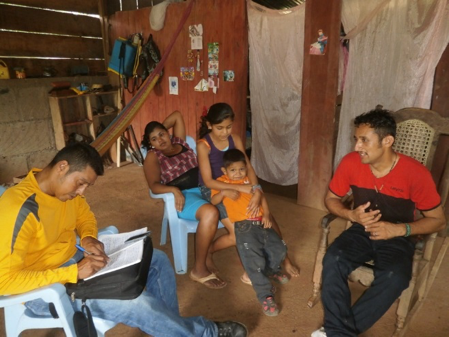
Sitting in his quiet home, next to his wife Auxiliadora, his ten-year-old daughter Sheila, and his four-year-old son Jason, Juan continues the story and said, “We spent over a year with issues trying to provide chlorine treatment to the water, but as soon as we heard about Self-Help International and its innovative water chlorinator program we contacted the Water Program Officer right away to come to Mexico and teach us how could bring safe drinking water to our community.”
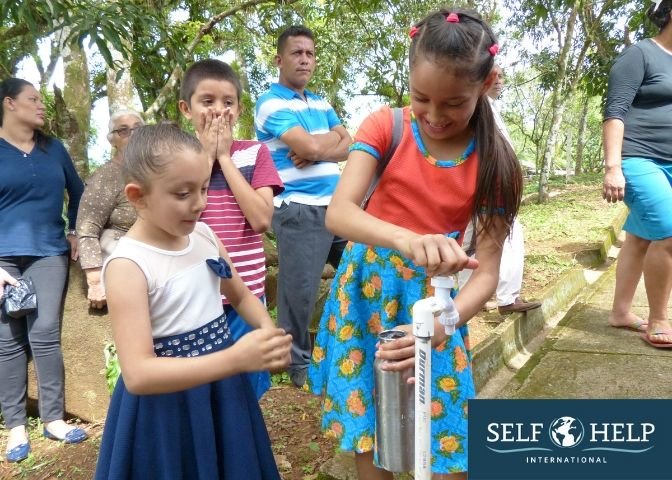
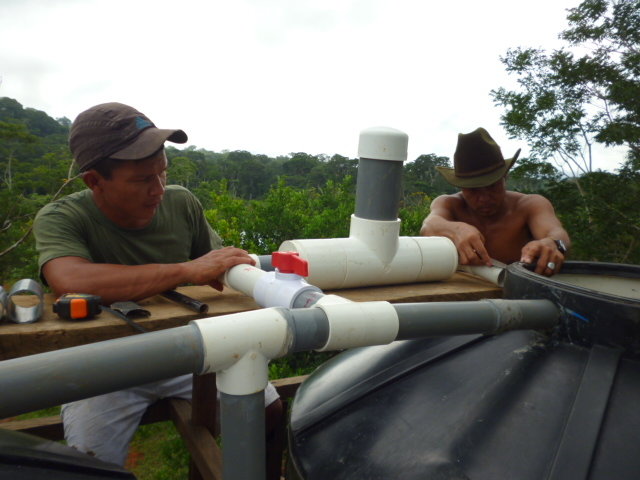
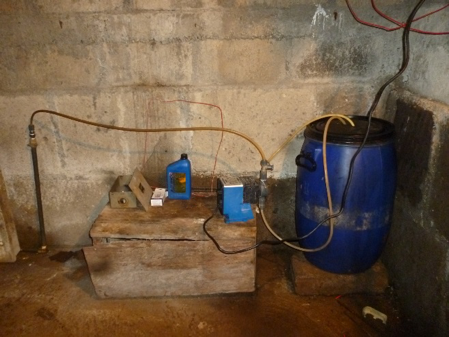
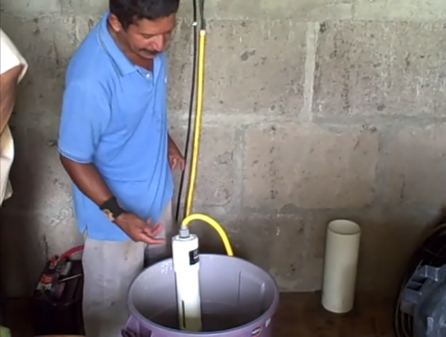
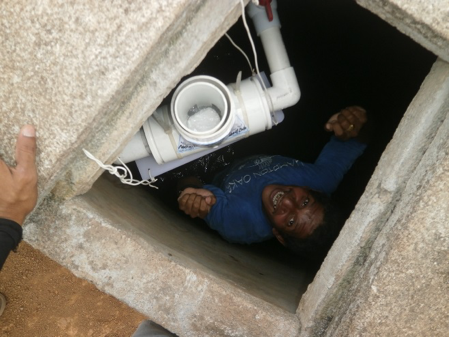
Speaking from his heart, he continued, “Thanks to God and Self-Help International, we now have installed the CTI-8 chlorinator system in our storage water tank, and this system is more easy to use to chlorinate the water without the hassle of using batteries or electricity. The water is finally able to be distributed to all houses in our community. The CTI-8 Chlorinator guarantees us the hygiene, safety and confidence whenever we drink water; so the installation cost was well worth it, because the community knows it’s now completely safe.”
Stories from the Secretary of the CAPS of México
Delia is the Secretary of CAPS from Mexico. Her story begins when her husband Walter, their son Francisco (15 years old), and younger son Bryan (5 years old), had to spend a majority of their income on taking care of her father-in-law when he became ill with cholera. She remembers the days when they would have to drink raw water without any treatment, because there were no safe chlorine options at the time.
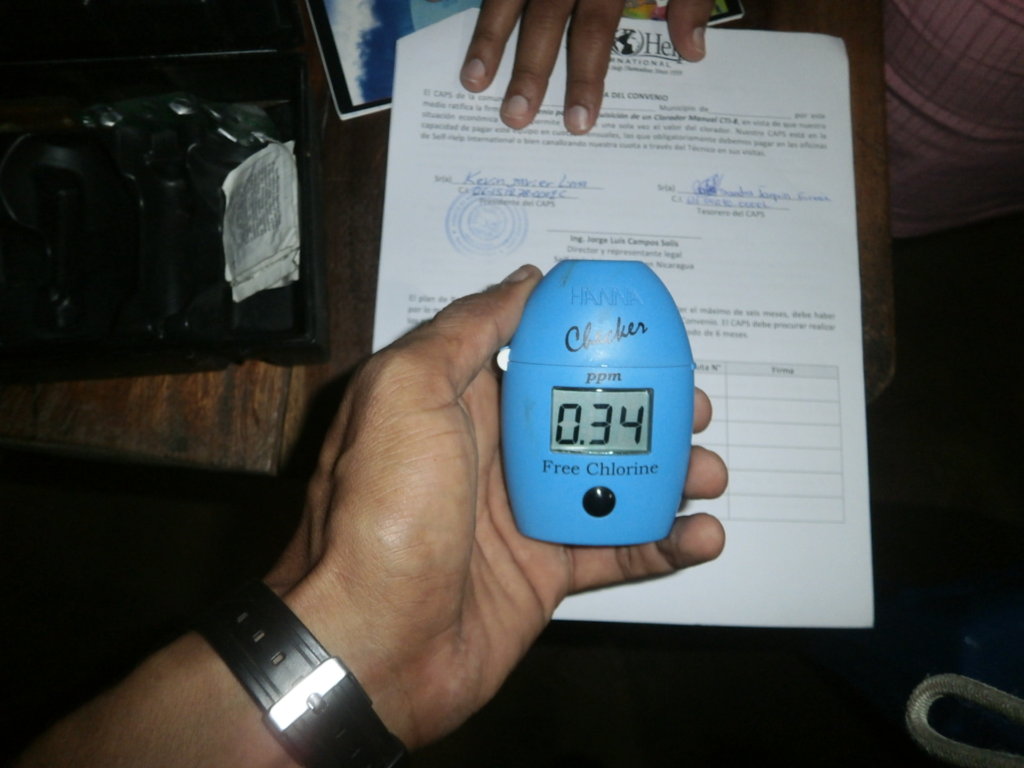
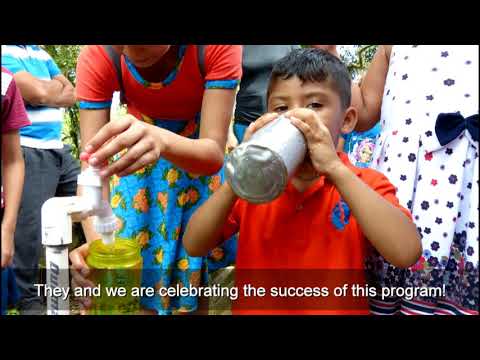
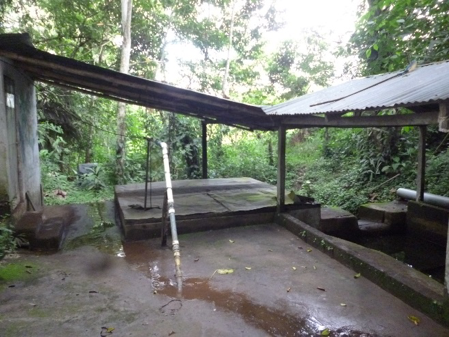
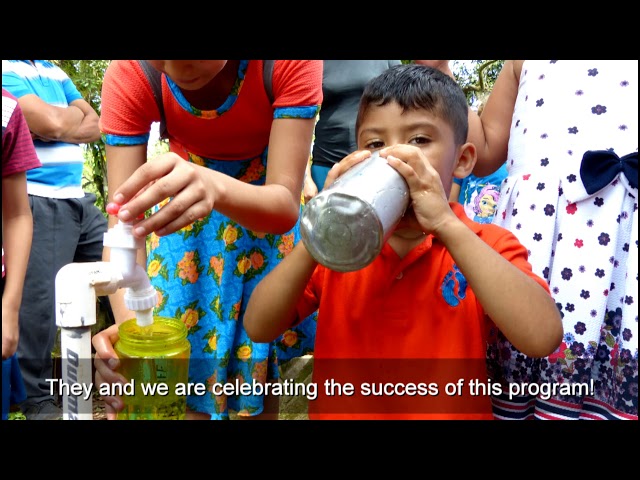
Today in México where her family currently resides, there is now a natural water source with a CTI-8 Chlorinator system installed that provides the correct chlorine treatment for them to drink safe water. Like Juan, she remembers the time they had to use two different devices to chlorinate the water, but both were damaged during the time they were using it. Now with the chlorine tablets, the people of México feel safer with the water they drink because it guarantees the health of all us.
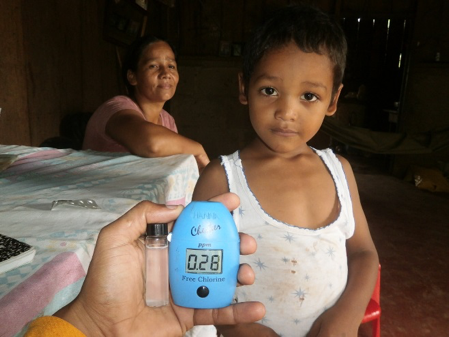
Delia ends the conversation by saying, “The cost of chlorinator CTI-8 certainly is worthy and justified, because it improves the health of the people through chlorine water; as it is more expensive to cure a disease than install the CTI-8 chlorinator and buy the chlorine tablets.” She tells Self-Help that, “We [community of México] use only three chlorine tablets every month to keep the water treated, and that's cheap for us… very cheap.”
She also proudly states, “We are currently incorporating a tiny nearby village called Los Ranchitos (an additional 40 houses with 150 people) to our community’s water system so they can have the benefits of clean water that we all do. We are very thankful for Self-Help International for bringing us the CTI-8 chlorinator system and for providing us advice and monitoring our system to improve the health of our people.”
**Help us reach more communities with clean water by donating on #GivingTuesday, and GlobalGiving will match 50% of your donation so your impact is magnified!**
This offer begins at 11PM Central on Nov 28 and runs through Nov 29 while funds last, so set yourself a reminder to donate as early as possible to maximize your impact!
Learn more at http://tools.blog.globalgiving.org/2016/11/01/globalgiving-has-huge-news/
Project reports on GlobalGiving are posted directly to globalgiving.org by Project Leaders as they are completed, generally every 3-4 months. To protect the integrity of these documents, GlobalGiving does not alter them; therefore you may find some language or formatting issues.
If you donate to this project or have donated to this project, you can receive an email when this project posts a report. You can also subscribe for reports without donating.



Support this important cause by creating a personalized fundraising page.
Start a Fundraiser