By Orlando Montiel Salas | Clean Water Program Officer
Install a chlorinator with chlorine tablets, and they’ll drink clean water for a month. Teach a community to organize and they’ll drink clean water for a lifetime.
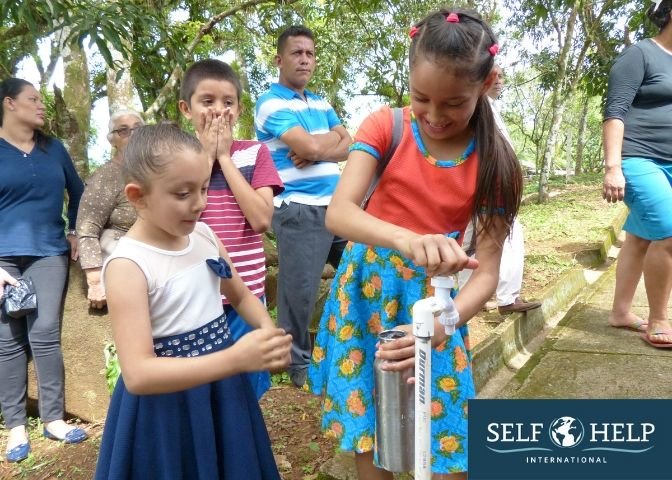
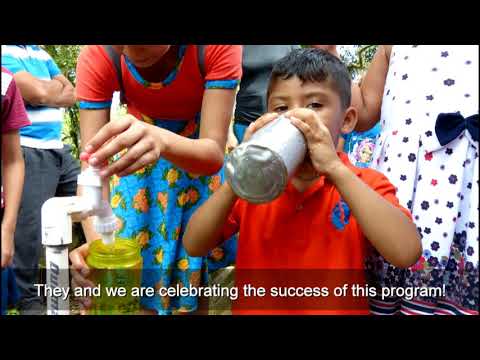
Since we launched our clean water intititive about five years ago, Self-Help has worked with more than 85 villages in 8 different municipalities in southern Nicaragua to help them access safer drinking water. About a quarter of the villages we serve are in the municipality of Nueva Guinea, where we've helped 27,338 people access clean drinking water on a daily basis.
Although in the initial training sessions, I help communities understand that there will be ongoing costs to chlorinate the water so it’s safe day in and day out, in my follow up visits with the village Clean Water Committee (CAPS) leaders, it became clear to me that not all communities have experience managing these ongoing communal costs, such as those necessary to cover expenses associated with water pumps, electricity to power the pumps, and chlorine tablets to keep the drinking water safe each month.
For example, in early June, we tested water in the Santa Fe community of Nueva Guinea. We observed contaminated water because the CAPS leaders did not regularly apply the chlorine tablets. Having a water chlorinator installed is not enough; there must be a sufficient supply of chlorine tablets to keep the water safe. While the average cost is affordable at just $6 per village per month, having clean water is dependent upon the ability of the CAPS to mobilize those funds when needed each month.
Santa Fe is not alone. Many of the communities that are in need of a water purification system have never had any type of water infrastructure nor the social infrastructure (i.e. calculating costs/coordinating communal payment of them) required to maintain such a system. So in mid-June, I met with the Nueva Guinea Mayor’s Office to plan workshops to train current and future members of village-level Clean Water Committees to better serve their communities.
I created a guide called, “How to Calculate the Initial and Ongoing Costs of Installing a Community Water System,” which gives step-by-step instructions on calculating the cost of installation, maintenance, and administration of a new water purification system, including setting an appropriate household maintenance fee. Now, every community has the same guidelines as well as the financial and infrastructural resources they need to effectively manage their local water system.
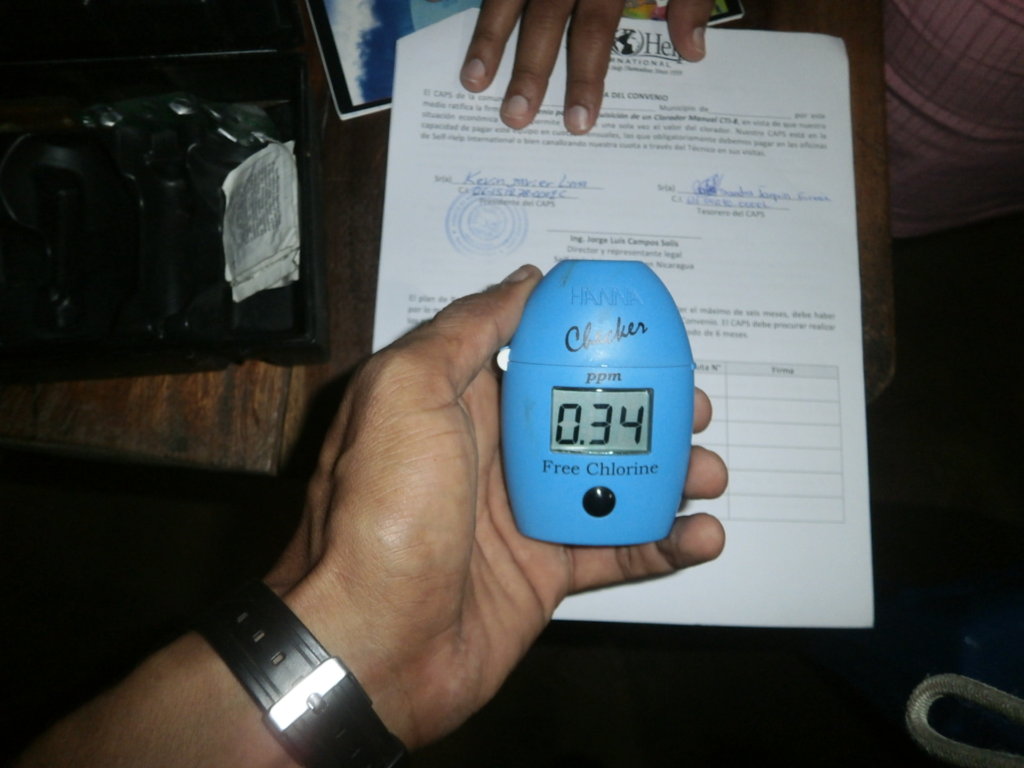
Self-Help then held three separate workshops from June 21 - 23 to ensure that as many CAPS leaders as possible were able to attend. Seventy leaders (20 women and 50 men) representing 23 of the 26 communities participated in the training workshops. In these workshops, we presented the guide and explained how the community leaders could use the system we devised to calculate costs and implement the necessary infrastructure for a water purification system. We also taught the leaders how to provide technical follow-up to their local Clean Water Committees, such as performing residual chlorine and Pathoscreen tests.
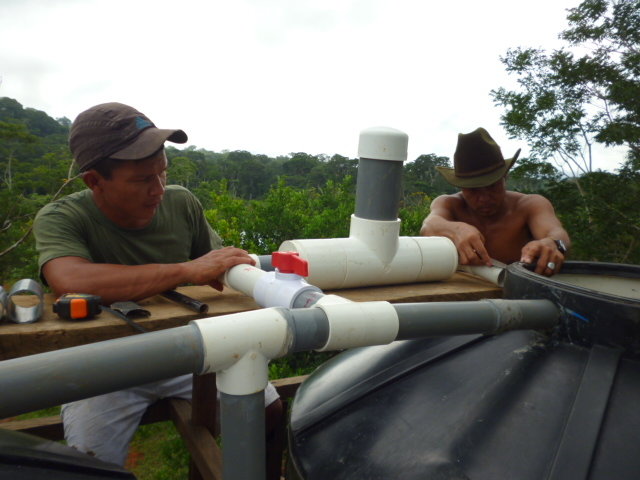
Based on the success of these training sessions in Nueva Guinea, we hosted the training session at the Fred Strohbehn Training Center in Rio San Juan on July 27. Six leaders of CAPS from four communities participated in the training session where they, too, learned the methodology for calculating the drinking water tariff rate, adjusted to the real costs and administrative expenses incurred by the maintenance of the CTI-8 Manual Chlorinators and monitoring of the water quality.
At the end of that meeting, the six CAPS leaders realized that their collection rates were unsustainable and that they needed to provide their communities with a report and recommendation to set new collection rates differentiated by real consumption of water. Participants of the training said they valued the session and went back to their communities with new tools to better manage their water systems. I continued conducting these trainings for community leaders during our follow up visits throughout August.
At Self-Help, we’ve always known that installing chlorinators alone isn’t enough: we must also offer training to help build capacity among local leadership to ensure the community gets the full benefits of clean water not only that first month, but for years to come. Community leaders must be able to maintain the system long term, both technically and financially. I'm confident that CAPS leaders in Nueva Guinea and across southern Nicaragua are now better equipped to provide their communities with clean water in a financially sustainable manner.
Thank you for your support of this important work, which is creating healthier families and communities across Nicaragua!
*ALL DONATIONS MATCHED TOMORROW!* GlobalGiving will match all gifts made Thursday, October 5 from 8am - 11pm Central, up to $1,000 per person! Set a reminder to donate tomorrow to make your gift go further. See complete terms & conditions here.
Project reports on GlobalGiving are posted directly to globalgiving.org by Project Leaders as they are completed, generally every 3-4 months. To protect the integrity of these documents, GlobalGiving does not alter them; therefore you may find some language or formatting issues.
If you donate to this project or have donated to this project, you can receive an email when this project posts a report. You can also subscribe for reports without donating.



Support this important cause by creating a personalized fundraising page.
Start a Fundraiser