By Catherine Craig | President, CPALI
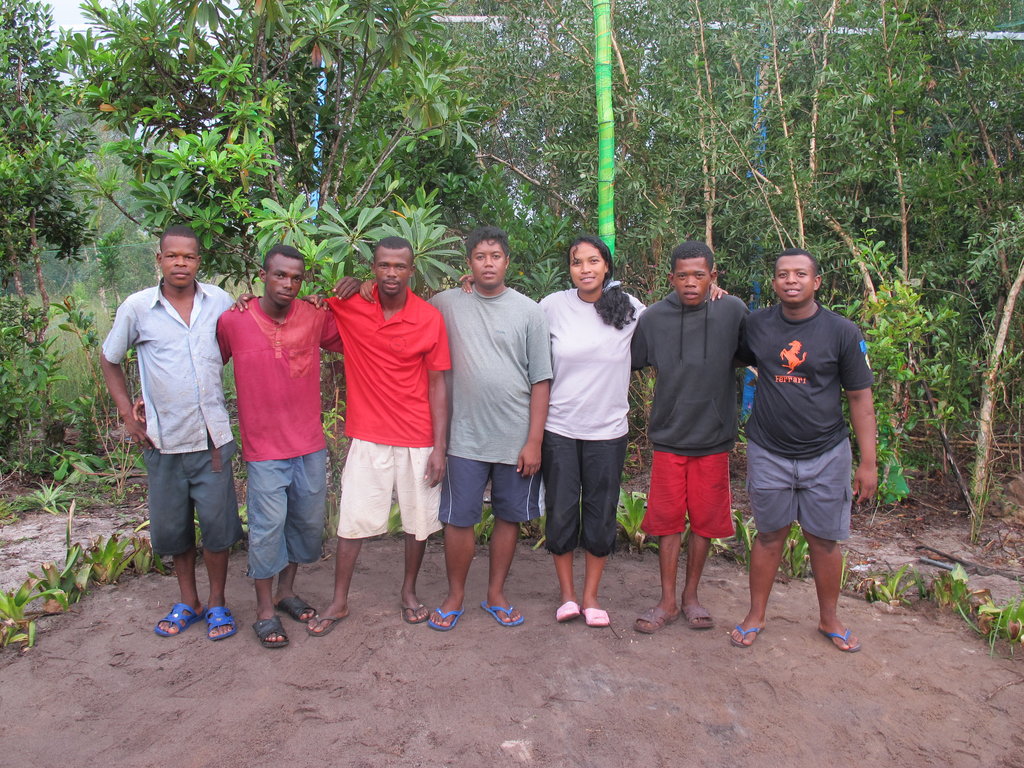
Just back from Madagascar visiting the team, farmers and training center. It was great to see everyone and all of the terrific work they are doing despite Madagascar’s difficult economic circumstances.
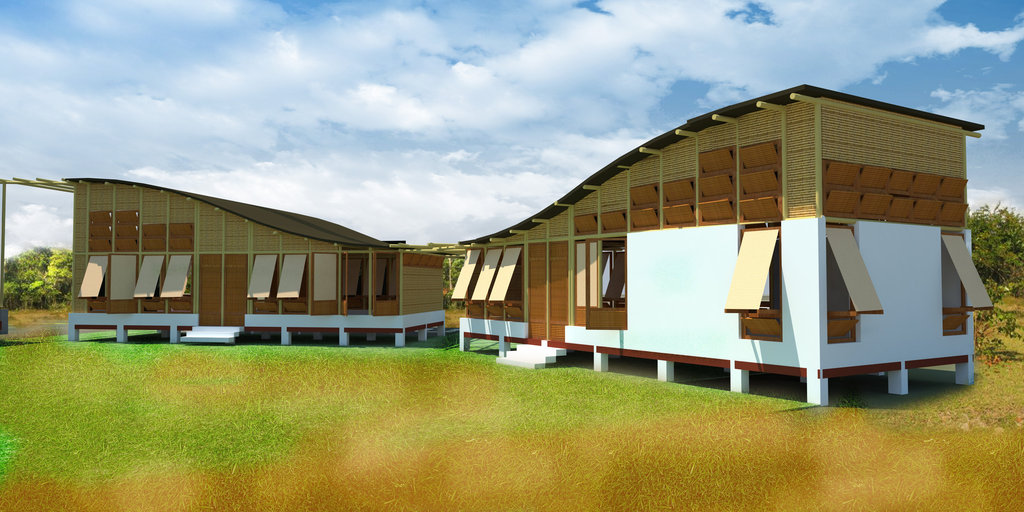
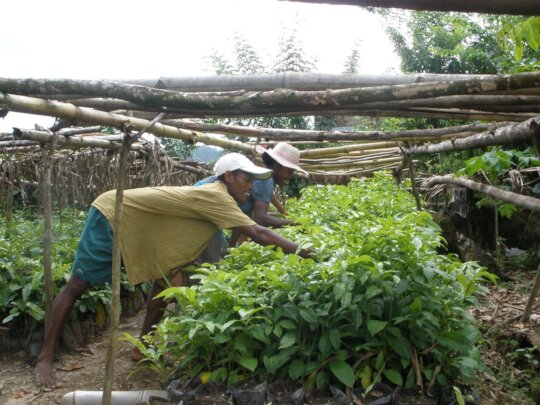
Unfortunately, we have a slight setback in our plans – our first chicken with an egg. On the verge of surging ahead, we have discovered that we don’t have a ready source of bamboo to use for building. Unfortunately, the factory that treats the bamboo to protect it again insect damage and fungi in Tamatave was burnt down. While there is a functioning factory in Tana, the bamboo would have to be sourced from the Maroantsetra area, shipped to Tana, treated, and shipped back – a prohibitively expensive operation. We had wanted to use bamboo in hopes of mitigating the impact of harvesting wood, already extensive in the area, and encouraging farmers to begin to grow bamboo for construction and market. However, it now seems that the only other option is concrete. Will we be able to build the inspiring training center with soaring lines as we had planned? Is there anyone in our GG family who would like to invest in building a bamboo treatment in the Maroantsetra area? I can guarantee your first customer.
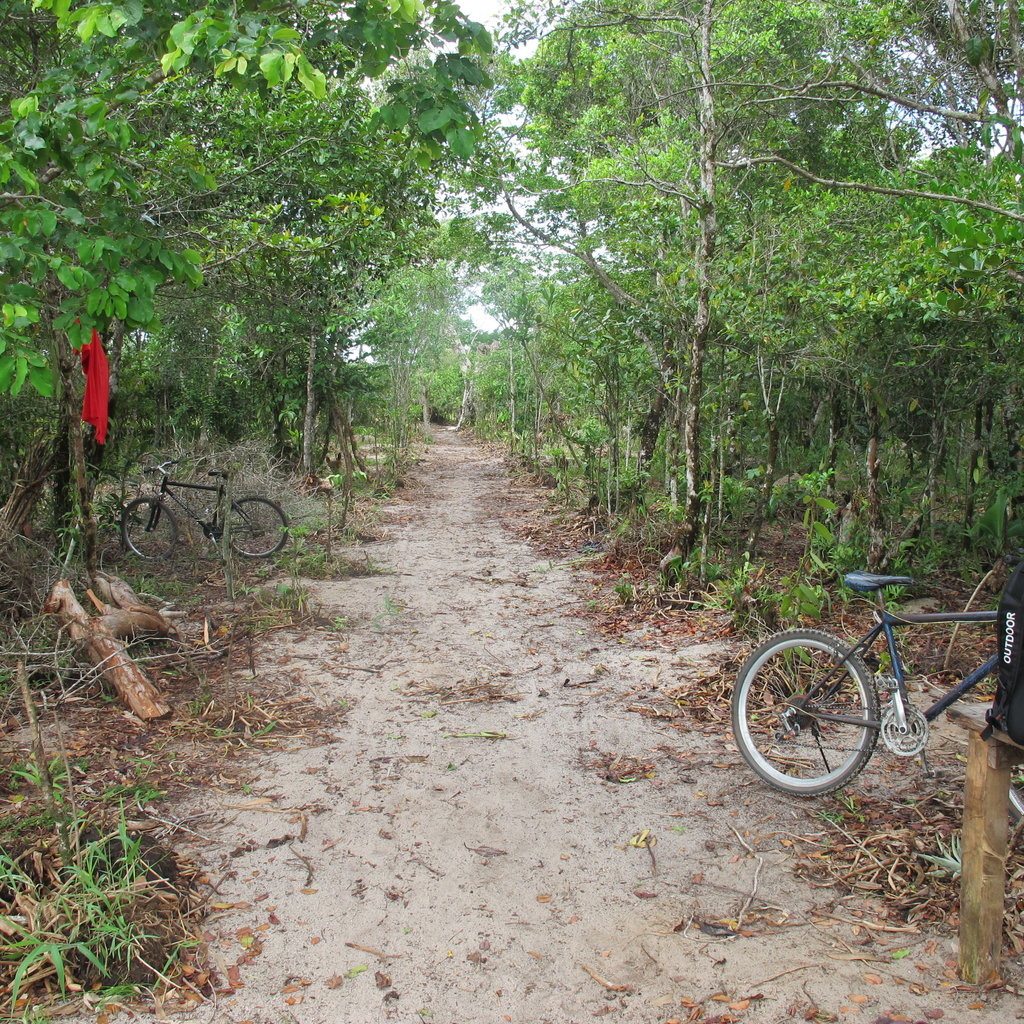
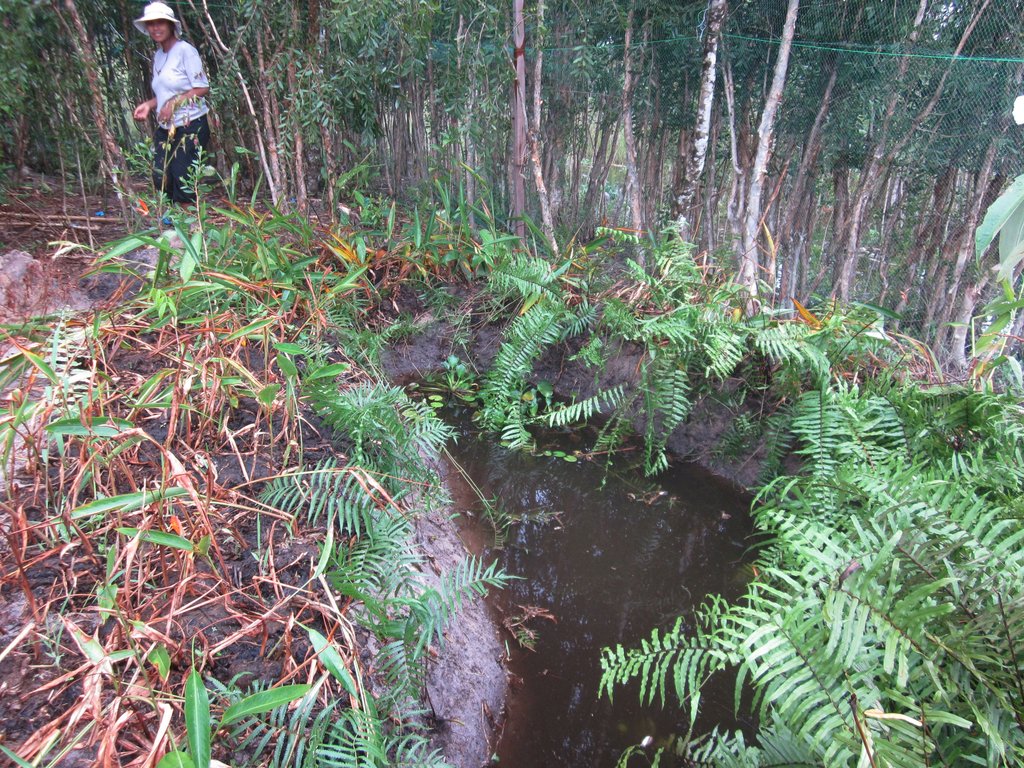
Our second setback - our chicken and egg conundrum - We don't have electricity. We have discovered that the closest electrical line is not close at all. We had not planned to build a training center when we first purchased the demonstration site thinking it would be used only for farming. We will now need to find a new site that is on the electric line (likely to be out of our price range), lay a new cable (definitely our of our price range) or design a combination of wind, solar and generator power. If we simply buy a generator then we will be greatly increasing our program costs over the long term and tied to purchasing diesel. The upshot is we can’t start building until we have electricity. Are there any “engineers without borders” available to help us plan an electrical system to support the center’s proposed current and future activities?
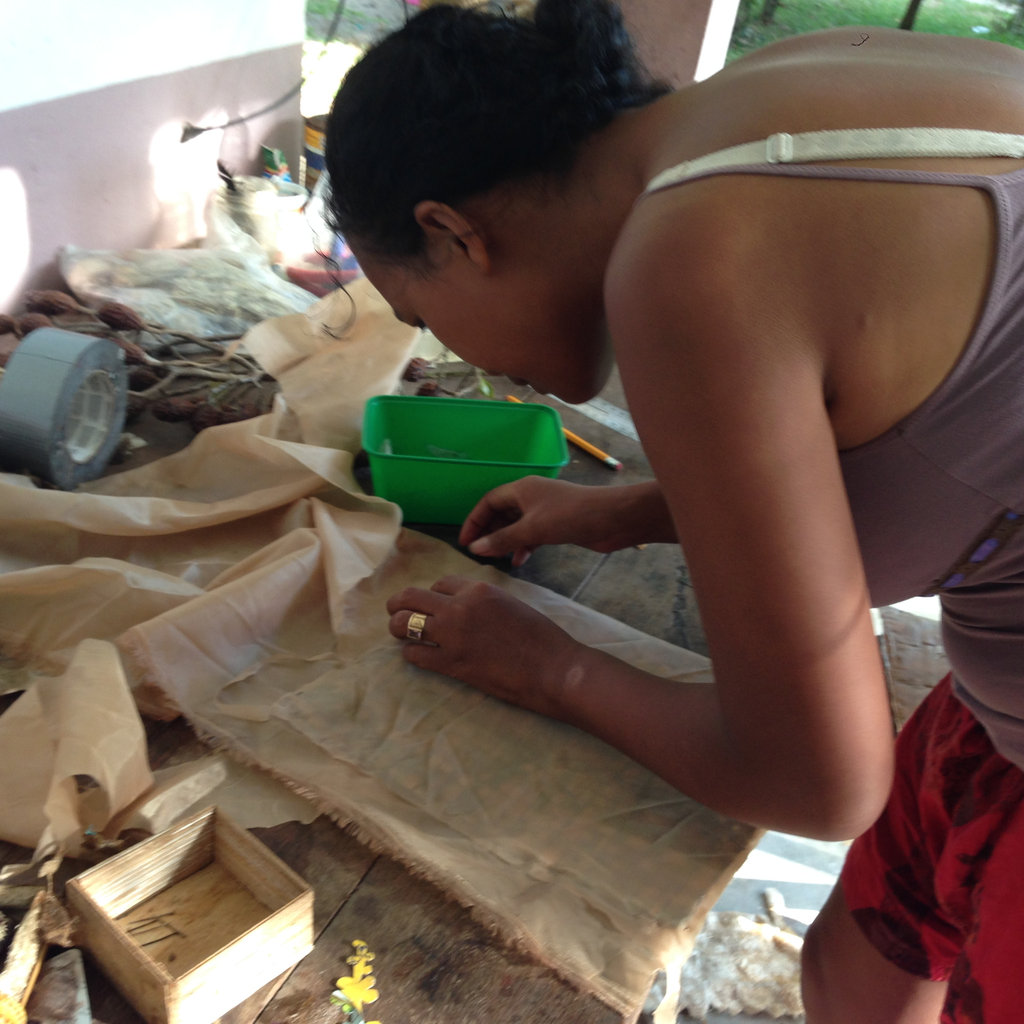
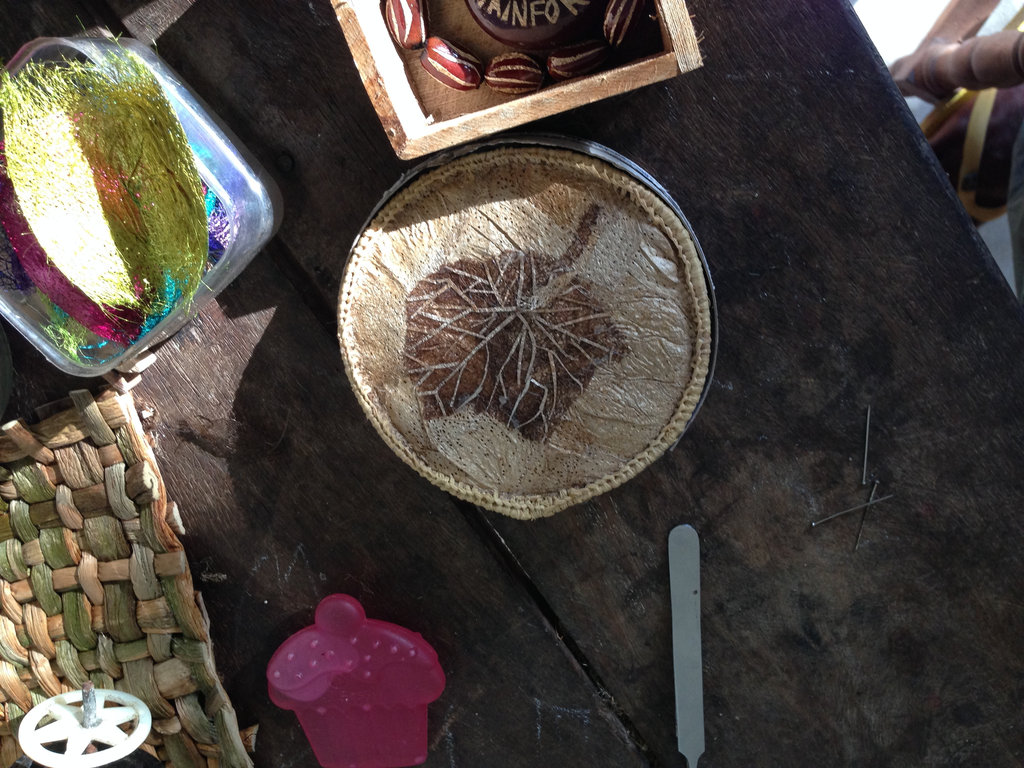
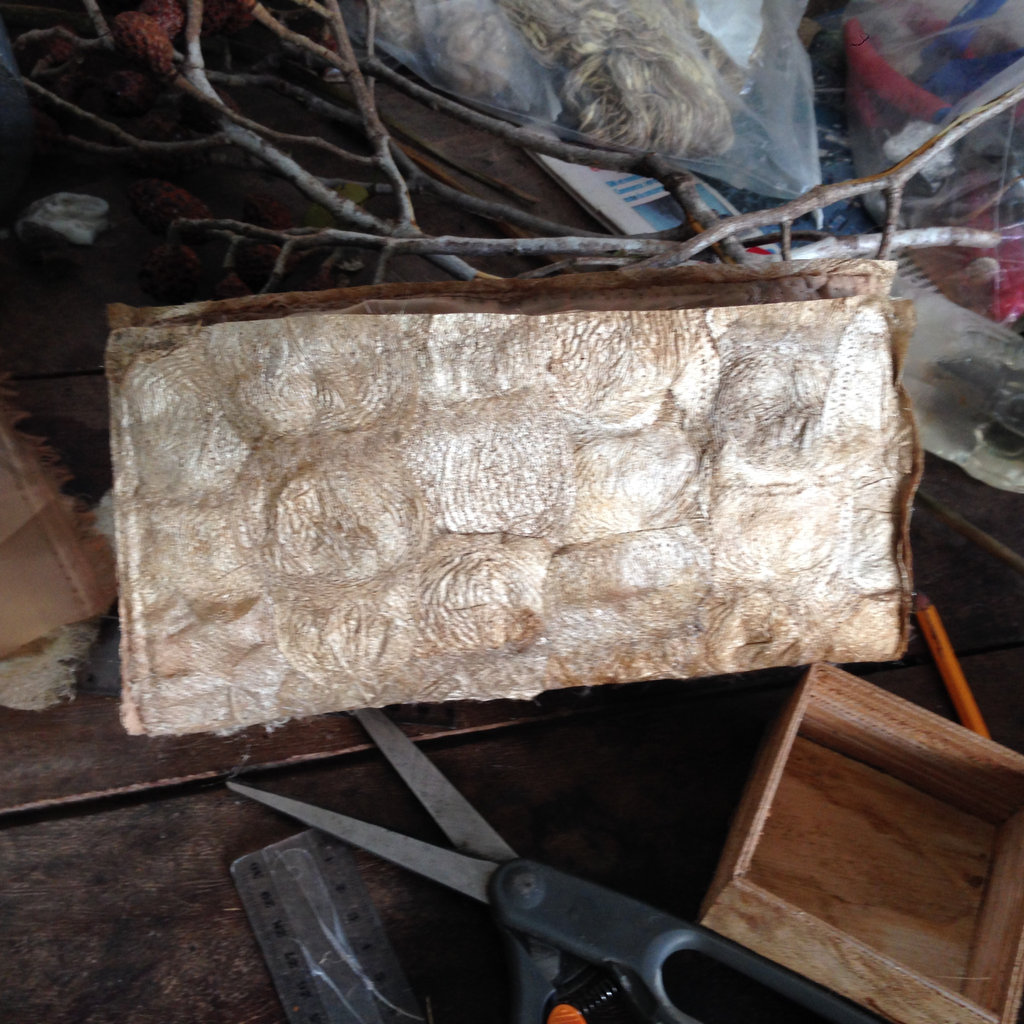
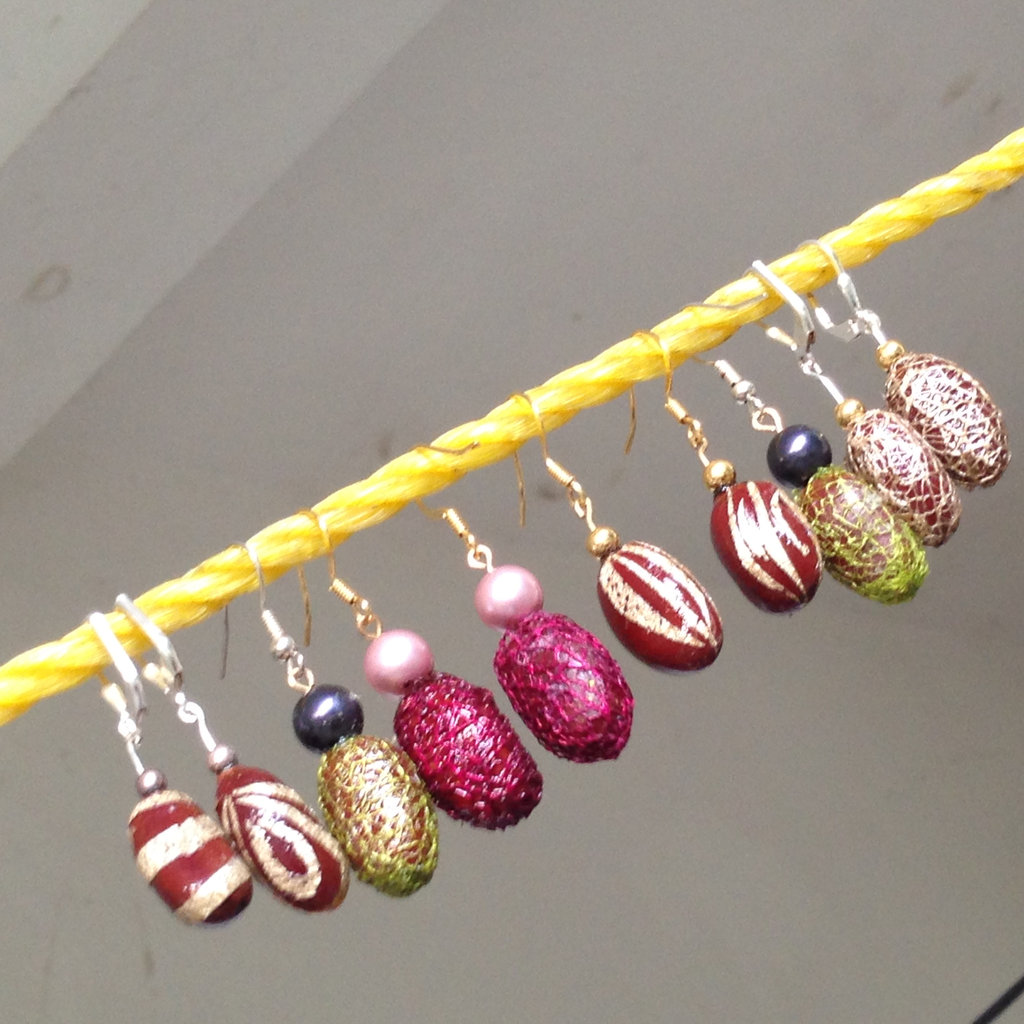
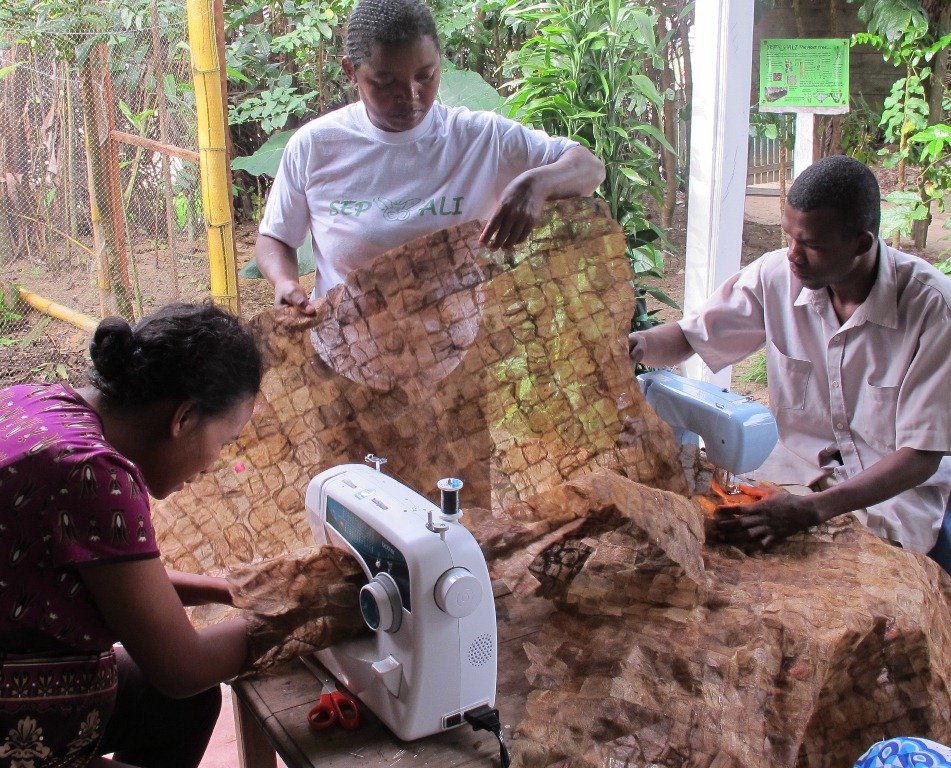
Despite those problems, Mamy sent me 200+ meters of textile back with me! Since adding a second species of silk producer (Ceranchia apollina) to the program, we are beginning to build up enough stock to supply a small designer, send samples to companies and sell the material online. Have you visited www.wildsilkmarkets.com lately to view our textiles? In addition to textiles, they team is designing an array of small products to be made from the scraps. Mamy’s jewelry is quite beautiful as are the hats and clutches whipped up by Mario and Lalaina – the purse interior is made from woven water hyacinth leaves. The purse the exterior is wild silk and emboidery -- these items will soon be online for holiday sales – and just wait until you see what we have planned for Valentine’s day . . . .
Thank you for your continued support – as soon as we get our chickens in a row, we hope to be cracking some eggs.
All the best,
Cay
Links:
Project reports on GlobalGiving are posted directly to globalgiving.org by Project Leaders as they are completed, generally every 3-4 months. To protect the integrity of these documents, GlobalGiving does not alter them; therefore you may find some language or formatting issues.
If you donate to this project or have donated to this project, you can receive an email when this project posts a report. You can also subscribe for reports without donating.