By Sunel Craythorne | Donor Care Officer
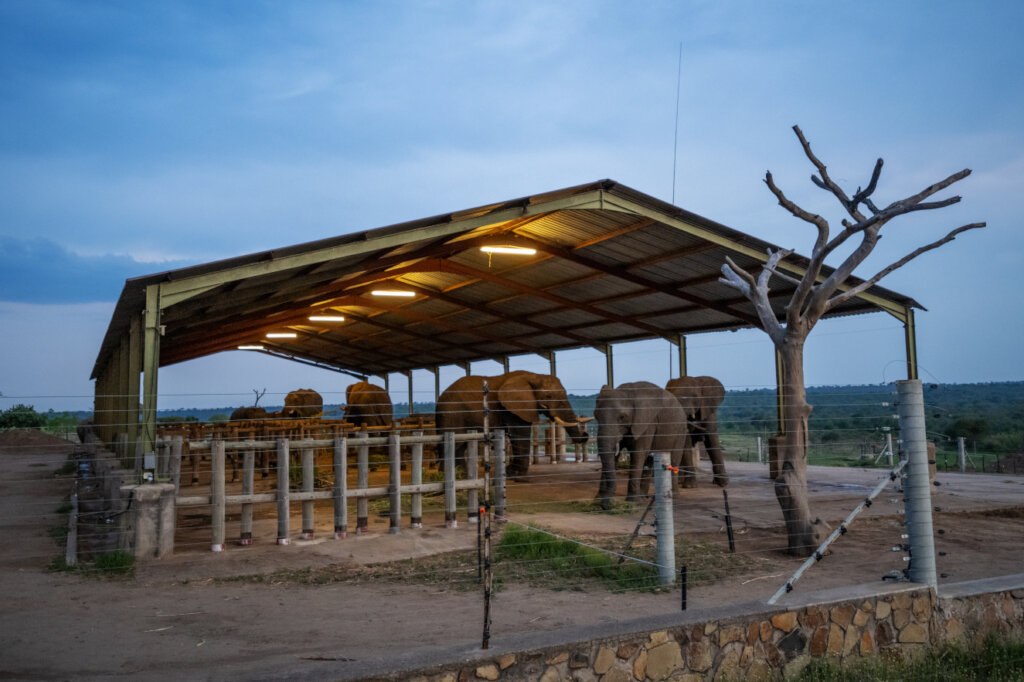
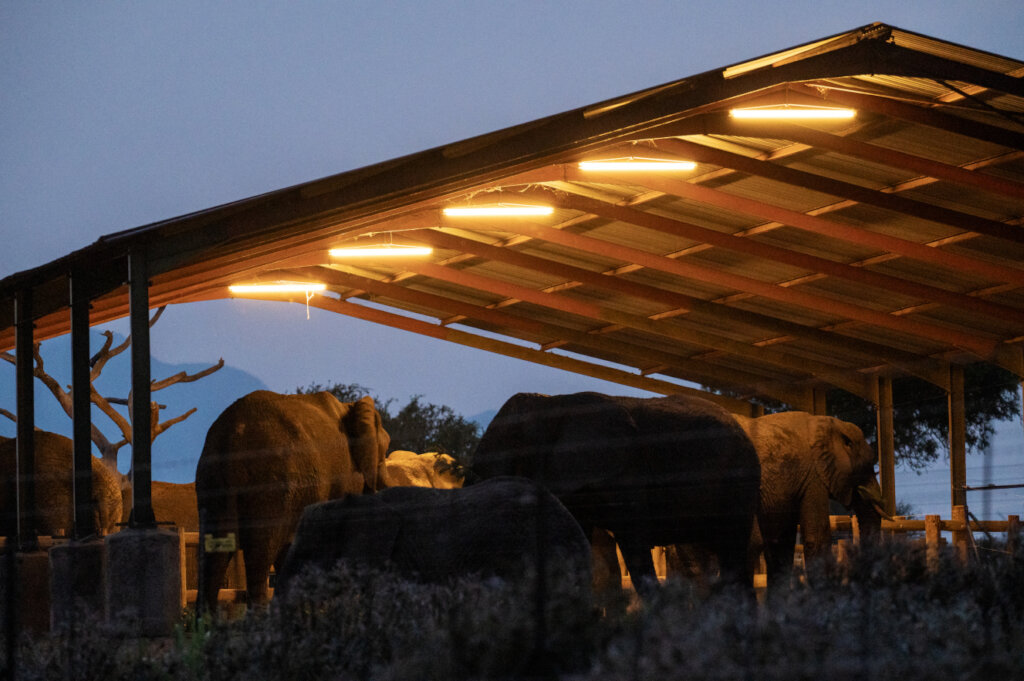
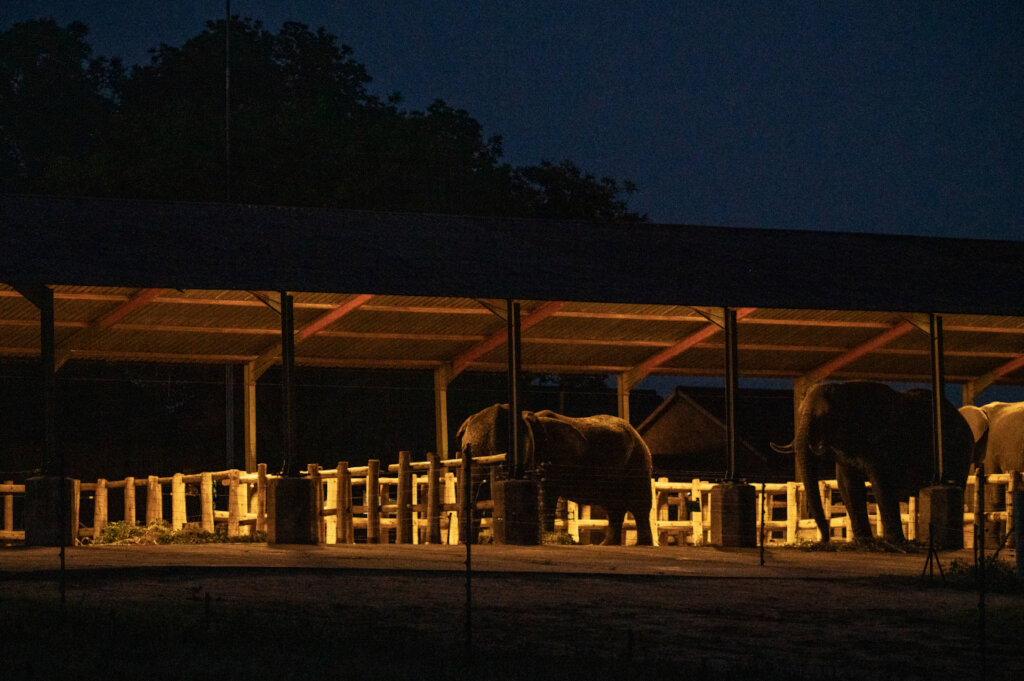
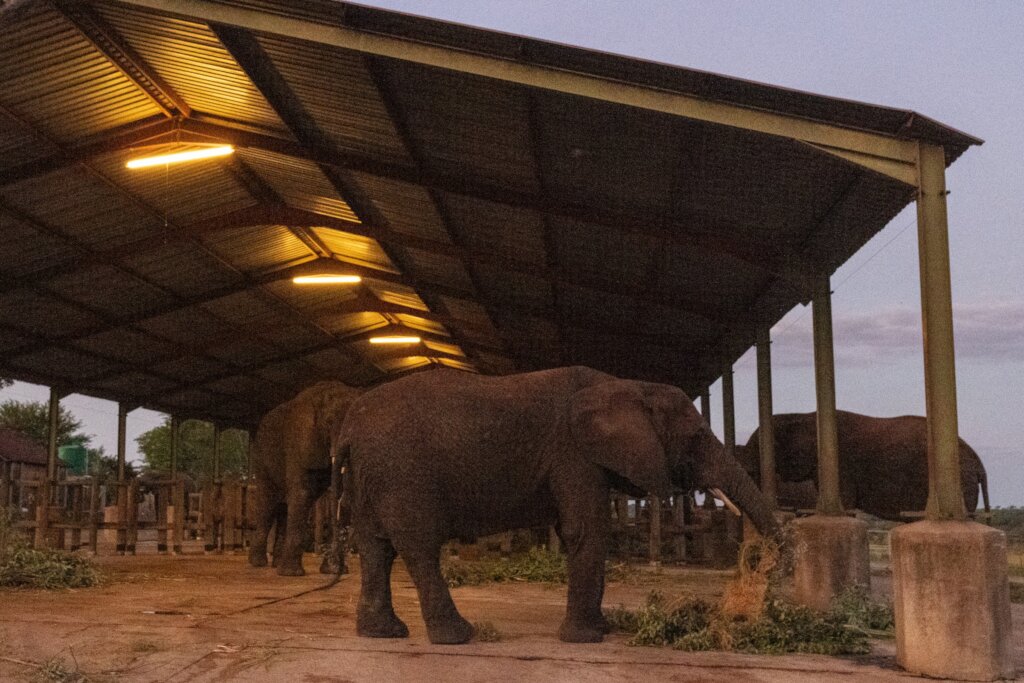
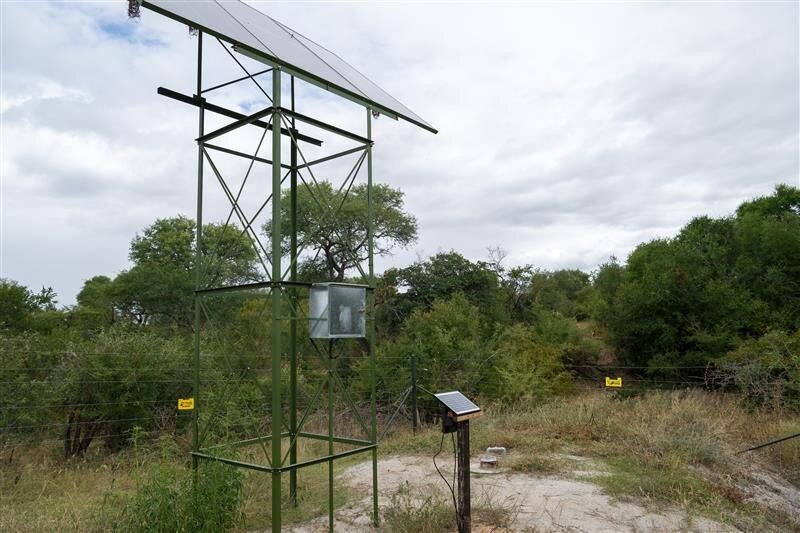
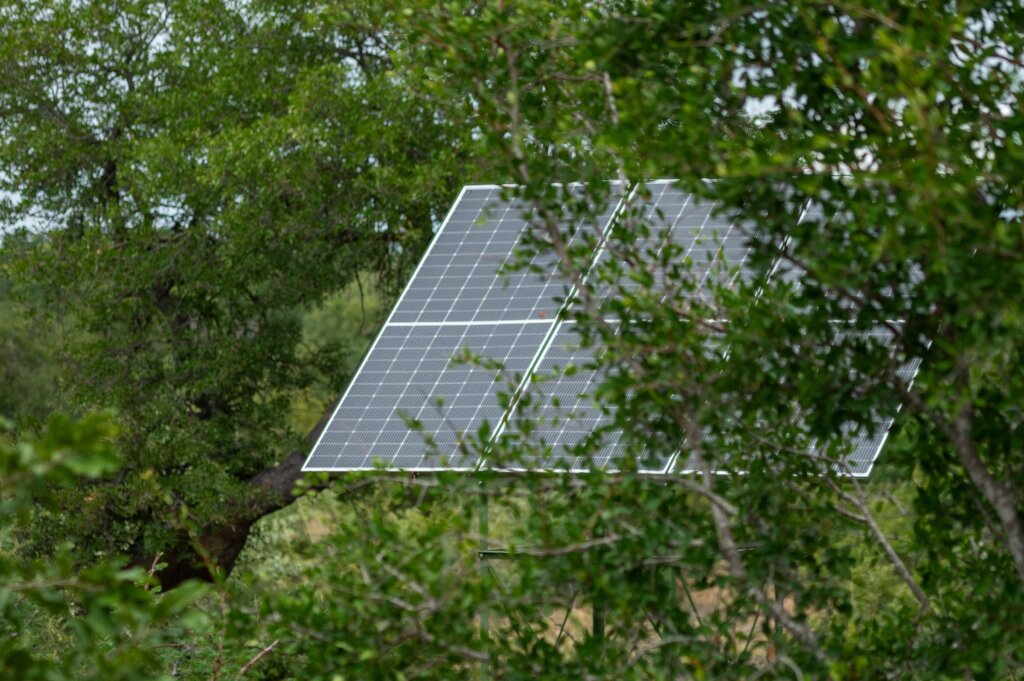
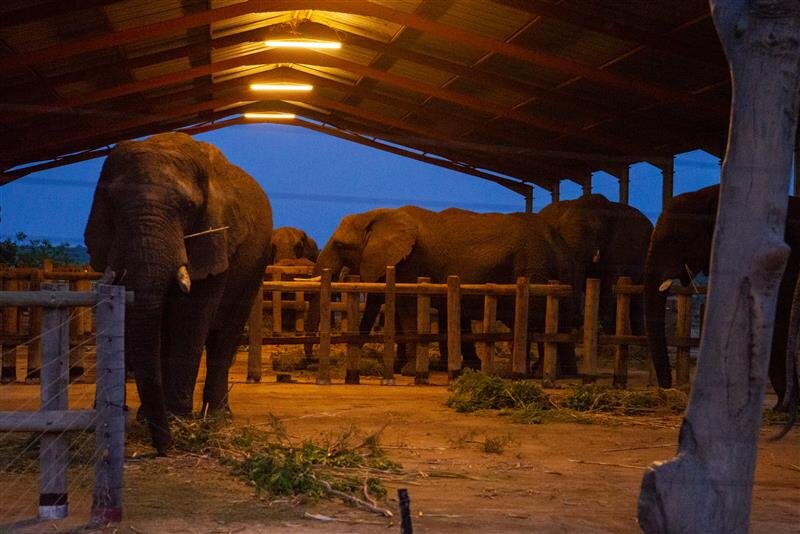
We are pleased to report that our solar plant is shining brightly, keeping our elephants in the light.
To understand the reasons why this substantial investment was necessary, we can look at the larger South African context as well as the rural context of the Limpopo province.
South Africa relies heavily on coal-fired power stations to produce our electricity, but this isn't good for the environment and very unreliable and we felt that we needed an alternative, more sustainable option.
Our solar plant serves not only as a buffer to the often unreliable coal-based transmission systems by providing much-needed energy security. But also allows us to lower our carbon footprint through the adoption of renewables. South Africa is gifted with an abundance of sunshine throughout the year, even in the dry season, our winter, we still generate substantial amounts of our daily electricity demand through the solar system. As we enter the summer months, we can utilise as much as eight to nine hours of sunshine per day.
There are, however, a few challenges that are worth mentioning. By trial and error, we have noticed that we are not fully optimally using our batteries. As most of us know, the batteries are by no small margin the most expensive component of a solar system, and our solar plant needs to fit into a broader picture of South Africa's now increasingly decentralised electricity generation network. This means our solar plant needs to be registered with South Africa's electricity-producing authority, Eskom. To fully benefit from our solar plant, we are currently applying for a tariff change from the Nightsave Rural configuration to Ruraflex.
Once complete, we will be able to register our solar system with Eskom through an application process named SSEG or Small Scale Embedded Generators, a programme designed to respond to the large demand for alternative clean energy which can be integrated back into the national grid. Once this process has been completed, we will be able to see the full benefit of the solar plant both on paper, reflected by our monthly electricity bill, and through our official incorporation as a producer of alternative clean energy. This means that Jabulani and HERD can then be recognised for feeding any excess energy back into the national grid.
Looking towards the future, the current plant consisting of 200 solar panels, 150 kW of output, and 100 kWh of battery storage capacity can be expanded to better meet our peak electricity needs.
We look forward to a future where we not only expand the percentage of electricity obtained from renewable sources, but also to cultivate a culture of awareness around electricity consumption and small acts that can reduce electricity demand. Through thoughtful procurement of electricity-consuming equipment combined with behavioural changes, we hope to gradually reduce our electricity demand.
The value of this substantial investment in our energy security and transition towards renewables has not gone unnoticed, and we have our generous and unwavering network of donors to thank for their continued support.
Remember that on GivingTuesday, December 2, 2025, at 00:00:00 EST to December 3, 2025, at 12:00:00 EST your donation on GlobalGiving can go even further. Support HERD during this time and make the most of this amazing opportunity!
Thank you,
The HERD Team.
Project reports on GlobalGiving are posted directly to globalgiving.org by Project Leaders as they are completed, generally every 3-4 months. To protect the integrity of these documents, GlobalGiving does not alter them; therefore you may find some language or formatting issues.
If you donate to this project or have donated to this project, you can receive an email when this project posts a report. You can also subscribe for reports without donating.



Support this important cause by creating a personalized fundraising page.
Start a Fundraiser