By John Barrie | Executive Director and Chief Innovation Officer
Report on Providing Solar Power and Water Filters to Families in Central Guatemala
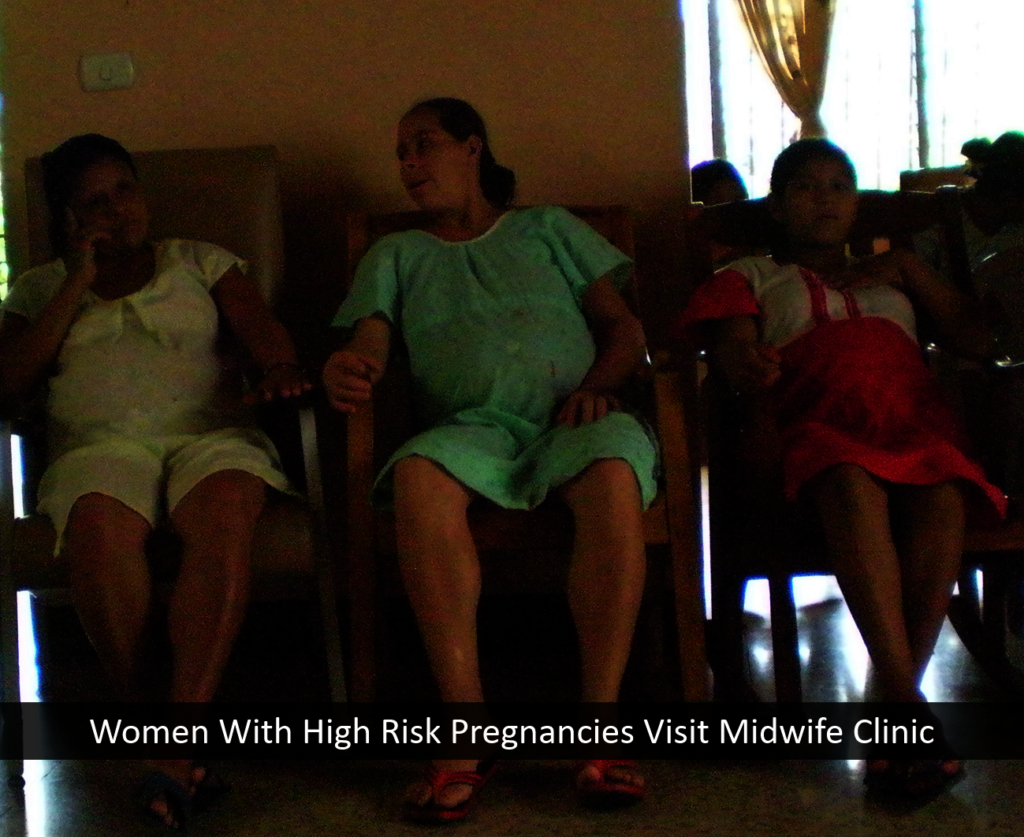
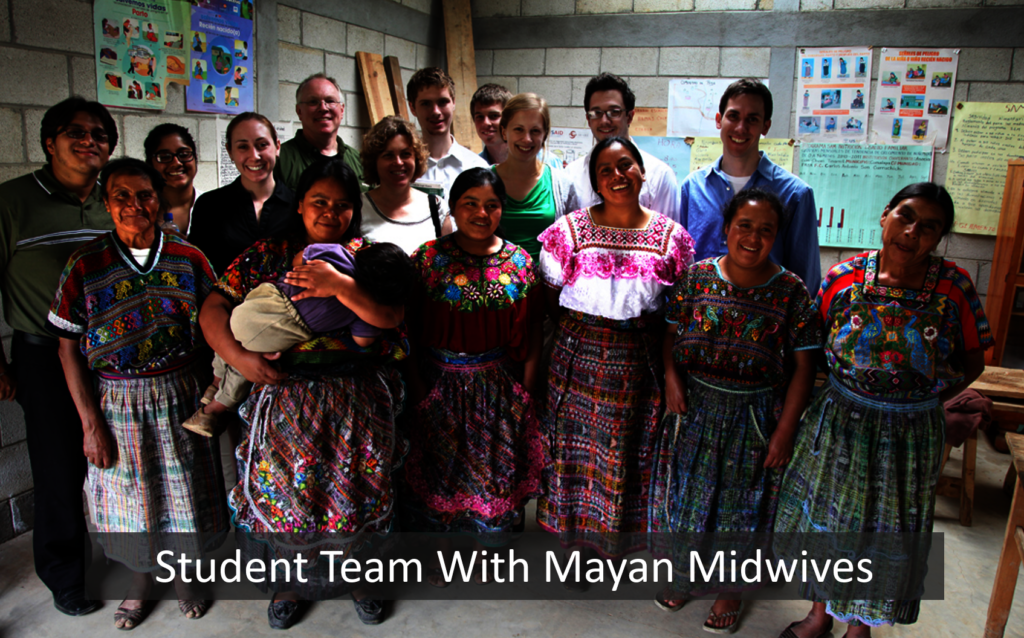
Over the past few months, The Appropriate Technology Collaborative has made substantial progress in delivering solar power and clean water to some of the most remote and impoverished communities in the Comalapa region of central Guatemala. This work is crucial for human development, particularly for families with young children and those expecting new births. By collaborating with midwives and volunteers, we ensure that the most vulnerable families receive much-needed assistance. We have listened to the midwives and also provided our insight into how we will be improving this program over the next 90 days.
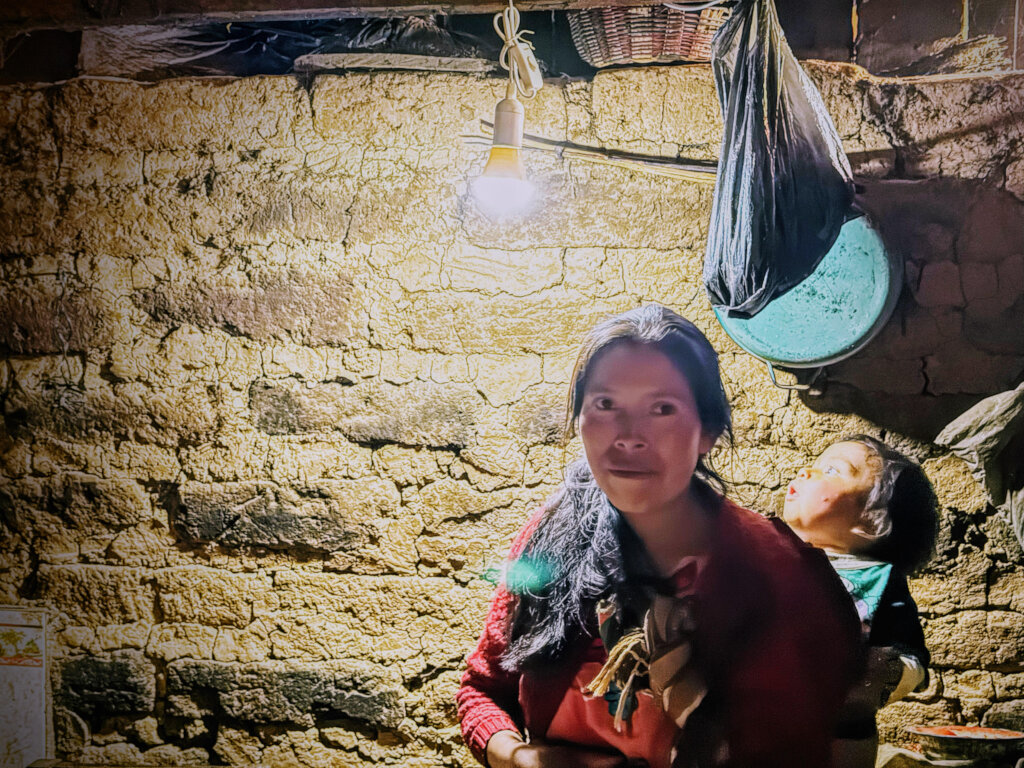
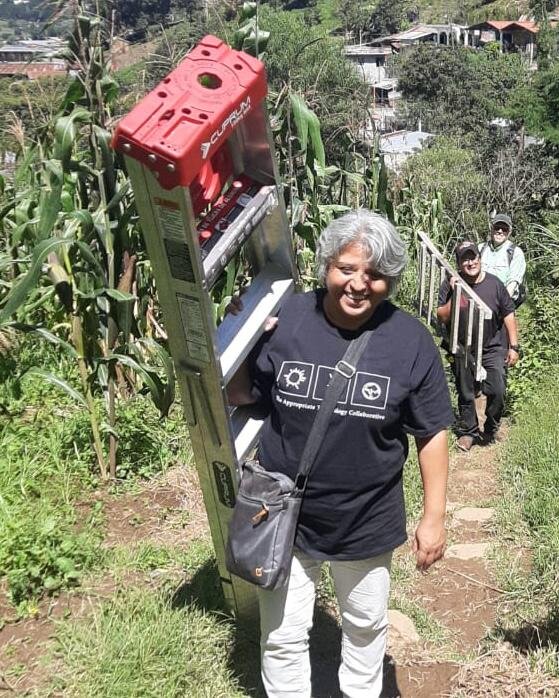
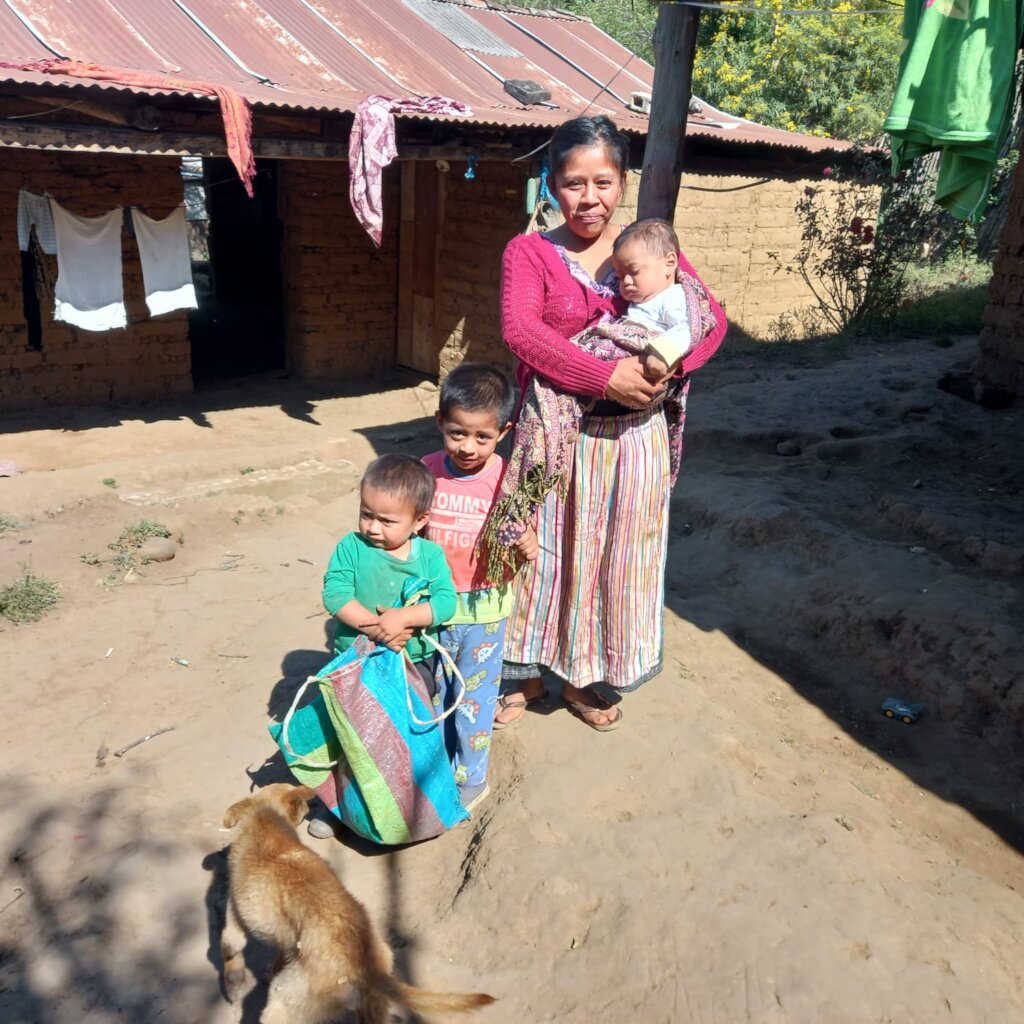
We had two groups of volunteers join us to install solar power and provide water filters to families living far from towns and the electric grid. The experience of visiting a family living in a home with a dirt floor, cooking over a wood fire in the middle of the kitchen and burning oil lamps to see at night is like traveling back in time to visit a family from the Middle Ages.
Solar Power: Lifting Families Out of Poverty:
Solar power is more than just an energy source—it is a pathway out of poverty for many rural families without access to the electrical grid. For an average cost of $150 per household, we provide high quality solar systems that offer essential lighting, which leads to significant long-term benefits. A study by Grimm et al. demonstrated that access to solar lighting significantly improves household income and reduces the reliance on costly and hazardous alternatives like kerosene lamps and candles. In our experience, families report saving around $2.50 - $5.50 per week on fuel for lighting, plus they earn an extra $35 per month after 18 months of using solar lights—an amount that can move a family out of poverty in rural Guatemala.
The positive effects on education and health are particularly noteworthy. Solar lights enable children to study at night, increasing their likelihood of staying in school and completing their education. Access to solar lights positively affects children’s homework completion and kids stay in school longer, contributing to their educational success. Additionally, solar lighting significantly improves the conditions for midwives delivering babies in remote homes, reducing risks during childbirth. Studies have also shown that maternal health outcomes improve with access to reliable lighting, as highlighted by Barrington et al.
Clean Water: Protecting Children’s Health and Growth:
Children are particularly vulnerable to waterborne diseases, which contribute to malnutrition and stunting. According to a study by Guerrant et al. chronic parasitic infections are a leading cause of malnutrition in children, which can cause stunting and cognitive development, leading to generational poverty.
Water filters play a crucial role in preventing these diseases. Research shows that access to clean water reduces the incidence of diarrhea and parasitic infections, significantly improving health outcomes for children. A study by Clasen et al. (2007) found that water filters can reduce the prevalence of diarrhea by 40-50%, highlighting their importance in preventing waterborne illnesses. This reduction in disease burden is critical for improving nutrition and reducing stunting, as noted by Checkley et al. (2008), who found that repeated diarrheal infections during childhood are a major risk factor for stunted growth.
Expanding Our Impact:
While we have made remarkable progress, the need for continued support is urgent. We are pleased to announce that we have been selected to receive a grant to further expand our "Solar Midwives" program, which provides solar power to families with young children and expectant mothers. However, this funding is limited to solar installations. To continue providing clean water to these remote communities, we will need to raise additional funds to supply water filters, ensuring that families not only have access to clean energy but also to safe drinking water.
In conclusion, our work in bringing solar power and water filters to rural Guatemala is about empowering families with the tools they need to escape poverty. The benefits of clean water and reliable lighting extend beyond immediate cost savings—they lay the foundation for healthier, more educated, and more prosperous communities. With continued support, we can help more families build a brighter future for their children.
References:
- Barrington, D. J., Et al. Improving community health through access to solar lighting: Outcomes from a participatory approach in remote rural Uganda. *Journal of Public Health*
- Checkley, W., Buckley, Et al. Multi-country analysis of the effects of diarrhea on childhood stunting. *International Journal of Epidemiology*
- Clasen, T., Roberts, Et al. Interventions to improve water quality for preventing diarrhoea: Systematic review and meta-analysis. *BMJ*, 334(7597), 782.
- Grimm, M., Et al. A first step up the energy ladder? Low-cost solar kits and household’s welfare in rural Rwanda. *World Development*, 82, 48-61.
- Guerrant, R. L., Et al. The impoverished gut—a triple burden of diarrhoea, stunting, and chronic disease. *Nature Reviews Gastroenterology & Hepatology*, 10(4), 220-229.
- Kudo, Y., Shonchoy, Et al. Can solar lanterns improve youth academic performance? Experimental evidence from Bangladesh. *The Energy Journal*, 41(5).
Project reports on GlobalGiving are posted directly to globalgiving.org by Project Leaders as they are completed, generally every 3-4 months. To protect the integrity of these documents, GlobalGiving does not alter them; therefore you may find some language or formatting issues.
If you donate to this project or have donated to this project, you can receive an email when this project posts a report. You can also subscribe for reports without donating.



Support this important cause by creating a personalized fundraising page.
Start a Fundraiser