By Akaraonye Samuel ifeanyi | Project Leader
PROJECT REPORT
Name of Organization: Sam Onyemaechi Humanitarian Foundation.
Project Title/Name: Support 350 Old People with Dementia in Imo State
Focus Country: Nigeria.
Project Locations: Imo State, Nigeria.
Focus Area: Health and Social Care
Project Type: Direct service, Street based Project
Proponent: Sam Onyemaechi Humanitarian Foundation
Address Klm 1 Eke-Ahiara Junction, Umuofor Nnarambia
Ahiara, Ahiazu Mbaise, Imo State, Nigeria
BRANCH OFFICE: 88 Murtala Muhammed way,
Yaba, Ebute Metta, Lagos.
EMAIL: support@samonyemaechihumanitarian.org
WEBSITE: https://www.samonyemaechihumanitarian.org
Introduction;
Dementia is a term used to describe a group of symptoms affecting memory, thinking and social abilities severely enough to interfere with your daily life. It isn’t a specific disease, but several diseases can cause dementia. Though dementia generally involves memory loss, memory has different causes. Having memory loss alone doesn’t mean you have dementia, although it’s often one of the early signs of the condition. About five to eight percent of all people over the age of 65 have some form of dementia, and this number doubles every five years above that age. It is estimated that as many as half of people 85 or older have dementia.
Executive Summary:
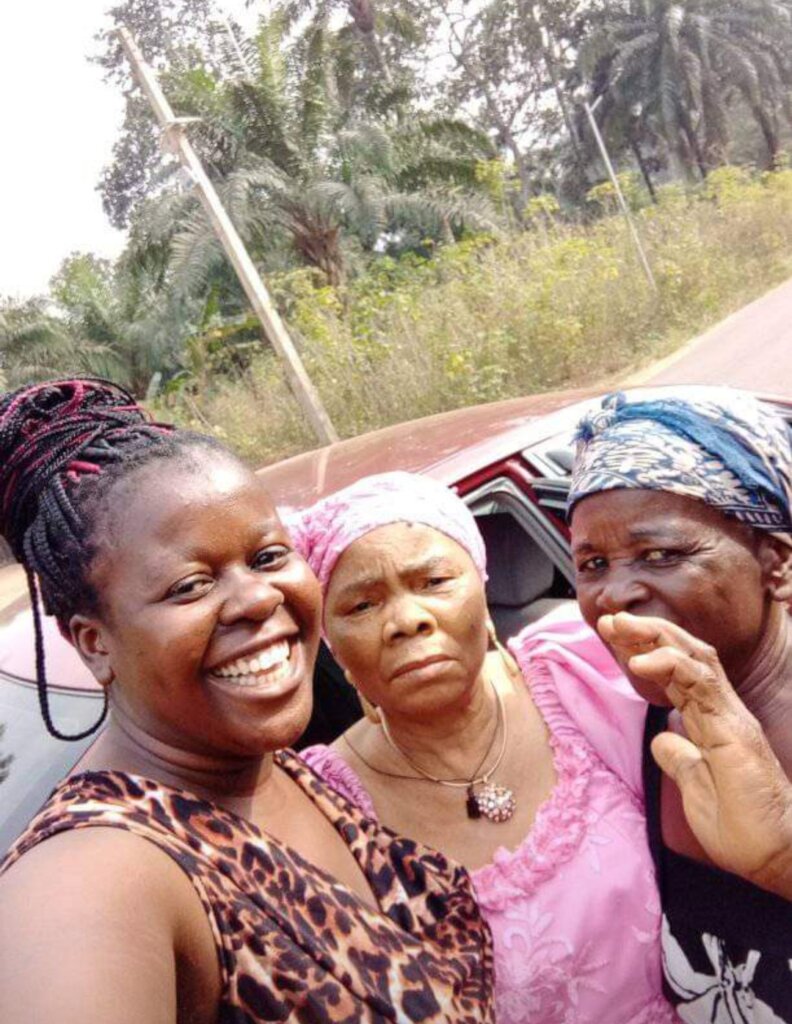
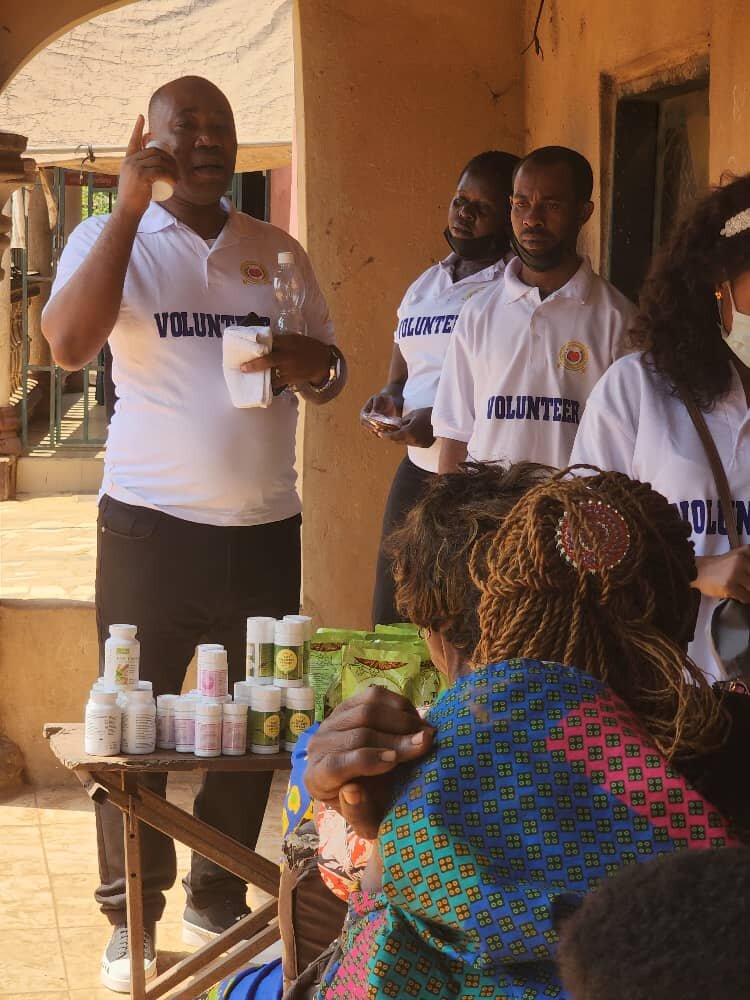
Persons living with dementia in Imo State experience deterioration in memory, thinking and behaviour, reducing their ability to perform everyday activities and live independently. Although dementia mainly affects older people, it is not a normal or inevitable part of aging. Alzheimer’s disease is the most common cause of dementia. We at Sam Onyemaechi Humanitarian foundation have been able to visit and render humanitarian care to aged people in rural communities with the little resources within our reach. We have organized a seminar to educate the young and middle aged, the signs and symptoms of dementia and possible ways to overcome it.
Besides, Significant progress has been made in realizing some of our project goals. As an organization, we have accomplished to a greater extent, training some of our social Staff workers specifically to handle aged and dementia patients. Their training is still in progress. One of the problems we encountered and are currently facing is finance. We are incapacitated and cannot meet up with the demands of aged people in rural communities.
The large and growing human and financial costs of dementia make policy action an urgent priority. Dementia is already the second largest cause of disability for the over-70s and costs societies more than half a trillion US dollars every year globally, while ageing populations mean these costs are rising. Despite the urgency of addressing dementia, current policies are failing to deliver much-needed progress in finding a cure, while communities, health systems and social services are struggling to meet the needs of people with dementia and their families and carers. Urgent policy action is required to accelerate innovation and rethink how countries support those living with dementia now and in the future.
Organizational Background
Sam Onyemaechi Humanitarian Foundation’ started in the year 2012, officially registered September 7, 2017. Joined GlobalGiving community May 29, 2021, with a vision to identify rural communities in particular need of additional health care services and to curb rates of osteoarthritis, depression and dementia. In the first 3 months of its operations, ‘Sam Onyemaechi Humanitarian Foundation’ did a rapid assessment in the region to discover a dearth of serious, structured interventions with young and aged people in the area. The team from ‘Sam Onyemaechi Humanitarian Foundation’ visited more than 20 rural communities and several NGO functionaries operating in the area to learn about the involvement of youth and adult in Social initiatives in the area. In these visits, most of the principals, teachers and social workers voiced a need to build leadership among young people on social issues and motivate them to take up social action initiatives. The educators expressed their concerns and difficulties involved in mobilizing young people for social action initiatives.
In the same period, a team from ‘Sam Onyemaechi Humanitarian Foundation’ participated in the ‘Change Makers program’ that was conducted jointly by The Nonprofit council with the aim of understanding the current community development initiatives of other NGOs across Nigeria. During this phase the team studied the program design and the community mobilization methods of these NGOs. The team also underwent a one year long mentoring and handholding under this program. In the process, the team also participated in a several learning programs with several NGOs working on community issues from across the nation. In these sessions, the team interacted with more than 12 NGOs and their several community leaders working in different parts of the country.
Equipped with an understanding of local issues and an understanding of the best practices of NGOs from across the country, ‘Sam Onyemaechi Humanitarian Foundation’ started conducting basic life skill and active citizenship programs in communities in Southeast. The program was named ‘change for life’. These workshops caught the interest of educators and students alike and they welcomed ‘Sam Onyemaechi Humanitarian Foundation’ team to conduct repeat workshops on several issues in 15 communities with around 8,367 in attendant. This program also had an indirect outreach of another 4200 people. ‘Sam Onyemaechi Humanitarian Foundation’ also initiated a pilot program named ‘Metamorphosis’ that involved families in community outreach program. This program involved around 10,600 farmers from 15 different communities in the area. In the same period, ‘Sam Onyemaechi Humanitarian Foundation’ conducted two parent counseling workshops in two different communities to discuss the issues of their children. This program titled ‘Parenting and grassroots child-care' helped us put forward our standpoints and increased our acceptance with parents who are the prime decision makers for their children
Now in its second year of operation, ‘Sam Onyemaechi Humanitarian Foundation’ has started conducting life skill and active citizenship workshops in 10 additional Communities. This program so far had a direct outreach of 2700 families. Parenting and grassroots child-care has been conducted in two new Communities in the year. Currently, ‘Sam Onyemaechi Humanitarian Foundation is actively working with 23 communities in Southeast working on different issues in different communities. In order to give a push to these projects, 'Sam Onyemaechi Humanitarian Foundation’ has identified the need for:
a) Help the vulnerable improve and maintain a healthy and independent lifestyle and to maximize their quality of life.
b) Starting of 2 Resource Centers in southeast to address the needs of farmers
a) Resource Centers for youth to learn vocational skills.
b) Resource and Empowerment Centers for farmers to equip them with skills in farming.
Vision and Goal
The vision and goal of Sam Onyemaechi Humanitarian foundation is to help an individual live as comfortably, safely and independently as possible. Create a society where elders are healthy, empowered and socially integrated. We aim to contribute to the building of a society in which people are encouraged and enabled to age productively and with dignity. Our mission is to work towards developing and implementing activities that enhance productive aging.
Core values
Involving people, applying knowledge and making things happen. We take as our Motto “Peace, social justice, diversity, fun and democracy as key values” which guide us.
Organizational Structure
‘Sam Onyemaechi Humanitarian Foundation’ is registered as a Trust with Mr. AKARAONYE, Engr. Greg, Mr. Joseph and Ms. Rosita as the Board of Trustees. The ‘Sam Onyemaechi Humanitarian Foundation’ Team is currently led by Chief Anyanwu and comprises of Mr. Dominic, Ms. Agnes, Mr. Ezekiel, Ms. Anthonia etc.
Aims and Objectives
The aim and objectives of Sam Onyemaechi Humanitarian Foundation is to keep people healthy and support sustainable public services. Transform out of hospital care to keep people living healthier for longer in their community.
Target Beneficiaries
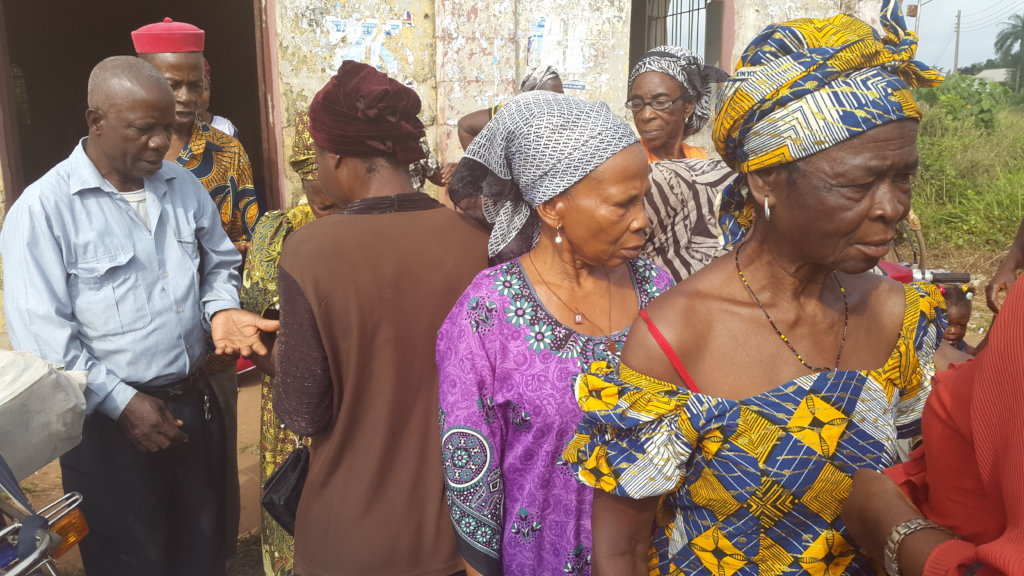
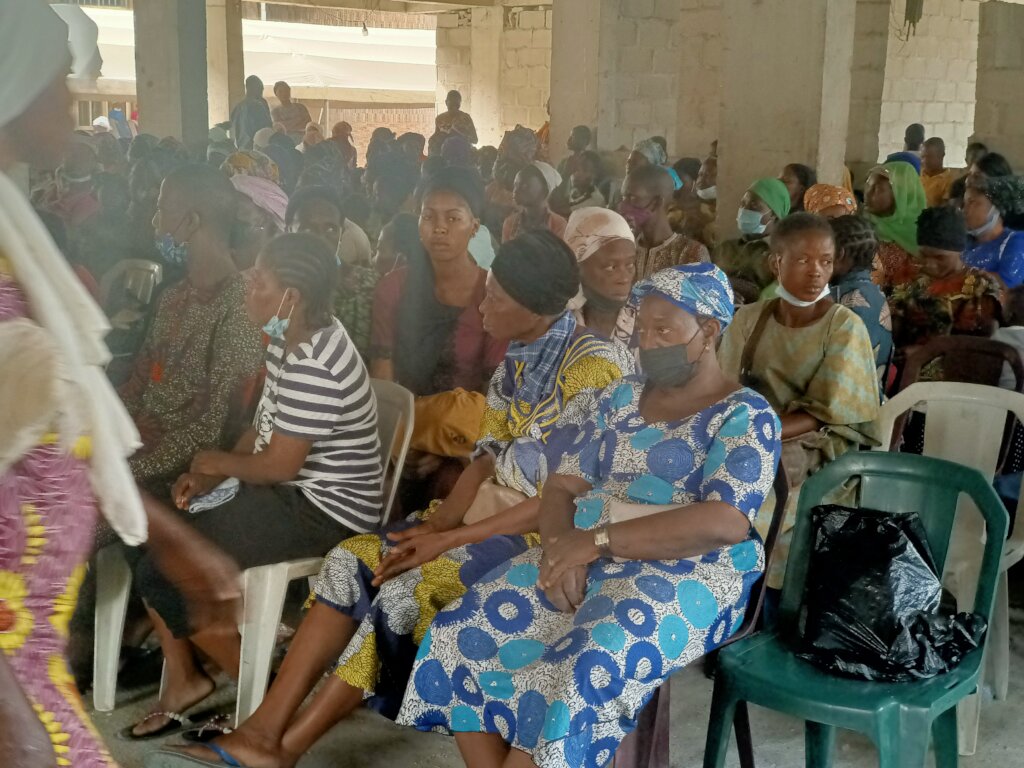
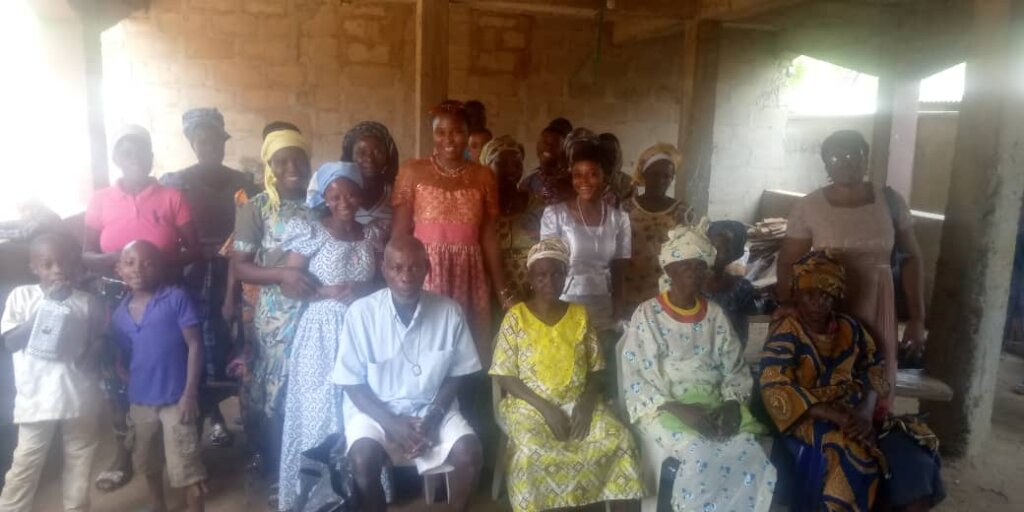
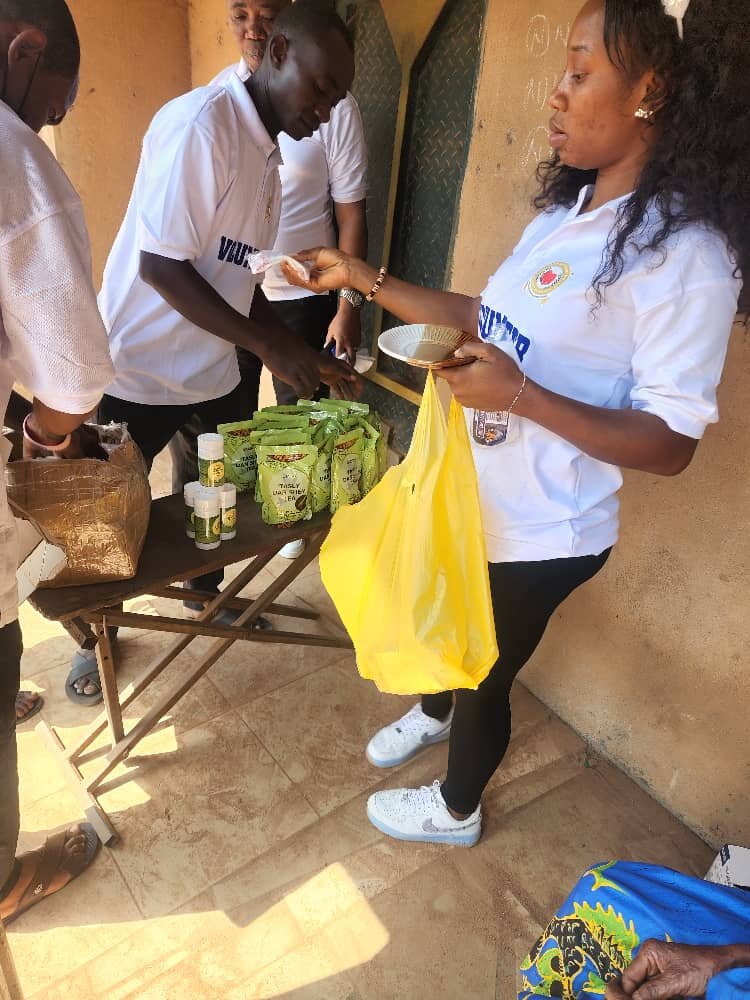
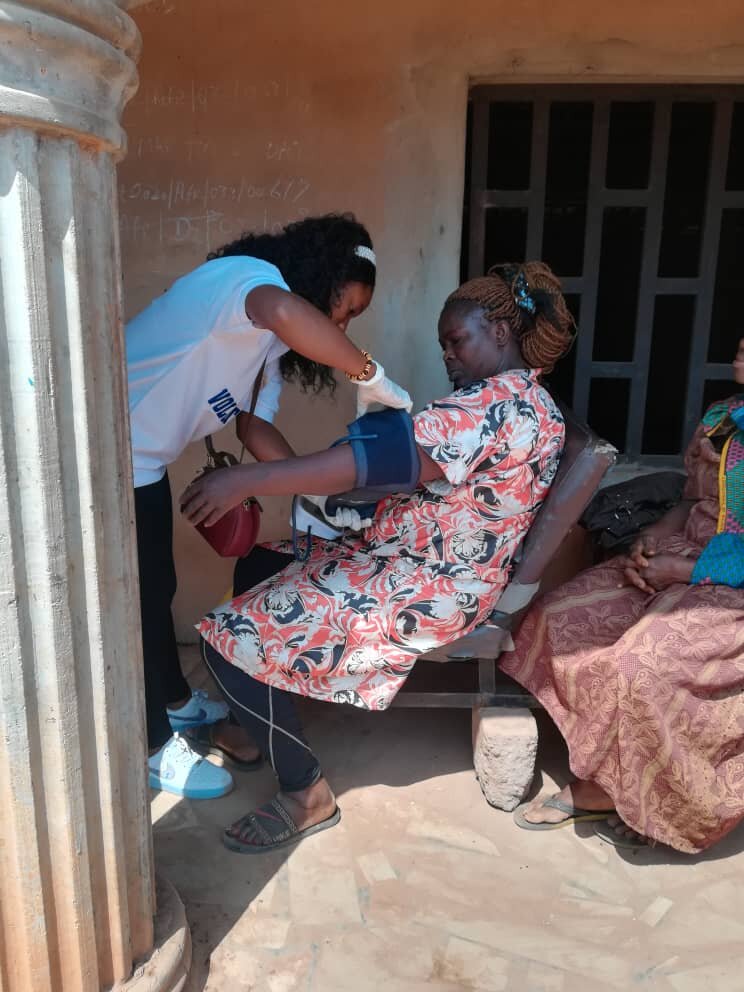
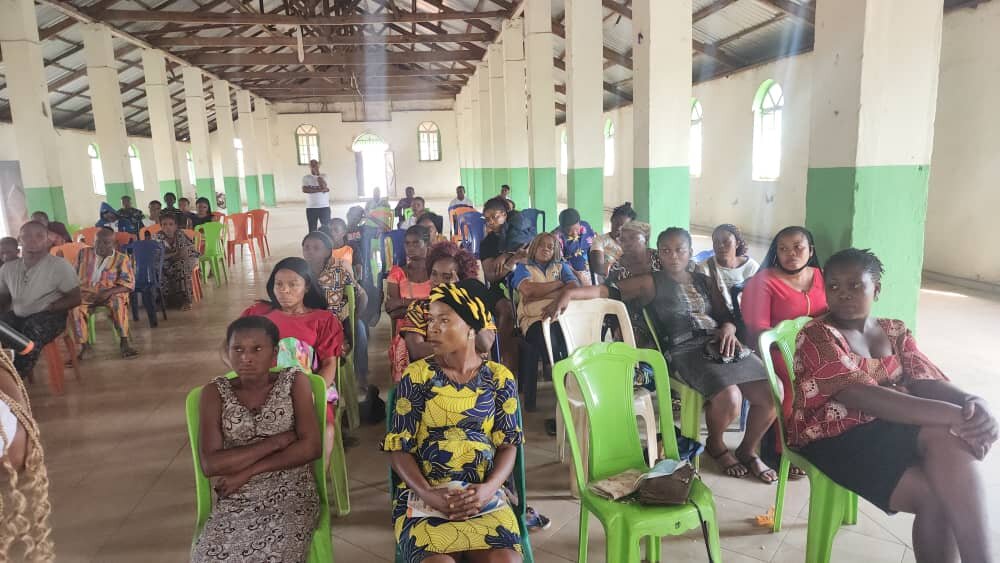
The project was implemented in the rural communities in Imo State. The direct beneficiaries are old people-ages from sixty (60) years to ninety years. About two hundred gathered in an open. After educating about dementia, our team members made up of nurses and medical practitioners administered treatment on them. We weren’t able to do much-lack of financial help.
The impact of the underlying problem on the target population.
The impact of the underlying problem on the targeted population cannot be overemphasize. Someone recently diagnosed with dementia is likely to experience a range of emotions. These may include grief, loss, anger, shock, fear, disbelief and even relief. Some people may struggle to deal with these emotions and they may move between emotions as they adjust. Dementia has physical, psychological, social and economic impacts, not only for people living with dementia, but also for their careers, families and society at large. There is often a lack of awareness and understanding of dementia, resulting in stigmatization and barriers to diagnosis and care. The family member with dementia usually becomes the family's centre of attention. An Energy is focused on this person. This can lead to other family members, including spouses or other children, feeling neglected. They may become resentful because they feel they are not getting the attention they need.
*Project Details
INCOME
S/N Date Description Amount
1 01/26/22 Donation received through GlobalGiving $39.25
2 03/01/22 In-kind contributions $150.26
3 12/02/22 Miscellanuous $78.15
total $267.55
Working capital= $267.55
EXPENSES
S/N DATE DESCRIPTION No of people benefited AMOUNT
1 15/11/21 Training of Social Staff Workers 5 $252.65
Grand Total of Expenditures= $252.65
Balance= $14.9
N/B. Due to logistic issues-finance, our goal on “support 350 old people with dementia in Imo State suffered a heavy blow. We are optimistic that in future there would be a great change.
Difficulties and Challenges
Caring for People with Dementia: This is by far the biggest challenge faced in Africa since home care is the norm. Individuals with dementia are usually looked after by family members and paid domestic servants, quite unlike what obtains in developed countries where such patients are institutionalized. This requires that many hands be available for care because the demands can be enormous. The multigenerational living arrangements had eased the stress of home care because many family members lived under the same roof or within the same compound attending to the needs of the elderly, whether infirmed or not. The consequence is inadequate care for individuals with dementia at home. A ready solution is to establish “creche” service for older persons with dementia like what exists for children, that will provide specialized care for older persons (above 65 years of age). This is one of the vision Sam Onyemaechi Humanitarian Foundation is looking towards, to build a hospice that would ensure that some supervised care is available in daytime while family members in gainful employment go about their chores. They can then collect the individual with dementia when they close at work. Our experience revealed that monthly meetings with these caregivers during which they exchanged ideas on coping mechanisms, caring methods and discussions on the problems faced, enabled them to cope better. The dictum: “a problem shared is a problem half-solved” is appropriate provided the other person has something positive to contribute. In addition, caregivers were provided with free medications for any ailments they suffered. This approach is also recommended.
Sustainability of the Project
The ability of our organization as a whole to survive and to meet our mission goal, we embark on an entrepreneurial venture, as a way of raising money for community, financial and organizational sustainability. The foundation runs a food production, processing and packaging factory. We have been partnering with a company in processing our food items for sales. We are working hard to build our own factory for our organizational sustainability, and to help youth that have vocational skill to acquaint themselves with entrepreneurial skills to be resourceful and useful to themselves and society at large. The procurement of the necessary equipment for production, processing and packaging of organic raw materials(food) and construction of a multi-purpose hall that will accommodate our factory and other activities is our priority, we can achieve this through external sources like grants and long-term funding or through internal sources like income-generating activities or membership fees. And to actualize our mission and goal, we have these points as our guiding principles: Collaborative leadership, member-driven decisions, effective communication, change-ready and adaptive workforce continuous improvement, on-going evaluation and measurement, sound financial infrastructure.
Annexes
Annexed below is a sample of this section that has been drawn from the project report of ‘Sam Onyemaechi Humanitarian Foundation’ – a non-profit organization that works with young adolescents, youths and adult in rural Communities.
*Overview of the Program:
We at ‘Sam Onyemaechi Humanitarian Foundation’ very much value exposure, interaction and peer learning processes. Our recent interactions with more than 20 Communities have reinforced this belief. We are now looking out for support to create 2 youth resource and Empowerment centers in southeast, Nigeria where young, adult etc. can come together, co-create learning experiences and contribute positively to the community development. We plan to utilize these resource Empowerment centers as spaces for involving the youth and adult in “self-development” and ‘social action’ projects of various kind. 'Sam Onyemaechi Humanitarian Foundation’ has the required experience and expertise to design and run social action campaigns. We feel campaigns are great opportunities to demonstrate leadership skills, highlight social issues, develop deeper understanding about issues and mobilize young people. Campaigns give energy and take care of youth and adult needs such as fun, interaction, novelty etc. We want to organize a campaign each year highlighting youth action.
What we have achieved so far?
‘Sam Onyemaechi Humanitarian Foundation’ is now an accepted name in more than 35 Communities. Our volunteers are personally known to tens of thousands of families in southeast. As a part of self-development initiative, we have conducted workshops in more than 25 Communities in the last 3 years with a direct outreach of approximately 4000 people in the last 3 years. We have so far organized one major campaign in nearby villages where they went and identified families who were not buoyant enough to Carter for their family’s needs.
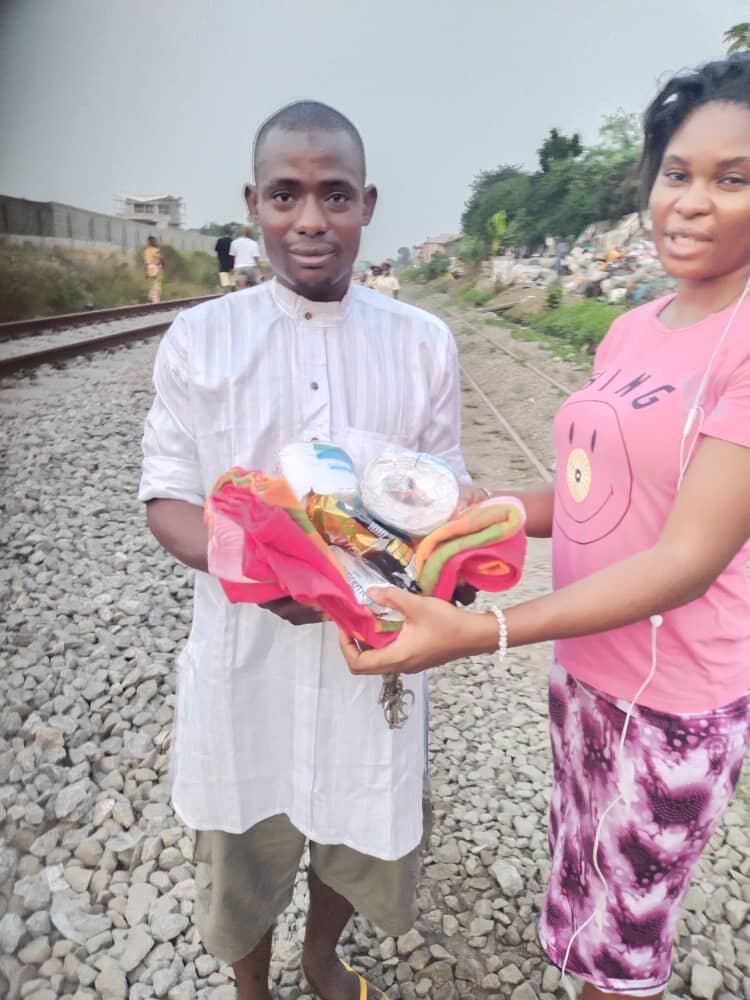
Since the beginning ‘Sam Onyemaechi Humanitarian Foundation’ has been running out several programs in Communities promoting spirit of volunteerism and celebrating youth led social action. We have organized a major social action project titled ‘Change for life’ in 10 large Communities with an approximate outreach of around 23000 peoples. This project involved collecting and donating used and unused clothes blankets, shoes, food items to the needy.
What we propose?
Sam Onyemaechi Humanitarian foundation wants to transform how people in the community think, act and talk about dementia. To this end, in the next 12 to 18 months, SOHF plans to build and have a hospice, supported by volunteers. They aim to make more of an impact, circulate more information into the community and expand activities and events to support more people. This will depend on obtaining funding and other forms of support as any costs currently incurred to run events are out of pocket expenses. Additionally, they are actively engaging with more community centers, the local council and NGOs to support the SOHF and its expanding activities.
Awareness Campaign:
We will design and run campaigns involving adolescents’ young people and adult from rural and urban areas every year starting with the end of year 1. The theme of the campaign will be designed by the adolescents. This will help them to consolidate their learnings and create awareness about social issues.
Conclusion
The prevalence and cases of dementia is increasing in Nigeria, driven mostly by rapid population ageing. There are still very few rigorous population-based studies on dementia prevalence and risk, and this apparently sustains a poor understanding of the diseases across many Nigerian settings. While there is need for the government and policy makers to address this issue more keenly, the country may also benefit from international collaborations towards advancing dementia research and overall mental health services in the country. It is hoped that the findings of this study may prompt a much-needed policy and public health response to dementia across Nigeria.
Project reports on GlobalGiving are posted directly to globalgiving.org by Project Leaders as they are completed, generally every 3-4 months. To protect the integrity of these documents, GlobalGiving does not alter them; therefore you may find some language or formatting issues.
If you donate to this project or have donated to this project, you can receive an email when this project posts a report. You can also subscribe for reports without donating.



Support this important cause by creating a personalized fundraising page.
Start a Fundraiser