![The panel]()
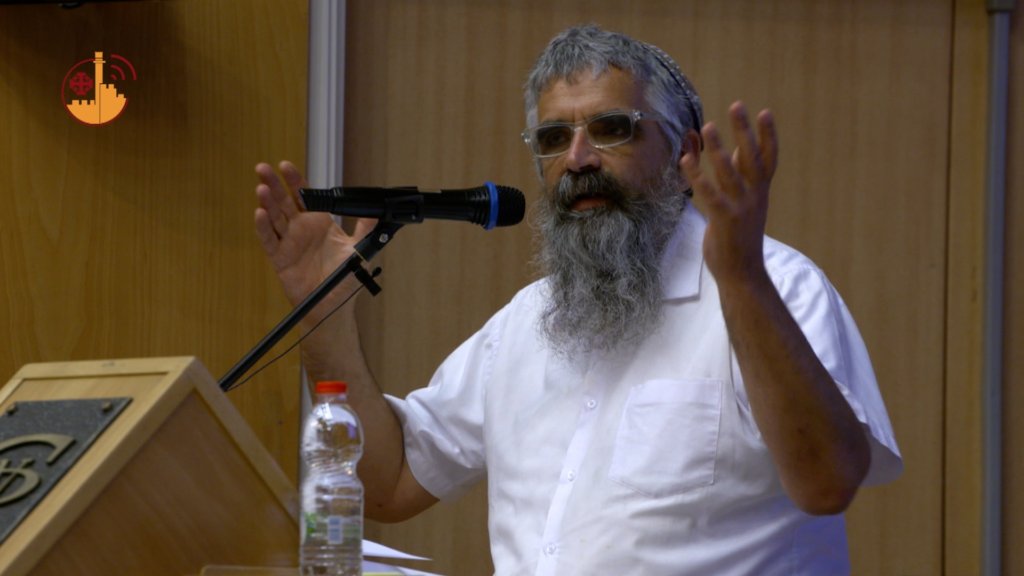
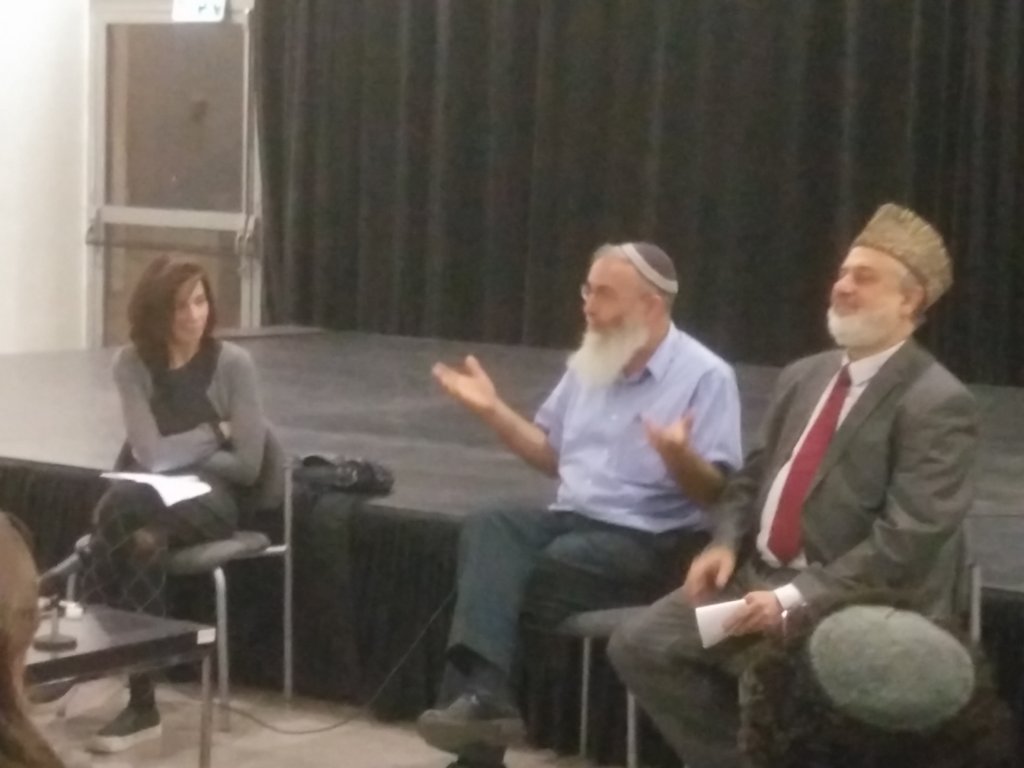
The panel
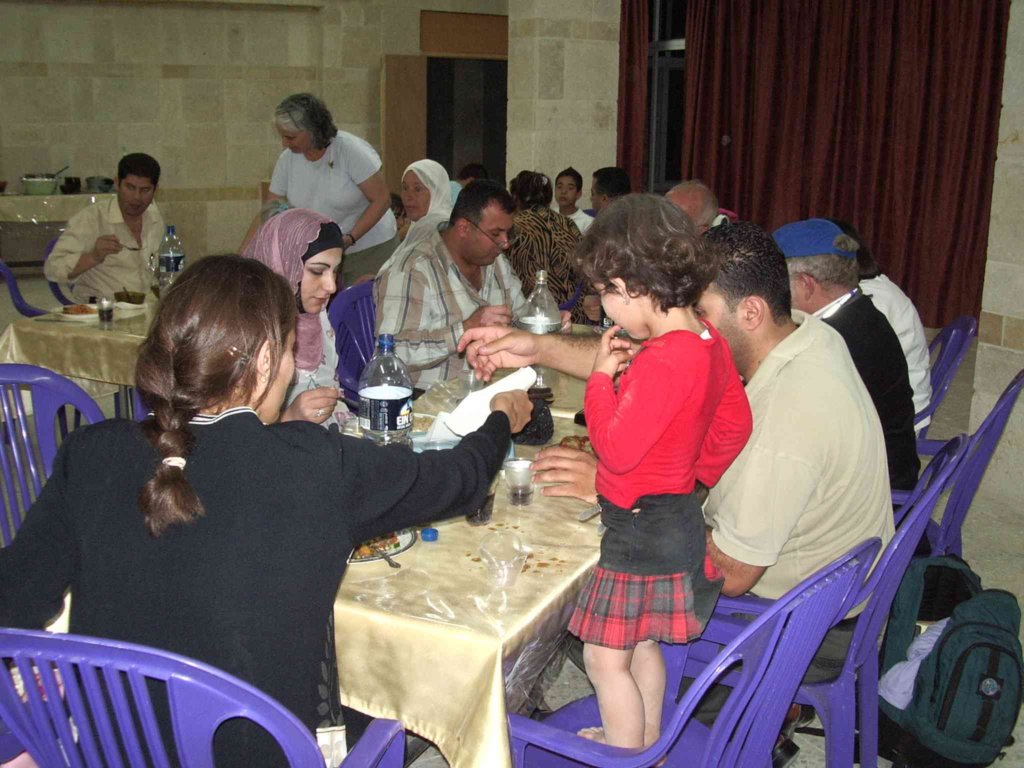
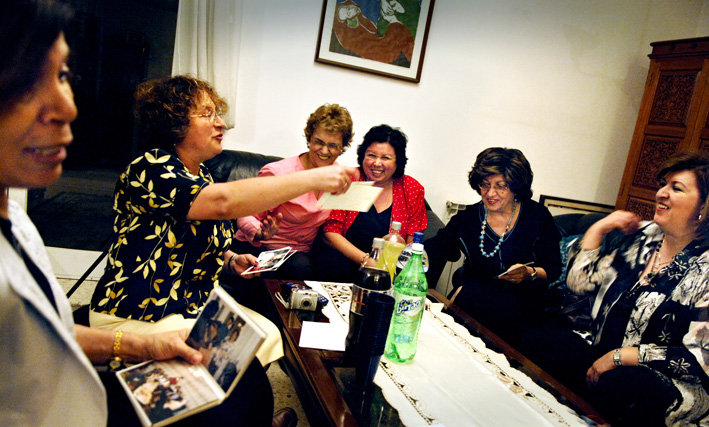
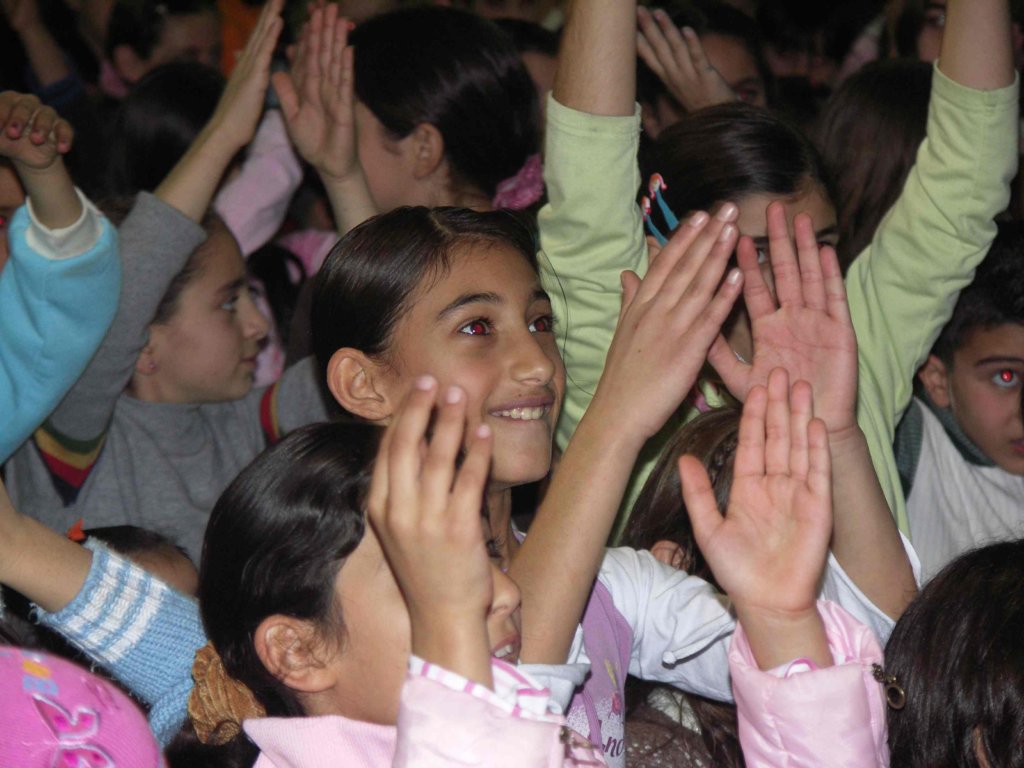
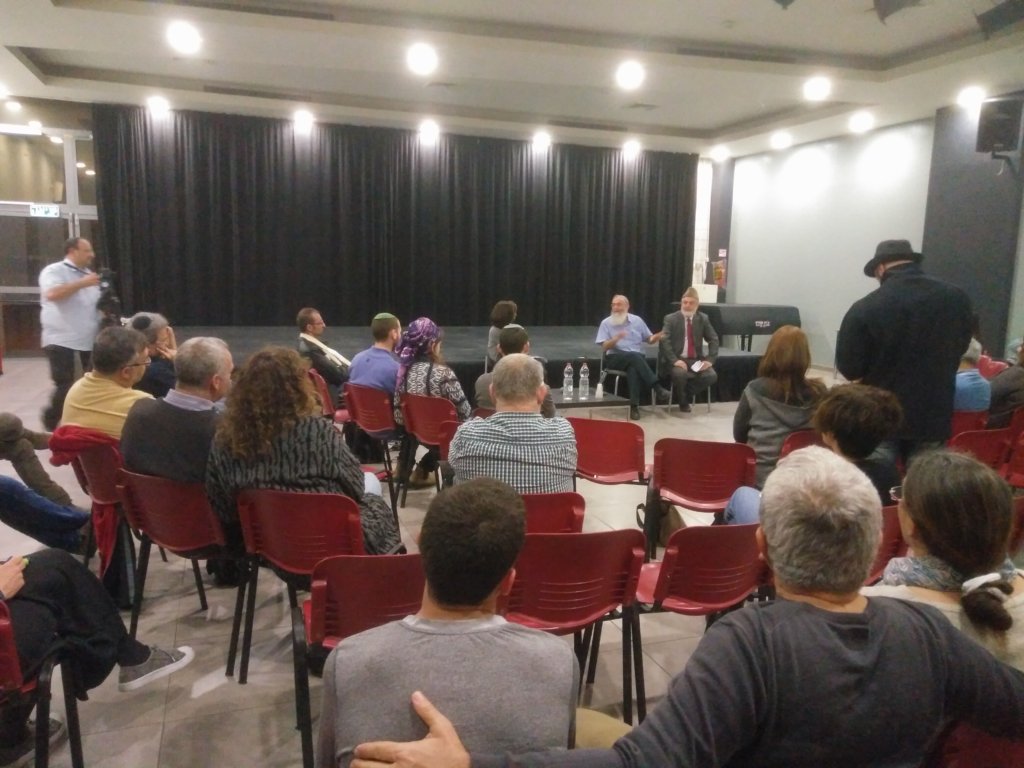
On Thursday, 23.3.17, activists of the Interfaith Encounter Association in Shoham organized a seminar under the title of "Religion as a bridge".
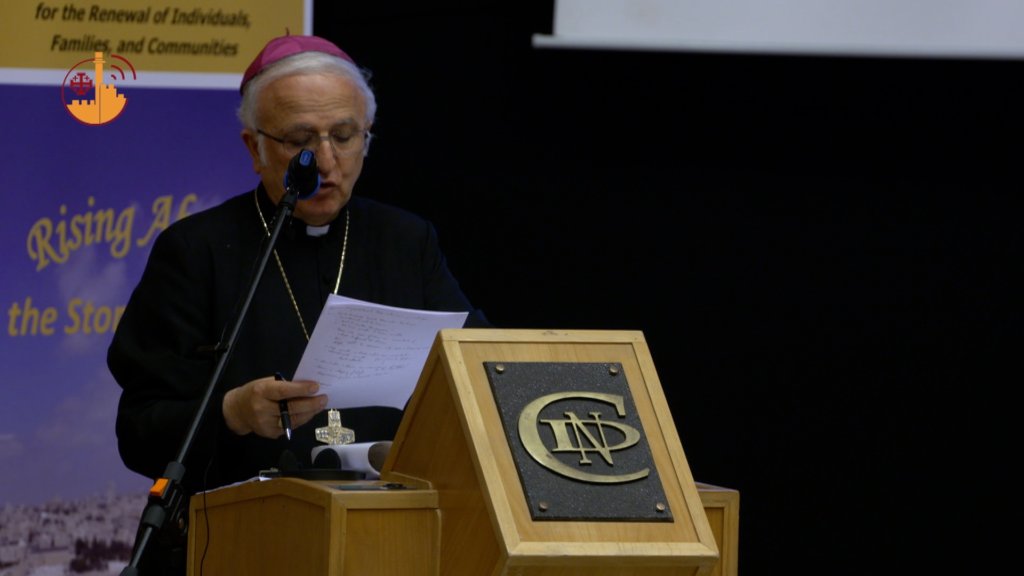
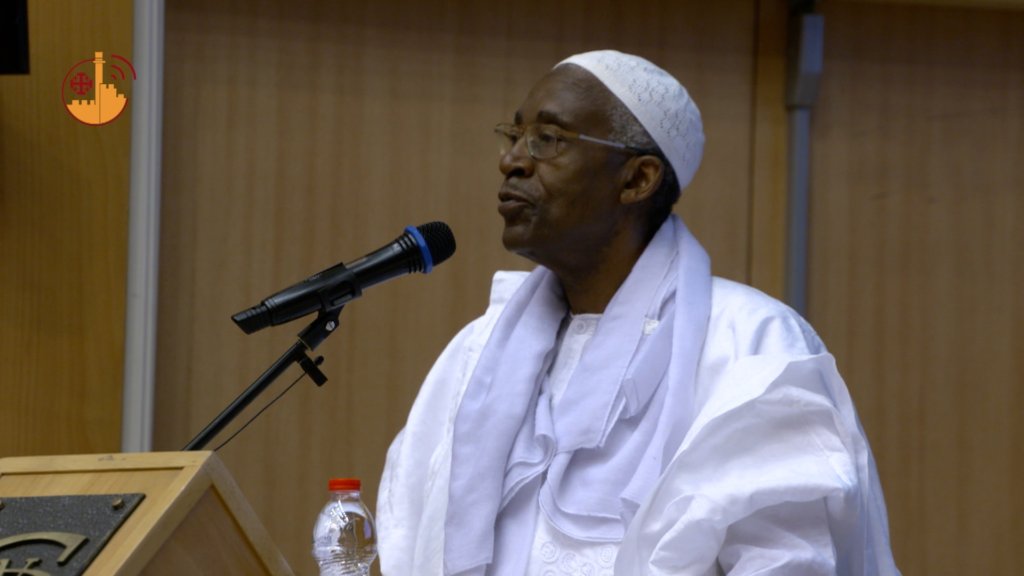
The main part of the evening included a panel with the participation of Rabbi David Stav, Rabbi of Shoham and chairman of the Tzohar Rabbinical Organization; and Emir Sheikh Mohammed Sharif Ouda, head of the Ahmadi community in Israel. The panel was led by Ms. Tali Farkash, YNET.
The first question the speakers were asked to address was whether and how religion can serve as a bridge between people from different communities. The Sheikh began by saying that it absolutely can because after all religion calls for peace and love. The Rabbi responded by saying that it's not that simple because religion can also be a source of conflict. For it to serve as bridge, working through common ground is needed, like faith, kindness, family, etc. The Sheikh reiterated that it's also important to interpret the religion in the light of reliable commentary. For example: Jihad in the Quran means effort, especially in studying and implementing the Quran itself. There's no verse that presents jihad in context of war.
In the next section, the speakers were asked to share with the audience a personal experience related to meeting the other. The Sheikh began to say that he lives in Haifa, where members of the various communities live in harmony. His first encounter was when his father hosted an immigrant from Russia who was recovering from heart surgery. Another step was when he first met settlers in Otniel and Gush Etzion and saw that there were warm and good people among them. These experiences reminded him of the fact that the prophet himself hosted a Christian delegation for a prayer at his mosque in Medina.
The Rabbi described how, in his youth, his mother, who was a department manager at Shaare Zedek Medical Center in Jerusalem, was loved by her employees who would invite her to their celebrations. He remembers how the entire family would travel to various villages around Jerusalem. The rabbi emphasized that he has been engaged in interfaith dialogue for many years and that he encounters situations again and again in which issues that are fundamentally religious are addressed by a secular-political approach that ignores religion, and therefore they can't get promoted.
In response to the question of what are the challenges of interfaith dialogue in Israel, the Rabbi said that nowadays the discourse with Muslim religious leaders is mainly political and not religious, and when you succeed in getting out of the political boundaries, you reach amazing places of unexpected cooperation. The Sheikh added that there is a problem with the fact that religious education is not open to others and that it is important to correct this point. The key to improvement is understanding that our job is to care of everyone, not just ourselves.
Finally, the speakers referred to a way to expand the circles of discourse and make them more meaningful. The Rabbi stressed that the challenge is not to bring together religious leaders. This happens but fails to seep into the educational consciousness. The challenge is to bring the encounter to the field, to the youth, to the places from which the new leadership grows. Religious leaders can produce joint position papers on social issues that are non-political. The Sheikh agreed, adding that in light of his experience with the Ahmadi community, many radicals have changed as a result of the meetings.
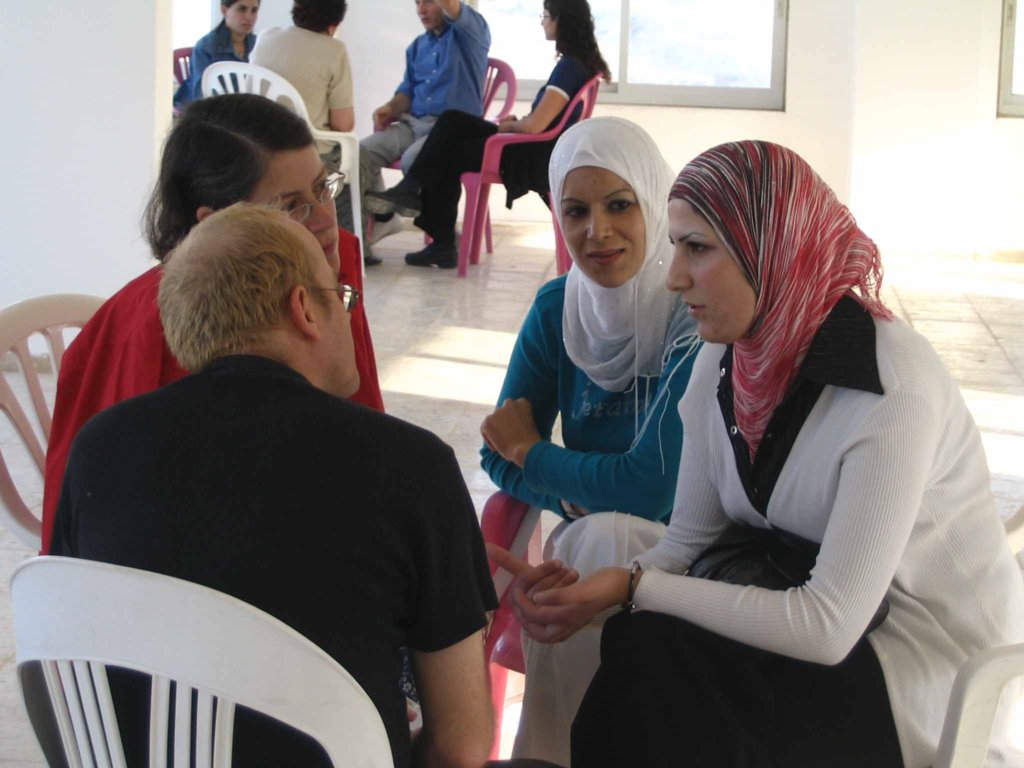
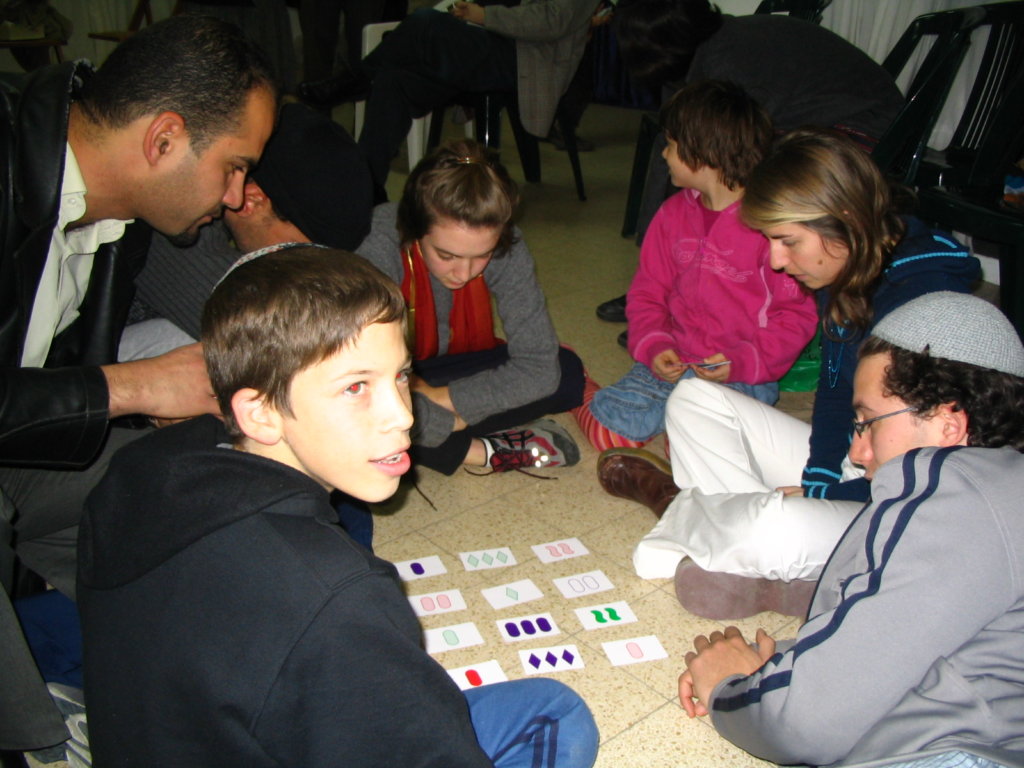
This was an excellent point to finish the panel and move on to a meeting with the association's activists who are doing just that: A meeting in the broad avenues, a meeting that exposes the other and changes radicals as well. Ibrahim, Dvir and Elgad shared the audience about their actual jobs and described how they arrived to the association and how the groups they coordinate are working.
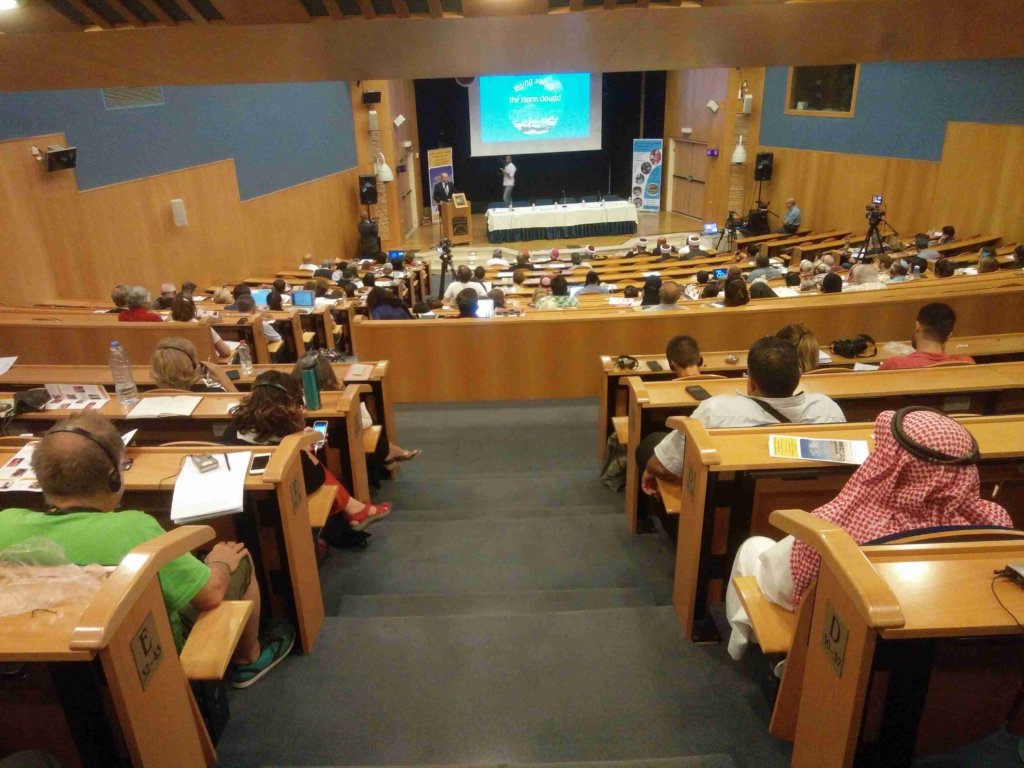
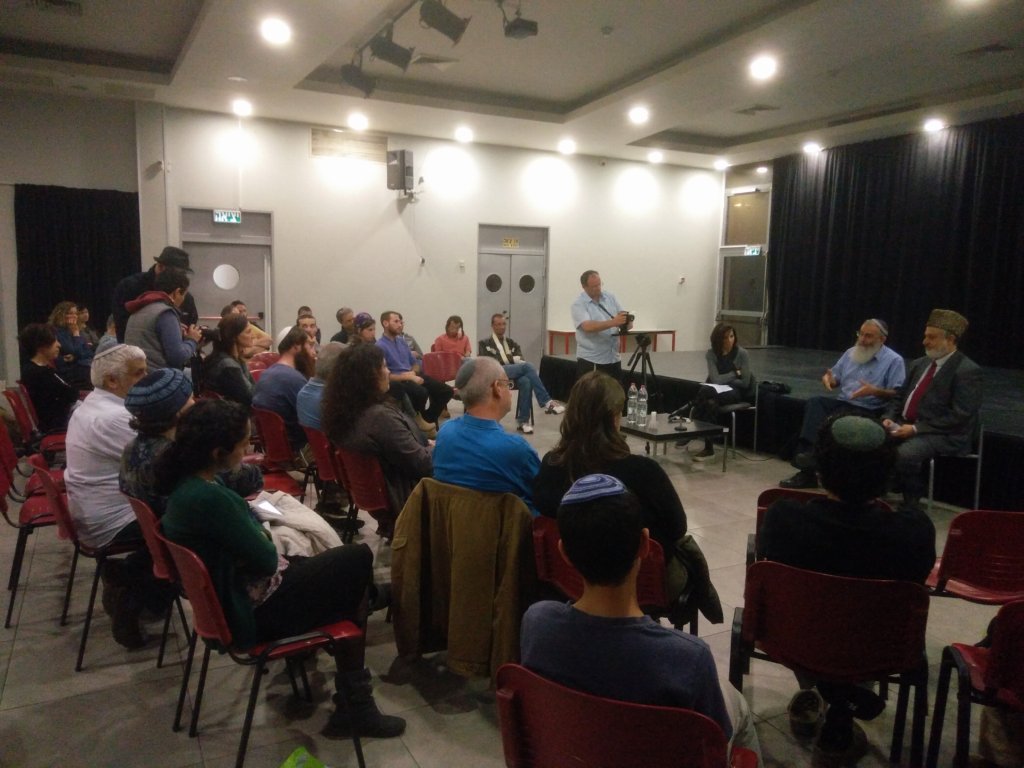
![The audience]()
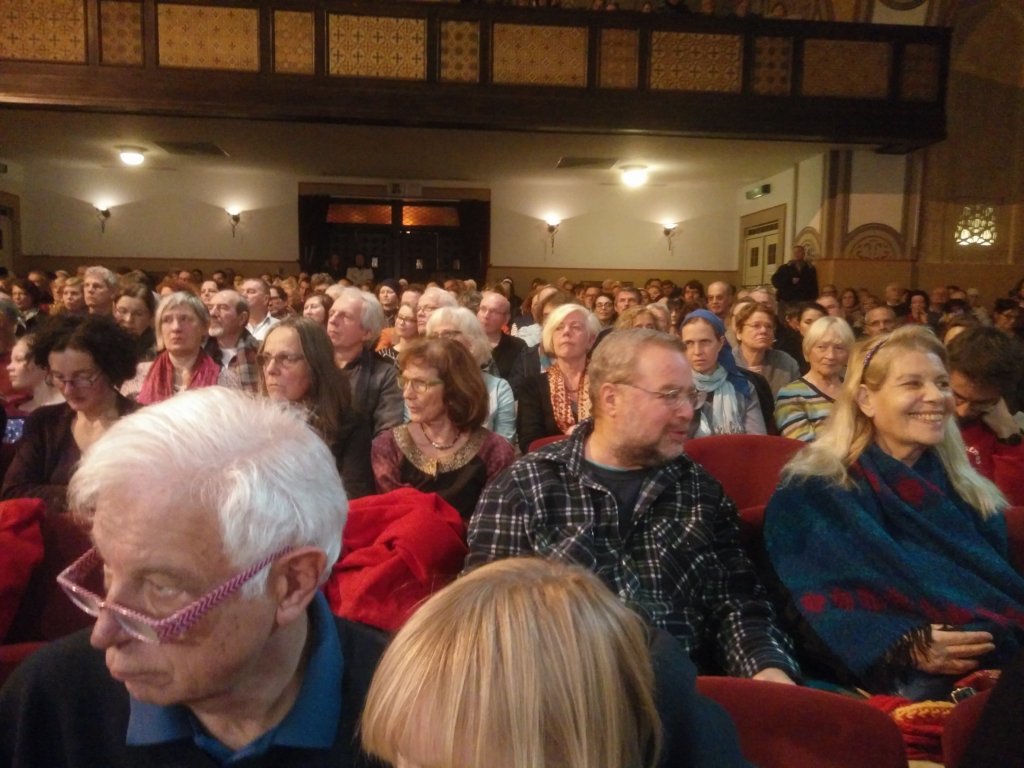
The audience
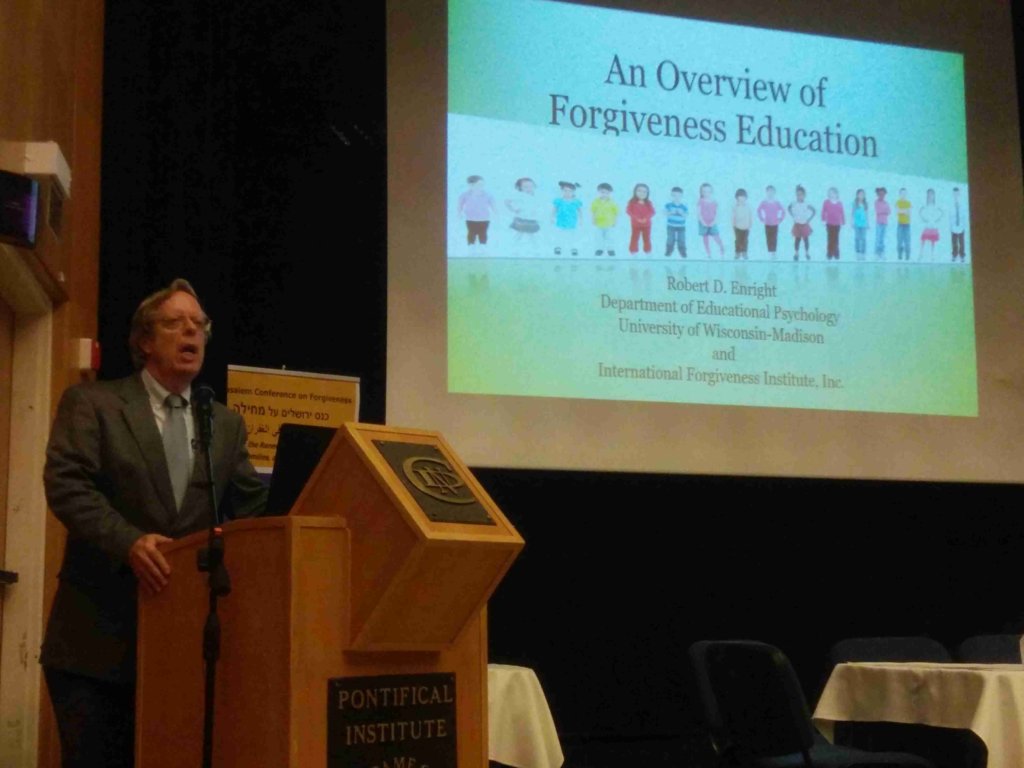
![Another angle]()
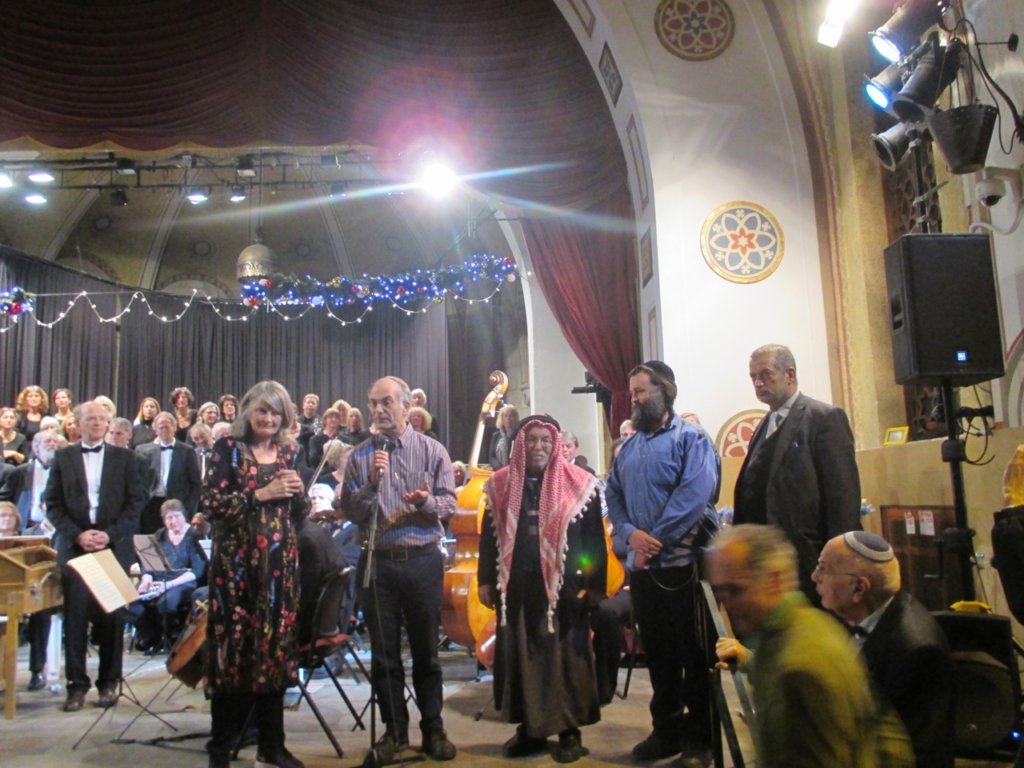
Another angle
Links:
![Share on Twitter]()
![Share on Facebook]()