By Charles Olupot | Project Leader
Dear Donors,
Happy New Year 2025! May this year bring success, growth, and opportunities to achieve all your goals. Wishing you a prosperous year ahead.
Our report!
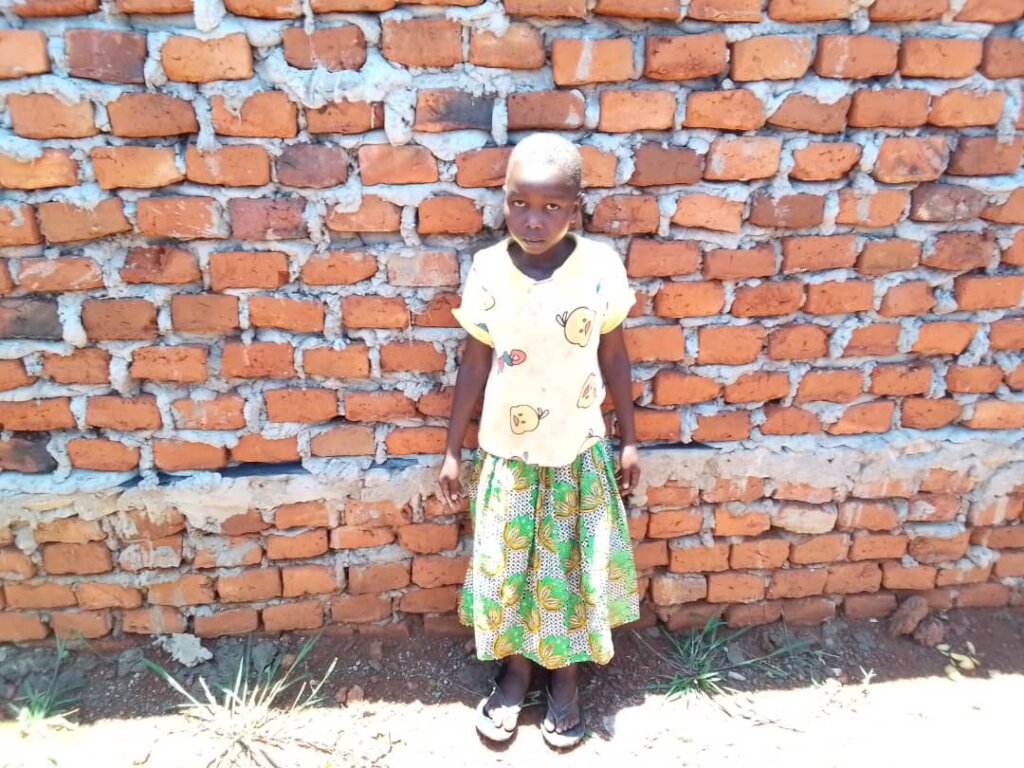
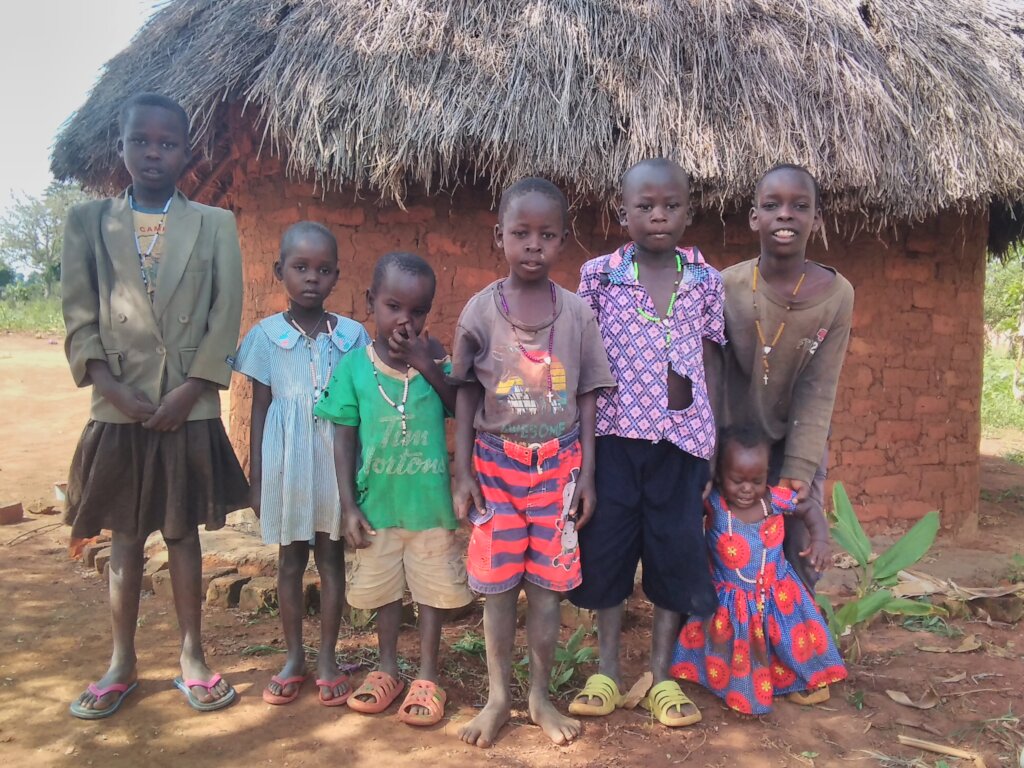
Lack of school meals, low capitation grants, long distances to schools and child labour are stopping Ugandan children from accessing education.
Education in rural Uganda, despite several existing policies, are recording poor learning outcomes which affect the quality of education and the country's ability to eradicate poverty.
The quality of education is low in the country particularly in rural areas and the north and eastern parts of the country where only 20 percent of children in primary three have proficiency in English reading and comprehension and 30 percent can carry out basic numeracy.
CHILDREN in poor families especially those in rural areas are not ready to join primary school because most of them do not have access to nursery education.
In rural areas, standards of literacy are going backwards. For instance in Northern region, literacy rates have declined from 67.7 percent to 59.2 percent in the last five years. The same trend is also seen in Karamoja where literacy rates have declined from 31.6 percent to 26.8 percent in recent years.
Learning outcomes are low due to few text books, high pupil to teacher ratio, violence against children, lack of hand washing facilities at schools and lack of drinking water. The poor feeding policy in schools as playing a role.
Kind appeal to all our Donors, Sponsors, Partners.
It does not make sense for government to invest in education but ignore incentives like food that are important in the learning process in schools.
“Hungry children cannot learn. Without food, children cannot pay attention or learn anything and if parents cannot provide these meals, then government should,” she said.
“We recommend that government prioritize funding in sectors that affect children like education. Public expenditure in primary education needs to be increased so that children benefit from education.
The 2019/20 found that 14% of the population aged 15 and above had no formal education, and 39% had some primary education. The report also found that child labor is a factor in children leaving school, and that children who work during school hours miss out on essential knowledge and skills.
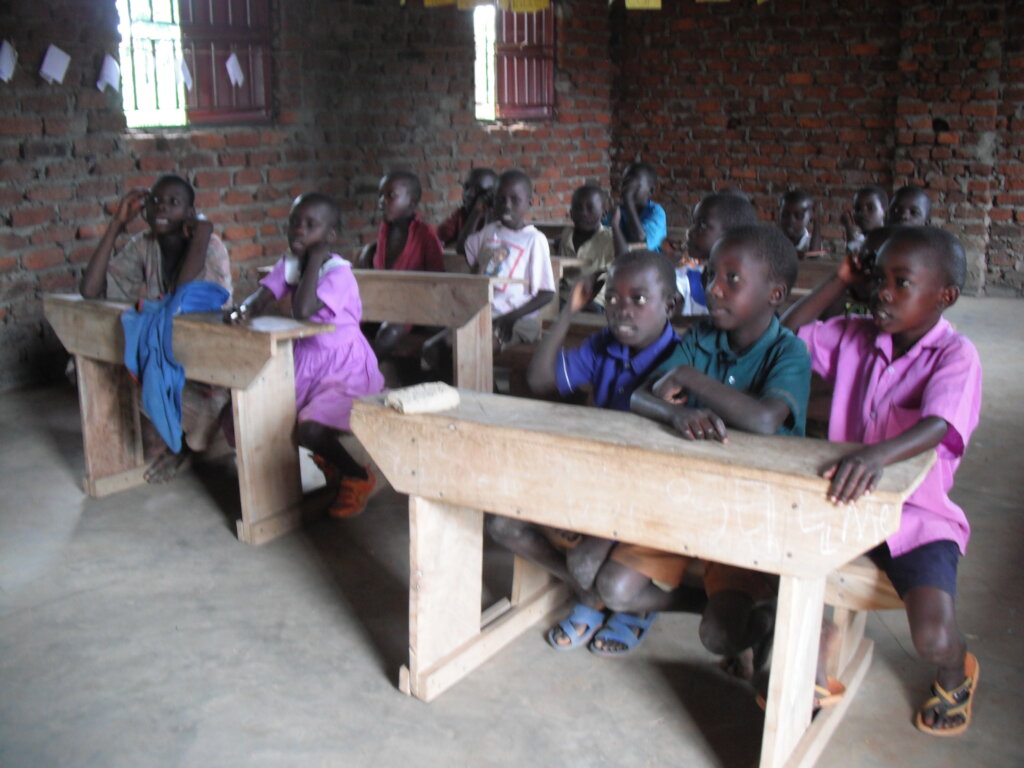
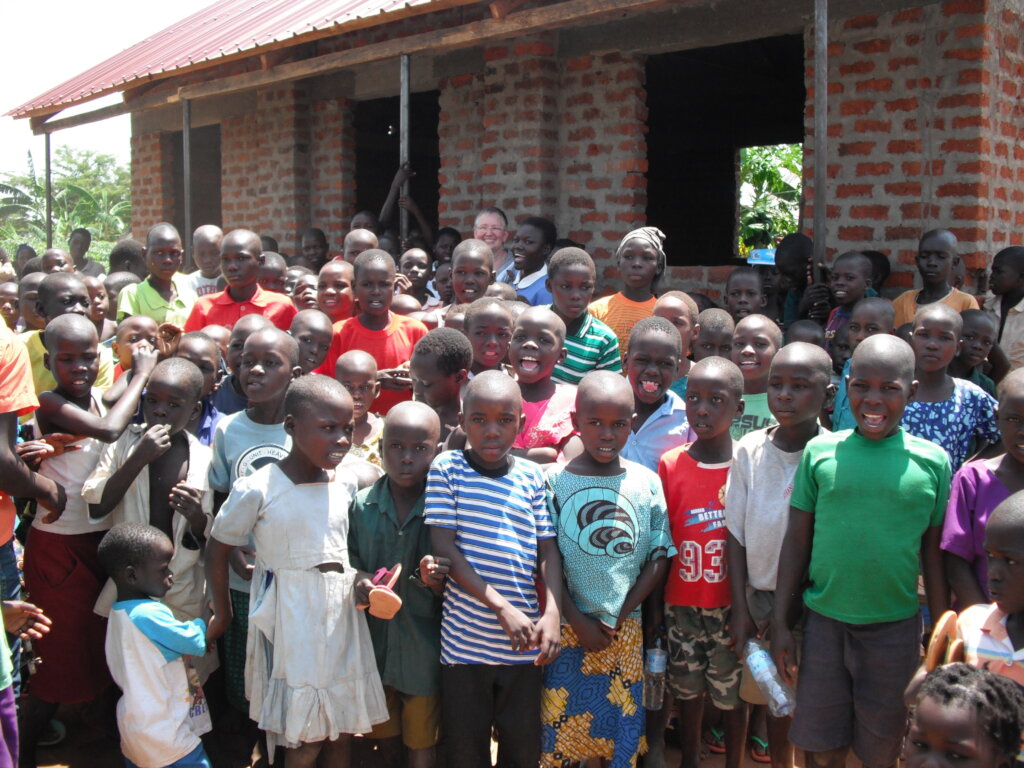
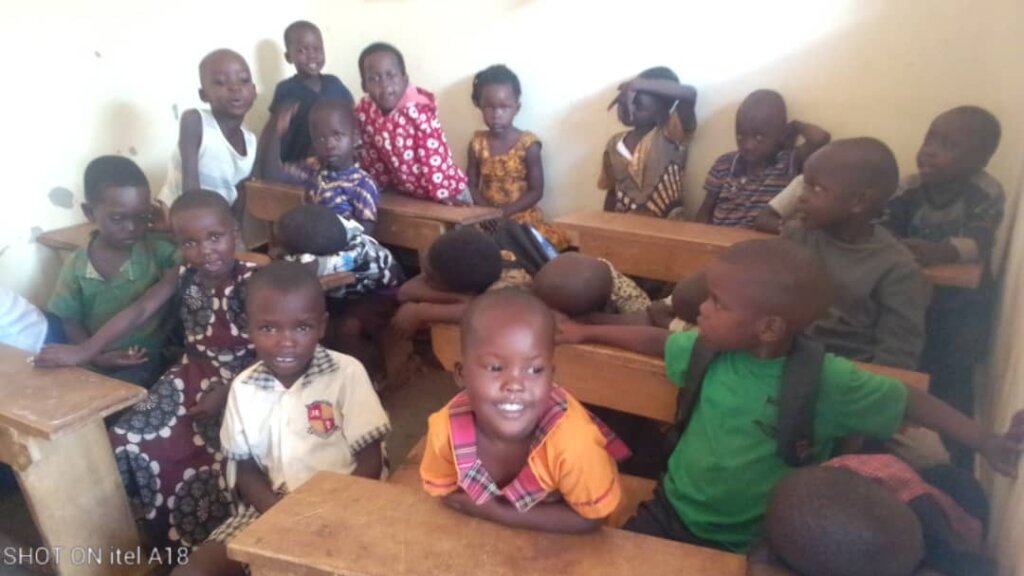
In our community 20% of children complete primary school, and that many drop out due to poverty and other factors. The rural schools are often overcrowded and lack basic resources, and that teachers are overwhelmed and in need of support.
The pandemic had a more severe impact on school enrollment for children from poorer backgrounds. The Pupil-Teacher Ratio (PTR) in rural schools which may affect the quality of education.
Our non profit has reports on underprivileged child education, including information on how to sponsor a child's education.
Our NGO has policy objectives to improve access to education, including primary and secondary education, and business, technical, vocational, training, and tertiary education.
The NGO has committed itself to promoting access to and retention in formal education for all children and learners, taking into account diverse circumstances such as geographical location, gender, age, disability, refugee status, cultural and linguistic background, socio-economic status, and related learning difficul-ties.
This commitment is inline with the government several policies and programmes, notably the introduction of UPE in 1997 and USE in 2007 both of which resulted into enrolment of large number of learners, including those with special needs. Several sector-level policies to foster inclusivity have also been developed.
Conclusion!
The inclusive education policies and interventions have led to an increase in enrolment in primary and secondary education levels of children/learners who would have been excluded from education. However, there are many children who are out of school and denied their right to education, safety, health, play and future opportunities.
According to UNESCO, out-of-school children refers to any child/individual of official school/college age who is not enrolled in any formal education institution (pre-primary, primary, secondary or higher levels of education).
Out-of-school children are among the most vulnerable and face a high risk of teenage pregnancy and forced child marriage, child labour, substance abuse and recruitment into crime and armed groups.
Thanks for your continued support and donations. May the New Year bless you with unwavering faith that guides your steps, illuminates your path, and fills your heart with hope and strength.
Amen.
Project reports on GlobalGiving are posted directly to globalgiving.org by Project Leaders as they are completed, generally every 3-4 months. To protect the integrity of these documents, GlobalGiving does not alter them; therefore you may find some language or formatting issues.
If you donate to this project or have donated to this project, you can receive an email when this project posts a report. You can also subscribe for reports without donating.



Support this important cause by creating a personalized fundraising page.
Start a Fundraiser