-
Overall Decline:
Uganda has seen a significant reduction in poverty, with the national poverty rate falling from 24.5% in 2009/10 to 19.7% in 2012/13.
-
Regional Disparities:
While poverty has reduced across all regions, the Northern region remains the poorest, though the gap has narrowed since the restoration of peace in 2006. The Eastern region has seen the slowest progress recently.
-
Factors Contributing to Poverty:
Factors like adverse weather conditions, high dependency ratios, population growth, land fragmentation, and soil degradation contribute to poverty, particularly in the East.
-
-
Importance of Human Capital:
Investing in human capital, including education and skills development, is crucial for raising productivity and income-earning opportunities.
-
Vulnerability and Safety Nets:
Strengthening household resilience through addressing deficiencies in human capital and expanding safety nets is vital for reducing vulnerability.
-
Multidimensional Poverty:
A multidimensional poverty index, which considers factors beyond income, reveals that a significant portion of the population experiences deprivation in areas like access to healthcare, sanitation, and secure income.
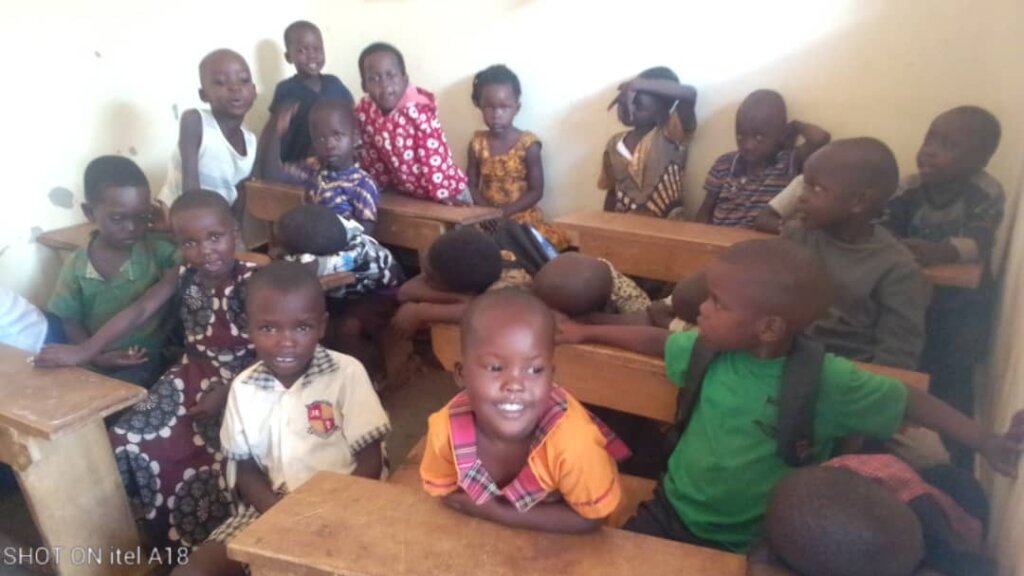
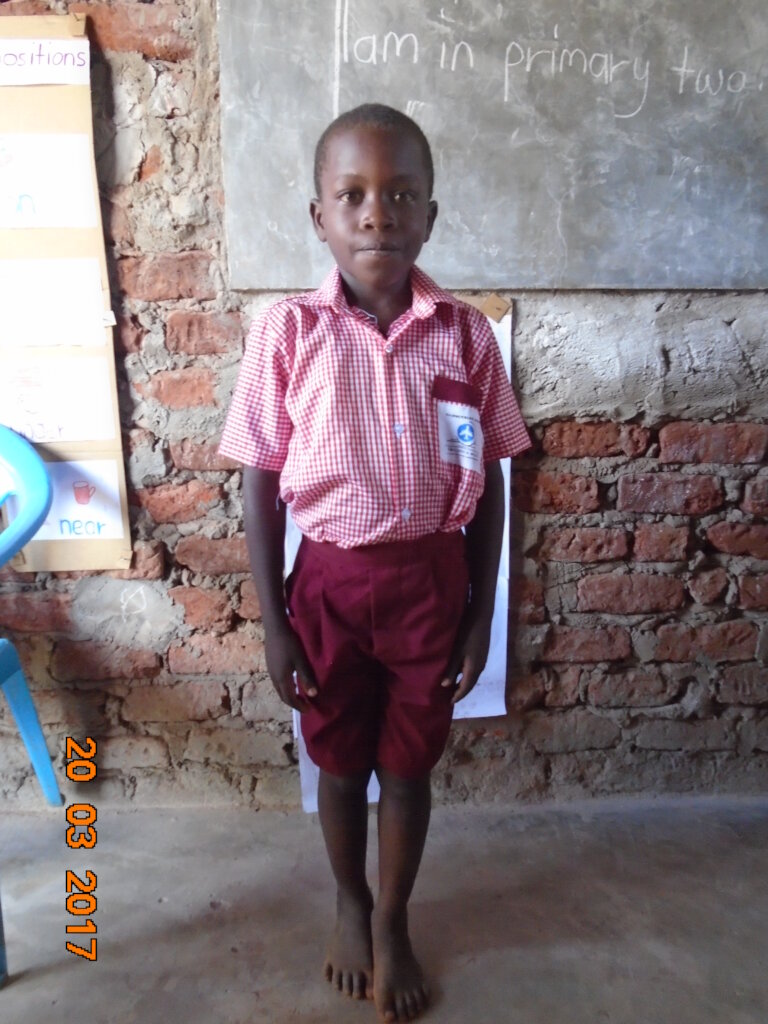
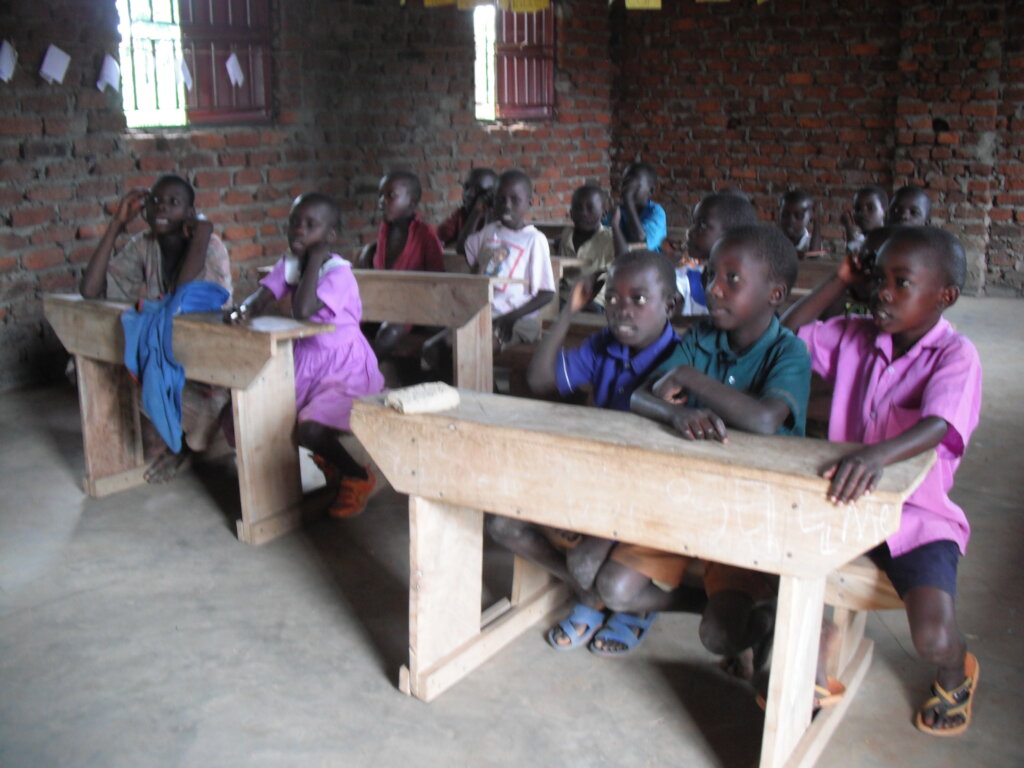
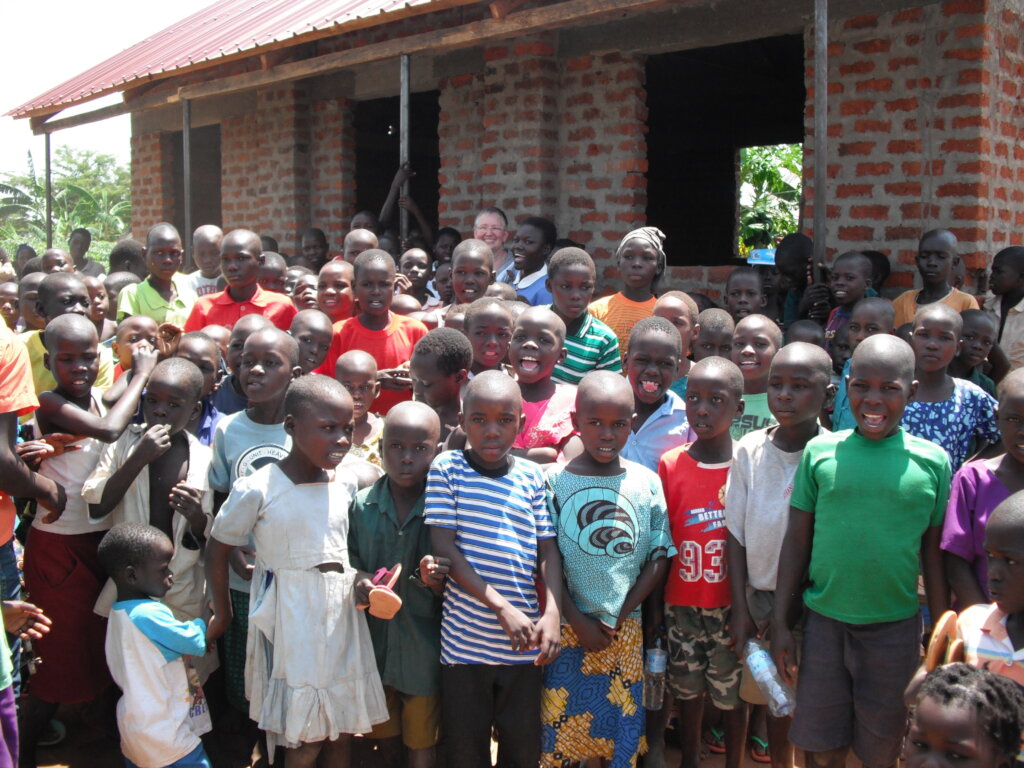
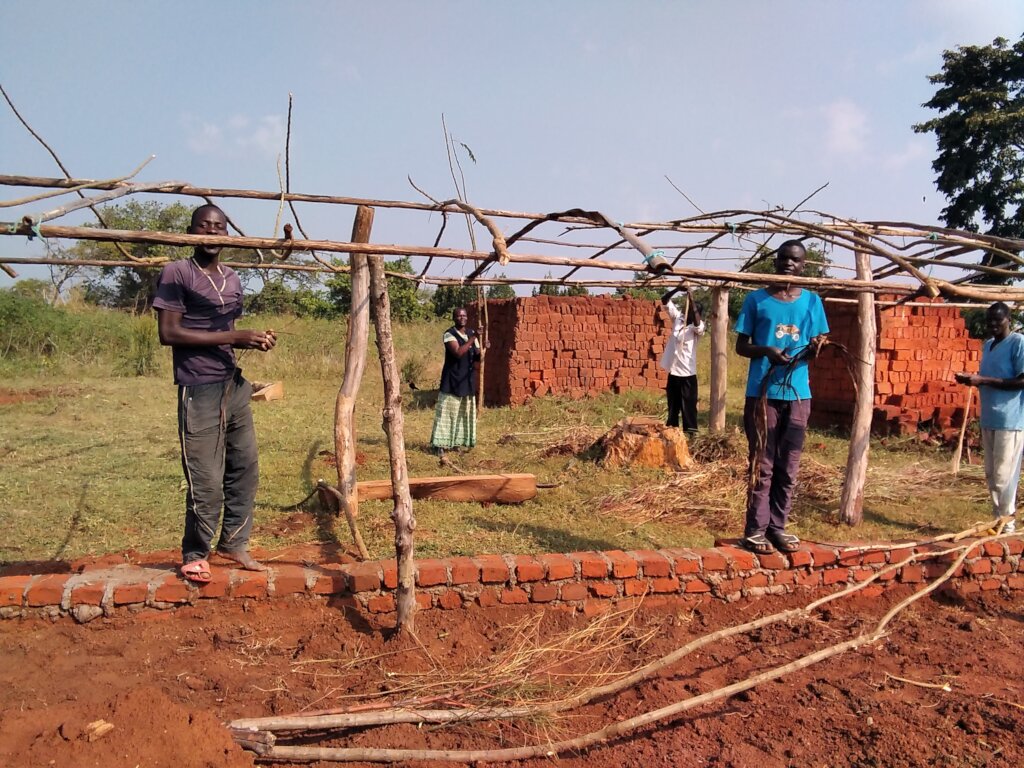
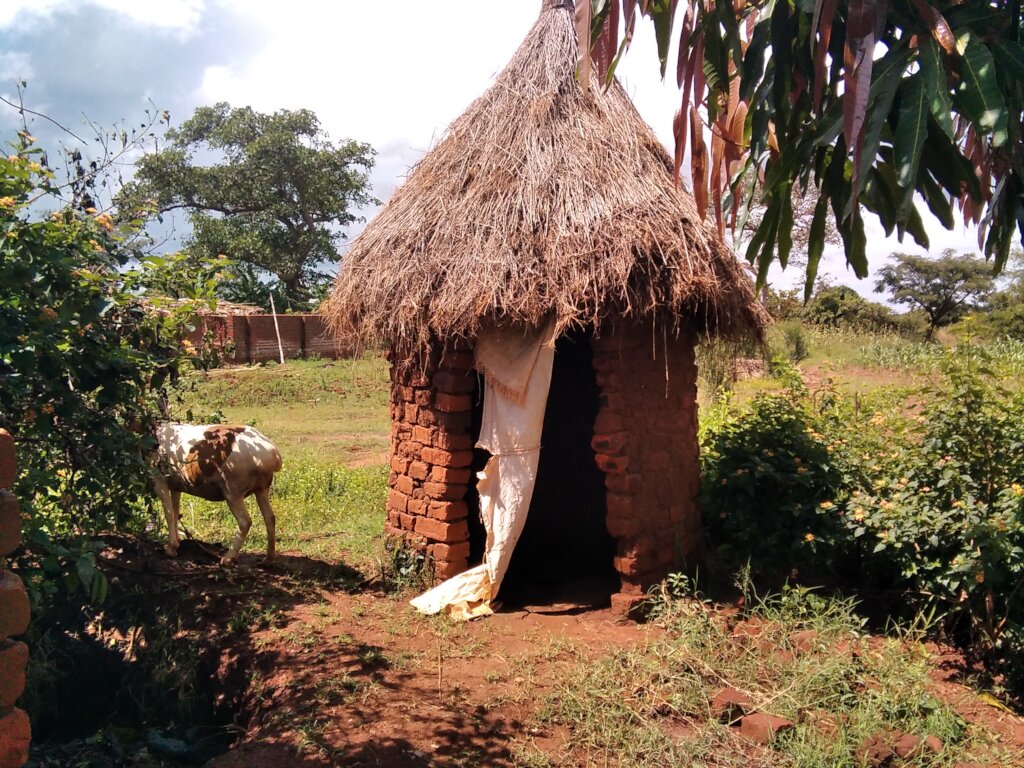
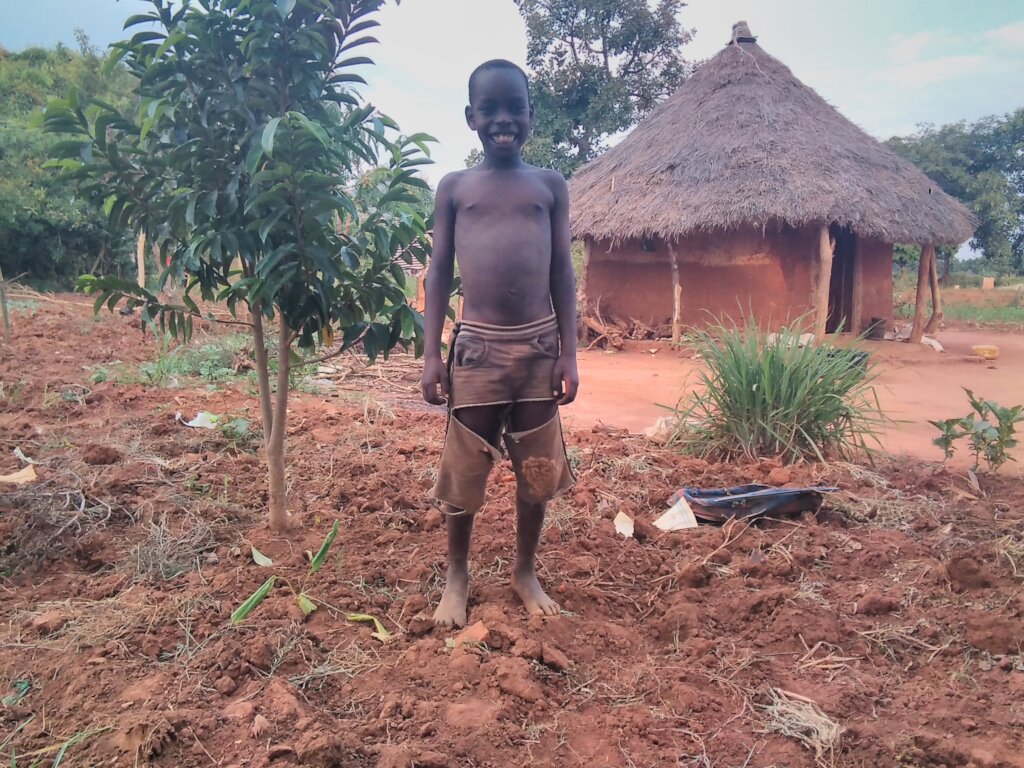
The Target Community! Aparis Village.
Poverty:
-
The people or households lack of access to education, healthcare, clean water, sanitation, etc.).
-
Causes of Poverty:
-
The root causes of poverty in the community include factors like unemployment, lack of education, limited access to resources, social inequalities, and economic instability.
-
Impact of Poverty:
-
The consequences of poverty on individuals, families, and the broader community, such as poor health, low educational attainment, and social exclusion.
-
Vulnerable Groups:
-
The specific groups within the community that are disproportionately affected by poverty (e.g., women, children, the elderly, people with disabilities) is crucial.
-
Community Needs Assessment:
-
The organization involved the community in identifying their needs and priorities for development, ensuring that interventions are relevant and sustainable.
-
Proposed Solutions:
-
We outlined a range of potential solutions, including:
-
Economic Development: Strategies to create jobs, support local businesses, and improve livelihoods.
-
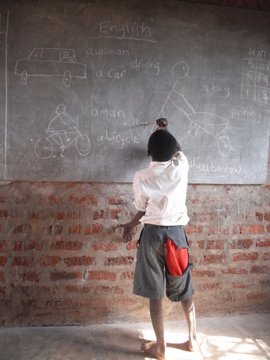
Education and Skills Training: Programs to improve access to quality education and vocational training.
-
Health and Well-being: Initiatives to improve access to healthcare, sanitation, and nutrition.
-
Social Inclusion: Programs to address social inequalities and promote social cohesion.
-
Community Empowerment: Strategies to involve community members in decision-making and development planning.
-
Sustainability:
-
Ensuring that interventions have long-term positive impacts and do not negatively affect the environment.
-
Monitoring and Evaluation:
-
We included mechanisms for monitoring the progress of implemented programs and evaluating their effectiveness.
-
Examples of Community Development Approaches:
-
Community Driven Development (CDD):
-
To empowers communities to lead development initiatives, manage resources, and make decisions about their own development.
-
Integrated Approach:
-
Combining various interventions like education, vocational training, income generation, and health programs can have a more significant impact on poverty reduction.
-
Participatory Management:
-
Involving community members in all stages of the development process, from planning to implementation and monitoring, can ensure ownership and sustainability.
-
By addressing these key aspects and implementing appropriate strategies,