By Dr. Yehdua Stolov | Executive Director
January 30,2025
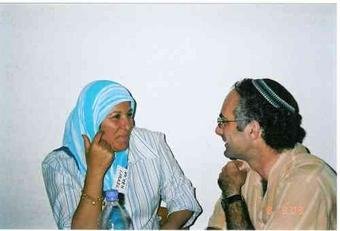
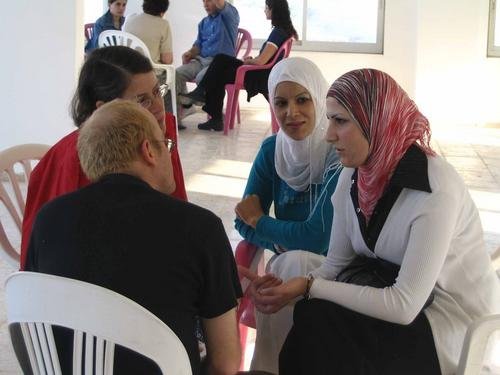
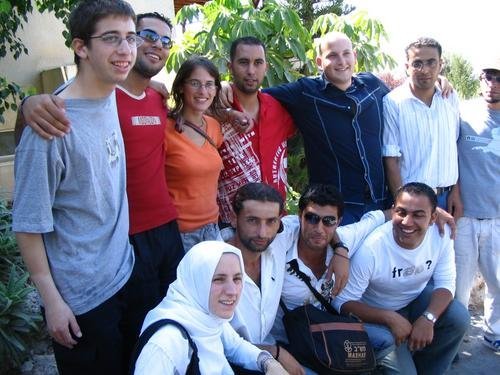
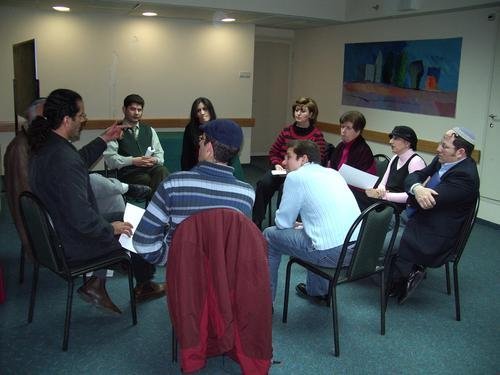
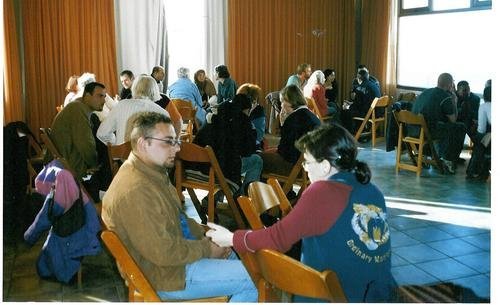
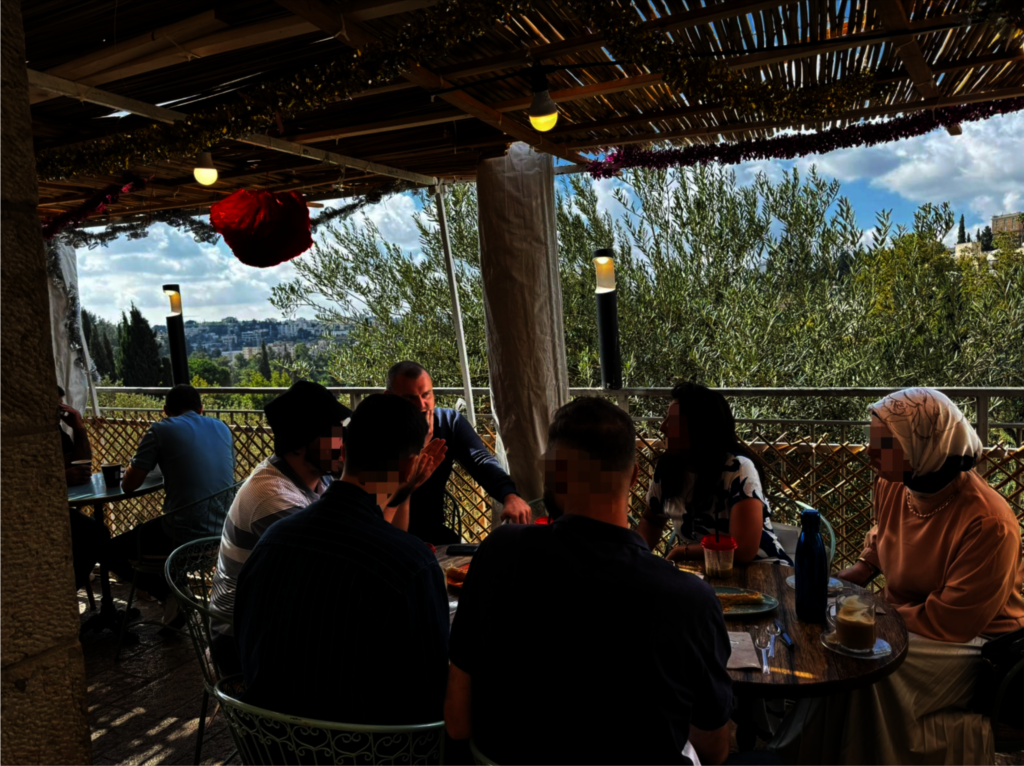
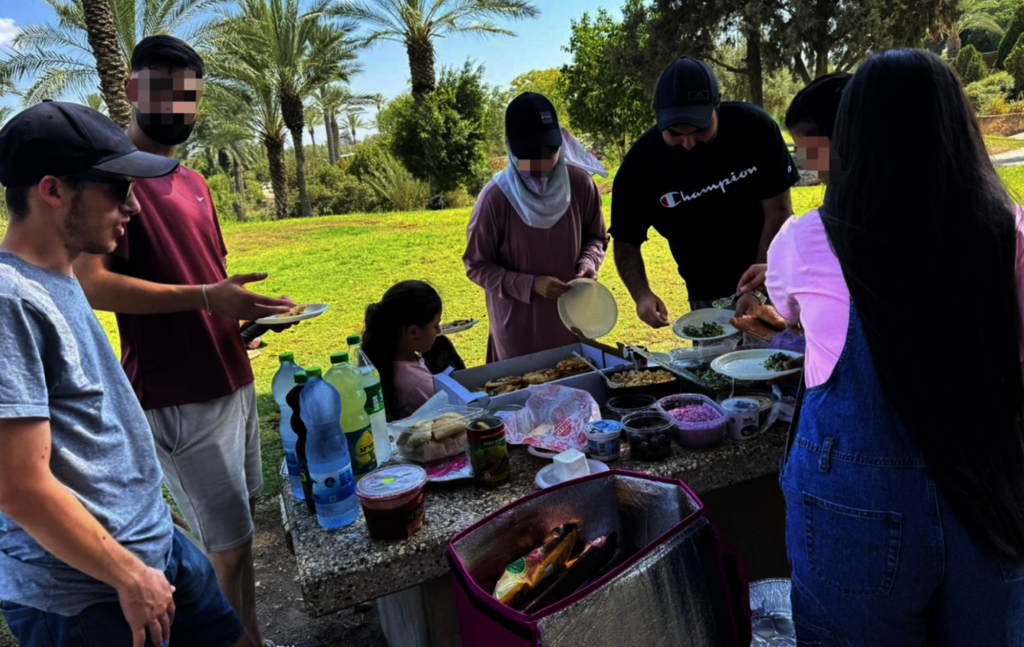
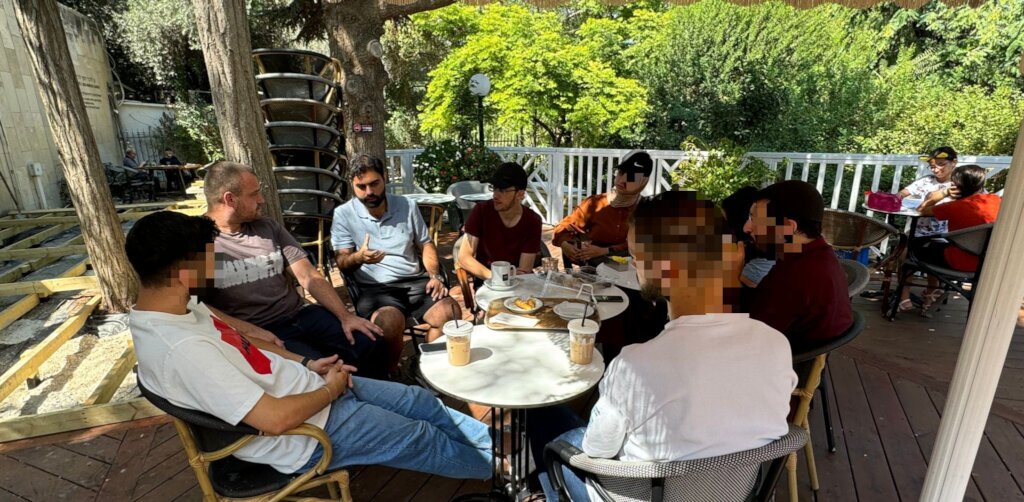
We met at Mount Scopus for the launch of another Young Adults group in Jerusalem. Participants introduced themselves and explained the origins and meaning of their names.
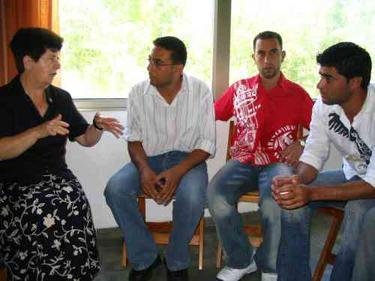
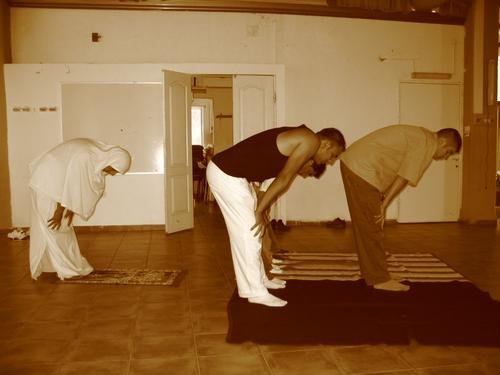
Then, each participant explained about their own relationship with their tradition- the parts they like the most, the parts that are harder for them, and how they see themselves in relation to it today. Some explained about their history of becoming more religious than their parents, others did the opposite route. We were able to see some common ground in values each religious tradition presents, but also differences in how they are socially organized- such as how accepted is secularism within each community. We are excited to start meeting regularly.
April 3, 2025
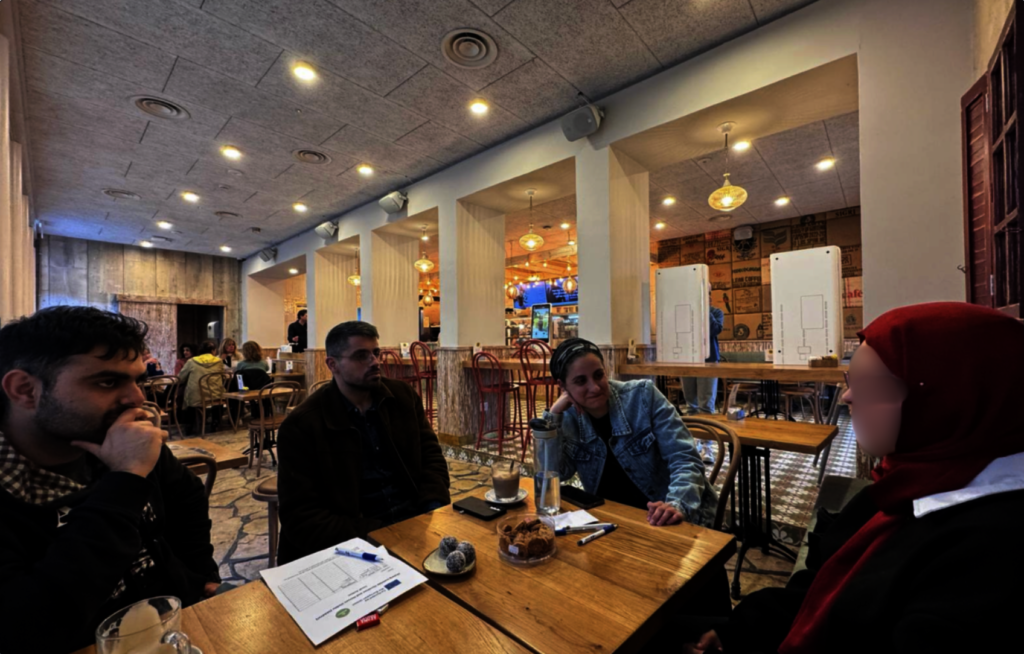
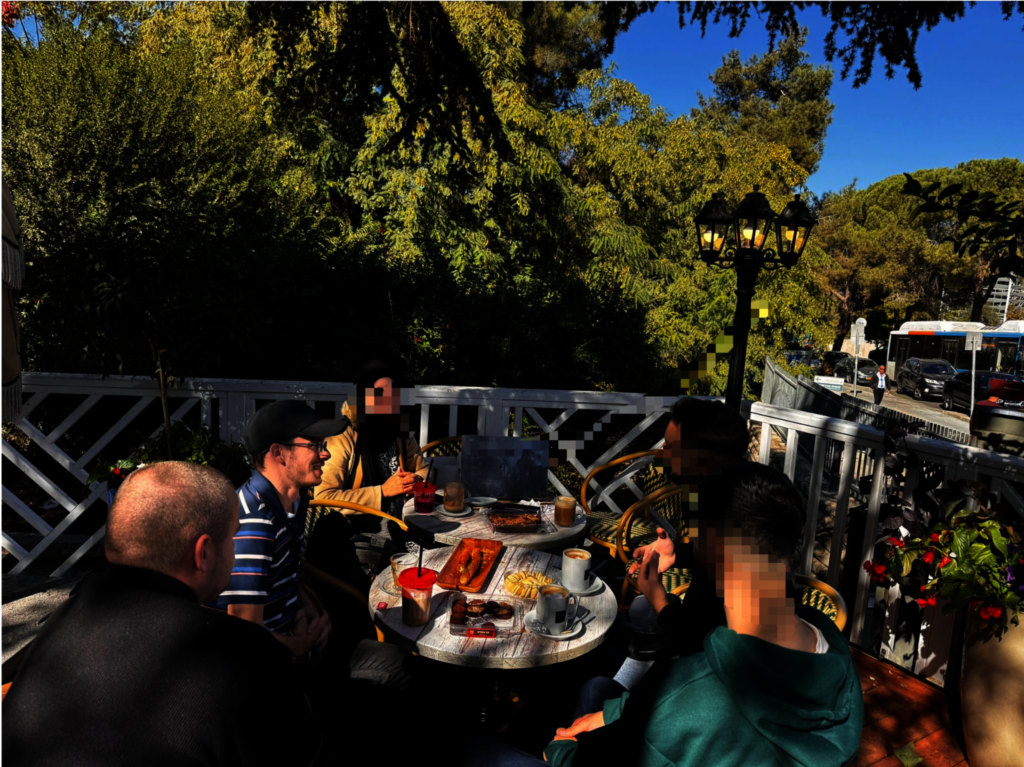
The group spoke about Invisible heroes. Each participant shared who are the people they admire that do not receive enough credit. Everyone mentioned close family members, especially mothers, but also public figures.
May 8, 2025
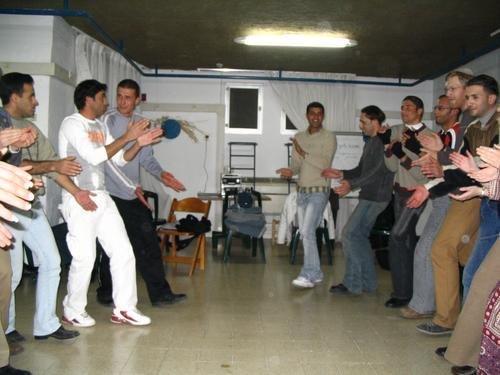
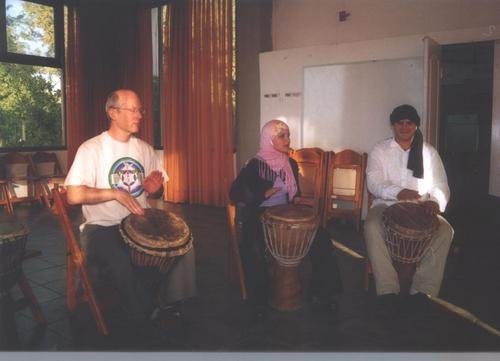
In a friendly and communicative atmosphere, the Mount Scopus group gathered in Jerusalem for a special dialogue session on the topic of holidays and special occasions celebrated by different communities. The encounter coincided with the holiday season, which gave the conversation a personal touch and special warmth. The discussion addressed the impact of holidays on the lives of individuals and communities, and how each person expresses their joy and adherence to their traditions and customs. The cultural and religious diversity among the group members was evident and enriched the dialogue, making it rich and inspiring. The participants posed an open question: "What is your favorite holiday?" The discussion began with the Jewish participants talking about their holidays, highlighting the eight-day Festival of Lights (Hanukkah), during which the candles are lit from the menorah to commemorate the miracle of oil, which lasted longer than expected after the dedication of the Temple. The holiday was distinguished by its family atmosphere and special dishes, which added a special touch to the celebrations. They also discussed Passover (Pesach), a holiday commemorating the exodus of the Israelites from Egypt, marked by a special symbolic meal and the reading of historical texts reflecting the importance of liberation and freedom. Muslim participants also shared their experiences with Eid al-Fitr, which they celebrate after the fast of Ramadan. This holiday is marked by joy, prayers, and visits to family, as well as Eid al-Adha, which expresses sacrifice and giving through the slaughter of sacrificial animals and their distribution to the needy. They also emphasized the importance of maintaining family ties in strengthening family and social bonds, particularly their significant role in the lives of women. At the end of the encounter, everyone agreed that the holidays, despite their different names and rituals, carry a common message: joy, closeness, and love, and are a valuable opportunity for human connection and the promotion of values that unite people.
Links:
By Dr. Yehdua Stolov | Executive Director
By Dr. Yehdua Stolov | Executive Director
Project reports on GlobalGiving are posted directly to globalgiving.org by Project Leaders as they are completed, generally every 3-4 months. To protect the integrity of these documents, GlobalGiving does not alter them; therefore you may find some language or formatting issues.
If you donate to this project or have donated to this project, you can receive an email when this project posts a report. You can also subscribe for reports without donating.



Support this important cause by creating a personalized fundraising page.
Start a Fundraiser