By Matthew Dayton-Welch & Wendy Whiting Blome | Project Leaders
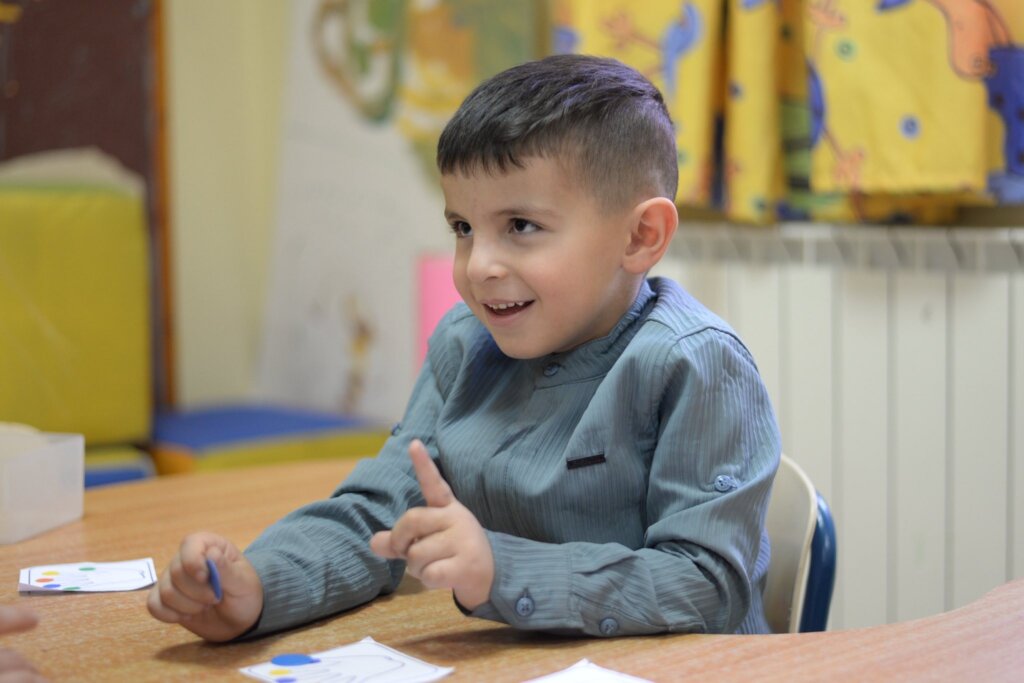
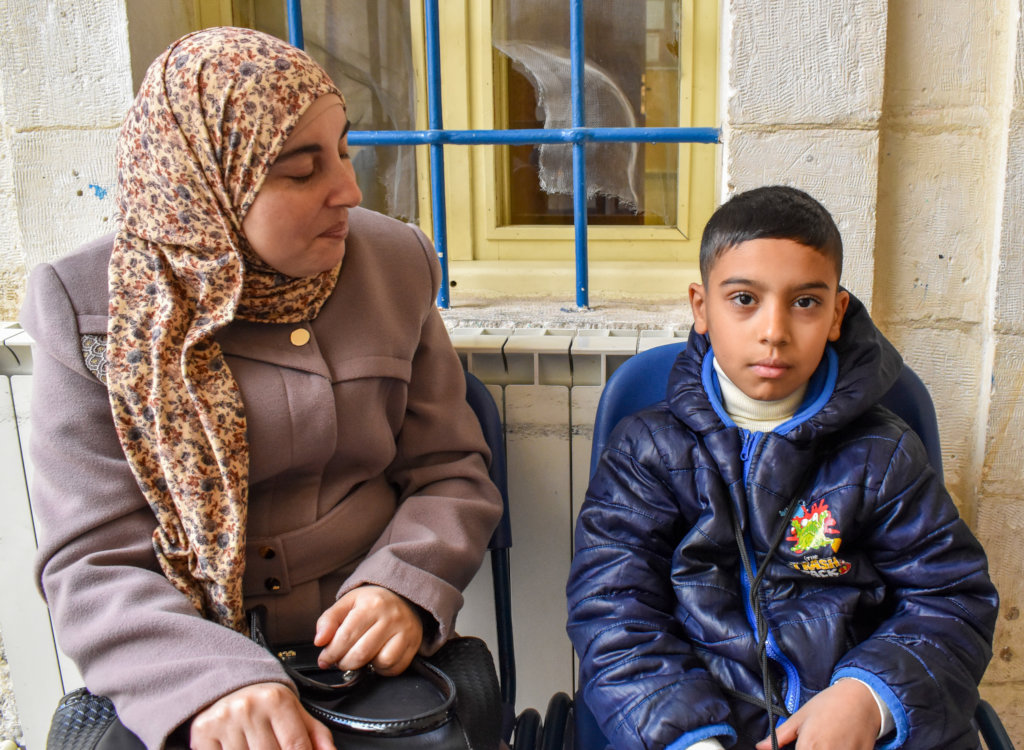
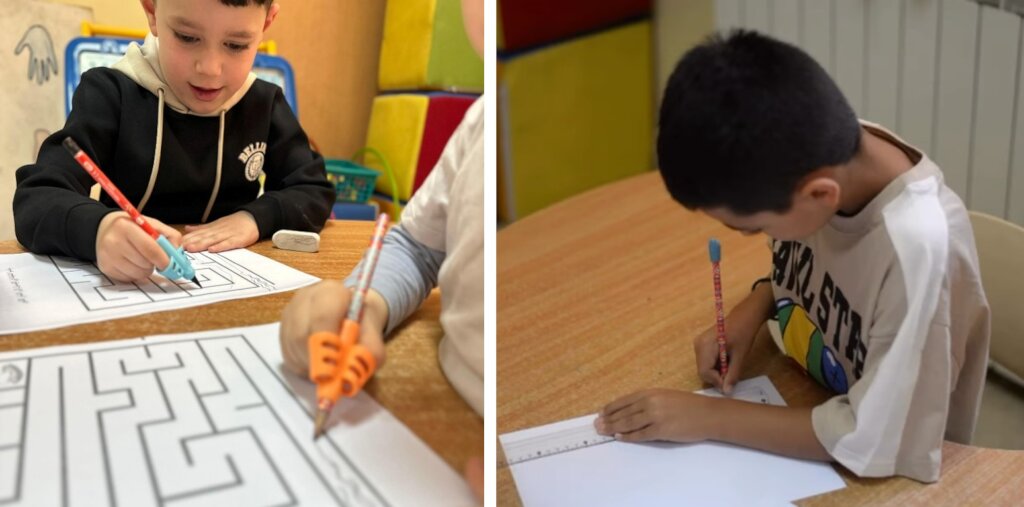
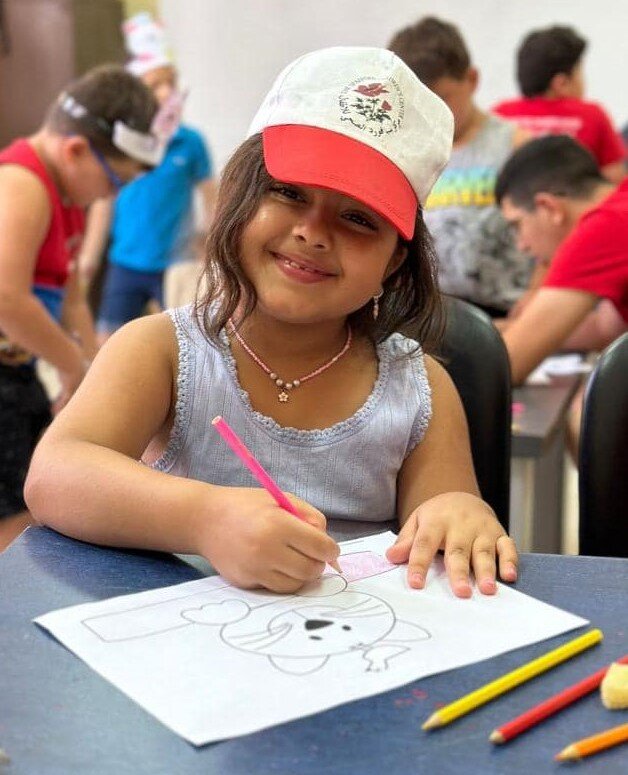
Yousef has been coming to the Spafford Children’s Center (SCC) in East Jerusalem since he was six years old. At first his mother, Hala, brought him to SCC because she knew her son needed help as he wasn’t developing as fast as her older children. Yousef had trouble grasping a pencil and got frustrated because he couldn’t write like the other children in his school. At the SCC he worked with an occupational therapist who assessed his capabilities and quickly designed a program of exercises to increase his fine motor skills and strengthen his hand and finger muscles—and they were fun. Yousef played with clay to improve his strength, traced letters to develop dexterity, added a pencil grip to position his fingers correctly, practiced using a ruler, and completed dot puzzles and mazes to facilitate concentration.
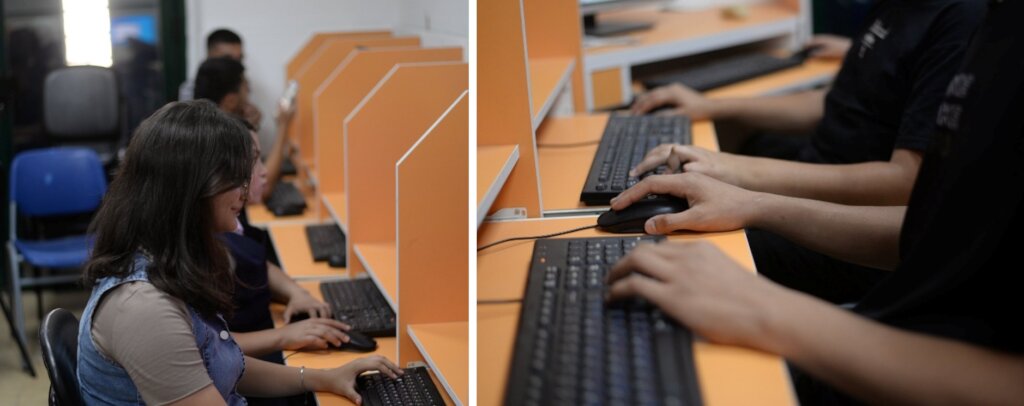
As he progressed through the primary grades in his community school, Yousef asked to return to SCC for the computer courses. He had heard from friends that they were learning how to search topics for school projects, to create documents, and send and receive emails. SCC offers basic computer skills classes for children ages 6 to 13 and advanced classes for teens ages 14 to 18. In six sessions of two hours each, children and teens learn the basics and soon have the confidence to progress on their own. Soon his older sister was joining the fun.
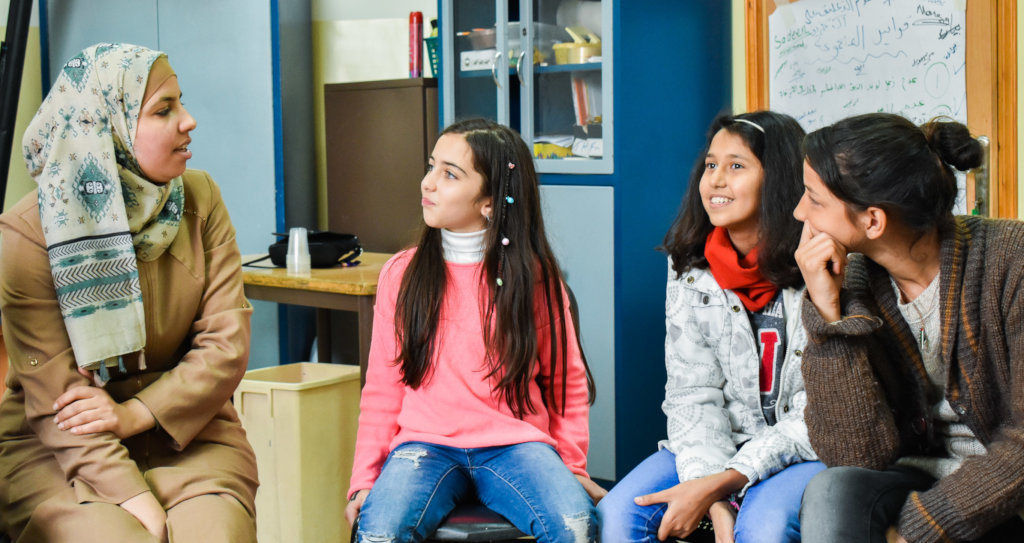
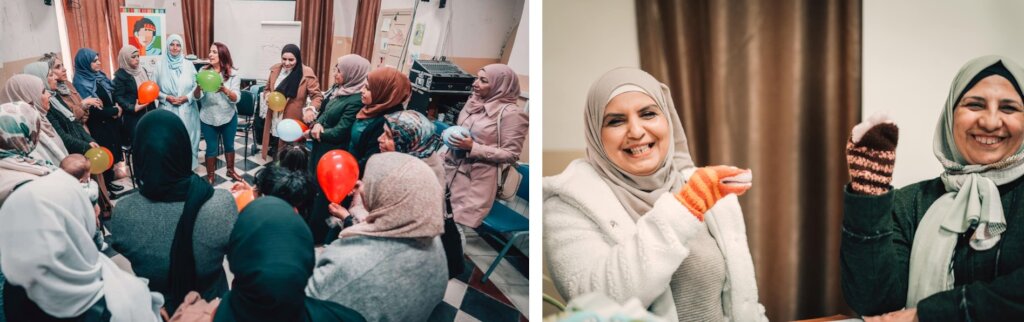
Hala found that concurrent with her son’s course there was an interactive session on family relationships that she could attend. For decades, the SCC has offered an integrated, family focused approach. Parents are critical to supporting the work of the teachers and therapists at the SCC and she was eager to speak with other mothers about how to support the psychological health of her children. For 90 minutes each week Hala found a safe space to speak with other women who also worry about the trauma their children face, how to talk with them about Gaza and West Bank deaths and destruction, and suggestions for ways to keep children focused on their studies.
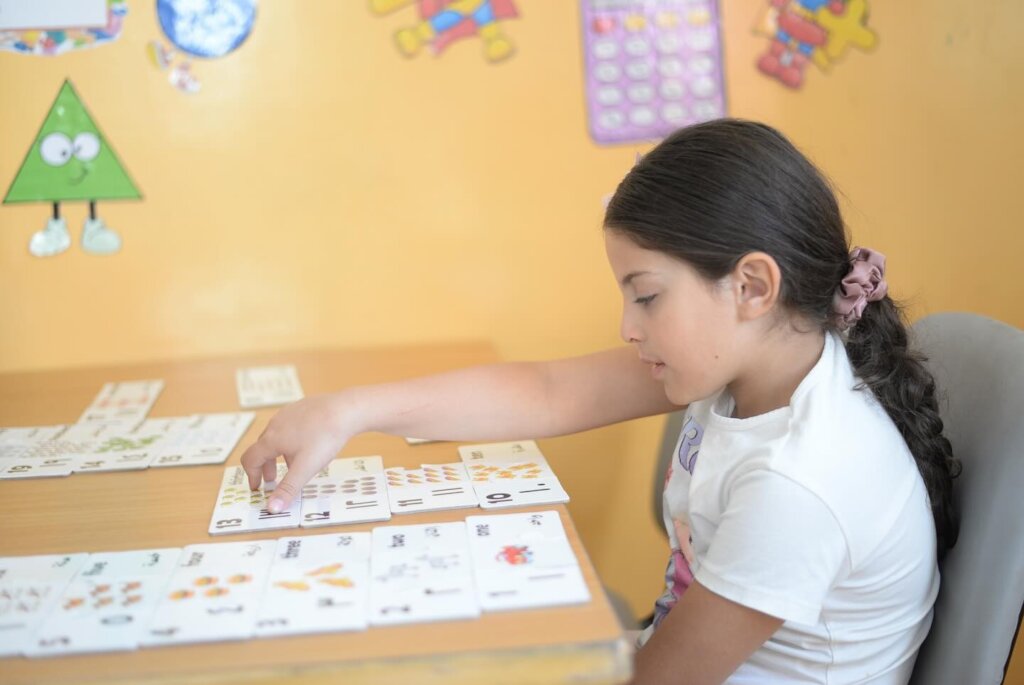
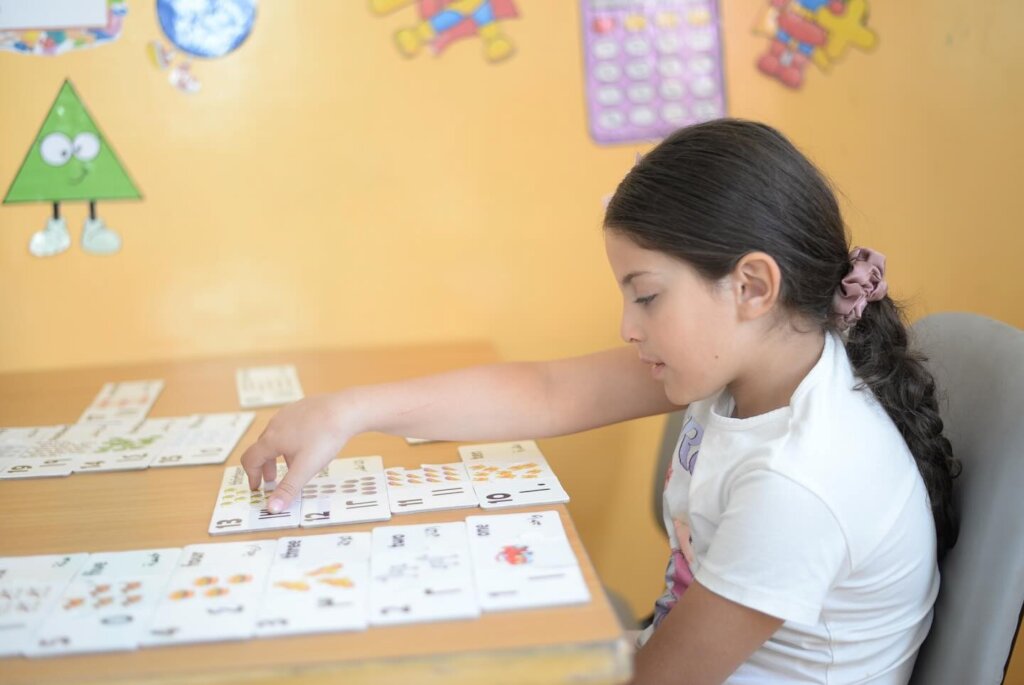
Hala’s niece, Fatima, was seven when she first came to SCC. She was struggling in math partly due to the large size of her class in her school. Her mother, Dalia, knew she needed individualized help; she had asked for help at the school, but the teacher was overwhelmed with more than 50 children in the class. The teacher recommended the tutoring offered at SCC.
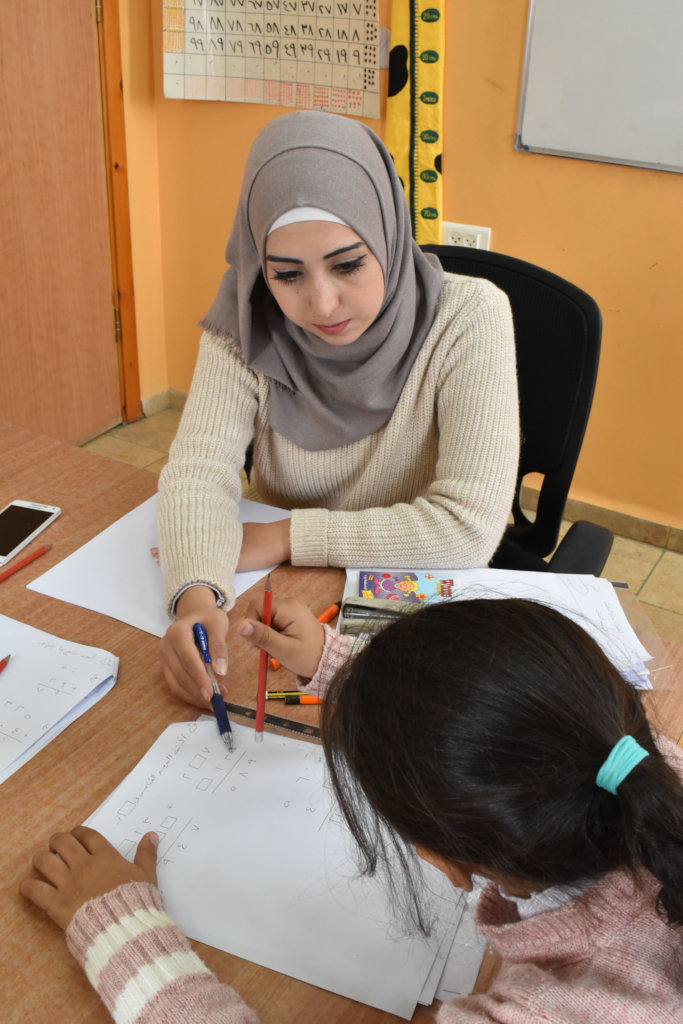
As with all services at the SCC, Fatima’s capabilities were assessed to determine what arithmetic concepts she understood, and which were challenging for her. The math teacher worked with Fatima and one other student who had similar needs. They learned together and quickly mastered the basics of addition and subtraction. Fatima and her new friend were moving around the room—how many books on the shelf? How many pencils on the desk? Then the teacher added pencils and took away books—now how many? That was easy, so on to counting by twos, then fives, and tens. Then came multiplication and division. That was harder, but the SCC teacher was encouraging and always had another way to explain the concept so that the girls understood. Fatima loved the books they read with the teacher that included math concepts. And there were everyday uses of math, like making change, calculating a score on a spelling test, and measuring water in a cup. It was fun and both girls developed a positive attitude toward math as their confidence grew.
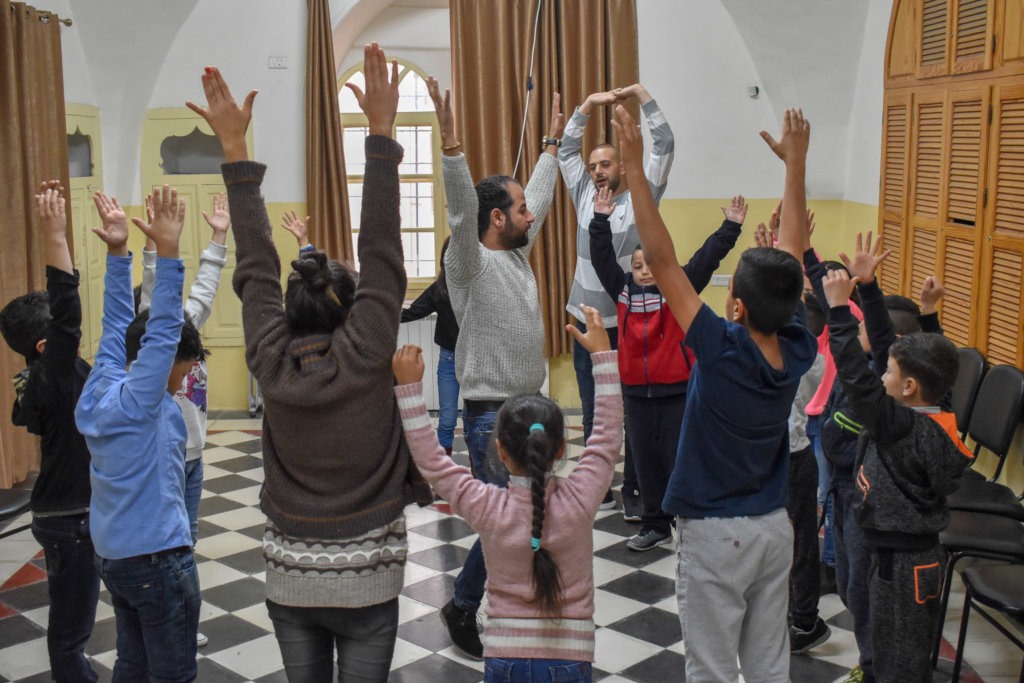
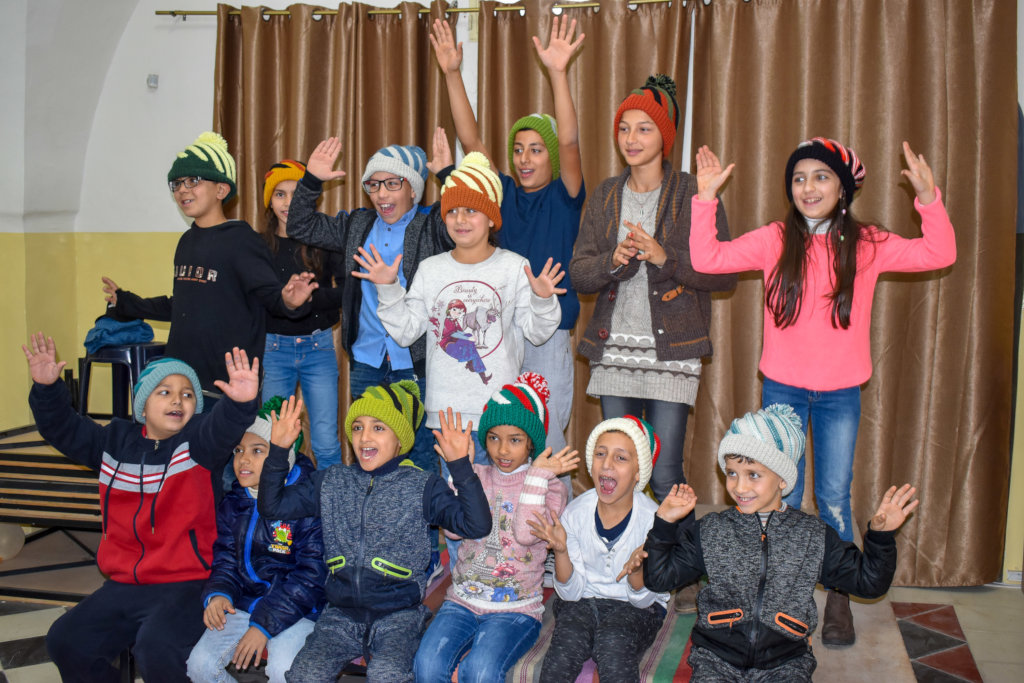
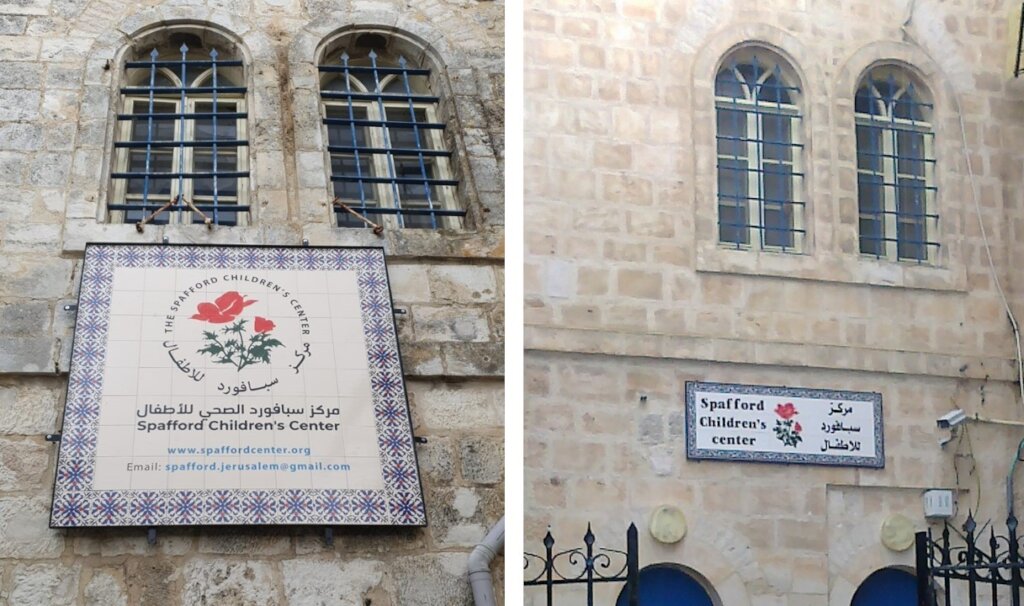
For 100 years, the Spafford Children’s Center has been a haven of hope and healing for the children of Jerusalem. From occupational therapy and tutoring to family counseling and computer skills, SCC gives children the tools they need to thrive.
Please help this legacy continue by supporting the American Friends of the Spafford Children’s Center through GlobalGiving: https://goto.gg/31839.
Thank you for your time; please send any questions to SpaffordUSA@gmail.com.
With best wishes,
The Rev. Matthew Dayton-Welch, ChairandWendy Whiting Blome, PhD, Secretary/TreasurerAmerican Friends of the Spafford Children’s Center
Project reports on GlobalGiving are posted directly to globalgiving.org by Project Leaders as they are completed, generally every 3-4 months. To protect the integrity of these documents, GlobalGiving does not alter them; therefore you may find some language or formatting issues.
If you donate to this project or have donated to this project, you can receive an email when this project posts a report. You can also subscribe for reports without donating.



Support this important cause by creating a personalized fundraising page.
Start a Fundraiser