By Kulihoshi M | Coordinator
Unsafe abortion is key for maternal death in Kalemie in particular and Tanganyika in general
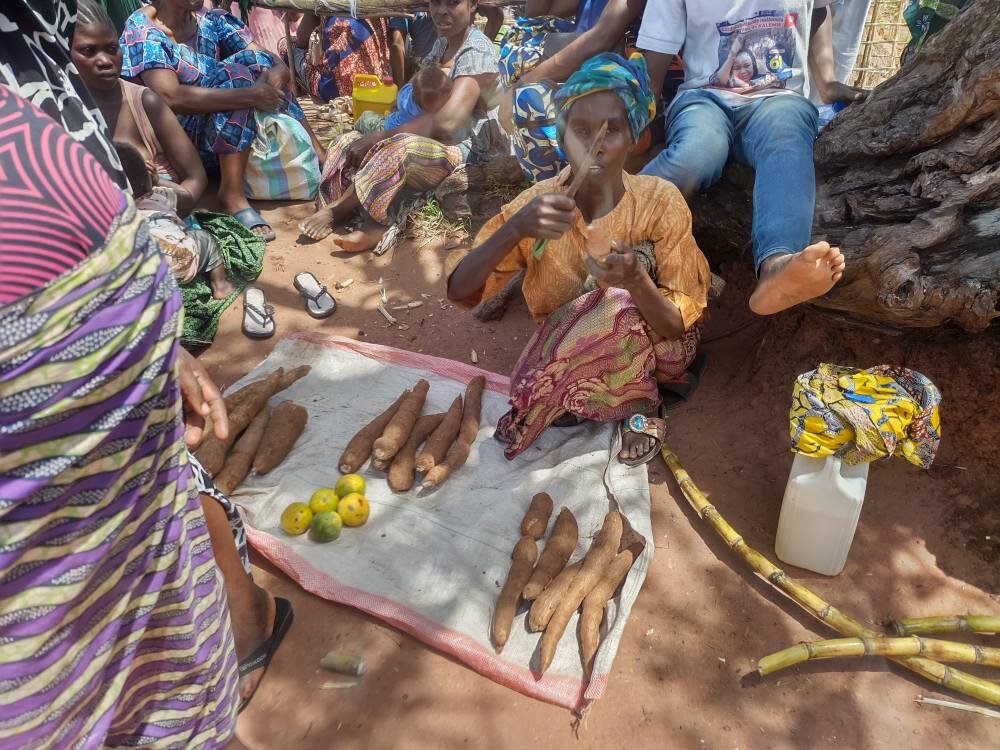
In this province people are highly involved in sexual practices because of two factors: The exploitation of minerals in various places and the fishing activity which is the main one for the economy of the province. People come from various corners in order to these activities and therefore the need for sex practices. Young people are generally the most active and in this young girls and women have lost their lives when they try to terminate pregnancies.
The Province of Tanganyika is still behind in so many things which need community education and access to information, and people are really affected by cases of unsafe abortion which cost regularly the lives of women.
The common practice when a girl or a woman gets pregnant is to remove the pregnancy through local and traditional medicine which is not clear and tested, information about terminating the pregnancy is less available and actually criminalized, this has forced women especially to hide and therefore caused more deaths.
The Tanganyika Province has also 18 Internally Displaced Persons Camps and currently with the cutting of relief aid, sexual activities are the easiest ways for women to survive with all the consequences related to risk of pregnancy and other forms of sexual transmitted diseases.
We have so far identified the following:
Lack of information about Sexual and Reproductive Health Rights,
Lack of information about issues around abortion,
Criminalization of abortion which makes it become unsafe,
Lack of post-abortion care services,
Interventions which are needed may include:
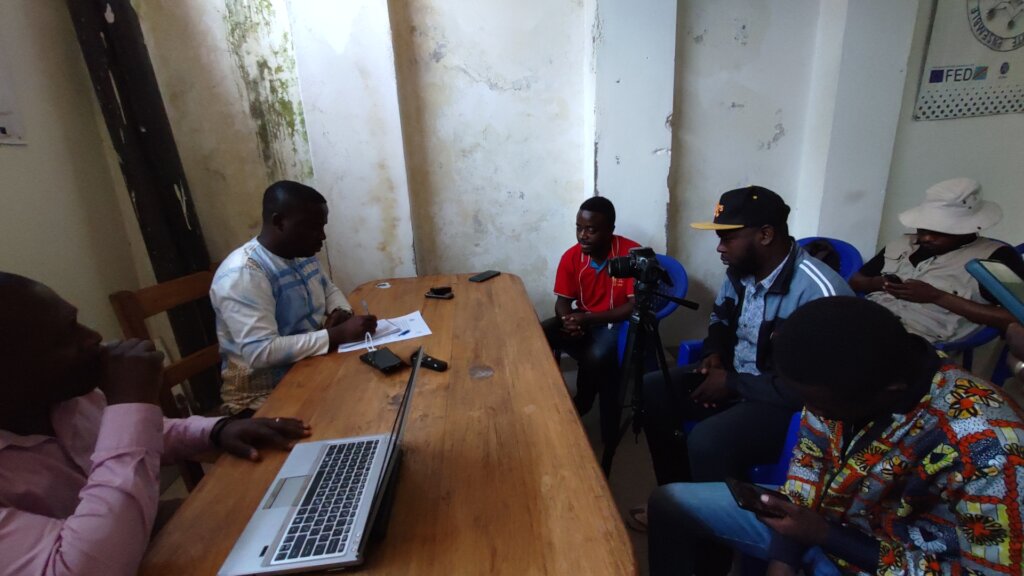
Survey and documenting unsafe abortion cases,
Collecting necessary information and disseminate it to members of the community about abortion,
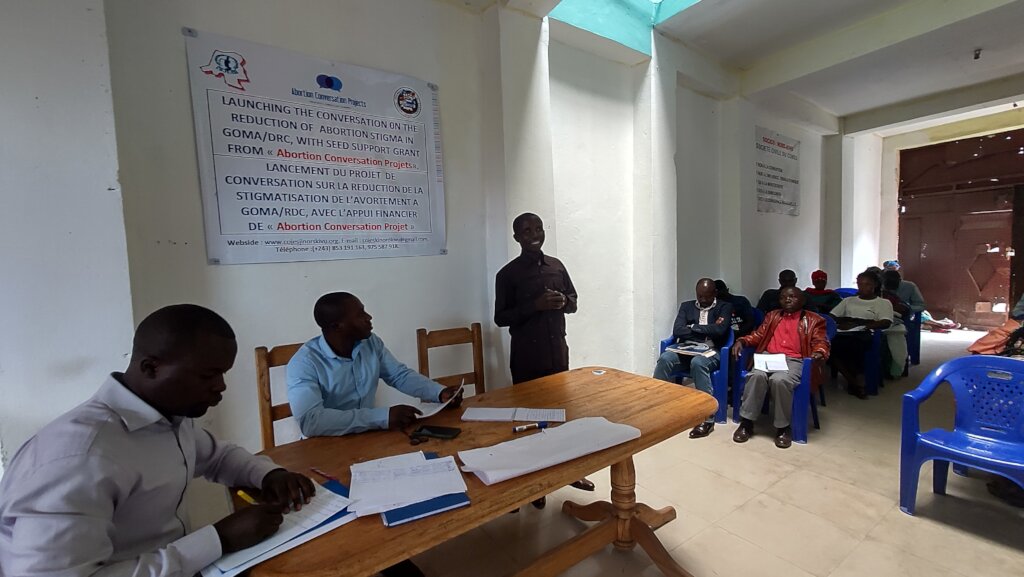
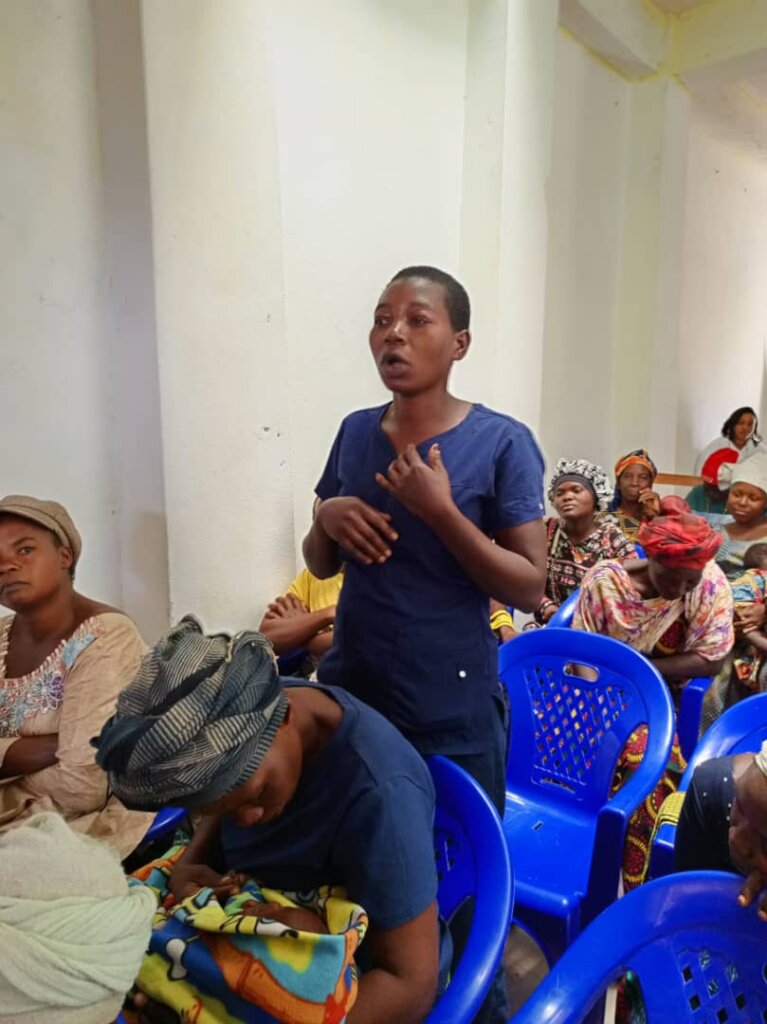
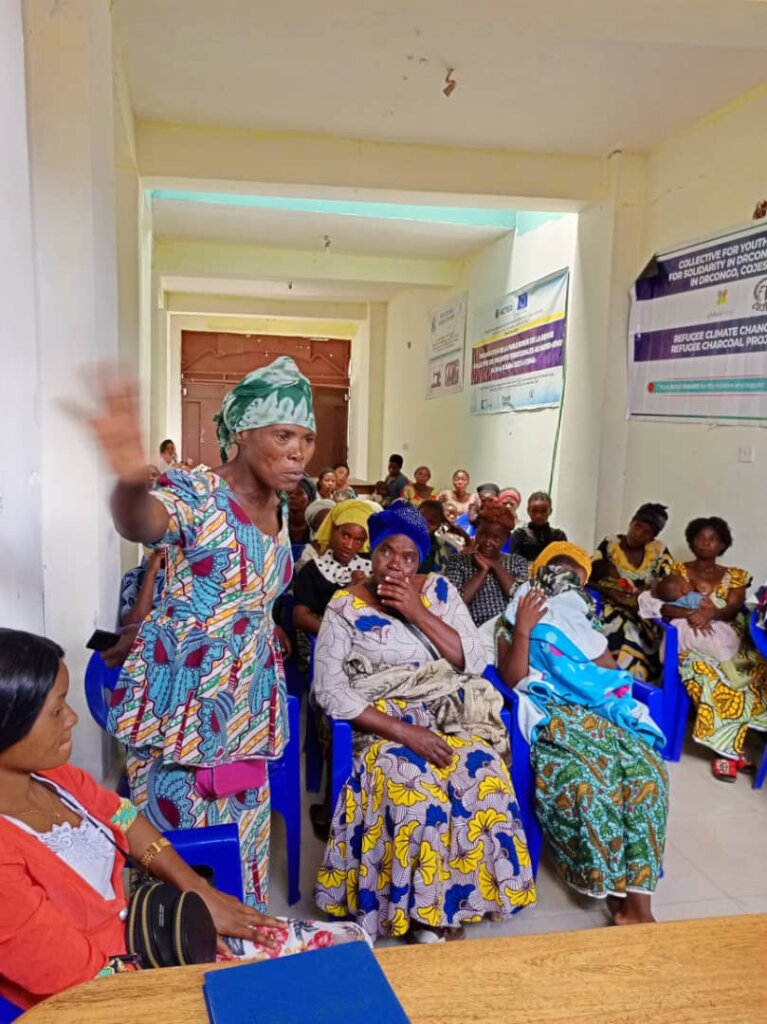
Have in place community information sessions on abortion and sexual activities,
Provide care for women who have been victims of unsafe abortion,
Among others,
By Kulihoshi M | Coordinator
By Kulihoshi M | Provincial Coordinator of North Kivu
Project reports on GlobalGiving are posted directly to globalgiving.org by Project Leaders as they are completed, generally every 3-4 months. To protect the integrity of these documents, GlobalGiving does not alter them; therefore you may find some language or formatting issues.
If you donate to this project or have donated to this project, you can receive an email when this project posts a report. You can also subscribe for reports without donating.



Support this important cause by creating a personalized fundraising page.
Start a Fundraiser