By Evelind Schecter | Co-founder and Program leader
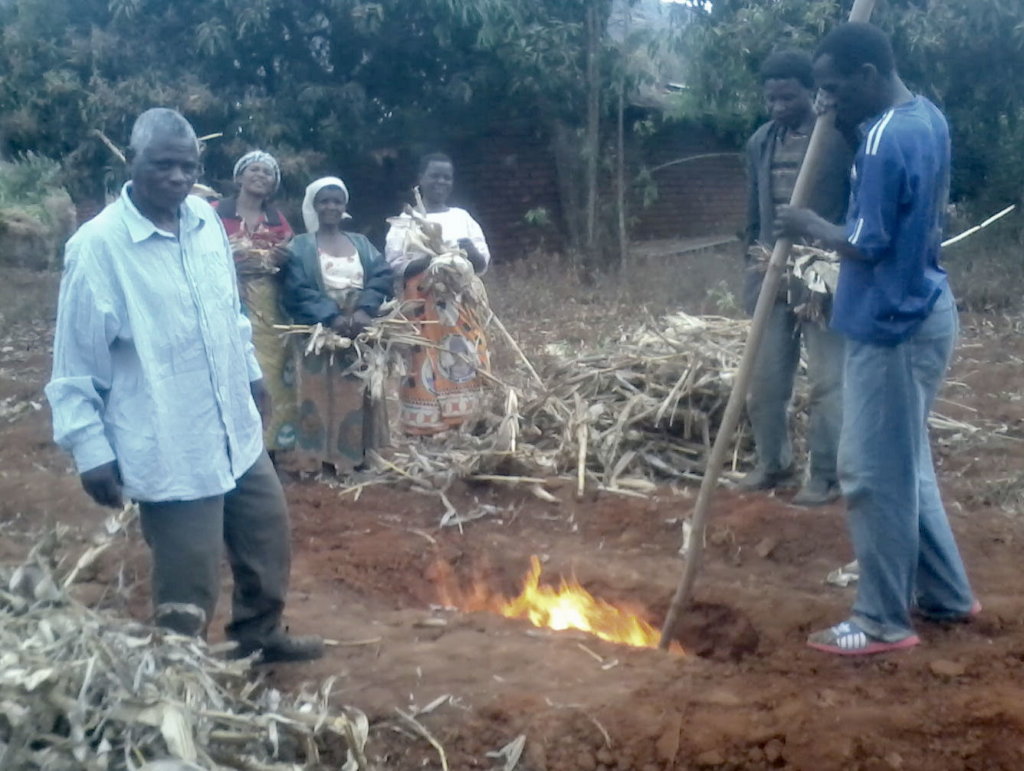
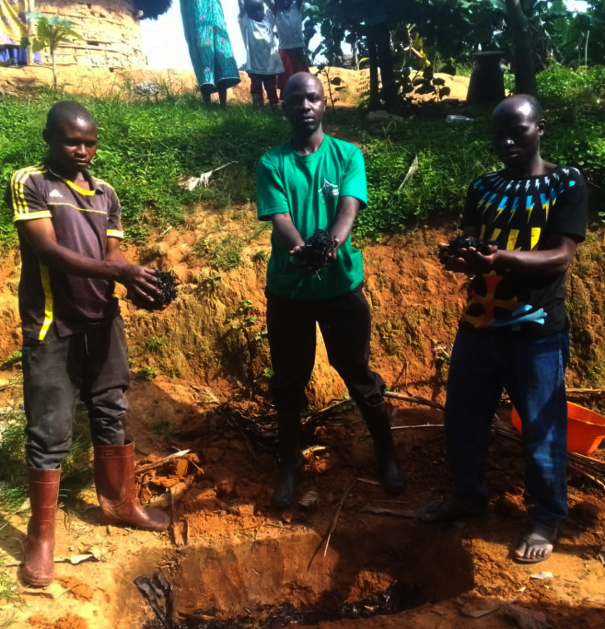
Our teams in Malawi and Kenya have been working with local farmer organizations to train new farmers to make and use biochar. These groups help us stay in touch after training, follow farmers’ progress, and set up demonstration plots to learn more about how biochar works in local growing conditions. This will give us additional impact data.
Our goal this year is to train 3,000 new farmers. Kenya has completed training for 1,200, while Malawi is targeting 1,800, with training timed around its later harvest season. We need to work after harvest, when crop residues are available to make biochar, and before the rains of the next planting season.
Young People Starting Biochar Enterprises in Malawi
Warm Heart Biochar Malawi received a grant from the Climate Justice Impact Fund for Africa (CJIFA) to pilot youth-run biochar enterprises in Lamusi and Nkotima. The project will train and equip 50 young people with portable kilns and business support to turn rice husks into biochar briquettes, rather than let them burn or decay as waste. The aim is to reduce smoke pollution and help young people earn an income locally.
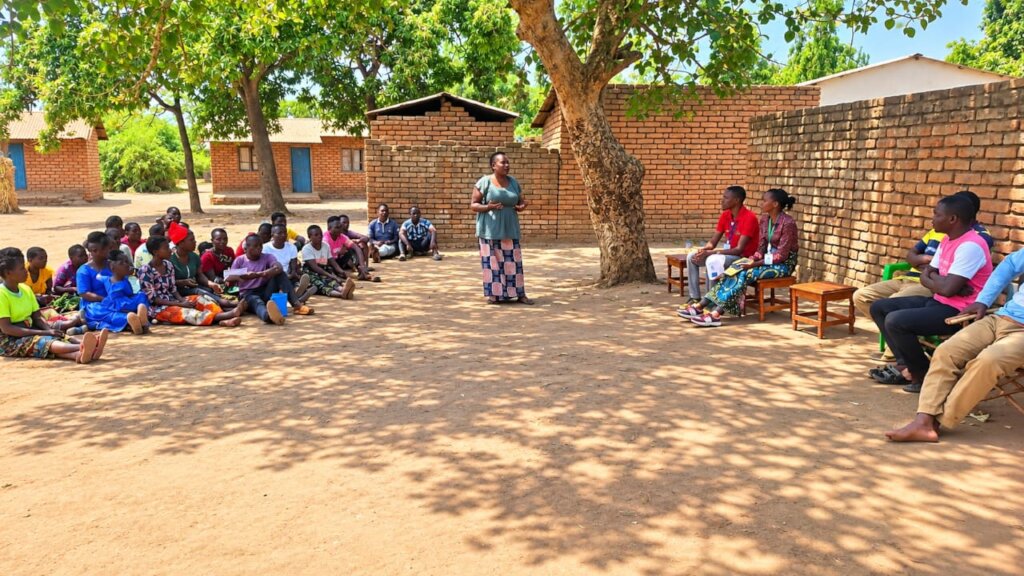
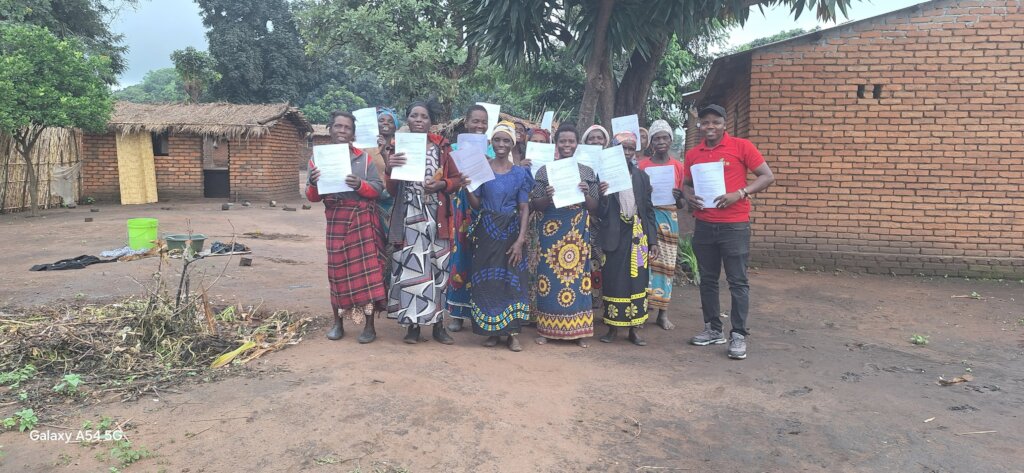
Two kick-off meetings at the end of September brought community leaders and young people together to discuss the project, their roles, and how activities will be coordinated. Both groups expressed their support and committed to taking part.
Building Savings in Kenya
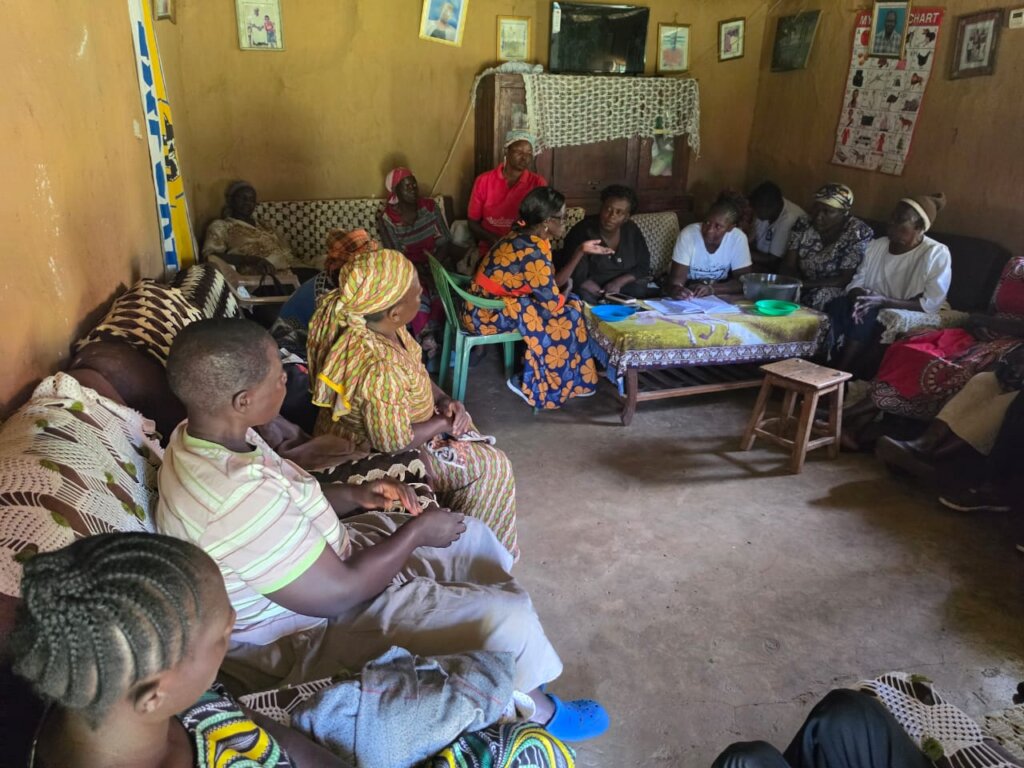
Warm Heart Kenya has begun training Village Savings and Loan Associations (VSLA), starting in the Gem Sub-county area. Our earlier savings circles helped farmers set goals and put money aside for important needs. After seeking advice from existing groups, we have adopted a more formal approach using VSL Associates’ field training manual. The training builds on that experience, helping farmers organize their savings groups and plan together for school fees and farming supplies.
Learning Through Local Farmer Groups
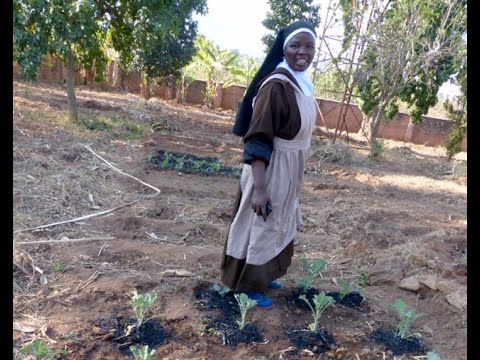
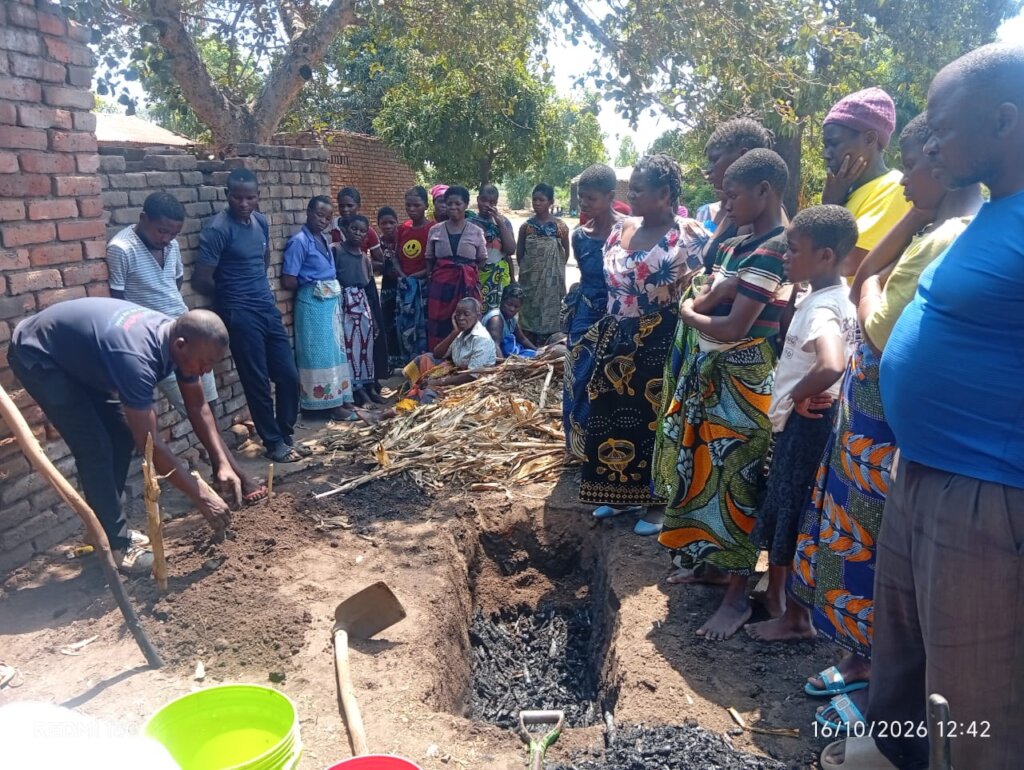
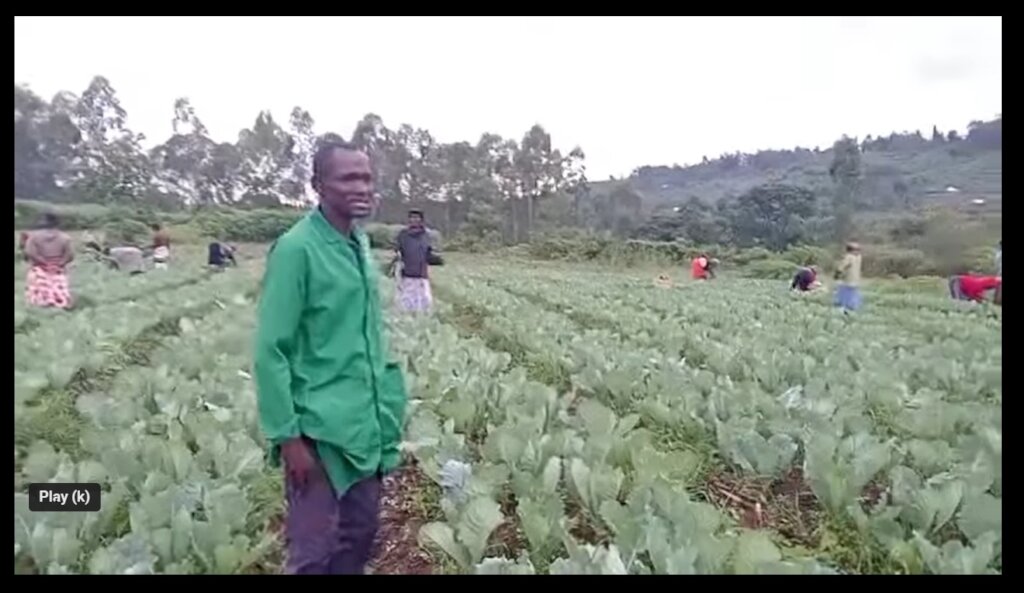
In Malawi and Kenya, training through local farmer organizations brings farmers together for practical sessions on making and using biochar. Working with established groups also makes follow-up easier as farmers begin trying the methods on their own farms.
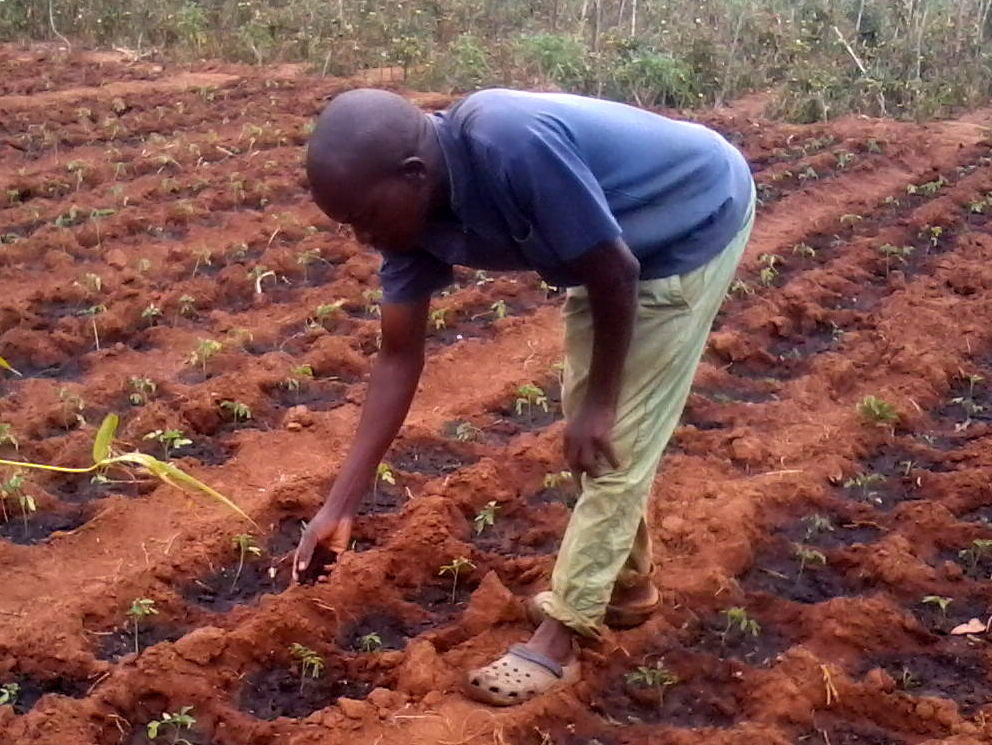
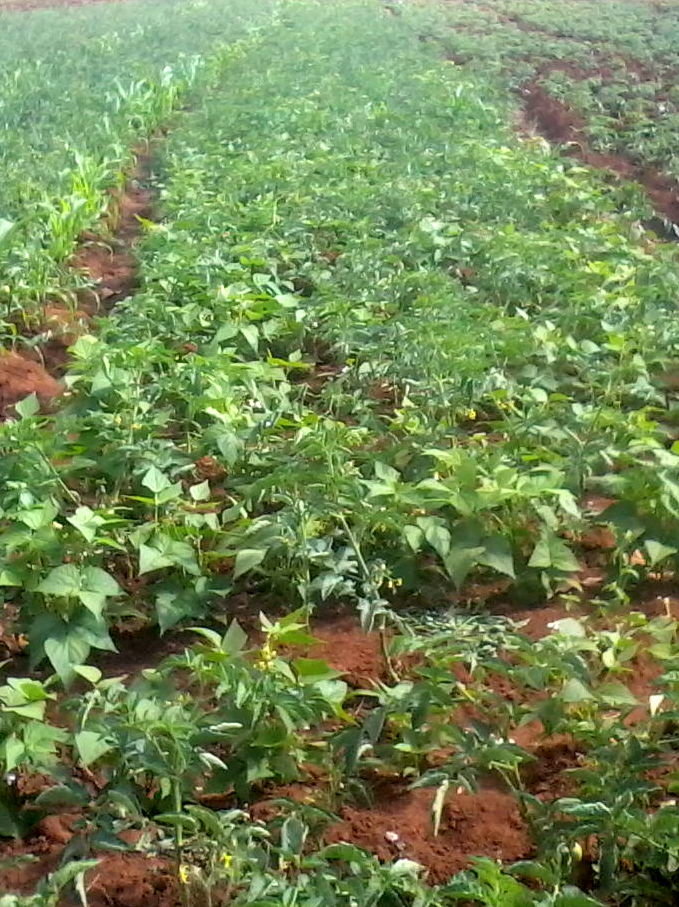
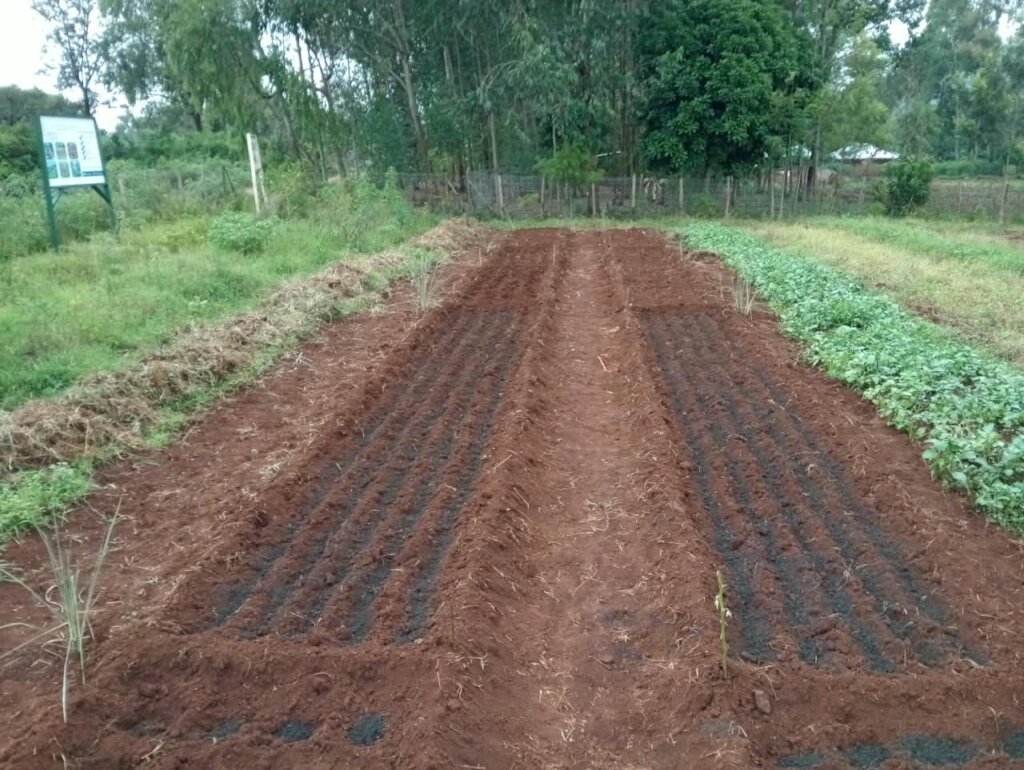
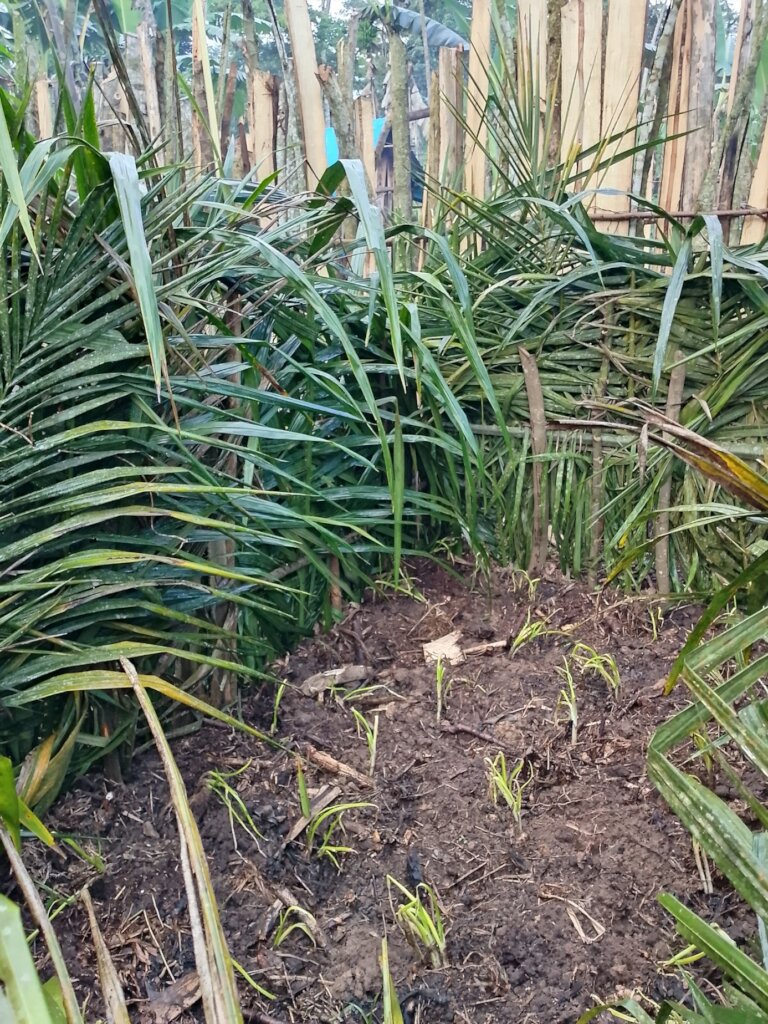
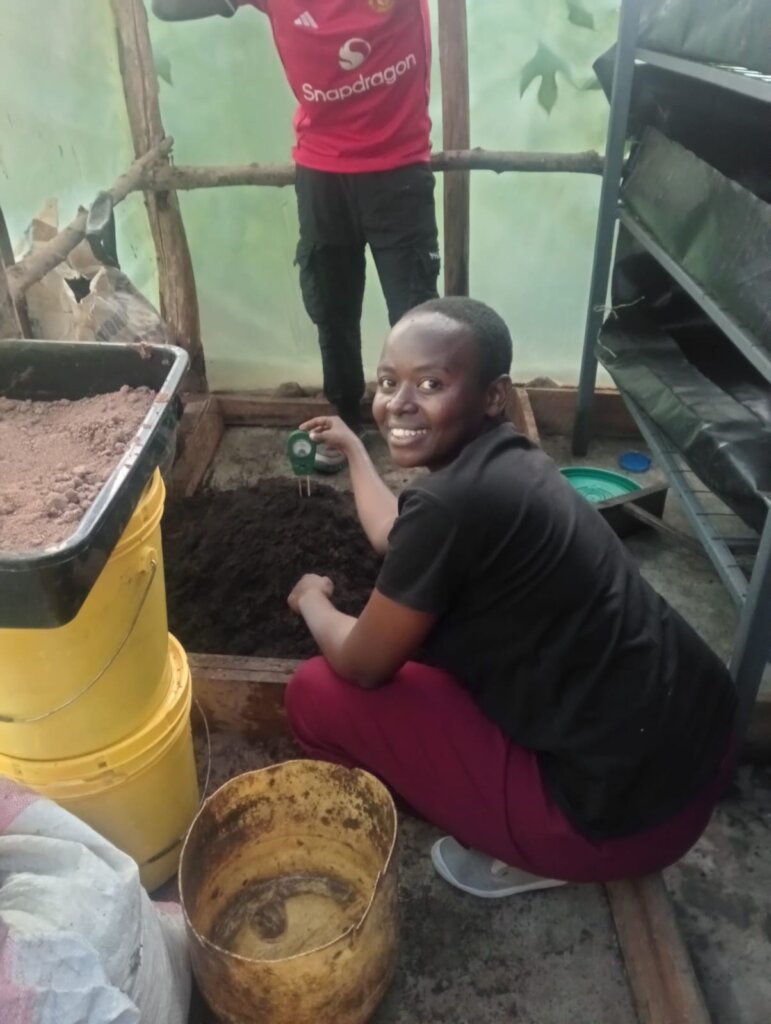
In Kenya, demonstration plots are divided into three sections: biochar mixed with composted manure; biochar mixed with frass, an insect-rearing byproduct; and an untreated section with none of these additions. These plots will allow the team and farmers to observe how crops grow under each treatment. Results are still to come.
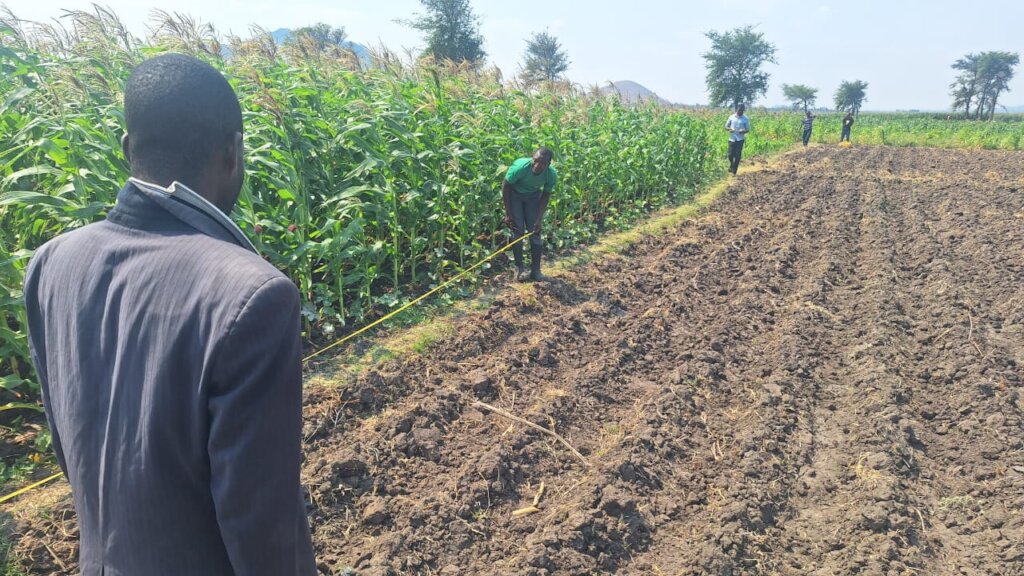
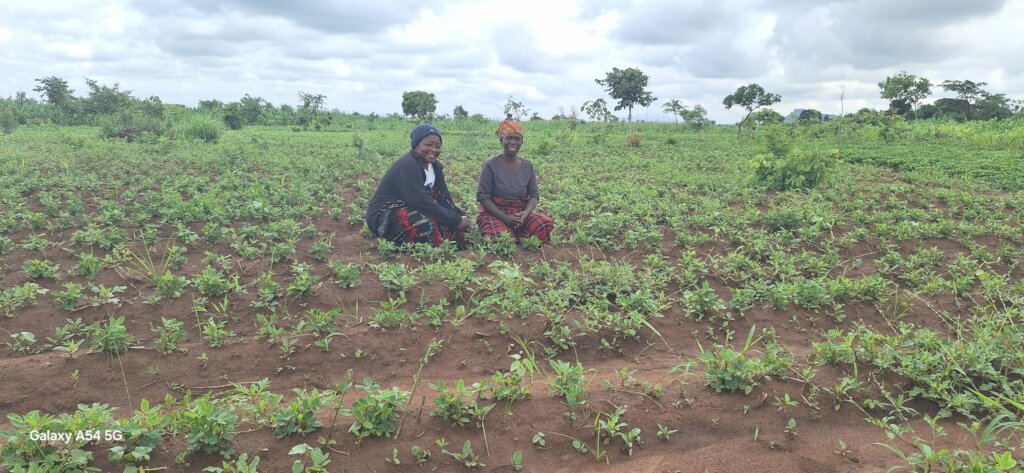
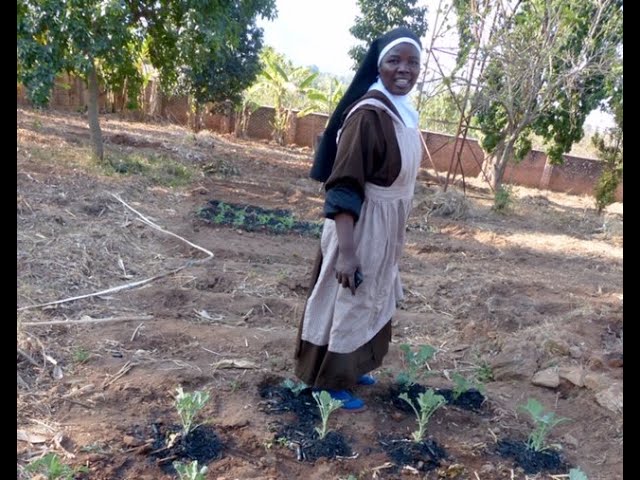
In Phalombe, Malawi, the team has established two plots, each measuring 19 by 22 metres, with approximately 2,800 planting stations per plot. The exact count will be confirmed after germination. One plot is led by our verifier, Luka Machapa, and the other is managed by a farmer.
Training and Follow-Up in the DRC
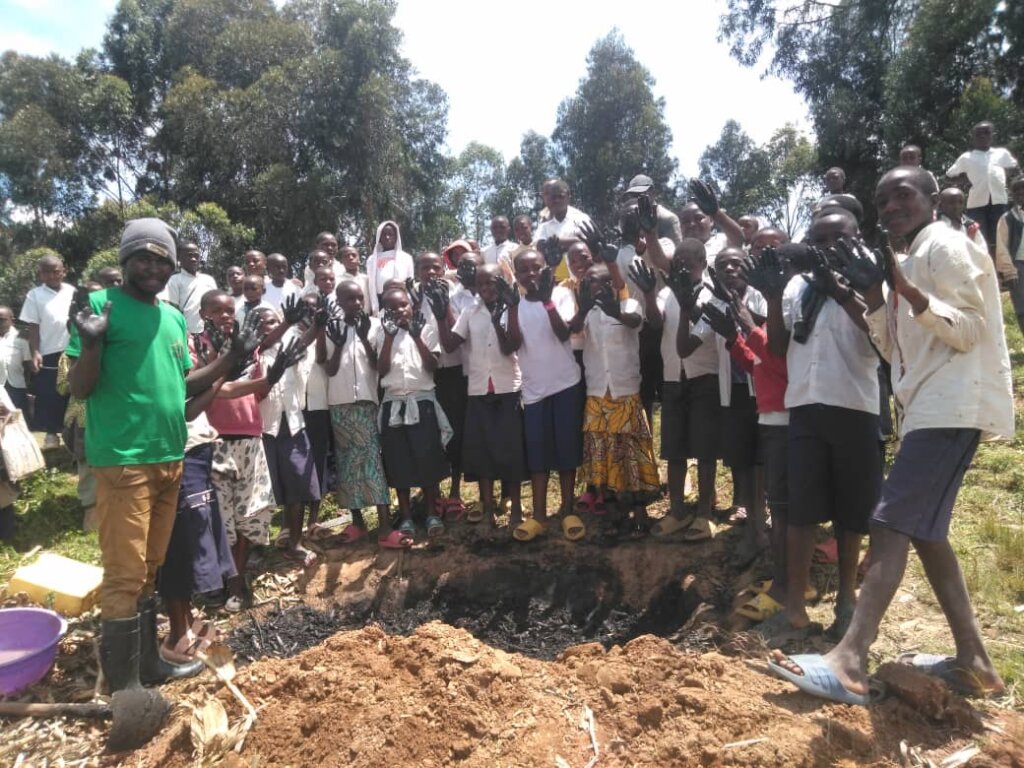
In the Democratic Republic of the Congo, our partners continue to train new farmers and revisit communities to help families grow a wider variety of crops and develop additional sources of income.
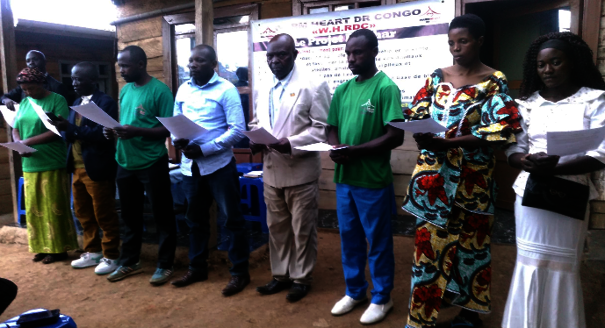
The team attended a conference at Université Abbé Malumalu, where about 1,000 farmers learned about biochar and entrepreneurship. They then followed up on biochar projects in Musienene, Vusamba, Kimbulu, Busigha, and Musuku Forest in eastern DRC.
Thank you for helping us continue this work with farmers and local teams. Your support helps cover practical training and follow-up as farmers test ways to improve their soil and provide food for their families.
With gratitude and warm regards,
Dana, Michael, Evelind, and the Warm Heart Africa Biochar Teams
By Evelind Schecter | Program Leader
By Evelind Schecter | Co-founder, Program Leader
Project reports on GlobalGiving are posted directly to globalgiving.org by Project Leaders as they are completed, generally every 3-4 months. To protect the integrity of these documents, GlobalGiving does not alter them; therefore you may find some language or formatting issues.
If you donate to this project or have donated to this project, you can receive an email when this project posts a report. You can also subscribe for reports without donating.



Support this important cause by creating a personalized fundraising page.
Start a Fundraiser