By Janet Preethi G | Project Leader
Agricultural Income for Families in Tamil Nadu: A Comprehensive Report
1. Introduction
Agriculture remains a critical source of livelihood for millions of families in Tamil Nadu, one of India’s most agriculturally significant states. Despite the sector's importance, the incomes generated by farming households are often low and unstable due to multiple factors, including small landholdings, market fluctuations, and climate variability. This report explores the current state of agricultural income in Tamil Nadu, factors influencing it, challenges faced by farming families, and emerging opportunities for income enhancement.
2. Overview of Agricultural Income in Tamil Nadu
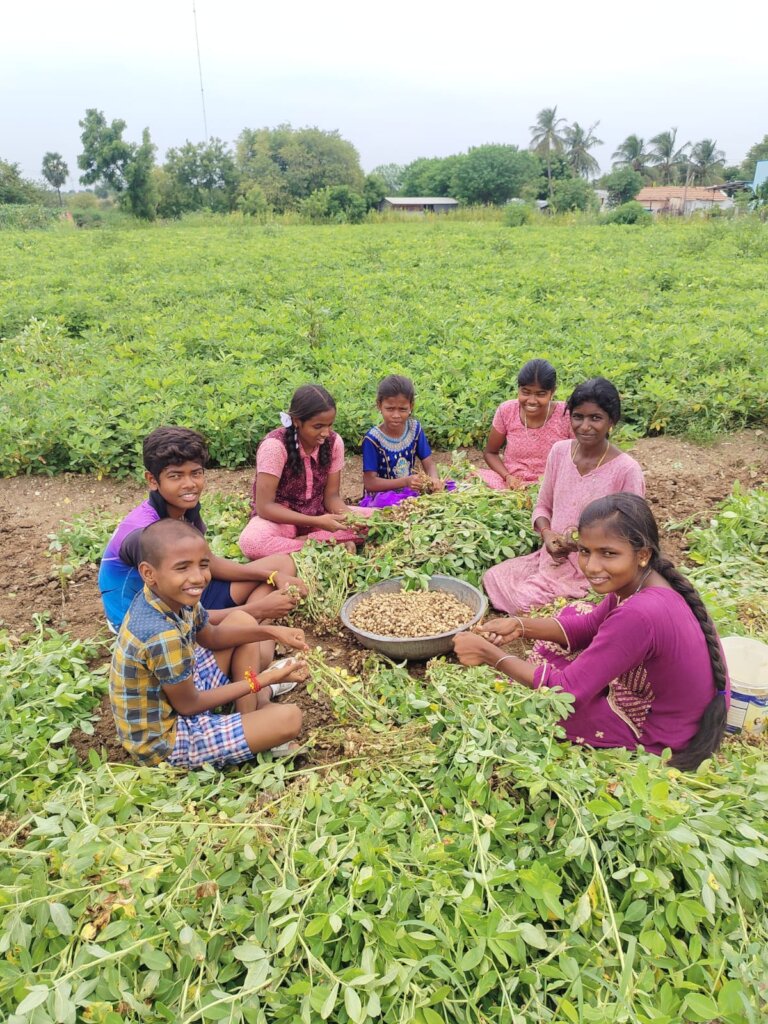
Tamil Nadu is home to a large number of agricultural households engaged in diverse farming activities ranging from paddy cultivation to horticulture and livestock rearing.
According to the 2017 NABARD report, the average monthly agricultural income per household in Tamil Nadu was approximately 9,716, which is slightly above the national average of 8,931.
Income levels vary significantly by crop type, region, and farm size.
3. Factors Influencing Agricultural Income3.1 Crop Type and Productivity
High-value crops such as millets, fruits, and vegetables typically yield better financial returns than staple crops like paddy or sugarcane.
Example: In Dharmapuri district, farmers practicing precision farming and crop diversification reported annual incomes of up to 5 lakh, substantially higher than average.
3.2 Landholding Size
Tamil Nadu predominantly has small and marginal farmers. Smaller farms often lack the economies of scale needed for cost-effective production and marketing, leading to lower income levels.
3.3 Market Access and Prices
Many farmers face challenges accessing lucrative markets due to poor infrastructure, middlemen dominance, and price volatility.
For example, paddy procurement prices in Tamil Nadu are significantly lower compared to Punjab, affecting profitability.
3.4 Government Support and Subsidies
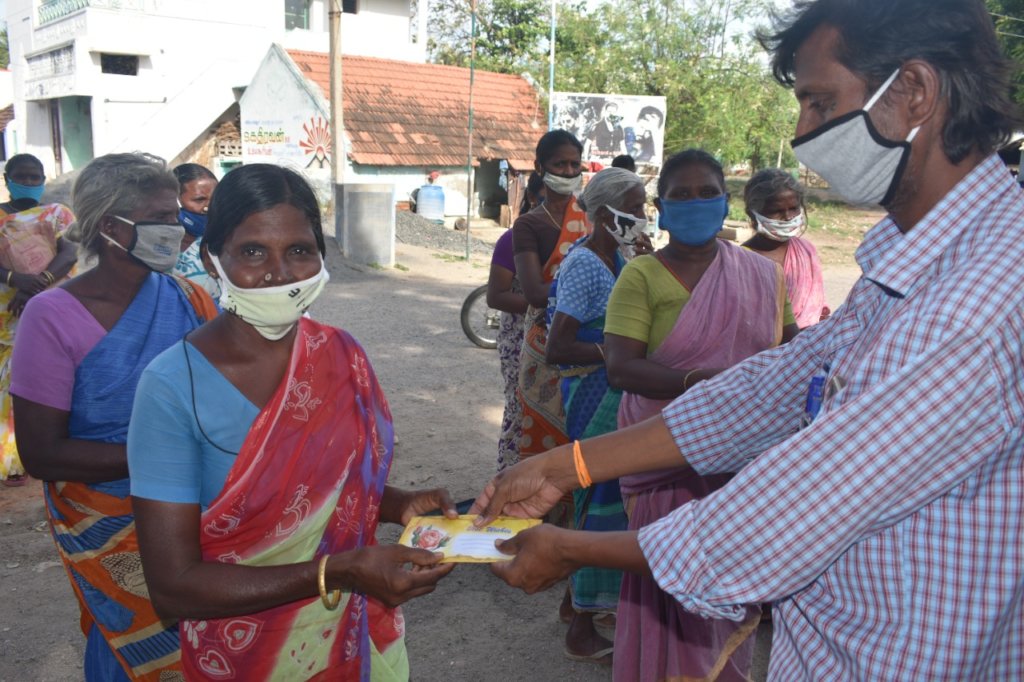
Government interventions, such as subsidies on seeds, fertilizers, and loans, have helped stabilize farmers’ incomes.
In 2022-2023, the Tamil Nadu government disbursed around 68,000 crore to 87 lakh families, including 15,000 crore in agricultural loans to 20 lakh farmers.
4. Challenges to Increasing Agricultural Income
Low Procurement Prices: Many farmers receive prices below the cost of production, leading to financial distress.
Climate Risks: Droughts, floods, and unpredictable weather patterns negatively impact yields and income.
Limited Access to Credit: Despite government schemes, many smallholders face barriers to obtaining affordable loans.
Lack of Technology Adoption: Traditional farming methods still dominate, limiting productivity and efficiency.
Market Linkage Deficits: Absence of direct market access forces farmers to sell through intermediaries at lower prices.
Transition to Non-Farm Employment: Increasing rural unemployment or underemployment encourages youth to shift away from agriculture.
5. Opportunities and Strategies for Income Enhancement5.1 Value Addition
Processing raw agricultural produce into finished goods (e.g., pickles, flours, snacks) can substantially increase farmer income.
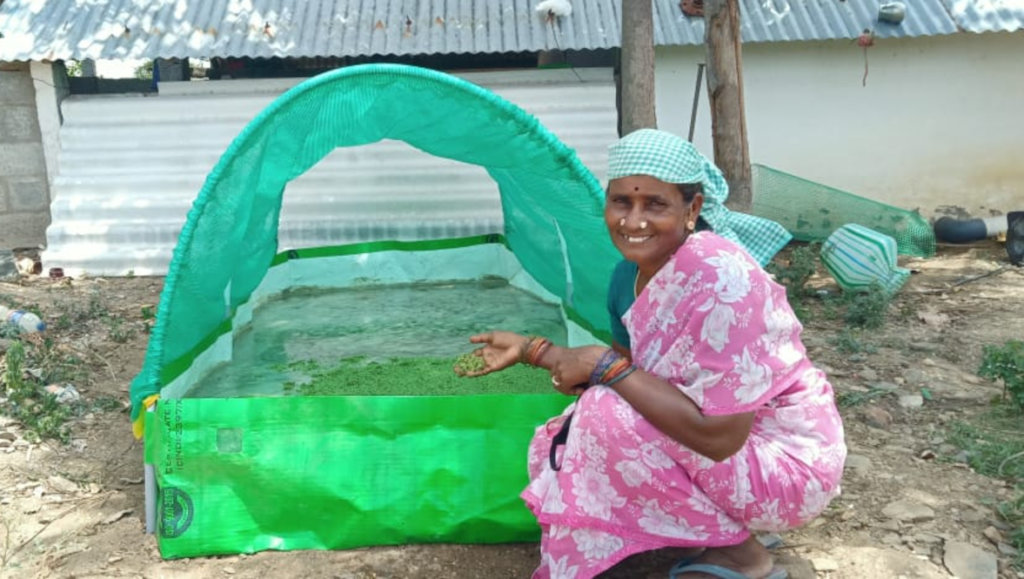
Example: Women-led agribusinesses producing millet-based products have opened new revenue streams.
5.2 Crop Diversification
Growing multiple crops and integrating livestock or agroforestry systems help spread risk and provide additional income.
Diversification also encourages sustainable land use and improves soil health.
5.3 Adoption of Modern Technology
Precision farming, drip irrigation, and mechanization improve productivity and reduce input costs.
Digital tools can enhance market access and information sharing.
5.4 Strengthening Market Linkages
Direct farmer-to-consumer sales via farmer markets, online platforms, and cooperatives can ensure better price realization.
Government support for eNAM (electronic National Agriculture Market) helps connect farmers to wider markets.
5.5 Financial Literacy and Access to Credit
Training farmers in financial planning and management enhances their ability to utilize credit effectively.
Schemes that reduce interest rates or provide credit guarantees encourage bank lending.
5.6 Supporting Agri-Entrepreneurship
Encouraging startups and innovations in agriculture through grants and incubation centers promotes new business models and employment.
6. Case Studies
Dharmapuri Precision Farming Model: Farmers using technology to optimize inputs and diversify crops reported incomes of up to 5 lakh annually.
Women’s Agribusiness in Tamil Nadu: Collectives producing value-added products from millets and pulses have increased member incomes by 25-30%.
7. Policy Recommendations
Increase support for value addition and agro-processing infrastructure in rural areas.
Expand access to affordable credit with simplified procedures for smallholders.
Promote digital literacy and technology adoption through extension services.
Strengthen market infrastructure and promote farmer producer organizations (FPOs).
Invest in climate-resilient agricultural practices and risk mitigation tools.
8. Conclusion
Agriculture continues to be the backbone of rural Tamil Nadu, yet the income levels of farming families remain modest and vulnerable. By addressing structural challenges and promoting diversified, technology-enabled farming and value addition, Tamil Nadu can substantially improve the livelihoods of its agricultural households. Collaborative efforts from government, NGOs, and private sector, along with community participation, are essential to achieve sustainable growth.
Join us a virtual volunteer to guide the rural families. Email to connect@voice-trust.org
Project reports on GlobalGiving are posted directly to globalgiving.org by Project Leaders as they are completed, generally every 3-4 months. To protect the integrity of these documents, GlobalGiving does not alter them; therefore you may find some language or formatting issues.
If you donate to this project or have donated to this project, you can receive an email when this project posts a report. You can also subscribe for reports without donating.



Support this important cause by creating a personalized fundraising page.
Start a Fundraiser