By M. Kennedy Leavens | Executive Director
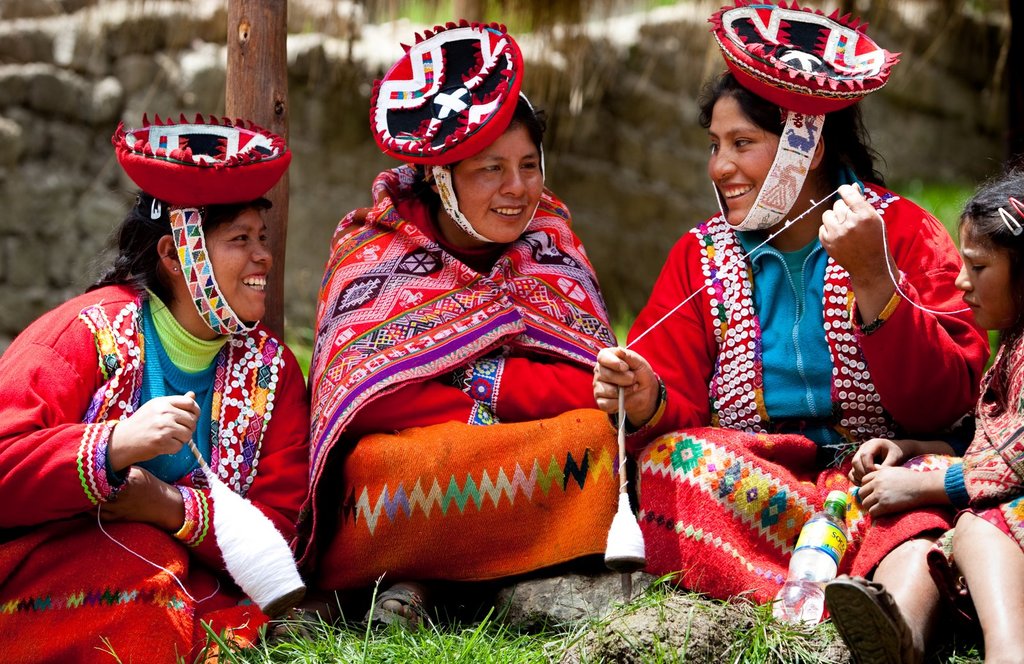
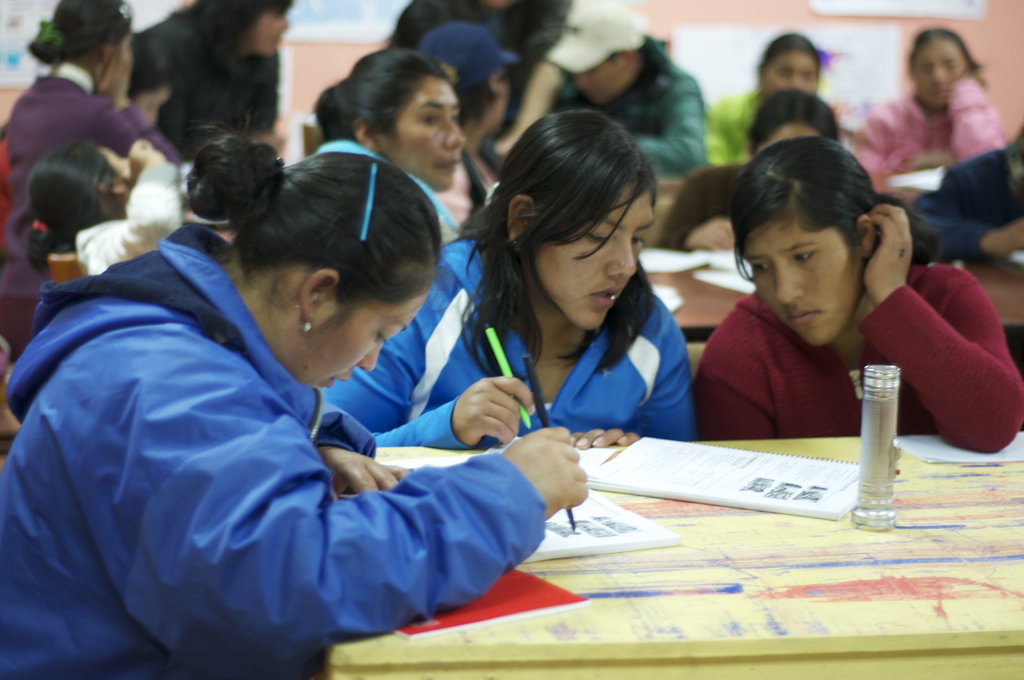
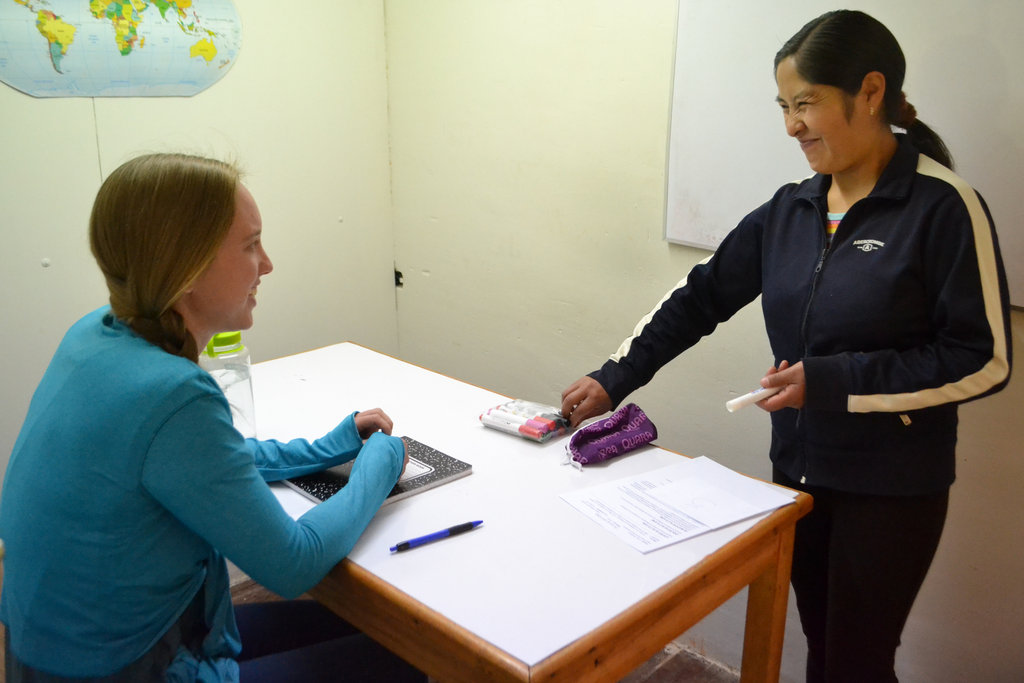
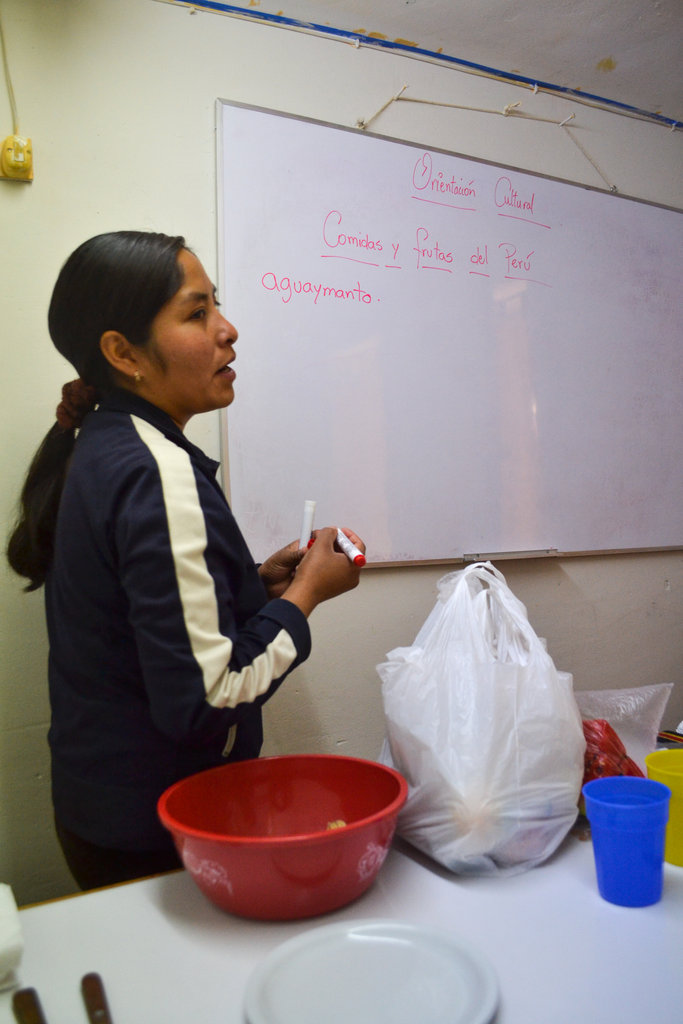
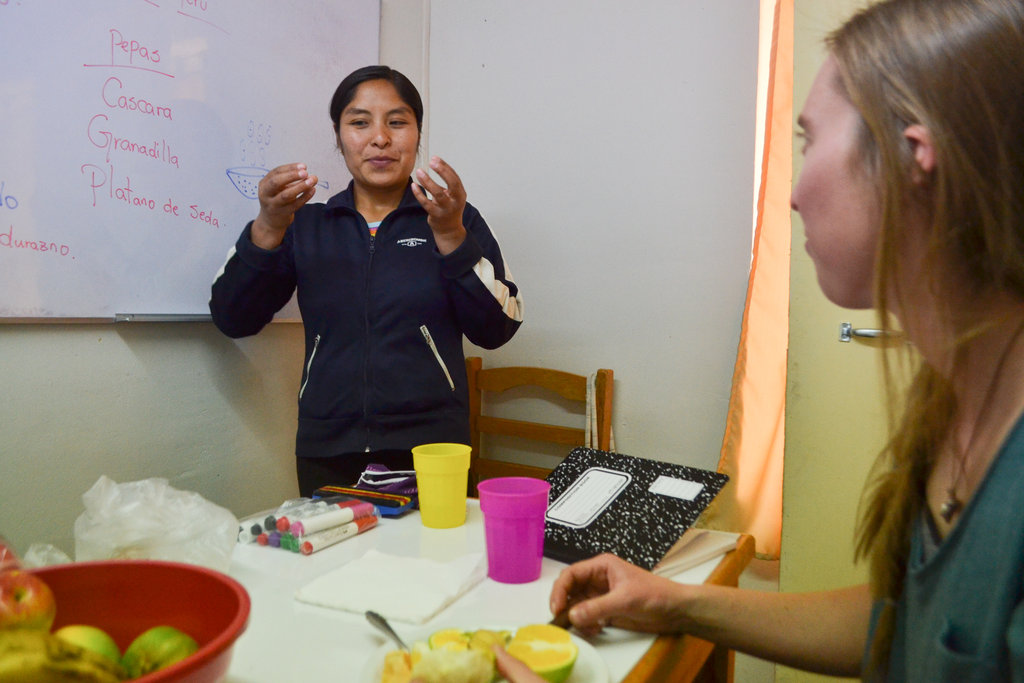
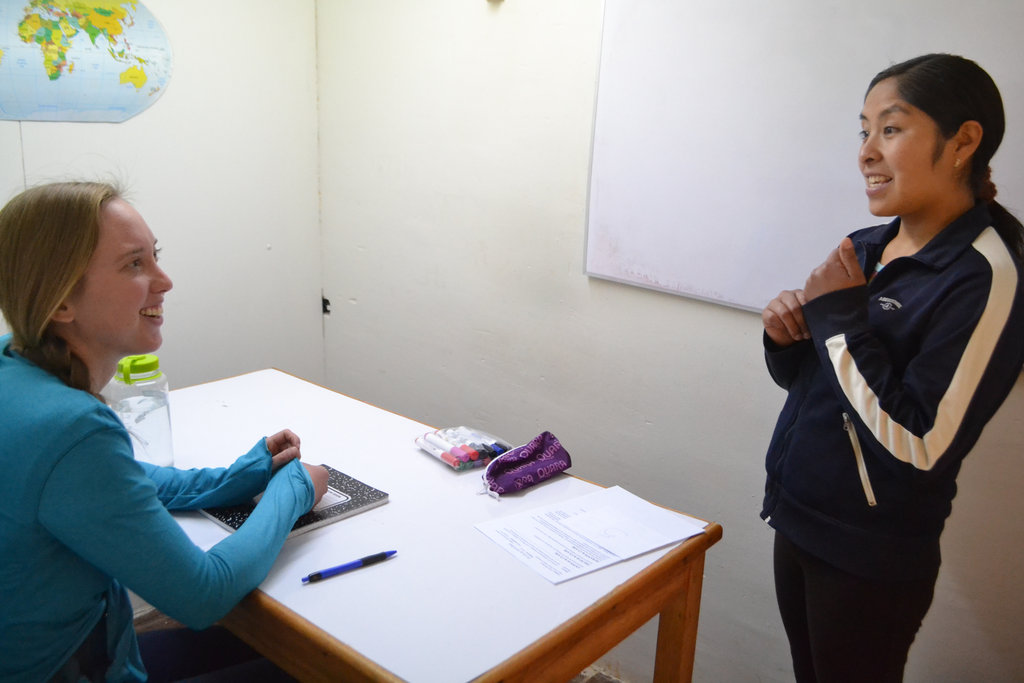
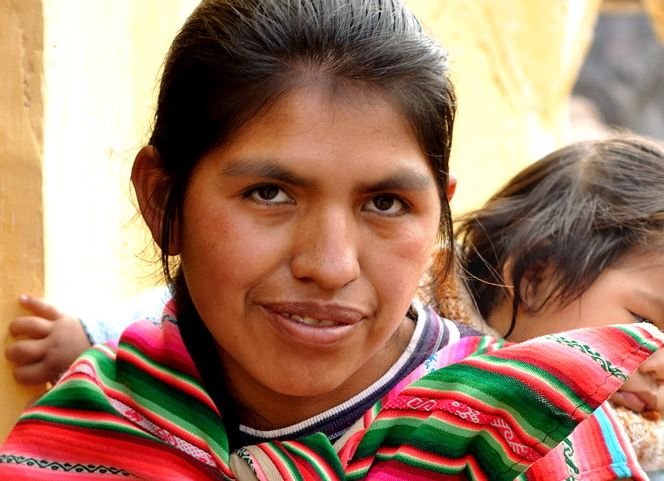
Though most of their formal training is in teaching Spanish, the Spanish teachers are increasingly applying their language instruction skills to Quechua, their native language.
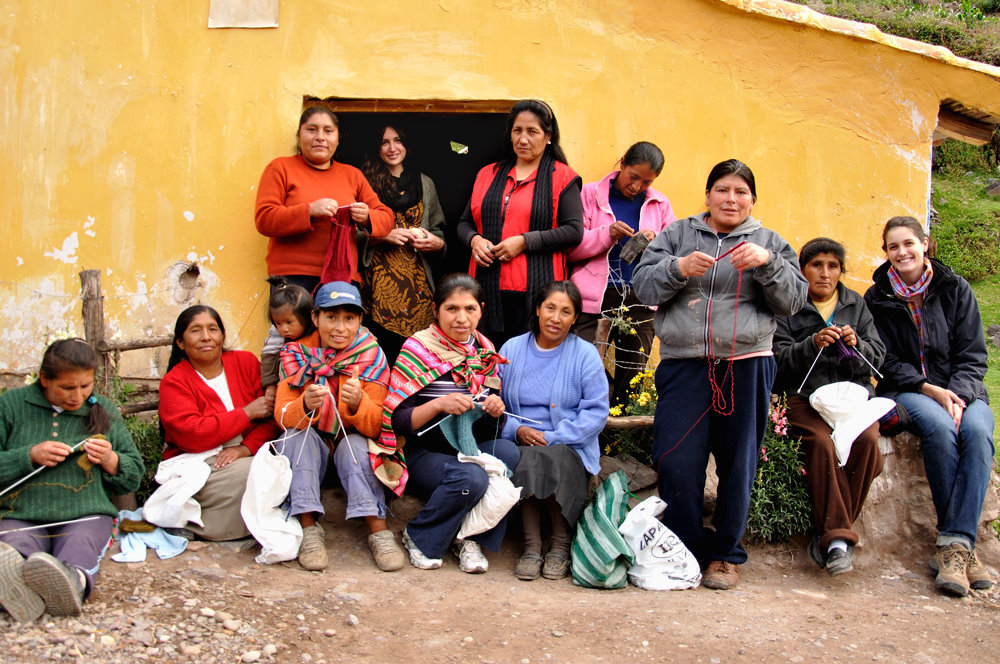
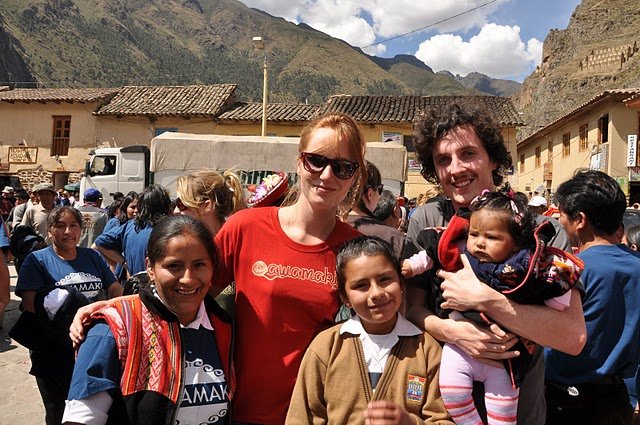
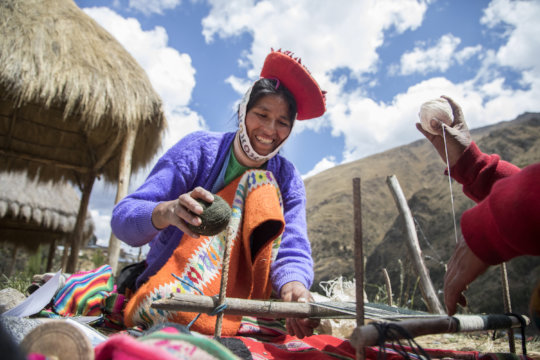
Awamaki’s own volunteers make up most of the demand for these classes so far. Quechua is much less widely spoken than Spanish, but still very common in homes and rural communities where the volunteers spend much of their time.
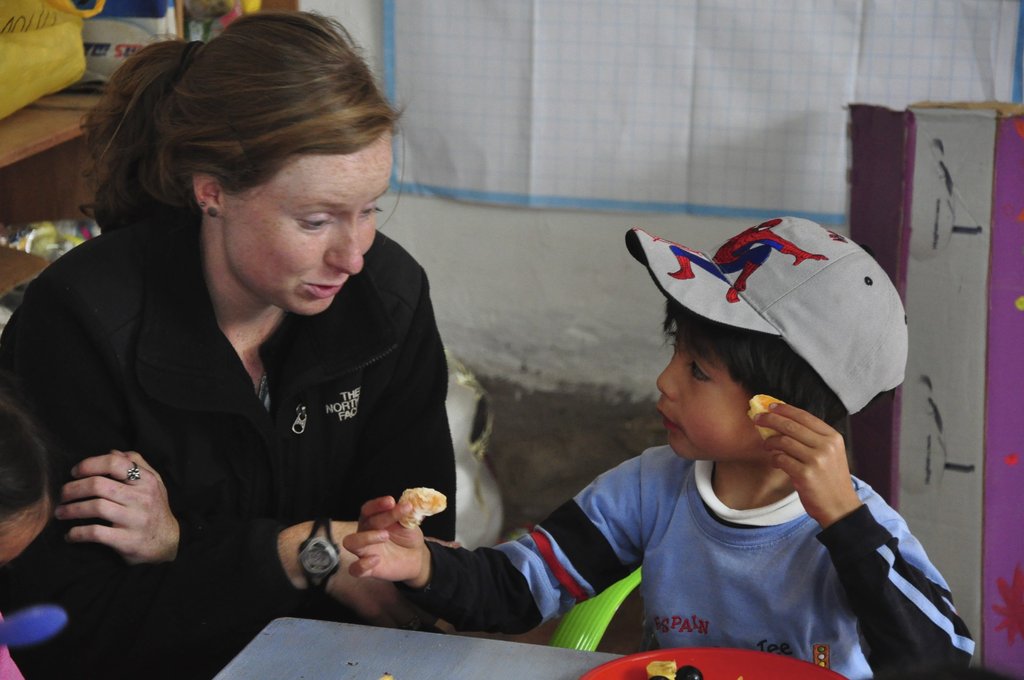
The teachers have begun offering beginning Quechua classes in conjunction with Spanish lessons. They see an opportunity to teach their native language and share their culture. Volunteers take the classes in order to communicate better with the women with whom Awamaki works. With a totally new and different sentence and grammatical structure to learn, learning Quechua is very difficult! But the students agree it adds a dimension to their visit that they would not have been able to experience otherwise.
Erika, who took Quechua classes for 3 years in the United States before coming to Peru to volunteer at Awamaki, explains, “I learned a tremendous amount of culture in my Quechua classes, both at school and here in Peru. You have to, because so much of the language is based in the things that Quechua people see and use every day.”
“I’m working with local women and sometimes you need to know some Quechua words to communicate with them,” explains Simone, a Sustainable Tourism volunteer who elected to take several Quechua classes to help her bring tourists to the weavers’ communities so they can learn about weaving and purchase directly from the weavers. “My job as a tour guide got a lot easier when I learned some key words in Quechua!”
Teaching Quechua is rewarding for the teachers as well. “I have to be creative because it is very different than teaching Spanish,” says Ruth. “was at first surprised so many volunteers wanted to learn it.” But, she says, she has always known how to speak it and so she can teach it to them.
By Kennedy Leavens | Executive Director
By Kennedy Leavens | Executive Director
Project reports on GlobalGiving are posted directly to globalgiving.org by Project Leaders as they are completed, generally every 3-4 months. To protect the integrity of these documents, GlobalGiving does not alter them; therefore you may find some language or formatting issues.
If you donate to this project or have donated to this project, you can receive an email when this project posts a report. You can also subscribe for reports without donating.