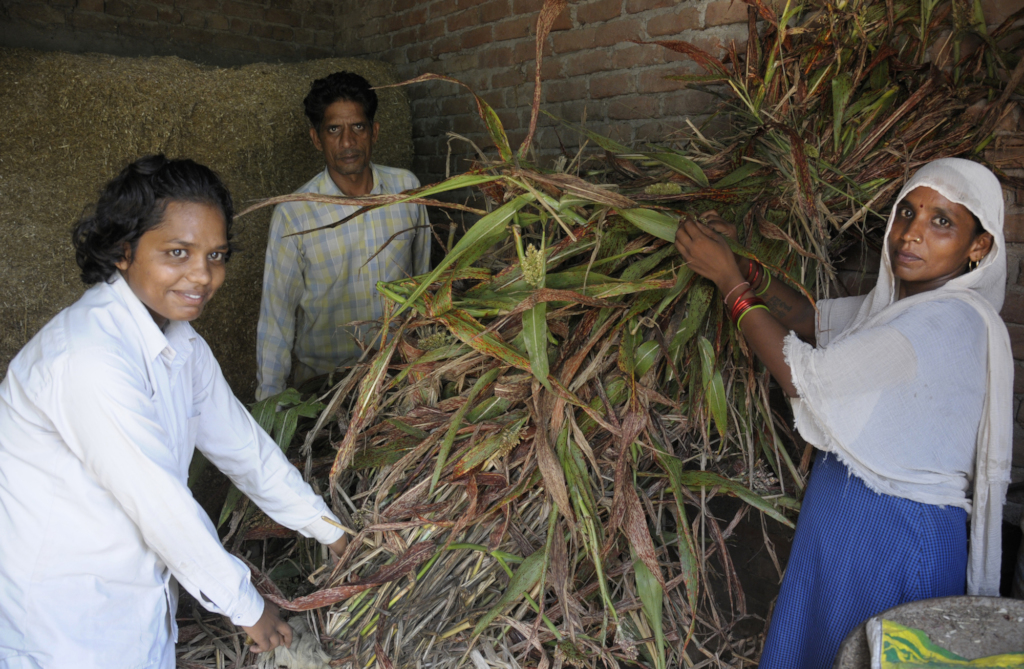
By Suraj Kumar | Project Manager, India
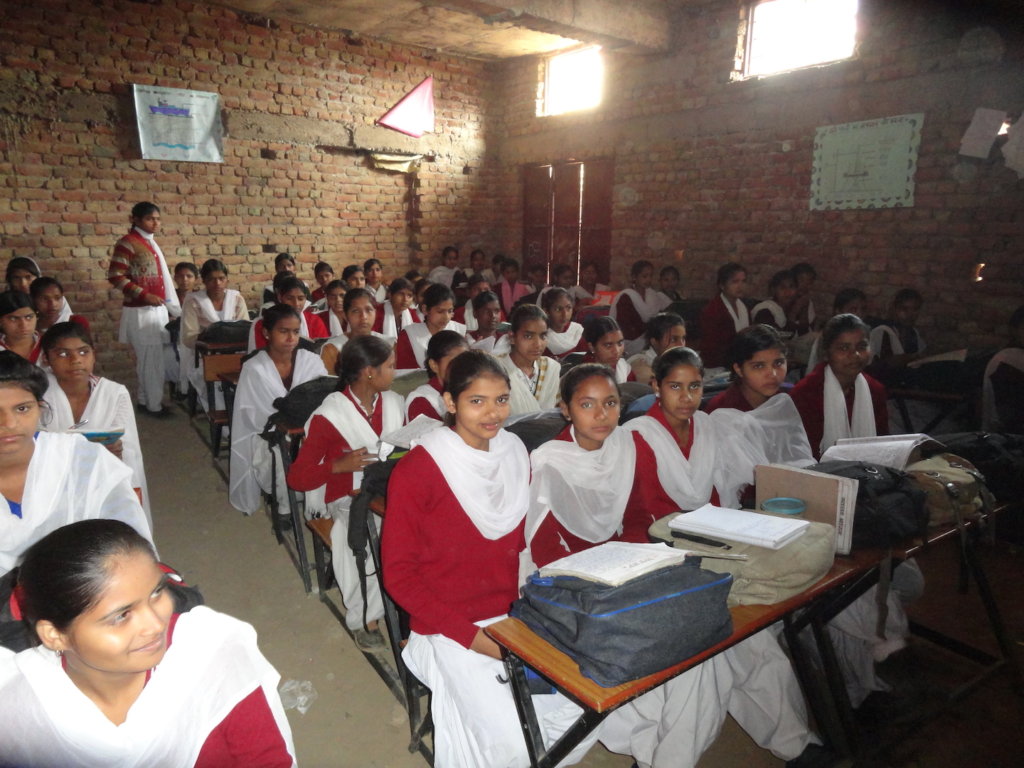
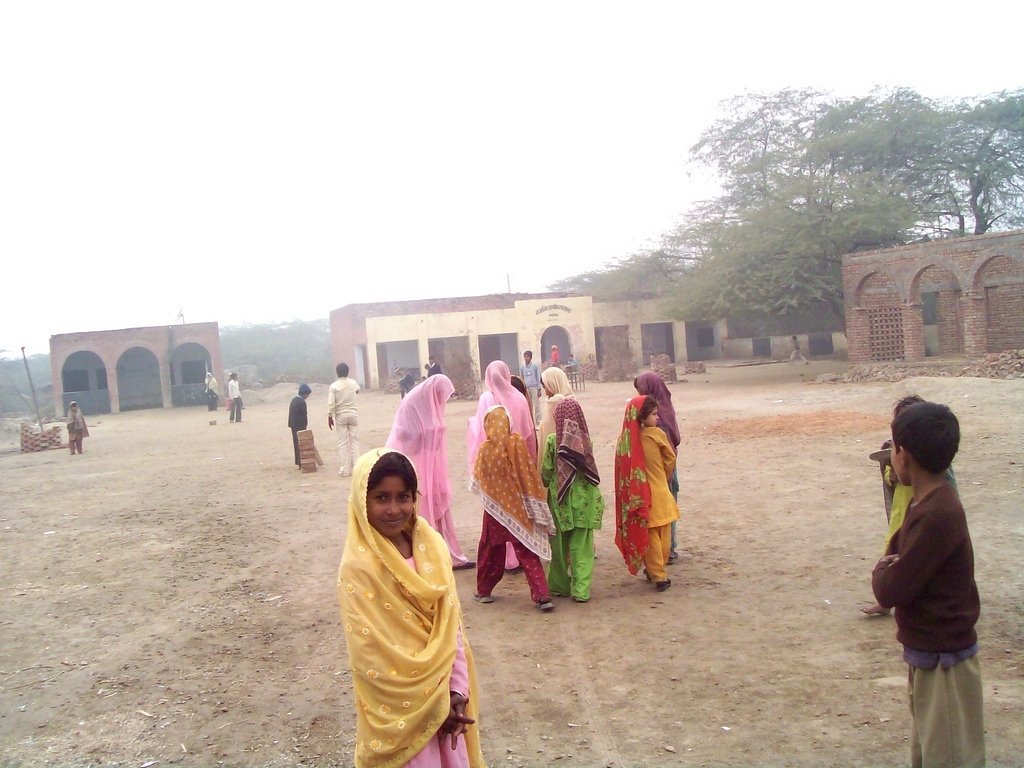
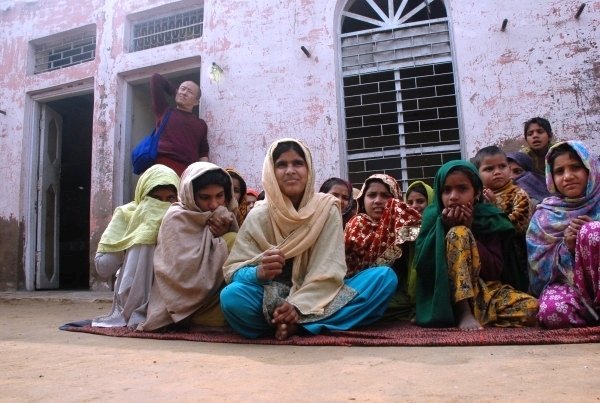
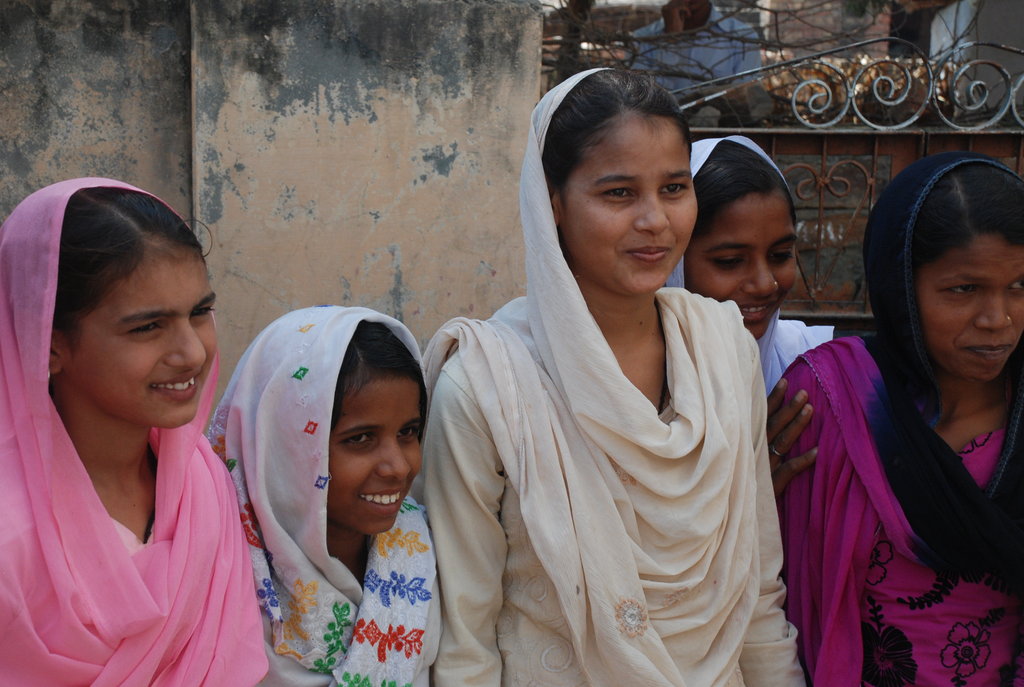
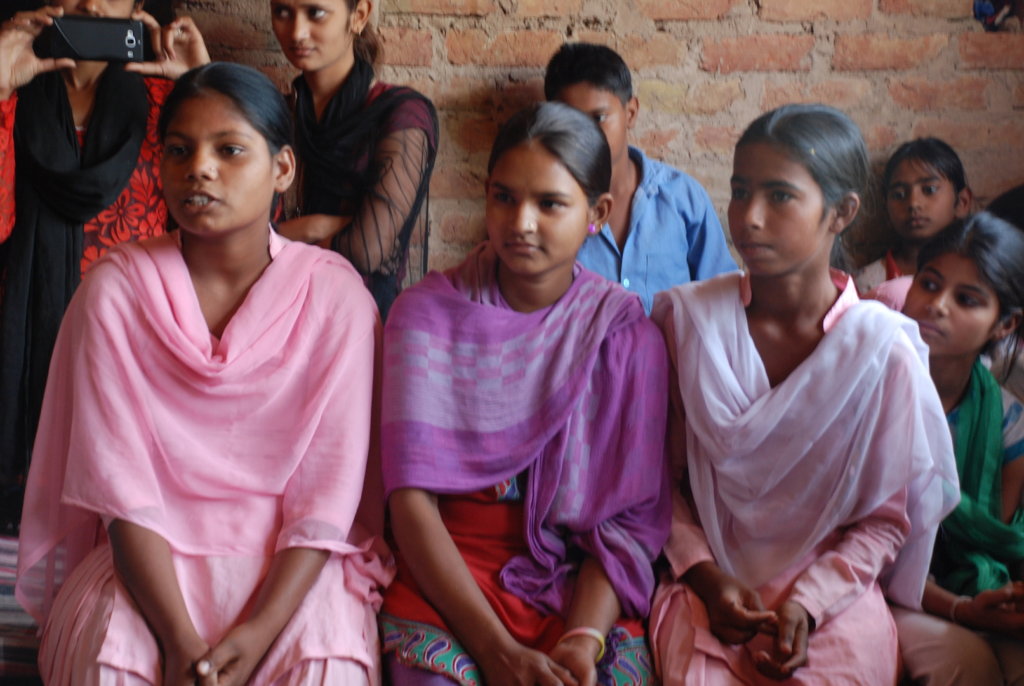
There are many obstacles girls from poor rural villages in India face simply getting to school, let alone remaining there.
In his book, Drawdown (2017), Paul Hawken eloquently tells us:
"Economic barriers include lack of family funds for school fees and uniforms, as well as prioritizing the more immediate benefits of having girls fetch water or firewood, or work a market stall or plot of land. Cultural barriers encompass traditional beliefs that girls should tend the home rather than learn to read and write, should be married off at a young age, and, when resources are slim, should be skipped over so boys can be sent to school instead. Barriers are also safety related. Schools that are farther afield put girls at risk of gender-based violence on their way to and from, not to mention dangers and discomforts at school itself."
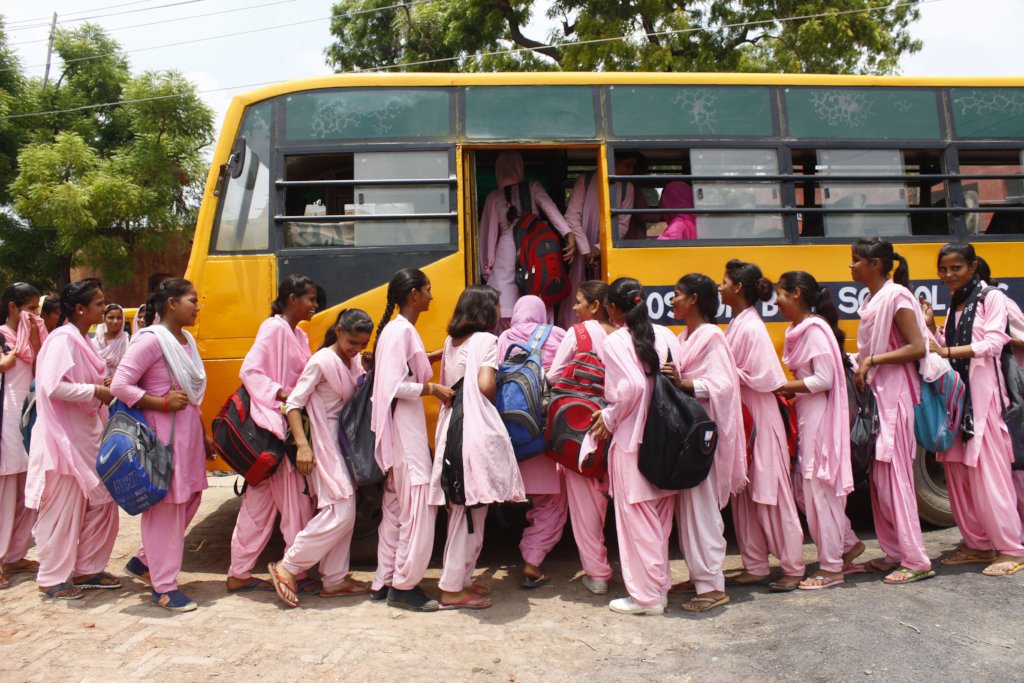
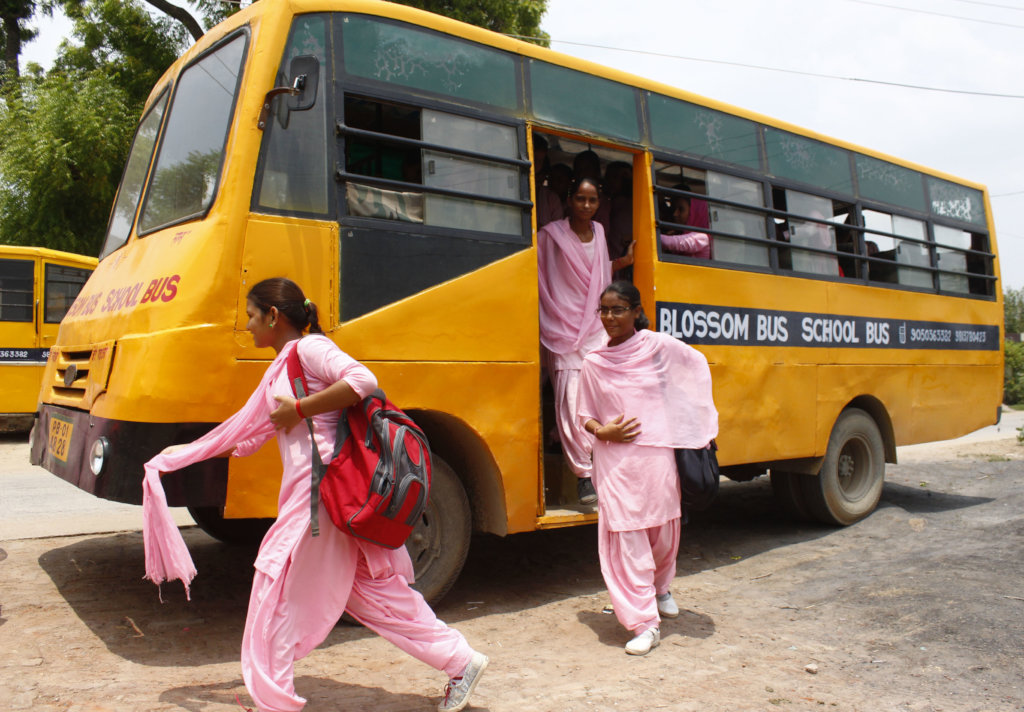
Kamini is a recent addition to the Blossom Bus program. Her story illustrates Hawken’s views.
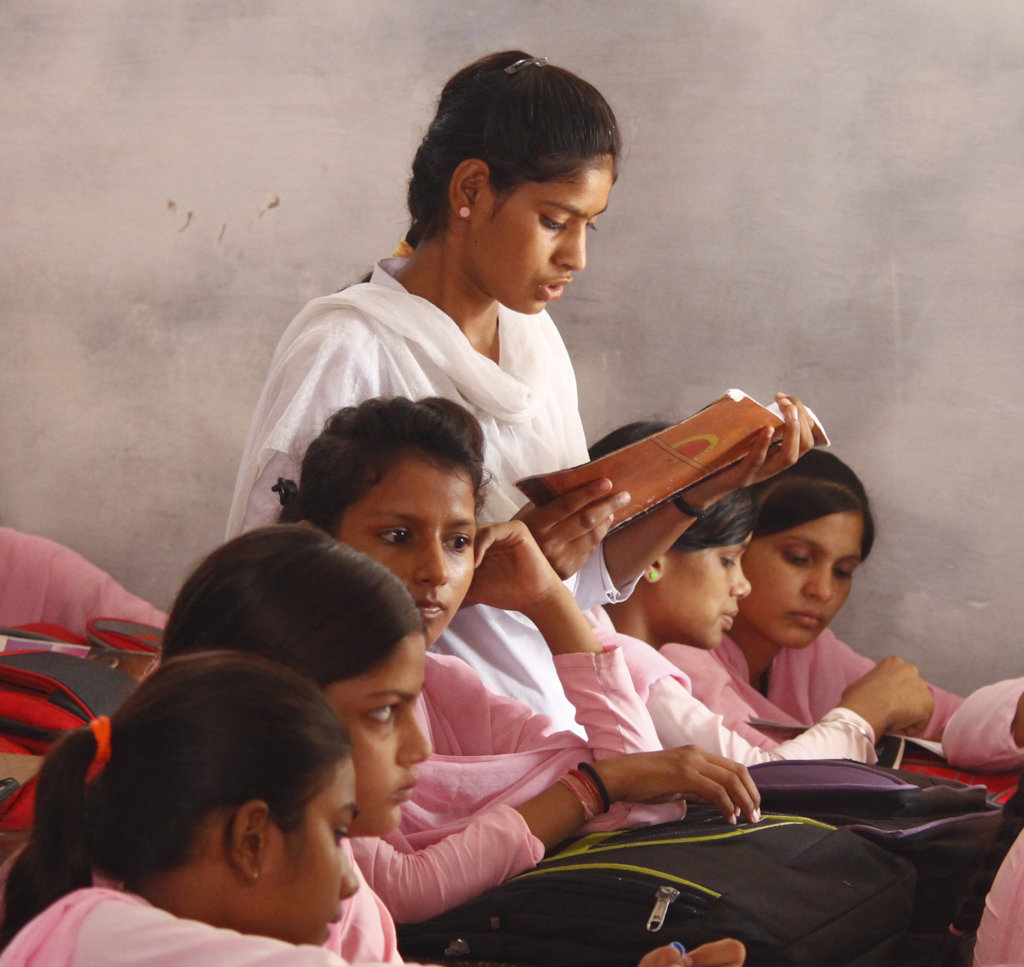
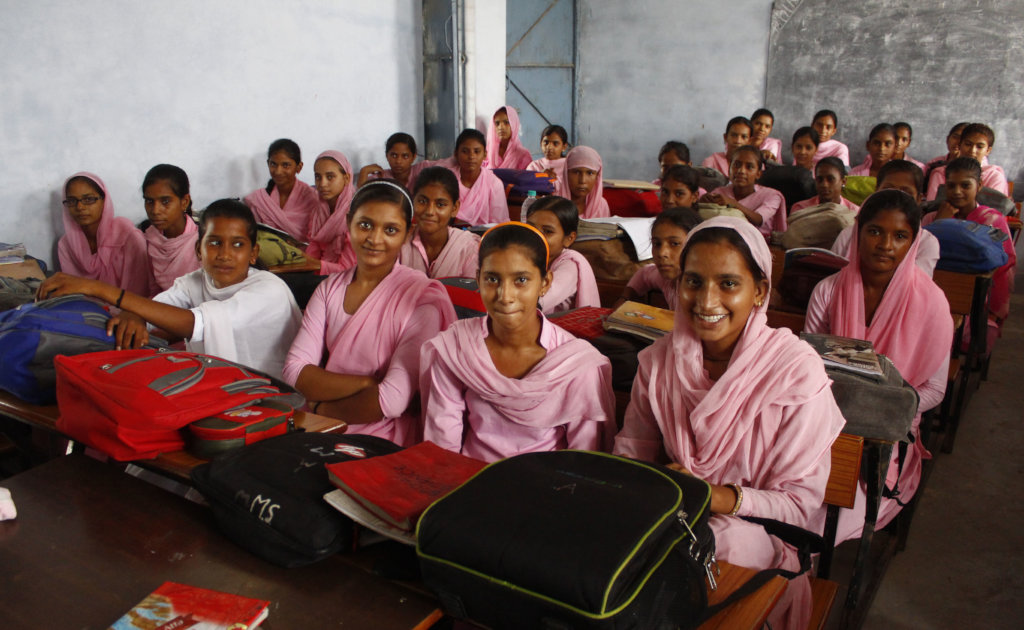
Kamini is from village Rajpur in India. She is the daughter of farmer, Lal, who has a small land holding, but is determined to educate his daughter. Kamini has a brother who is studying in the village school in eighth grade. Lal says that among his five brothers, none were able to study beyond eighth grade as there was no high school in their village.
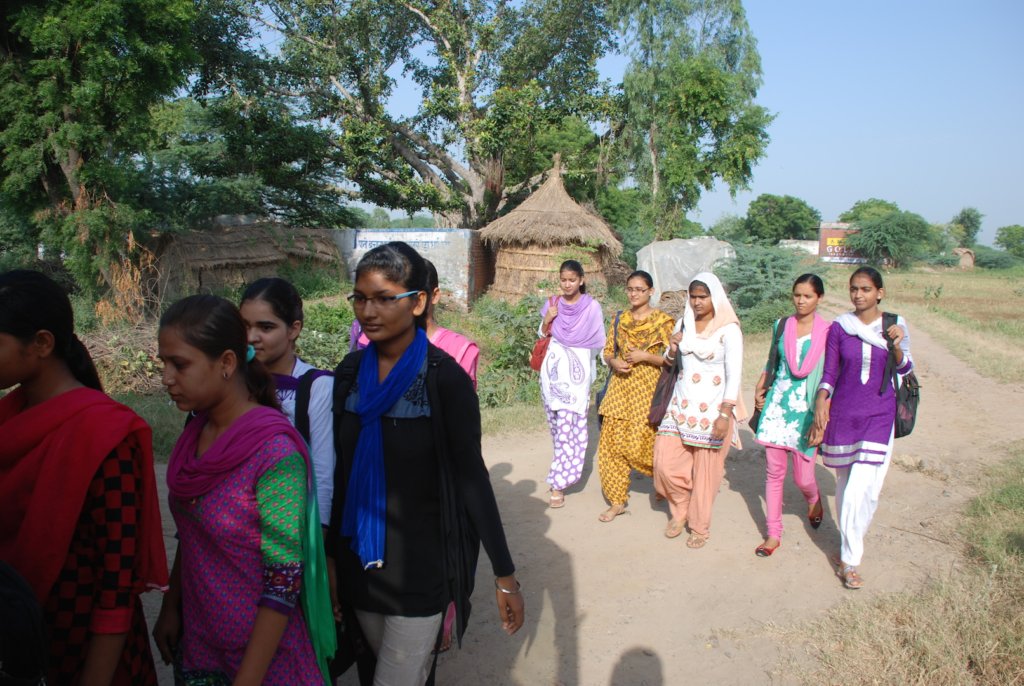
When Kamini expressed her desire to study further, Lal felt he could not say no. He also wanted that for his daughter: for her to become an educated person, get a good job and earn a name for the family. Though Lal was earning a meager amount selling the farming produce, he was ready to sacrifice whatever necessary for Kamini to go to school. The biggest problem facing them was actually getting her there. Kamini would have to walk and it was four kilometers to the nearest school in Solara.
Kamini tried walking to school for some months but was facing problems on the way. Lal arranged to drop her off at school. To do so, he borrowed a motorbike from his brother, but could not do it regularly as sometimes the bike was not available and on other times he was busy with farming.
These arrangements were unsatisfactory. Kamini ended up staying home for 2-3 days a week, and for longer durations during the rainy season while the fields were water logged. It was simply not possible to walk on the muddy roads. Witnessing these problems, Lal became disheartened. He thought his daughter would drop out for sure and not able be able to complete her education.
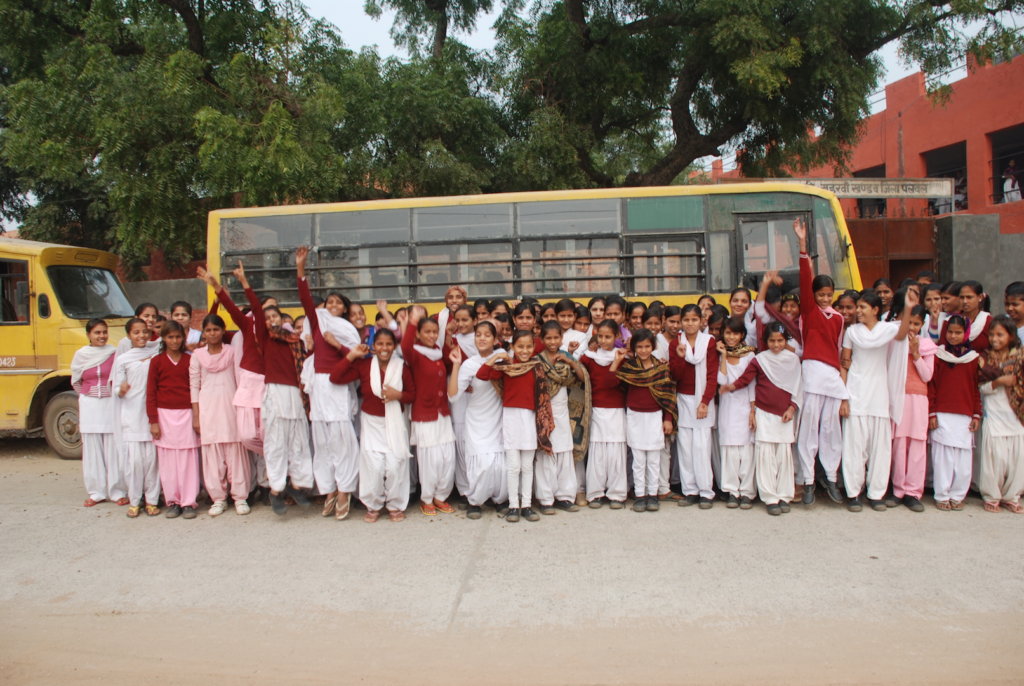
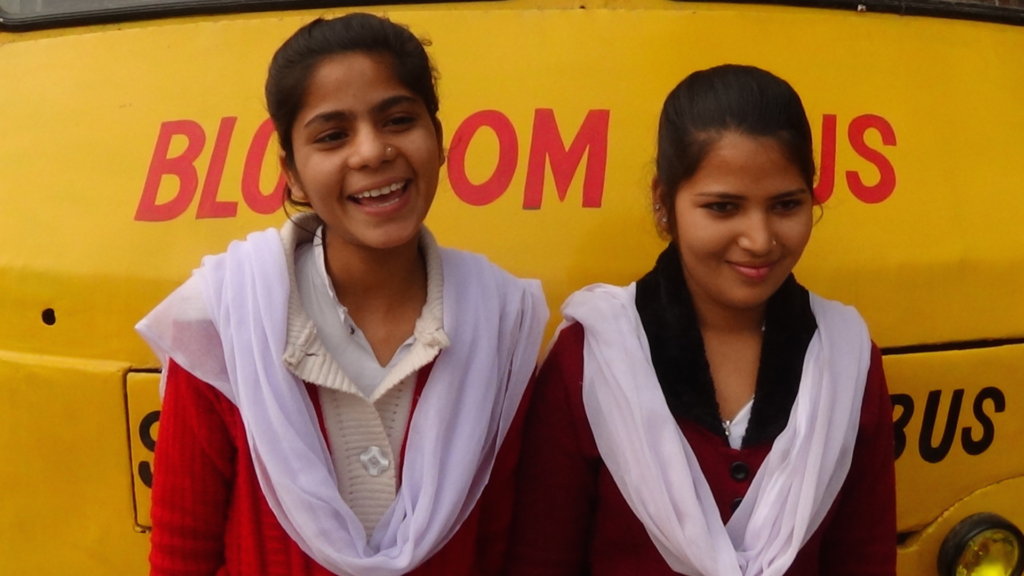
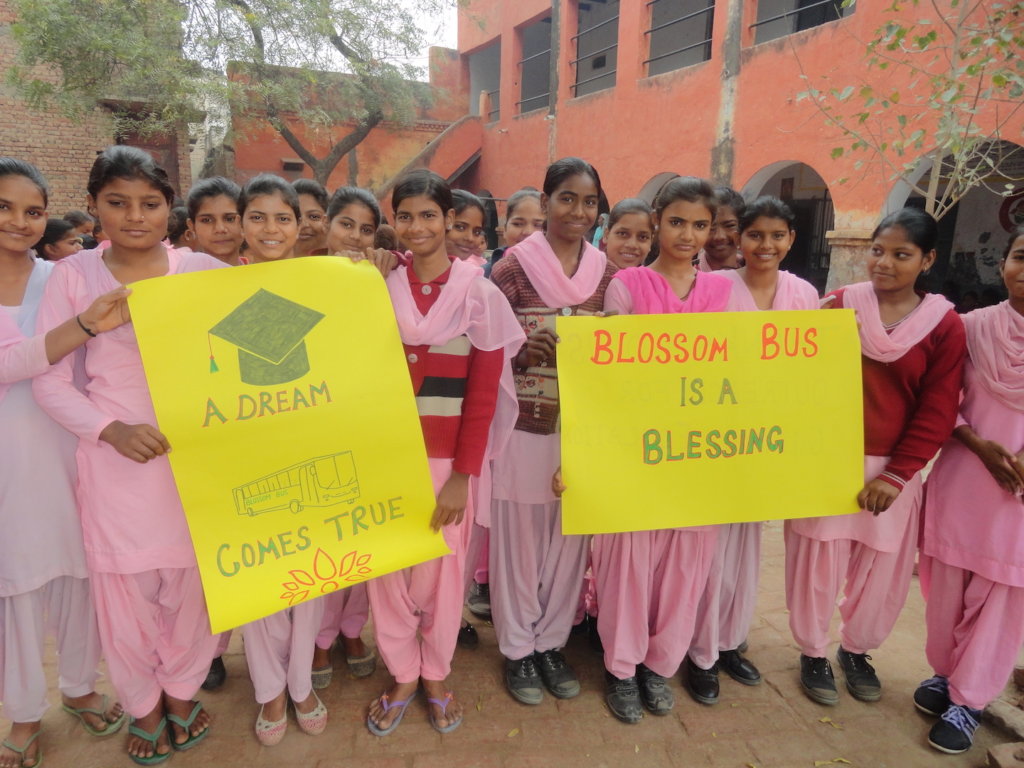
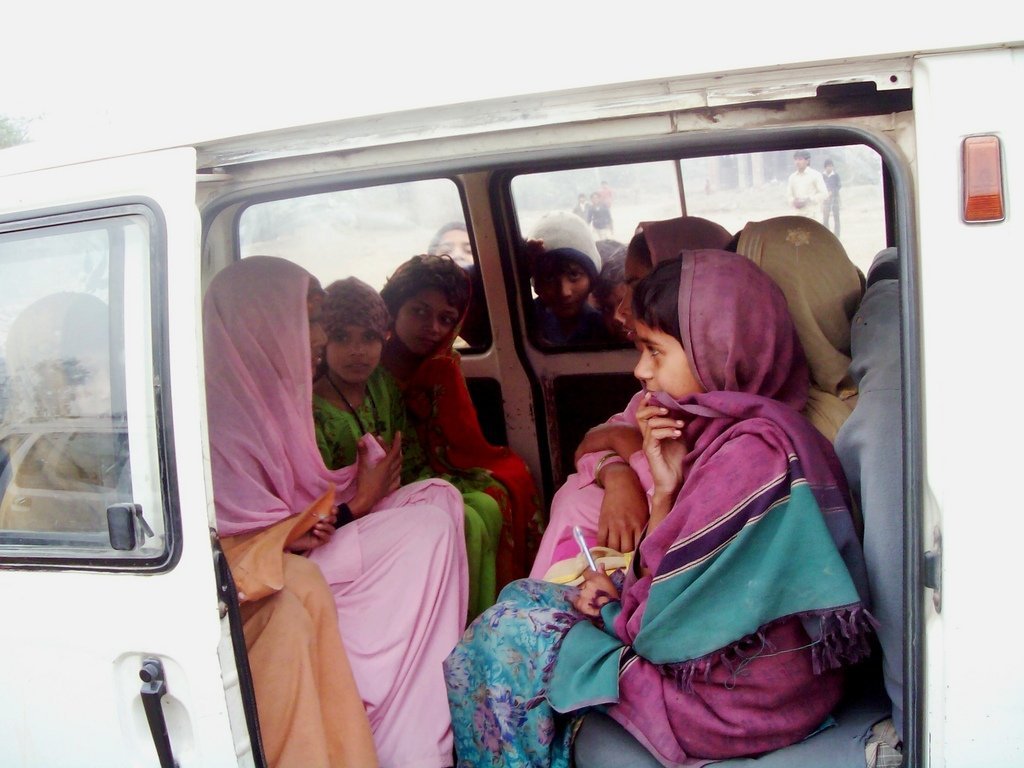
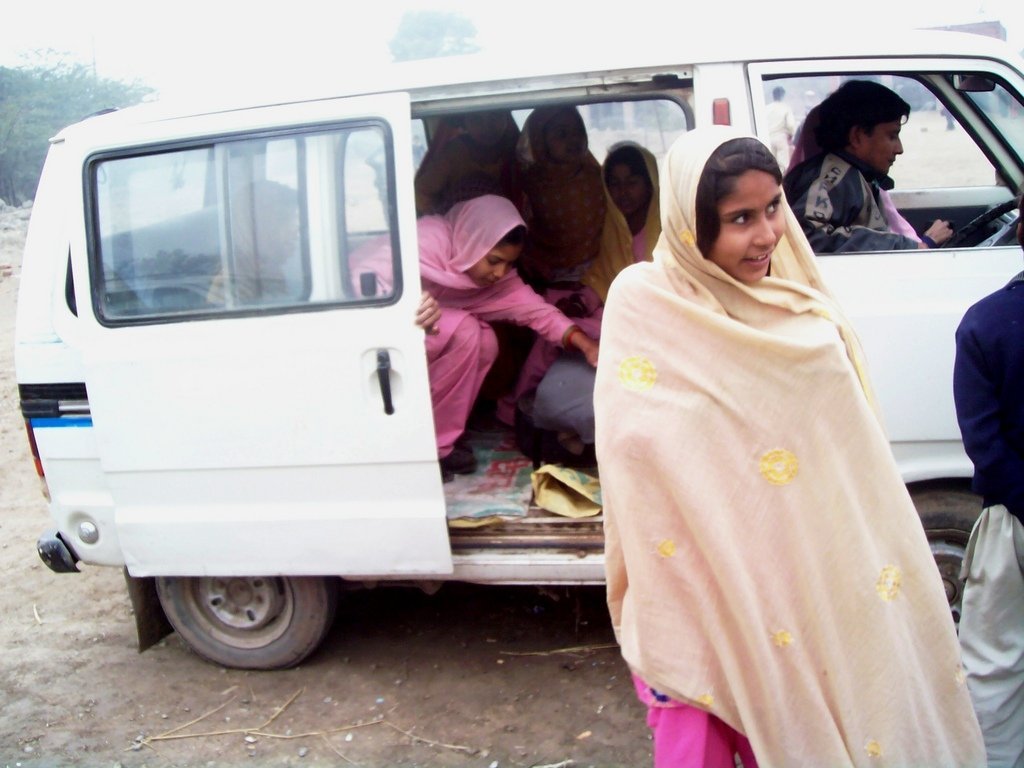
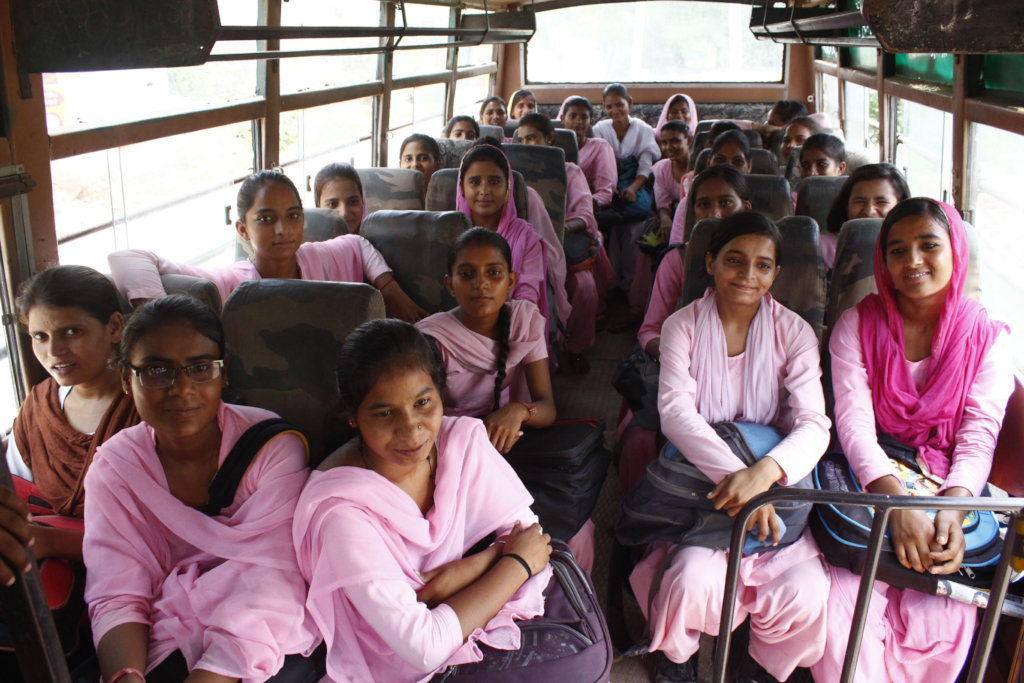
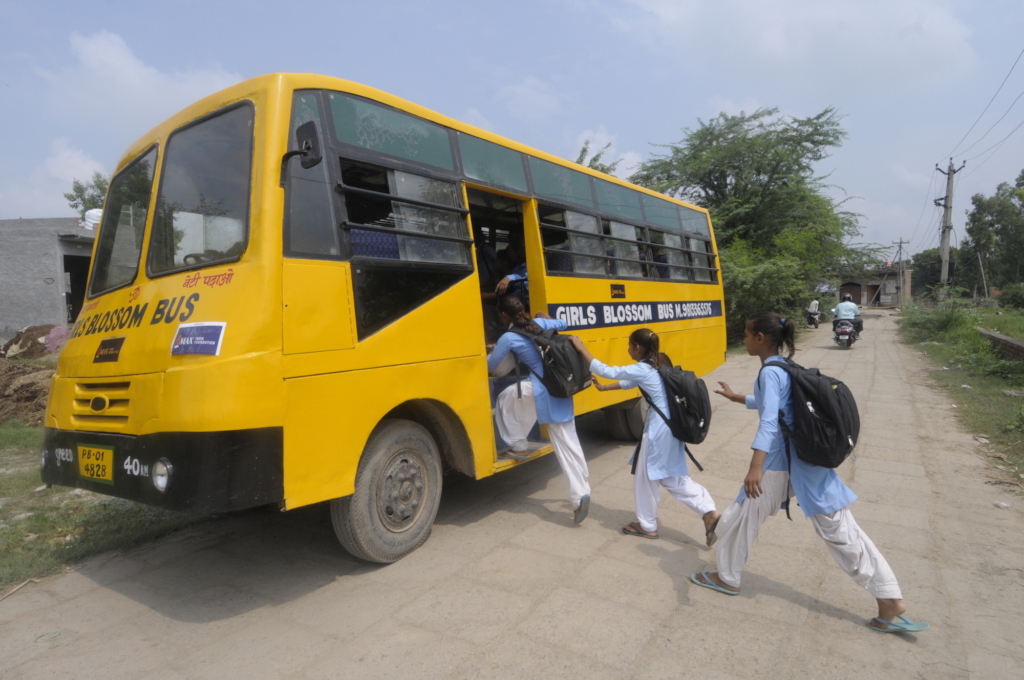
Then something happened. Kamini came home from school one day with exciting news. “Pappa!” she exclaimed, “You’ll never guess! It’s a dream come true…there’s a free bus taking only girls to the Solara School!” The bus she spoke of? Blossom Bus, of course! That was a very big day for Lal. Lal shares, “I am now certain my daughter will complete her education, will go to college and be able to live her dreams!"
Links:
Project reports on GlobalGiving are posted directly to globalgiving.org by Project Leaders as they are completed, generally every 3-4 months. To protect the integrity of these documents, GlobalGiving does not alter them; therefore you may find some language or formatting issues.
If you donate to this project or have donated to this project, you can receive an email when this project posts a report. You can also subscribe for reports without donating.



Support this important cause by creating a personalized fundraising page.
Start a Fundraiser