Emergency Aid in the Democratic Republic of Congo
Project Report
Prepared by: Save life make difference
Project Location: Democratic Republic of the Congo
Head Office: Bujumbura, Burundi
Project Leader: Kaneza Mireille
Executive Summary
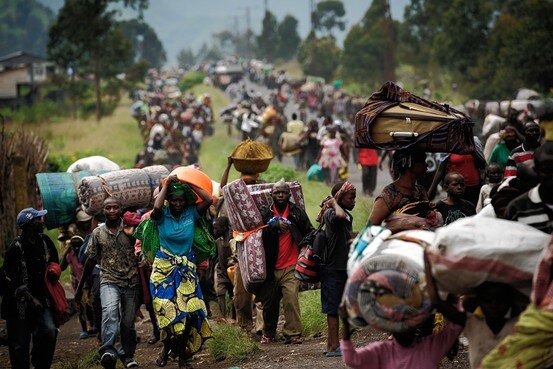
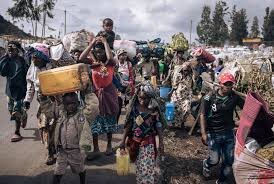
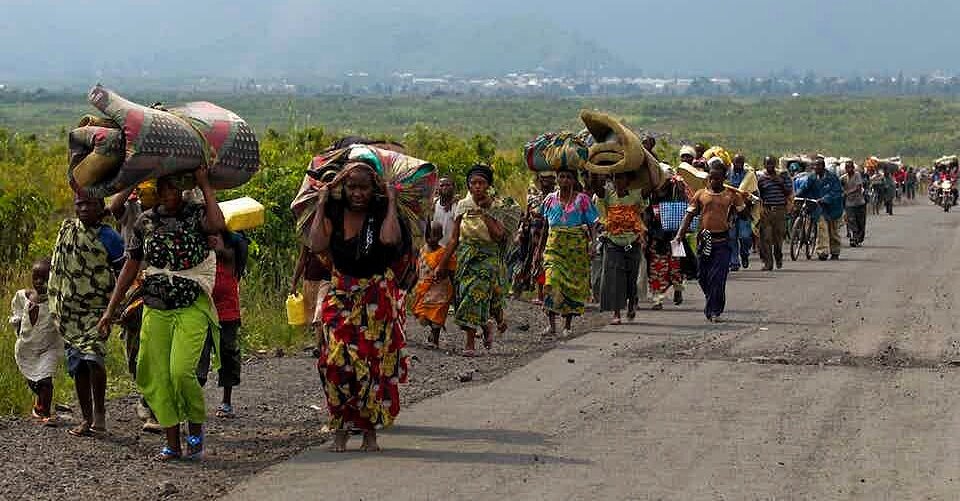
The “Emergency Aid in the Democratic Republic of Congo” project was launched by Save life make difference to support vulnerable families displaced by armed conflict in eastern Democratic Republic of the Congo, particularly around the city of Goma. Thousands of people, including women, children, elderly persons, and people with disabilities, continue to suffer from insecurity, hunger, poor shelter conditions, and lack of access to healthcare.
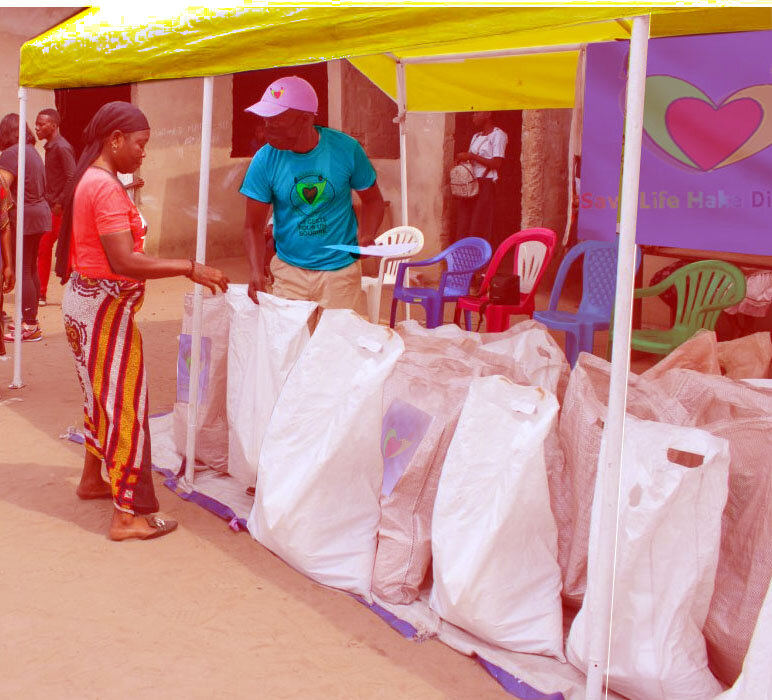
The project focuses on delivering emergency humanitarian assistance including food aid, clean water, temporary shelter, medical support, hygiene kits, psychosocial assistance, and protection services for internally displaced persons (IDPs) and refugee communities.
With a fundraising goal of $25,000, the project has currently raised $2,976 through the generosity of 50 donors. Continued support is urgently needed to expand life-saving assistance and improve living conditions for affected communities.
Background and Context
The humanitarian crisis in eastern Democratic Republic of the Congo remains one of the most severe displacement emergencies in Africa. Armed violence, insecurity, and inter-community conflicts have forced millions of people to flee their homes.
According to humanitarian reports:
More than 5.5 million people have been internally displaced.
Over 1.1 million people have crossed borders seeking asylum.
Refugees have fled mainly to neighboring countries including Burundi, Rwanda, South Sudan, and Angola.
Camps and displacement sites around Goma are overcrowded and lack adequate sanitation, food, and health services.
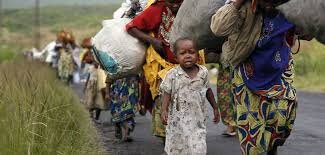
Families displaced by conflict often live under plastic sheets or temporary shelters exposed to rain, disease outbreaks, and food insecurity. Children are especially vulnerable to malnutrition, trauma, and interruption of education.
Problem Statement
Communities displaced by conflict in eastern DRC face:
Severe food shortages and malnutrition
Lack of clean drinking water
Limited access to healthcare services
Inadequate shelter and sanitation
Increased vulnerability of women and children
Psychological trauma caused by violence and displacement
Overcrowded refugee camps and host communities under pressure
Without immediate humanitarian intervention, the health, safety, and dignity of displaced populations will continue to deteriorate.
Project Goal
To provide emergency humanitarian assistance and improve the living conditions of conflict-affected and displaced populations in eastern Democratic Republic of the Congo.
Project Objectives
Provide emergency food assistance to displaced families.
Improve access to clean water and sanitation services.
Deliver emergency medical and psychosocial support.
Provide temporary shelter materials and non-food items.
Protect vulnerable women and children from violence and exploitation.
Strengthen community resilience and coordination with humanitarian partners.
Main Activities
Food Assistance
Distribution of emergency food packages
Nutritional support for children and pregnant women
Community feeding activities
Water, Sanitation and Hygiene (WASH)
Distribution of clean drinking water
Installation of water storage systems
Distribution of hygiene kits and soap
Awareness campaigns on hygiene and disease prevention
Emergency Shelter Support
Distribution of tarpaulins, blankets, and mattresses
Construction of temporary shelters
Protection from harsh weather conditions
Healthcare and Psychosocial Support
Mobile medical consultations
Distribution of essential medicines
Trauma counseling and mental health support
Support for survivors of violence
Protection Services
Child protection activities
Support for women and vulnerable persons
Community awareness on safety and human rights
Target Beneficiaries
The project primarily supports:
Internally displaced families
Women and children
Elderly persons
People living with disabilities
Refugees and host communities affected by the crisis
Estimated direct beneficiaries: More than 2,500 vulnerable people
Budget Summary
Activity
Estimated Cost (USD)
Emergency food distribution
$8,000
Water and sanitation support
$4,500
Shelter and non-food items
$5,000
Medical assistance
$3,500
Psychosocial and protection services
$2,000
Logistics and coordination
$2,000
Total Budget
$25,000
Current Funding Status
Goal: $25,000
Raised: $2,976
Remaining: $22,024
Expected Outcomes
Through this project:
Displaced families will receive life-saving humanitarian assistance.
Access to food and clean water will improve.
Disease risks and malnutrition will be reduced.
Vulnerable women and children will receive protection and psychosocial support.
Living conditions in displacement sites will improve.
Communities will regain hope, dignity, and resilience.
Long-Term Impact
The project contributes to:
Improved humanitarian protection for displaced populations
Reduced suffering among vulnerable communities
Strengthened resilience of refugee and host communities
Better coordination of emergency response efforts
Enhanced social stability and recovery opportunities
Long-term support will help communities transition from emergency relief toward recovery and sustainable development.
Monitoring and Evaluation
Save life make difference will monitor project implementation through:
Field visits and beneficiary assessments
Distribution tracking and reporting
Community feedback mechanisms
Financial accountability and donor reporting
Regular evaluation of project outcomes and impact
Transparency and accountability remain central to all project activities.
Conclusion
The humanitarian crisis in eastern Democratic Republic of the Congo continues to place millions of lives at risk. Through this emergency aid initiative, Save life make difference is committed to providing urgent assistance to displaced and vulnerable populations affected by conflict and instability.
Additional donor support is essential to expand relief operations and save lives. Together, humanitarian partners, donors, and communities can restore dignity, hope, and protection to families affected by this ongoing crisis.
![Share on Twitter]()
![Share on Facebook]()