By Nestor | PROJECT LEADER
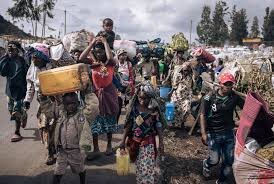
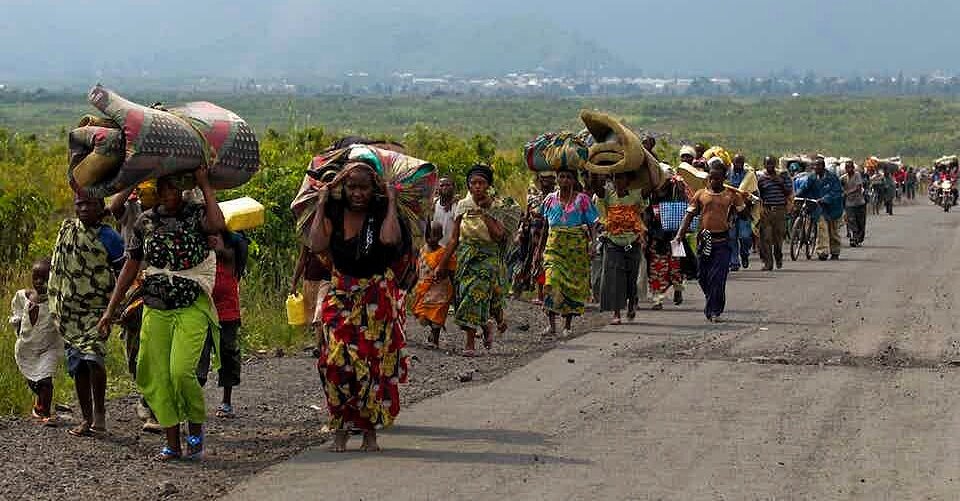
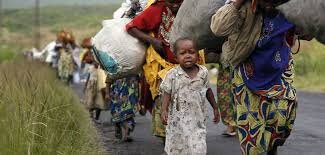
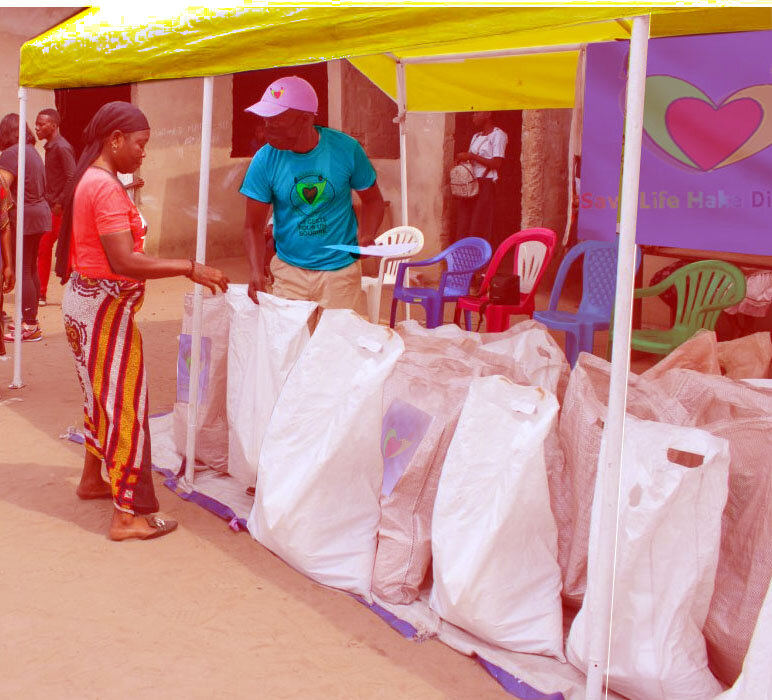
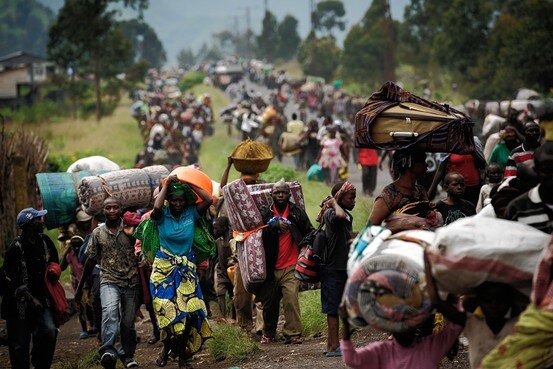
Save Life Make Difference Date 23/12/2024 Bujumbura Burundi Savelifemakedifference@gmail.com www.savelifemakedifference.com Sub : Project report Humanitarian crisis in DRC The humanitarian crisis in the DRC (Congo ) Until 31 December 2023, more than 9.6 million people were on the move in DRC, including 6.5 million internally displaced persons, 2.6 million returnees and 527,000 refugees, making the displacement crisis in the country one of the largest in the world and second only to Sudan. What is the DRC crisis? The Democratic Republic of Congo (DRC) is host to one of the world’s most complex and long-standing humanitarian crises, centered particularly in the east of the country. More than 2.1 million people were forced to flee their homes in 2017 alone — equivalent to an average of 50 families fleeing every hour, every day. Weak governance, a lack of infrastructure and stunted economy, coupled with two decades of conflict, have led to one of the most ignored and forgotten crises in the world. That’s why we’re there to help. What is the current conflict in the Democratic Republic of Congo? There are currently more than 100 different armed groups vying for territory and control in eastern DRC. This conflict is causing massive displacement and urgent humanitarian needs as families flee their homes for safety. The armed conflict and insecurity has displaced 4.5 million people within the country. 13.1 million people need humanitarian assistance — 5.6 million more than in 2017. Over the last year with intensified fighting, the humanitarian situation has dramatically worsened. Ebola is endemic to DRC. The country is currently battling its tenth Ebola outbreak, which has already killed more than 1,500 people. It is now the worst Ebola outbreak in DRC’s history. Over 50 percent of the total cases have occurred in the past three months. On July 17, the World Health Organization declared the Ebola outbreak in DRC a "Public Health Emergency of International Concern" (PHEIC). Previous PHEICs include Swine flu in 2009, Polio in 2014, Ebola in 2014 and the Zika virus in 2016. “We hope that [this] declaration by the WHO will translate into urgent and practical action, including more funding from international donors,” said Laura Miller, Mercy Corps’ acting country director in DR Congo. “Every day, women, men and children are dying of the Ebola virus and it is becoming too easy to forget that the ever-climbing case numbers are people.” Who is affected by the conflict in DRC? In the conflict-ridden eastern part of the country, women and children are often most affected by the conflict, as is the case with many crises. More than 2 million children suffer from severe acute malnutrition. One in 10 women and girls experienced sexual violence in 2016. In some cases, women and their children have no choice but to flee the violence and hunger. Women often leave their homes with very little but their children and the clothes they were wearing. Men too are frightened of being killed or forced to join armed groups. Before save life Make difference has been support in minth of march but since we don’t have again donation , We take time to thank for every on support our projects , Save Life Make Difference Bukavu Nestor
Project reports on GlobalGiving are posted directly to globalgiving.org by Project Leaders as they are completed, generally every 3-4 months. To protect the integrity of these documents, GlobalGiving does not alter them; therefore you may find some language or formatting issues.
If you donate to this project or have donated to this project, you can receive an email when this project posts a report. You can also subscribe for reports without donating.



Support this important cause by creating a personalized fundraising page.
Start a Fundraiser