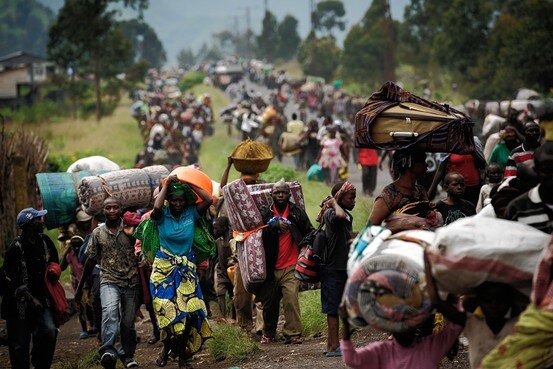
Emergency aid in the Democratic Republic of Congo

by Save life make difference
Emergency aid in the Democratic Republic of Congo

Project Report | Sep 11, 2026
DRC Emergency support

By Olivier | PROJECT LEADER

EMERGENCY AID IN THE DEMOCRATIC REPUBLIC OF CONGO
 & Humanitarian Crisis Report Project Emergency aid in the Democratic Republic of Congo
GlobalGiving
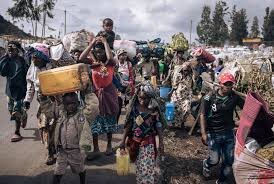
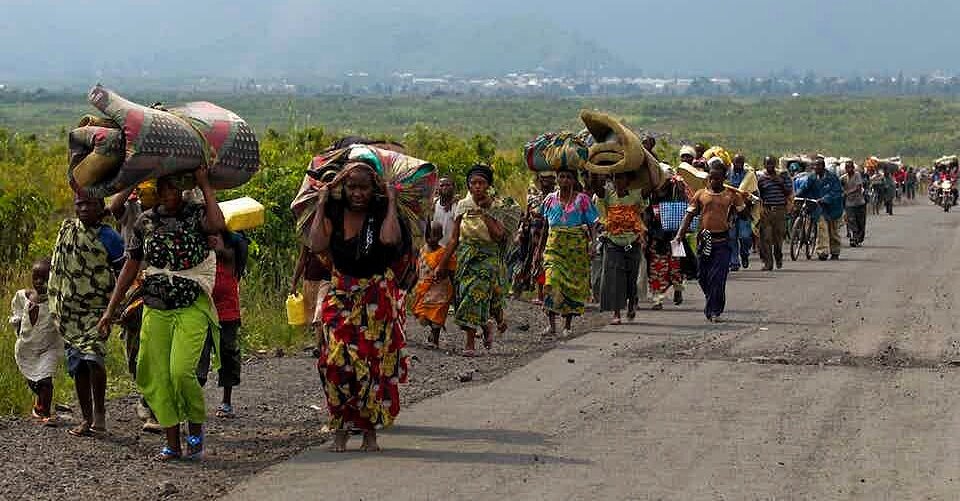
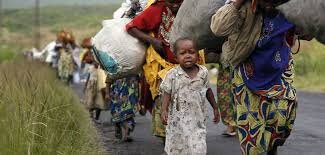
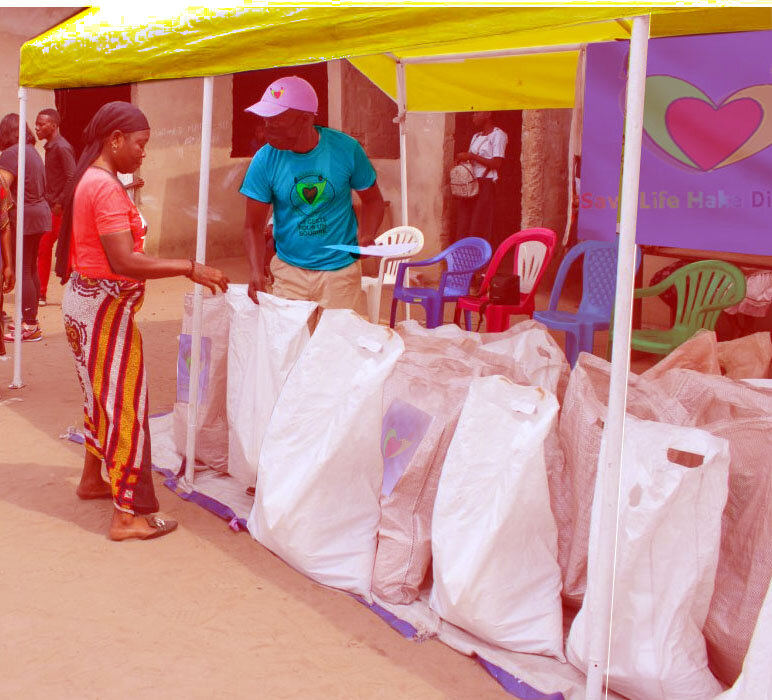
Project #61502 Fundraising Goal $25,000 Raised $2,976 Remaining $22,024 Fundraising Progress 11.9% A humanitarian fundraising report focused on emergency food, essential supplies, health, water and sanitation, protection, and recovery support for people affected by conflict and displacement in the Democratic Republic of the Congo. Prepared for donor communication and project reporting. Current campaign figures are based on the information supplied for GlobalGiving Project #61502. 1. Executive Summary The Democratic Republic of the Congo (DRC) is experiencing one of the world's most severe and complex humanitarian crises. Conflict, mass displacement, hunger, disease outbreaks, climate-related shocks and disruption of essential services are placing millions of people under sustained pressure. WFP currently reports 26.5 million people facing acute food insecurity and 7.8 million internally displaced people. citeturn0search0turn0search1 UNICEF estimates that 14.9 million people, including about 8 million children, are expected to require humanitarian assistance in 2026. More than 5.3 million people are internally displaced, including around 4 million children. citeturn0search2turn0search36 The emergency is especially serious in eastern provinces including North Kivu, South Kivu and Ituri. Communities affected by violence may lose homes, livelihoods, access to markets, health services, schools and safe water. Humanitarian organizations also face major access and funding constraints. citeturn0search2turn0search3 Project Purpose The purpose of this project is to mobilize emergency funding to support vulnerable people affected by crisis in the DRC. Assistance should prioritize urgent and life-saving needs while supporting dignity, community resilience and recovery where resources permit. 2. Current Fundraising Position Goal $25,000 Raised $2,976 Still Needed $22,024 Progress 11.9% The campaign has raised approximately 11.9% of its $25,000 target. The remaining $22,024 represents the principal funding gap to be addressed through donor outreach, community fundraising and responsible project partnerships. 3. Humanitarian Crisis Context The humanitarian situation is driven by several interconnected pressures rather than a single emergency. Prolonged armed conflict and insecurity have repeatedly displaced communities, disrupted agriculture and markets, damaged infrastructure and reduced access to public services. Food insecurity is one of the most urgent concerns. WFP reports that 26.5 million people are facing acute food insecurity nationwide, with more than 3.6 million people experiencing emergency levels of hunger. The eastern provinces are among the areas most severely affected. citeturn0search3turn0search9 The crisis is also a displacement emergency. UNICEF reports more than 5.3 million internally displaced people in its 2026 humanitarian appeal, while WFP's current country information reports 7.8 million internally displaced people. These figures come from different reporting periods and methodologies, but both demonstrate the exceptional scale of displacement. citeturn0search36turn0search1 Health, Water and Sanitation Humanitarian needs extend beyond food. UNICEF identifies 5.3 million people requiring emergency water, sanitation and hygiene assistance in 2026. In several priority territories, particularly in the east, less than 30% of the population has access to safe water. Disease outbreaks further increase risks for displaced and vulnerable communities. citeturn0search36 Children and Protection Children face severe consequences from conflict and displacement, including interrupted education, malnutrition, separation from families and protection risks. UNICEF estimates that 3.9 million people require humanitarian education support and 4 million children need protection services in 2026. citeturn0search36 4. Problem Statement • Hunger and food insecurity: families may lack sufficient food and face rising vulnerability. • Displacement: people forced from their homes may lose shelter, possessions, livelihoods and community support. • Limited access to clean water: unsafe water increases the risk of disease and undermines dignity and health. • Healthcare and nutrition needs: conflict and poverty can make essential medical and nutritional services difficult to access. • Education disruption: insecurity and damaged or closed schools can prevent children from learning. • Livelihood loss: displacement and insecurity can interrupt farming, trade and other income-generating activities. 5. Proposed Project Response The project will seek to use available funding for flexible, needs-based humanitarian assistance. Because conditions can change quickly, activities should be adapted to verified local needs, available resources, access and safeguarding requirements. Emergency food assistance: Support food packages or other appropriate food assistance for households experiencing severe hardship. Water and hygiene: Support safe water, hygiene materials and sanitation-related assistance where urgent gaps are identified. Essential household supplies: Provide priority non-food items such as basic household and emergency supplies according to assessed needs. Health and nutrition support: Contribute to access to basic health, referral and nutrition assistance through appropriate local partners. Protection and child support: Support safe referral pathways and community-based assistance for children, women and other vulnerable people. Livelihood recovery: Where emergency needs are stabilized, support small-scale livelihood or food-security activities that strengthen resilience. 6. Implementation Approach Implementation should follow a phased humanitarian approach. The first phase focuses on identifying priority needs and vulnerable households. The second phase delivers the most urgent assistance. The third phase documents results, reviews unmet needs and adjusts activities as conditions evolve. Phase 1 Needs assessment Identify priority communities, vulnerable households and urgent gaps. Phase 2 Emergency response Deliver food, water, essential supplies and other priority assistance. Phase 3 Protection & referrals Connect vulnerable people with appropriate health, nutrition, protection and other sePhase 4 Recovery Where feasible, support livelihoods, food security and community resilience. Phase 5 Reporting Document activities, outputs, lessons learned and remaining needs for donors. 7. Priority Beneficiaries • Internally displaced families and people who have lost access to homes or livelihoods. • Children and households experiencing food insecurity or malnutrition risk. • Women-led and highly vulnerable households requiring emergency support. • Communities with limited access to safe water, sanitation and basic services. • People affected by conflict, disease outbreaks, flooding and other overlapping emergencies. 8. Expected Results • More vulnerable households receive timely emergency assistance. • Families facing hunger receive food or other appropriate food-security support. • Selected communities gain improved access to water, hygiene and essential household supplies. • Vulnerable children and families receive appropriate referrals and protection support. • Emergency assistance is documented so donors can understand what funding helped accomplish. • Where conditions permit, households receive support that contributes to longer-term resilience. 9. Illustrative Use of the $25,000 Fundraising Goal The following is a proposed planning allocation, not a claim that these expenditures have already occurred. Actual spending should be based on verified needs, local prices, implementation capacity and donor/platform requirements. Program Area Illustrative Amount Share Emergency food assistance $10,000 40% Water, hygiene & sanitation $4,000 16% Health & nutrition support $3,500 14% Essential household supplies $3,000 12% Protection & child support $2,000 8% Livelihood/resilience support $1,500 6% Monitoring, documentation & reporting $1,000 4% TOTAL $25,000 100% 10. Monitoring, Transparency and Accountability Donor confidence depends on clear documentation. Project records should include activity dates, locations where safe to disclose, quantities distributed, beneficiary counts where appropriate, receipts or financial records, partner documentation and photographs that are collected ethically and with appropriate consent. Progress reporting should distinguish clearly between funds raised, funds committed, funds spent, people reached and activities planned. Personal information and identifying details of vulnerable beneficiaries should be protected. 11. Risks and Mitigation Insecurity Access may change rapidly. Work through appropriate local partners; adapt locations and sFunding gaps Needs exceed available resources. Prioritize life-saving activities and maintain transparent donor uDisease outbreaks Outbreaks may affect implementation. Coordinate with relevant health actors and apply appropriate sMarket disruption Prices and supply availability may change. Review prices and procurement options before each activity. Access constraints Roads or services may be unavailable. Use flexible delivery and logistics planning where feasible. 12. Potential Long-Term Impact Emergency aid can protect lives in the immediate term while creating a bridge toward recovery. When families receive food, water, basic supplies and appropriate referrals, they may be better able to stabilize their households and begin rebuilding livelihoods. Longer-term interventions should connect humanitarian assistance with food security, livelihoods, education, health and community resilience. The project should therefore be viewed as a flexible emergency response that can evolve as needs change. Where humanitarian conditions permit, future phases can emphasize local capacity, income generation, agricultural recovery and stronger community preparedness. 13. Why Support Is Urgently Needed The scale of need is far greater than the current campaign resources. WFP reports that humanitarian needs in the DRC are outpacing available resources and that access and funding shortfalls are limiting the response. citeturn0search0turn0search3 Your campaign has raised $2,976 toward a $25,000 goal. That leaves a funding gap of $22,024. Continued donations can help create the resources needed to respond to verified emergency needs and document the results for supporters. Every contribution matters. A small donation combined with other donations can help finance food, water, essential supplies and other humanitarian assistance for people affected by crisis. 14. Donor Call to Action Help families affected by the crisis in the Democratic Republic of the Congo. Support the Emergency Aid in the Democratic Republic of Congo project through GlobalGiving Project #61502. The campaign goal is $25,000, with $2,976 already raised and $22,024 still needed. GlobalGiving project: https://www.globalgiving.org/61502 Sources & Current Crisis References • World Food Programme (WFP), Democratic Republic of the Congo Emergency — current crisis figures and response information. • World Food Programme (WFP), DRC country page — food insecurity, displacement and humanitarian response. • UNICEF, Democratic Republic of the Congo 2026 Humanitarian Action for Children Appeal — humanitarian needs, displacement, WASH, education and child protection. • WFP/FAO, 13 May 2026 — joint warning on deepening hunger and humanitarian funding/access constraints. Report note: Campaign figures ($2,976 raised of $25,000) are based on the information supplied by the project owner. Crisis statistics are cited to the relevant UN/WFP/UNICEF sources and reflect reporting available in 2026.

Attachments: Share on Twitter Share on Facebook

About Project Reports

Project reports on GlobalGiving are posted directly to globalgiving.org by Project Leaders as they are completed, generally every 3-4 months. To protect the integrity of these documents, GlobalGiving does not alter them; therefore you may find some language or formatting issues.

If you donate to this project or have donated to this project, you can receive an email when this project posts a report. You can also subscribe for reports without donating.


Sign up for updates

Organization Information

Save life make difference

Location: Bujumbura - Burundi
Website:
Facebook: Facebook Page
X / Twitter: Profile
Project Leader:
Kaneza Mireille
Bujumbura , Bujumbura Burundi
$2,976 raised of $25,000 goal
 
50 donations
$22,024 to go
Donate Now

Help raise money!

Support this important cause by creating a personalized fundraising page.

Start a Fundraiser

Learn more about GlobalGiving

Teenage Science Students
Vetting +
Due Diligence

Snorkeler
Our
Impact

Woman Holding a Gift Card
Give
Gift Cards

Young Girl with a Bicycle
GlobalGiving
Guarantee

Get incredible stories, promotions, and matching offers in your inbox

WARNING: Javascript is currently disabled or is not available in your browser. GlobalGiving makes extensive use of Javascript and will not function properly with Javascript disabled. Please enable Javascript and refresh this page.