By Dr. Josefina Pamela Olalde-Carpio | Mobile Health Clinic Project Officer
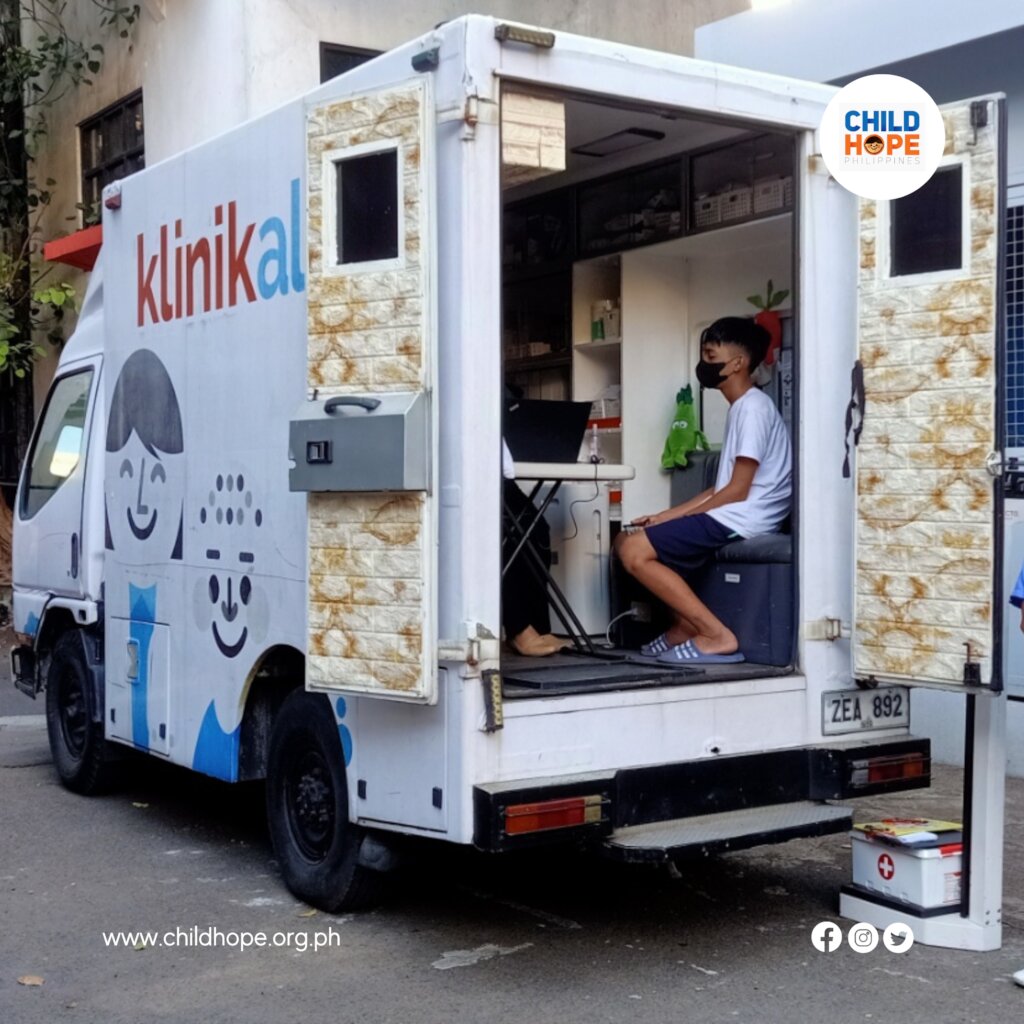
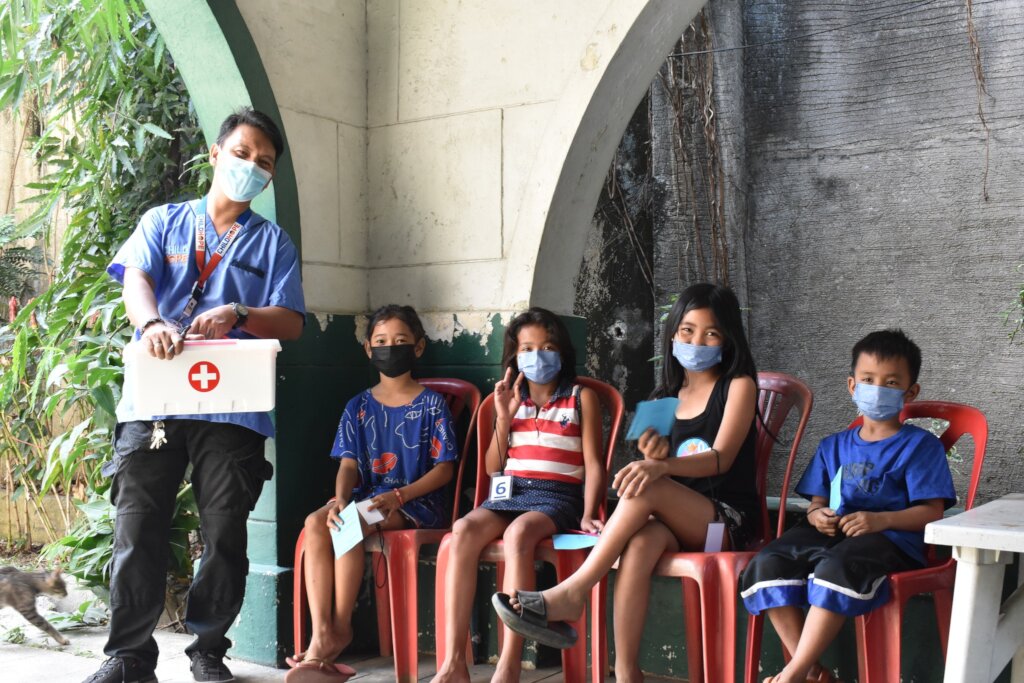
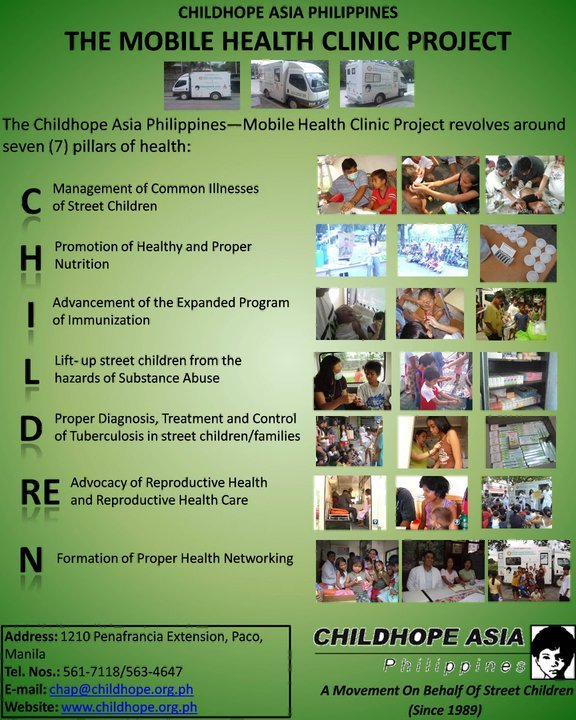
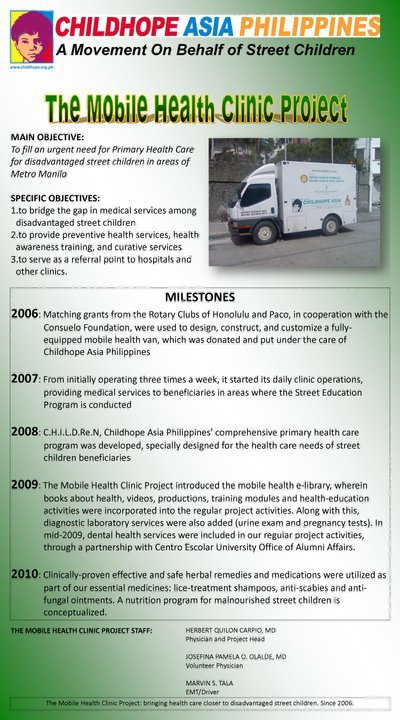
Childhope’s approach to health stays true to the Declaration of Alma Ata, which defines health as the “complete physical, mental, and social wellbeing, and not merely the absence of disease or infirmity.” The Mobile Health Clinic played a vital role in ensuring that Childhope’s street children beneficiaries had access to health services, ensuring that they are healthy enough to attend formal and non-formal education. However, the impact of the other social determinants of health clearly demonstrated that the Mobile Health Clinic cannot stand alone in ensuring the health and wellbeing of our beneficiaries. Through Childhope’s Street Educators, our beneficiaries learned basic knowledge and skills, including primary health care, to survive in the streets and to eventually leave the streets for a better and more productive life. They received basic education through basic literacy and numeracy classes, alternative learning system (ALS) classes, and vocational and technical skills training. Childhope’s Social Workers, on the other hand, provided psychosocial intervention that targeted problems that our street children may have had with their families, the community, the school, and with the law. With the three main arms of Childhope’s Street Education Program working hand in hand, our street children beneficiaries were ensured a fighting chance to become respected and responsible members of the society now and in the future.
The major challenge Childhope faced in the implementation of the Mobile Health Clinic Project was the continued “rescues” or round-up operations of street dwellers by the local government. These rescues, although done regularly, were intensified during international events held in Metro Manila. Ideally, the rescued street dwellers are dropped off in processing centers and immediately reunited with their families or transferred to long-term residential facilities for proper case management. Although theoretically beneficial for street dwellers, and for street children in particular, the implementation was still far from ideal. As a result, the street children just got in and out of the center several times, disrupting Childhope’s health, education and psychosocial services they receive while under our care. To manage this problem, the Social Workers intensified their coordination with the residential centers to endorse the cases of our beneficiaries and ensure the continuity of services. For health in particular, beneficiaries with medical concerns were provided with medical assistance and regularly followed-up to safeguard their health while in the custody of residential facilities until such time that the street children are reunited with their families, or the residential facilities can fully take-over the case management.
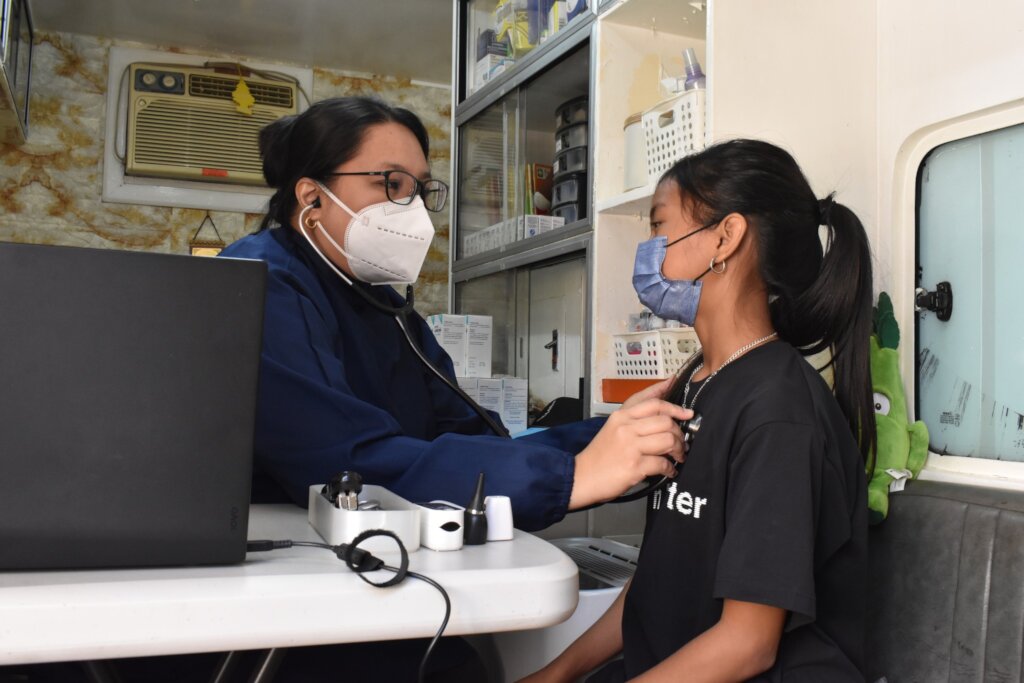
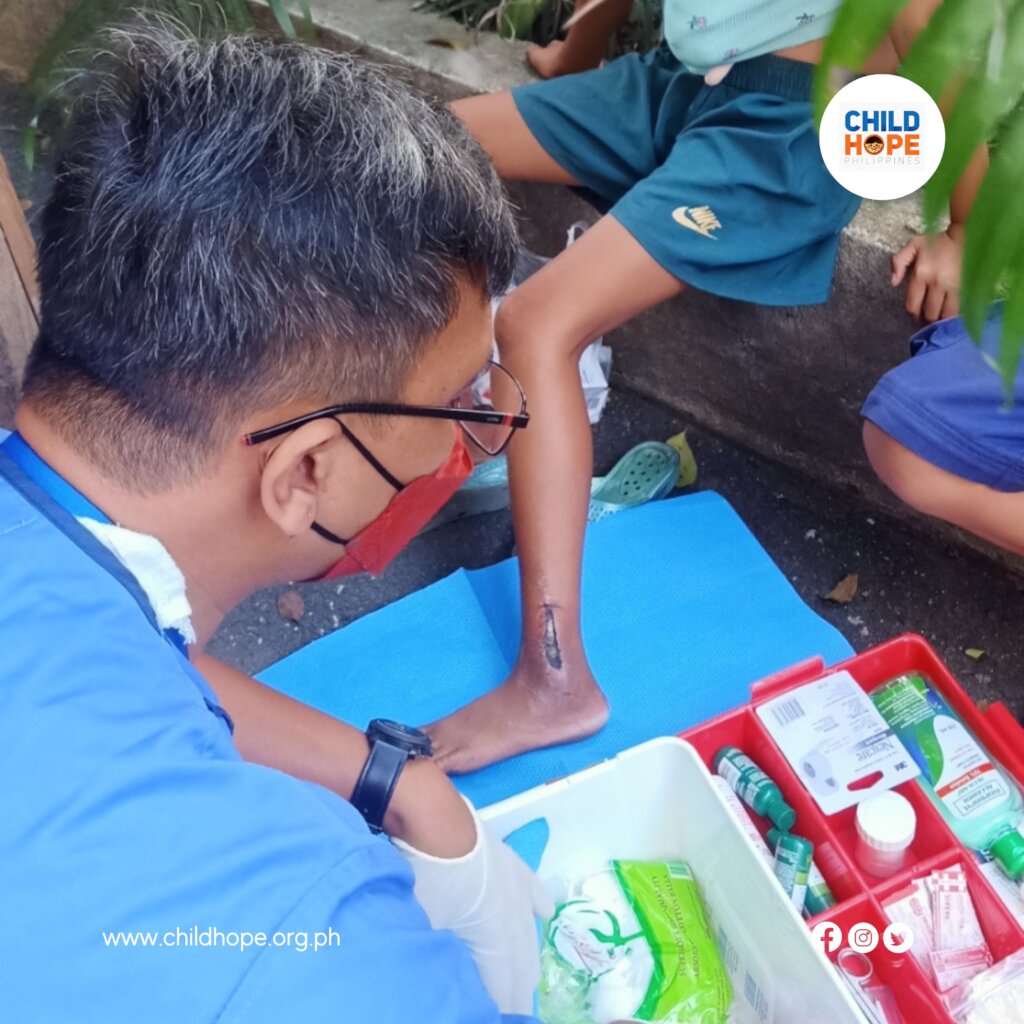
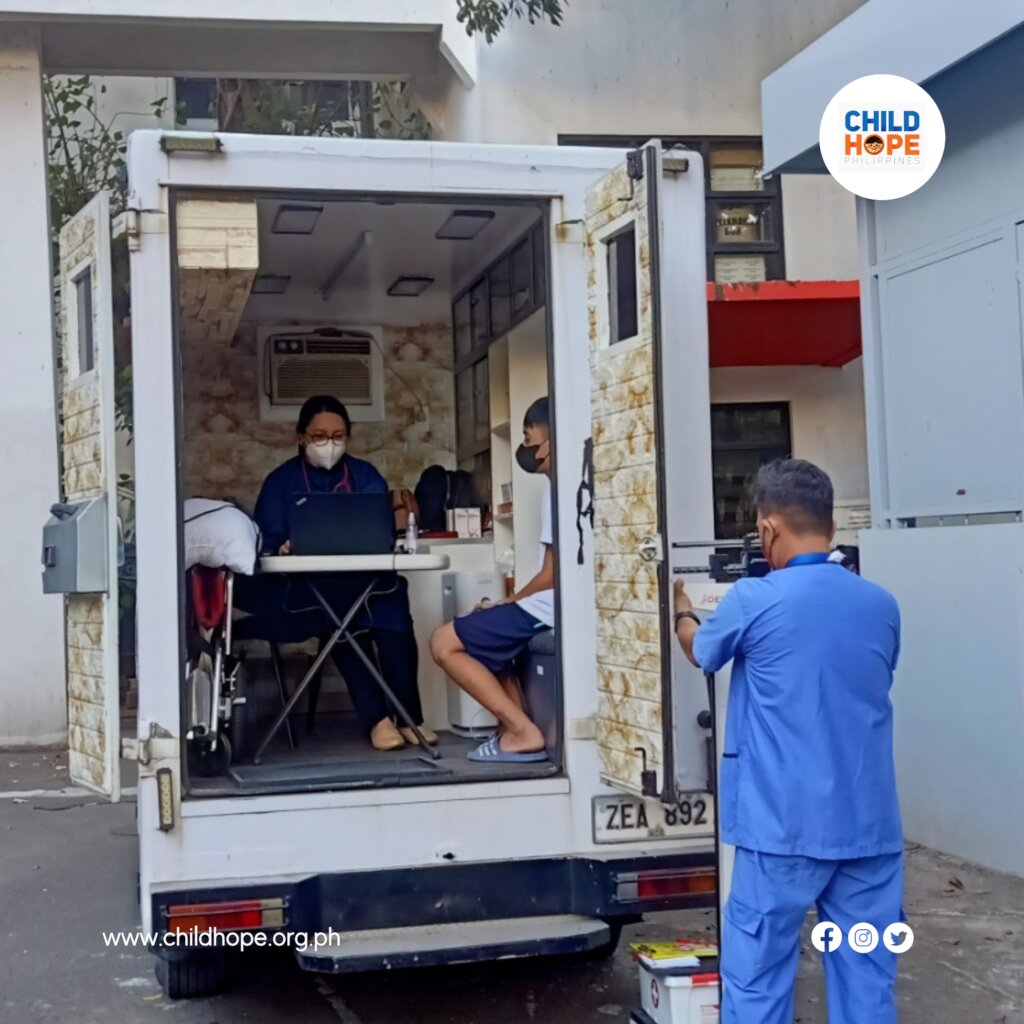
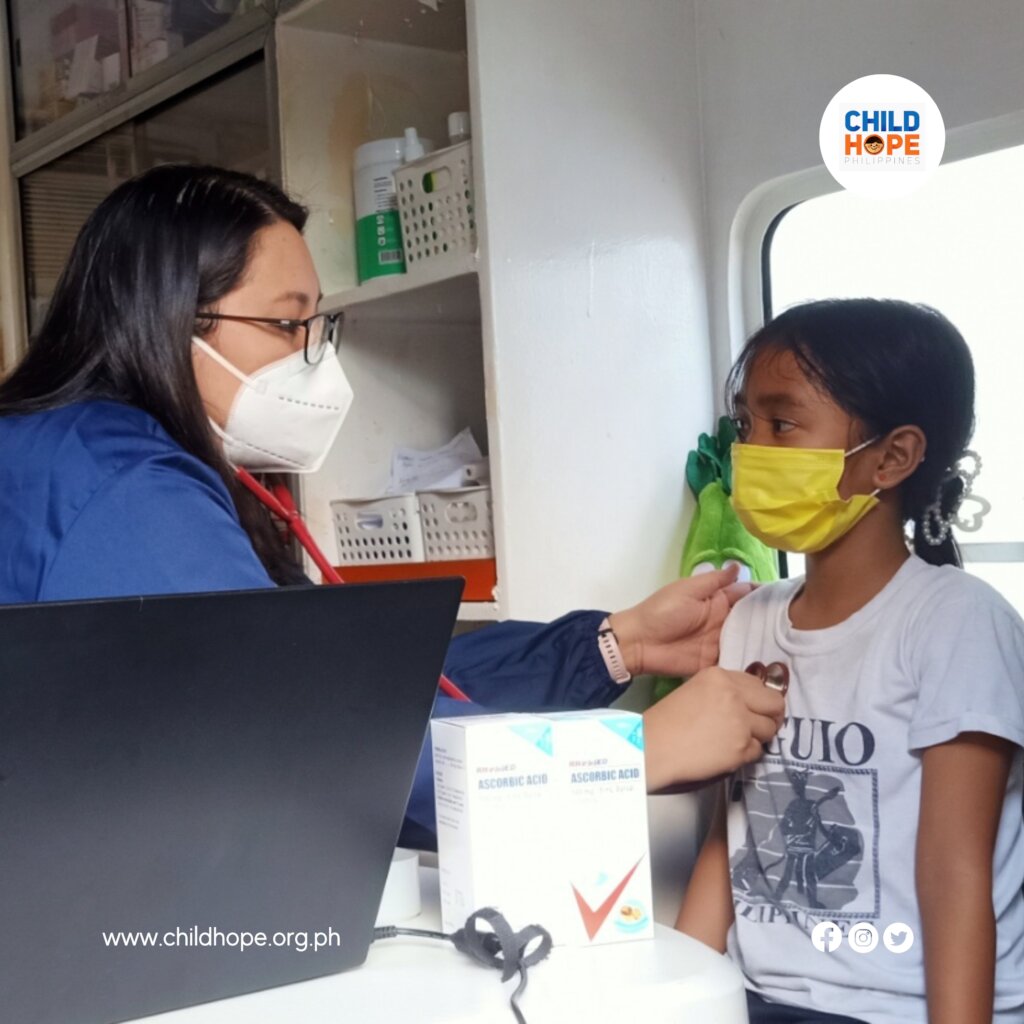
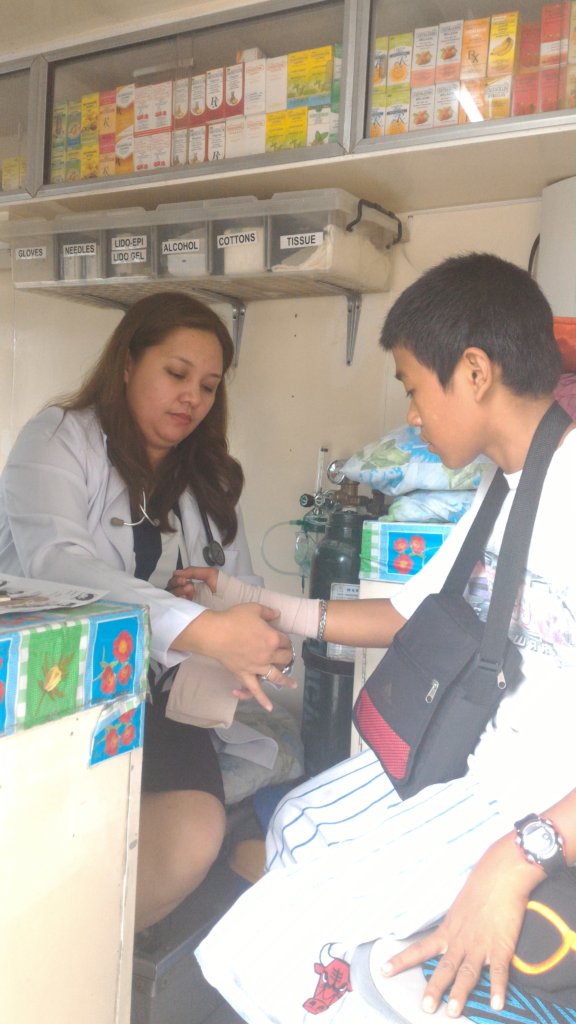
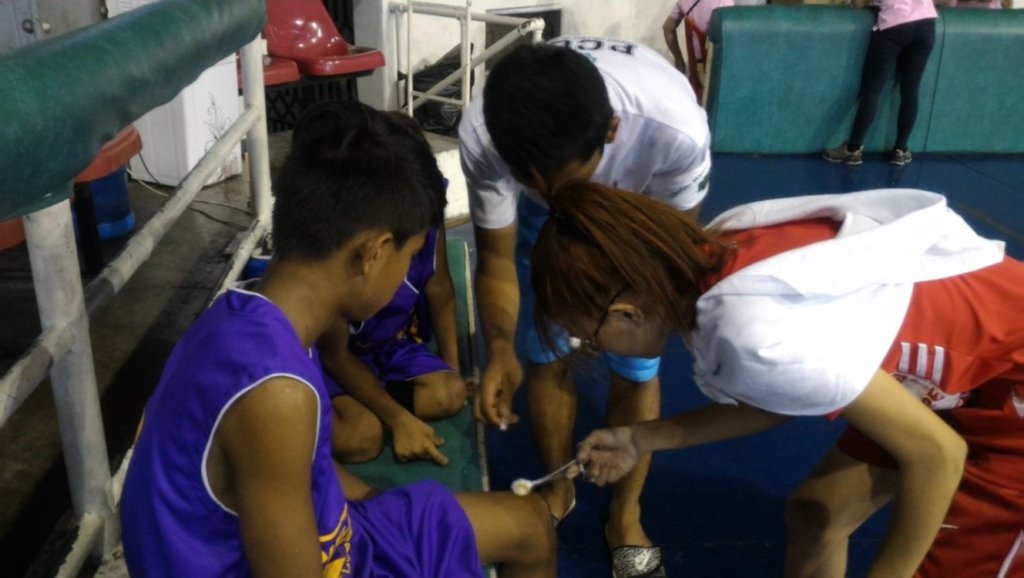
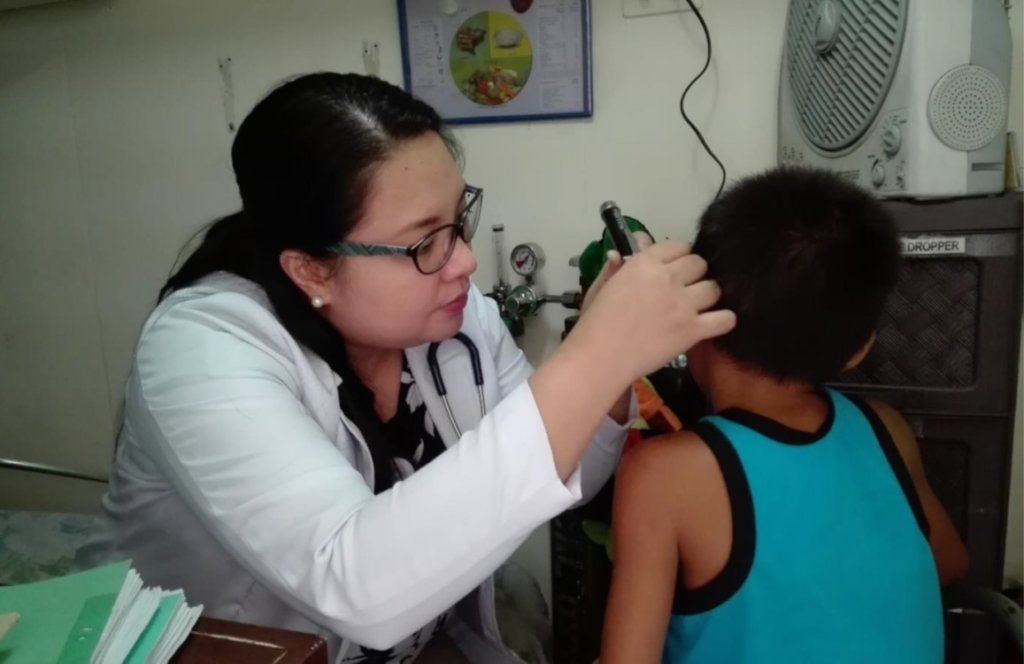
During the one-year implementation of th Mobile Health Clinic Project, one thousand one hundred and thirty four (1134) medical consultations were conducted with street children beneficiaries inside the Mobile Health Clinic. Exactly two hundred and sixty (260) of these were Well Child consults, accounting for twenty two percent of all consultations. Majority, or approximately 75%, of the children seen and examined were well-groomed, as much as their living conditions allowed them to, exhibiting good personal hygiene practices they learned through primary health care sessions with our street educators and additional health sessions by the Junior Health Workers. During medical consultations, our beneficiaries received medical assistance, such as complete course of medicines, vitamin and mineral supplements, wound care, and minor surgical procedures inside the Mobile Health Clinic, as well as diagnostic tests, consultations with specialists, and emergency referrals that were carried out by the social workers.
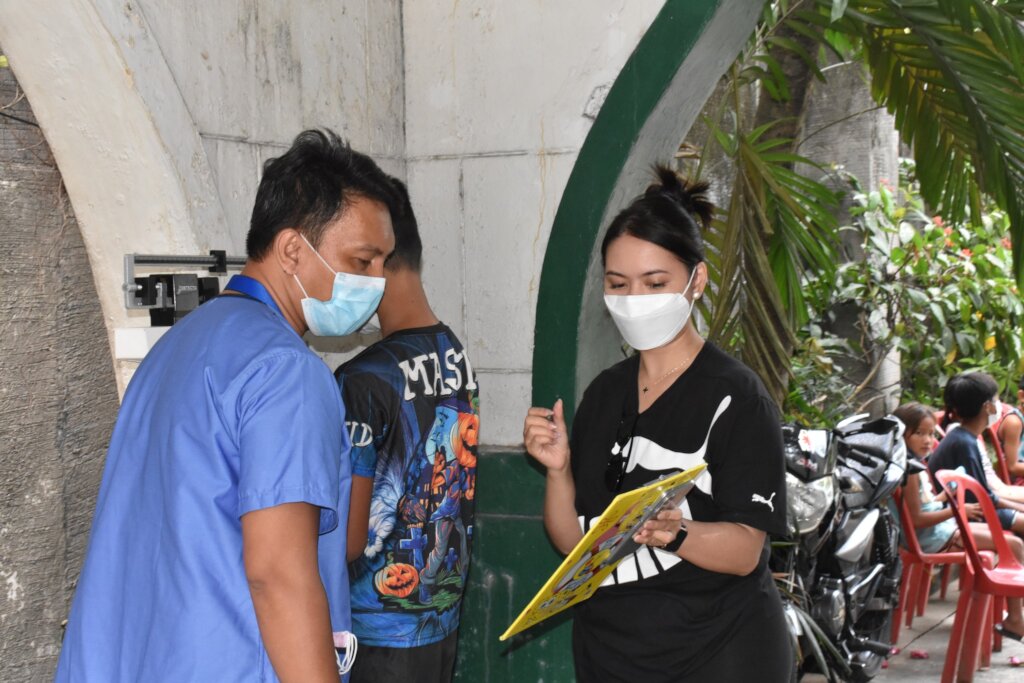
The nutritional status monitoring this year showed that eighty percent (80%) of our street children beneficiaries were within the normal range based on the World Health Organization’s Growth Standards. On the other hand, nine percent (9%) were underweight, eight percent (8%) were overweight, and three percent (3%) were obese. All our beneficiaries were advised about good food choices during one-on-one medical consultations, and were routinely given vitamin and mineral supplements to ensure that they receive the micronutrients they otherwise lack due to their limited food supply. Routine deworming was conducted in all the areas (100%) where Childhope operates to ensure that our beneficiaries do not suffer from further malnourishment due to intestinal parasites.
Several medical referrals were carried out. Thirteen (13) children underwent various diagnostic tests for further evaluation of their medical problem, and twelve (12) children were referred to medical specialists or to the emergency room. Two of the latter were referred for anti-rabies and anti-tetanus vaccination because of dogbite. Two children were brought to the Child Protection Unit due to separate incidents of mauling. An educational scholar was referred to an Ophthalmologist due to a sudden onset of blurred vision and strabismus (or being cross-eyed), and was treated for Optic Neuritis. An adolescent boy was admitted to the hospital due to difficulty of breathing, and was treated for Pulmonary Tuberculosis. A teenage girl was admitted for surgical excision a Nabothian cyst, a cyst within the genital tract. Four children were referred to an Optometrist due to blurring of vision, and were subsequently provided with corrective eyeglasses. Lasty, a boy was referred to the emergency room for probable leg fracture, but was cleared of it by the attending Orthopedic Surgeon. Unfortunately, one child refused to undergo the needed diagnostic tests despite repeated counselling, but the social worker in charge of him is exploring other options for care.
The Junior Health Workers were instrumental in multiplying the number of beneficiaries provided with health services. The JHWs provided first aid and wound care one thousand one hundred and fifteen times (1115) to their fellow street children and other members of their respectve communities, assisted three hundred and thirty five (335) children in personal grooming, and conducted one-on-one health sessions regularly to a total of four hundred and twenty nine (429) beneficiaries.
It is worth noting that for this year, there were no documented cases of complications, disabilities, and deaths, due to delayed treatment or medical negligence.
Project reports on GlobalGiving are posted directly to globalgiving.org by Project Leaders as they are completed, generally every 3-4 months. To protect the integrity of these documents, GlobalGiving does not alter them; therefore you may find some language or formatting issues.
If you donate to this project or have donated to this project, you can receive an email when this project posts a report. You can also subscribe for reports without donating.



Support this important cause by creating a personalized fundraising page.
Start a Fundraiser