By Fatima Reyes | Resource Mobilization Officer
Thousands of street children in Metro Manila are in dire need of medical services. The children live in unclean environments and engage in hazardous activities, making them more prone to getting sick or wounded.
More often than not, the street children remain ill and unhealthy. Their parents could not afford hospital treatment for the children. Besides, hospitals may even be too full to accommodate them.
It seems the problem is getting worse by the day. But a group of young health advocates from the streets, albeit a small one, are trying to help their little companions in protecting themselves against disease.
Mobile Health Clinic
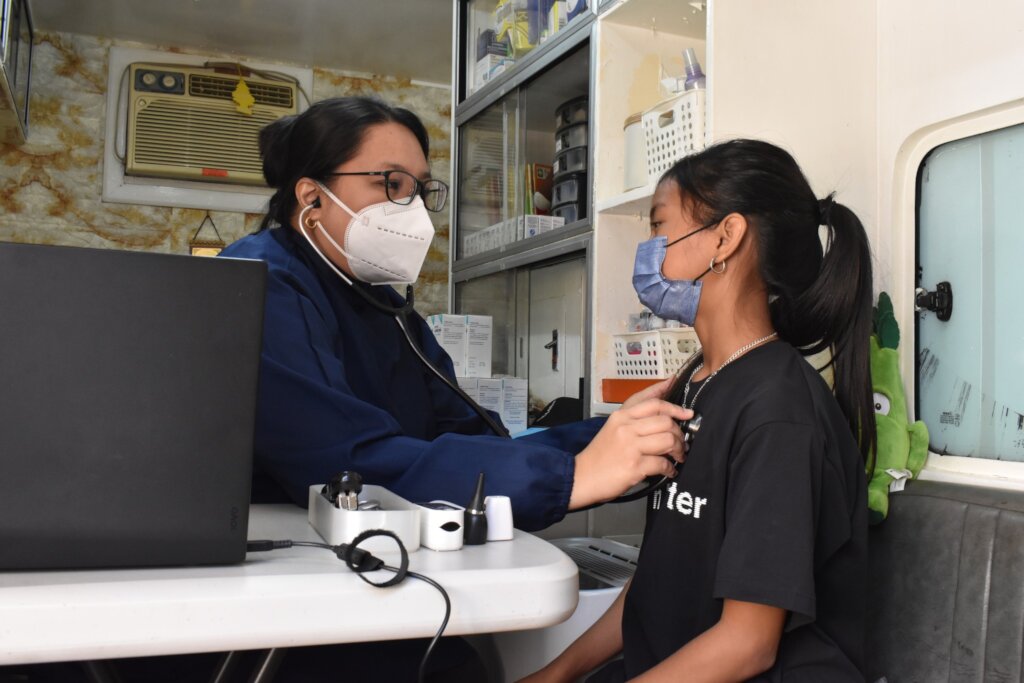
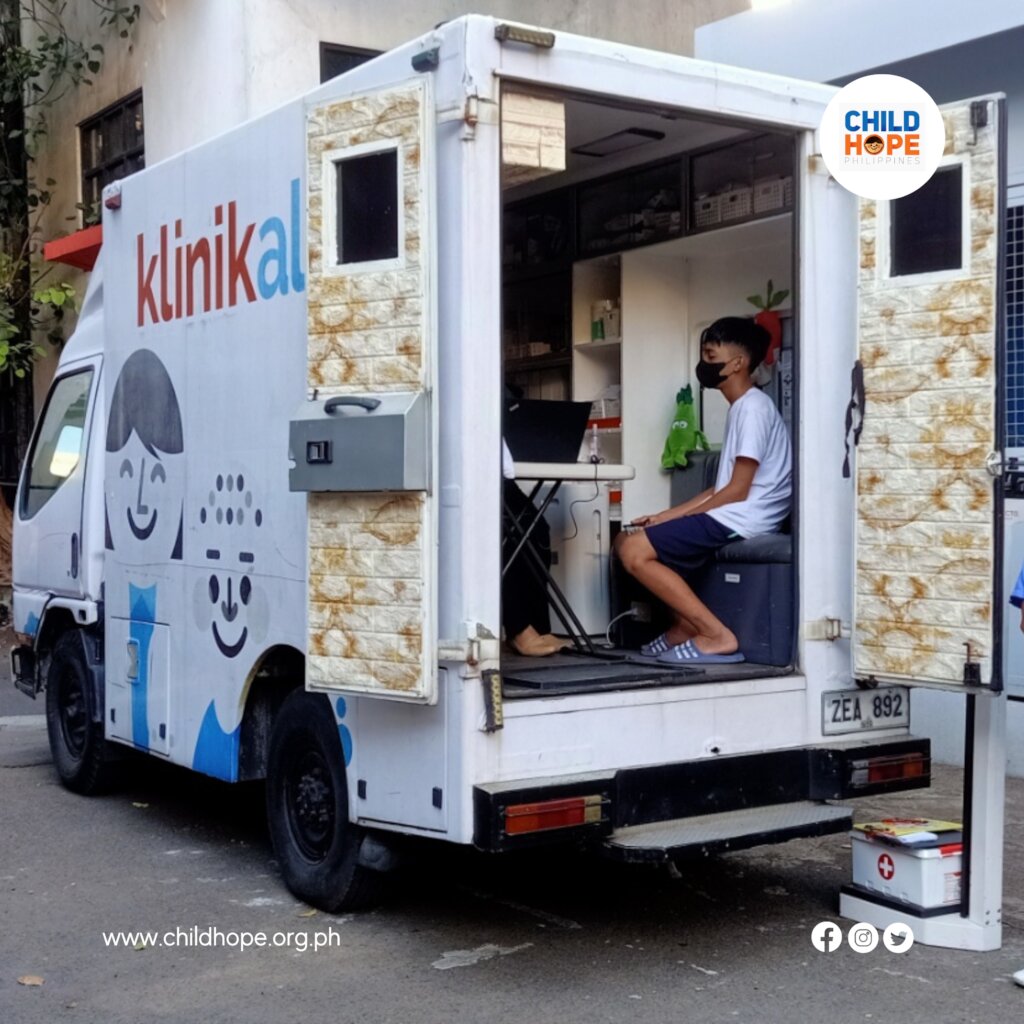
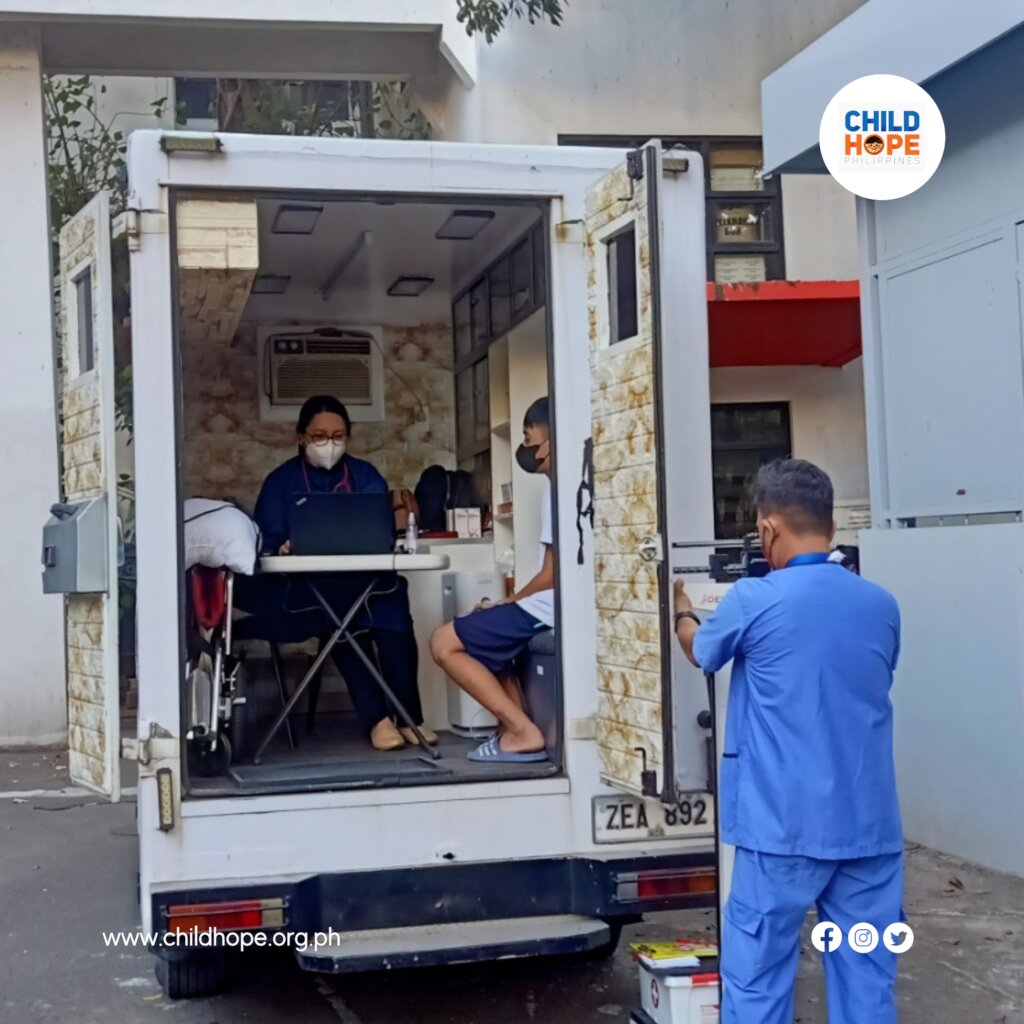
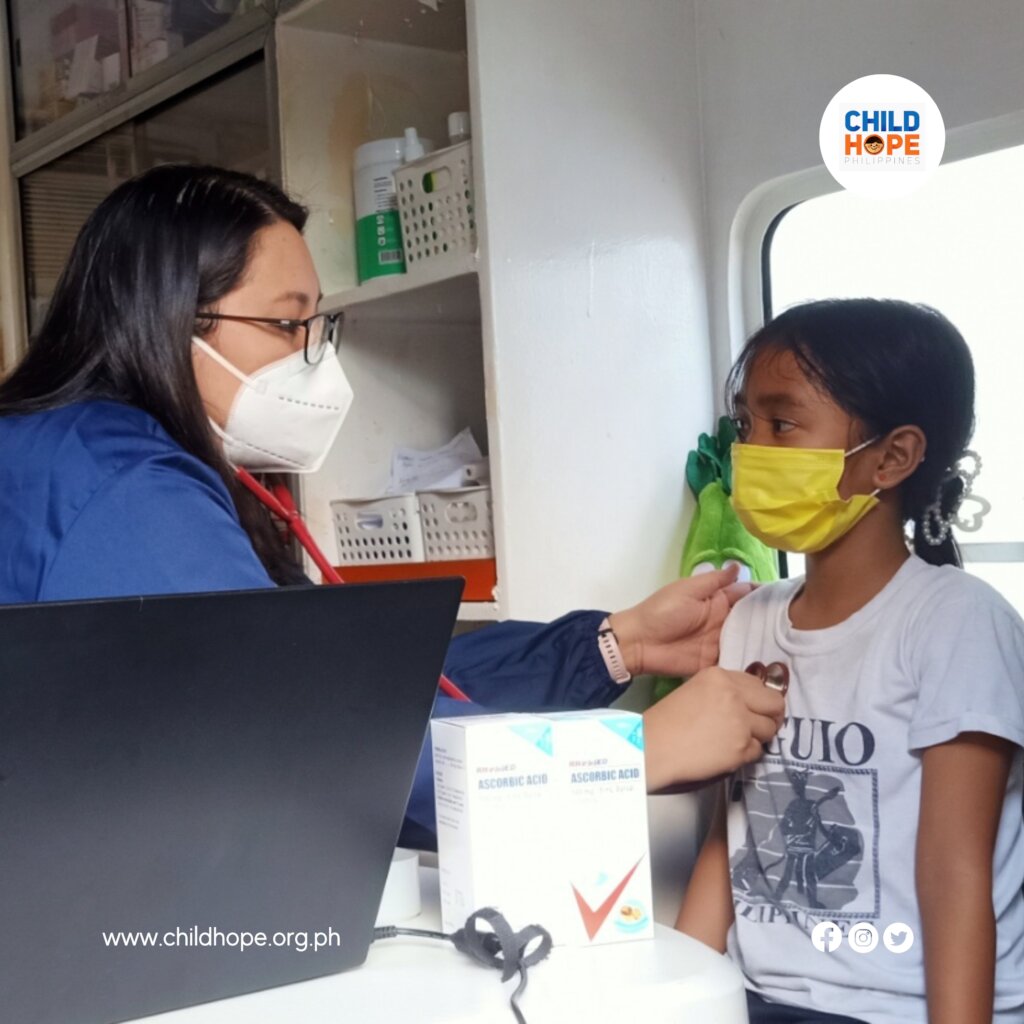
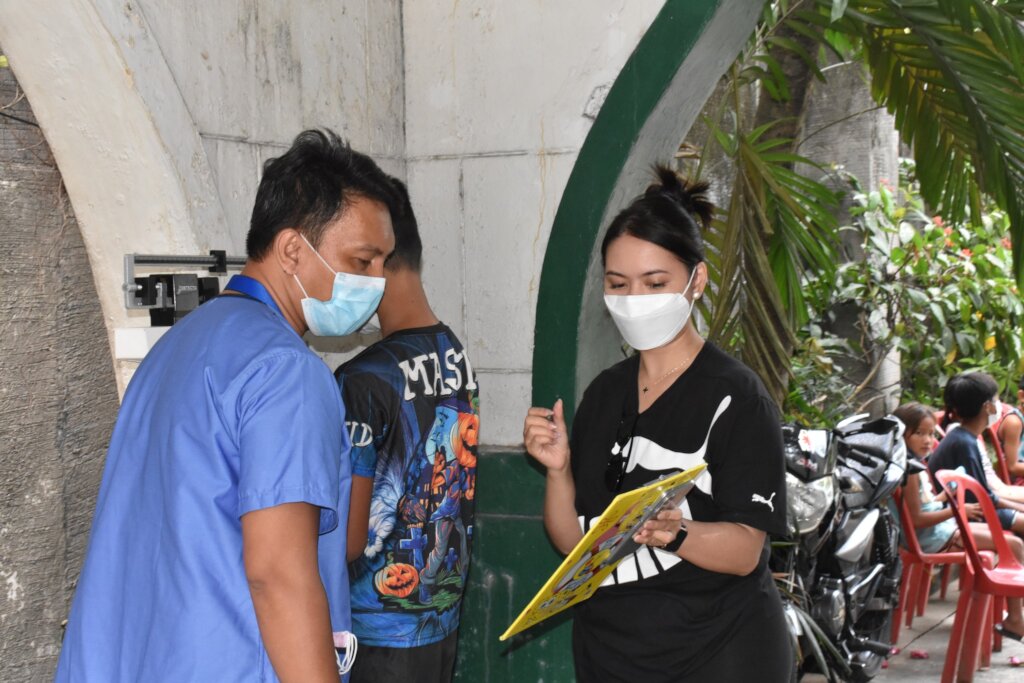
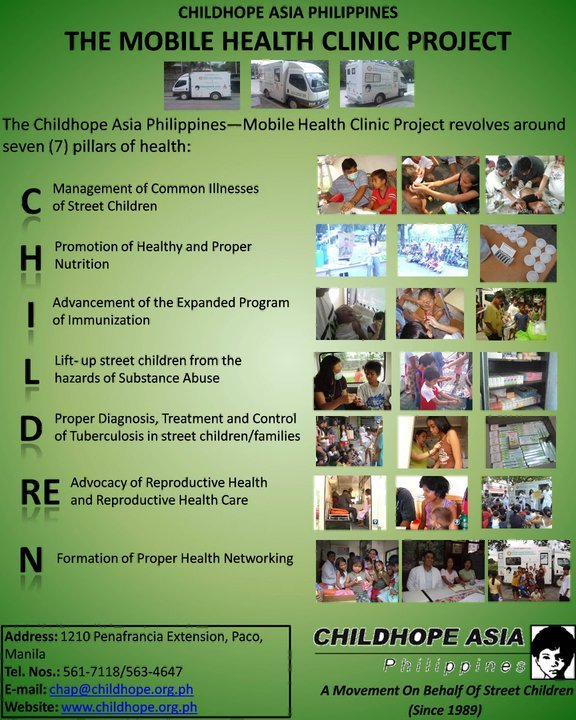
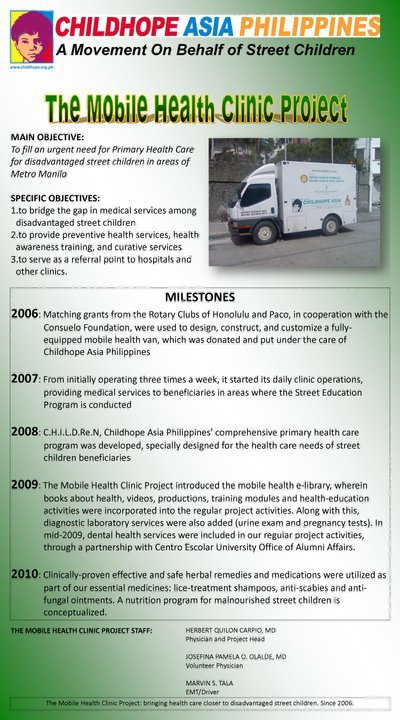
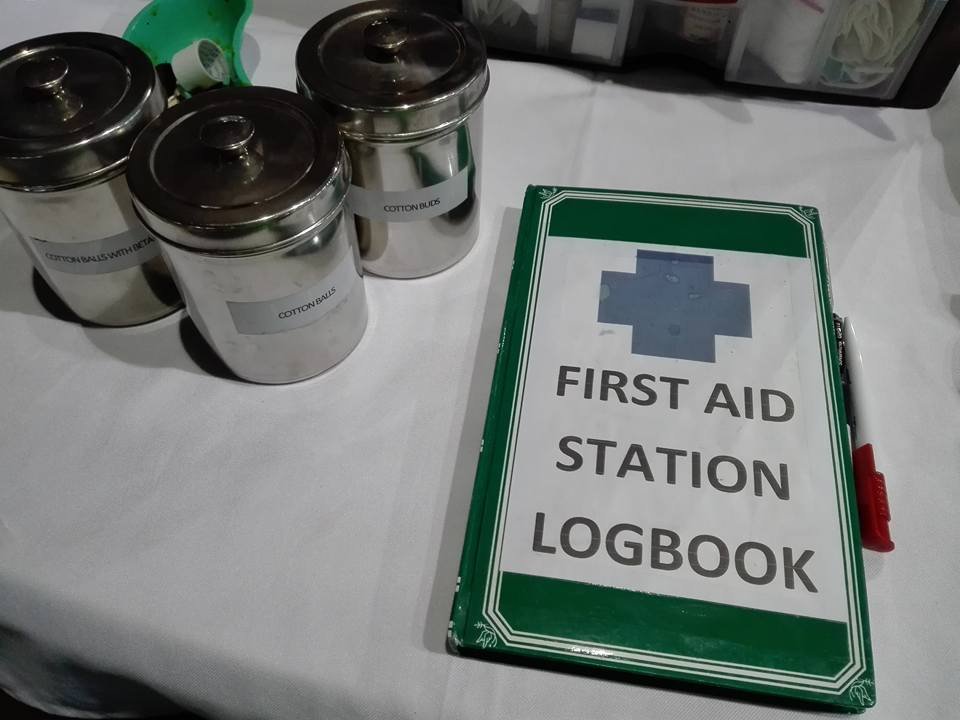
In 2016, around 58 street children Junior Health Workers of Childhope were actively engaged in reaching the targets of the Mobile Health Clinic project. Under the project, a team of doctor, junior health workers, and volunteers reach out to street children and their families and provide health care and medical services for free.
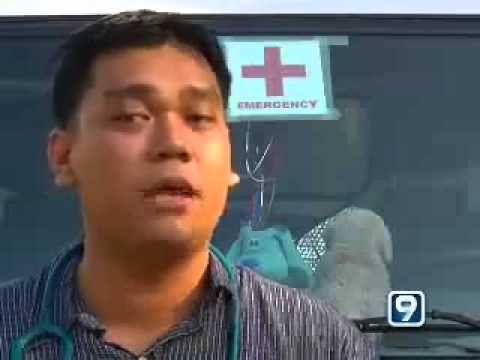
“Last year, we were able to help around one thousand two hundred and thirty eight street children in around 10 areas in Metro Manila. Most of the children examined were from the 11 to 17 years old age bracket, followed by the 7 to 10 years old age bracket,” said Dr. Josefina Pamela Carpio, head physician of Childhope Philippines.
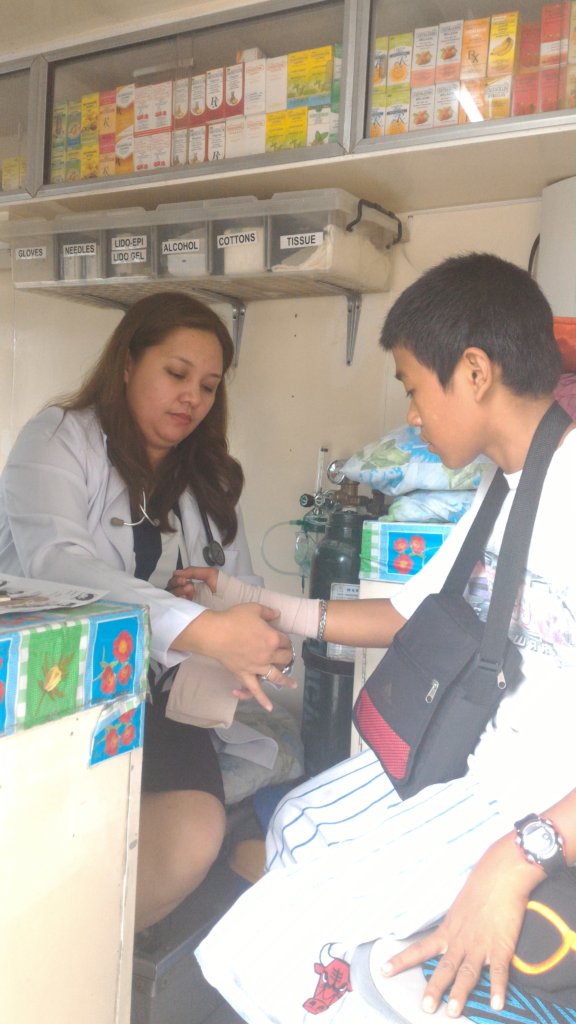
“Most of the children suffered from upper respiratory tract infections, dental caries, wounds, systemic viral illness, and allergic rhinitis. The diseases are primarily attributable to the street children’s environment and lifestyle,” Dr. Carpio said.
Junior Health Workers
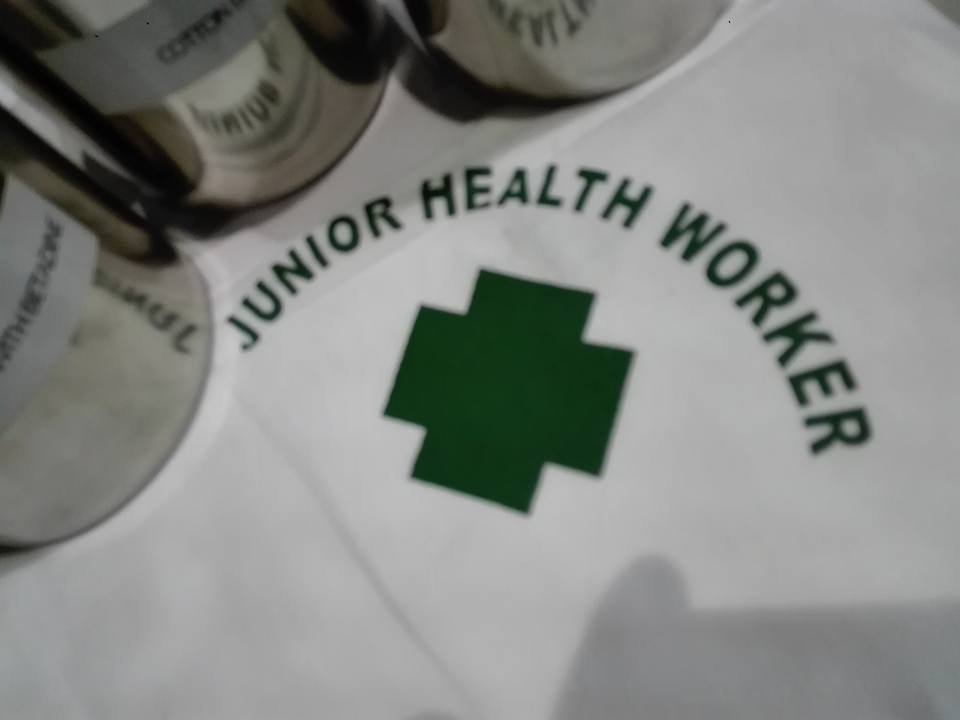
Childhope believes that training street children to be junior health workers is the best way to empower them and protect them. Moreover, children are able to relate more with their fellow children and learn more comfortably.
“The Junior Health Workers’ presence in various areas lead to greater availability of first aid and primary care services, as well as better compliance to treatment protocols, especially among the sick, abandoned, and neglected street children,” said Dr. Carpio.
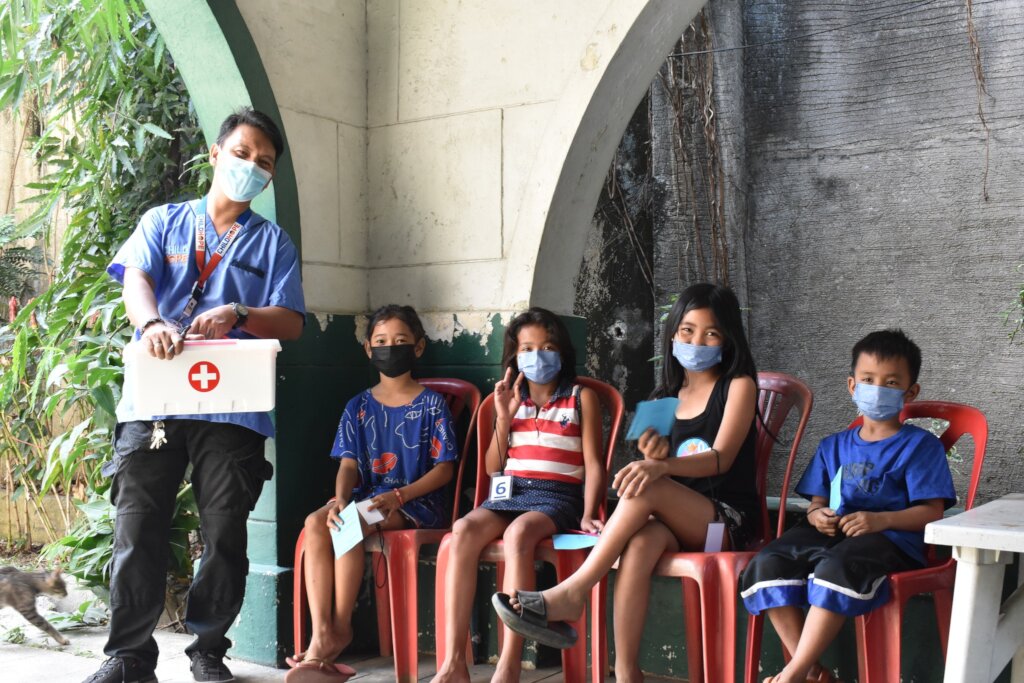
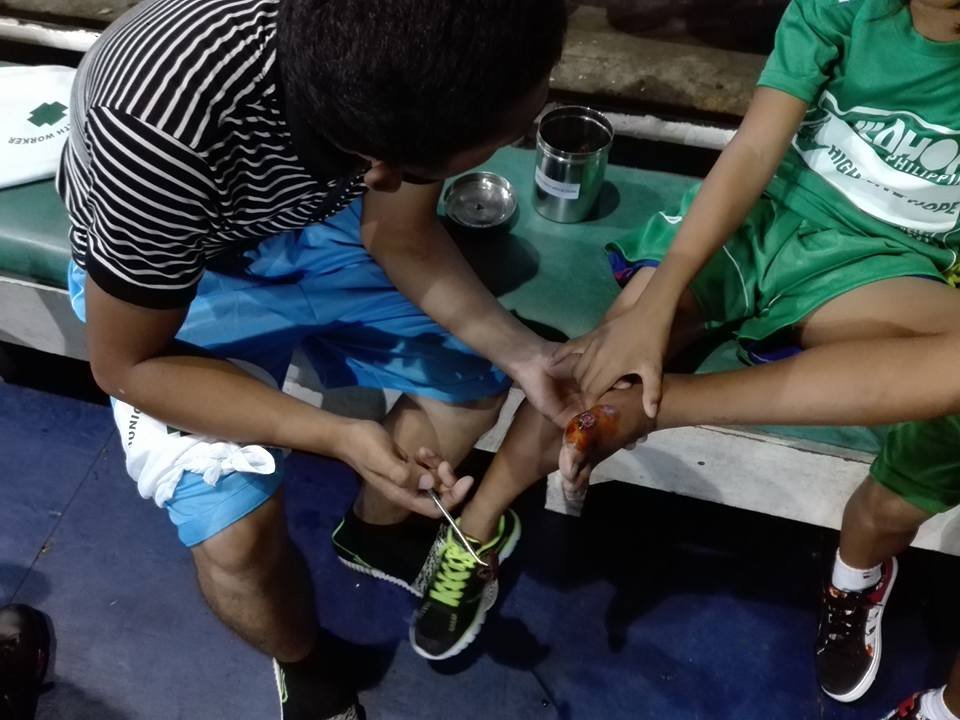
Being a junior health worker is not as easy as anyone may think. The street children go through rigorous screening process, training, and workshops. The sessions during trainings include pointers on leadership, effective communication, first-aid, and disaster preparedness. JHWs also attend various activities of Childhope to provide first aid and to assist the staff in organizing their fellow street children.
Healthy environment, lifestyle for street children
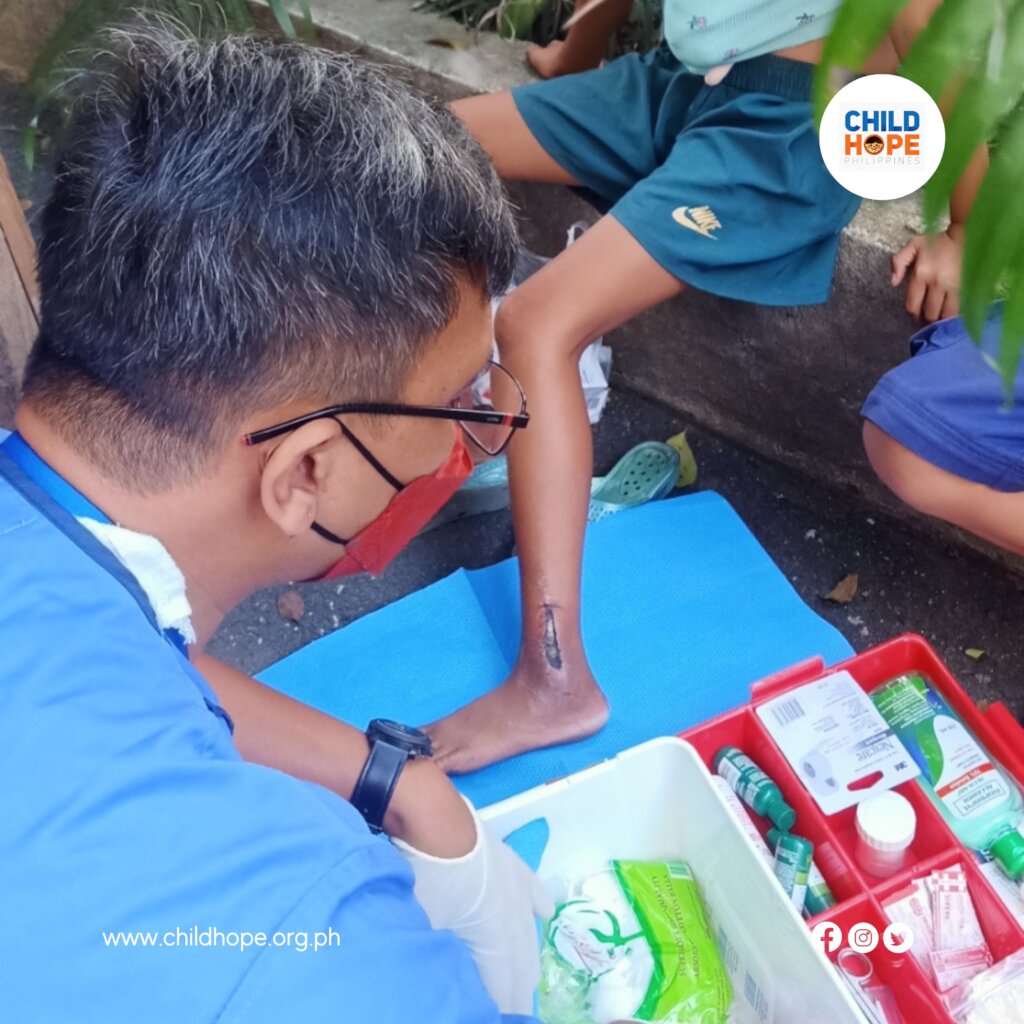
More than their tasks, the Junior Health Workers take their mission to heart. For the young advocates, being able to help treat the wounds of their fellow street children, and teach them the basics of proper hygiene and health care goes a long way in empowering and protecting them.
“I get happy and humbled at the same time when the street children thank me whenever I am able to treat their wounds, or give them health tips. I feel like a little doctor,” Mary, one of Childhope’s junior health workers, said.
Mary has been a Childhope Junior Health Worker since 2009. The 17 year old continues to pursue her dreams. She is passionate about advocating for child rights and well-being, and hopes to continue taking care of street children the best way she can.
Links:
Project reports on GlobalGiving are posted directly to globalgiving.org by Project Leaders as they are completed, generally every 3-4 months. To protect the integrity of these documents, GlobalGiving does not alter them; therefore you may find some language or formatting issues.
If you donate to this project or have donated to this project, you can receive an email when this project posts a report. You can also subscribe for reports without donating.



Support this important cause by creating a personalized fundraising page.
Start a Fundraiser