Thousands of People Displaced by Floods in Burundi
Special Project Report
By Save life make difference
Executive Summary
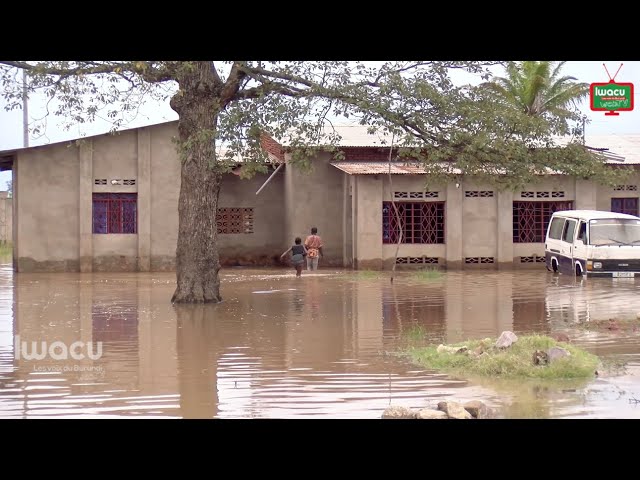
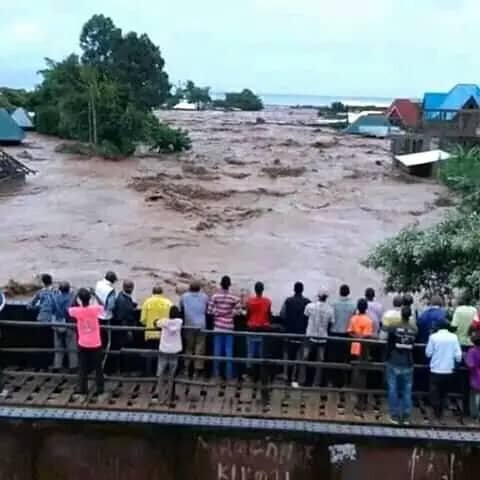
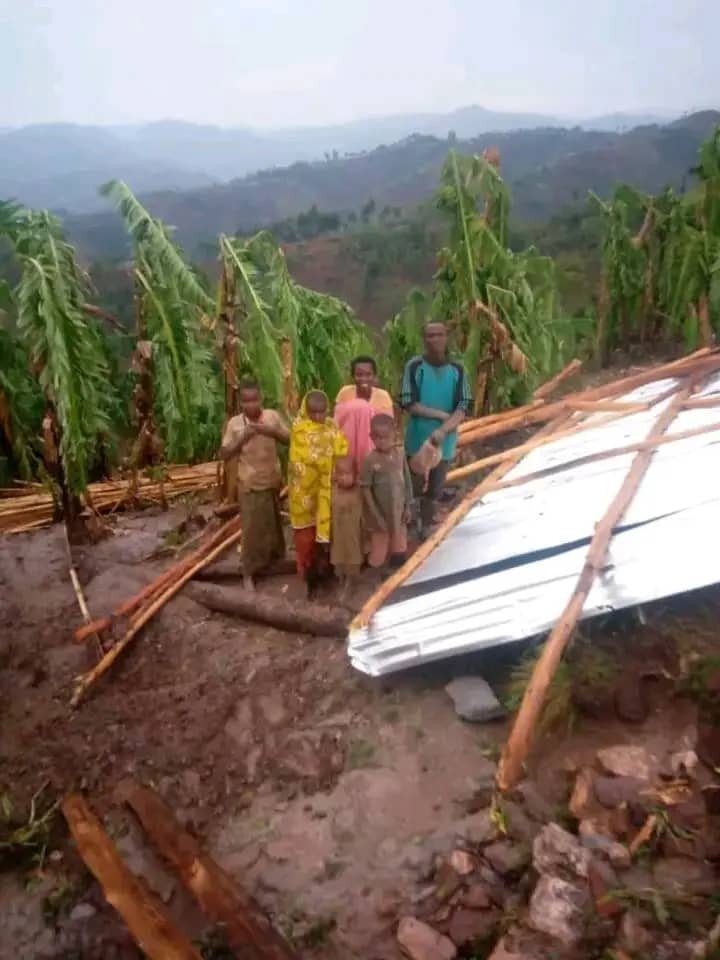
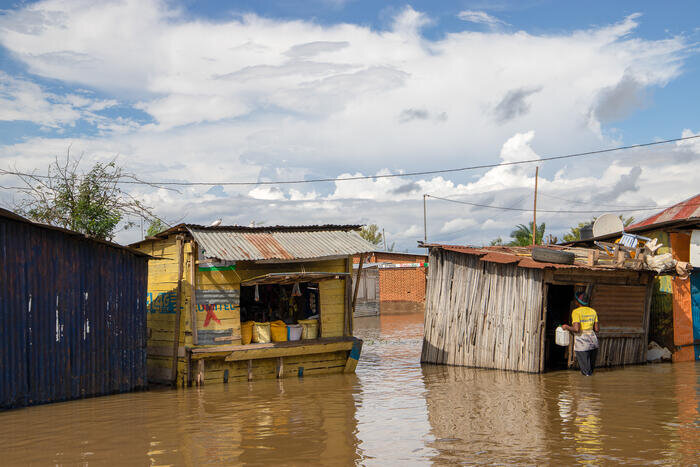
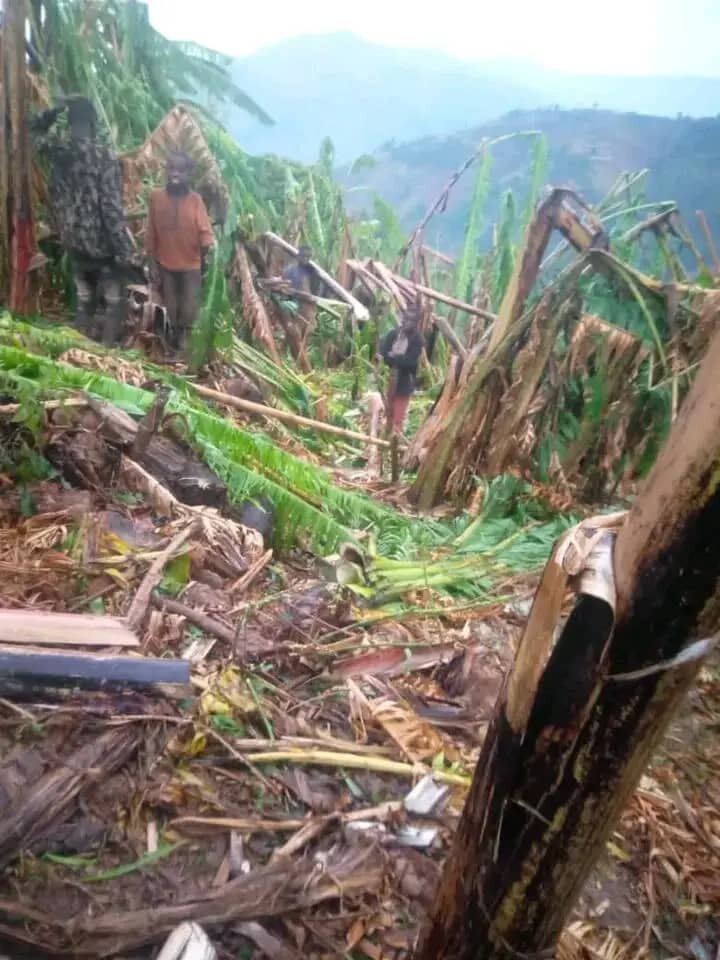
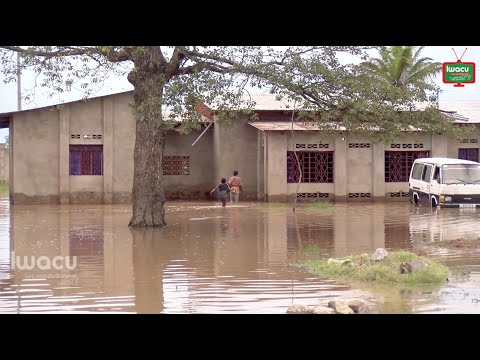
Severe flooding caused by heavy seasonal rains has devastated several communities in Burundi, particularly in the rural area of Gatumba. More than 10,000 people have been displaced, leaving thousands of families without homes, food, clean water, healthcare, and livelihoods. Vulnerable groups including women, children, elderly persons, and people with disabilities are facing extremely difficult humanitarian conditions.
Save life make difference is implementing an emergency humanitarian response project aimed at supporting flood-affected families through emergency shelter assistance, food distribution, hygiene promotion, healthcare support, psychosocial assistance, and livelihood recovery programs.
The project seeks to mobilize $100,000 to provide immediate lifesaving assistance and support long-term recovery efforts for displaced and vulnerable populations in Burundi.
Background and Situation Analysis
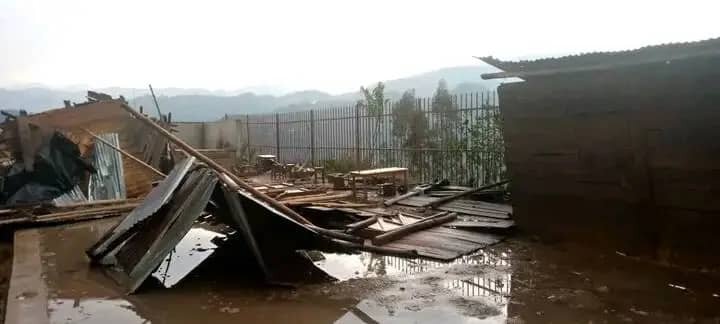
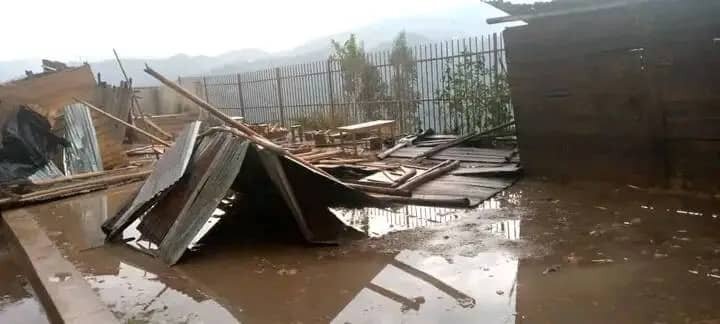
Heavy rainfall and flooding in Burundi have caused widespread destruction across affected communities. The floods have submerged homes, destroyed roads, damaged schools and healthcare facilities, and washed away crops and livestock that families depend on for survival.
Many displaced families are currently living in overcrowded schools, churches, and temporary roadside shelters with very limited access to sanitation facilities, clean drinking water, and medical services. The disaster has increased the risk of waterborne diseases, malnutrition, child protection concerns, and gender-based violence.
Climate change continues to intensify the frequency and severity of natural disasters in Burundi, making already vulnerable communities more exposed to humanitarian crises and poverty.
Problem Statement
Flood-affected populations in Burundi urgently require humanitarian support to survive and recover from the devastating impacts of flooding. Thousands of internally displaced persons are living in unsafe and unhealthy conditions without sufficient food, shelter, healthcare, or livelihood opportunities.
Without immediate intervention:
Families will continue facing hunger and malnutrition
Disease outbreaks may increase due to poor sanitation
Children may lose access to education
Vulnerable households may fall deeper into poverty
Community resilience against future climate disasters will remain weak
Project Goal
To provide emergency relief and recovery assistance to flood-affected and displaced populations in Burundi while strengthening community resilience against future climate-related disasters.
Project Objectives
Provide emergency humanitarian assistance to displaced families.
Improve access to safe shelter, food, water, and sanitation services.
Support healthcare and psychosocial wellbeing of affected populations.
Restore livelihoods and strengthen economic recovery for vulnerable households.
Promote disaster preparedness and climate resilience within local communities.
Target Beneficiaries
The project will directly support:
More than 10,000 displaced persons
Women and children in vulnerable situations
Elderly people and persons with disabilities
Flood-affected farmers and small business owners
Host communities supporting displaced families
Project Activities
1. Emergency Relief Distribution
Distribution of food supplies
Provision of clean drinking water
Distribution of hygiene kits and dignity kits
Supply of blankets, mattresses, and mosquito nets
2. Shelter and Protection Support
Construction of temporary shelters
Rehabilitation of damaged homes
Protection services for women and children
Establishment of safe community spaces
3. Health and Sanitation Support
Mobile healthcare outreach services
Distribution of essential medicines
Hygiene awareness campaigns
Installation of emergency sanitation facilities
4. Livelihood Recovery
Agricultural seed distribution
Support for small income-generating activities
Vocational training for affected households
Livestock recovery support
5. Disaster Risk Reduction and Climate Resilience
Community disaster preparedness training
Flood risk awareness campaigns
Environmental protection and tree planting activities
Early warning and response capacity strengthening
Expected Results
By the end of the project:
Thousands of displaced families will receive lifesaving humanitarian assistance
Improved access to food, shelter, water, and healthcare services
Reduced health risks and improved sanitation conditions
Vulnerable households will begin restoring livelihoods
Communities will become more resilient to future climate disasters
Project Budget Summary
Activity
Estimated Cost (USD)
Emergency Food Assistance
$25,000
Shelter and Non-Food Items
$20,000
Water, Sanitation and Hygiene
$15,000
Healthcare Support
$12,000
Livelihood Recovery Programs
$18,000
Disaster Preparedness Activities
$5,000
Project Coordination and Monitoring
$5,000
Total Budget
$100,000
Sustainability Plan
The project will work closely with local authorities, community leaders, and volunteers to ensure sustainable recovery and resilience-building efforts. Training and capacity-building activities will empower communities to better prepare for and respond to future disasters.
Livelihood support programs will help families regain financial independence and reduce long-term dependency on humanitarian assistance.
Monitoring and Evaluation
The project team will conduct:
Regular field monitoring visits
Beneficiary feedback assessments
Financial accountability reviews
Impact evaluations and progress reporting
Transparent reporting mechanisms will ensure accountability to donors, partners, and beneficiaries.
Organization Information
Save life make difference
Location: Bujumbura
Project Leader: Kaneza Mireille
Website: savelifemakedifference.com
Conclusion
The floods in Burundi have created a severe humanitarian emergency affecting thousands of vulnerable people who urgently need assistance. Through this project, Save life make difference seeks to provide immediate relief while supporting long-term recovery and resilience for affected communities.
Support from donors and humanitarian partners will help save lives, restore dignity, and rebuild hope for families devastated by floods in Burundi.
![Share on Twitter]()
![Share on Facebook]()