By OLIVIER C | Project Leader
Save Life Make Difference
SALIMADI
BUJUMBURA BURUNDI
savelifemakedifference@hotmail.com
71452396
Sub: Project report Thousands of people displaced by floods in Burundi
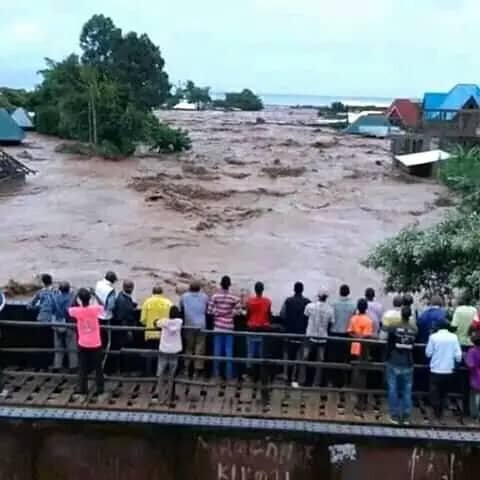
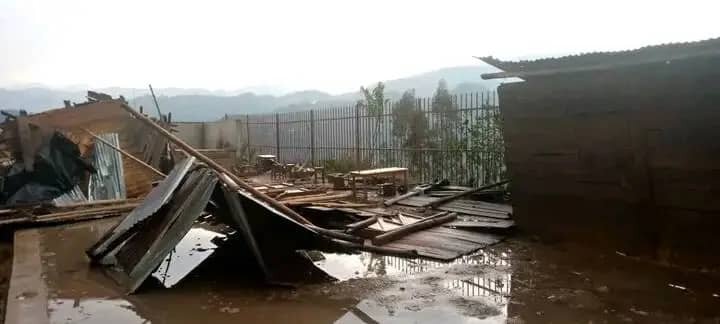
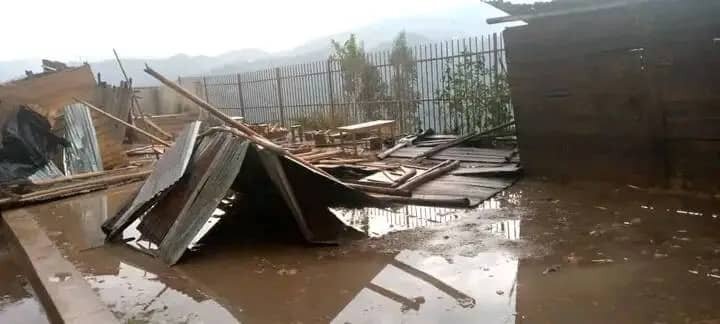
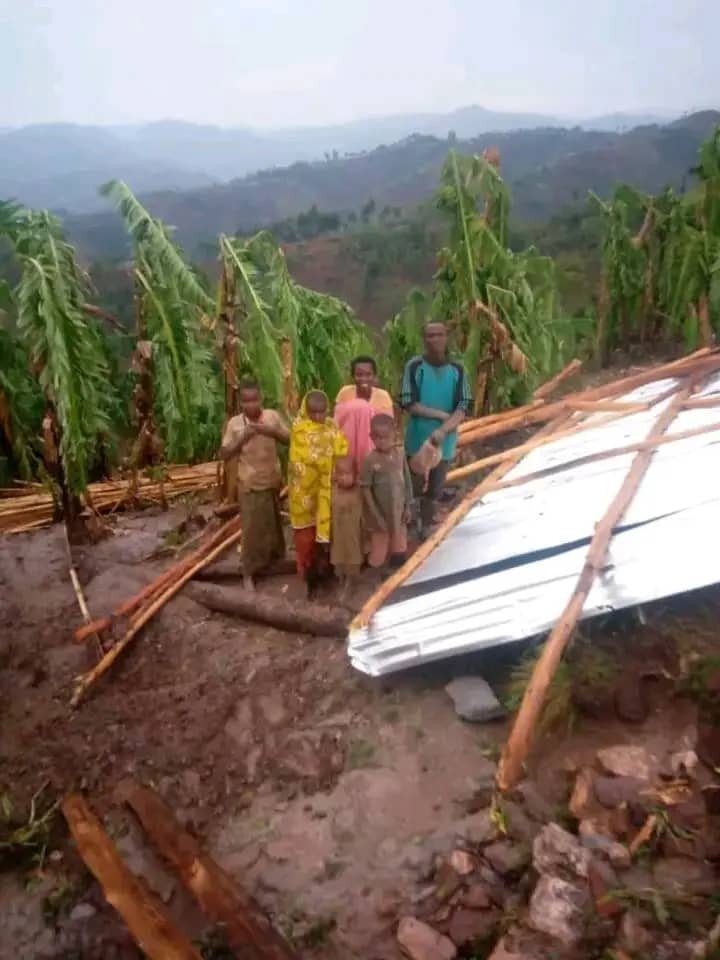
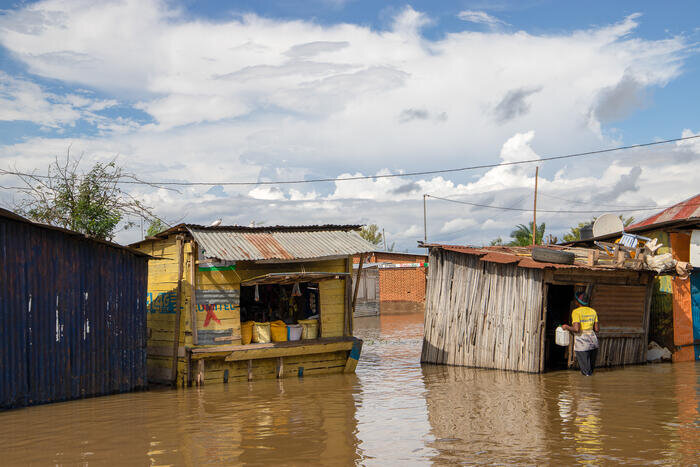
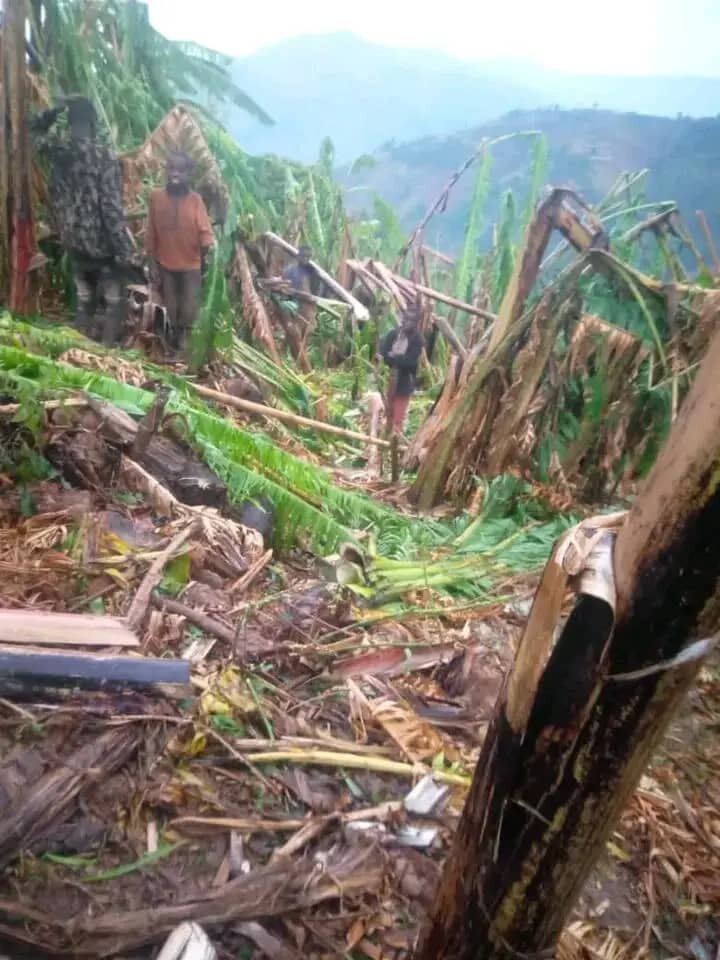
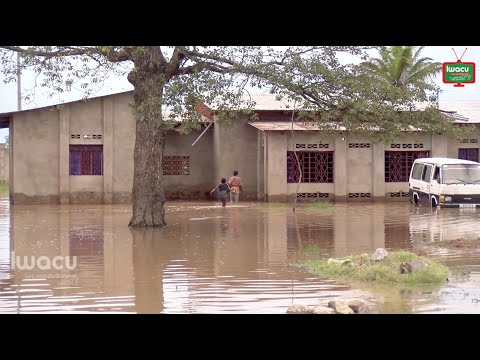
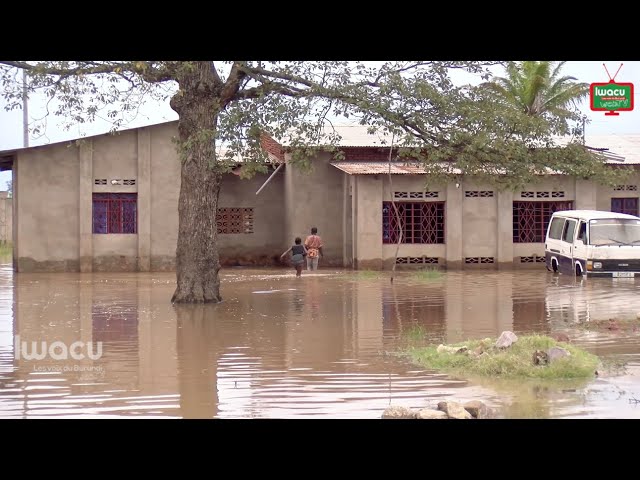
Thousands of people in Burundi have been displaced by recent floods, exacerbated by the El Niño weather phenomenon. The heavy rains have led to flooding and landslides, destroying homes, crops, and infrastructure. Affected individuals are seeking shelter in schools, churches, or makeshift camps,
Recent heavy rainfall in Burundi and surrounding East African countries, exacerbated by climate change and the El Niño weather pattern, has caused devastating floods that displaced hundreds of thousands of people in 2024 and 2025. The flooding and rising water levels of Lake Tanganyika have led to widespread destruction of homes, infrastructure, and livelihoods.
displacement from flooding
Persistent threat: Flooding has been a persistent and growing problem in Burundi for several years, with heavy rains becoming more common due to climate change.
Most affected areas: Provinces bordering Lake Tanganyika, such as Bujumbura Rural, Makamba, and Rumonge, have been particularly hard-hit by rising lake levels that have engulfed entire neighborhoods.
Humanitarian crisis: Flooding has deepened Burundi's existing humanitarian crisis, which is complicated by factors such as poverty, disease outbreaks, and influxes of refugees from the Democratic Republic of the Congo (DRC).
Timeline of key events and displacement figures
Date Event Affected People Displaced Persons (IDPs) Details Sources
April 2024 Unprecedented rains and rising Lake Tanganyika levels cause massive flooding across East Africa. 179,000+ (in Burundi) 31,200 (in Burundi) Torrents caused extensive damage to houses, schools, and crops, submerging homes and causing some facilities to close.
September 2024 ReliefWeb reports a significant number of households remain affected and displaced by the floods. ~500,000 (total people affected) 47,547 (displaced by floods/destroyed homes) An unprecedented rise in Lake Tanganyika forced families in coastal areas to evacuate. Vulnerable women and girls faced safety risks in displacement sites.
January-March 2025 Climate-related shocks continue to impact Burundi, primarily affecting provinces in the north. 69,430 2,144 The International Organization for Migration (IOM) documented ongoing weather-related displacement during this period.
Mid-2025 Heavy rainfall and ongoing lake level increases continue to displace families, many of whom have been displaced multiple times in recent years. Tens of thousands Not specified The town of Gatumba remains heavily impacted, with residents adapting to near-constant flooding.
Consequences and response
The flooding has led to severe consequences and urgent humanitarian needs in Burundi:
Food security: Floods have destroyed crops and farmland, worsening food insecurity and malnutrition in a country that is heavily dependent on rain-fed agriculture.
Health crisis: Sanitation systems have been overwhelmed, increasing the risk of waterborne diseases like cholera and dysentery. The health crisis is compounded by outbreaks of other diseases, such as monkeypox.
Protection risks: The humanitarian situation is particularly dire for women and girls in displacement camps who face heightened risks of gender-based violence and a lack of access to healthcare.
Humanitarian organizations, including IOM, UNHCR, and UNOCHA, have been providing assistance. However, funding shortfalls and security issues have hampered the response effort, leaving many without the support they need. facing challenges with access to food, clothing, and clean water, and prompting government and UN appeals for financial and humanitarian assistance.
Displacement and affected population: The El Niño weather phenomenon has worsened heavy, near-uninterrupted rains, with one report citing over 239,700 people affected and 36,900 displaced in a May 2024 update. Earlier reports from late 2023 also cited significant displacement, with one noting over 96,000 internally displaced people.
Impact: Floods have destroyed homes, livelihoods, and crops, leaving many vulnerable. People have been forced to seek shelter in crowded conditions in schools, churches, or improvised roadside shelters.
Humanitarian situation: Displaced populations are facing a lack of food, clothing, and clean water. There is a heightened risk of waterborne diseases, and some host communities are experiencing strained resources.
Response: The government of Burundi has appealed for financial assistance to address the growing humanitarian needs. Humanitarian organizations like the International Organization for Migration (IOM) are also providing assistance to affected communities.
Long-term factors: Experts point to both climate change and poor land planning as contributing factors to the recurring flooding. The affected Gatumba region, near the DRC border, has experienced severe flooding before, with many displaced people still living in temporary sites years later.
Save Life Make Difference (SALIMADI) has been got $601 raised of $100,000 goal
You support did big impact to our community continue support to let's done our target
Salimadi
Bujumbura 27-10/2025
Legal representative save Life Make Difference
Project reports on GlobalGiving are posted directly to globalgiving.org by Project Leaders as they are completed, generally every 3-4 months. To protect the integrity of these documents, GlobalGiving does not alter them; therefore you may find some language or formatting issues.
If you donate to this project or have donated to this project, you can receive an email when this project posts a report. You can also subscribe for reports without donating.



Support this important cause by creating a personalized fundraising page.
Start a Fundraiser