By Marie-Claude Pelchat | Project Leader
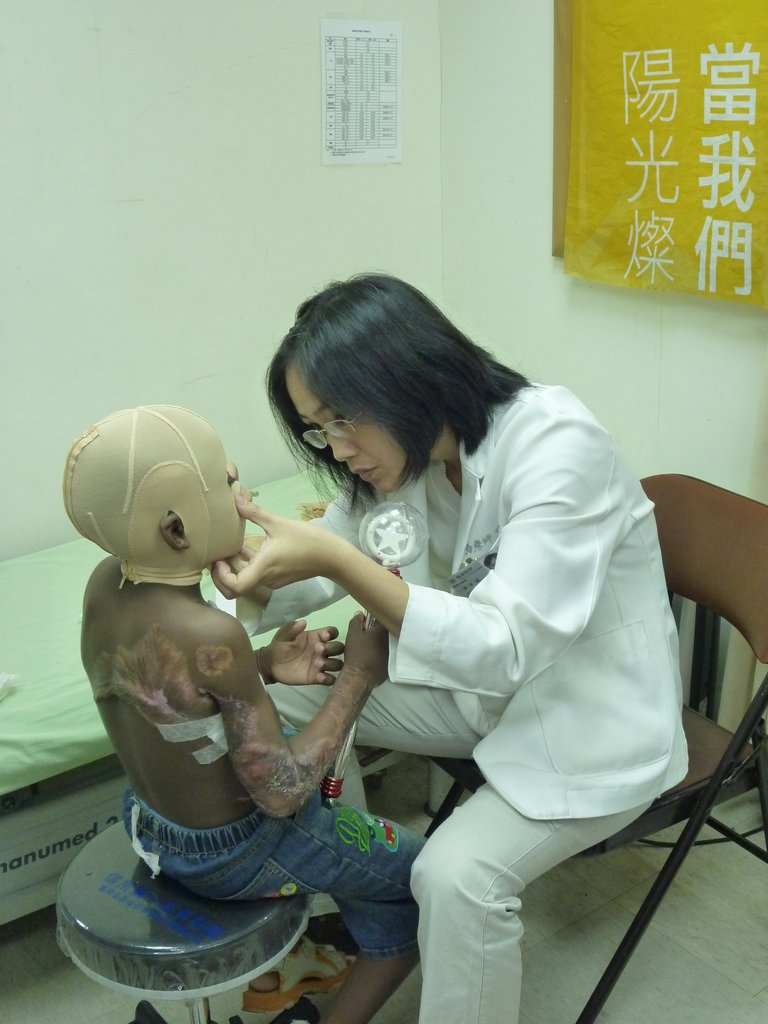
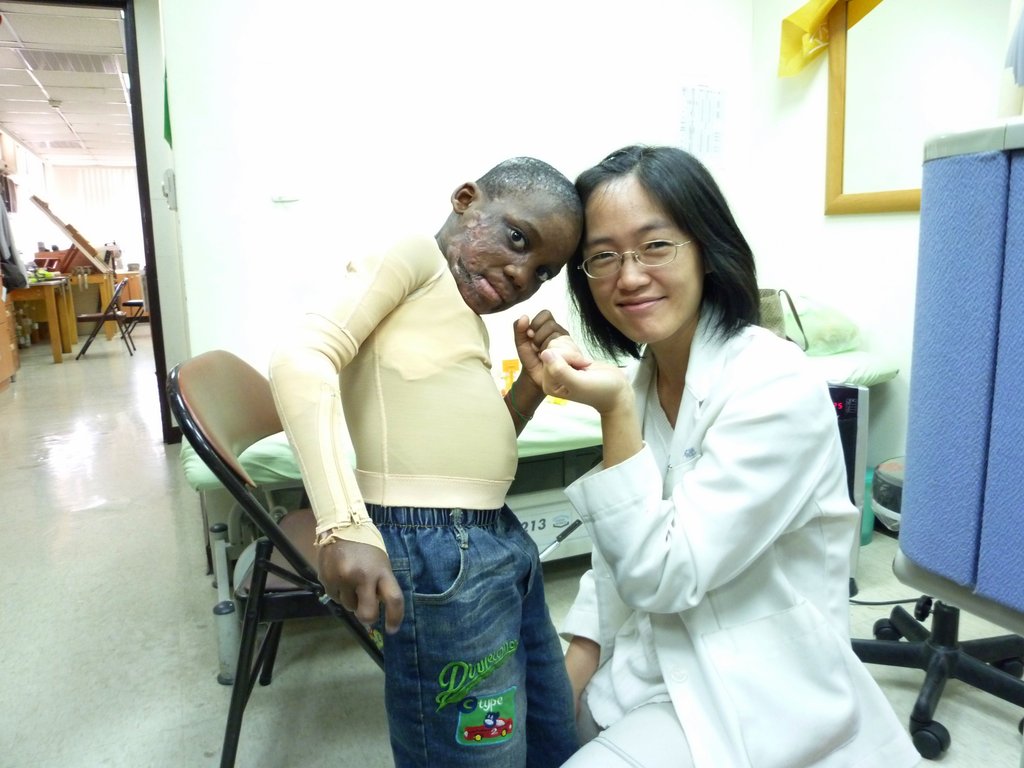
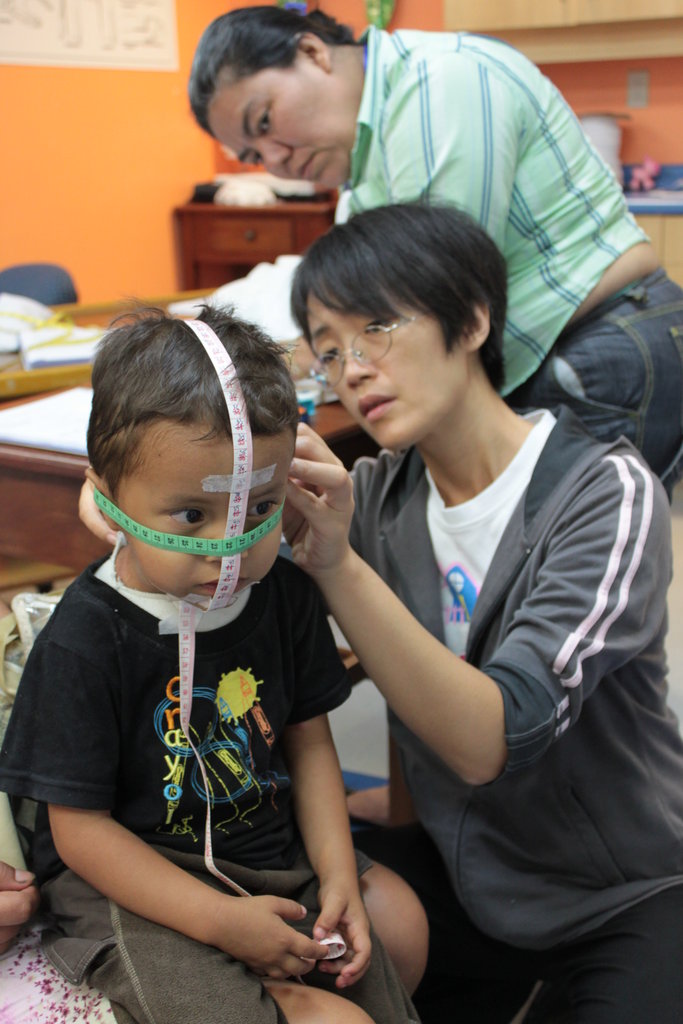
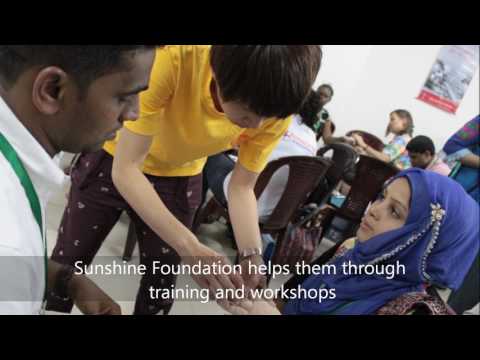
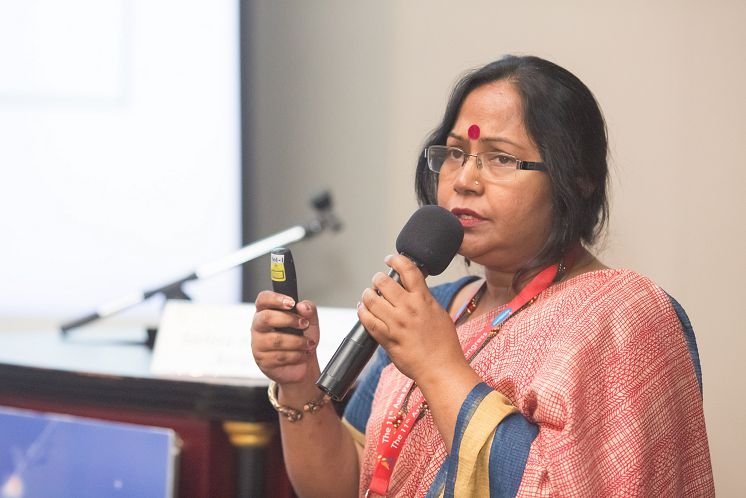
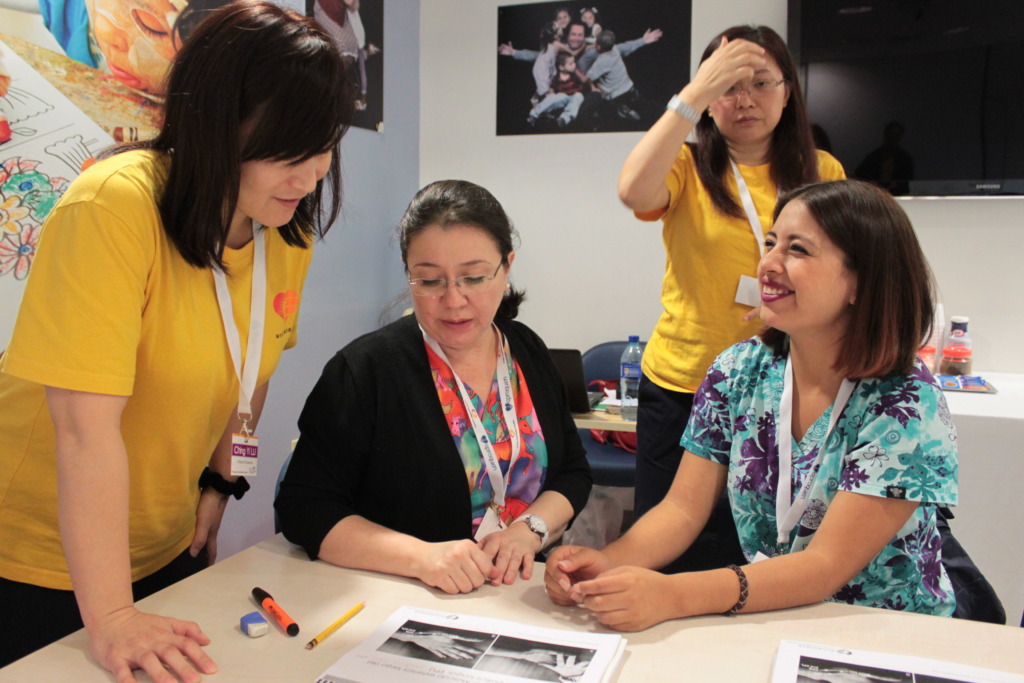
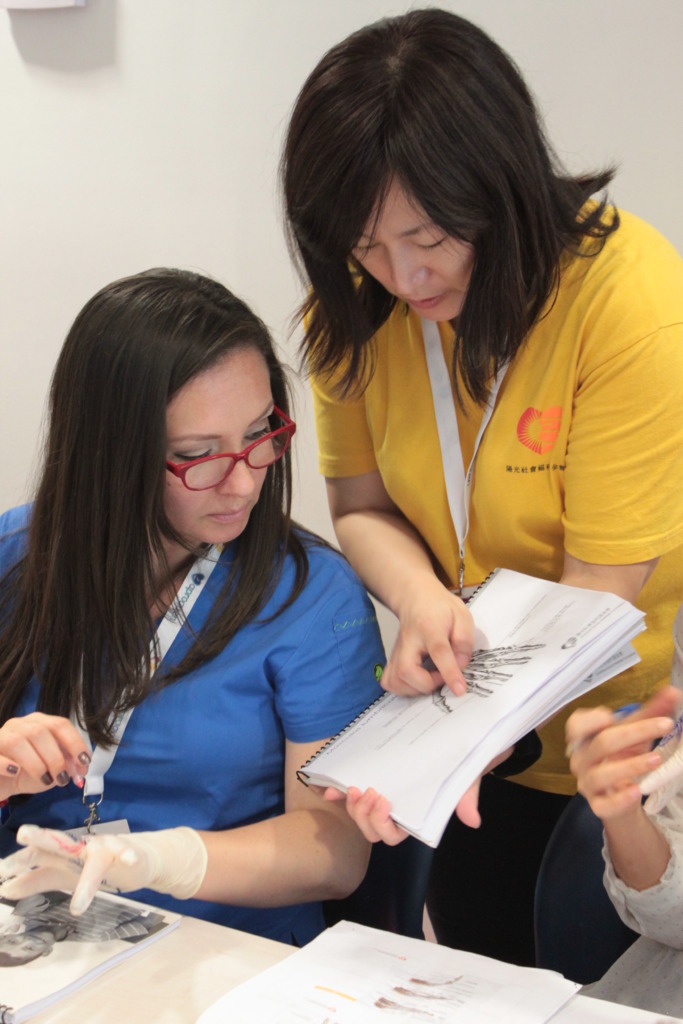
From April 1 to April 4, 2017, major actors in the field of burn care met in Taipei, Taiwan during the 11th Asia Pacific Burn Congress, organized by the Taiwan Society for Burn Injuries and Wound Healing and the Asia Pacific Burn Association. As a co-organizer of this event, Sunshine Foundation planned a special symposium with the aim of showcasing the work of nonprofit organizations in the field of burns. Through the experience of different countries, the symposium aimed to illustrate how nonprofit organizations play a complementary yet crucial role by carrying out prevention work, helping improve burn care, expanding the burn care network within the community and linking it to broader resources in order to ensure better quality of life outcome for burn survivors.
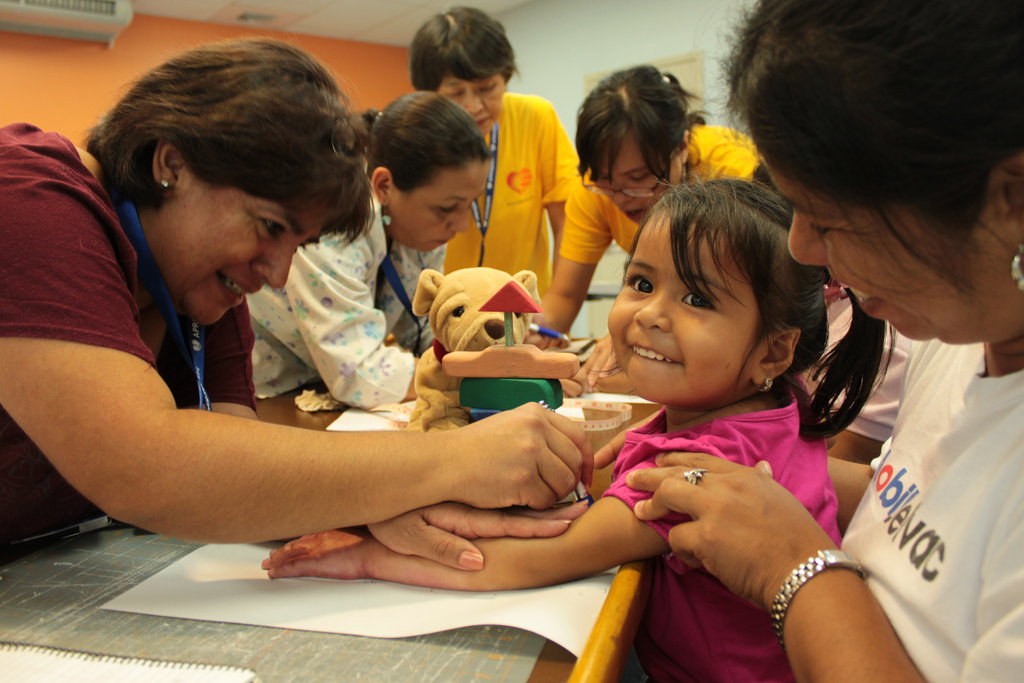
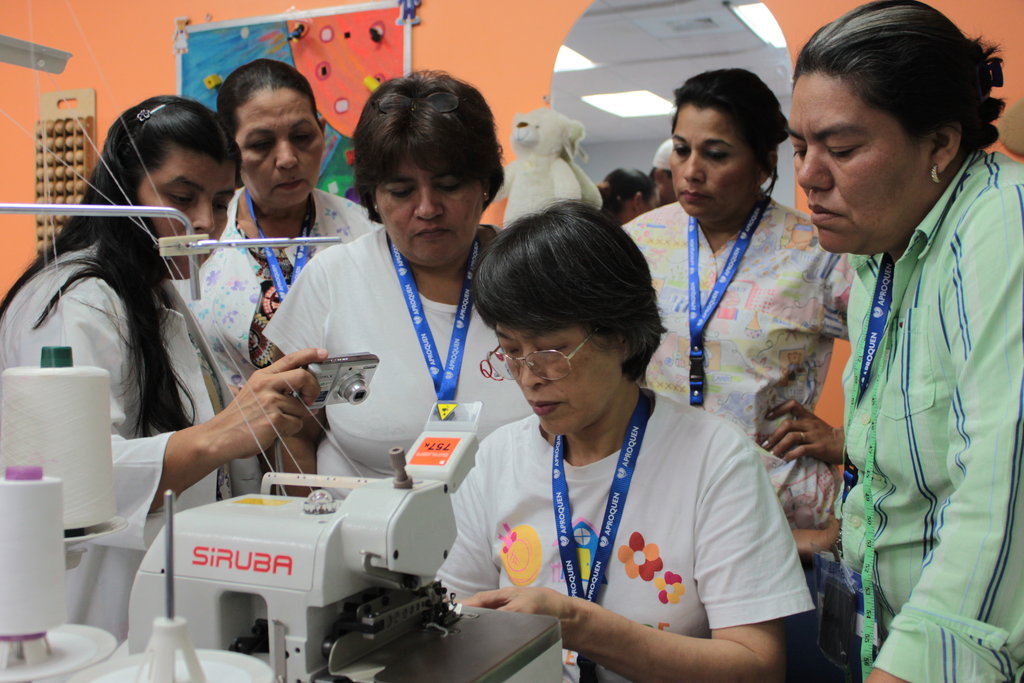
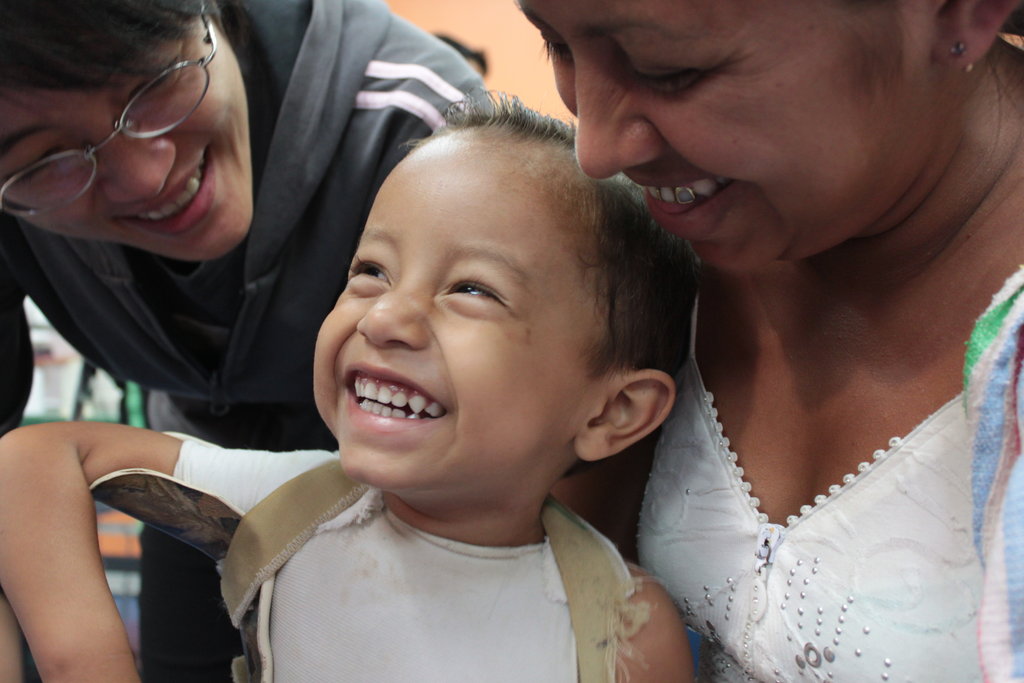
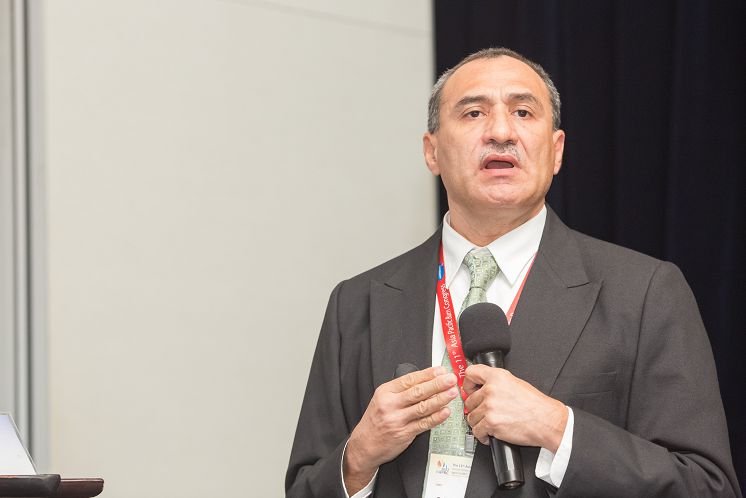
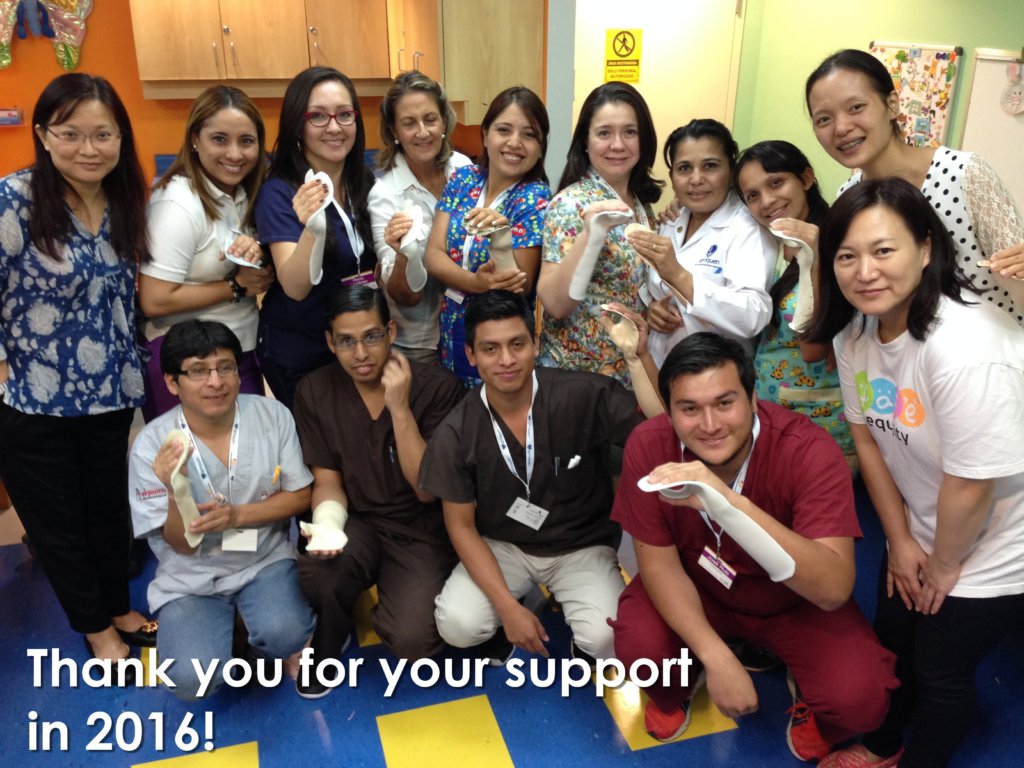
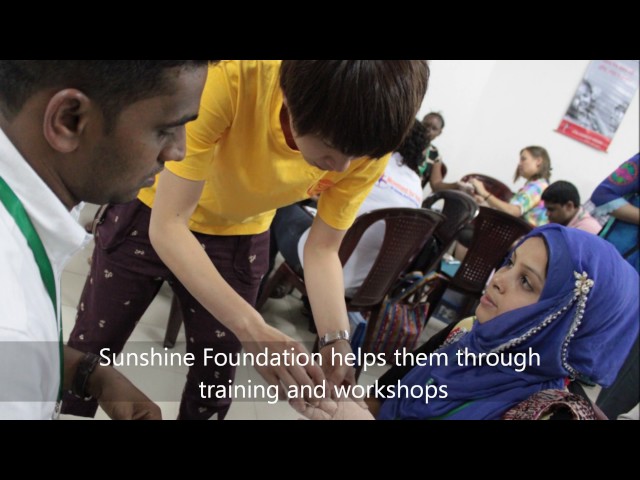
Apart from featuring the work of Sunshine Social Welfare Foundation in Taiwan, speakers included long-time friends and partners of Sunshine. Dr. Prasanna Gettu, from International Foundation for Crime Prevention and Victim Care (PCVC) in India, talked about how they built a community-based rehabilitation model that allows women burn survivors to have access to physical and psychosocial rehabilitation services immediately after hospital discharge. Dr. Mario Perez from Asociación Pro Niños Quemados de Nicaragua (APROQUEN) talked about how his organization provides free, high-quality medical care to burned children, while at the same time carrying out prevention programs nationally and working towards enhancing standards of burn care in Nicaragua and the Central American region through professional training. Finally, Ms. Selina Ahmed Ena from Acid Survivors Foundation-Bangladesh (ASF-Bangladesh) shared how her organization not only provides direct services to help acid survivors, but also how through relentless advocacy and social education, ASF has managed to pass legislation that has significantly decreased the number of acid attacks over the years.
These organizations work in what can be considered “resource-poor settings” but still manage to accomplish tremendous work because their development and expansion is driven by the unmet or underserviced needs and issues faced by burn survivors. Flexibility also allows them to tailor services and come up with creative solutions. For example, if burn survivors don’t come for rehabilitation, these NPOs will take rehabilitation to them. If lax legislation results in high number of injuries, these NPOs will advocate for laws that can ensure the safety of the public.
Whether based in Taiwan, India, Nicaragua or Bangladesh, NPOs have been able to do this by building partnerships. Indeed, one common theme that came out of every presentation was “partnerships and cooperation:” Multidisciplinary partnerships between therapists and social workers, cross-sector partnerships between NPOs and government, even international partnerships between organizations from different countries. Only by breaking down the silos that isolate one discipline or one sector from another can we truly be able to work together to address the complex needs of burn survivors and ensure that they can regain the best quality of life as possible.
Sunshine is privileged to work and exchange with these wonderful organizations. As a donor, you are also part of this special partnership. Thanks to your continued support, together with our international partners, we can change the lives of burn survivors worldwide.
By Marie-Claude Pelchat | Project Leader
By Marie-Claude Pelchat | Project Leader
Project reports on GlobalGiving are posted directly to globalgiving.org by Project Leaders as they are completed, generally every 3-4 months. To protect the integrity of these documents, GlobalGiving does not alter them; therefore you may find some language or formatting issues.
If you donate to this project or have donated to this project, you can receive an email when this project posts a report. You can also subscribe for reports without donating.