By Rachel Kramer | CPALI Executive Director
Strengthening resilience through craft
Overview
Scaling opportunities for village-based women to participate in social enterprise without leaving their communities can help advance conservation and deliver livelihood benefits around protected forest areas. SEPALI Madagascar led the first round of an exciting initiative that's training a new cohort of local artisans in remote communities to make textiles from sustainable materials like wild silk and raffia. The program is helping to grow the circle of local women who can earn future income from converting farmer-sourced fibers into stunning products that honor the natural world.
Seventy-five artisans, one goal
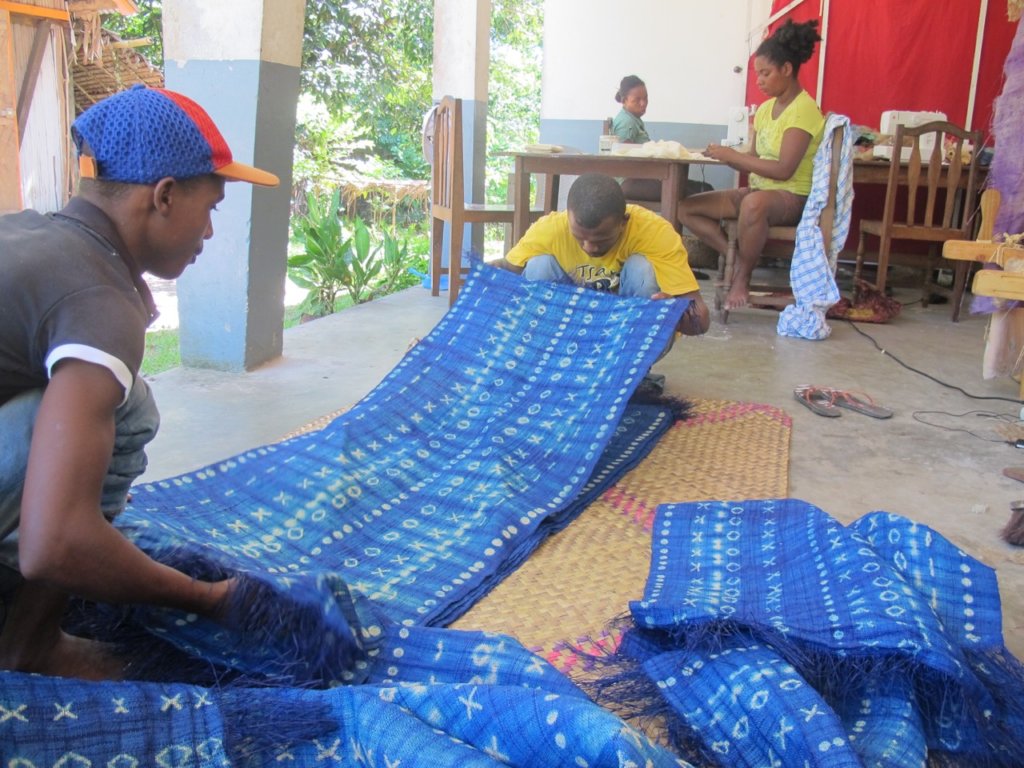
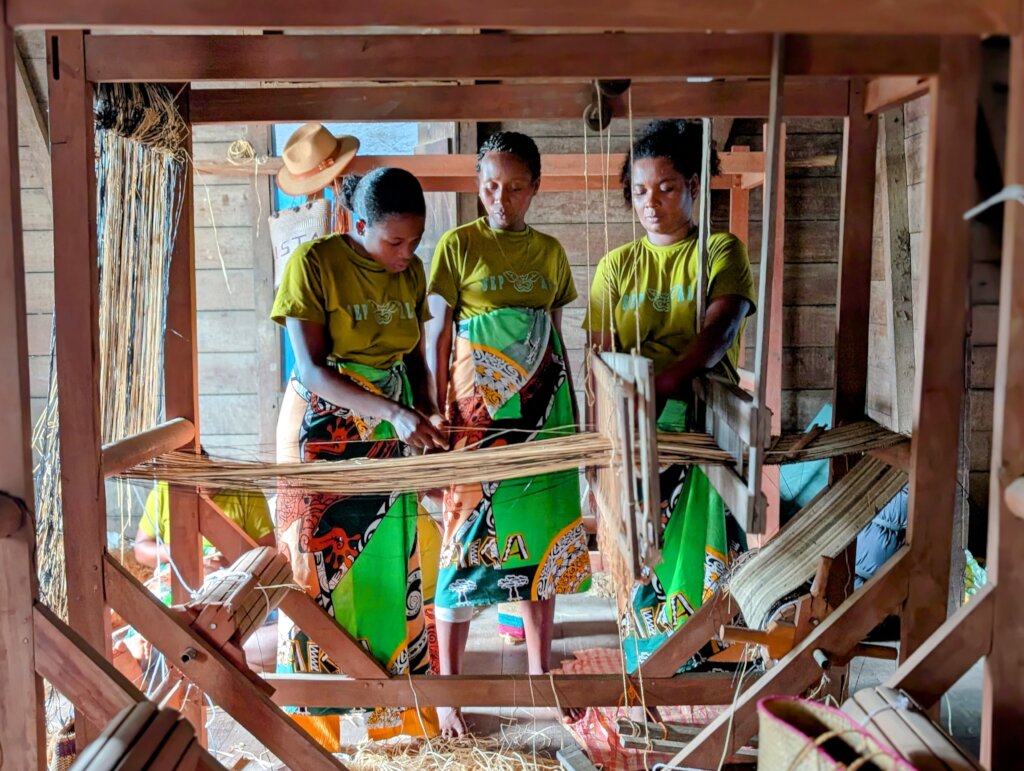
SEPALI Madagascar’s new Women’s Artisan Initiative empowers local artisan circles by creating sustainable livelihood opportunities through craft. Trainings delivered in 2025 have been led by skilled wild silk and raffia artisans who produce textiles for our non-profit's collaborative social impact enterprise,Tanana Madagascar.
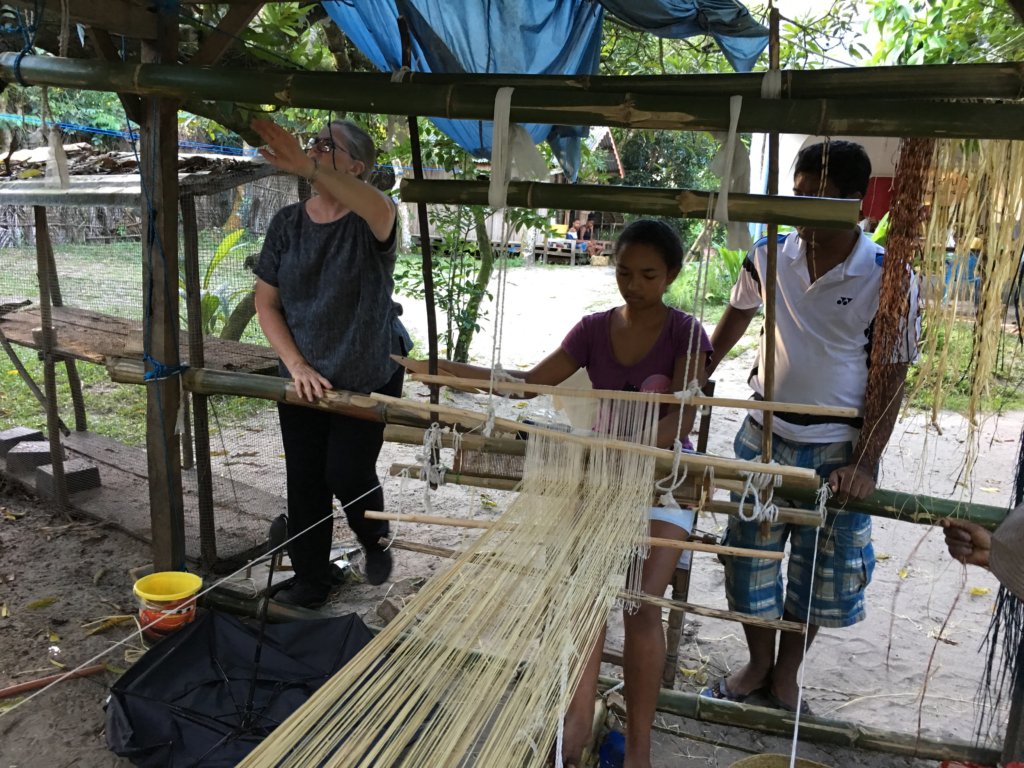
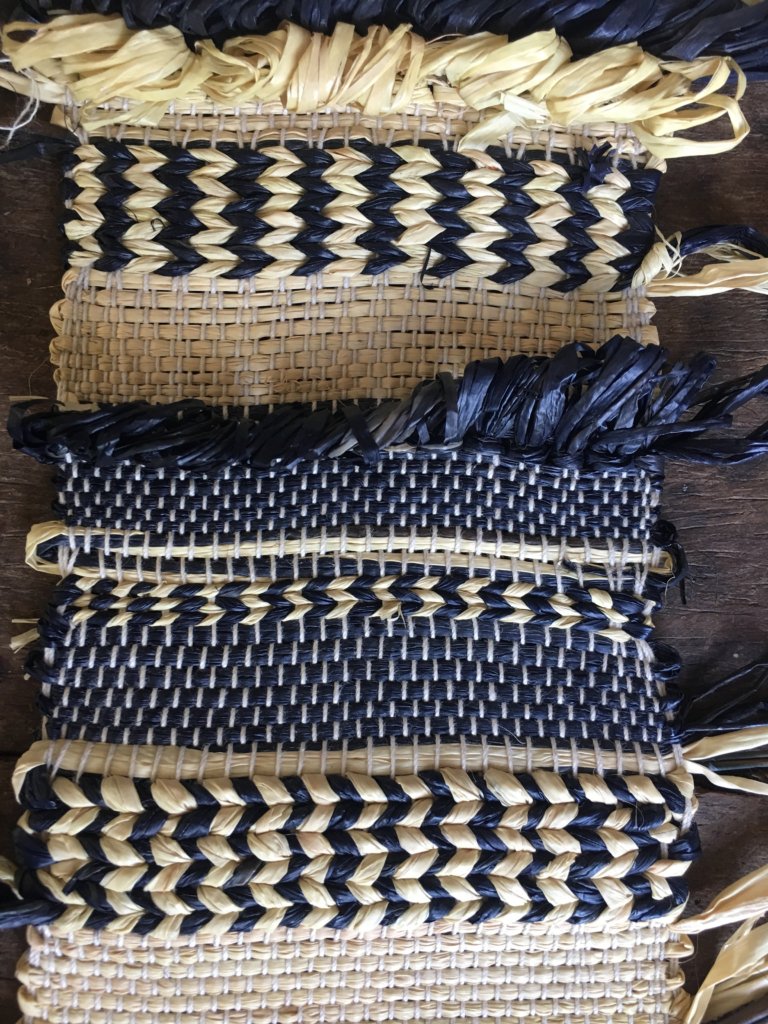
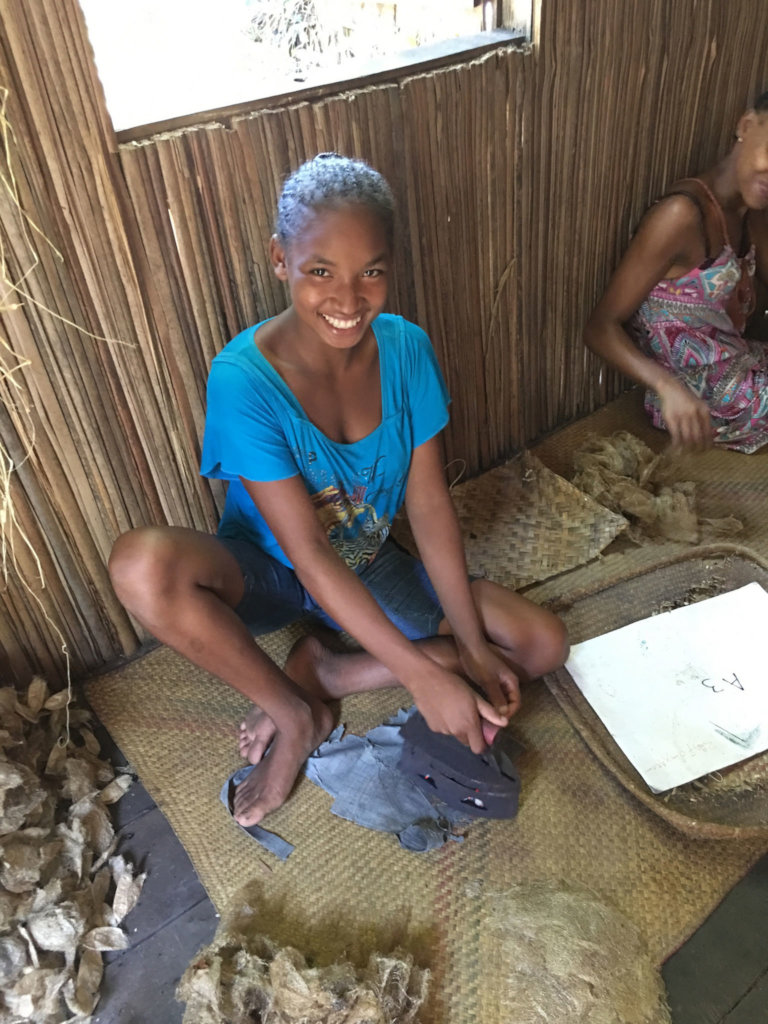
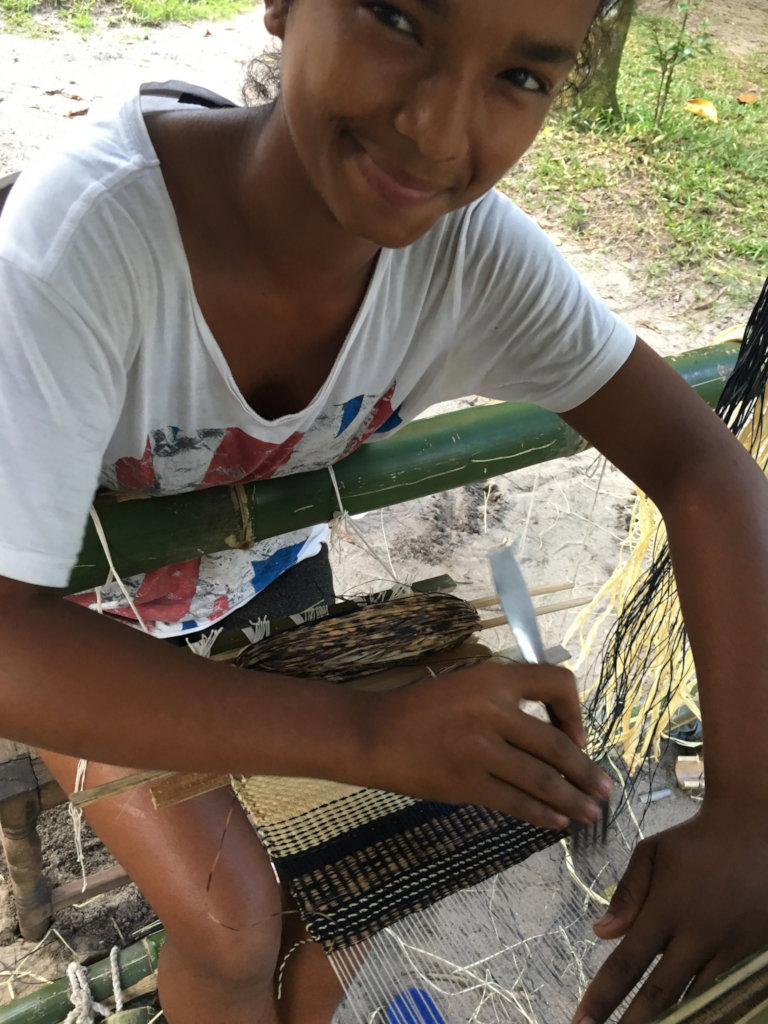
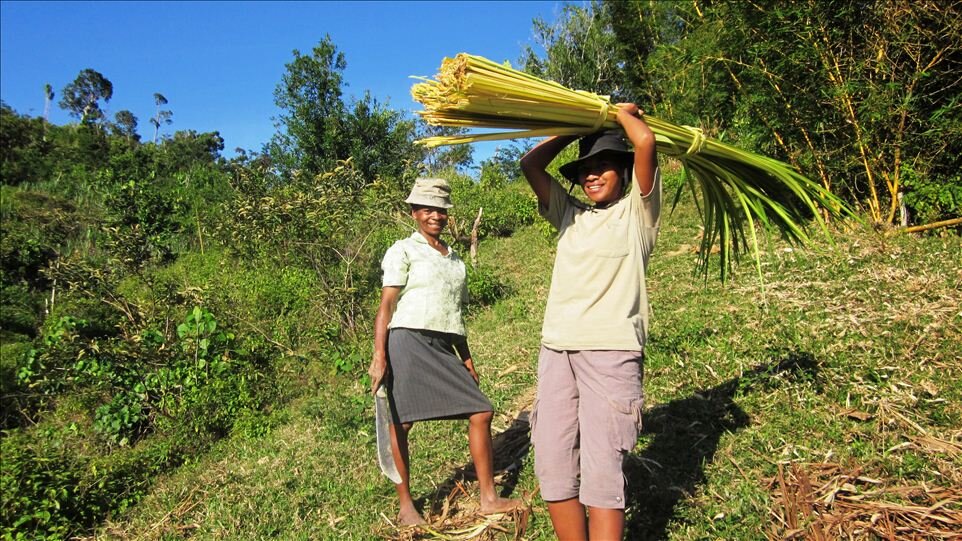
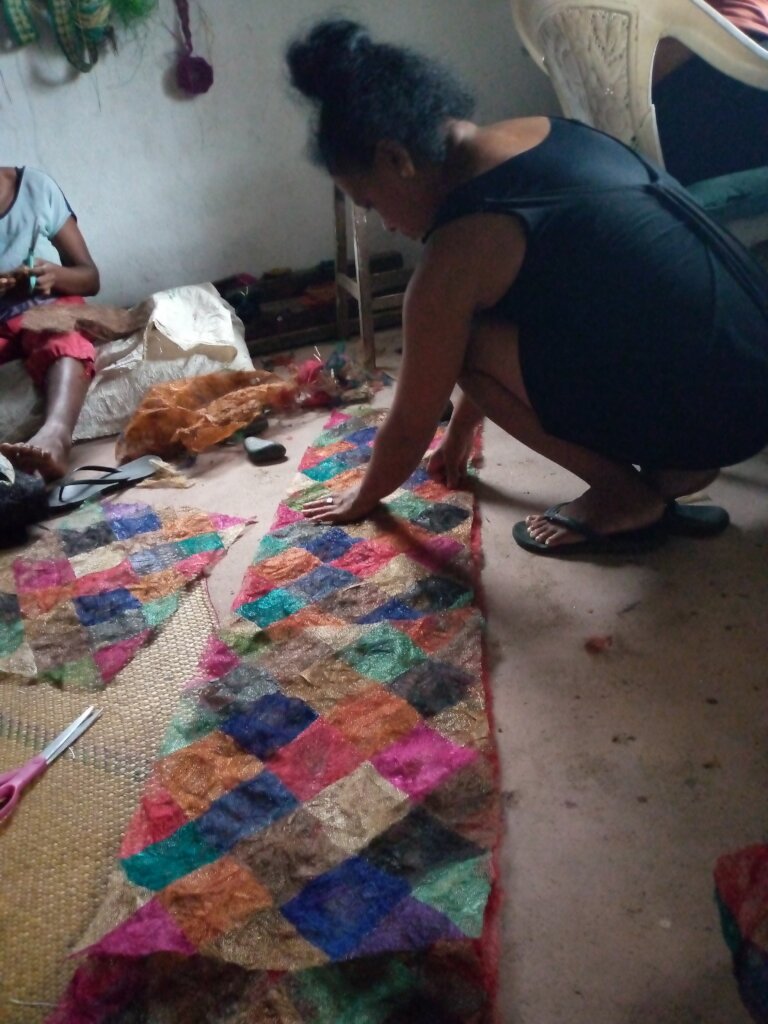
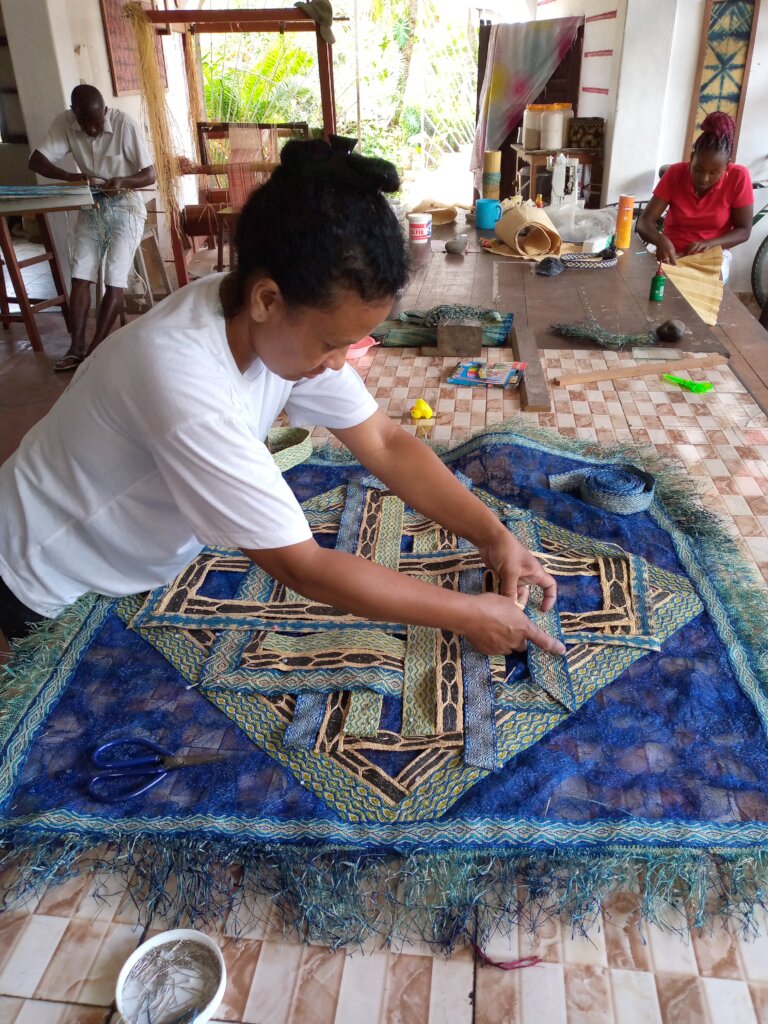
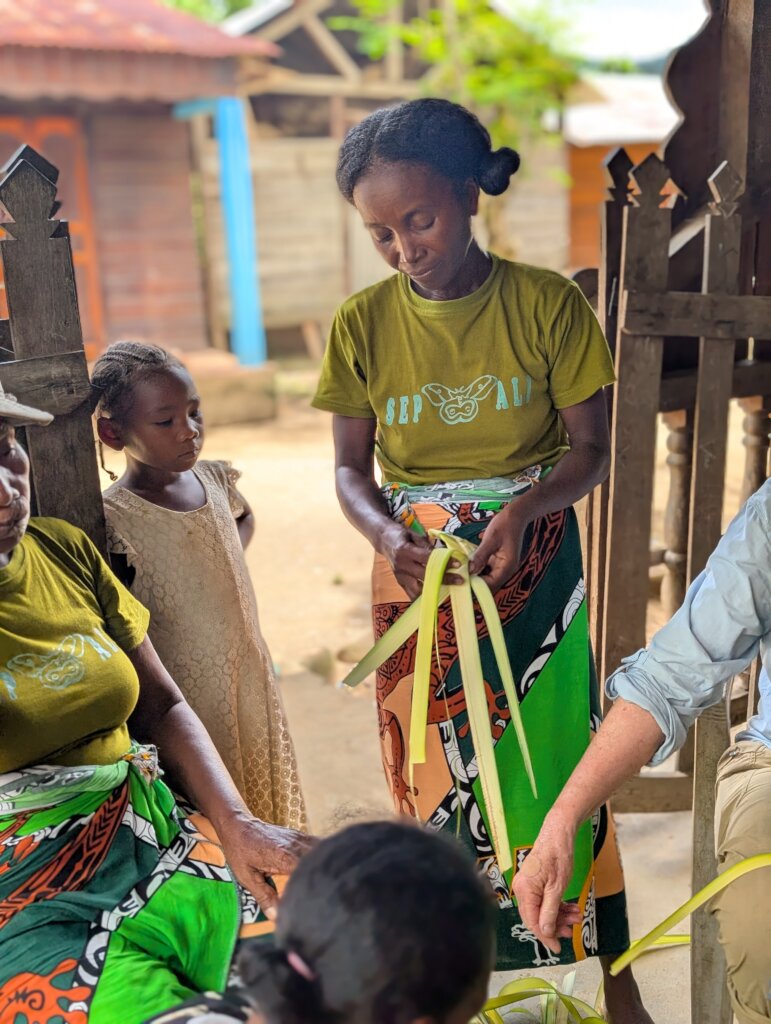
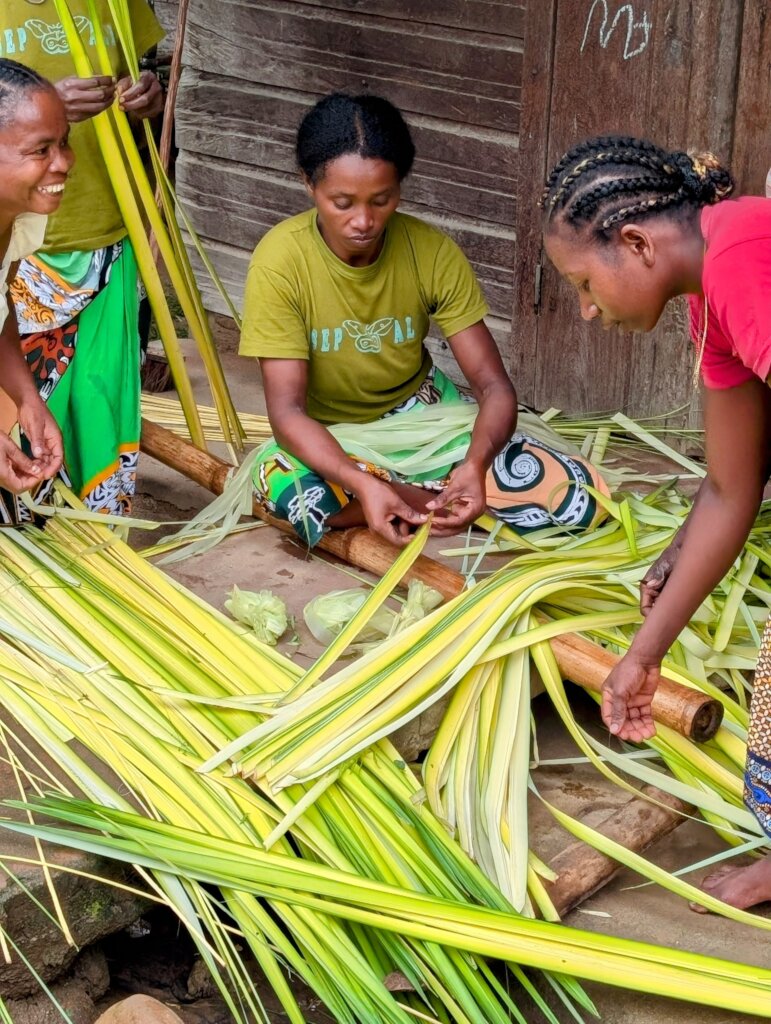
This season's trainings in the villages of Ambodivoangy, Fijoana, Mahalevona, and Marirano focused on raffia weaving, patchwork, silk cocoon cleaning and softening, and raffia processing.
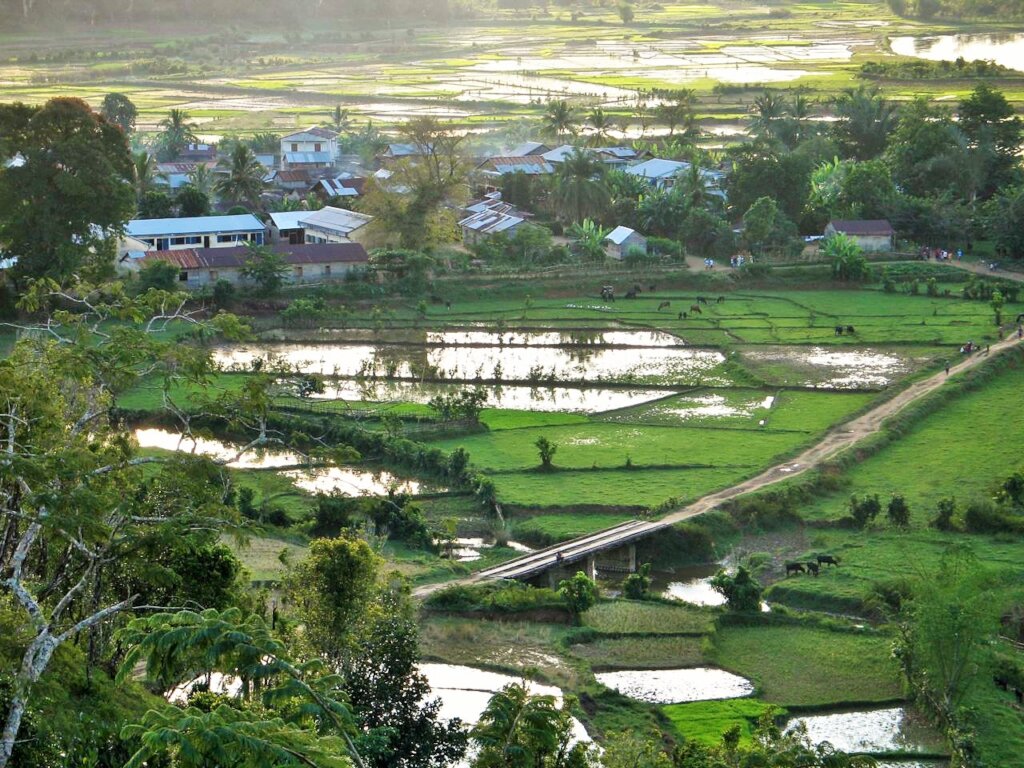
The four focal villages lie on the margins of Makira Natural Park and Masoala National Park in Madagascar's "green heart" where the largest remaining contiguous forest area is found.
CPALI now supports farmer-led tree nurseries in these communities that hold 40,000 seedlings. The young trees will be planted on farmer lands over the coming year under our locally led Regenerative Agroforestry Initiative.
Many trees in farmers' nurseries in our artisan training villages are host plants for endemic wild silk moths. Their cocoons can be sustainably collected in our trained moth-friendly method and sold for local artisans to produce textiles and crafts. Restoring native vegetation to degraded agricultural landscapes helps create space for disappearing biodiversity while supporting household incomes. Farmers in the region have reported seeing mouse lemurs and forest birds in their agroforestry systems. These species inspire crafts made by local artisans.
Next steps
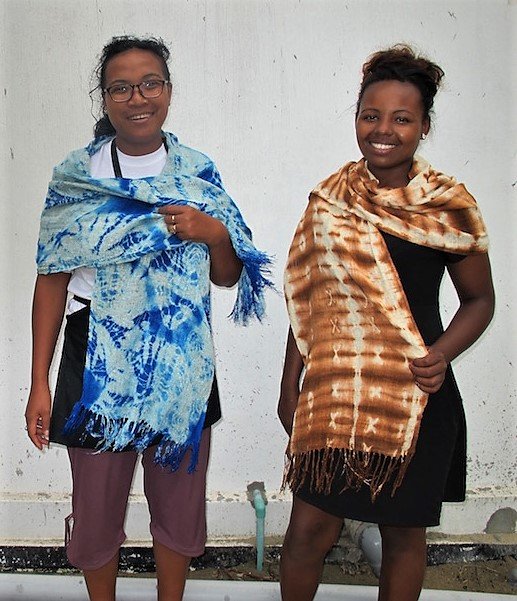
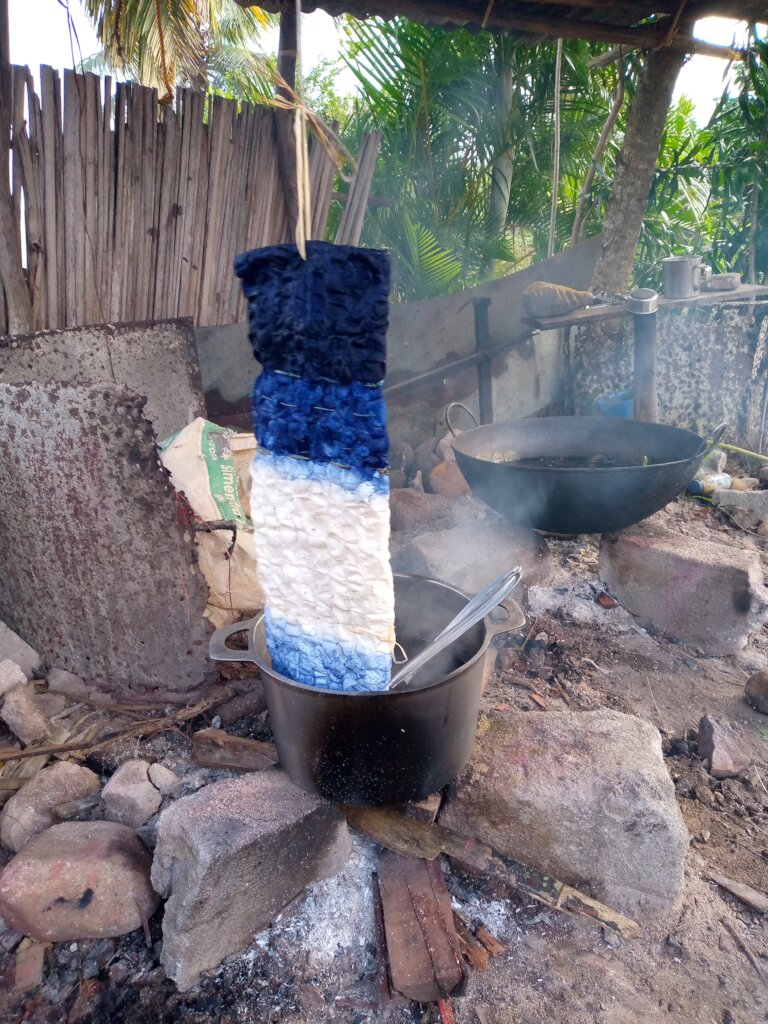
This initiative launched with a central training workshop. Fourteen women’s group representatives were invited to visit the SEPALI Madagascar office for a one-week training that focused on different weaving techniques, dyeing natural materials with locally made plant dyes, patchwork, and traditional drop spinning.
On-site trainings in the four villages (where access requires journeying by riverboat, Bay crossing, or, in two cases, a full day of foot travel through mud and water crossings in heavy rains) equipped local artisans with the skills to make endemic bird, lemur and wild moth ornaments from sewn and collaged silk and raffia. Their creations are finished by skilled artisans in the SEPALI Madagascar workshop.
Cultivating economic opportunities in remote communities takes time. Our gratitude to all who support this important work.
Links:
Project reports on GlobalGiving are posted directly to globalgiving.org by Project Leaders as they are completed, generally every 3-4 months. To protect the integrity of these documents, GlobalGiving does not alter them; therefore you may find some language or formatting issues.
If you donate to this project or have donated to this project, you can receive an email when this project posts a report. You can also subscribe for reports without donating.



Support this important cause by creating a personalized fundraising page.
Start a Fundraiser