By Ali Aftab Ghias | Program Officer - Special Projects and Advocacy
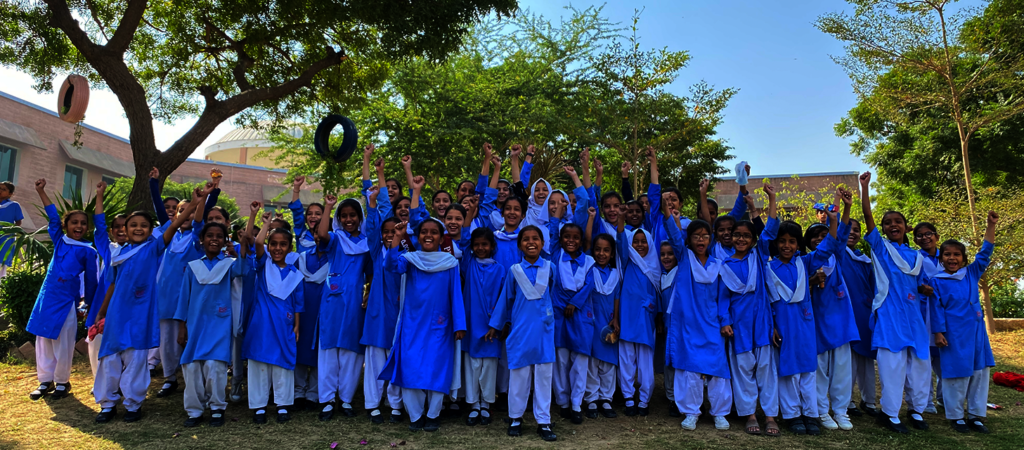
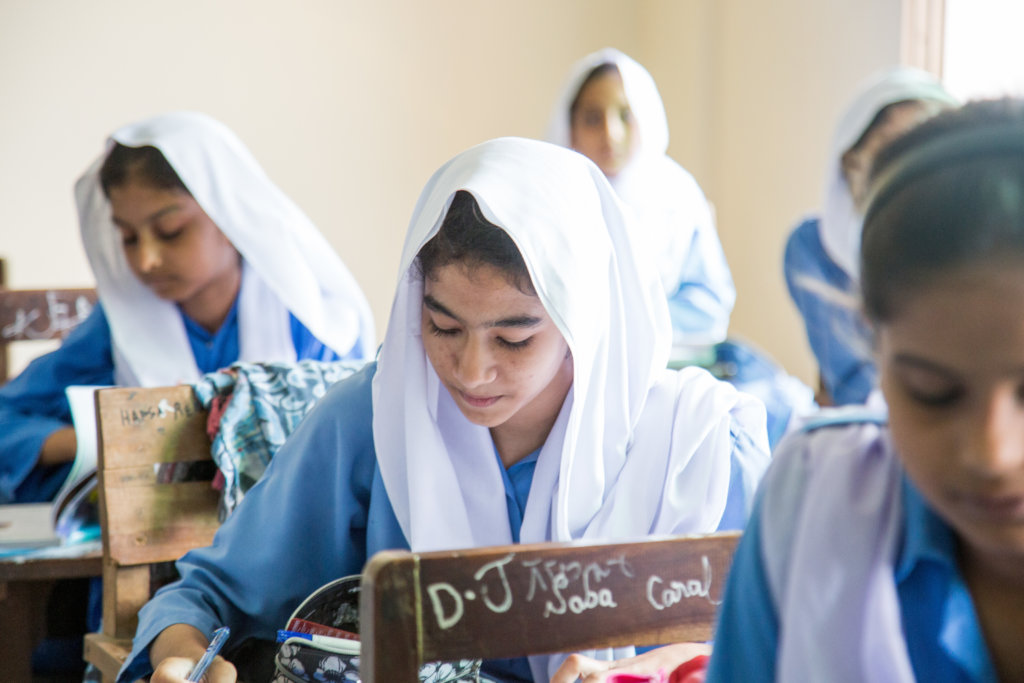
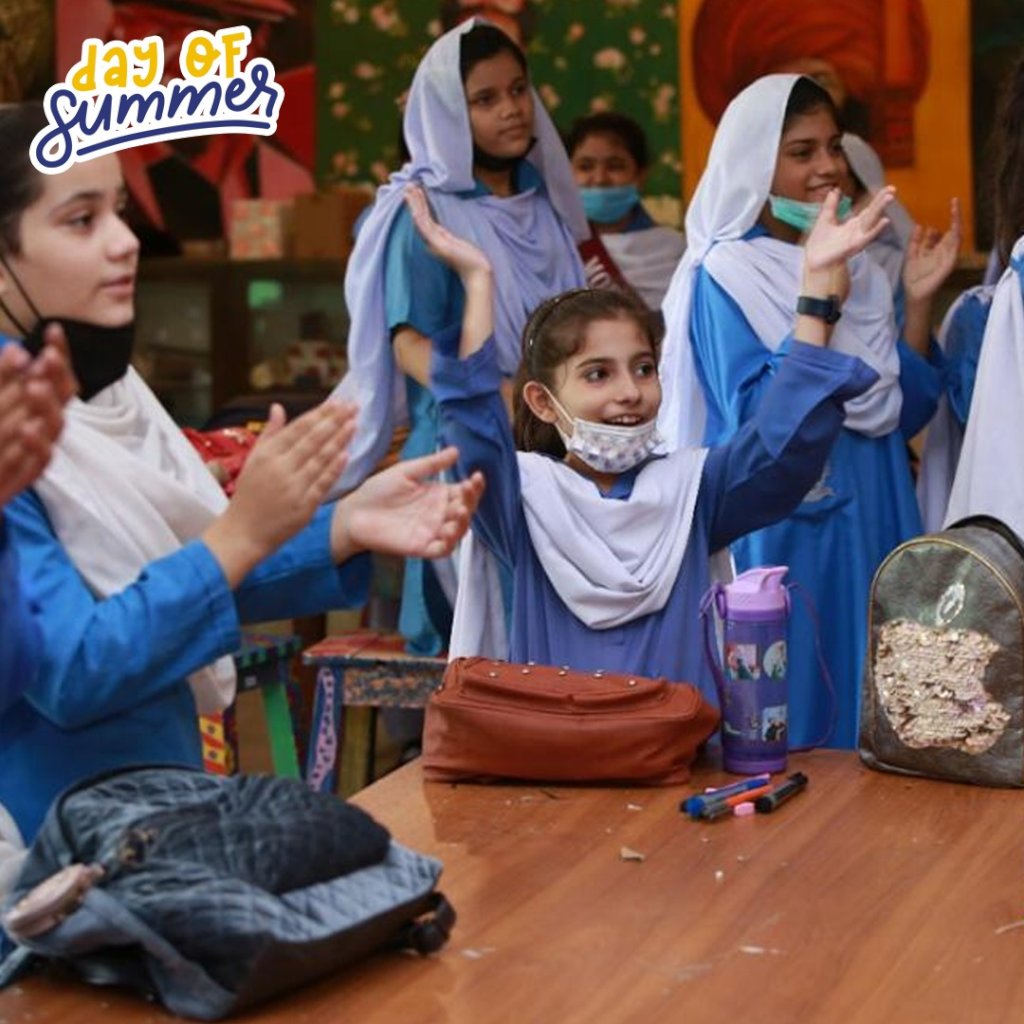
A joyous occasion for Zindagi Trust, for the last 10 years, has been conducting summer camps for our students. With exciting workshops and student clubs on art, storytelling, music, yoga and much more, the sight of excited students running around in the summer at the campus breathes life into our vision of transforming government schools. In 2021, due to COVID 19, school exams went on until late June, and the next session commenced in August. Subsequently we decided to give our students one action packed, ‘Day of Summer’ in July.
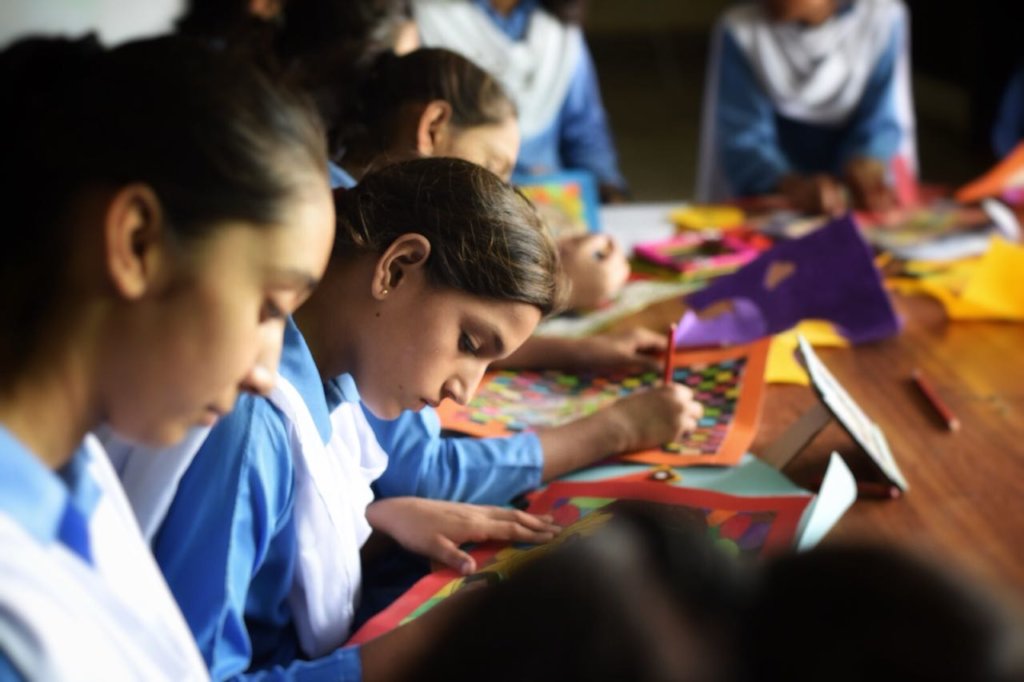
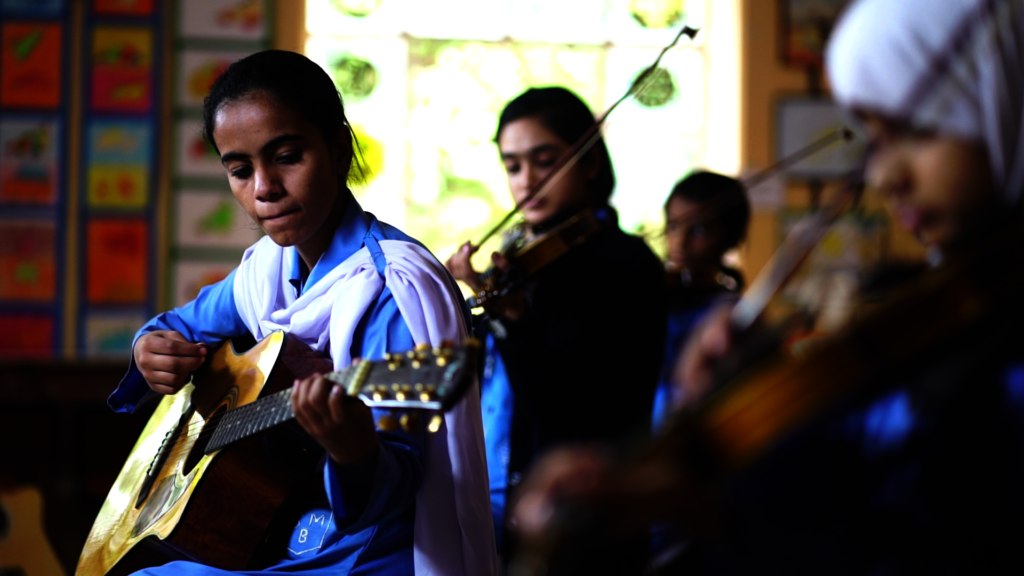
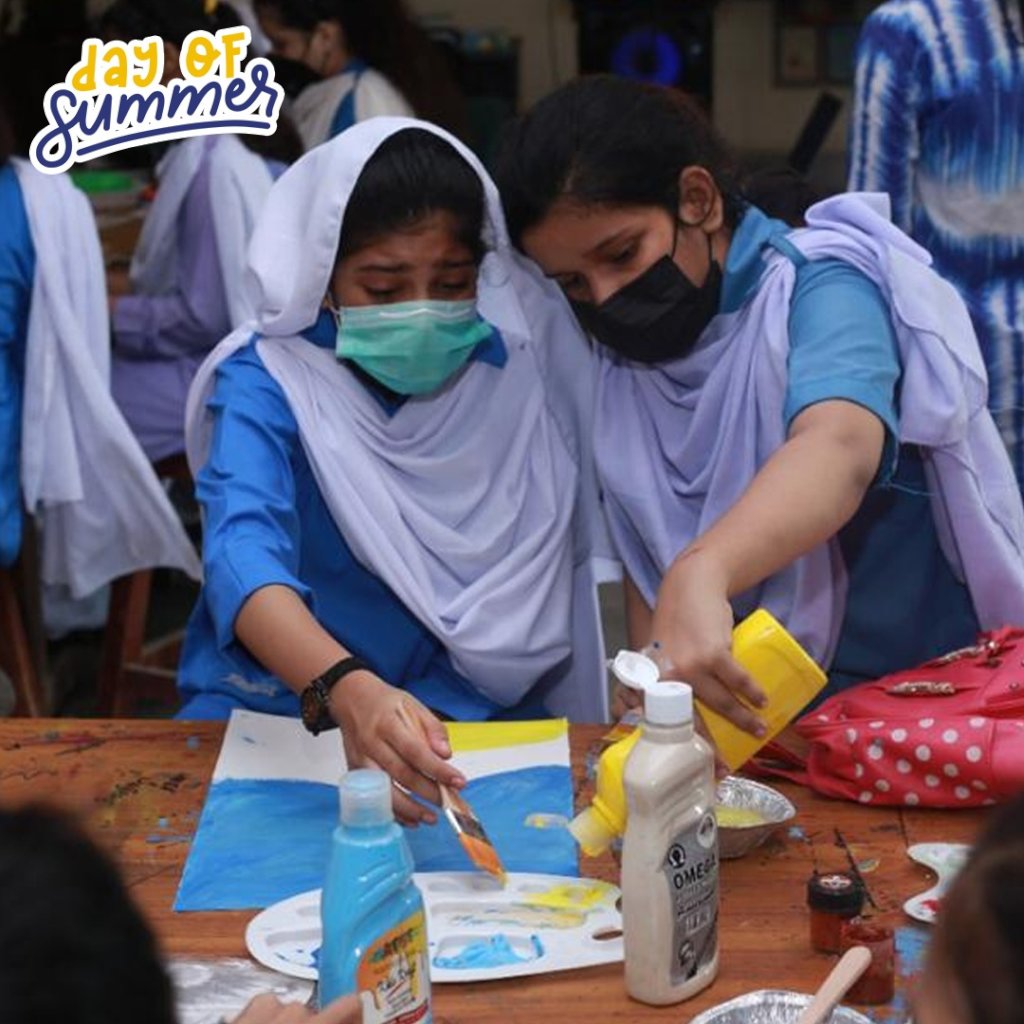
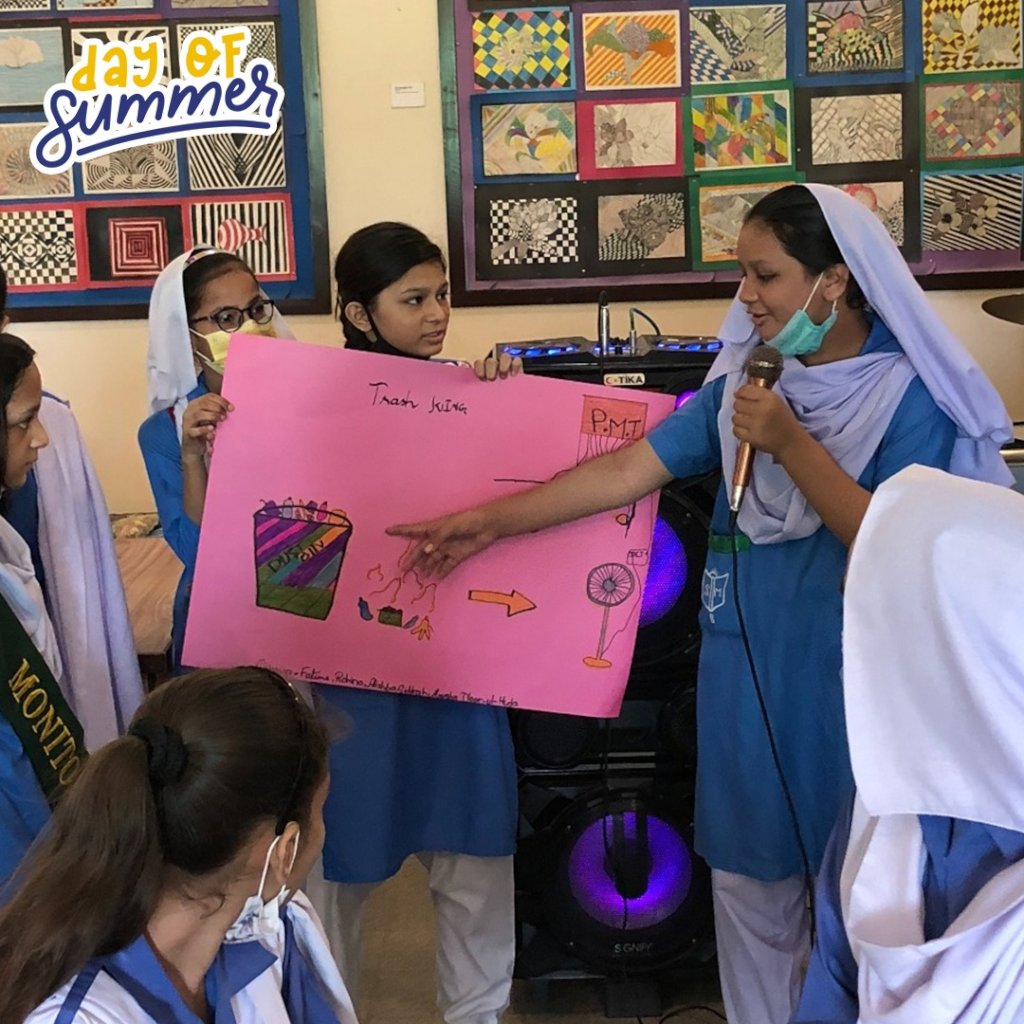
We started our day with Art activities designed by the Head of our Art department, followed by a volunteer led workshop on Environmental Sustainability. Students had created some wonderful art, been introduced to figures like Greta Thunberg and Malala Yousafzai, and brainstormed how they could make their everyday activities climate conscious. To take a break, our wonderful music department put on a small performance which left the entire room singing along to some classic Pakistani pop hits.
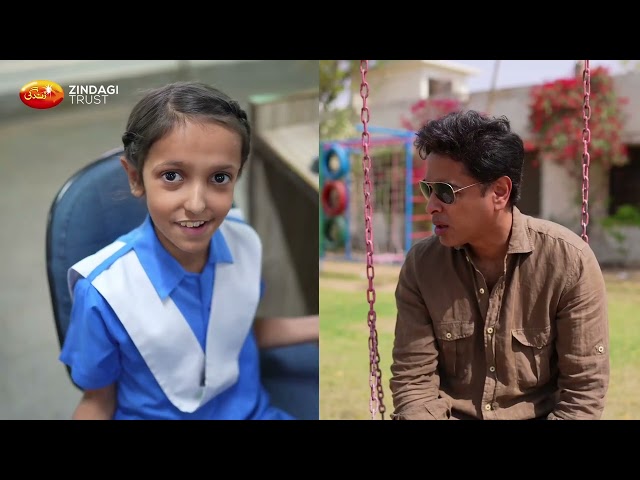
After a refreshing lunch of pizza, juice and ice-cream, the students attended another volunteer led workshop on photography. While students were engrossed in taking pictures in different orientations, our team welcomed a member of a local Pakistani band, ‘Kashmir’. The artist talked to students about his journey as a student and as a musician, encouraging them to understand the value of schools in developing their individual passions. As the day moved towards its end, we bade farewell to the students, and began preparing to welcome them back in August.
Our schools opened up their gates on the 8th of August, with half of the student population streaming in to catch up with their friends. Unfortunately, the province of Sindh began to witness an exponential increase in covid cases at this time. This resulted in education institutions shutting down yet again until September. Sporadic breaks in the flow of an education journey has proven to incur learning losses, and that is a reality that every government school in Pakistan has to contend with now.
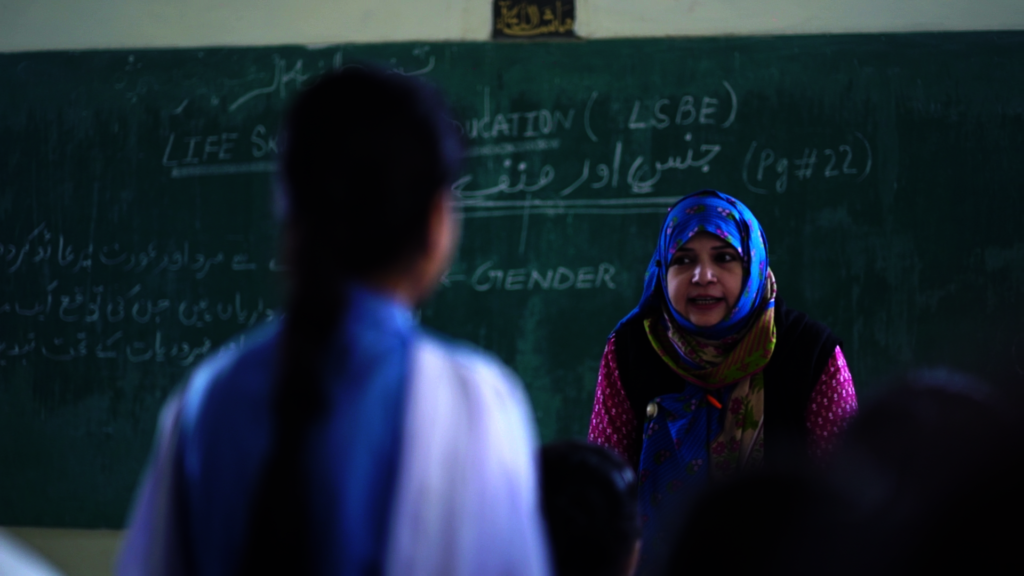
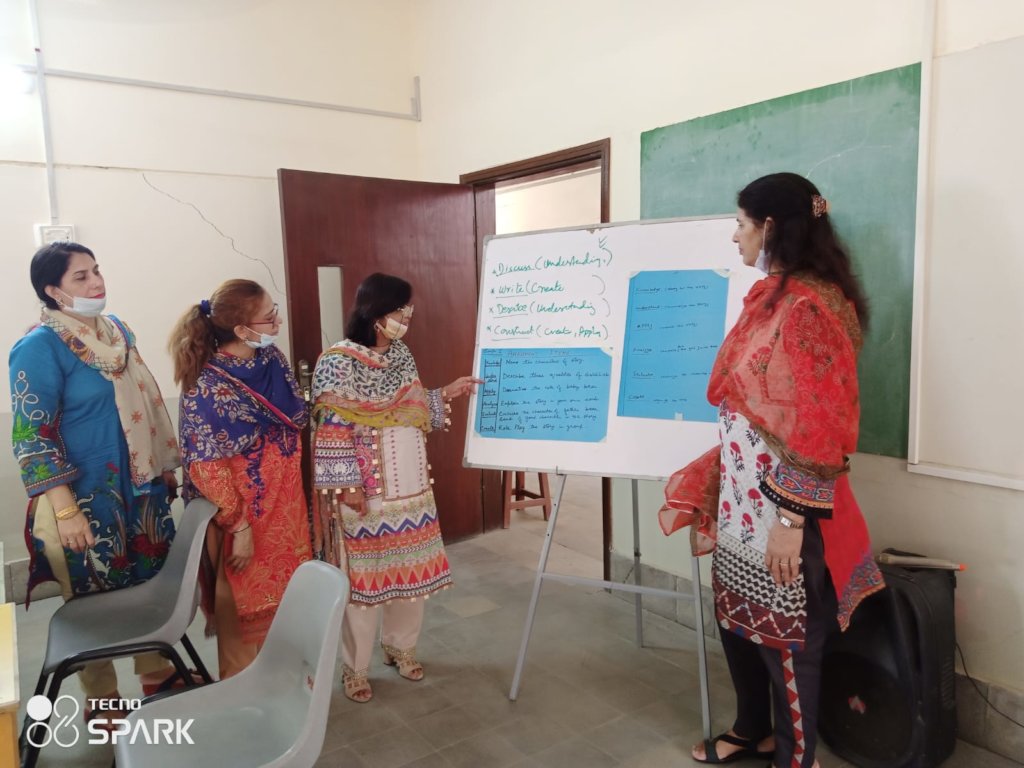
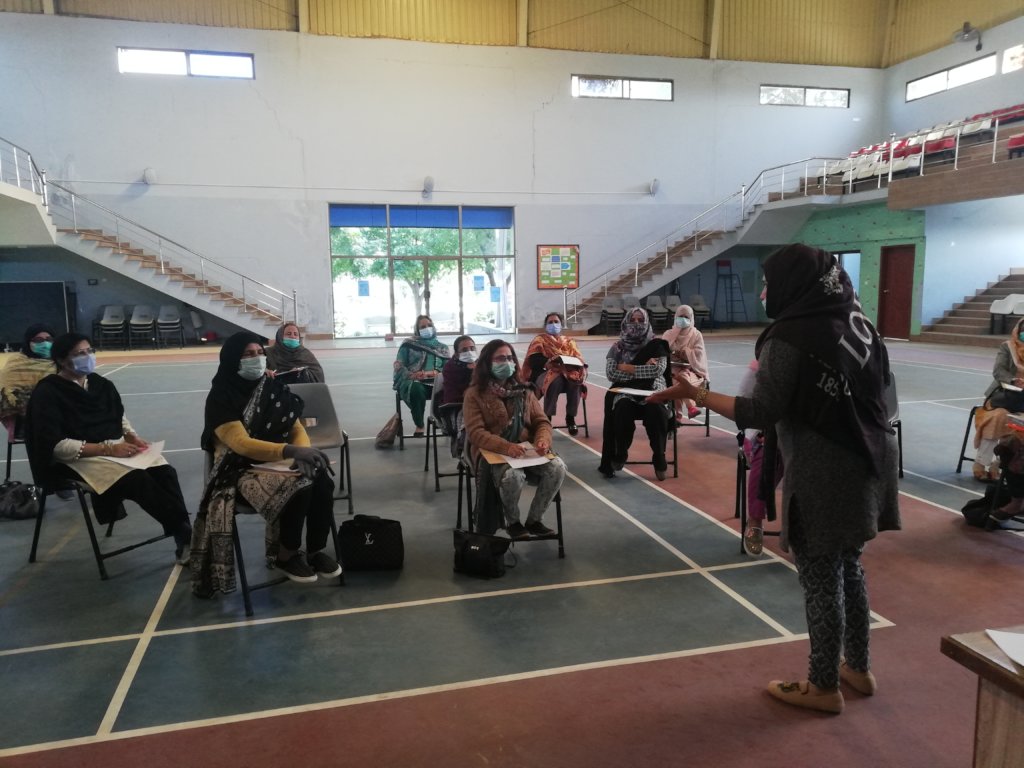
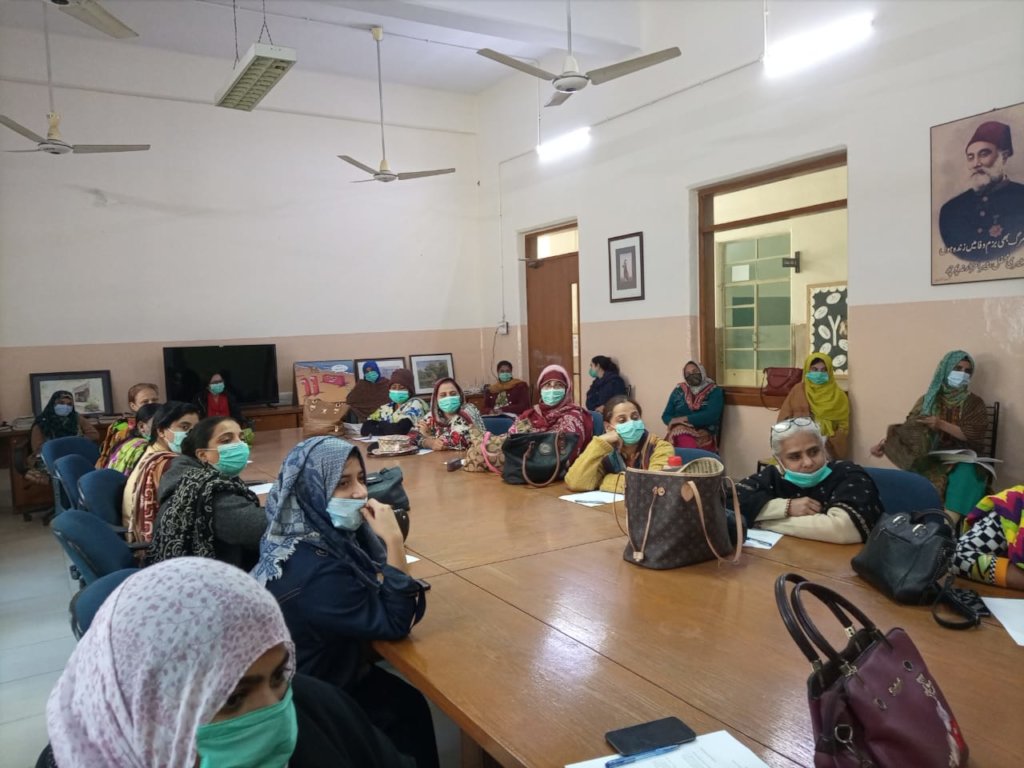
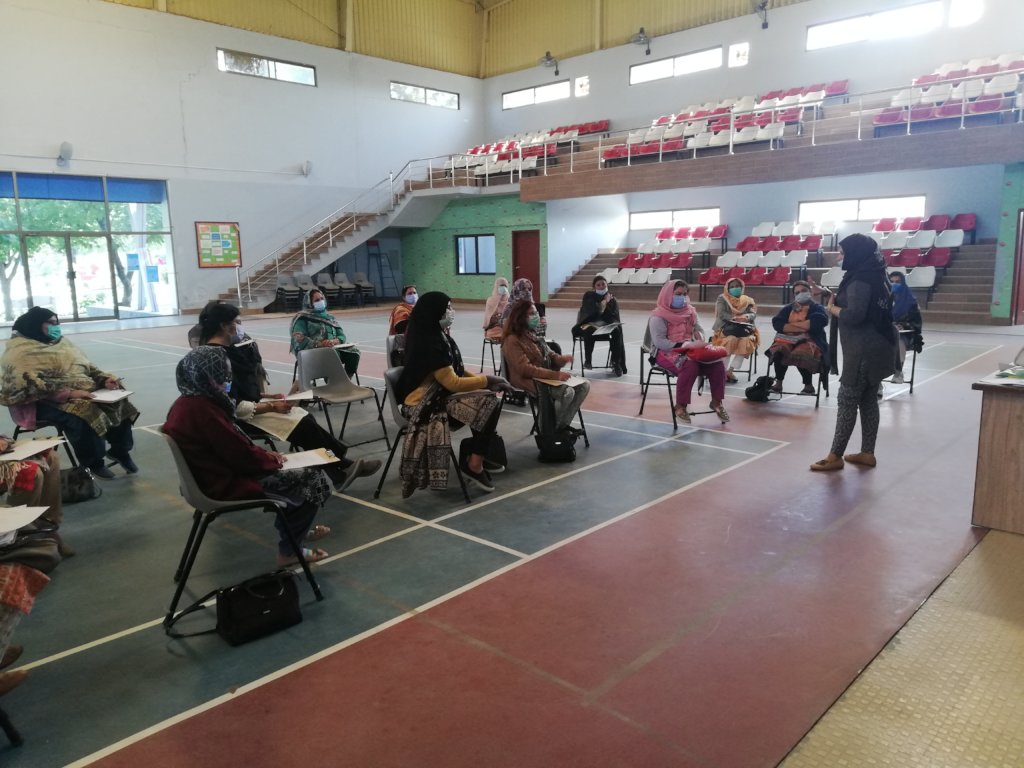
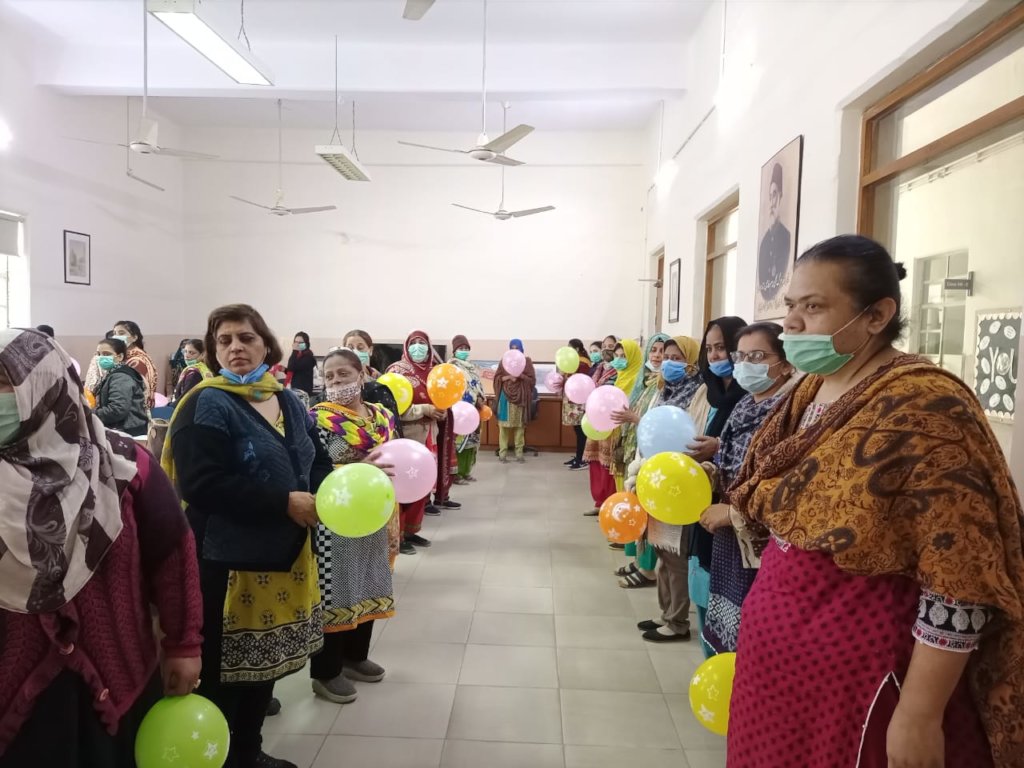
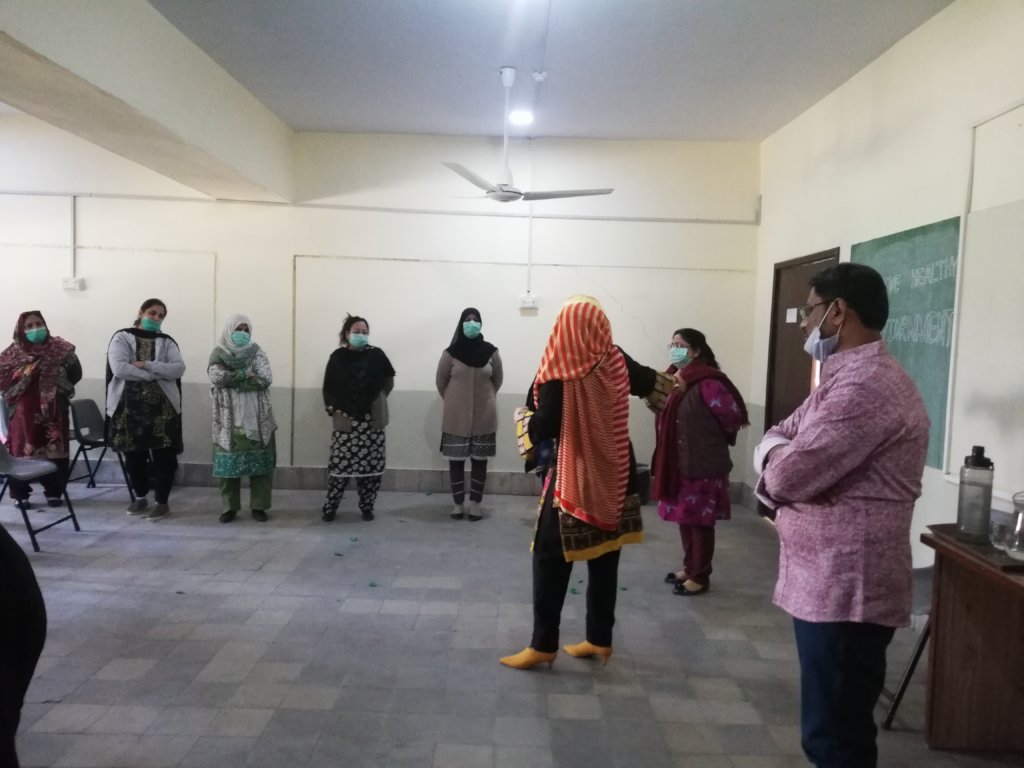
Transforming government schools is incomplete without having empathy for students, and acknowledging the effects of this pandemic. Subsequently our mitigation strategy began with starting induction trainings for our teachers, to help familiarize them with the structure of professional development and support that Zindagi Trust would offer them throughout the course of the year. This is also highlighted a new scheme of studies for this academic year, which would account for learning losses and shape learning journeys accordingly.
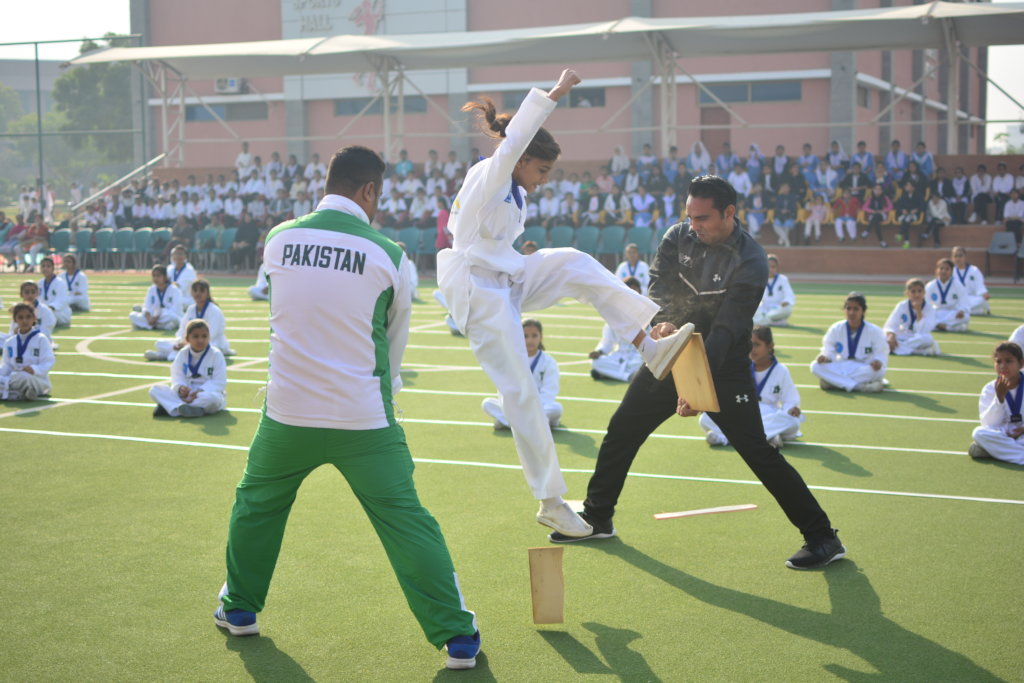
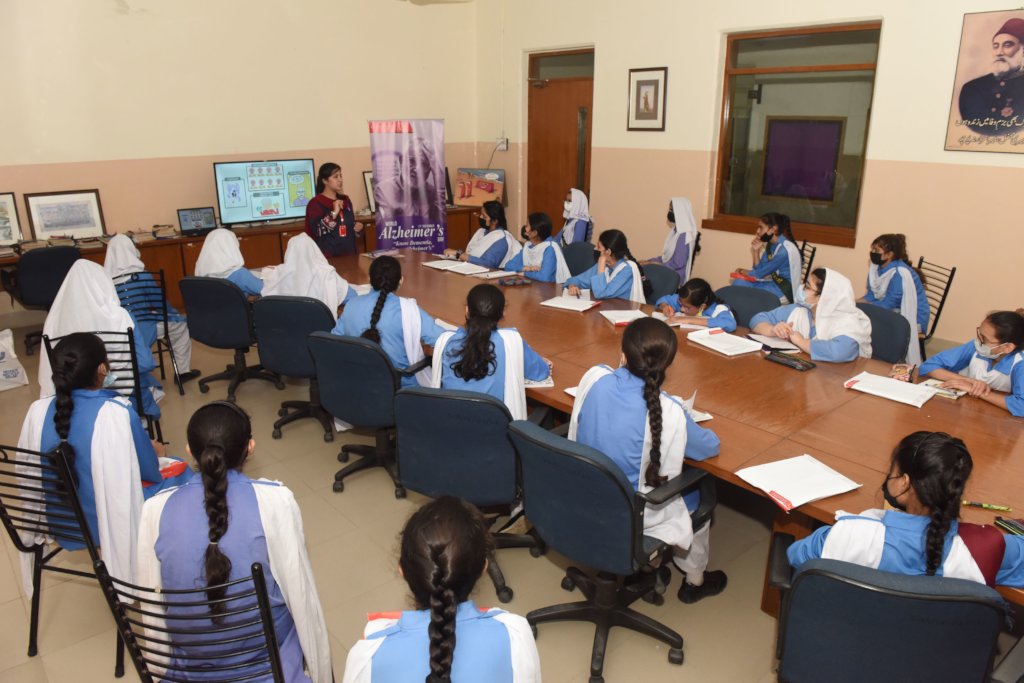
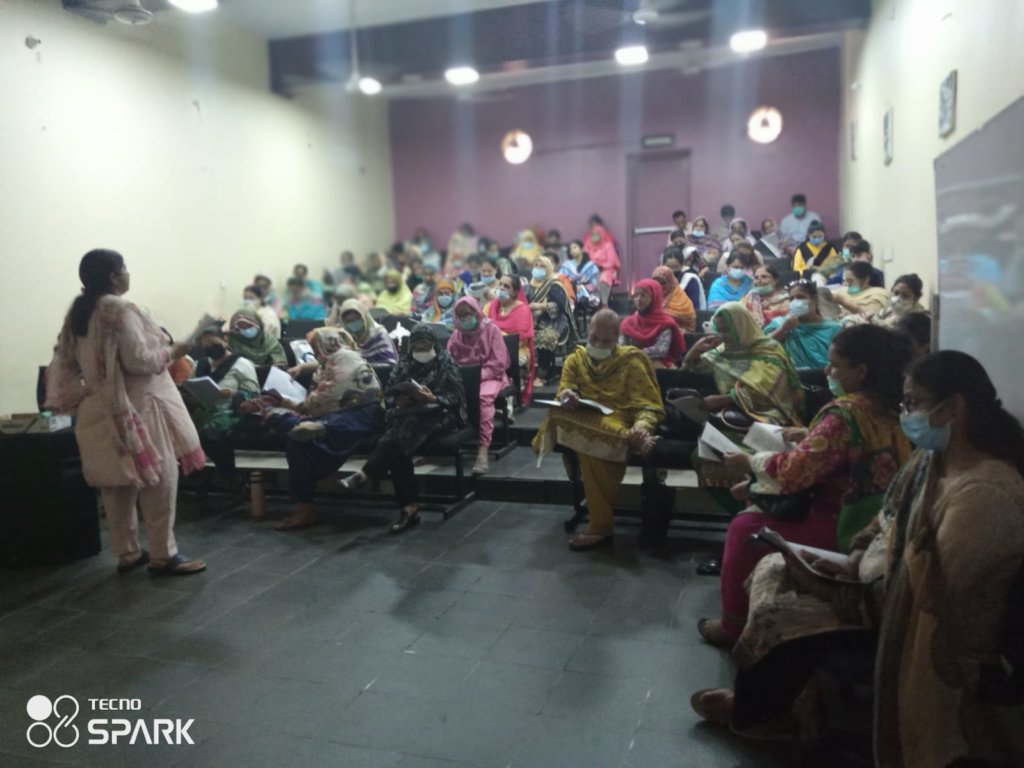
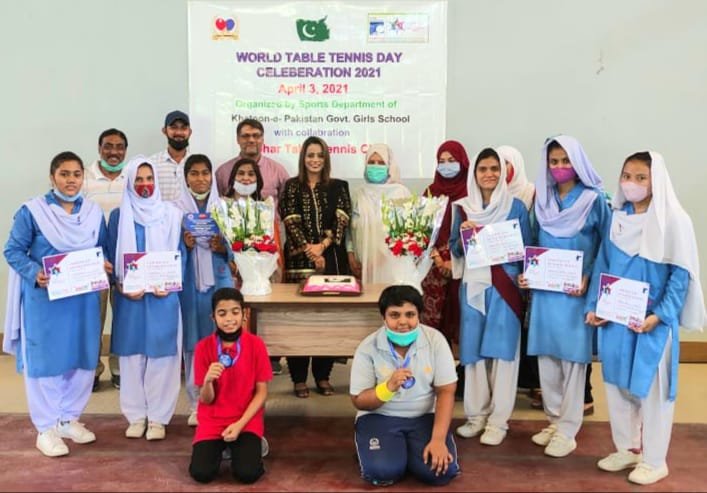
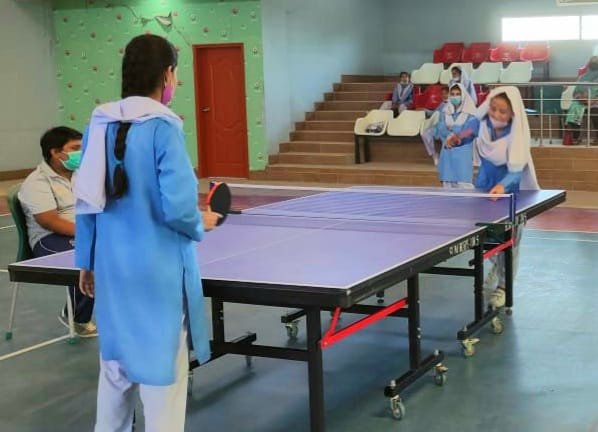
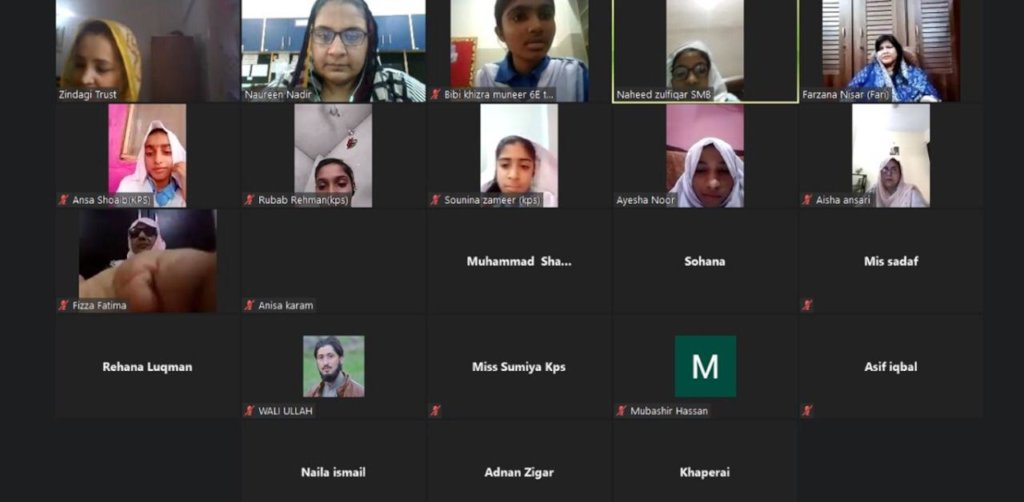
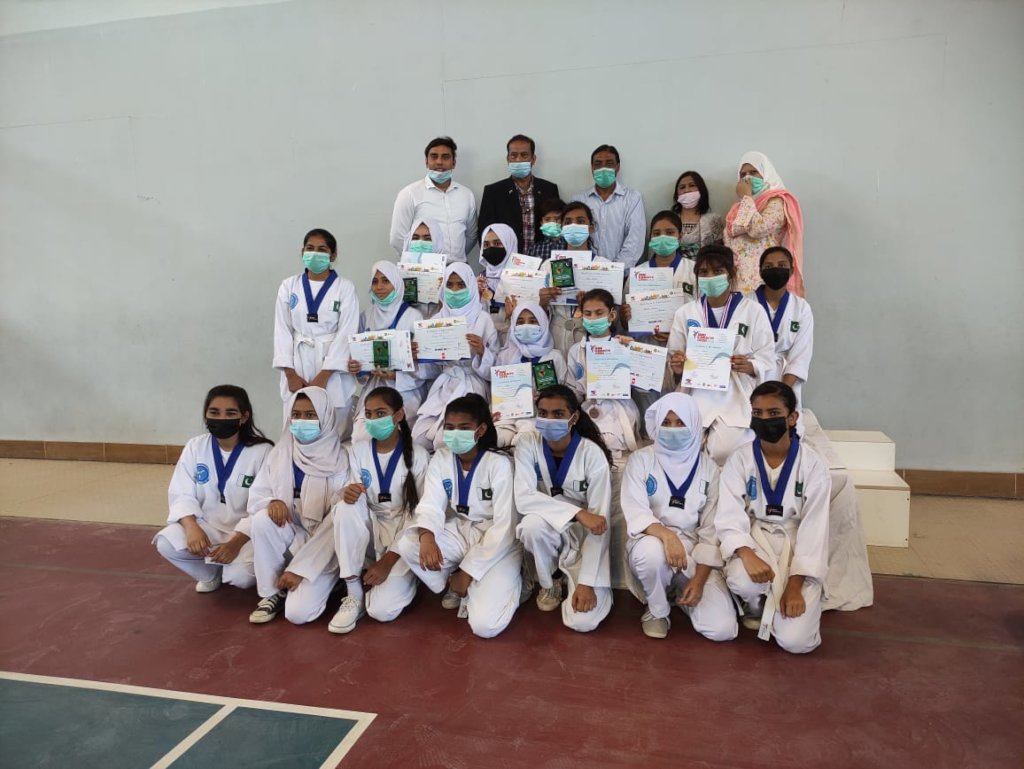
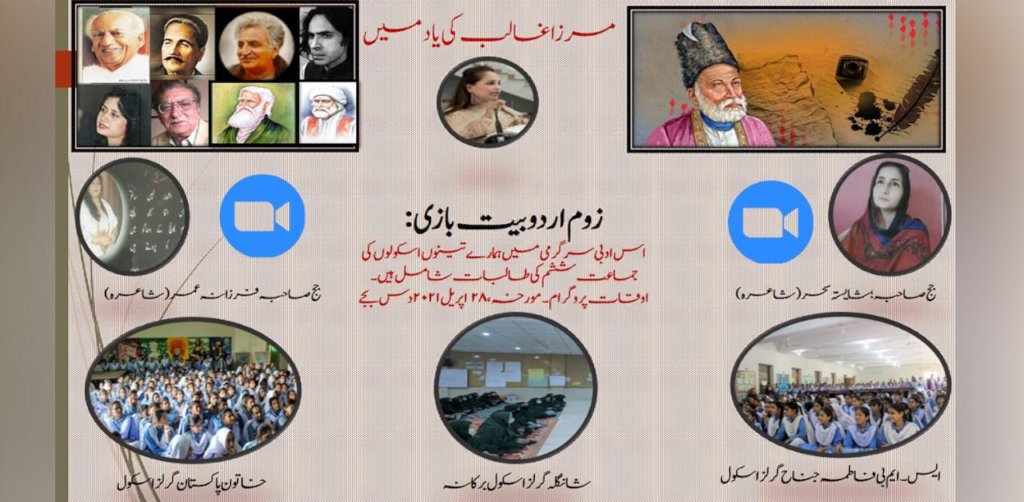
Since September, covid cases have subsided considerably, and we have been able to bring back more student developmental activities, such as sports and music. In addition, our external workshops for students have also been able to resume, with talks arranged by various volunteers and organizations. These include a talk on Alzheimer's awareness, a career counseling workshop on vocational training. The way forward has changed, but the vision of transforming government schools for students across Pakistan still holds true.
By Ali Aftab Ghias | Program Officer - Special Projects and Advocacy
By Ali Aftab Ghias | Program Officer - Special Projects and Advocacy
Project reports on GlobalGiving are posted directly to globalgiving.org by Project Leaders as they are completed, generally every 3-4 months. To protect the integrity of these documents, GlobalGiving does not alter them; therefore you may find some language or formatting issues.
If you donate to this project or have donated to this project, you can receive an email when this project posts a report. You can also subscribe for reports without donating.



Support this important cause by creating a personalized fundraising page.
Start a Fundraiser