By Pinar Ozyurek | Director of Philanthropy
Dear TPF Donors,
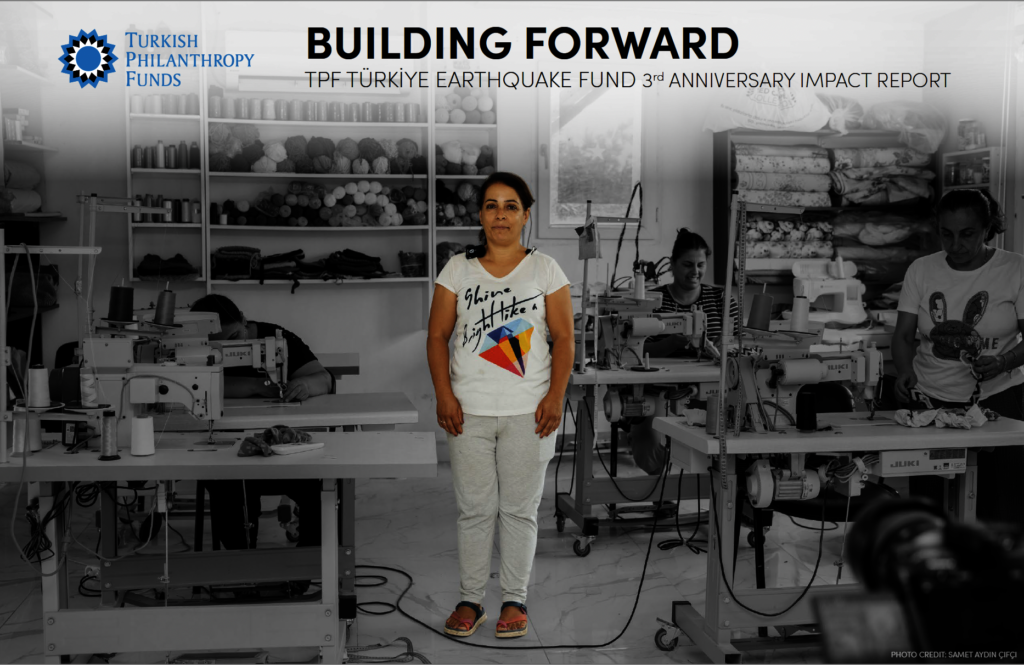
More than three years after the February 2023 earthquakes, the TPF Earthquake Fund has moved through every stage of recovery alongside the communities it was created to support.
In the first days and months after the earthquakes, the priority was clear: save lives and meet urgent needs. TPF rapidly mobilized its nonprofit network to support emergency relief, shelter, food, healthcare, search and rescue, protection, psychosocial support, and access to education.
As needs evolved, so did the Fund. Our grantmaking shifted toward longer-term recovery, helping communities return to education, rebuild livelihoods, access mental health support, and regain a sense of stability and community. More recently, our focus has increasingly turned toward resilience, supporting locally led solutions, sustainable livelihoods, stronger local capacity, and preparedness for future disasters.
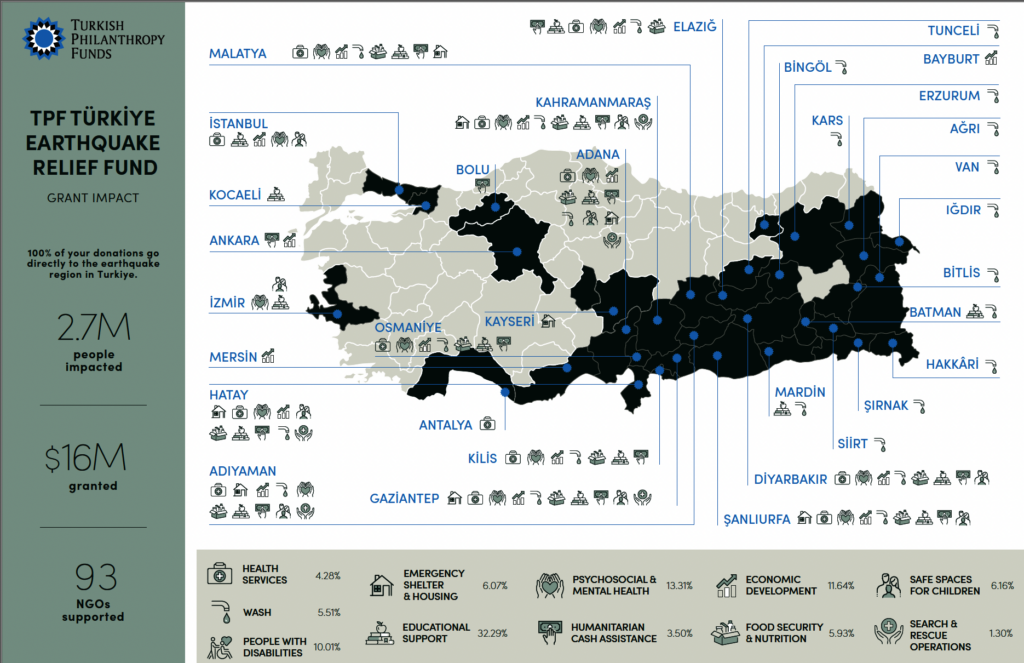
Together, more than 100,000 donors from 116 countries helped raise $20.7 million. Since the Fund’s inception, TPF has granted approximately $17 million through192 grants to 95 nonprofit partners, reaching more than 2.7 million people across Türkiye.
None of this would have been possible without you. Thank you for standing with the people in need when it mattered most — and for trusting TPF to carry your generosity all the way to those who needed it most.
With gratitude,
Team TPF
Children Finding Their Place in a Changing City
Adyaman was deeply affected by the February 2023 earthquakes, and the city is still being reshaped. As container settlements close and families move into newly built neighborhoods, children are navigating unfamiliar streets, new routes to school, and changing public spaces. For them, recovery is not only about rebuilding homes. It is also about feeling safe, connected, and able to belong in the city taking shape around them.
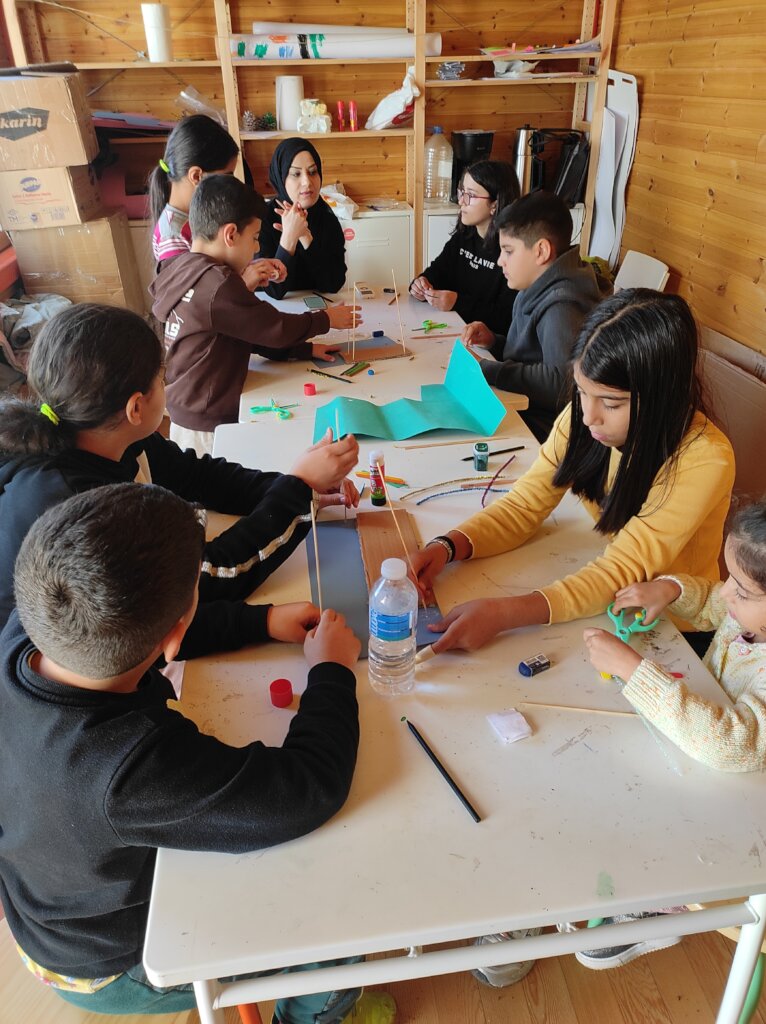
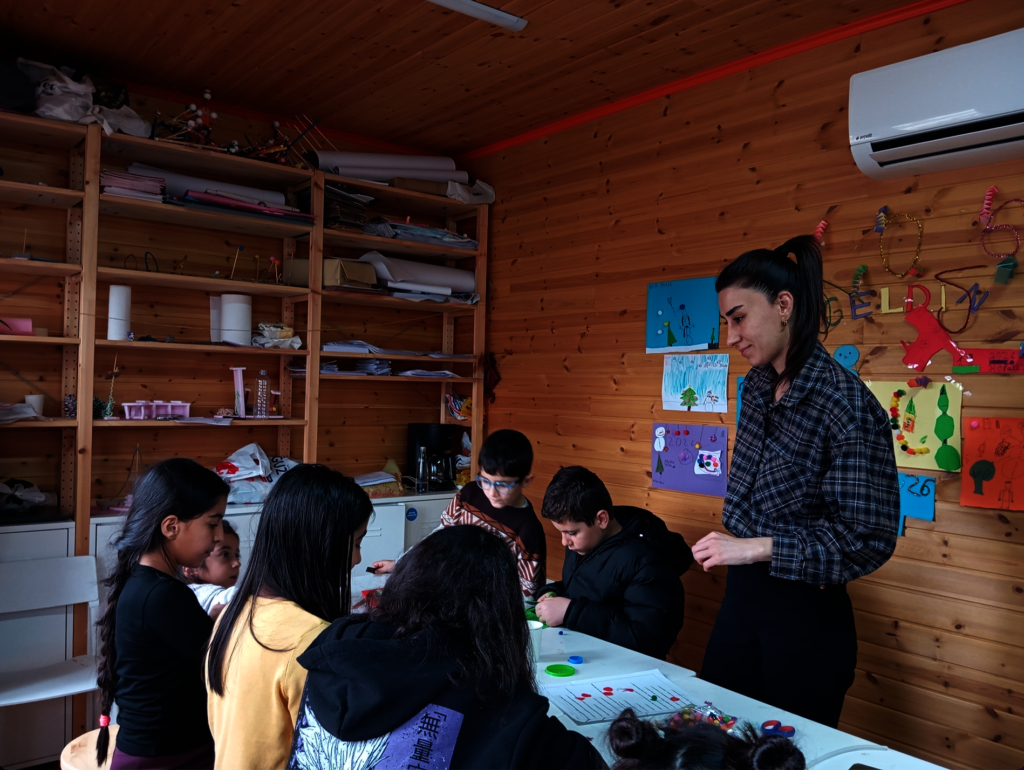
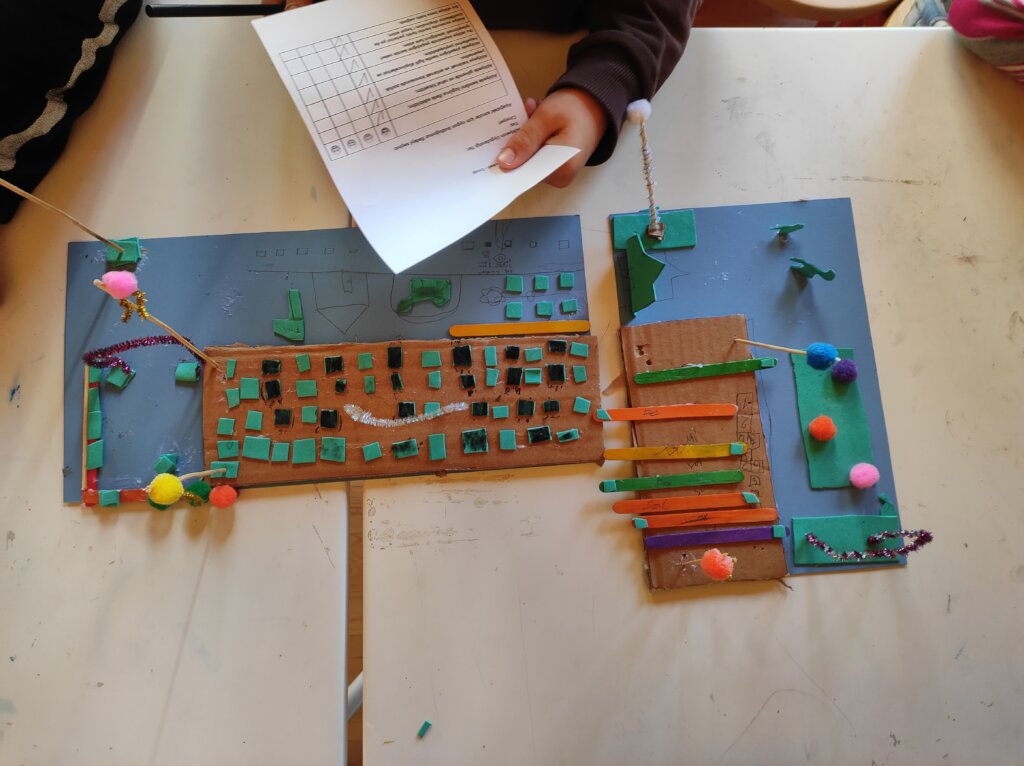
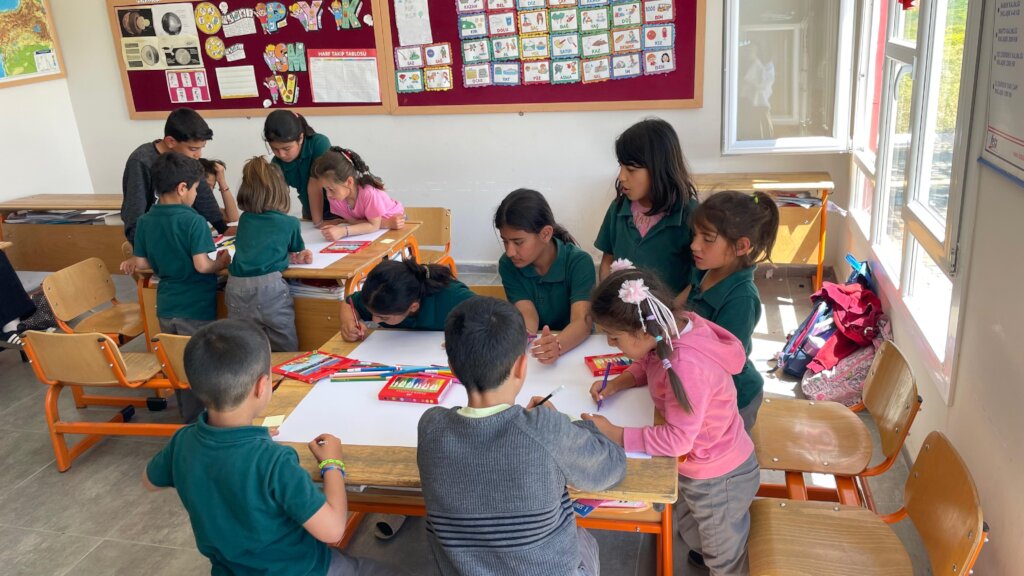
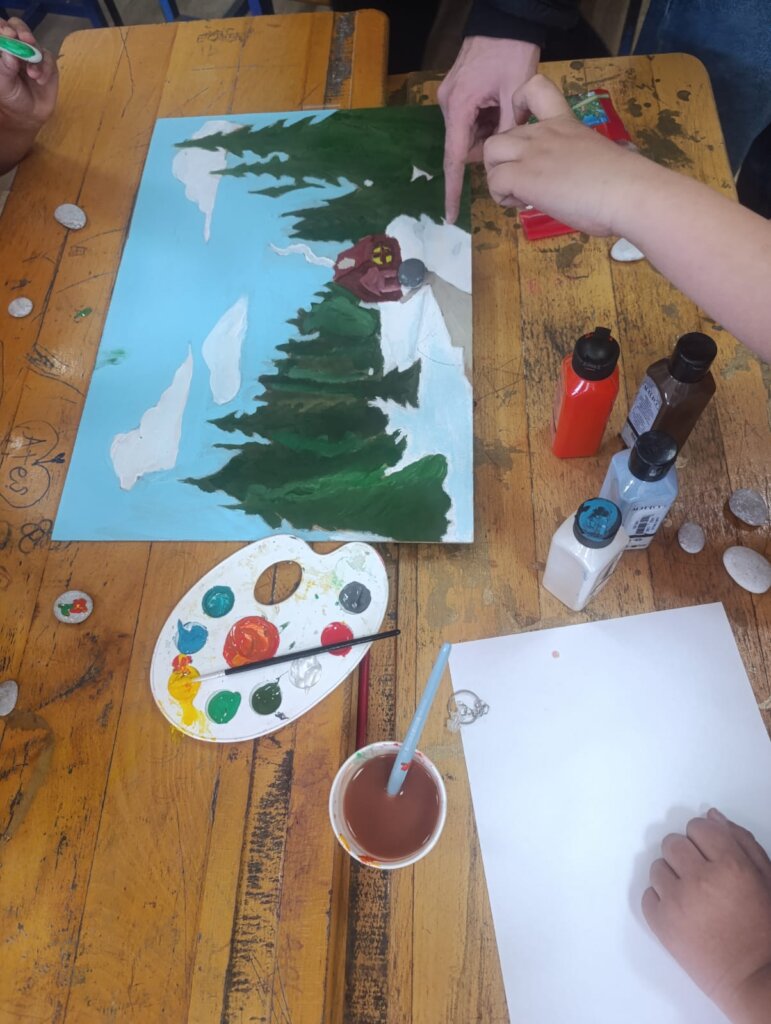
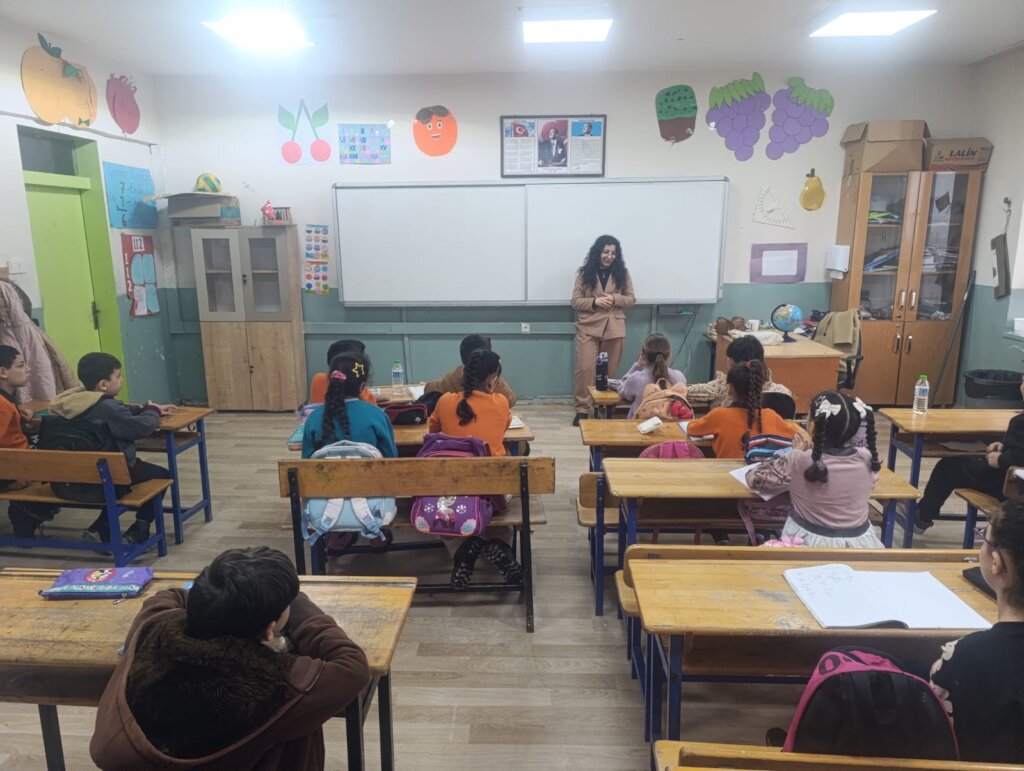
With your support, City Detective: City, Environment and Art Association’s Playful Adyaman project gave children a way to explore these changes and have a say in what comes next. Across 42 workshops, children mapped their surroundings and used drawing, observation, model-making, movement, and other creative methods to identify challenges they encountered in their daily lives, from safe mobility and places to play to accessibility, lighting, green spaces, and public transportation.
“Finding Her Place in the City”
Narin is 12 and has been connected to Hayat Park since it was built in 2024. She became one of the children who kept coming back, participating in most workshops and spending time in the park even when no activities were taking place.
At first, collective decision-making was not always easy for her. Narin sometimes struggled to negotiate different opinions and make decisions together with others. Over time, however, the project team watched her become increasingly comfortable expressing her own views, listening to different perspectives, and finding a way forward together.
And Narin’s ideas were not confined to the park.
The observations and proposals developed by children like her were collected into Children’s Recommendations for Adyaman’s Reconstruction Process, addressing issues they encountered in their changing city, including mobility, play, school surroundings, accessibility, shade, lighting, and municipal services. Those recommendations were then taken directly to the Mayor of Adyaman and relevant local authorities. Children’s views were also turned into posters displayed inside public buses, carrying their ideas beyond the workshops and into the everyday life of the city.
“Making His Ideas Visible”
Mustafa found his place in this changing city differently. The team first met him in 2025 during workshops held with children living in container settlements. He especially enjoyed embroidery and making things with his hands. But what stood out was what he did with what he created: Mustafa wanted to explain it.
He talked about his work, shared the ideas and proposals behind it, and encouraged other children to join in. His experience captured another side of the project: children were not simply being asked to make things or attend workshops. They were learning that what they created and thought about their surroundings could be shared with others and made visible.
That visibility began reaching beyond the children themselves. During the final months of the project, Adyaman Municipality approached City Detective and asked the organization to adapt the City School program for municipal childcare centers. A pilot for younger children followed, providing an early sign that the approach developed through the project could continue within local public institutions.
For Narin, Mustafa, and hundreds of other participants in Playful Adyaman, the project was about more than learning about their city. At a time when so much of Adyaman was being rebuilt around them, they were discovering that they could have a place in shaping it too.
By Pinar Ozyurek | Director of Philanthropy
By Pinar Ozyurek | Director of Philanthropy
Project reports on GlobalGiving are posted directly to globalgiving.org by Project Leaders as they are completed, generally every 3-4 months. To protect the integrity of these documents, GlobalGiving does not alter them; therefore you may find some language or formatting issues.
If you donate to this project or have donated to this project, you can receive an email when this project posts a report. You can also subscribe for reports without donating.



Support this important cause by creating a personalized fundraising page.
Start a Fundraiser