By Valerie Pixley | Project Manager
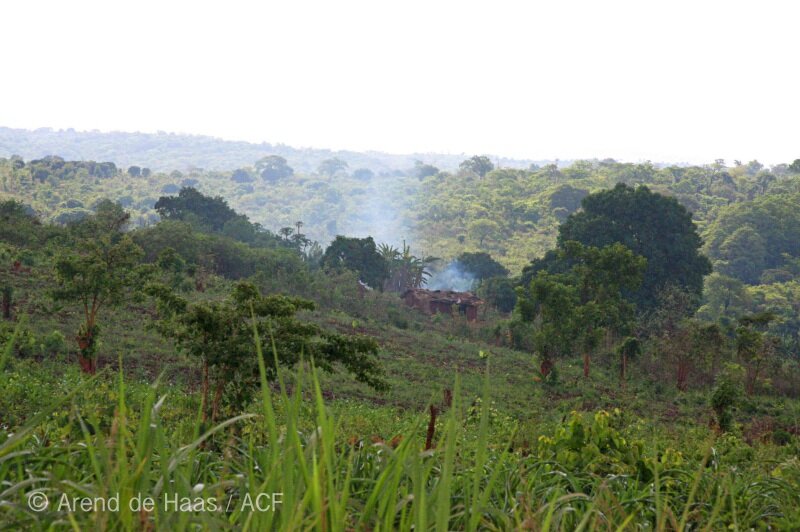
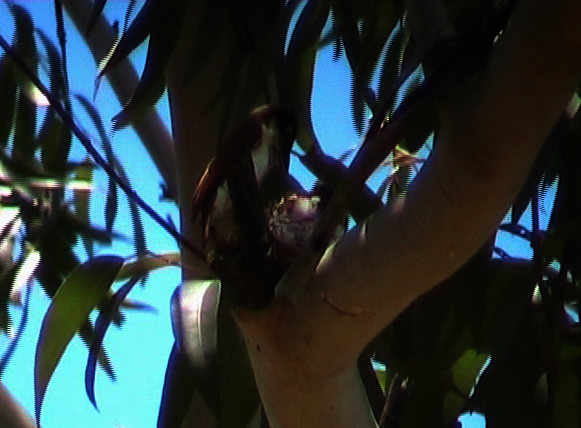
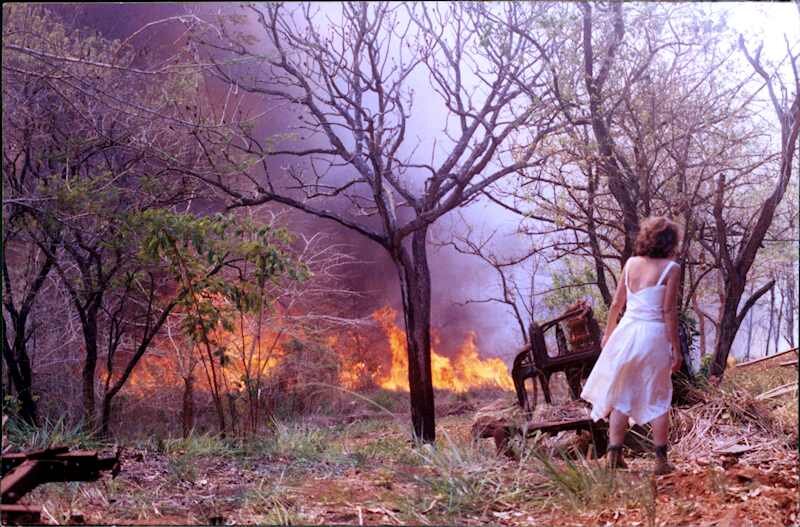
In the heart of Mozambique, the Nhamacoa Forest was once alive with the rustle of leaves, birdsong, and the graceful arcs of swallows against blue summer skies. Today, those skies are quiet. The forests are shrinking, and with them, the homes of countless wild animals — and the future of the people who depend on them.
Why It Matters
“Wildlife only has 2 percent of the earth’s surface left to itself…” wrote conservationist David Shepherd in 1975. Half a century later, the situation is more urgent than ever.
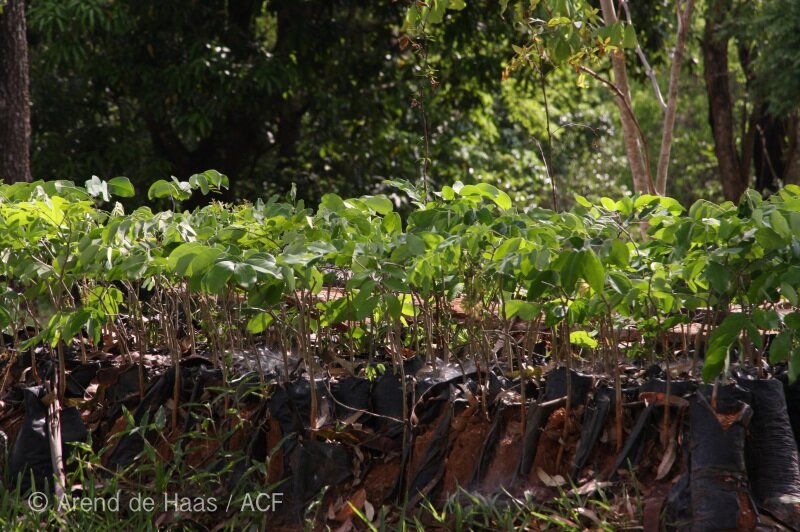
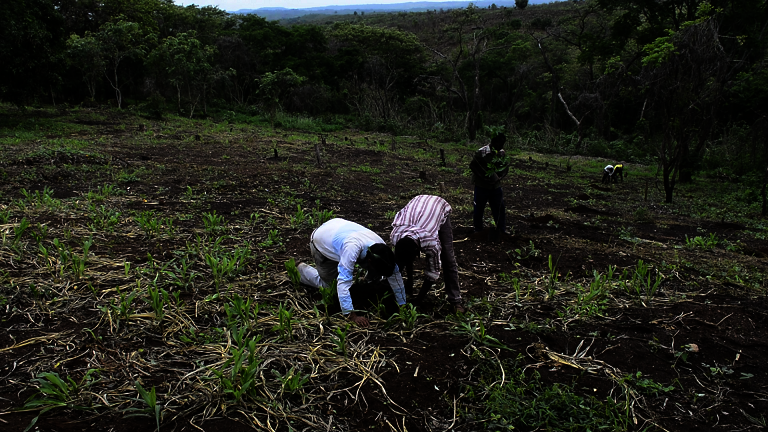
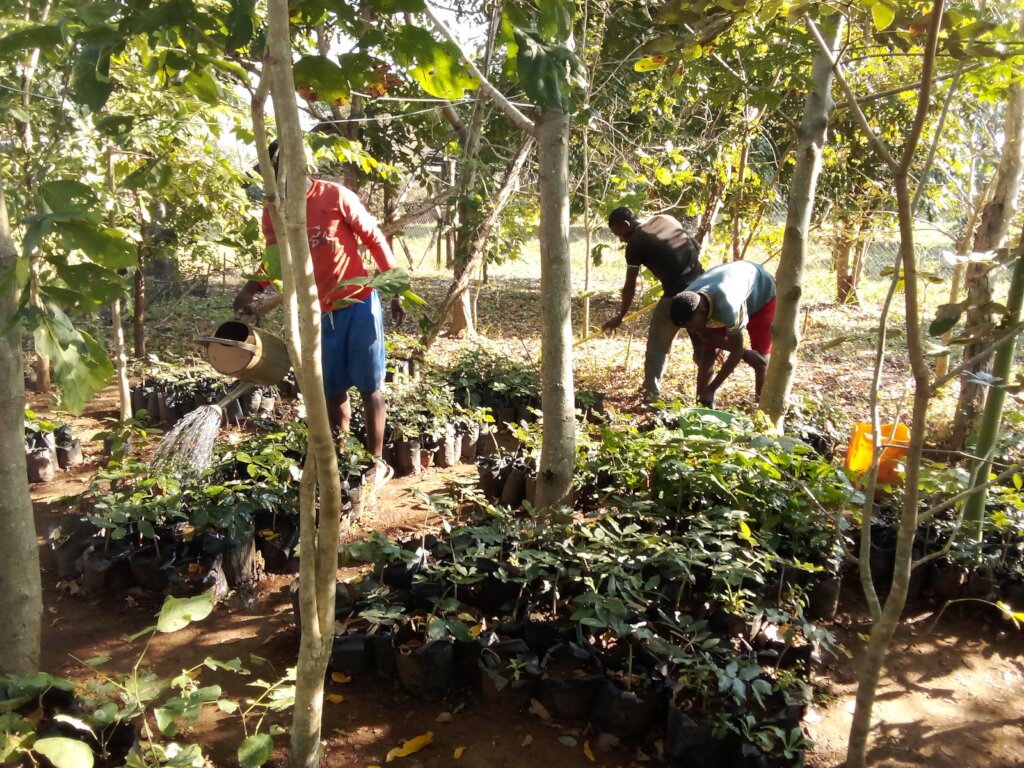
At Trees4Moz, we’re doing everything we can — on a small but determined scale — to keep the forest and its biodiversity alive. Our mission is simple: grow and plant as many indigenous trees as possible, and help both wildlife and people thrive again.
What We’ve Achieved
So far, we’ve grown around 45,000 trees:
25,000+ funded by ourselves
20,000 funded by supporters
We’ve donated 1,000 trees to the local environment department and 200 to the Nhamacoa school, and we also sell trees to individuals and organisations who want to reforest their land.
Where the Forest Begins: With Seeds — and Children
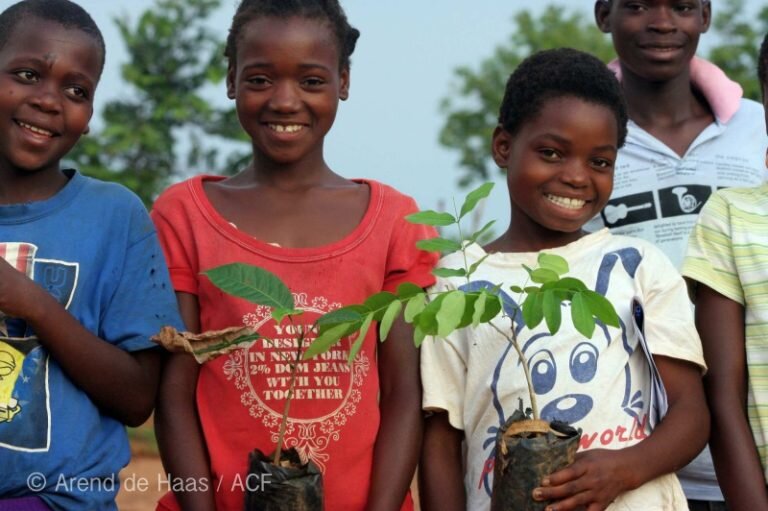
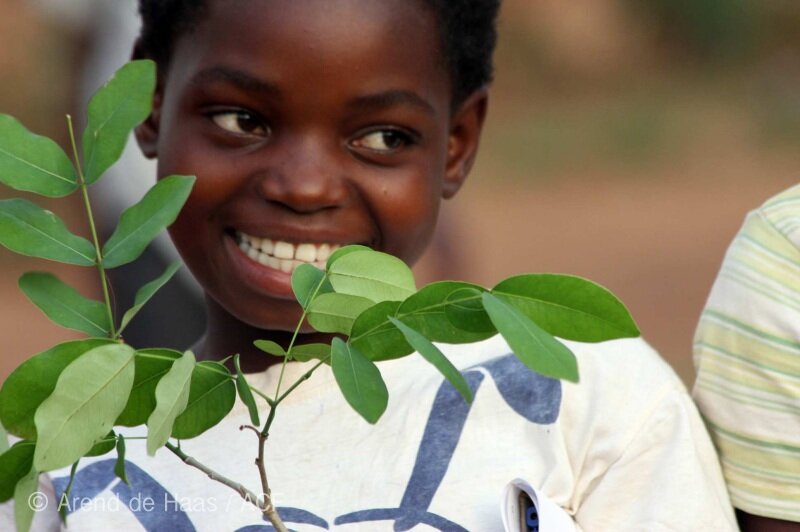
Most of our seeds come from the forest itself, and many from the hands of children who live nearby. When seed season arrives, they show up with small bags full of tree seeds — and we buy every bag, even those with less useful species. These children use the money for schoolbooks and fees, often setting the prices themselves. It’s often the smallest girl who negotiates the hardest — and that always brings a smile.
Trees with a Story
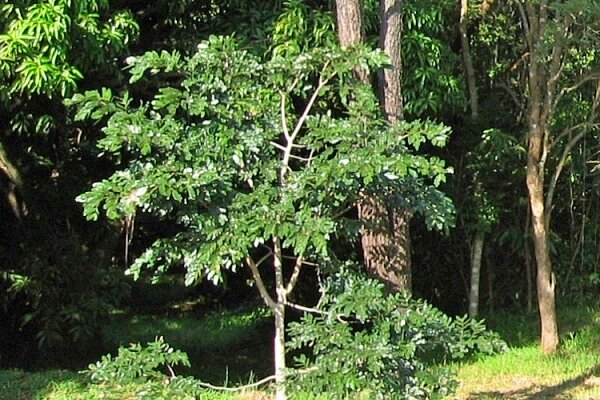
We grow a diverse range of trees, such as:
Afzelia quanzensis (Chanfuta)
Millettia stuhlmannii (Panga panga)
Swartzia madagascariensis (Pau ferro)
Kigelia africana (Muvuve)
… and many more.
These trees don’t just offer shelter to wildlife. Many play a role in traditional medicine — treating everything from fevers to cataracts — and even serving as soap during times of conflict.
The Pau ferro, also known as the Snake Bean Tree, produces pods that deter ants. The root of the Umbila tree was once used to treat malaria — a remedy reportedly used by early settlers.
Sharing with Samango Monkeys
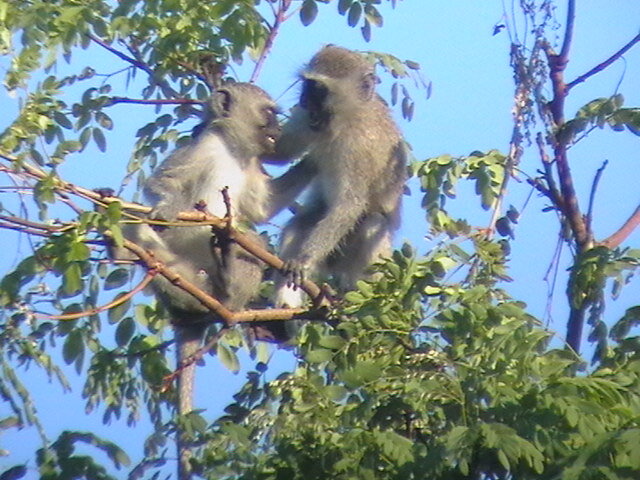
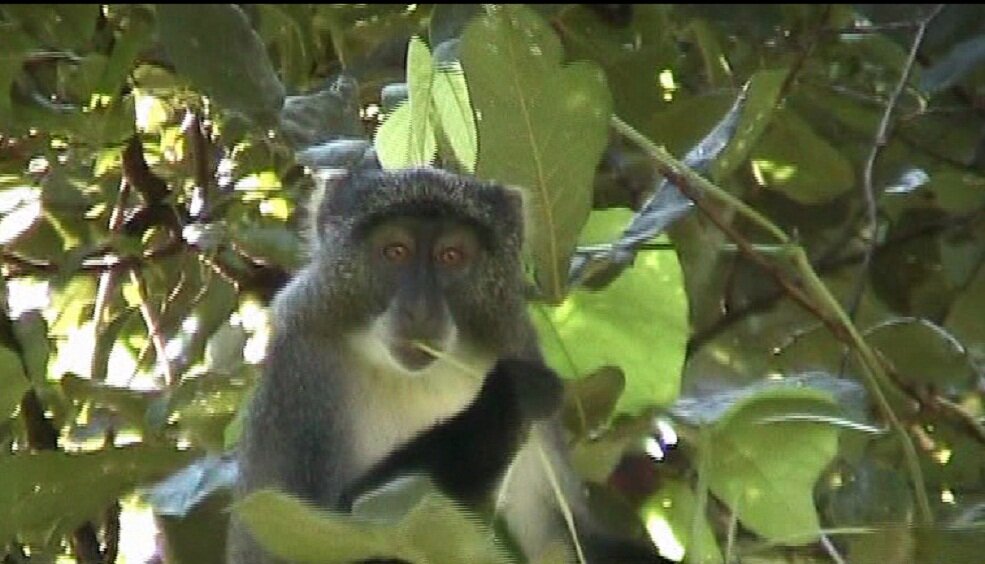
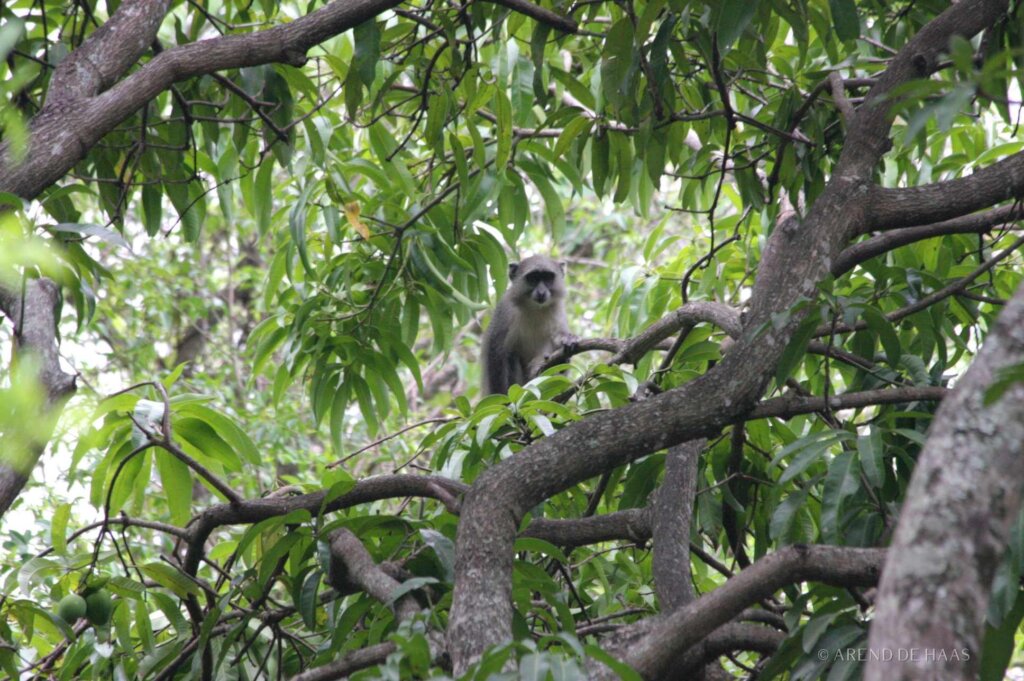
We also grow kapok trees, loved by bees, birds — and lately, Samango monkeys, who eat the buds before they bloom. Despite this, we remain hopeful. Thanks to a generous donation of kapok seeds from Allan Schwarz of Mezimbite, we’ll be planting many more for everyone to share — birds, bees, monkeys… and maybe a few pillows too.
With your support, we’re not just growing trees. We’re growing futures — for wildlife, for people, and for the planet. Thank you.
Project reports on GlobalGiving are posted directly to globalgiving.org by Project Leaders as they are completed, generally every 3-4 months. To protect the integrity of these documents, GlobalGiving does not alter them; therefore you may find some language or formatting issues.
If you donate to this project or have donated to this project, you can receive an email when this project posts a report. You can also subscribe for reports without donating.



Support this important cause by creating a personalized fundraising page.
Start a Fundraiser